
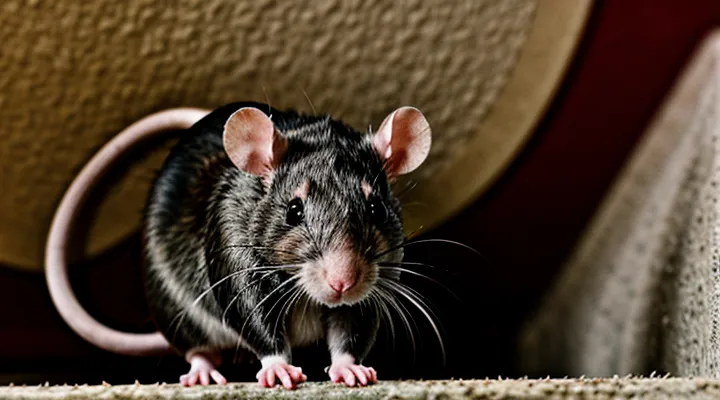
Understanding Nosebleeds in Rats
Recognizing Epistaxis
Clinical Signs
Rats with epistaxis typically present with a bright red discharge from one or both nostrils. The flow may be continuous or intermittent, ranging from a few drops to a profuse stream that drips onto the fur and cage bedding. Blood often accumulates in the external nares, the nasal passages, and the oral cavity, resulting in a reddish coating on the whiskers, fur around the muzzle, and the tongue.
Accompanying signs include pallor of the mucous membranes, indicating reduced circulating red blood cells. Rapid breathing or audible wheezing may arise if the airway becomes partially obstructed by clotted blood. Rats may exhibit reduced activity, diminished grooming, and a reluctance to explore, reflecting discomfort or weakness.
In severe cases, the animal can develop hypovolemic shock, manifested by a weak pulse, low body temperature, and lethargy. Additional observations may involve nasal crusting or scabbing as the bleeding ceases, and occasional bruising around the nostrils from repeated rubbing.
A systematic assessment of these clinical manifestations guides the urgency of intervention and informs the selection of therapeutic measures.
Differentiating from Porphyrin Staining
Nasal bleeding in laboratory rats can be mistaken for the reddish‑brown secretion that results from porphyrin excretion. Accurate distinction is essential for appropriate therapeutic decisions.
The secretion produced by the Harderian gland is a fluid rich in porphyrins. It accumulates around the eyes, whisker pads, and mouth, forming a glossy stain that dries to a dark crust. The material is viscous, lacks a metallic odor, and does not flow from the nostrils. In contrast, true epistaxis appears as fresh, wet blood emerging directly from one or both nares. The blood may be bright red or, after oxidation, darker, and it often drips onto the fur or floor. A metallic, iron‑like smell frequently accompanies active bleeding.
Visual inspection alone may be insufficient when stains obscure the nostril region. Supplemental techniques improve reliability:
- Nasal lavage with sterile saline: clears porphyrin residue while leaving blood clots intact; recovered fluid can be examined microscopically.
- Spectrophotometric analysis: porphyrin solutions absorb at 400 nm; blood shows peaks at 540 nm and 576 nm.
- Histopathology of nasal mucosa: hemorrhage presents as extravasated erythrocytes, whereas porphyrin deposits appear as pigmented granules without tissue damage.
- Odor assessment: a metallic scent indicates hemoglobin breakdown; porphyrin lacks this characteristic.
When differentiation confirms epistaxis, immediate measures include gentle compression of the nostrils, humidified environment, and evaluation for underlying causes such as trauma, coagulopathy, or infection. If porphyrin staining is identified, focus shifts to managing stress, optimizing cage hygiene, and monitoring for ocular or respiratory disease that may stimulate Harderian gland secretion.
By applying these criteria, investigators can reliably separate nasal hemorrhage from porphyrin excretion and implement targeted interventions.
Causes of Nosebleeds
Local Factors
Trauma
Trauma accounts for a substantial proportion of nasal hemorrhage observed in laboratory rats. Direct impact, crushing injuries, and penetrating wounds disrupt the delicate vasculature of the nasal mucosa, producing rapid blood loss. Secondary effects such as edema and inflammation exacerbate bleeding by increasing vascular permeability.
Clinical presentation includes visible blood flow from the nostrils, pallor, tachycardia, and reduced activity. Examination should confirm the source of bleeding, assess the extent of tissue damage, and rule out concurrent systemic coagulopathies.
Effective management proceeds through immediate hemostasis, stabilization, and wound care:
- Apply gentle pressure with sterile gauze to the nostrils for 2–3 minutes; repeat if bleeding persists.
- Use a topical vasoconstrictor (e.g., 0.5 % phenylephrine solution) applied sparingly to the mucosa.
- Administer an injectable hemostatic agent (e.g., tranexamic acid, 10 mg/kg, intraperitoneally) when topical measures fail.
- Provide analgesia (e.g., buprenorphine, 0.05 mg/kg, subcutaneously) to reduce stress‑induced vasodilation.
- Monitor hematocrit and vital signs every 30 minutes for the first 2 hours, then at regular intervals until stabilization.
If the injury involves deep lacerations or bone fractures, surgical debridement and suturing under anesthesia become necessary. Post‑procedural care includes humidified environment, soft diet, and antibiotic prophylaxis to prevent secondary infection.
Prompt identification of traumatic origin and adherence to the outlined protocol markedly reduce mortality and promote rapid recovery in affected rodents.
Nasal Polyps and Tumors
Nasal polyps and neoplasms constitute significant etiological factors in rat epistaxis. Polyps arise from chronic inflammation of the nasal mucosa, leading to edematous outgrowths that obstruct airflow and damage fragile vessels. Tumors, both benign (e.g., adenomas) and malignant (e.g., adenocarcinomas, lymphoma), develop from epithelial or mesenchymal cells and frequently erode the vascular lamina propria, precipitating hemorrhage.
Diagnostic evaluation begins with visual inspection of the nasal cavity using an otoscopic probe or endoscopic system. Palpation of the external nares may reveal swelling. Radiographic imaging (plain X‑ray, computed tomography) identifies mass dimensions and bone involvement. Histopathological analysis of biopsy specimens confirms cellular origin and malignancy grade.
Therapeutic measures depend on lesion type and severity:
- Surgical excision of isolated polyps or well‑circumscribed tumors, performed under anesthesia with careful hemostasis.
- Electrocautery or laser ablation for small polyps inaccessible to conventional resection.
- Radiation therapy for infiltrative or unresectable neoplasms, applied in fractionated doses to limit surrounding tissue damage.
- Systemic chemotherapy for malignant tumors, employing agents such as cyclophosphamide or doxorubicin, guided by sensitivity testing.
- Supportive care including nasal packing with absorbable gauze, topical vasoconstrictors, and iron supplementation to address anemia.
Prognosis correlates with tumor histology and completeness of removal. Benign polyps respond well to excision, with low recurrence. Malignant neoplasms exhibit variable outcomes; early detection and multimodal treatment improve survival rates. Regular monitoring through endoscopic follow‑up and imaging is essential to identify recurrence promptly.
Foreign Bodies
Foreign material lodged in the nasal cavity is a frequent precipitant of epistaxis in laboratory rats. Objects such as bedding particles, feed fragments, or accidental insertion during handling can breach the delicate mucosal lining, disrupt capillary networks, and provoke bleeding. The small size of the rodent nasal passages makes even minute debris capable of causing significant hemorrhage.
Clinical assessment relies on visual inspection of the nostrils, endoscopic examination when available, and careful palpation of the nasal region. Identification of a foreign body is confirmed by locating a visible object, a localized ulcer, or a persistent blood stream that does not resolve with gentle compression. Radiography or micro‑CT may be employed when the object is radiopaque or when the source remains unclear.
Management proceeds with the following steps:
- Immediate application of gentle pressure to the nostrils for 2–3 minutes to control active bleeding.
- Removal of the foreign material using fine forceps or a sterile cotton swab under magnification; irrigation with sterile saline may aid extraction.
- Administration of a topical vasoconstrictor (e.g., 0.5 % oxymetazoline) to reduce residual hemorrhage.
- Monitoring for 24 hours; if bleeding recurs, systemic therapy with a short course of oral tranexamic acid (10 mg/kg) is recommended.
Prompt removal of the offending object and supportive hemostasis typically restore nasal integrity and prevent secondary infection.
Fungal Infections
Fungal pathogens can provoke nasal hemorrhage in laboratory rats by invading the nasal mucosa, eroding blood vessels, and eliciting inflammatory necrosis. Species most frequently implicated include Aspergillus fumigatus, Candida albicans, and Mucor spp., which thrive in humid, poorly ventilated cages. Infection typically follows inhalation of conidia, colonization of the turbinates, and progression to sinusitis or rhinitis, where tissue destruction creates a direct source of bleeding.
Key diagnostic indicators:
- Persistent unilateral or bilateral nasal discharge, often purulent or serosanguinous.
- Visible crusting or ulceration within the nostrils.
- Radiographic or CT evidence of sinus opacification and bony erosion.
- Positive fungal culture or PCR from nasal swabs or tissue biopsies.
Effective therapeutic measures focus on rapid eradication of the fungus and stabilization of the nasal vasculature:
- Systemic antifungal agents (e.g., voriconazole 15 mg/kg PO q12h, itraconazole 10 mg/kg PO q24h) for a minimum of 14 days, adjusted according to serum drug levels.
- Topical antifungal irrigation (0.5 % amphotericin B solution) applied twice daily to reduce local fungal load.
- Supportive care: humidified environment, analgesics (e.g., buprenorphine 0.05 mg/kg SC q12h), and iron supplementation if anemia develops.
- Surgical debridement of necrotic tissue when imaging reveals extensive bone loss or when medical therapy fails to control bleeding.
Preventive strategies include maintaining cage humidity below 60 %, providing adequate ventilation, and implementing routine fungal screening of feed and bedding. Early detection through weekly nasal examinations and prompt antifungal intervention markedly reduces morbidity and mortality associated with fungal-induced epistaxis in rats.
Bacterial Infections
Bacterial pathogens are a frequent source of nasal bleeding in laboratory rats, often manifesting as unilateral or bilateral epistaxis accompanied by mucosal inflammation. Primary agents include Streptococcus pneumoniae, Pasteurella multocida, and Klebsiella pneumoniae, which colonize the nasal cavity, breach epithelial barriers, and provoke vascular damage. Secondary infections may arise after trauma or immunosuppression, exacerbating hemorrhagic lesions.
Diagnostic evaluation should combine clinical observation with laboratory analysis:
- Visual inspection of the nasal cavity for purulent discharge and blood clot formation.
- Culture of nasal swabs on selective media to identify bacterial species and assess antimicrobial susceptibility.
- Hematological profiling to detect leukocytosis, anemia, or coagulation abnormalities.
- Radiographic or computed tomography imaging to reveal sinus involvement or bone erosion.
Therapeutic measures focus on eliminating the infectious agent and stabilizing hemostasis:
- Empirical broad‑spectrum antibiotics (e.g., enrofloxacin, ampicillin) initiated promptly, then refined according to culture results.
- Topical antiseptic irrigation with sterile saline or diluted chlorhexidine to reduce bacterial load and clear clots.
- Systemic anti‑inflammatory drugs (e.g., meloxicam) to diminish edema and vascular permeability.
- Supportive care including fluid therapy, iron supplementation, and, when necessary, transfusion of packed red blood cells to correct anemia.
Preventive strategies rely on strict biosecurity, routine health monitoring, and vaccination where available. Maintaining optimal husbandry conditions—adequate ventilation, humidity control, and low population density—reduces colonization pressure and the likelihood of bacterial epistaxis outbreaks.
Systemic Factors
Coagulopathies
Nasal hemorrhage in laboratory rats frequently signals an underlying disturbance of hemostasis. When clotting mechanisms fail, even minor trauma to the nasal mucosa can produce persistent bleeding.
Coagulopathies encompass any condition that impairs the formation or stability of a fibrin clot. They may arise from deficiencies of clotting factors, platelet dysfunction, or excessive activation of fibrinolysis. In rodents, common etiologies include vitamin K antagonism, hepatic insufficiency, inherited factor deficiencies (e.g., factor VIII or IX), and disseminated intravascular coagulation secondary to sepsis or endotoxemia.
Coagulopathic states predispose rats to epistaxis by:
- Reducing thrombin generation, limiting fibrin deposition.
- Lowering platelet adhesion to damaged endothelium.
- Enhancing fibrinolytic activity, dissolving nascent clots.
Diagnostic work‑up should comprise:
- Prothrombin time (PT) and activated partial thromboplastin time (aPTT) to assess extrinsic and intrinsic pathways.
- Platelet count and aggregation studies for primary hemostasis evaluation.
- Serum biochemistry for liver enzymes and bilirubin, indicating hepatic contribution.
- D‑dimer measurement to detect ongoing fibrinolysis.
Therapeutic measures focus on restoring coagulation balance and controlling bleeding:
- Administer vitamin K₁ (2–5 mg/kg subcutaneously) for antagonism or dietary deficiency.
- Provide fresh frozen plasma or pooled rat plasma to replace deficient clotting factors.
- Use tranexamic acid (100 mg/kg orally or intravenously) to inhibit fibrinolysis.
- Apply local pressure or cauterization to the bleeding site after systemic correction.
- Treat underlying disease (e.g., antibiotics for sepsis, hepatoprotective agents for liver failure).
Prompt identification and correction of coagulopathies reduce morbidity associated with nasal bleeding and improve experimental reliability in rodent research.
Vitamin K Deficiency
Vitamin K deficiency is a recognized contributor to spontaneous nasal hemorrhage in laboratory rats. The vitamin is essential for γ‑carboxylation of clotting factors II, VII, IX and X; insufficient levels impair the coagulation cascade, predisposing to bleeding from the nasal mucosa.
Typical origins of the deficiency include:
- Diets lacking adequate vitamin K content, especially when feed is stored for prolonged periods.
- Intestinal malabsorption caused by dysbiosis, parasitic infection or surgical resection of the ileum.
- Broad‑spectrum antibiotics that eradicate vitamin K‑producing gut flora.
- Administration of anticoagulant rodenticides such as warfarin or coumarin derivatives.
- Hepatic dysfunction that reduces synthesis of vitamin‑dependent clotting proteins.
Affected rats frequently present with unilateral or bilateral epistaxis, prolonged prothrombin time, increased bleeding on minor trauma, and occasional ecchymoses on the snout or paws. Laboratory evaluation should comprise:
- Prothrombin time (PT) and activated partial thromboplastin time (aPTT) to detect coagulation delay.
- Serum vitamin K concentration, when available, to confirm deficiency.
- Liver enzyme panel to assess hepatic contribution.
- Necropsy of the nasal cavity, if indicated, to rule out local lesions.
Therapeutic intervention centers on restoring vitamin K activity and correcting the underlying cause. Recommended measures are:
- Intraperitoneal or subcutaneous injection of phylloquinone (vitamin K₁) at 2–5 mg/kg daily for three consecutive days, followed by oral supplementation in the feed.
- Discontinuation of anticoagulant exposure and replacement of antibiotic regimens with agents that spare gut flora.
- Supportive care, including gentle nasal pressure to control active bleeding and monitoring of coagulation parameters until normalization.
Prompt correction of vitamin K status typically resolves epistaxis within 24–48 hours and restores normal hemostasis, preventing recurrence.
Liver Disease
Epistaxis in laboratory rats frequently signals systemic pathology, and liver disease is a common underlying factor. Hepatic dysfunction impairs synthesis of clotting factors, reduces platelet production, and disrupts vascular integrity, creating a predisposition to spontaneous nasal bleeding. In addition, portal hypertension associated with chronic liver injury elevates venous pressure in the nasal mucosa, further promoting hemorrhage.
Key mechanisms linking hepatic pathology to nasal bleeding include:
- Decreased levels of fibrinogen, prothrombin, and factors V, VII, IX, and X.
- Thrombocytopenia resulting from splenic sequestration and impaired thrombopoietin release.
- Endothelial damage due to oxidative stress and inflammatory cytokines.
- Elevated hydrostatic pressure in the nasal vessels secondary to portal hypertension.
Diagnostic evaluation should combine clinical observation with laboratory and imaging studies:
- Hematologic panel to assess platelet count, prothrombin time, and activated partial thromboplastin time.
- Serum biochemistry for alanine aminotransferase, aspartate aminotransferase, bilirubin, and albumin.
- Ultrasound of the abdomen to detect liver enlargement, fibrosis, or ascites.
- Endoscopic examination of the nasal cavity to identify active bleeding sites and rule out local trauma.
Therapeutic strategies focus on correcting coagulopathy and managing liver pathology:
- Administration of fresh frozen plasma or specific clotting factor concentrates to restore hemostasis.
- Platelet transfusion when severe thrombocytopenia is present.
- Vitamin K supplementation to support synthesis of vitamin‑K–dependent factors.
- Antifibrinolytic agents such as tranexamic acid to reduce bleeding duration.
- Treatment of the primary hepatic condition with appropriate pharmacologic agents (e.g., hepatoprotective compounds, antiviral therapy for viral hepatitis, or immunosuppressants for autoimmune hepatitis).
- Supportive care including fluid management, oxygen supplementation, and analgesia.
Monitoring response involves serial hematologic testing and observation of nasal bleeding frequency. Effective control of liver disease reduces the incidence of epistaxis, improves overall animal welfare, and enhances the reliability of experimental outcomes that depend on stable physiological conditions.
Thrombocytopenia
Thrombocytopenia, a reduction in circulating platelets, predisposes laboratory rats to spontaneous epistaxis. Platelet counts below 100 × 10⁹ L⁻¹ markedly impair primary hemostasis, allowing minor mucosal trauma to develop into persistent nasal bleeding. Common etiologies in rodents include:
- Chemotherapeutic agents (e.g., cyclophosphamide, carboplatin) that suppress megakaryopoiesis.
- Viral infections such as rat parvovirus, which target bone‑marrow progenitors.
- Immune‑mediated destruction triggered by allo‑antigens or drug‑induced antibodies.
- Nutritional deficiencies, particularly of vitamin K, that indirectly affect platelet production.
Diagnostic assessment requires:
- Complete blood count with platelet enumeration.
- Peripheral smear to evaluate platelet morphology and rule out clumping artifacts.
- Bone‑marrow aspirate or biopsy for megakaryocyte quantification when production failure is suspected.
- Serologic testing for viral pathogens and antiplatelet antibodies.
Therapeutic interventions focus on restoring platelet homeostasis and controlling hemorrhage:
- Transfusion of fresh, platelet‑rich plasma derived from compatible donors.
- Administration of thrombopoietic agents such as recombinant thrombopoietin or romiplostim to stimulate megakaryocyte proliferation.
- Immunosuppressive regimens (e.g., corticosteroids, cyclosporine) for immune‑mediated platelet loss.
- Supportive care including nasal tamponade, topical vasoconstrictors, and meticulous environmental humidity control to reduce mucosal drying.
Monitoring involves daily platelet counts and visual inspection of the nasal cavity until hemostasis is achieved. Prompt identification of the underlying cause and targeted correction of thrombocytopenia are essential to prevent recurrence of epistaxis in experimental rat models.
Hypertension
Hypertension is a frequent predisposing factor for epistaxis in laboratory rats. Elevated arterial pressure increases capillary stress within the nasal mucosa, leading to vessel rupture and bleeding. Chronic hypertension also promotes endothelial dysfunction, reducing vascular integrity and facilitating hemorrhage.
Key mechanisms linking high blood pressure to nasal bleeding include:
- Mechanical stress on fragile nasal microvessels.
- Impaired autoregulation of nasal blood flow.
- Enhanced inflammatory mediator release that weakens vessel walls.
Experimental induction of hypertension in rats commonly employs:
- Angiotensin‑II infusion.
- DOCA‑salt administration.
- Spontaneously hypertensive rat (SHR) strains.
These models reliably reproduce the hemodynamic conditions that precipitate nasal hemorrhage, allowing systematic investigation of cause‑effect relationships.
Therapeutic interventions focus on normalizing blood pressure and stabilizing vascular walls:
- Pharmacologic agents: ACE inhibitors, angiotensin‑II receptor blockers, and calcium‑channel blockers effectively lower systemic pressure and reduce bleeding frequency.
- Mineralocorticoid antagonists: Spironolactone mitigates volume overload, decreasing capillary pressure in the nasal cavity.
- Topical hemostatics: Nasal application of tranexamic acid or fibrin sealants provides immediate clot support while systemic therapy takes effect.
Monitoring strategies involve non‑invasive tail‑cuff measurements and direct arterial catheterization to verify blood pressure control. Serial endoscopic examination of the nasal passages confirms cessation of bleeding and assesses mucosal healing.
Combining systemic antihypertensive treatment with localized hemostatic measures yields the most consistent reduction in epistaxis incidence among hypertensive rat cohorts.
Toxin Exposure
Toxin exposure is a frequent trigger of epistaxis in laboratory rats. Ingested or inhaled toxicants damage the nasal mucosa, impair coagulation, or induce systemic hypertension, each of which can precipitate bleeding from the nasal cavity.
Common toxic agents include:
- Heavy metals (lead, mercury, cadmium)
- Anticoagulant rodenticides (warfarin‑type compounds)
- Mycotoxins (aflatoxin, ochratoxin)
- Pesticides (organophosphates, carbamates)
- Industrial chemicals (formaldehyde, ammonia)
Mechanisms of toxin‑induced bleeding:
- Direct epithelial erosion leading to vessel rupture
- Inhibition of clotting factor synthesis or activity
- Platelet dysfunction caused by xenobiotic interaction
- Vasoconstriction followed by rebound vasodilation and pressure spikes
Diagnostic protocol:
- Observe nasal discharge, blood‑tinged snuffling, and weight loss.
- Perform complete blood count and coagulation profile to detect anemia or clotting defects.
- Conduct histopathology of nasal tissue to identify necrosis or inflammatory infiltrates.
- Measure serum concentrations of suspected toxins when exposure history is available.
Treatment strategy:
- Discontinue exposure source immediately.
- Apply local hemostatic agents (e.g., absorbable gelatin sponges) to the nostril.
- Administer vitamin K1 or plasma transfusion for anticoagulant poisoning.
- Use chelating agents (dimercaprol, succimer) for heavy‑metal intoxication.
- Provide supportive care: fluid therapy, analgesia, and monitoring of respiratory function.
Prompt identification of the offending toxin and targeted therapeutic intervention reduce morbidity and prevent recurrence of nasal hemorrhage in affected rodents.
Rodenticides
Rodenticides are a frequent source of hemorrhagic disorders in laboratory and wild rats, often manifesting as epistaxis. Toxic exposure disrupts normal clotting mechanisms, leading to spontaneous nasal bleeding.
The hemorrhagic effect stems from two principal actions. Anticoagulant compounds block the vitamin K‑dependent synthesis of clotting factors, producing a systemic coagulopathy that readily involves the delicate nasal mucosa. Non‑anticoagulant agents, such as zinc phosphide, generate irritant gases or direct mucosal damage, provoking localized bleeding without a measurable clotting deficit.
Common rodenticides implicated in nasal hemorrhage include:
- Warfarin
- Bromadiolone
- Brodifacoum
- Diphacinone
- Zinc phosphide
- Aluminum phosphide
Clinical assessment should verify recent rodenticide ingestion, measure prothrombin time/international normalized ratio, and inspect the nasal cavity for active bleeding. Absence of coagulopathy directs attention to irritant toxins.
Therapeutic intervention follows a tiered protocol:
- Stabilize airway and control bleeding with gentle nasal compression or cauterization if necessary.
- Administer vitamin K₁ (phytonadione) intramuscularly or intravenously for anticoagulant poisoning; dosage adjusted to severity.
- Provide fresh frozen plasma or prothrombin complex concentrate when rapid coagulation restoration is required.
- Implement gastrointestinal decontamination (activated charcoal) if ingestion occurred within the preceding two hours.
- Monitor coagulation parameters every 6–12 hours until normalization; discontinue vitamin K₁ once laboratory values remain within reference ranges.
Prompt identification of rodenticide exposure and targeted correction of the underlying coagulopathy constitute the most effective strategy for resolving nasal bleeding in affected rats.
Certain Medications
Certain medications are recognized as frequent contributors to nasal hemorrhage in laboratory rats and as primary agents for managing the condition. Anticoagulant drugs, including warfarin and heparin, impair clot formation by inhibiting vitamin K–dependent clotting factors or enhancing antithrombin activity, respectively. Their administration often results in spontaneous epistaxis, especially when dosing exceeds therapeutic ranges.
Non‑steroidal anti‑inflammatory drugs (NSAIDs) such as meloxicam and carprofen reduce platelet aggregation through cyclo‑oxygenase inhibition. Even standard analgesic regimens can predispose rats to bleeding from the nasal mucosa, particularly when combined with other anticoagulants.
Corticosteroids, including dexamethasone and prednisolone, weaken capillary integrity by suppressing inflammatory responses and interfering with collagen synthesis. Chronic exposure may lead to fragile nasal vessels and subsequent hemorrhage.
Therapeutic interventions focus on agents that promote hemostasis and restore vascular stability. Vitamin K1 (phytonadione) reverses warfarin‑induced coagulopathy by reactivating clotting factor synthesis. Protamine sulfate neutralizes heparin activity and is administered intravenously in proportion to the heparin dose. Topical hemostatic powders containing oxidized cellulose or tranexamic acid can be applied directly to the nasal cavity to accelerate clot formation.
Supportive medications that enhance mucosal healing include:
- Vitamin C supplementation to support collagen production.
- Zinc gluconate to improve epithelial regeneration.
- Low‑dose aspirin avoidance to prevent additional platelet inhibition.
When selecting analgesics for rats with a history of nasal bleeding, prefer opioids such as buprenorphine, which provide pain relief without significant impact on platelet function. Monitoring coagulation parameters (prothrombin time, activated partial thromboplastin time) after administering any hemostatic or anticoagulant drug ensures timely detection of adverse bleeding tendencies.
Systemic Infections
Systemic infections are a frequent underlying factor in nasal hemorrhage observed in laboratory rats. Bacterial sepsis, viral viremia, and parasitic infestations can disrupt hemostatic balance, provoke inflammatory vascular injury, and increase mucosal fragility, leading to epistaxis.
Pathophysiological mechanisms include:
- Disseminated intravascular coagulation induced by endotoxins, reducing clotting factor availability.
- Cytokine‑mediated endothelial damage, compromising vessel integrity.
- Thrombocytopenia secondary to bone‑marrow suppression, impairing platelet plug formation.
Typical systemic infections associated with this presentation are:
- Gram‑negative sepsis (e.g., Pseudomonas spp., Klebsiella spp.).
- Adenoviral or coronavirus infections that cause widespread endothelial inflammation.
- Mycoplasma pulmonis infection, which can extend beyond the respiratory tract.
- Protozoal diseases such as Toxoplasma gondii that provoke systemic inflammation.
Diagnostic work‑up should combine:
- Complete blood count with differential to detect leukocytosis, anemia, or thrombocytopenia.
- Coagulation profile (PT, aPTT, fibrinogen) to identify coagulopathy.
- Blood culture and PCR panels for pathogen identification.
- Nasal endoscopy or histopathology of nasal tissue to assess local damage.
Treatment protocol focuses on eliminating the infectious agent and restoring hemostasis:
- Targeted antimicrobial therapy based on culture sensitivity; broad‑spectrum coverage pending results.
- Antiviral agents where appropriate, supplemented by supportive care.
- Intravenous fluids and plasma transfusion to correct hypovolemia and clotting deficits.
- Topical vasoconstrictors or cauterization for persistent bleeding, applied only after systemic stabilization.
Effective management requires rapid identification of the systemic infection, correction of coagulation abnormalities, and control of local bleeding sources.
Diagnosis of Epistaxis
Veterinary Examination
Physical Examination
Physical examination provides the primary source of information when a laboratory rat presents with nasal bleeding. Direct observation of the animal’s posture, respiratory pattern, and the presence of blood in the nares establishes the immediacy of the hemorrhage and indicates whether the bleeding is unilateral or bilateral. Palpation of the nasal bridge and surrounding facial structures reveals tenderness, swelling, or palpable masses that may suggest trauma, tumor, or inflammatory processes. Examination of the oral cavity and oropharynx determines if blood is originating from the upper airway or is being swallowed.
Key components of the assessment include:
- Visual inspection of the nasal openings for active flow, clots, or crust formation.
- Gentle compression of the nasal vestibule to assess hemostasis and identify the bleeding site.
- Palpation of the nasal bones and maxillary region to detect fractures or deformities.
- Auscultation of thoracic sounds to rule out concurrent respiratory distress.
- Evaluation of mucous membrane color and capillary refill to gauge systemic perfusion.
Findings such as unilateral hemorrhage, localized swelling, or palpable lesions direct the clinician toward specific etiologies—mechanical injury, infectious rhinitis, neoplasia, or coagulopathy. Normal systemic parameters alongside isolated nasal bleeding suggest a localized source, prompting targeted diagnostic imaging or histopathology. Conversely, signs of anemia, hypothermia, or widespread bruising indicate systemic involvement, requiring broader therapeutic measures.
Oral and Nasal Examination
A thorough oral and nasal assessment is essential for identifying the source of hemorrhage in laboratory rats and for selecting appropriate interventions.
The oral examination begins with gentle restraint and light anesthesia to permit unobstructed visualization of the hard and soft palate, gingiva, and oropharyngeal mucosa. A magnifying headlamp or stereomicroscope enhances detection of lesions. Clinicians should record:
- Blood presence on buccal surfaces or tongue
- Ulcerations, erosions, or plaques on mucosal tissue
- Dental abnormalities such as overgrown incisors or malocclusion
- Signs of foreign material or debris
Following the oral inspection, the nasal examination proceeds with external inspection of the nares for crusting, swelling, or discharge. A small-diameter otoscope or flexible endoscope provides direct access to the nasal cavity, allowing evaluation of the turbinates, septum, and posterior choanae. Key observations include:
- Active bleeding or clotted material within the nostrils
- Mucosal discoloration, ulceration, or necrosis
- Presence of parasites, fungal colonies, or bacterial exudate
- Structural deformities or masses obstructing airflow
Findings from these examinations guide differential diagnosis. Visible trauma or dental overgrowth suggests mechanical injury, while ulcerative lesions point to infectious or inflammatory processes. Persistent bleeding without focal lesions may indicate coagulopathy, whereas masses raise suspicion of neoplastic disease. Correlating the clinical picture with laboratory data (e.g., complete blood count, coagulation profile) refines therapeutic choices, such as local hemostasis, antimicrobial therapy, dental correction, or surgical removal of tumors.
Blood Pressure Measurement
Accurate assessment of arterial pressure is essential when investigating epistaxis in laboratory rodents. Elevated systolic values often correlate with mucosal vessel rupture, while hypotension may indicate systemic hemorrhage following a bleed. Monitoring pressure therefore provides a direct link between hemodynamic status and the onset or progression of nasal bleeding.
Common techniques for measuring blood pressure in rats include:
- Tail‑cuff plethysmography: non‑invasive, suitable for repeated measurements, requires acclimatization to reduce stress‑induced artifacts.
- Telemetric arterial catheters: implanted devices delivering continuous real‑time data, ideal for high‑resolution studies of rapid pressure changes during a bleed.
- Direct intra‑arterial cannulation: provides precise readings, appropriate for acute experiments where immediate intervention is planned.
Interpretation of recorded values must consider anesthetic effects, ambient temperature, and animal size. Normal systolic pressure for adult rats ranges from 110 to 130 mm Hg; values exceeding this range suggest hypertensive stress that can exacerbate nasal hemorrhage. Conversely, a sudden drop below 80 mm Hg may signal significant blood loss, prompting immediate therapeutic measures such as fluid resuscitation or vasoconstrictive agents.
Diagnostic Tests
Blood Work
Blood analysis is essential for diagnosing and managing nasal hemorrhage in laboratory rats. Complete blood count (CBC) provides information on anemia, leukocytosis, or thrombocytopenia, which may indicate underlying coagulopathy or infection. A typical CBC panel includes:
- Hemoglobin concentration and hematocrit to assess blood loss severity.
- Red blood cell count and mean corpuscular volume for anemia characterization.
- White blood cell differential to detect inflammatory or infectious processes.
- Platelet count to evaluate primary hemostasis capacity.
Serum biochemistry complements CBC by revealing organ function and metabolic disturbances that can predispose to bleeding. Key parameters include:
- Liver enzymes (ALT, AST) and bilirubin to identify hepatic dysfunction affecting clotting factor synthesis.
- Creatinine and blood urea nitrogen to assess renal status, which influences platelet function.
- Electrolytes and glucose to detect systemic stress that may exacerbate hemorrhage.
Coagulation assays directly measure clotting efficiency. Prothrombin time (PT) and activated partial thromboplastin time (aPTT) identify deficiencies in the extrinsic or intrinsic pathways. Fibrinogen concentration and D‑dimer levels help differentiate consumptive coagulopathy from localized bleeding.
Interpretation of these results guides therapeutic decisions. Significant anemia warrants fluid replacement and, if severe, packed red blood cell transfusion. Thrombocytopenia or prolonged clotting times justify platelet transfusion or administration of plasma-derived clotting factors. Elevated inflammatory markers may prompt antimicrobial therapy.
Regular monitoring of blood parameters during treatment ensures response assessment and early detection of complications. Serial CBCs and coagulation profiles, performed every 24–48 hours, provide objective metrics for adjusting supportive care and confirming hemostasis restoration.
Complete Blood Count
A complete blood count (CBC) provides the primary hematologic profile needed to evaluate a rat presenting with nasal hemorrhage. It quantifies cellular elements, reveals systemic responses to bleeding, and guides therapeutic interventions.
- Red blood cell (RBC) count, hemoglobin, hematocrit – assess blood loss and anemia severity.
- Mean corpuscular volume (MCV) and mean corpuscular hemoglobin concentration (MCHC) – characterize erythrocyte morphology.
- White blood cell (WBC) count with differential – detect inflammation, infection, or stress‑related leukocytosis.
- Platelet count, mean platelet volume (MPV) – determine primary hemostasis capacity.
In cases of epistaxis, CBC frequently shows a reduced hemoglobin concentration and hematocrit, indicating acute or chronic blood loss. Thrombocytopenia suggests impaired clot formation, while leukocytosis or a left shift may point to underlying infection or inflammatory processes contributing to mucosal fragility. Normal MCV values help exclude macrocytic or microcytic anemia unrelated to hemorrhage.
Therapeutic decisions rely on CBC results. A hemoglobin level below the species‑specific threshold warrants packed red blood cell transfusion to restore oxygen‑carrying capacity. Platelet deficits justify platelet transfusion or administration of thrombopoietic agents. Elevated WBC counts with neutrophilia may prompt empirical antibiotic therapy pending culture results. Serial CBCs monitor response to treatment, ensuring resolution of anemia, normalization of platelet numbers, and reduction of inflammatory markers.
Coagulation Panel
A coagulation panel provides quantitative data on the hemostatic system of a rat experiencing nasal bleeding. Results guide diagnosis of underlying coagulopathies and inform therapeutic choices.
Key components of the panel include:
- Prothrombin time (PT): evaluates the extrinsic pathway and common clotting factors.
- Activated partial thromboplastin time (aPTT): assesses the intrinsic pathway and common factors.
- Fibrinogen concentration: indicates the availability of the final clot substrate.
- Platelet count: reflects primary hemostasis capacity.
- D‑dimer level: signals fibrinolytic activity and possible disseminated intravascular coagulation.
Interpretation of these parameters helps differentiate between primary vascular injury, platelet dysfunction, and systemic coagulopathy. Prolonged PT or aPTT suggests deficiency or inhibition of clotting factors, while low fibrinogen and elevated D‑dimer point to consumptive coagulopathy. Thrombocytopenia identifies impaired platelet aggregation.
Therapeutic implications derived from the panel:
- Factor deficiencies: replace with fresh frozen plasma or specific factor concentrates.
- Low fibrinogen: administer cryoprecipitate or fibrinogen concentrate.
- Thrombocytopenia: provide platelet transfusion or stimulate production with thrombopoietic agents.
- Hyperfibrinolysis: consider antifibrinolytic drugs such as tranexamic acid.
Serial monitoring of the panel during treatment allows assessment of response and adjustment of interventions, reducing the risk of recurrent epistaxis and improving survival outcomes.
Imaging Studies
Imaging provides objective data for assessing epistaxis in laboratory rats, distinguishing vascular lesions, structural defects, and inflammatory processes that may underlie bleeding. High‑resolution micro‑computed tomography (micro‑CT) captures bony architecture of the nasal cavity, allowing detection of fractures, sinusitis‑related bone erosion, or neoplastic growths. Contrast‑enhanced micro‑CT delineates abnormal vascular networks by highlighting hyper‑perfused regions, which correlate with potential sources of hemorrhage.
Magnetic resonance imaging (MRI) offers superior soft‑tissue contrast, revealing mucosal edema, tumor infiltration, and hemorrhagic foci. T2‑weighted sequences highlight fluid accumulation, while susceptibility‑weighted imaging (SWI) identifies hemosiderin deposits indicative of recent bleeding episodes. Diffusion‑weighted imaging (DWI) can differentiate inflammatory swelling from neoplastic tissue by measuring cellular density.
Ultrasound, particularly high‑frequency Doppler, evaluates superficial nasal vessels in real time. Color flow mapping quantifies blood velocity and direction, assisting in the identification of arterial leaks. Doppler waveforms provide functional information that complements structural data from CT and MRI.
When selecting an imaging modality, consider the following criteria:
- Spatial resolution needed for bony versus soft‑tissue assessment
- Availability of contrast agents compatible with rodent physiology
- Duration of anesthesia required for image acquisition
- Potential for longitudinal monitoring without excessive radiation exposure
Integrating imaging findings with histopathology refines diagnostic accuracy and guides therapeutic interventions such as targeted embolization, surgical cauterization, or pharmacologic modulation of vascular tone. Consistent imaging protocols enable reproducible measurements, facilitating comparative studies across experimental groups and supporting evidence‑based treatment strategies.
Radiography
Radiographic examination provides a direct assessment of nasal structures when a rat presents with epistaxis. By visualizing bone, soft tissue, and air spaces, it distinguishes hemorrhagic accumulation from other pathologies that can cause nasal bleeding.
A standard imaging protocol includes:
- Intraperitoneal injection of a short‑acting anesthetic (e.g., ketamine‑xylazine) to achieve immobilization.
- Placement of the animal in a prone position with the head tilted 15° caudally to expose the nasal cavity.
- Use of a digital radiography unit set to 35 kVp and 2 mA; exposure time 0.1 s.
- Acquisition of lateral and dorsoventral views; additional oblique projections if focal lesions are suspected.
- Immediate review of images on a high‑resolution monitor; storage in the laboratory’s PACS for longitudinal comparison.
Typical radiographic findings associated with nasal bleeding are:
- Homogeneous soft‑tissue opacity within the nasal cavity, indicating blood pooling.
- Air‑fluid interfaces producing a horizontal line of demarcation.
- Disruption or thinning of the nasal turbinates and adjacent bone, suggesting trauma or invasive disease.
- Presence of unilateral or bilateral sinus opacification, which may reflect secondary infection.
Interpretation of these signs directs therapeutic decisions. Detection of localized bone loss or mass effect prompts surgical intervention or targeted antimicrobial therapy, while diffuse blood accumulation without structural damage often resolves with supportive care and hemostatic agents. Follow‑up radiographs at 24‑hour intervals monitor resolution or progression, informing adjustments to the treatment regimen.
CT Scan
Computed tomography (CT) provides high‑resolution cross‑sectional images of the rat nasal cavity, allowing precise identification of structural and pathological contributors to epistaxis. By visualizing bone, soft tissue, and vascular structures, CT distinguishes between traumatic injury, neoplastic growth, sinusitis, and vascular malformations that may precipitate bleeding.
Key diagnostic advantages of CT in this context include:
- Detection of subtle fractures or displacements of nasal bones that are invisible on plain radiographs.
- Localization of masses such as adenocarcinomas or lymphomas, with measurement of size and extent.
- Assessment of sinus fluid collections, mucosal thickening, and inflammatory changes.
- Visualization of abnormal blood vessels or aneurysms using contrast‑enhanced protocols.
CT findings guide therapeutic decisions. Surgical planning benefits from three‑dimensional reconstructions that map the exact position of lesions relative to critical structures, reducing intra‑operative bleeding risk. For pharmacologic interventions, identification of inflammatory sinus disease supports the use of antibiotics or anti‑inflammatory agents, whereas detection of neoplasia prompts chemotherapy or targeted radiation.
In practice, a typical workflow involves:
- Anesthetizing the rat and securing it in a dedicated small‑animal scanner.
- Acquiring non‑contrast scans to evaluate bony architecture, followed by contrast‑enhanced scans for vascular assessment.
- Interpreting images with veterinary radiologists to generate a differential diagnosis.
- Integrating imaging results with clinical signs to formulate a comprehensive treatment plan.
CT therefore serves as a decisive tool for elucidating the etiology of nasal bleeding in rats and for tailoring precise, evidence‑based interventions.
Endoscopy
Endoscopic examination provides direct visualization of the nasal cavity in rats experiencing epistaxis, allowing rapid identification of bleeding sources and immediate therapeutic action. The technique requires a miniature rigid or flexible endoscope, typically 1.0–1.2 mm in diameter, introduced through the external nares under light anesthesia. Saline irrigation clears debris and enhances mucosal contrast, while high‑definition imaging reveals lesions such as ulcerations, vascular malformations, neoplasms, or foreign bodies.
Key procedural steps include:
- Induction of short‑acting anesthesia to suppress reflexes and maintain stable respiration.
- Placement of a sterile speculum to keep the nostril open and protect surrounding tissue.
- Insertion of the endoscope with gentle rotational movement to survey the anterior, middle, and posterior nasal segments.
- Application of targeted hemostatic measures (e.g., bipolar cautery, laser coagulation, or topical vasoconstrictors) directly to the identified bleeding point.
- Post‑procedure inspection to confirm cessation of hemorrhage and assess mucosal integrity.
Endoscopy also facilitates biopsy of suspicious tissue, enabling histopathological confirmation of underlying pathology. Repeated examinations can monitor healing progress and detect recurrent bleeding, informing adjustments in medical management such as anticoagulant reversal or adjustment of environmental factors (humidity, bedding). Integration of endoscopic findings with clinical data refines differential diagnosis, distinguishing trauma‑induced bleeding from systemic coagulopathies or neoplastic processes.
Treatment Approaches
Emergency Management
Controlling Active Bleeding
Effective control of active nasal hemorrhage in laboratory rats requires rapid mechanical, pharmacological, and environmental interventions. Immediate application of gentle, steady pressure to the nostrils for 2–3 minutes halts most bleeding episodes. Pressure should be delivered with a sterile gauze pad, ensuring even distribution without excessive force that could damage nasal mucosa.
Pharmacological support complements mechanical compression. Topical hemostatic agents, such as absorbable gelatin sponges or oxidized cellulose, provide a scaffold for clot formation when placed directly on the bleeding site. In cases of persistent flow, a dilute solution of epinephrine (0.01–0.02 %) applied with a cotton tip can induce vasoconstriction and reduce bleeding. Systemic administration of antifibrinolytics, for example tranexamic acid (10–20 mg/kg subcutaneously), reinforces clot stability, especially in animals with coagulopathy.
When bleeding does not cease within minutes, cauterization offers definitive hemostasis. A miniature electrocautery probe, set to low power, can be applied to the identified vessel under magnification. Alternatively, chemical cautery using silver nitrate sticks (0.5 % solution) provides localized tissue coagulation without heat generation. Both methods demand careful monitoring of tissue response to avoid excessive necrosis.
Environmental measures support recovery. Keep the animal in a warm, low‑humidity enclosure to prevent desiccation of the clot. Provide analgesia, such as buprenorphine (0.05 mg/kg subcutaneously), to reduce stress‑induced hypertension that may reopen the wound. Continuous observation for at least 30 minutes after intervention ensures early detection of re‑bleeding and allows prompt corrective action.
Supportive Care
Supportive care for epistaxis in laboratory rats focuses on stabilizing physiological parameters while the underlying cause is identified and treated. Rapid assessment of blood loss, respiratory status, and body temperature guides the selection of interventions.
- Apply a sterile, absorbent material to the nasal cavity to control active bleeding.
- Administer isotonic saline subcutaneously or intravenously to replace fluid deficits; typical volume is 10 ml kg⁻¹ over 30 minutes, adjusted for severity.
- Provide supplemental oxygen via a low‑flow delivery system to maintain arterial saturation above 95 %.
- Maintain ambient temperature between 28 °C and 30 °C using a warming pad to prevent hypothermia.
- Offer analgesics such as meloxicam (1–2 mg kg⁻¹ s.c.) to reduce stress‑induced catecholamine release.
Continuous monitoring includes checking hemoglobin concentration, heart rate, respiratory rate, and nasal discharge every 2–4 hours. If bleeding persists beyond 10 minutes despite local pressure, consider topical vasoconstrictors (e.g., 0.05 % phenylephrine) applied sparingly to avoid mucosal damage.
Environmental modifications support recovery: provide soft bedding, limit cage disturbance, and ensure easy access to water and nutritionally balanced feed. Documentation of all supportive measures and patient response facilitates evaluation of therapeutic efficacy and informs future protocol refinement.
Fluid Therapy
Fluid therapy is a primary intervention when a rat presents with active epistaxis. Rapid blood loss can cause hypovolemia, reduced tissue perfusion, and metabolic acidosis; replacement fluids restore circulatory volume and support organ function.
The objectives of fluid administration are to re‑establish intravascular volume, maintain adequate blood pressure, correct electrolyte deficits, and provide substrates for cellular metabolism. Achieving these goals reduces the risk of secondary shock and facilitates hemostasis.
Commonly used fluids include:
- Isotonic crystalloids (e.g., 0.9 % saline, lactated Ringer’s): first‑line for volume expansion, inexpensive, low risk of immunologic reaction.
- Colloids (e.g., hydroxyethyl starch, albumin): increase oncotic pressure, useful when large volumes of crystalloids are contraindicated.
- Blood products (whole blood, packed red cells, plasma): indicated for severe anemia or coagulopathy, restore oxygen‑carrying capacity and clotting factors.
Administration routes are selected according to the animal’s condition and available equipment:
- Intravenous (IV) catheter: provides precise control, rapid effect; requires skillful placement in the lateral tail vein or femoral vein.
- Intraperitoneal (IP) injection: alternative when IV access is unavailable; slower absorption but acceptable for moderate volume replacement.
- Subcutaneous (SC) injection: suitable for maintenance fluids or when the rat is stable; limited volume per site.
Dosage recommendations for adult rats (250–300 g) are:
- Isotonic crystalloid: 10–20 mL kg⁻¹ over 30–60 min.
- Colloid: 5–10 mL kg⁻¹, administered slowly to avoid rapid shifts in plasma oncotic pressure.
- Blood products: 5–10 mL kg⁻¹, titrated to target hematocrit (30–35 %).
Adjust volumes based on ongoing losses, urine output, and serial hematocrit measurements.
Monitoring includes:
- Heart rate and pulse pressure to assess perfusion.
- Respiratory rate and mucous membrane color for oxygenation status.
- Body weight and abdominal girth for fluid accumulation.
- Blood chemistry (sodium, potassium, chloride, bicarbonate) every 4–6 h during active therapy.
Potential adverse effects are fluid overload, pulmonary edema, electrolyte disturbances, and infection at catheter sites. Preventive measures involve limiting infusion rates, using aseptic technique, and re‑evaluating fluid needs after each assessment.
Effective fluid therapy, combined with local hemostatic measures and underlying cause management, constitutes a comprehensive approach to controlling epistaxis in laboratory rats.
Oxygen Supplementation
Oxygen enrichment is a practical component of therapeutic protocols for epistaxis in laboratory rats. Supplemental oxygen improves tissue oxygenation, reduces hypoxic stress, and supports hemostatic processes that depend on adequate oxygen supply.
Administered via a flow‑through chamber or a mask, oxygen should be delivered at 30–40 % FiO₂ for 15–30 minutes after the bleeding episode. Continuous monitoring of respiratory rate and pulse oximetry ensures that the animal maintains stable oxygen saturation without hyperoxia. If saturation exceeds 98 % for more than 10 minutes, the flow rate should be reduced to avoid oxidative injury.
Key considerations for effective use:
- Use medical‑grade oxygen with a calibrated regulator.
- Position the rat in a supine orientation to facilitate airway patency.
- Combine oxygen delivery with local vasoconstrictors or cautery when bleeding persists.
- Record baseline and post‑treatment arterial blood gases to assess response.
- Observe for signs of respiratory distress, such as tachypnea or cyanosis, and adjust therapy promptly.
When integrated with hemostatic agents and environmental control, oxygen supplementation contributes to rapid cessation of nasal hemorrhage and promotes recovery of the mucosal lining.
Addressing Underlying Causes
Antibiotics for Infections
Epistaxis in laboratory rats frequently reflects bacterial infection of the nasal mucosa or sinus cavities. Effective antimicrobial therapy reduces hemorrhagic severity by eliminating the underlying pathogen.
Typical bacterial agents include Pasteurella multocida, Streptococcus spp., and Staphylococcus aureus. Isolation and susceptibility testing guide drug selection, but empirical coverage is often required pending results.
- Enrofloxacin 10 mg/kg subcutaneously once daily; broad‑spectrum activity, good tissue penetration.
- Ampicillin 50 mg/kg intraperitoneally twice daily; effective against Gram‑positive cocci and some Gram‑negative rods.
- Doxycycline 5 mg/kg orally every 12 h; covers atypical organisms and provides anti‑inflammatory benefit.
Drug choice depends on organism profile, resistance patterns, and pharmacokinetic properties. Intravenous or intraperitoneal routes achieve rapid serum levels; oral administration suits maintenance therapy. Dosage adjustments are necessary for young, pregnant, or compromised animals.
Monitoring includes daily assessment of nasal discharge, hemoglobin concentration, and body weight. Therapeutic failure warrants culture revision and possible switch to a higher‑generation fluoroquinolone or combination therapy.
Antibiotic administration forms a core component of the comprehensive management plan, which also incorporates humidified environment, hemostatic agents, and analgesia to stabilize the animal and promote recovery.
Antifungals for Fungal Infections
Antifungal therapy is a critical component when fungal pathogens contribute to nasal hemorrhage in laboratory rats. Fungal colonies can invade the nasal mucosa, disrupt vascular integrity, and precipitate epistaxis. Prompt identification of the etiologic fungus allows selection of an appropriate antifungal agent, minimizing further bleeding and systemic spread.
Systemic azoles, such as itraconazole and voriconazole, inhibit ergosterol synthesis, leading to membrane destabilization in susceptible fungi. Itraconazole is administered orally at 10 mg kg⁻¹ once daily; therapeutic monitoring of plasma concentrations ensures efficacy while avoiding hepatotoxicity. Voriconazole, given at 15 mg kg⁻¹ twice daily, provides broader coverage against Aspergillus spp. and demonstrates rapid tissue penetration, including the nasal cavity.
Echinocandins, exemplified by caspofungin, target β‑(1,3)‑D‑glucan synthesis, weakening the fungal cell wall. A typical regimen involves subcutaneous injection of 1 mg kg⁻¹ once daily for 5–7 days. Caspofungin is effective against Candida and some molds, with a low incidence of renal toxicity.
Polyenes, notably amphotericin B, bind to ergosterol and create membrane pores. Intraperitoneal dosing of 0.5 mg kg⁻¹ daily is reserved for severe infections due to nephrotoxic risk; lipid formulations reduce this adverse effect while preserving antifungal potency.
Key considerations for antifungal use in rats with nasal bleeding include:
- Confirmation of fungal species through culture or PCR before therapy initiation.
- Adjustment of dosage based on body weight and renal/hepatic function.
- Monitoring of complete blood count and serum chemistry to detect hematologic or organ toxicity.
- Awareness of potential drug interactions, particularly with corticosteroids used to control inflammation.
When fungal infection is ruled out, antifungal agents should not be employed, as unnecessary exposure can promote resistance and obscure the true cause of epistaxis. Effective management therefore integrates accurate diagnosis, targeted antifungal selection, and vigilant safety monitoring.
Surgical Removal of Tumors or Polyps
Surgical excision of nasal tumors or polyps provides a direct means of controlling epistaxis in laboratory rats. When a mass obstructs the nasal cavity, vascular fragility increases, leading to recurrent bleeding. Removal eliminates the source of irritation and restores mucosal integrity.
The procedure typically follows these steps:
- Pre‑operative assessment: imaging (micro‑CT or MRI) confirms size, location, and vascular involvement of the lesion.
- Anesthesia: inhalational agents (isoflurane) maintain a stable plane while minimizing cardiovascular depression.
- Access: a dorsal or lateral approach exposes the nasal bone; careful osteotomy creates a window for tumor visualization.
- Resection: microsurgical instruments detach the mass with clear margins; electrocautery or laser coagulation controls intra‑operative hemorrhage.
- Closure: absorbable sutures approximate the nasal mucosa; topical hemostatic agents (gelatin sponge) reinforce sealing.
- Post‑operative care: analgesics (buprenorphine) and antibiotics (enrofloxacin) reduce pain and infection risk; daily nasal inspection monitors for recurrence.
Successful removal reduces the frequency and severity of nosebleeds, improves respiratory function, and permits accurate histopathological classification of the lesion. Complications such as infection, persistent bleeding, or nasal septum deformation are mitigated by strict aseptic technique and diligent post‑operative monitoring.
Vitamin K Supplementation
Vitamin K is a fat‑soluble cofactor required for the γ‑carboxylation of several clotting factors, including prothrombin (factor II), factor VII, factor IX and factor X. Deficiency impairs the final steps of the coagulation cascade, predisposing laboratory rats to spontaneous epistaxis and prolonging bleeding after minor trauma.
Supplementation restores functional clotting factor levels and accelerates hemostasis. Oral administration of phylloquinone (vitamin K₁) at 2–5 mg kg⁻¹ daily for three consecutive days normalizes prothrombin time in most rodent models. Intraperitoneal injection of menadione (vitamin K₃) at 0.5 mg kg⁻¹ provides rapid correction within 30 minutes, useful for acute hemorrhagic episodes.
Key considerations for effective use:
- Formulation: Water‑soluble preparations improve absorption in fasted animals; lipid carriers enhance bioavailability for oral dosing.
- Timing: Initiate supplementation immediately after the onset of bleeding; continue for at least 48 hours to prevent recurrence.
- Monitoring: Measure prothrombin time or activated partial thromboplastin time before treatment and at 12‑hour intervals thereafter to assess response.
- Safety: Doses exceeding 10 mg kg⁻¹ may cause hemolysis or hepatic stress; avoid in rats with pre‑existing liver disease.
Experimental evidence demonstrates that vitamin K repletion reduces bleeding duration by 40–60 % compared with untreated controls, and it synergizes with topical vasoconstrictors such as oxymetazoline. In studies where vitamin K deficiency was induced by warfarin administration, oral vitamin K restored normal bleeding parameters within 24 hours, confirming its therapeutic relevance.
Overall, vitamin K supplementation constitutes a targeted intervention that corrects coagulopathic deficits underlying nasal hemorrhage in rats, shortens bleeding episodes, and supports recovery when combined with standard hemostatic measures.
Management of Hypertension
Elevated systemic pressure is a frequent precipitant of nasal hemorrhage in laboratory rodents. Persistent arterial hypertension increases shear stress on the delicate mucosal vessels of the nasal cavity, leading to rupture and bleeding. The relationship between blood pressure level and epistaxis severity is documented in experimental models that monitor hemodynamic parameters alongside nasal blood loss.
Pathophysiological mechanisms involve endothelial dysfunction, reduced compliance of arterioles, and heightened capillary hydrostatic pressure. These factors compromise vascular integrity, making spontaneous rupture more likely during routine handling or anesthesia.
Effective control of arterial pressure in rats relies on established antihypertensive protocols. Commonly employed agents include:
- Calcium‑channel blockers (e.g., amlodipine, nifedipine) administered orally at 1–5 mg kg⁻¹ day⁻¹.
- Angiotensin‑converting enzyme inhibitors (e.g., enalapril) given at 10–20 mg kg⁻¹ day⁻¹ via drinking water.
- Angiotensin II receptor antagonists (e.g., losartan) at 20–30 mg kg⁻¹ day⁻¹ subcutaneously.
- β‑adrenergic antagonists (e.g., propranolol) at 5–10 mg kg⁻¹ day⁻¹ intraperitoneally.
Dose adjustments follow regular tail‑cuff or telemetry measurements to maintain systolic pressure below 130 mm Hg. Combination therapy is indicated when monotherapy fails to achieve target values.
Normalization of blood pressure markedly reduces the frequency and volume of nasal bleeding episodes. Researchers report fewer hemorrhagic interventions and improved animal welfare when hypertensive control is integrated into study protocols. Consequently, hypertension management constitutes a critical component of experimental designs that involve nasal tissue assessment or surgical manipulation in rats.
Home Care and Prevention
Environmental Enrichment
Environmental enrichment modifies the laboratory rat’s housing conditions by providing structural complexity, novel objects, and opportunities for natural behaviors. These modifications reduce chronic stress, which is a recognized precipitant of epistaxis in rodents. By decreasing corticosterone levels, enrichment diminishes the likelihood of capillary fragility in the nasal mucosa, thereby lowering the incidence of spontaneous bleeding.
In experimental protocols addressing nasal hemorrhage, enrichment contributes to more reliable data. Rats housed in enriched cages exhibit:
- Enhanced immune function, reflected in stable leukocyte counts.
- Improved wound‑healing kinetics, measured by reduced clotting time.
- Greater tolerance to pharmacological interventions, allowing lower dosages of vasoconstrictive agents.
When treating active nosebleeds, enriched environments support recovery. Soft bedding limits mechanical irritation of the nasal passages, while nesting material provides a humid microclimate that prevents desiccation of the mucosal surface. These conditions facilitate clot formation and reduce the need for invasive hemostatic procedures.
Implementing enrichment requires systematic assessment. Researchers should monitor:
- Frequency of epistaxis events before and after enrichment introduction.
- Biomarkers of stress (e.g., plasma corticosterone) to verify physiological benefit.
- Healing outcomes following standard treatment protocols.
Integrating environmental enrichment into studies of rodent nasal bleeding enhances animal welfare, stabilizes experimental variables, and improves therapeutic efficacy.
Diet Considerations
Dietary management can influence the frequency and severity of nasal hemorrhage in laboratory rats. Adequate nutrient intake supports vascular integrity, while certain components may exacerbate bleeding tendencies.
Key dietary factors include:
- Vitamin C – essential for collagen synthesis; deficiency weakens blood‑vessel walls. Provide a supplement of 50–100 mg/kg feed or incorporate fresh citrus peel in small quantities.
- Vitamin K – required for clotting factor activation. Ensure a minimum of 1 mg/kg diet; leafy greens such as kale or fortified rodent chow can meet this need.
- Protein quality – high‑quality protein supplies amino acids for tissue repair. Include 18–20 % crude protein from soy or casein sources.
- Omega‑3 fatty acids – modulate inflammation and improve endothelial health. Add 1–2 % fish oil or flaxseed oil to the diet, monitoring for oxidation.
- Sodium levels – excess sodium can raise blood pressure, increasing the risk of vessel rupture. Maintain sodium at ≤0.2 % of the diet.
- Avoidance of anticoagulant substances – exclude foods containing high levels of vitamin E or certain plant extracts known to interfere with coagulation.
Implementing these guidelines involves regular analysis of feed composition, periodic blood tests for clotting parameters, and adjusting formulations based on observed bleeding episodes. Consistent monitoring ensures that dietary adjustments effectively reduce the incidence of nasal hemorrhage while maintaining overall health.
Monitoring for Recurrence
Effective surveillance after initial control of epistaxis in laboratory rats prevents unnoticed relapse and reduces morbidity. A structured observation plan should begin immediately post‑treatment and continue for at least two weeks, with assessments every 12 hours during the first 48 hours, then once daily until day 14.
Key clinical indicators include:
- Fresh nasal discharge or blood streaks
- Swelling or crust formation around the nares
- Changes in grooming behavior or respiratory pattern
- Weight loss exceeding 5 % of baseline
- Signs of anemia such as pallor of mucous membranes
Objective assessment tools complement visual checks. Rhinoscopic examination under light anesthesia provides direct visualization of mucosal integrity. High‑resolution micro‑CT identifies hidden hemorrhagic foci or vascular malformations. Complete blood counts detect declining hematocrit, while coagulation panels reveal emerging coagulopathies.
All observations must be recorded in a standardized log: date, time, observer, noted signs, and quantitative measurements. Predefined thresholds—e.g., any recurrence of bleeding, hematocrit drop >10 % from baseline, or weight loss >5 %—trigger immediate re‑evaluation and possible re‑initiation of hemostatic therapy.
When recurrence is confirmed, the response protocol includes rapid re‑application of local vasoconstrictors, adjustment of systemic anticoagulant antagonists, and, if necessary, surgical cauterization under sterile conditions. Continuous monitoring resumes at the original frequency until stability is re‑established.
When to Seek Veterinary Care Again
If a rat experiences a nasal hemorrhage, the initial episode may resolve with basic first‑aid measures, but certain conditions warrant a prompt return to the veterinarian.
- Bleeding persists for more than 10 minutes despite gentle pressure.
- Blood reappears within 24 hours after the first episode.
- The animal shows signs of anemia: pale gums, lethargy, or reduced appetite.
- Nasal discharge becomes thick, purulent, or foul‑smelling.
- The rat displays respiratory distress: open‑mouth breathing, rapid or labored breaths.
- Visible lesions, tumors, or ulcerations are present inside the nostrils.
- The rat has a known history of clotting disorders, hypertension, or systemic disease.
- Any sudden change in behavior, such as aggression or extreme withdrawal, accompanies the bleed.
In these situations, immediate veterinary assessment is essential to identify underlying pathology, prevent complications, and initiate appropriate therapeutic interventions. Delaying care can exacerbate blood loss, increase infection risk, and reduce the likelihood of a successful outcome.