
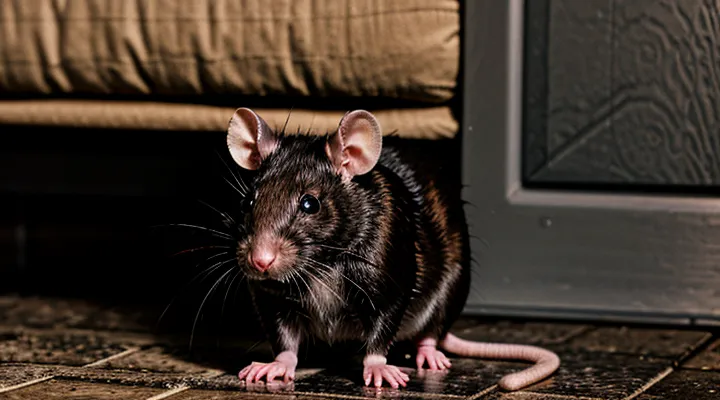
Understanding Nighttime Rat Noise
Why Rats Are Noisy at Night
Nocturnal Behavior
Rats are primarily nocturnal mammals; their activity peaks after sunset when visual predators are reduced and ambient temperatures are favorable. During these hours, rats forage, explore territories, and establish social hierarchies, producing audible sounds such as rapid footfalls on hard surfaces, gnawing on structural components, and high‑frequency vocalizations. The intensity of these noises correlates with population density, availability of food sources, and the presence of shelter that encourages prolonged occupancy.
Factors that amplify nighttime rat noise include:
- Abundant waste or spilled feed that sustains large colonies.
- Structural gaps, vents, and crawl spaces that provide easy access to interior rooms.
- Warm, humid conditions that extend the active period of individuals.
- Lack of competing predators or deterrents within the building envelope.
Mitigation strategies focus on disrupting the conditions that support nocturnal rat activity:
- Eliminate food residues and secure waste containers to reduce attractants.
- Seal entry points larger than ¼ inch with steel wool, cement, or metal flashing.
- Install motion‑activated ultrasonic emitters or vibration devices near known pathways.
- Deploy snap traps or live‑capture cages in high‑traffic zones, checking and resetting them daily.
- Conduct regular inspections of insulation, piping, and electrical conduits to identify and repair damage caused by gnawing.
Implementing these measures curtails the rats’ nighttime movements, thereby decreasing the audible disturbances associated with their nocturnal behavior. Continuous monitoring and prompt maintenance sustain long‑term reduction of rat‑related noise.
Foraging and Chewing Habits
Rats search for food after dark, moving through walls, ceilings, and insulation. Their nocturnal foraging routes often intersect structural cavities, where they gnaw on wood, plastic, and wiring to create pathways and access points. Chewing serves both to test material strength and to keep incisors from over‑growing; each bite generates audible squeaks, scraping sounds, and intermittent thuds that can be heard throughout a residence.
Typical foraging and chewing behaviors that produce nighttime noise include:
- Traversing hidden conduits to reach pantry residues or spilled crumbs.
- Biting through drywall or joist panels to expand existing burrows.
- gnawing on electrical cords to clear obstacles or create nesting space.
- Repeatedly chewing on stored packaging to extract food particles.
Mitigation strategies focus on eliminating attractants and limiting material damage:
- Secure all food sources in airtight containers; remove leftover crumbs and pet feed before nightfall.
- Seal gaps larger than ¼ inch in walls, floors, and around utility penetrations with steel wool and caulk.
- Install chew‑resistant materials such as metal conduit or hardened plastic in vulnerable areas.
- Provide designated chew blocks made of safe hardwood or compressed cardboard near known activity zones to divert biting away from structural elements.
- Set up motion‑activated ultrasonic deterrents or low‑frequency emitters in attic and crawl‑space sections where rats travel.
By restricting access to nourishment and reinforcing surfaces that rats target for gnawing, the frequency and intensity of nocturnal rodent sounds can be substantially reduced.
Social Interactions
Rats that vocalize after dark generate sounds that penetrate residential environments, disrupting ordinary patterns of conversation and shared activities. The presence of such noise can force occupants to raise their voices, limit late‑hour gatherings, and create tension between neighbors who blame each other for the disturbance.
Noise intrusion interferes with interpersonal communication by reducing privacy, increasing stress, and prompting complaints that strain community cohesion. Residents may avoid communal spaces, postpone social events, or withdraw from shared facilities to escape the constant background din.
Social dynamics contribute to both the problem and its mitigation. Poor waste‑management practices, dense housing layouts, and lack of collective awareness amplify rat activity. Conversely, coordinated neighborhood initiatives, transparent reporting channels, and shared responsibility for sanitation lessen the frequency and impact of nocturnal rodent sounds.
Practical measures that strengthen community response include:
- Establishing a neighborhood watch for rodent sightings and noise reports.
- Organizing regular clean‑up drives to eliminate food sources and shelter.
- Implementing joint pest‑control contracts that cover entire buildings or blocks.
- Installing sound‑absorbing materials in common areas to reduce auditory intrusion.
- Conducting brief informational sessions on rat behavior and prevention strategies.
By aligning social interaction patterns with proactive, collective actions, communities can diminish the disruptive influence of nighttime rat vocalizations and restore a more stable environment for conversation and fellowship.
Common Sounds Rats Make
Squeaking and Chirping
Rats generate high‑pitched squeaks and short chirps during nocturnal activity. These sounds arise when the animal’s vocal cords vibrate while emitting alarm calls, mating signals, or territorial assertions. Squeaking often indicates stress or discomfort, such as overcrowding, lack of nesting material, or exposure to predators. Chirping, less common, typically accompanies exploratory behavior or brief encounters with conspecifics, reflecting heightened arousal rather than aggression.
Environmental factors amplify these noises. Poor ventilation raises humidity, which enhances vocal resonance. Inadequate lighting can increase agitation, prompting frequent vocalizations. Food scarcity or irregular feeding schedules trigger distress calls that manifest as rapid squeaks. Structural deficiencies—gaps in walls, unsecured vents—allow rats to move freely, creating more opportunities for vocal displays.
Effective mitigation focuses on habitat modification and population control:
- Seal entry points and reinforce structural integrity to limit movement.
- Provide ample nesting material, balanced nutrition, and regular feeding times.
- Maintain low humidity and proper airflow to reduce acoustic amplification.
- Implement humane trapping or exclusion methods to lower rat density.
- Install low‑frequency sound barriers or acoustic dampening panels in affected rooms.
By addressing the underlying stressors and limiting acoustic pathways, the prevalence of nighttime squeaking and chirping can be substantially reduced.
Gnawing and Scratching
Rats create audible disturbances during the night primarily through two behaviors: gnawing and scratching. Gnawing occurs when rodents chew on structural elements such as wooden beams, insulation, or electrical wiring. The activity generates sharp, repetitive sounds that travel through walls and ceilings. Scratching results from rats moving along interior surfaces, including drywall, attic boards, or plumbing pipes, producing a distinctive rustling or tapping noise that is often mistaken for other pests.
Both actions are driven by the need to expand incisors, access food sources, and establish nesting sites. When gnawing damages insulation or wiring, it may also create safety hazards beyond the acoustic nuisance. Scratching indicates active movement pathways, suggesting that entry points or concealed routes have been compromised.
Effective mitigation focuses on eliminating access and removing attractants:
- Seal gaps larger than ¼ inch with steel wool, caulk, or metal flashing.
- Install heavy‑gauge hardware cloth around vents, utility openings, and foundation cracks.
- Remove food debris, pet feed, and unsecured garbage to reduce foraging incentives.
- Set snap traps or electronic devices along identified gnawing and scratching corridors.
- Conduct regular inspections of attic, crawl spaces, and wall voids to detect early signs of activity.
Addressing gnawing and scratching directly curtails the nighttime acoustic disturbances and prevents further structural damage. Continuous monitoring ensures that any resurgence is detected promptly, maintaining a quiet residential environment.
Rustling and Scampering
Rats moving through walls, insulation, or stored items generate a characteristic rustling and scampering that often peaks after dark. The sound originates from the animal’s body weight shifting, claws gripping surfaces, and rapid footfalls on loose material. Structural gaps, such as unsealed vents, cracked foundations, or exposed wiring, provide pathways that amplify these noises when rats navigate tight spaces.
Primary factors that increase nocturnal rustling include:
- Overcrowding in nearby garbage or compost bins, which attracts foraging activity.
- Warm indoor temperatures that create a comfortable environment for nesting.
- Lack of predator presence, allowing rats to move freely without interruption.
Effective mitigation focuses on eliminating entry points and reducing attractants. Recommended actions are:
- Seal all openings larger than ¼ inch with steel wool, metal flashing, or concrete repair.
- Install tight-fitting lids on trash containers and relocate compost away from building foundations.
- Reduce indoor humidity and keep food storage areas clean to deter foraging.
- Place snap traps or electronic bait stations in identified travel corridors, monitoring placement weekly.
- Conduct periodic inspections of insulation, ductwork, and crawl spaces to detect early signs of activity.
By addressing the structural vulnerabilities that permit rustling and scampering, and by removing the environmental incentives that draw rodents, homeowners can substantially diminish the disruptive nighttime noises associated with rat presence.
Identifying Rat Activity
Signs of a Rat Infestation
Droppings and Urine Trails
Rats leave droppings and urine trails that directly influence the intensity and frequency of nocturnal rustling. Each pellet or wet spot marks a pathway, encouraging other rodents to follow familiar routes. The accumulation of waste creates strong olfactory cues, prompting increased movement along the same corridors and generating more audible disturbances.
Key factors linking waste deposits to night‑time noise:
- Concentrated droppings signal a secure food source, attracting additional rats.
- Urine trails serve as pheromonal highways, guiding rats through walls, ceilings and ducts.
- Moisture from urine weakens building materials, enlarging gaps that amplify scurrying sounds.
Effective mitigation focuses on eliminating these attractants and sealing access points:
- Conduct a thorough inspection to locate all droppings and urine stains, paying special attention to hidden spaces such as insulation, crawl spaces and attic corners.
- Clean surfaces with a detergent formulated for rodent residues, followed by an enzymatic disinfectant that neutralizes scent markers.
- Apply a non‑toxic repellant or a professional rodent‑specific odor blocker to disrupt pheromone communication.
- Seal cracks, gaps and openings larger than ¼ inch with steel wool, caulk or metal mesh to prevent re‑entry.
- Install motion‑activated traps or bait stations in identified pathways, ensuring they are positioned away from food preparation areas.
By removing waste cues and reinforcing structural barriers, the pathways that generate the characteristic night sounds become inaccessible, leading to a measurable reduction in audible rat activity.
Grease Marks and Rubbing
Grease marks on walls, floors, or fixtures signal active rat pathways. The oily residue results from the animals’ natural gland secretions, which they spread while moving and marking territory. When rats travel these routes during the night, the friction of their bodies against surfaces generates audible squeaks and scurrying sounds that disturb occupants.
Rubbing behavior intensifies noise production. Rats frequently brush their heads and bodies against walls, pipes, and insulation to remove parasites and to maintain scent trails. The combination of repeated contact and the presence of grease reduces surface friction, allowing faster, louder movement along established routes. Consequently, the audible output peaks during the quiet hours when human activity is minimal.
Mitigation focuses on eliminating grease marks and disrupting rubbing pathways:
- Remove existing grease with a degreasing cleaner; repeat after any new sightings.
- Seal cracks, gaps, and entry points with steel wool, caulk, or metal mesh.
- Install smooth, hard‑surface barriers (metal flashing, PVC) in high‑traffic zones to inhibit rubbing.
- Deploy ultrasonic repellents or bait stations near identified grease trails; monitor for activity.
- Engage a licensed pest‑control professional for comprehensive inspection and extermination.
Consistent removal of oily residues and obstruction of rubbing surfaces reduces nocturnal rodent movement, thereby diminishing the associated nighttime noise.
Damaged Property
Rats that become active after dark can inflict significant damage on residential and commercial structures. Their gnawing behavior compromises electrical wiring, insulation, and structural components, creating fire hazards and reducing energy efficiency. Moisture‑absorbing materials such as drywall and wooden framing suffer from burrowing, leading to rot, mold growth, and weakened load‑bearing capacity.
Key damage mechanisms include:
- Chewed copper or aluminum wires, exposing live conductors and increasing short‑circuit risk.
- Severed plumbing tubes, resulting in leaks, water‑damage stains, and potential flooding.
- Compromised insulation, causing heat loss, higher utility bills, and condensation problems.
- Penetrated roofing or siding, allowing rain ingress, pest entry, and accelerated material decay.
Mitigation strategies focus on prevention, detection, and repair:
- Seal all exterior openings larger than ¼ inch with steel mesh or cement‑based caulk to block entry points.
- Install motion‑activated ultrasonic deterrents in attic and crawl‑space areas to discourage nocturnal activity.
- Conduct quarterly inspections of wiring, pipes, and insulation, documenting any signs of gnawing or nesting.
- Engage licensed pest‑control professionals to apply bait stations and traps, ensuring compliance with safety regulations.
- Replace damaged wiring, plumbing, and insulation promptly, using rodent‑resistant materials where available.
By addressing entry routes, monitoring vulnerable systems, and performing timely repairs, property owners can limit the destructive impact of nighttime rodent activity and maintain structural integrity.
Investigating Noise Sources
Locating Entry Points
Cracks in Foundations
Cracks in building foundations provide direct pathways for rodents to enter interior spaces, especially during night hours when activity peaks. The structural openings allow rats to navigate walls, floors, and ceilings, producing audible scurrying and gnawing sounds that disturb occupants.
Typical origins of foundation fissures include:
- Soil settlement caused by moisture fluctuations or improper compaction.
- Hydrostatic pressure from inadequate drainage or water infiltration.
- Thermal expansion and contraction of concrete elements.
- Mechanical stress from nearby construction or heavy loads.
These defects create gaps ranging from hairline splits to several centimeters, sufficient for a rat’s body to squeeze through. Once inside, rats exploit voids for nesting, foraging, and movement, generating the characteristic nighttime noise.
Effective remediation follows a two‑step approach:
- Repair and seal: Inject epoxy or polyurethane resin into cracks, apply hydraulic cement where movement persists, and install metal flashing or concrete patching to restore integrity. Ensure all joints, including those around utility penetrations, receive waterproof sealing.
- Prevent re‑entry: Install a continuous perimeter barrier, such as stainless‑steel mesh or concrete skirt, extending below grade. Verify that drainage systems divert water away from the foundation, reducing pressure that can reopen seams.
Regular inspection of foundation conditions, coupled with prompt repair, eliminates the primary conduit for nocturnal rodent activity and substantially reduces associated acoustic disturbances.
Gaps Around Pipes
Gaps surrounding plumbing and ventilation pipes provide direct pathways for rodents to enter walls and attics. Small openings, often left after installation or created by building movement, allow rats to travel unnoticed from the exterior to interior spaces. Once inside, they seek shelter and food, becoming active during nocturnal hours when human activity declines, which produces the characteristic scratching and scurrying sounds heard at night.
These openings typically arise from:
- Unsealed pipe sleeves in exterior walls
- Unfilled holes around pipe penetrations for electrical or HVAC ducts
- Cracks around pipe joints where insulation has settled
- Gaps left after pipe repairs or upgrades
When rats occupy these concealed routes, they generate noise by moving along pipe surfaces, chewing on insulation, and nesting in voids. The sound intensity increases as the animals navigate tighter spaces, amplifying vibrations that transmit through the building structure.
Effective mitigation focuses on eliminating the access points:
- Inspect all exterior and interior pipe penetrations for openings larger than ¼ inch.
- Apply steel wool or copper mesh to fill gaps, then seal with high‑quality, rodent‑resistant caulk or expanding foam.
- Install metal flashing or pipe sleeves that extend beyond the building envelope, overlapping with the exterior sheathing.
- Replace deteriorated insulation around pipes with rigid, rodent‑proof material.
- Conduct a comprehensive sealant review after any renovation, ensuring that new gaps are addressed before walls are closed.
Regular maintenance, including periodic visual checks and pressure testing of sealed areas, prevents re‑entry and reduces nighttime disturbances caused by rodent activity.
Damaged Vents and Screens
Damaged vents and screens provide rats with unobstructed entry points into residential and commercial buildings. Cracks, rusted metal, and torn mesh compromise the barrier that should keep rodents out, especially during night hours when rats are most active. Once inside, rats gnaw on insulation and wiring, producing scratching and scurrying sounds that disturb occupants.
Typical indicators of vent or screen failure include visible holes, loose hinges, and accumulation of droppings near the opening. These signs often precede audible disturbances and signal the need for immediate remediation.
Effective measures:
- Inspect all exterior vents, HVAC grilles, and window screens for structural integrity.
- Replace torn mesh with stainless‑steel or heavy‑duty aluminum material resistant to chewing.
- Seal gaps around vent frames using expanding foam or weather‑resistant caulk.
- Install rat‑proof vent covers that feature reinforced bars and lockable latches.
- Conduct regular maintenance checks to detect wear before it escalates.
Prompt repair of compromised ventilation components eliminates the primary pathway for nocturnal rodent intrusion, thereby reducing the associated noise and preventing further property damage.
Common Rat Hiding Spots
Attics and Wall Voids
Attics and wall voids provide sheltered pathways and nesting sites for rats that become active after dark. Structural gaps, such as cracked roof sheathing, unsealed vent openings, and gaps around plumbing or electrical conduits, allow rodents to move freely between the roof space and interior walls. Once inside, rats use the insulation and concealed cavities to travel undetected, producing scratching, gnawing, and vocalizations that are most noticeable at night when ambient noise drops.
The presence of food sources, water lines, and warm temperatures in these concealed areas encourages rats to establish permanent colonies. Accumulated debris, such as insulation fibers or stored boxes, creates additional hiding places. Over time, the damage to wiring, insulation, and structural components can increase the frequency and intensity of nocturnal noise.
Effective mitigation focuses on exclusion, habitat modification, and monitoring:
- Seal all exterior gaps larger than ¼ inch with steel mesh, caulk, or expanding foam.
- Install durable vent covers and chimney caps to prevent entry.
- Trim tree branches and vegetation that contact the roof or walls.
- Remove accessible food and water sources; store waste in sealed containers.
- Replace damaged insulation and repair structural cracks.
- Deploy snap traps or electronic devices within attics and wall voids, positioning them along known rodent pathways.
- Conduct regular inspections during winter months to detect new entry points early.
Professional pest‑control services can perform comprehensive assessments, apply rodent‑proofing materials, and provide ongoing surveillance to ensure long‑term reduction of nighttime rodent sounds.
Basements and Crawl Spaces
Rats often occupy basements and crawl spaces because these areas provide shelter, easy access to utilities, and proximity to food sources. The enclosed environment amplifies their nighttime activity, resulting in audible scratching, gnawing, and scurrying that can disturb occupants.
Typical reasons for nocturnal rodent sounds in lower‑level spaces include:
- Structural gaps around pipes, vents, or foundation walls that allow entry.
- Accumulated debris, insulation, or stored items that create nesting material.
- Unsealed openings in crawl‑space vents or access doors.
- Proximity to garbage, pet food, or leaky fixtures that supply water.
Effective measures to eliminate the disturbance are:
- Seal all entry points with steel wool, metal flashing, or concrete‑based sealants.
- Install heavy‑gauge wire mesh over vents and openings to prevent re‑entry.
- Remove clutter, trim insulation, and store items off the floor to reduce hiding places.
- Repair leaking pipes and eliminate standing water to deny a hydration source.
- Set snap traps or electronic devices along established runways, positioning them near walls or behind stored items.
- Deploy bait stations that comply with local regulations, ensuring they are placed out of reach of children and pets.
- Conduct regular inspections, especially after seasonal temperature changes, to verify that seals remain intact.
When infestations persist despite these steps, professional pest‑control services can perform comprehensive assessments, apply rodent‑proofing techniques, and administer targeted control methods that minimize risk to the building and its occupants. Maintaining a clean, sealed, and dry environment in basements and crawl spaces is the most reliable strategy for preventing nighttime rat noises.
Kitchens and Pantries
Rats generate audible scurrying and gnawing during the night when they search for food and shelter, and kitchens and pantries provide ideal conditions for this activity.
Common factors that attract rodents to these areas include:
- Easy access through gaps in walls, floors, doors, or utility lines.
- Unsealed containers or open packages of grains, cereals, pet food, and waste.
- Cluttered countertops, shelves, or storage bins that create hiding places.
- Moisture sources such as leaky pipes, damp sponges, or condensation.
Effective measures to eliminate nocturnal rat sounds in food‑preparation spaces consist of:
- Inspecting and sealing all potential entry points with steel wool, caulk, or metal flashing.
- Transferring dry goods to airtight glass or heavy‑plastic containers; discarding expired items promptly.
- Maintaining a strict cleaning schedule: sweeping crumbs, wiping surfaces, and emptying trash bins nightly.
- Reducing clutter by storing cookware and utensils on open shelves or in labeled bins.
- Installing snap traps or electronic devices in concealed locations; positioning them along walls where activity is observed.
- Consulting licensed pest‑control professionals for bait placement and comprehensive eradication plans.
Regular monitoring—checking for fresh droppings, gnaw marks, or new entry holes—ensures early detection and prevents recurrence. Consistent application of these practices keeps kitchens and pantries free from the disruptive sounds produced by nighttime rat activity.
Effective Solutions to Rat Noise
Immediate Noise Reduction Strategies
Sealing Small Gaps
Sealing small gaps eliminates entry points that allow rodents to infiltrate walls, ceilings, and floor cavities where they generate audible activity after dark. Properly filled openings prevent rats from accessing insulation, ducts, and nesting material, thereby reducing nocturnal disturbances.
Identify all potential openings larger than a quarter inch. Typical locations include:
- Gaps around utility pipes and cables
- Cracks at the base of walls and foundation
- Openings behind appliances, vents, and light fixtures
- Spaces under door thresholds and around window frames
Select sealant materials that remain effective under temperature fluctuations and moisture exposure. Recommended options are:
- Expanding polyurethane foam for irregular voids greater than ½ in.
- Steel wool or copper mesh backed with silicone caulk for gaps surrounding pipes.
- Acrylic or silicone sealant for narrow seams and joints.
Apply the chosen sealant according to manufacturer instructions. Clean surfaces, ensure dry conditions, and press the material firmly into each opening. Allow curing time before reinstalling fixtures or covering with trim.
Regular inspection reinforces the barrier. Conduct a quarterly walk‑through, focusing on areas where rodents previously entered. Re‑seal any new cracks that appear due to settling or pest activity. Maintaining an airtight envelope around the interior space consistently suppresses night‑time rat noises.
Setting Traps
Effective trap deployment is essential for eliminating the source of nocturnal rodent disturbances. Choose devices that match the infestation level and indoor or outdoor setting. Snap traps, electronic kill traps, and multi‑catch live traps each provide reliable capture when positioned correctly.
Key considerations for placement include:
- Align traps along walls, near entry points, and adjacent to visible gnaw marks.
- Position devices perpendicular to travel routes, with the trigger side facing the expected approach.
- Maintain a clear line of sight to the bait; obstructed traps reduce success rates.
Select bait that appeals to rats during nighttime activity. Peanut butter, dried fruit, and small meat pieces generate strong olfactory cues. Apply a thin layer to the trigger mechanism to prevent spillage and ensure consistent attraction.
Inspect traps daily, record captures, and replace spent devices promptly. Resetting bait after each check sustains lure potency. When using live‑catch traps, relocate captured animals to a distant release site or arrange humane disposal according to local regulations. Proper maintenance prevents trap avoidance and accelerates noise reduction.
Using Repellents
Rats produce audible scurrying and gnawing after dark, often prompting homeowners to seek deterrents. Repellents offer a non‑lethal strategy that targets the sensory cues rats rely on for navigation and territory marking.
Effective repellents fall into three categories:
- Chemical deterrents – rodent‑specific sprays or granules containing capsaicin, ammonia, or essential oils such as peppermint. Apply along baseboards, entry points, and near known activity zones. Reapply after rain or cleaning.
- Ultrasonic devices – emit frequencies above 20 kHz that irritate rodent hearing. Position units at ceiling height, covering the full extent of the affected area. Verify manufacturer specifications for coverage radius; multiple units may be required for large spaces.
- Physical barriers – seal cracks, install steel mesh, or use copper tape on surfaces rats climb. Though not a repellent in the chemical sense, barriers prevent contact with attractants and reinforce other methods.
Implementation guidelines:
- Identify all entry points and pathways; focus repellent placement on these locations.
- Clean the area to remove food residues and nesting material, ensuring the repellent contacts the target surface.
- Follow product instructions for dosage and frequency; excessive concentration can cause toxicity to pets or humans.
- Monitor activity for at least two weeks, noting any reduction in nocturnal sounds. Adjust placement or combine methods if results plateau.
Safety considerations include wearing gloves when handling chemicals, keeping ultrasonic emitters out of reach of children, and confirming that any essential‑oil formulation complies with local regulations. When used correctly, repellents reduce nighttime rat disturbances without resorting to lethal control.
Long-Term Rat Control Methods
Professional Pest Control
Professional pest control services address the persistent nighttime squeaking and scurrying that homeowners hear after dark. Rats become active at dusk, seeking food, water, and shelter, which generates audible disturbances in walls, attics, and crawl spaces. The primary drivers of this nocturnal activity include inadequate waste management, structural gaps, and accessible entry points that allow rodents to infiltrate residential interiors.
Effective mitigation relies on a systematic approach. Technicians first conduct a thorough inspection to identify signs of infestation, such as droppings, gnaw marks, and nesting material. They then:
- Seal all exterior openings larger than ¼ inch using steel wool, caulk, or metal flashing.
- Install bait stations or traps in locations where activity is confirmed, selecting devices that comply with local regulations.
- Apply rodent-proofing compounds to vulnerable structural components, reducing the likelihood of future entry.
- Advise clients on sanitation practices, including secure food storage and regular removal of debris that could attract pests.
Follow‑up monitoring is essential. Professionals schedule periodic visits to assess trap performance, replenish bait, and verify that exclusion measures remain intact. Documentation of findings and actions provides a clear record of progress and ensures accountability.
By integrating inspection, exclusion, control, and education, professional pest control delivers a comprehensive solution to the problem of nocturnal rat noises, restoring a quiet living environment and preventing recurrence.
Integrated Pest Management (IPM)
Integrated Pest Management (IPM) provides a systematic framework for eliminating the sources of nocturnal rodent activity that generate disruptive sounds. The approach combines observation, prevention, and targeted control measures, reducing reliance on indiscriminate chemical applications.
Effective IPM begins with thorough inspection. Inspectors record signs of rat presence—droppings, gnaw marks, burrows—and map activity hotspots. Data collection enables precise placement of interventions and prevents unnecessary treatments.
Key components of the IPM program include:
- Sanitation: Remove food residues, secure garbage containers, and eliminate water sources that attract rodents.
- Exclusion: Seal entry points such as gaps around pipes, vents, and foundation cracks with steel wool, concrete, or metal flashing.
- Mechanical control: Deploy snap traps or electronic devices in identified corridors to capture individuals before populations expand.
- Biological control: Introduce natural predators, such as barn owls or feral cats, where appropriate, to increase predation pressure.
- Chemical control: Apply rodenticides only after other measures have failed, using bait stations placed out of reach of non‑target species and in compliance with safety regulations.
Implementation follows a cyclical process:
- Assessment: Conduct baseline survey and establish monitoring schedule.
- Planning: Select control tactics based on species behavior, infestation level, and site constraints.
- Action: Execute sanitation, exclusion, and mechanical steps; reserve chemicals for confirmed hotspots.
- Evaluation: Review trap counts, noise reduction, and signs of activity weekly; adjust tactics accordingly.
- Maintenance: Perform periodic inspections and reinforce exclusion measures to prevent re‑infestation.
By integrating these elements, IPM reduces rat populations that generate nighttime noises, lowers the likelihood of structural damage, and minimizes health risks associated with rodent infestations. The structured, evidence‑based methodology ensures long‑term suppression without excessive chemical exposure.
Sanitation and Exclusion
Effective sanitation directly limits the food and shelter that sustain rodent populations. Regular removal of garbage, proper storage of waste, and prompt cleaning of spills eliminate attractants that encourage rats to forage near residential buildings. Sealing cracks, repairing gaps around utility lines, and installing door sweeps prevent entry into interior spaces. Maintaining these practices reduces the likelihood of nocturnal rodent activity and the associated audible disturbances.
Exclusion strategies complement sanitation by creating physical barriers that deny rats access to potential habitats. Key actions include:
- Installing metal mesh on vents and drainage openings.
- Using concrete or steel flashing to cover foundation seams.
- Applying rodent‑proof sealants to gaps around pipes and conduit.
- Deploying one‑way entry devices that allow rodents to exit but not re‑enter.
Combining rigorous waste management with robust exclusion measures interrupts the conditions that provoke rats to seek refuge and produce noise after dark. Continuous monitoring of waste practices and structural integrity ensures long‑term mitigation of the problem.
Preventing Future Infestations
Proper Food Storage
Improperly stored food attracts rodents, providing a reliable source of nourishment that encourages nightly foraging and, consequently, audible activity after dark. Eliminating accessible food eliminates one of the primary incentives for rats to remain in residential areas during night hours.
- Keep all dry goods in airtight, pest‑proof containers made of metal, heavy‑wall plastic, or glass with sealed lids.
- Store pet food in sealed bins and place them away from walls or entry points.
- Refrigerate perishable items promptly; discard leftovers within two hours of preparation.
- Use trash cans with tight‑fitting lids; empty them before bedtime and keep them in a locked area.
- Clean countertops, floors, and appliances nightly to remove crumbs and spills.
- Seal cracks, gaps, and utility openings that could allow rodents to reach stored food.
Consistent application of these measures removes the nutritional lure that drives rats to infiltrate homes at night. With fewer food sources available, rodent traffic declines, leading to a noticeable reduction in nocturnal noise.
Regular Waste Disposal
Regular waste disposal directly influences nocturnal rodent disturbances. When garbage accumulates in unsecured containers, food residues attract rats that seek shelter and nourishment. The presence of abundant waste near residential areas increases the likelihood that rats will become active during night hours, producing audible scurrying and gnawing sounds that disrupt sleep.
Effective waste management reduces the food supply that sustains rat populations and limits their movement into homes. Key practices include:
- Securing trash bins with tight-fitting lids to prevent access.
- Removing organic waste promptly, especially fruit peels, meat scraps, and dairy products.
- Storing bins away from building entrances and elevating them on platforms or pallets.
- Scheduling frequent collection to avoid overflow, particularly in warm seasons when decomposition accelerates.
- Conducting periodic inspections for torn or damaged containers and repairing them immediately.
Consistent application of these measures diminishes the attraction of rats to residential zones, thereby lowering the frequency and intensity of nighttime noises associated with rodent activity.
Exterior Home Maintenance
Rats produce audible activity at night when they enter a property through gaps in the building envelope, attracted by shelter and food sources. Exterior maintenance directly influences the likelihood of such intrusion, making systematic upkeep a practical countermeasure.
- Inspect the foundation, walls, and roof for cracks, holes, or loose siding; seal each opening with steel wool, caulk, or metal flashing.
- Trim trees, shrubs, and vines that touch the house to eliminate climbing routes.
- Store firewood, compost, and garden debris at least three feet from the structure and elevate them off the ground.
- Keep gutters clear of leaves and debris to prevent water accumulation that creates damp nesting sites.
- Install sturdy hardware cloth around vents, chimneys, and utility penetrations; choose mesh no larger than ¼ inch.
- Maintain a clean perimeter by sweeping away fallen fruit, seeds, and pet food that could attract rodents.
Regularly walk the property after dark to listen for squeaking or scurrying sounds; persistent noise indicates a breach that requires immediate repair. Document identified entry points and the actions taken, then reassess the area weekly until activity ceases. Consistent exterior care reduces the conditions that draw nocturnal rodents, thereby minimizing disruptive sounds.