
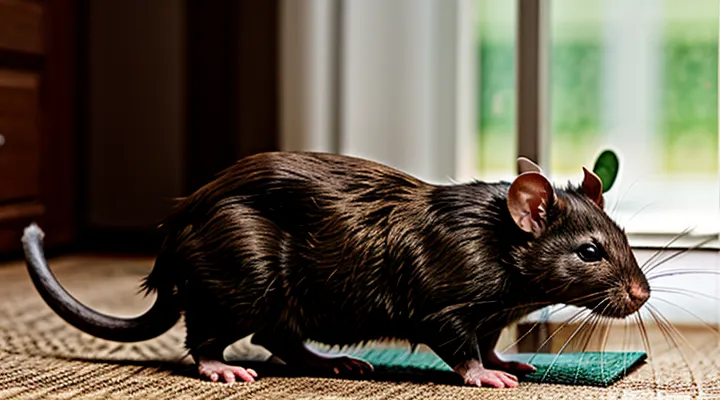
Understanding Nasal Congestion in Rats
Anatomy and Physiology of the Rat Nasal Cavity
The rat nasal cavity comprises a series of specialized regions that facilitate airflow, filtration, humidification, and olfactory detection. The external nares open into the vestibular zone, a short passage lined with stratified squamous epithelium and abundant vibrissae that trap large particles. Posterior to the vestibule lies the respiratory epithelium, a pseudostratified columnar layer equipped with ciliated cells, goblet cells, and basal cells; this arrangement generates a mucociliary clearance system essential for maintaining patency.
Within the respiratory zone, the nasal conchae—superior, middle, and inferior—create turbulent airflow, increasing contact time between inhaled air and the mucosal surface. The conchal mucosa contains a dense capillary network that regulates temperature and moisture, while the underlying seromucous glands produce a thin fluid layer that dissolves soluble irritants. Adjacent to the conchae, the maxilloturbinate and ethmoturbinate structures contribute to the overall surface area, enhancing both conditioning and filtration capacities.
The olfactory region occupies the dorsal aspect of the nasal cavity. It consists of the olfactory epithelium, a specialized sensory epithelium composed of olfactory receptor neurons, sustentacular cells, and basal progenitor cells. Beneath this epithelium, the olfactory bulb receives neural signals, enabling detection of volatile compounds. The olfactory mucosa is supplied by a distinct vascular plexus that supports metabolic activity and rapid turnover of sensory cells.
Key anatomical features relevant to nasal obstruction in rats:
- Vestibular zone with vibrissae and squamous epithelium
- Respiratory epithelium with cilia and goblet cells
- Superior, middle, and inferior conchae forming turbulent flow pathways
- Maxilloturbinate and ethmoturbinate increasing mucosal surface area
- Olfactory epithelium and associated neural connections
Understanding these structures provides a basis for interpreting the mechanisms that lead to nasal blockage and for developing targeted therapeutic interventions.
Common Manifestations of Nasal Congestion
Behavioral Signs
Nasal obstruction in laboratory rats manifests through distinct behavioral alterations that facilitate rapid identification of affected individuals. Observable changes include reduced exploratory activity, diminished grooming frequency, and altered feeding patterns. These signs reflect discomfort caused by impaired airflow and consequent hypoxia.
Key behavioral indicators are:
- Decreased locomotion in open‑field tests
- Preference for low‑ventilation zones within the cage
- Increased time spent in a hunched posture
- Reduced consumption of solid and liquid diets
- Lowered frequency of nasal grooming motions
Quantitative assessment of these parameters provides reliable data for evaluating the severity of congestion and the efficacy of therapeutic interventions. Automated video tracking systems and calibrated food‑intake monitors enhance measurement precision, allowing objective comparison across experimental groups. Consistent documentation of «behavioral signs» supports reproducible research outcomes and informs the selection of appropriate treatment protocols.
Physical Signs
Physical manifestations of nasal blockage in laboratory rats are readily observable and serve as primary indicators for experimental assessment. Visible signs include clear or purulent nasal discharge, frequent sneezing, and persistent sniffling. Respiratory alterations present as increased effort, audible wheezing, and a shift to oral breathing when nasal passages are severely obstructed. Facial changes such as swelling of the nasal bridge, crust formation around the nares, and fur loss in the perinasal region reflect chronic irritation. Behavioral responses comprise reduced activity, diminished grooming, and a tendency to adopt a hunched posture to alleviate discomfort. Additional systemic effects may appear as weight loss and lowered food intake, secondary to impaired olfactory function and respiratory distress.
Key physical indicators can be summarized:
- Nasal discharge (clear, serous, or purulent)
- Repetitive sneezing and sniffling
- Elevated respiratory effort, wheezing, mouth breathing
- Perinasal swelling, crusting, fur loss
- Decreased locomotion and grooming behavior
- Weight reduction and reduced food consumption
These observations provide a reliable basis for diagnosing nasal congestion and monitoring therapeutic efficacy in rodent models.
Etiology of Nasal Congestion in Rats
Infectious Causes
Bacterial Infections
Bacterial infections constitute a primary etiological factor in the development of nasal blockage in laboratory rats. Pathogenic microorganisms colonize the upper respiratory tract, provoke inflammatory responses, and increase mucus production, leading to airway obstruction and respiratory distress.
Common bacterial agents identified in affected rodents include:
- «Pasteurella pneumotropica», a Gram‑negative rod that adheres to nasal epithelium and induces purulent discharge.
- «Mycoplasma pulmonis», a cell‑wall‑deficient organism that disrupts ciliary function and promotes chronic rhinitis.
- «Streptococcus pneumoniae», occasionally isolated from experimental colonies and associated with acute sinusitis.
Diagnostic procedures rely on quantitative culture of nasal swabs, polymerase chain reaction assays targeting species‑specific genes, and histopathological examination of nasal mucosa to confirm bacterial infiltration and inflammatory cell infiltrates.
Therapeutic interventions focus on antimicrobial agents selected according to susceptibility profiles. First‑line options encompass fluoroquinolones such as enrofloxacin and tetracyclines including doxycycline. Adjunctive measures comprise intranasal saline irrigation to reduce viscosity of secretions and non‑steroidal anti‑inflammatory drugs to mitigate mucosal edema. In cases of severe obstruction, surgical debridement of necrotic tissue may be required.
Preventive strategies emphasize strict biosecurity, routine health monitoring of colonies, and vaccination where applicable. Environmental controls—adequate ventilation, reduced humidity, and avoidance of overcrowding—limit bacterial proliferation and reduce the incidence of nasal obstruction attributable to infection.
Viral Infections
Viral agents represent a primary source of nasal obstruction in laboratory rats, triggering inflammatory responses that impair airflow through the nasal passages. Infection initiates replication within the respiratory epithelium, leading to cellular damage, mucus hypersecretion, and edema.
Typical pathogens include:
- Sendai virus
- Rat coronavirus (RCV)
- Murine adenovirus
- Parvovirus
- Influenza A strains adapted for rodents
These viruses share a tropism for the upper respiratory tract, causing epithelial desquamation, ciliary dysfunction, and recruitment of immune cells that exacerbate congestion.
Pathophysiological mechanisms involve:
- Disruption of tight junctions, increasing vascular permeability
- Overproduction of pro‑inflammatory cytokines (IL‑1β, TNF‑α)
- Accumulation of protein‑rich exudate within the nasal cavity
Accurate diagnosis relies on:
- Clinical observation of nasal discharge, sneezing, and reduced olfactory behavior
- Nasal lavage for viral PCR or culture
- Histopathological examination of nasal mucosa
Therapeutic interventions focus on reducing viral load and mitigating inflammation:
- Antiviral agents (e.g., ribavirin) administered intranasally or systemically
- Broad‑spectrum antibiotics to prevent secondary bacterial infection, prescribed only after confirming bacterial involvement
- Anti‑inflammatory drugs such as corticosteroid sprays, applied in limited courses to avoid immunosuppression
- Supportive care, including humidified environments and saline irrigation to clear mucus
Effective management requires integration of diagnostic precision, targeted antiviral therapy, and controlled anti‑inflammatory measures to restore nasal patency and maintain animal welfare.
Fungal Infections
Fungal pathogens constitute a frequent etiological factor in nasal obstruction observed in laboratory rats. Inhalation of airborne conidia, colonization of the nasal mucosa by opportunistic yeasts, and dissemination from systemic mycoses all contribute to the development of congestion. The most common genera implicated are Aspergillus, Candida, and Cryptococcus.
Pathogenesis proceeds through adherence of fungal spores to the respiratory epithelium, germination, and hyphal invasion. Tissue damage results from enzymatic degradation, inflammatory cell infiltration, and edema of the nasal passages. Secondary bacterial infection may exacerbate swelling and impede airflow.
Diagnostic approach includes:
- Endoscopic examination of the nasal cavity for visible fungal plaques or discharge.
- Cytological analysis of nasal swabs to identify hyphal fragments or yeast cells.
- Culture on selective media to isolate and identify the organism.
- Histopathological assessment of biopsy specimens for invasive hyphae and host response.
Effective therapeutic regimens rely on systemic antifungal agents combined with local measures. Recommended pharmacologic options are:
- Itraconazole administered orally at 10 mg/kg once daily for a minimum of 14 days.
- Voriconazole given orally at 15 mg/kg twice daily, particularly for infections caused by Aspergillus spp.
- Fluconazole at 20 mg/kg once daily for Candida‑related cases.
Adjunctive treatment includes saline nasal irrigation to reduce mucus viscosity and topical antifungal sprays for localized infection. Monitoring of liver enzymes is essential during prolonged therapy, as azole compounds may induce hepatotoxicity.
Prevention focuses on environmental control: maintaining low humidity, filtering incoming air, and regular cleaning of cages to limit spore accumulation. Routine surveillance of colony health enables early detection and reduces the incidence of fungal‑induced nasal congestion.
Parasitic Infestations
Parasitic infestations represent a significant etiological factor for nasal obstruction in laboratory rodents. Common culprits include nasal mites (e.g., Mycoptes spp.), nematodes such as Rodentolepis spp., and protozoan parasites that invade the upper respiratory tract. Infestation leads to inflammation, mucosal edema, and increased secretions, which together produce the characteristic blockage.
Diagnostic procedures rely on direct microscopic examination of nasal swabs, histopathological analysis of nasal tissue, and molecular assays targeting parasite DNA. Early detection prevents secondary bacterial infections and reduces experimental variability.
Effective management involves a combination of pharmacological and environmental interventions:
- Antiparasitic agents (e.g., ivermectin, milbemycin oxime) administered at doses validated for rodent species.
- Topical formulations containing pyrethroids for localized mite control.
- Regular cage cleaning, bedding replacement, and quarantine of newly introduced animals to limit transmission.
- Monitoring of colony health through routine parasitological screening.
Implementation of these measures restores airway patency, improves animal welfare, and enhances the reliability of respiratory studies.
Non-Infectious Causes
Allergic Reactions
Allergic reactions constitute a major contributor to nasal blockage in laboratory rats. Exposure to specific antigens triggers IgE‑mediated pathways that promote mucosal edema, increased secretions, and vascular congestion within the nasal cavity.
Common experimental allergens include ovalbumin, house‑dust‑mite extract, and pollen proteins. Sensitization leads to eosinophil infiltration, release of histamine, leukotrienes, and cytokines such as IL‑4, IL‑5, and IL‑13, which amplify inflammatory responses and exacerbate airflow obstruction.
Diagnostic evaluation relies on quantifying serum IgE, measuring nasal lavage eosinophil counts, and assessing expression of Th2‑associated cytokines. Histopathological examination reveals epithelial hyperplasia and submucosal gland hypertrophy, confirming allergic involvement.
Therapeutic interventions focus on interrupting the immunologic cascade and reducing mucosal swelling:
- Antihistamines (e.g., cetirizine, diphenhydramine) block histamine receptors, decreasing secretory activity.
- Intranasal corticosteroids (e.g., budesonide) suppress cytokine production and limit eosinophil recruitment.
- Leukotriene receptor antagonists (e.g., montelukast) mitigate bronchial and nasal inflammation.
- Allergen‑specific immunotherapy induces tolerance through repeated low‑dose exposure, gradually shifting immune response toward a regulatory phenotype.
- Biologic agents targeting IL‑5 or IgE (e.g., anti‑IL‑5 monoclonal antibodies) provide precise modulation of eosinophilic activity.
Combining pharmacologic agents with controlled allergen desensitization yields the most consistent reduction of nasal congestion, supporting experimental reproducibility and animal welfare.
Environmental Irritants
Environmental irritants represent a primary factor in the development of nasal blockage in laboratory rats. Exposure to airborne agents directly alters the respiratory epithelium, leading to increased mucosal resistance and impaired airflow.
Key irritant categories include:
- Particulate matter (dust, soot, pollen)
- Volatile organic compounds (formaldehyde, benzene, acetaldehyde)
- Chemical fumes (ammonia, chlorine)
- Biological agents (fungal spores, bacterial endotoxins)
Mechanistic pathways involve:
- Activation of sensory nerves, producing neurogenic inflammation
- Recruitment of neutrophils and macrophages, resulting in edema
- Disruption of tight junctions, increasing epithelial permeability
- Stimulation of goblet cell hyperplasia, elevating mucus production
Experimental protocols require precise control of concentration, exposure duration, and delivery method (e.g., whole‑body chambers, nose‑only inhalation). Baseline measurements of airway resistance and histopathology provide essential reference points for assessing irritant impact.
Mitigation strategies encompass environmental control (HEPA filtration, humidity regulation), use of protective barriers (cage covers), and pharmacological intervention (intranasal corticosteroids, antihistamines). Consistent implementation of these measures reduces the incidence and severity of rat nasal obstruction associated with irritant exposure.
Anatomical Abnormalities
Rats with structural irregularities in the nasal cavity often develop persistent blockage that interferes with normal respiration and olfactory function.
Common anatomical abnormalities include:
- Deviated nasal septum, reducing the cross‑sectional area of the airway.
- Hypertrophy of the turbinates, leading to excessive tissue volume within the nasal passage.
- Malformations of the nasal bones, causing external compression of the nasal cavity.
- Congenital choanal atresia, resulting in complete closure of the posterior nasal opening.
- Inflammatory polyps, arising from chronic mucosal irritation and occupying space in the lumen.
Each defect narrows the airway, disrupts laminar airflow, and hampers mucociliary clearance, thereby promoting fluid accumulation and secondary infection.
Diagnostic evaluation relies on high‑resolution imaging such as micro‑CT or conventional radiography, complemented by histopathological examination of excised tissue to confirm the nature of the abnormality.
Therapeutic strategies focus on correcting the structural defect: surgical septoplasty restores septal alignment; turbinectomy or laser ablation reduces turbinate bulk; osteotomies address bone deformities; endoscopic stenting maintains choanal patency; polypectomy removes obstructive polyps. Post‑operative care includes anti‑inflammatory medication and humidified airflow to support mucosal healing and prevent recurrence.
Tumors and Polyps
Tumorous growths and nasal polyps represent significant obstructive lesions in rodent nasal passages. Their presence compresses airflow, induces mucus accumulation, and predisposes affected animals to secondary infections. Histopathological examination frequently reveals benign papillomas, adenomas, or malignant carcinomas that expand the nasal cavity walls, while polyps consist of edematous mucosal tissue with inflammatory infiltrates.
Key considerations for management include:
- Surgical excision of localized tumors or polyps, performed via dorsal rhinotomy or endoscopic techniques, to restore patency.
- Adjunctive radiotherapy for malignant neoplasms, delivering fractionated doses to minimize collateral damage to surrounding structures.
- Pharmacological reduction of inflammation and edema using corticosteroids administered intranasally or systemically.
- Antimicrobial prophylaxis to prevent opportunistic bacterial colonization following invasive procedures.
Outcome assessment relies on post‑treatment endoscopic evaluation and quantitative measurement of nasal airflow resistance. Successful intervention reduces congestion severity, improves respiratory function, and lowers the incidence of associated complications.
Systemic Diseases
Systemic illnesses exert a profound impact on the respiratory tract of laboratory rats, frequently manifesting as nasal obstruction. The relationship between distant organ dysfunction and upper airway patency derives from altered hemodynamics, immune activation, and fluid redistribution that affect the nasal mucosa.
Common systemic conditions associated with nasal blockage include:
- Cardiovascular insufficiency leading to venous congestion of the nasal epithelium
- Renal impairment causing electrolyte imbalance and mucosal edema
- Endocrine disorders such as hypothyroidism influencing mucous gland secretion
- Disseminated infections (e.g., sepsis) triggering inflammatory cytokine release in the nasal passages
Pathophysiological mechanisms involve increased vascular permeability, accumulation of interstitial fluid, and heightened mucus production. Elevated systemic pressure forces plasma into the nasal submucosa, while inflammatory mediators promote epithelial swelling, narrowing the nasal airway.
Therapeutic management prioritizes correction of the primary systemic disease and supportive measures for the nasal symptoms:
- Optimizing cardiac output with appropriate inotropes or vasodilators reduces venous stasis
- Implementing renal replacement therapy or diuretics mitigates fluid overload
- Adjusting hormonal replacement regimens restores normal mucosal secretory balance
- Administering broad‑spectrum antimicrobials to control systemic infection diminishes inflammatory load
- Applying topical decongestants or saline irrigation offers temporary relief of nasal patency
Continuous monitoring of respiratory parameters, body weight, and systemic biomarkers ensures that interventions address both the underlying illness and its nasal manifestations. Effective resolution of systemic disease typically leads to rapid improvement of nasal airflow in affected rodents.
Diagnosis of Nasal Congestion
Clinical Examination
Visual Inspection
Visual examination of laboratory rats provides immediate information on the presence and severity of nasal blockage. Observers assess the external nares for swelling, crust formation, and discharge. The condition of the fur around the snout, including signs of excessive grooming or ruffling, indicates irritation. Respiratory effort can be judged by the depth and frequency of thoracic movements; shallow, rapid breaths often accompany severe congestion. Audible sounds, such as wheezing or rattling, become detectable when the animal’s head is gently tilted to expose the nasal passages.
Key elements of a systematic visual assessment include:
- Inspection of nostril patency by gentle airflow observation; unobstructed airflow appears as steady, transparent vapor, while obstruction produces turbulent or absent vapor.
- Evaluation of nasal mucosa coloration through brief exposure of the inner nostril; pale or hyperemic mucosa signals inflammatory processes.
- Documentation of any visible lesions, ulcerations, or necrotic tissue within the nasal cavity, using high‑resolution photographs for reference.
- Recording of behavioral cues, such as frequent sniffing, head shaking, or signs of discomfort, which correlate with underlying congestion.
Limitations of visual inspection involve the inability to quantify mucosal edema or differentiate between bacterial and allergic etiologies without adjunctive tests. Nevertheless, the method remains a rapid, non‑invasive tool for initial screening and for monitoring the efficacy of therapeutic interventions in experimental models of nasal obstruction.
Palpation
Palpation provides a direct, tactile assessment of nasal patency in laboratory rats. The technique involves applying gentle, calibrated pressure to the dorsal nasal region and surrounding sinus walls, allowing the examiner to detect variations in tissue firmness, swelling, and tenderness that correlate with obstructive processes.
During examination, the practitioner places fingertips on the external nares and progresses posteriorly along the nasal bridge. Resistance to compression, localized hardness, and asymmetrical firmness are recorded. The method requires consistent force application, typically measured with a spring‑loaded device or standardized manual pressure, to ensure reproducibility across subjects.
Key palpation indicators of nasal blockage include:
- Elevated tissue rigidity compared with baseline measurements;
- Focal tenderness elicited by gentle pressure;
- Disparity between left and right nasal passages;
- Reduced compliance of the nasal vault during rhythmic compression.
These findings serve as objective parameters for evaluating therapeutic interventions. Re‑assessment after administration of decongestant agents, anti‑inflammatory drugs, or surgical procedures quantifies treatment efficacy by documenting reductions in tissue firmness and tenderness. Palpation complements imaging and histopathology, offering real‑time feedback without the need for anesthesia or invasive sampling.
Limitations encompass operator dependence, difficulty in distinguishing mild edema from normal variation, and reduced sensitivity in deep sinus structures. Incorporating calibrated devices and training protocols mitigates variability, enhancing the reliability of palpation as a diagnostic and monitoring tool for nasal congestion in rodent models.
Auscultation
Auscultation provides a non‑invasive means to evaluate respiratory dynamics in laboratory rats experiencing nasal blockage. The technique records acoustic signals generated by airflow through the upper airway, allowing researchers to detect deviations from normal breathing patterns.
During assessment, a high‑frequency stethoscope or a miniature microphone is positioned over the thoracic region while the animal is lightly anesthetized to minimize movement. Key procedural elements include:
- Selection of anesthesia that preserves spontaneous respiration.
- Placement of the sensor on the lateral chest wall, avoiding pressure on the nasal cavity.
- Calibration of amplification settings to capture frequencies between 200 Hz and 5 kHz.
- Recording duration of at least 30 seconds per trial to obtain representative cycles.
Interpretation focuses on the presence, timing, and intensity of inspiratory and expiratory sounds. Normal respiration produces soft, rhythmic rustles; nasal obstruction often generates harsh, high‑pitched wheezes during inspiration and prolonged expiratory crackles. Quantitative analysis of sound amplitude and frequency spectra correlates with the degree of airway narrowing, offering an objective metric for evaluating therapeutic interventions.
Auscultation complements other diagnostic tools such as rhinomanometry and imaging. Its limitations include reduced sensitivity to mild edema and potential interference from cardiac sounds. Integration with histopathological findings enhances the reliability of conclusions regarding the efficacy of decongestant or anti‑inflammatory treatments.
Diagnostic Imaging
Radiography
Radiography provides a non‑invasive means to visualize the nasal passages of laboratory rats, allowing direct assessment of obstruction severity and underlying structural changes. High‑resolution digital X‑ray systems, combined with appropriate collimation and exposure settings, produce clear images of the nasal cavity while minimizing radiation exposure. Proper positioning—head extended, nose aligned with the detector—ensures reproducible views of the ethmoturbinates and maxillary sinuses.
Interpretation of radiographic films focuses on several key indicators. Increased soft‑tissue opacity within the nasal vault suggests mucosal edema or exudate accumulation. Opacification of the maxillary sinus points to secondary sinusitis. Bony remodeling, such as turbinate hypertrophy or osteolysis, appears as alterations in cortical outline. Comparative analysis of bilateral sides reveals asymmetry that may correlate with experimental variables.
Radiographic monitoring supports therapeutic evaluation. Baseline images obtained before intervention establish a reference for subsequent scans. Post‑treatment radiographs demonstrate changes in soft‑tissue density, sinus clearance, or reversal of bone remodeling, thereby quantifying treatment efficacy. Serial imaging permits tracking of disease progression or resolution over time.
Advantages and limitations of the technique are summarized below:
-
Advantages
• Rapid acquisition of anatomical data
• Quantifiable assessment of congestion severity
• Compatibility with longitudinal study designs -
Limitations
• Limited soft‑tissue contrast compared with computed tomography
• Requirement for anesthesia, which may affect respiratory dynamics
• Potential cumulative radiation dose in repeated examinations
Effective use of radiography in studies of nasal blockage in rats demands careful calibration of imaging parameters, consistent animal handling, and integration with complementary diagnostic methods such as histopathology or micro‑CT to achieve comprehensive evaluation.
CT Scan
CT imaging provides high‑resolution visualization of the upper respiratory tract in laboratory rats. The modality captures three‑dimensional detail of nasal passages, paranasal sinuses, and surrounding bone structures without invasive dissection.
Technical parameters for small‑animal CT include sub‑millimeter voxel size, low‑dose protocols, and respiratory gating to minimize motion artifacts. Anesthetized subjects are positioned prone, with the head fixed in a cradle that aligns the nasal axis with the scanner’s rotation center. Calibration with a phantom ensures consistent Hounsfield unit measurement across studies.
Diagnostic value of «CT scan» in rodent nasal obstruction comprises:
- Identification of fluid accumulation within the maxillary and ethmoidal sinuses.
- Quantification of mucosal thickness and edema.
- Detection of osteitic changes or bone remodeling associated with chronic inflammation.
- Assessment of airway patency through volumetric analysis of nasal cavity cross‑sections.
During therapeutic trials, serial CT examinations monitor response to pharmacologic or surgical interventions. Reduction in sinus fluid volume and restoration of normal mucosal density indicate effective treatment, while persistent structural alterations may suggest refractory pathology. Quantitative metrics derived from CT data support statistical comparison between control and experimental groups, enhancing the rigor of preclinical investigations.
Laboratory Tests
Nasal Swabs and Culture
Nasal swabs provide a direct sample of the microbial environment within the upper respiratory tract of laboratory rats, allowing precise identification of pathogens associated with nasal obstruction.
Standardized collection involves inserting a sterile, flexible swab into the anterior naris, rotating gently to acquire epithelial cells and mucus, then withdrawing without contacting the surrounding fur. The procedure should be performed under brief anesthesia to minimize stress and ensure consistent sampling depth.
After collection, swabs are placed immediately into transport medium containing neutralizing agents to preserve bacterial viability. Samples must be kept at 4 °C and processed within two hours to prevent overgrowth of contaminating flora.
Culture techniques include:
- Inoculation onto blood agar for detection of fastidious organisms such as Streptococcus spp.
- Use of MacConkey agar to isolate gram‑negative enteric bacteria.
- Incubation at 35‑37 °C in a 5 % CO₂ atmosphere for 24–48 hours.
- Subsequent identification by colony morphology, Gram staining, and automated biochemical panels.
Interpretation of culture results distinguishes primary infectious agents from opportunistic contaminants, guiding targeted antimicrobial therapy and informing experimental models of nasal blockage in rats.
Blood Tests
Blood analysis provides objective data on systemic responses associated with nasal obstruction in laboratory rodents. Hematological parameters such as white‑blood‑cell count, differential leukocyte distribution, and platelet indices reveal inflammatory status that often accompanies upper‑respiratory tract swelling. Elevated neutrophils or lymphocytes suggest bacterial or viral involvement, while eosinophilia may indicate allergic mechanisms.
Biochemical profiling assesses metabolic disturbances linked to congestion. Serum concentrations of acute‑phase proteins (C‑reactive protein, haptoglobin) rise during acute inflammation, offering a quantitative measure of disease severity. Liver enzymes (ALT, AST) and renal markers (creatinine, BUN) monitor organ function when pharmacological agents are administered for symptom relief.
Specific immunological assays detect pathogen‑specific antibodies or cytokine patterns. Enzyme‑linked immunosorbent assays (ELISA) for interleukin‑6, tumor‑necrosis factor‑α, or interferon‑γ quantify cytokine storms that exacerbate mucosal edema. Polymerase‑chain‑reaction (PCR) performed on blood samples confirms systemic spread of infectious agents, guiding targeted antimicrobial therapy.
Routine blood testing supports treatment evaluation. Comparative data before and after drug administration reveal therapeutic efficacy or adverse effects. For example, normalization of leukocyte counts and reduction of acute‑phase proteins indicate successful mitigation of inflammation, while stable liver and kidney markers confirm safety of the regimen.
Key blood‑test categories relevant to nasal blockage in rats:
- Complete blood count with differential
- Serum acute‑phase protein panel
- Liver and kidney function panel
- Cytokine quantification (ELISA)
- Pathogen‑specific serology and PCR
Integration of these laboratory results with clinical observations enables precise identification of underlying causes and informed selection of therapeutic strategies.
Biopsy
Biopsy provides direct insight into the pathological changes underlying nasal obstruction in laboratory rodents. Tissue samples obtained from the nasal cavity reveal inflammatory cell infiltration, epithelial degeneration, and vascular congestion that contribute to impaired airflow. Histological evaluation distinguishes primary infectious agents from secondary immune responses, thereby guiding targeted therapeutic strategies.
Key considerations for performing a nasal biopsy in rats include:
- Anesthesia administration that ensures immobility while preserving respiratory function.
- Precise localization of the nasal turbinates using a stereotaxic apparatus to avoid damage to adjacent structures.
- Use of a microcurette or fine needle to collect tissue fragments measuring no more than 2 mm in diameter, minimizing trauma and post‑procedural edema.
- Immediate fixation of specimens in neutral‑buffered formalin or rapid freezing for molecular analyses.
Interpretation of biopsy results informs treatment selection. Detection of bacterial colonies warrants antimicrobial therapy, whereas predominance of eosinophils or lymphocytes suggests an allergic or autoimmune component, prompting corticosteroid administration. In cases where fibrosis dominates, anti‑fibrotic agents or surgical debridement may be indicated. Continuous monitoring of nasal patency after intervention confirms therapeutic efficacy and guides further management.
Treatment Strategies for Nasal Congestion
Symptomatic Relief
Humidification
Humidification reduces nasal airway resistance in laboratory rats by increasing the water content of inhaled air. Elevated moisture levels lower the viscosity of nasal secretions, facilitating their transport by the mucociliary apparatus.
The physiological effects of moisture enrichment include:
- Decreased mucus thickness, which improves airflow through the nasal passages.
- Enhanced ciliary beat frequency, promoting rapid clearance of debris and pathogens.
- Stabilization of epithelial surface temperature, preventing desiccation‑induced inflammation.
Experimental investigations demonstrate that rats housed in environments with relative humidity maintained at 55 %–65 % exhibit fewer signs of nasal blockage compared with those kept in drier conditions. Quantitative measurements show a reduction in nasal pressure differentials and a shorter duration of congestion episodes after exposure to controlled humidified air.
Practical application of moisture therapy in research settings involves:
- Installing humidifiers that deliver a steady vapor output to cages or chambers.
- Providing nebulized saline mist for 4–6 hours daily, ensuring particle size remains below 5 µm to reach the nasal mucosa.
- Monitoring ambient temperature to keep it within the thermoneutral range (22 °C–25 °C), preventing thermal stress that could confound results.
Adhering to these parameters maximizes the therapeutic benefit of «humidification» while maintaining experimental consistency.
Nasal Lavage
Nasal lavage provides a direct means to clear the nasal passages of rats suffering from obstructive airflow. The technique involves the controlled infusion of a sterile isotonic solution into each nostril, followed by gentle aspiration or gravity‑driven drainage. This process reduces mucosal edema, removes inflammatory exudate, and facilitates the delivery of pharmacological agents directly to the site of congestion.
Key elements of the procedure include:
- Preparation of a sterile isotonic buffer, optionally supplemented with a low concentration of a mucolytic such as N‑acetylcysteine.
- Anesthesia induction to prevent reflexive sneezing and ensure animal welfare.
- Placement of a calibrated micropipette or catheter at the entrance of the nasal vestibule, with the tip positioned just inside the nostril.
- Delivery of 0.1–0.2 ml of solution per nostril at a steady rate of 0.05 ml s⁻¹.
- Immediate collection of the outflow using a suction device or by allowing passive drainage into a sterile receptacle.
Advantages of nasal lavage in experimental models of rat nasal blockage are:
- Rapid reduction of airway resistance measurable by plethysmography.
- Uniform distribution of therapeutic compounds across the nasal mucosa.
- Minimal systemic exposure, limiting off‑target effects.
- Compatibility with repeated administrations for longitudinal studies.
Limitations to consider:
- Potential for mucosal irritation if solution osmolarity deviates from physiological range.
- Requirement for precise volume control to avoid aspiration into the lower respiratory tract.
- Necessity of trained personnel to maintain consistent technique across subjects.
In research focused on alleviating nasal obstruction in rodents, nasal lavage serves both as a therapeutic intervention and as a method for sampling nasal secretions, enabling correlation of clinical improvement with biochemical markers of inflammation.
Pharmacological Interventions
Antibiotics
Antibiotic therapy addresses bacterial contributions to nasal blockage in laboratory rodents. Bacterial colonisation of the nasal cavity can exacerbate mucosal swelling, increase secretions, and prolong inflammation, making antimicrobial intervention a relevant component of therapeutic protocols.
Indications for antimicrobial use include confirmed or highly suspected bacterial infection, documented by culture, polymerase chain reaction, or histopathology. Empirical treatment may be justified when rapid progression of symptoms suggests a bacterial etiology, provided that subsequent microbiological assessment is planned.
Commonly employed agents and typical considerations are:
- Amoxicillin‑clavulanate – oral administration, dosage adjusted for body weight, effective against Gram‑positive and some Gram‑negative organisms.
- Enrofloxacin – parenteral route, broad‑spectrum activity, requires monitoring of renal function.
- Ceftriaxone – injectable, high potency against Streptococcus spp., limited use due to cost.
- Azithromycin – oral or subcutaneous, concentrates in respiratory tissues, useful for atypical pathogens.
Limitations of antibiotic application encompass the risk of resistance development, potential alteration of the normal nasal microbiota, and the inability of antimicrobials to resolve non‑infectious inflammation. Consequently, bacterial confirmation should precede routine use, and adjunctive measures such as decongestants, humidification, or anti‑inflammatory drugs remain essential.
Experimental designs that incorporate antibiotics must define inclusion criteria for infection, specify drug selection, dosage, route, and treatment duration, and include control groups receiving placebo or alternative therapy. Monitoring of clinical signs, bacterial load, and histological outcomes ensures accurate assessment of therapeutic efficacy.
Antivirals
Antiviral therapy addresses viral pathogens that can exacerbate nasal blockage in laboratory rats. Respiratory viruses such as Sendai, rat coronavirus, and influenza‑like agents infect the nasal epithelium, trigger inflammation, and increase mucus production, thereby contributing to congestion.
Effective antiviral compounds include:
- Ribavirin – nucleoside analogue that interferes with viral RNA synthesis; administered intranasally or systemically at 30 mg/kg daily.
- Oseltamivir – neuraminidase inhibitor targeting influenza‑type viruses; oral dose of 5 mg/kg twice a day.
- Favipiravir – RNA‑dependent RNA polymerase inhibitor; subcutaneous injection of 50 mg/kg once daily.
- Remdesivir – broad‑spectrum nucleotide analogue; intravenous infusion of 10 mg/kg every 24 h for a three‑day course.
Selection of an antiviral depends on the identified viral agent, pharmacokinetic profile, and the ability of the drug to reach nasal tissues. Intranasal delivery maximizes local concentration while reducing systemic exposure; however, formulation stability and irritancy must be evaluated.
Efficacy assessments rely on quantitative PCR for viral load, histopathology of nasal mucosa, and measurement of airway resistance. Studies demonstrate that ribavirin reduces viral titers by up to 80 % and markedly decreases mucus accumulation, whereas oseltamivir shows limited benefit against non‑influenza viruses. Combination therapy with ribavirin and a neuraminidase inhibitor can produce synergistic effects in mixed infections.
Limitations include potential toxicity at high doses, emergence of resistant viral strains, and variable penetration across the nasal epithelium. Ongoing research focuses on novel delivery systems, such as lipid nanoparticles, to improve bioavailability and minimize adverse effects.
Antifungals
Antifungal agents are employed when fungal pathogens contribute to nasal blockage in laboratory rats. Common etiological agents include Candida species, Aspergillus fumigatus, and Mucor sp., which can colonize the nasal mucosa and provoke inflammatory edema.
Effective antifungal compounds for this indication comprise:
- Itraconazole – oral administration, bioavailability enhanced by gastric acidity.
- Voriconazole – intravenous or oral routes, broad spectrum against Aspergillus.
- Posaconazole – oral suspension, high tissue penetration.
- Fluconazole – oral dosing, activity primarily against Candida.
- Amphotericin B – intranasal lavage or systemic injection, potent but associated with nephrotoxicity.
Dosage regimens are calibrated to achieve therapeutic concentrations in nasal tissues while minimizing systemic toxicity. Pharmacokinetic monitoring includes plasma trough levels for azoles and renal function assessment for amphotericin B. Treatment duration typically spans 7–14 days, contingent on clinical resolution and microbiological clearance.
Efficacy evaluation relies on objective measures: reduction in nasal airway resistance, histopathological evidence of diminished fungal burden, and normalization of inflammatory cytokine profiles. Repeated culture or PCR of nasal swabs confirms eradication of the pathogen.
Combination therapy may be considered when monotherapy fails; for instance, pairing an azole with amphotericin B exploits synergistic mechanisms. Resistance surveillance is essential, as prolonged azole exposure can select for resistant strains.
Overall, antifungal intervention constitutes a targeted strategy to alleviate fungal‑induced nasal obstruction in rat models, supporting experimental validity and animal welfare.
Anti-inflammatory Drugs
Anti‑inflammatory agents mitigate swelling of nasal mucosa in rodent models by suppressing prostaglandin synthesis and leukocyte infiltration. Reduction of edema improves airflow and facilitates assessment of underlying pathogenic mechanisms.
Key drug categories employed include:
- Non‑steroidal anti‑inflammatory drugs (NSAIDs) such as ibuprofen and ketoprofen, which inhibit cyclo‑oxygenase enzymes and lower prostaglandin E₂ levels.
- Corticosteroids (e.g., dexamethasone, prednisolone) that down‑regulate cytokine production, stabilize lysosomal membranes, and diminish vascular permeability.
- Selective COX‑2 inhibitors (celecoxib, rofecoxib) offering anti‑edematous effects with reduced gastrointestinal toxicity.
Experimental protocols typically administer drugs intraperitoneally or intranasally at doses ranging from 1 mg kg⁻¹ to 10 mg kg⁻¹, with treatment durations of 24–72 hours. Measured outcomes comprise nasal airway resistance, histological scoring of mucosal thickness, and quantification of inflammatory mediators in lavage fluid. Consistent findings demonstrate dose‑dependent attenuation of congestion, particularly when corticosteroids are combined with NSAIDs.
Selection of an anti‑inflammatory regimen must balance efficacy against adverse effects. NSAIDs may provoke renal impairment at high doses; corticosteroids carry risks of immunosuppression and endocrine disruption. Monitoring of body weight, serum creatinine, and cortisol levels is recommended to detect toxicity early. Optimal therapeutic strategies integrate pharmacokinetic profiling with the specific etiological factor provoking nasal obstruction in the rat model.
Antihistamines
Antihistamines constitute a primary pharmacological class employed to alleviate nasal blockage in laboratory rats. Histamine release from mast cells contributes to increased vascular permeability and mucus production; antagonism of H1 receptors counteracts these effects.
Commonly applied agents include:
- Diphenhydramine
- Cetirizine
- Fexofenadine
- Chlorpheniramine
- Meclizine
These compounds act as competitive inhibitors at peripheral H1 receptors, reducing edema of the nasal mucosa and suppressing secretory activity. The resulting decrease in intranasal pressure facilitates airflow restoration and improves respiratory parameters measured in rodent models.
Effective dosing requires adjustment for species-specific metabolism; typical oral doses range from 5 mg kg⁻¹ to 20 mg kg⁻¹, delivered via gavage or mixed into feed. Intraperitoneal administration provides rapid plasma concentrations, useful for acute studies. Monitoring for sedation, anticholinergic effects, and potential impact on cardiovascular function is essential to avoid confounding experimental outcomes.
Integration with other therapeutic modalities, such as corticosteroids or decongestant agents, may enhance overall efficacy. Combination regimens should consider additive pharmacodynamic interactions and the risk of heightened adverse effects. Proper selection and dosing of antihistamines contribute to reliable mitigation of nasal congestion in rat research, supporting accurate assessment of underlying pathophysiological mechanisms.
Decongestants
Decongestants constitute the primary pharmacological agents employed to alleviate nasal blockage in laboratory rats. Their utility derives from the ability to modulate vascular tone, reduce mucosal edema, and enhance airflow, thereby facilitating experimental investigations of respiratory pathology.
Common categories include:
- α‑adrenergic agonists (e.g., phenylephrine, oxymetazoline) – induce vasoconstriction of nasal mucosal vessels.
- Anticholinergics (e.g., ipratropium bromide) – diminish secretory gland activity and mucus production.
- Phosphodiesterase‑4 inhibitors (e.g., roflumilast) – suppress inflammatory mediator release, indirectly reducing swelling.
- Steroid‑based compounds (e.g., budesonide) – exert anti‑inflammatory effects that complement vasoconstrictive action.
Mechanistically, α‑adrenergic agents activate G‑protein‑coupled receptors on smooth muscle cells, triggering intracellular calcium reduction and vessel constriction. Anticholinergics block muscarinic receptors, lowering acetylcholine‑stimulated glandular secretion. Phosphodiesterase inhibition raises intracellular cAMP, attenuating cytokine production and leukocyte infiltration. Steroids bind glucocorticoid receptors, modulating gene transcription to suppress pro‑inflammatory enzymes and cytokines.
Administration routes favor intranasal delivery via micropipette or nebulization, ensuring direct contact with the target tissue and minimizing systemic exposure. Dosage regimens are calibrated to species‑specific pharmacokinetics: typical concentrations range from 0.1 mg kg⁻¹ for α‑agonists to 0.5 mg kg⁻¹ for anticholinergics, administered once or twice daily depending on the experimental timeline.
Efficacy assessment relies on objective measurements such as rhinomanometry, nasal airway resistance, and histopathological scoring of mucosal thickness. Safety monitoring includes observation of cardiovascular parameters, given the potential for systemic vasoconstriction, and evaluation of behavioral changes indicative of discomfort.
Surgical Options
Removal of Obstructions
Nasal blockage in laboratory rats frequently results from accumulated mucus, inflammatory exudate, or foreign particles that impair airflow. Effective removal of these obstructions restores patency and supports experimental reliability.
- Mechanical extraction – fine forceps or microspatulas dislodge solid debris under microscopic guidance, minimizing trauma to the delicate nasal epithelium.
- Saline irrigation – isotonic solution delivered through a calibrated catheter flushes loose mucus and particulate matter, maintaining mucosal hydration while preventing irritation.
- Suction aspiration – low‑pressure vacuum devices extract viscous secretions from the nasal cavity, allowing precise control of flow rate to avoid mucosal damage.
- Enzymatic dissolution – topical application of mucolytic agents such as N‑acetylcysteine reduces mucus viscosity, facilitating subsequent mechanical or suction removal.
- Pharmacologic decongestion – topical vasoconstrictors (e.g., oxymetazoline) shrink engorged vascular tissue, enlarging the airway lumen and aiding clearance procedures.
- Surgical intervention – in cases of chronic obstruction caused by structural abnormalities, minimally invasive endoscopic excision of obstructive tissue restores airflow without extensive tissue loss.
Selection of the appropriate technique depends on obstruction type, severity, and experimental constraints. Combining mucolytic treatment with gentle suction often yields rapid clearance while preserving mucosal integrity. Continuous monitoring of respiratory parameters confirms successful removal and guides further intervention if necessary.
Correction of Anatomical Defects
Anatomical abnormalities such as deviated nasal septum, turbinate hypertrophy, and incomplete ossification of the nasal bone frequently predispose laboratory rats to persistent nasal obstruction. These defects alter airflow dynamics, reduce mucociliary clearance, and create a microenvironment conducive to inflammation and secondary infection.
Assessment relies on high‑resolution micro‑CT imaging, endoscopic inspection, and histological analysis of nasal tissue. Imaging quantifies structural deviations, while endoscopy permits direct visualization of mucosal edema and secretions. Histology confirms the presence of epithelial disruption, inflammatory infiltrates, and fibroblast proliferation.
Corrective interventions focus on restoring normal airway architecture and include:
- Surgical resection of hypertrophic turbinates under microscopic guidance.
- Septoplasty using fine micro‑instruments to realign the septal cartilage.
- Bone remodeling with calibrated burrs to correct ossification defects.
- Gene‑editing approaches (e.g., CRISPR‑Cas9) targeting developmental pathways that generate malformations.
- Application of biodegradable scaffolds impregnated with growth factors to promote tissue regeneration.
Post‑procedure monitoring emphasizes airway patency, mucosal healing, and the absence of recurrent edema. Successful correction reduces the frequency of nasal discharge, normalizes breathing patterns, and improves the reliability of respiratory research outcomes in rodent models.
Environmental Management
Air Quality Control
Air quality control directly influences the incidence and severity of nasal obstruction observed in laboratory rodents. Contaminants such as particulate matter, volatile organic compounds, and ammonia elevate mucosal irritation, leading to increased nasal resistance and compromised airflow. Maintaining pollutant concentrations below established occupational safety thresholds reduces epithelial inflammation and limits the progression of congestion.
Effective measures include:
- Installation of high-efficiency particulate air (HEPA) filtration systems to remove dust and aerosolized particles.
- Regular monitoring of ambient ammonia levels with calibrated sensors; corrective action initiated when concentrations exceed 25 ppm.
- Implementation of controlled ventilation rates ensuring complete air exchange every 15 minutes, thereby diluting accumulated gases.
- Use of activated carbon filters to adsorb volatile organic compounds that may act as irritants.
- Routine cleaning protocols employing low‑dust techniques to prevent secondary aerosol generation.
Experimental protocols that integrate these controls demonstrate lower baseline nasal resistance and faster recovery following pharmacological intervention. Data indicate that precise regulation of indoor air parameters enhances the reliability of therapeutic assessments and supports reproducible outcomes across studies.
Allergen Avoidance
Allergen avoidance is a fundamental component of managing nasal blockage in laboratory rats. Reducing exposure to respiratory irritants directly limits inflammatory responses that lead to mucosal swelling and impaired airflow.
Typical airborne allergens affecting rodents include house dust mite proteins, fungal spores, pollen fragments, and rodent‑derived bedding particles. Sensitization to these agents can trigger eosinophilic infiltration and excessive mucus production, contributing to chronic nasal obstruction.
Effective control measures:
- Utilize low‑allergen bedding such as paper‑based or cellulose products; replace cotton or wood‑shavings regularly.
- Implement high‑efficiency particulate air (HEPA) filtration in animal rooms to remove spores and dust.
- Store feed in sealed containers; avoid powdered diets that generate aerosolized particles.
- Schedule routine cage cleaning with minimal disturbance to prevent aerosol generation.
- Conduct periodic allergen testing of environmental samples to verify reduction levels.
Continuous observation of respiratory rate, nasal discharge, and behavioral signs of discomfort provides feedback on the efficacy of avoidance strategies. Documentation of environmental parameters supports reproducibility and compliance with welfare standards.
Prevention of Nasal Congestion
Husbandry Practices
Effective husbandry directly influences the incidence and severity of nasal blockage in laboratory rats. Environmental control, cage management, nutrition, and health monitoring constitute the primary components of a preventive strategy.
Stable ambient conditions reduce mucosal irritation. Maintain temperature within the species‑specific range and ensure relative humidity between 40 % and 60 %. Adequate ventilation prevents accumulation of dust and ammonia, both known irritants.
Cage hygiene mitigates exposure to particulate matter. Implement the following practices:
- Replace bedding material weekly with low‑dust, absorbent substrate.
- Perform spot cleaning daily; conduct full cage changes at least bi‑weekly.
- Disinfect cages and accessories using agents proven safe for rodents, followed by thorough rinsing.
Nutritional provision supports mucosal integrity. Supply a balanced diet enriched with omega‑3 fatty acids and provide continuous access to fresh water. Monitor for dehydration, as reduced fluid intake predisposes to thicker nasal secretions.
Routine health surveillance enables early detection of respiratory compromise. Conduct daily visual inspections for nasal discharge, sneezing, or labored breathing. Record findings and intervene promptly with appropriate therapeutic measures, such as humidified environments or targeted pharmacologic treatment.
Adherence to these husbandry protocols minimizes risk factors, promotes respiratory health, and facilitates reliable experimental outcomes.
Nutritional Considerations
Nutritional status exerts a direct influence on the severity of nasal obstruction in laboratory rats. Diets high in sodium and low in essential fatty acids promote mucosal edema, while balanced micronutrient intake supports epithelial integrity and immune competence.
Key dietary components affecting respiratory patency include:
- Omega‑3 polyunsaturated fatty acids – reduce inflammatory mediators in the nasal mucosa.
- Vitamin A – maintains ciliary function and mucosal barrier thickness.
- Zinc – essential for enzymatic pathways that regulate mucus production.
- Low‑sodium feed – prevents fluid retention within the nasal passages.
Implementation of a nutritionally optimized regimen should consider the following steps:
- Replace standard chow with a formulation containing ≥1 % fish oil or algae‑derived DHA/EPA.
- Supplement with a premix delivering 1 000 IU vitamin A per kilogram of feed.
- Ensure zinc concentration of 100 ppm to meet physiological requirements.
- Reduce sodium content to ≤0.2 % of total diet weight.
Regular assessment of body weight, feed intake, and nasal discharge volume provides feedback for adjusting nutrient levels. Early correction of deficiencies or excesses minimizes the risk of chronic congestion and enhances the reliability of experimental outcomes.
Vaccination Protocols
Vaccination strategies are integral to experimental models investigating respiratory obstruction in laboratory rats. Protocols must address antigen selection, dosage determination, administration route, timing, and post‑vaccination monitoring to ensure reproducible outcomes and animal welfare.
Key elements of an effective vaccination regimen include:
- Antigen choice aligned with the pathogen or immunogen implicated in upper‑airway inflammation.
- Dose calibrated on a per‑kilogram basis, derived from pilot studies that establish the minimal effective concentration without inducing adverse reactions.
- Intramuscular injection preferred for systemic immunity, while intranasal delivery may target local mucosal defenses directly relevant to nasal blockage.
- Primary immunization followed by one or two booster injections spaced 2–3 weeks apart to sustain antibody titers.
- Comprehensive health assessment before and after each injection, encompassing body weight, respiratory rate, and nasal patency scoring.
Adherence to sterile technique, proper storage of vaccine preparations, and documentation of batch numbers are mandatory for experimental integrity. Monitoring serological responses through ELISA or neutralization assays validates immunogenicity and correlates with reductions in nasal swelling, mucus production, and airflow resistance observed in treated cohorts.