
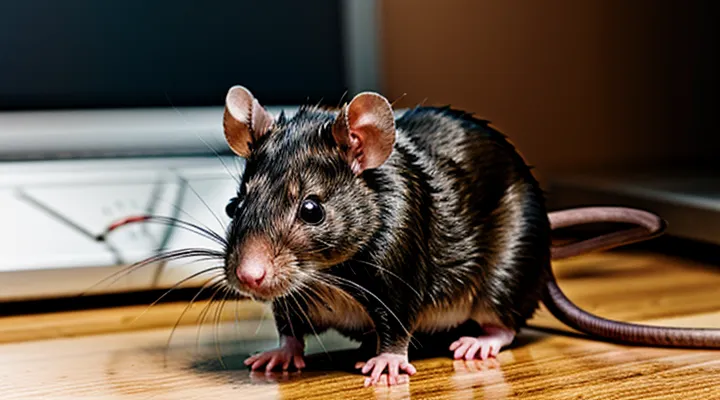
Why Naming Your Rat Matters
The Emotional Connection
Naming a pet rat involves more than a simple label; it reflects the bond formed through daily interaction. A name chosen with emotional awareness reinforces recognition, reduces stress, and encourages consistent handling. When an owner perceives the rat’s temperament—curiosity, timidity, or boldness—those traits guide the naming process, creating a feedback loop that strengthens attachment.
Key considerations for an emotionally resonant name:
- Align the name with observable behaviors, such as «Whisker‑Scout» for an inquisitive explorer.
- Incorporate sensory cues, for example «Silk‑Paw» to highlight soft fur.
- Choose phonetic patterns that are easy for the animal to distinguish, typically short vowel‑consonant combinations.
- Reflect personal memories or meaningful events, turning the name into a narrative anchor.
Consistent use of the selected name during feeding, grooming, and play sessions reinforces the rat’s association between sound and positive experiences. Over time, the animal responds more readily, indicating that the emotional connection has been effectively encoded through nomenclature.
Reflecting Personality
Choosing a name that mirrors a rat’s character strengthens the bond between owner and pet. Observing behavior patterns—such as curiosity, boldness, calmness, or playfulness—provides a reliable basis for name selection.
Identify dominant traits through daily interaction. Record moments when the rat explores new tunnels, engages with toys, or displays social tolerance. Translate these observations into concise descriptors that capture the animal’s essence.
- «Scout» – for a rat that constantly investigates surroundings.
- «Maverick» – for a bold, independent explorer.
- «Nimbus» – for a gentle, easy‑going companion.
- «Zippy» – for a fast, energetic performer.
- «Whisper» – for a quiet, observant observer.
- «Pixel» – for a curious rat that interacts with objects methodically.
- «Jinx» – for a mischievous, unpredictable trickster.
- «Sage» – for an older, wise‑looking individual.
After narrowing options, test the chosen name during feeding or playtime. Consistent response indicates alignment between name and personality, confirming the selection’s suitability.
Brainstorming Unique Rat Names
Human-Inspired Names
Classic Choices
Classic rat names often derive from familiar human monikers, literary figures, or simple descriptive terms. These choices persist because they convey personality without requiring elaborate explanations.
• «Remy» – homage to the culinary rat of popular culture.
• «Mickey» – reference to the iconic cartoon mouse, easily recognizable.
• «Jasper» – traditional human name, conveys a calm demeanor.
• «Bella» – short, melodic, suggests affection.
• «Whiskers» – descriptive, highlights a distinctive physical trait.
• «Gus» – brief, approachable, suits small‑sized pets.
• «Luna» – celestial reference, popular across species.
Veterinary literature notes that classic names facilitate communication between owners and professionals, reducing ambiguity in medical records. Their familiarity supports rapid identification and reinforces the bond between caretaker and companion.
Modern and Trendy Options
Choosing a name that feels contemporary and stylish can enhance a pet rat’s personality and reflect the owner’s taste. Modern trends favor brevity, cultural references, and playful wordplay, while still maintaining clarity and ease of pronunciation.
- «Pixel» – evokes digital culture and a compact, energetic vibe.
- «Nova» – suggests brightness and a fresh start, suitable for a lively companion.
- «Zara» – short, fashionable, and easy to call.
- «Jax» – combines a crisp sound with a hint of edge.
- «Milo» – timeless yet currently popular in media and social platforms.
- «Echo» – references sound and repetition, fitting for a creature known for its squeaks.
- «Luna» – captures celestial allure while remaining succinct.
- «Rex» – classic authority with a modern twist, suitable for a confident rat.
- «Bix» – quirky and memorable, ideal for a mischievous pet.
- «Koda» – blends softness with a contemporary feel.
Selecting from these options provides a balance between current naming fashions and the unique character of each rat, ensuring the name remains both recognizable and memorable.
Pop Culture References
Fictional Characters
Fictional characters offer a reservoir of distinctive names that can suit a pet rat, enhancing its personality with cultural resonance. Selecting a name drawn from literature, cinema, comics, or mythology provides instant recognition and a narrative hook.
- «Bilbo» – inspired by the adventurous hobbit of Tolkien’s Middle‑earth.
- «Katniss» – reference to the resilient heroine of The Hunger Games.
- «Gandalf» – evoking the wise wizard from The Lord of the Rings.
- «Luna» – derived from the enigmatic witch in Harry Potter.
- «Zorro» – alluding to the masked vigilante of classic pulp stories.
- «Moby» – homage to the iconic white whale of Melville’s novel.
- «Sherlock» – tribute to the analytical detective of Sir Arthur Conan Doyle.
- «Thor» – drawn from the Norse god featured in Marvel comics.
Literary protagonists, cinematic icons, and mythic figures each carry attributes that can mirror a rat’s traits—curiosity, bravery, cleverness—allowing owners to convey a story through a simple name. By aligning the animal’s character with a well‑known fictional persona, the chosen name becomes both memorable and meaningful.
Famous Duos or Trios
When selecting a name for a pet rat, referencing well‑known pairs or groups supplies instantly recognizable and distinctive options.
• « Sherlock » and « Watson » – classic detective duo, suitable for a smart, inquisitive rat.
• « Bonnie » and « Clyde » – infamous partners, ideal for a bold, adventurous pair.
• « Tom » and « Jerry » – iconic cartoon rivals, fitting for a mischievous duo.
• « Mario » and « Luigi » – beloved video‑game brothers, appropriate for a cooperative pair.
• « Peanut » and « Butter » – playful food‑related pair, perfect for a light‑hearted duo.
Trios offer additional flexibility, allowing multiple rats or a single name with three components.
• « Harry », « Ron » and « Hermione » – central characters of a celebrated fantasy series, suitable for clever, loyal, and resourceful rats.
• « Kirk », « Spock » and « McCoy » – legendary star‑ship crew, appropriate for a leadership‑oriented trio.
• « Rocky », « Bullwinkle » and « Dudley » – classic animated companions, fitting for a charismatic trio.
• « Mickey », « Donald » and « Goofy » – timeless Disney figures, ideal for a whimsical group.
• « Huey », « Dewey » and « Louie » – well‑known duckling trio, suitable for three similarly sized rats.
Choosing a name from these celebrated duos or trios adds cultural resonance while ensuring the rat’s identity remains unique and memorable.
Food and Drink Inspired Names
Sweet Treats
Choosing a name that reflects a rat’s fondness for sugary delights adds personality and memorability. Sweet‑themed names draw from desserts, confections, and bakery items, creating a playful link between the pet’s appearance and its culinary inspiration.
- «Caramel» – deep amber coat reminiscent of melted sugar.
- «Honeybun» – round body shape paired with a golden hue.
- «Marshmallow» – soft, fluffy texture and light coloration.
- «Cupcake» – small size and sweet disposition.
- «Taffy» – chewy resilience and glossy sheen.
- «Truffle» – dark patches and rich, earthy scent.
- «Macaron» – pastel markings and delicate features.
- «Ginger Snap» – speckled fur with a spicy edge.
- «Nougat» – creamy undertones and smooth coat.
- «Pudding» – mellow demeanor and smooth movement.
Savory Delights
Choosing a name inspired by savory cuisine adds character and memorability to a pet rodent. Food‑based monikers convey texture, flavor, and cultural reference without relying on generic descriptors.
- « Basilisk » – evokes aromatic herb, suitable for a curious rat.
- « Umami » – captures the depth of taste, fitting for a perceptive animal.
- « Saffron » – suggests richness and rarity, ideal for a striking coat.
- « Curry » – reflects warmth and spice, matching an energetic personality.
- « Gouda » – combines smoothness and maturity, appropriate for a calm demeanor.
When selecting a savory‑themed name, consider the animal’s appearance, behavior, and the owner’s culinary interests. Prioritize brevity, phonetic clarity, and distinctiveness to ensure the name remains functional in everyday interaction.
Nature and Science Inspired Names
Elements and Minerals
Elements and minerals provide a rich reservoir of distinctive names for pet rodents. Each chemical element possesses a single‑word label that conveys strength, rarity, or exoticism, while minerals offer textured, geological references that can match a rat’s coat color or personality traits.
Commonly cited examples include metallic names such as «Gold», «Silver», «Copper», and «Titanium», which suggest brightness or resilience. Non‑metallic elements like «Neon», «Argon», and «Helium» evoke a sense of lightness and curiosity. Mineral‑based options feature «Quartz», «Obsidian», «Jasper», «Amethyst», and «Flint», each reflecting specific hues or structural qualities that may parallel a rat’s fur pattern or behavior.
Suggested name list:
- «Gold»
- «Silver»
- «Copper»
- «Titanium»
- «Neon»
- «Argon»
- «Helium»
- «Quartz»
- «Obsidian»
- «Jasper»
- «Amethyst»
- «Flint»
Selecting a name from this chemical and geological catalogue aligns the animal’s identity with scientifically recognized substances, delivering a memorable and original designation.
Celestial Bodies
Celestial bodies provide a compelling pool of names for pet rodents, combining mythic resonance with scientific intrigue. Each astronomical term carries distinct imagery that can reflect a rat’s appearance, behavior, or personality.
- Stars – Sirius, Vega, Altair, Procyon, Betelgeuse
- Planets – Mars, Jupiter, Europa, Titan, Ceres
- Moons – Luna, Io, Ganymede, Rhea, Phobos
- Constellations – Orion, Lyra, Draco, Andromeda, Pegasus
- Galaxies and Nebulae – Andromeda, Sombrero, Orion, Helix, Carina
Selection criteria focus on alignment between the animal’s traits and the astronomical reference. A sleek, silver‑coated rat may suit “Vega” for its bright, white hue; a curious, adventurous individual could bear “Orion” reflecting the hunter’s boldness. Color palettes, size, and temperament serve as practical guides, ensuring the chosen name feels intuitive and memorable.
Incorporating celestial terminology enhances the originality of pet naming, delivering a blend of elegance and scientific homage that distinguishes each rat from conventional monikers.
Names Based on Appearance or Characteristics
Coat Color
Coat color provides a clear basis for selecting a memorable name for a pet rat. Distinctive hues such as albino, black, brown, gray, and agouti each suggest thematic associations that can guide the naming process.
• Albino – options include «Snowflake», «Ivory», «Ghost», «Pearl», «Blizzard».
• Black – consider «Midnight», «Onyx», «Shadow», «Raven», «Ebony».
• Brown – suitable names are «Cocoa», «Chestnut», «Mocha», «Rusty», «Sable».
• Gray – possibilities comprise «Ash», «Smokey», «Slate», «Silver», «Storm».
• Agouti – choices may be «Tiger», «Stripes», «Marble», «Mosaic», «Patches».
When choosing a name, align the selected term with the rat’s specific shade and any visible pattern variations. This approach ensures the name reflects the animal’s appearance while remaining original and easy to recall.
Size or Build
When selecting a name for a pet rat, physical dimensions provide a clear framework for originality. Small, delicate specimens suggest names that emphasize agility or diminutiveness, while larger, robust individuals invite titles that convey strength or grandeur.
-
Tiny or slender rats
• «Whisk» – highlights fine whiskers and slight build
• «Pebble» – evokes a small, smooth stone
• «Mite» – reflects minute size -
Medium‑sized rats with balanced proportions
• «Cobbler» – suggests a sturdy yet approachable creature
• «Nimbus» – conveys a moderate, cloud‑like presence
• «Bramble» – implies a versatile, adaptable form -
Large, muscular rats with a solid frame
• «Titan» – denotes impressive stature
• «Grit» – emphasizes rugged strength
• «Baron» – evokes a commanding, noble bearing
Considering body shape refines the naming process further. A rat with a lean, elongated torso benefits from names that suggest sleekness, such as «Arrow» or «Silk». Conversely, a stocky, compact rat aligns with titles like «Chunk» or «Boulder». Matching the name to size or build eliminates ambiguity and reinforces the animal’s identity.
Quirky Habits
Rats display a variety of unconventional behaviors that translate well into memorable names. Observing these traits offers a direct path to originality without relying on generic descriptors.
- Habit: collecting and hoarding small objects such as bottle caps and paper scraps. Suggested name: «CapCollector».
- Habit: performing rapid, erratic sprints across cages when startled. Suggested name: «FlashDash».
- Habit: grooming peers with meticulous, almost ritualistic strokes. Suggested name: «GroomGuru».
- Habit: arranging food pellets in geometric patterns before eating. Suggested name: «PatternPlanner».
- Habit: emitting soft, rhythmic squeaks during nighttime exploration. Suggested name: «MoonMurmur».
- Habit: using the same narrow tunnel repeatedly as a personal shortcut. Suggested name: «TunnelTrekker».
- Habit: turning over bedding to create miniature hills. Suggested name: «HillHopper».
- Habit: nibbling on electrical cords with a gentle, persistent bite. Suggested name: «WireWiggler».
Each quirk provides a distinctive cue that can be transformed into a name reflecting personality, ensuring the chosen moniker stands out among typical pet identifiers.
Tips for Choosing the Perfect Name
Say It Out Loud
When selecting a name for a pet rat, verbalizing the choice provides immediate feedback on sound, rhythm, and memorability. Speaking the name aloud reveals whether it blends with everyday speech and whether it remains distinct amid household noises.
Pronunciation clarity prevents confusion during daily interactions. A name that sounds similar to common commands or other pet names may cause miscommunication. Auditory testing also highlights potential cultural or linguistic sensitivities that could arise in a shared living space.
Practical steps include: uttering the name several times in varied tones; observing the reaction of the rat when the sound is repeated; recording the phrase to assess resonance; confirming the name’s compatibility with other household members’ speech patterns.
Guidelines for effective vocal testing:
- Choose a name that ends with a consonant or strong vowel, enhancing auditory distinctness.
- Avoid syllable clusters that create ambiguous sounds when spoken quickly.
- Ensure the name does not mimic common command words such as «come», «stay», or «no».
- Verify that the name remains clear when spoken from different rooms or at a distance.
- Prefer names that sustain a single, steady rhythm, facilitating quick recall during handling.
Applying these auditory checks results in a name that is both original and functionally sound for everyday use.
Keep It Simple
Keeping a rat’s name short and easy to pronounce reduces the chance of confusion during handling and training. A name with one or two syllables can be called clearly from a distance, and it fits naturally into routine commands.
Guidelines for simple rat names:
- Choose a single word or a two‑syllable combination.
- Avoid complex spelling or uncommon sounds.
- Prefer familiar sounds that the animal can associate with positive reinforcement.
- Test the name by saying it aloud; clarity matters more than originality.
Examples of straightforward names:
- Pip
- Nibbles
- Whisk
- Milo
- Bean
- Coco
- Zed
- Finn
- Luna
- Ace
These options illustrate how brevity and recognizability support effective communication with a pet rat.
Consider Future Rats
When selecting a name, anticipate the rat’s potential role in upcoming activities, environments, or research projects. A forward‑looking name reinforces the animal’s involvement in innovative settings and eases integration into future contexts.
Key criteria for future‑oriented names include:
- Reference to technology or science («Quantum», «Photon», «Circuit»).
- Allusion to time or progress («Chronos», «Future», «Momentum»).
- Evocation of space exploration («Orbit», «Nebula», «Astro»).
- Connection to emerging trends in pet care («Eco», «Zenith», «Pulse»).
Choosing a name that aligns with anticipated developments supports clear communication among caretakers, researchers, and enthusiasts, while reinforcing the rat’s identity within evolving scenarios.
The «Nickname» Factor
When choosing a name for a pet rat, the «Nickname» factor influences both daily interaction and long‑term attachment. A nickname should be easy to pronounce, short enough for quick recall, and distinct from other household names. It also serves as a bridge between the formal name and the animal’s personality, enabling owners to address the rat in a friendly, informal manner.
Key considerations for an effective nickname include:
- Simplicity – one or two syllables reduce the risk of mispronunciation.
- Uniqueness – avoids confusion with human family members or other pets.
- Sound compatibility – consonant‑vowel patterns that flow naturally when spoken.
- Emotional resonance – reflects a trait or behavior observed in the rat, such as agility or curiosity.
Applying these criteria leads to practical examples: “Squeak”, “Nibbles”, “Bolt”, “Pip”. Each illustrates how a concise, memorable moniker complements a more elaborate formal name while reinforcing the bond between owner and animal.
Popular Rat Names to Avoid (and Why)
Overused Options
Owners frequently resort to a limited set of names that have become predictable across pet‑rat communities. These selections often lack originality and may cause confusion when multiple animals share identical monikers.
- «Rizzo» – popular due to a well‑known cartoon character.
- «Whiskers» – generic reference to prominent facial hair.
- «Nibbles» – common for rodents that chew frequently.
- «Squeaky» – chosen for the typical sound rats produce.
- «Cheese» – cliché linking the animal to a stereotypical food.
- «Pip» – short, easy to pronounce, yet overused.
- «Milo» – borrowed from other small‑pet naming trends.
- «Bella» – frequently applied to female rats without distinction.
The prevalence of these names reduces the opportunity for a distinctive identity. Selecting a less common option enhances recognition and reflects a more thoughtful approach to rat naming.
Potentially Offensive Names
When selecting a name for a pet rat, awareness of cultural and social sensitivities prevents unintended offense. Names that reference profanity, hate symbols, explicit sexuality, or appropriated cultural terms often provoke negative reactions and may reflect poorly on the owner’s judgment.
«Potentially Offensive Names» fall into several identifiable groups:
- profanity or vulgar slang – triggers discomfort in public settings;
- references to extremist ideologies – associate the animal with harmful movements;
- overtly sexual terminology – unsuitable for a family‑friendly environment;
- culturally specific words used without context – risk of appropriation or disrespect.
Guidelines for responsible naming:
- verify that the name lacks explicit profanity in all major languages;
- avoid any association with hate groups, extremist symbols, or political slogans;
- select terms that are neutral or humorous without sexual connotations;
- respect cultural heritage by refraining from borrowing sacred or significant words unless fully understood and appropriate.
Applying these criteria ensures that a rat’s name remains creative, memorable, and socially acceptable.