
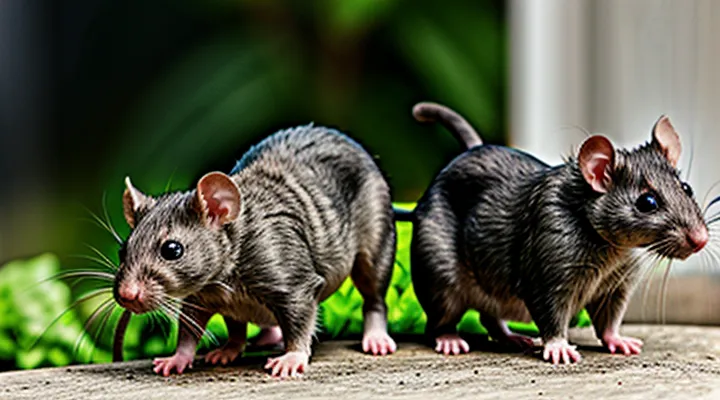
The Art of Naming Your Female Rat
Why Naming Your Rat Matters
Naming a rat is not a trivial act; it establishes a distinct identity that separates the animal from generic references used in care routines. An individualized name simplifies communication among owners, veterinarians, and caretakers, reducing ambiguity when discussing health issues, dietary needs, or behavioral observations.
- Facilitates accurate record‑keeping: medical charts, vaccination logs, and breeding documents list a specific name, preventing mix‑ups with other rodents.
- Enhances human‑animal bond: consistent verbal interaction with a recognized name strengthens attachment, which can improve handling confidence and reduce stress for the pet.
- Supports training and enrichment: cue‑based commands rely on a name to signal attention, enabling more effective operant conditioning and play activities.
- Aids social integration: when multiple rats share a habitat, each name clarifies hierarchy and interaction patterns observed by the owner.
- Legal and ethical compliance: some jurisdictions require registration of pet rodents under a unique identifier; a name satisfies this requirement.
Choosing an appropriate name influences these outcomes. A name that is short, distinct in sound, and easy to pronounce ensures quick recognition by both the animal and human interlocutors. Selecting a name that reflects the rat’s personality or physical traits can further reinforce the owner’s perception and promote attentive care.
Factors to Consider When Choosing a Name
Personality Traits and Habits
Female rats often display curiosity, assertiveness, and strong social bonds. They explore new objects quickly, establish clear hierarchies within groups, and communicate through high‑frequency vocalizations. These traits create a distinctive personality profile that can guide the selection of fitting names.
Typical habits include extensive grooming, frequent nesting, and nocturnal foraging. Rats organize food caches, rearrange bedding, and exhibit repetitive chewing behavior to maintain dental health. Their routines combine meticulous self‑care with energetic activity during dark hours.
Name suggestions that reflect these characteristics:
- Scout – highlights inquisitive exploration
- Empress – underscores leadership within a colony
- Silk – evokes smooth fur and meticulous grooming
- Nimble – captures agile nighttime movement
- Cache – references food‑storing behavior
- Whisper – alludes to subtle vocal communication
- Bramble – suggests persistent chewing and nest building
- Luna – connects to nocturnal activity
- Valor – mirrors bold, assertive demeanor
- Pippin – conveys playful, energetic habit
Each name aligns with a specific trait or habit, providing a coherent framework for naming female rats.
Physical Appearance
Physical characteristics of female rats provide a rich source for naming. Fur coloration ranges from pure white, deep black, and various shades of brown to mottled gray, each offering a distinct auditory cue. Size variations—compact, medium, or slightly larger—suggest names that convey stature without ambiguity.
Facial and body features further refine options. Prominent ears, rounded snouts, and expressive eyes in amber, red, or pink allow for names that highlight these traits. Tail length, ranging from short to notably long, adds another dimension for selection.
- White‑coated, petite: Snowflake, Pearl, Ivory
- Dark‑fured, robust: Onyx, Midnight, Ember
- Brown or sable, medium build: Chestnut, Hazel, Cocoa
- Gray mottled, agile: Ash, Mist, Slate
- Large‑eared, alert: Lobe, Echo, Radar
- Bright‑eyed, vivid: Ruby, Amber, Sapphire
- Long‑tailed, graceful: Ribbon, Stream, Whisper
- Short‑tailed, compact: Stub, Button, Pebble
Your Personal Preferences
Choosing a name for a female rat reflects the owner’s taste, personality, and expectations for the pet. A name that aligns with personal style enhances the bond and simplifies daily interaction.
Consider the following preference dimensions:
- Aesthetic appeal – syllable count, phonetic smoothness, and rhythm.
- Thematic resonance – references to literature, mythology, or pop culture that the owner values.
- Cultural significance – names rooted in the owner’s heritage or language.
- Practicality – ease of pronunciation, distinctiveness from commands, and suitability for a small animal.
Apply these dimensions by listing favored sounds, selecting a thematic source, and cross‑checking each candidate against practicality criteria. For example, an owner who enjoys classic novels might combine a mythic element with a short, crisp ending, resulting in names such as “Luna” or “Mira.”
Finalize the choice by testing the name in everyday contexts: calling the rat, noting reactions, and confirming that the name fits the owner’s overall aesthetic. The optimal name emerges when all preference dimensions converge without compromise.
Categories of Names for Female Rats
Cute and Adorable Names
Choosing a name for a female pet rat involves selecting a short, melodic, and endearing term that reflects the animal’s gentle nature and lively personality. Preferred options avoid complex spelling, favor easy pronunciation, and often draw from popular culture, nature, or classic pet‑name conventions.
- Bella
- Luna
- Daisy
- Nibbles
- Poppy
- Willow
- Coco
- Peanut
- Muffin
- Rosie
- Tilly
- Olive
- Ruby
- Pixie
- Cherry
These selections combine simplicity with charm, making them well‑suited for affectionate, small‑sized companions.
Elegant and Sophisticated Names
Elegant and sophisticated names for female rats combine refinement with memorable pronunciation, suitable for pets that display poise and intelligence. Selecting a name from this category enhances the animal’s perceived character and facilitates clear communication between owner and caretaker.
- Arabella – classic, melodic, conveys grace.
- Cecilia – lyrical, evokes cultured elegance.
- Evelyn – timeless, soft yet dignified.
- Genevieve – French‑inspired, aristocratic tone.
- Isolde – literary resonance, understated grandeur.
- Lavinia – Roman heritage, poised and regal.
- Octavia – strong, sophisticated, historical depth.
- Seraphine – ethereal, refined, gentle authority.
- Theodora – noble, commanding presence.
- Vivienne – chic, vibrant, polished.
These suggestions prioritize phonetic balance and cultural connotations that align with an elegant demeanor. Each name stands alone without ambiguity, ensuring the rat responds reliably while reflecting a cultivated identity.
Playful and Whimsical Names
Choosing a name that captures a pet rat’s lively spirit enhances the bond between owner and animal. Playful and whimsical options often draw on bright imagery, wordplay, or references to popular culture, providing a memorable identity that reflects the rodent’s energetic nature.
- Bubbles – evokes lightness and constant movement.
- Pipkin – a diminutive form suggesting curiosity and mischief.
- Zigzag – highlights erratic, quick‑silver bursts of activity.
- Merryweather – combines cheerfulness with a touch of fantasy.
- Jinx – suits a clever, slightly unpredictable companion.
- Sprout – fitting for a small, growing personality.
- Twizzle – conveys twisting, lively motions.
- Fizz – reflects a sparkling, high‑energy demeanor.
- Nimble – denotes agility and swift reflexes.
- Whiskerwink – playful nod to the animal’s most distinctive feature.
Each suggestion balances humor with affection, ensuring the name remains suitable for everyday use while celebrating the rat’s spirited character.
Names Inspired by Food and Drinks
Naming a pet rat after a favorite dish or beverage adds personality and memorability. Culinary references convey sweetness, zest, or comfort, qualities often associated with small companion animals.
- Cinnamon – warm spice, evokes a cozy scent.
- Mochi – soft Japanese dessert, suggests a plump, gentle demeanor.
- Nutmeg – aromatic seed, hints at a slightly peppery spirit.
- Poppy – seed used in pastries, carries a bright, lively image.
- Saffron – prized spice, conveys rarity and elegance.
- Truffle – earthy delicacy, suits a curious, adventurous rat.
- Maple – sweet syrup, reflects a smooth, affectionate nature.
- Peaches – juicy fruit, ideal for a rosy‑cheeked, sweet‑tempered pet.
Drink-inspired options provide a similar range of character cues:
- Espresso – strong, bold, perfect for an energetic rat.
- Latte – creamy and mellow, fits a calm, friendly companion.
- Chai – spiced tea, matches a rat with a spirited personality.
- Soda – fizzy and playful, suits a lively, quick‑moving animal.
- Cider – crisp, autumnal flavor, appropriate for a rat with a warm coat.
- Matcha – vibrant green tea, works well for a rat with a bright, alert presence.
- Bubbles – classic soda nickname, ideal for a rat that darts around with enthusiasm.
- Cola – dark and smooth, fits a sleek‑furred, confident rat.
When selecting a name, consider the rat’s coloration, behavior, and the owner’s personal taste. A name that resonates with daily life or favorite flavors will be easier to recall and more meaningful during interaction. Consistency in pronunciation and simplicity aid in training, as rats respond better to clear, short cues.
Names Inspired by Nature
Nature provides a rich source of memorable names for pet female rats. Selecting a name that reflects elements such as plants, weather, or celestial bodies can emphasize a rodent’s lively character while offering a distinctive identity.
Consider the following nature‑inspired options, grouped by theme for quick reference:
- Flora: Willow, Fern, Daisy, Ivy, Juniper, Poppy, Sage, Marigold, Orchid, Lily
- Fauna (non‑rodent): Finch, Sparrow, Dove, Lark, Butterfly, Bee, Otter, Fox, Lynx, Hare
- Geography & Weather: Meadow, River, Storm, Mist, Pebble, Canyon, Aurora, Breeze, Snowflake, Ember
- Celestial & Mineral: Luna, Star, Nova, Eclipse, Quartz, Onyx, Pearl, Sapphire, Coral, Topaz
Each name conveys a vivid image, facilitating easy recall and reinforcing the bond between owner and animal. Choose a term that aligns with the rat’s appearance, temperament, or the owner’s personal affinity for a particular natural element.
Names from Pop Culture and Fiction
Choosing a name for a female rat from well‑known media adds personality and instant recognition. Familiar references also simplify communication with owners, veterinarians, and caretakers.
- Luna – the loyal owl in Harry Potter
- Arya – the fierce heroine of Game of Thrones
- Ripley – the resourceful protagonist of Aliens
- Eleven – the telekinetic central figure of Stranger Things
- Hermione – the clever witch of Harry Potter
- Zelda – the adventurous princess of The Legend of Zelda
- Kira – the enigmatic lead of Death Note
- Mulan – the courageous warrior of Disney’s Mulan
- Scully – the rational agent from The X‑Files
- Ygritte – the skilled archer of Game of Thrones
These selections combine cultural relevance with distinctive sounds, making them practical choices for any female rat.
Mythological and Legendary Names
Choosing a name from mythology or legend adds depth to a female rat’s identity. Such names carry recognizable stories, evoke distinct personalities, and often suit the clever, agile nature of the species.
- Athena – Greek goddess of wisdom and strategic warfare; appropriate for an inquisitive rat.
- Freya – Norse deity of love, beauty, and fertility; suits a graceful, charismatic pet.
- Morrigan – Celtic war goddess associated with crows; fits a bold, daring temperament.
- Sekhmet – Egyptian lioness deity of protection; matches a fierce yet loyal companion.
- Kitsune – Japanese fox spirit known for shape‑shifting; ideal for a curious, adaptable rat.
- Lilith – Figure from Mesopotamian legend, often portrayed as independent; works for a self‑sufficient animal.
- Hecate – Triple‑faced Greek goddess of crossroads and magic; resonates with a rat that explores every nook.
- Baba Yaga – Slavic witch of the forest; fits a mischievous, resourceful character.
- Anansi – West African spider trickster; appropriate for a clever, problem‑solving rat.
- Juno – Roman goddess of marriage and childbirth; suits a nurturing, protective pet.
When selecting a mythological name, prioritize clarity of pronunciation, relevance to the rat’s behavior, and personal resonance with the story behind the name. Shorter forms (e.g., “Athie” for Athena) provide ease of call‑and‑response while preserving the original reference.
Human-Inspired Names
Human‑inspired names give female rats a personable identity that resonates with owners. Such names borrow directly from common human given names, allowing easy recall and fostering a sense of companionship.
When selecting a human‑style name, consider pronunciation, length, and the animal’s temperament. Short, two‑syllable names tend to be clearer for both the pet and the caregiver. Names with soft consonants often match the gentle nature of many female rats, while sharper sounds can suit more energetic individuals.
Typical human‑inspired options include:
- Luna – evokes calmness and nocturnal activity.
- Mia – concise, easy to call, and universally familiar.
- Olive – gentle, slightly botanical, yet clearly human.
- Ruby – vivid, memorable, and suitable for a lively rat.
- Sophie – classic, friendly, and adaptable to various personalities.
- Grace – conveys elegance, fitting for a sleek coat.
- Nina – short, melodic, and easy to recognize.
- Ada – brief, distinctive, and historically resonant.
Choosing a name from the human repertoire streamlines communication, reduces training confusion, and reinforces the bond between pet and owner. Consistency in using the chosen name during feeding, handling, and play strengthens recognition and promotes a stable, responsive animal.
Tips for Choosing the Perfect Name
Say it Out Loud
Choosing a name for a pet rat requires attention to how the word sounds when spoken. A clear, easily articulated name reduces confusion during handling, training, and daily interaction.
Effective vocal names share several traits. Short syllable count (one to two beats) speeds verbal recognition. Balanced vowel‑consonant patterns create smooth articulation. Avoiding sounds that resemble common commands (e.g., “no,” “stop”) prevents accidental cues. Selecting names with distinct stress patterns helps the animal differentiate the call from background noise.
Recommended names for female rats, selected for auditory clarity:
- Mira – two syllables, open vowel, clear stress on the first beat.
- Luna – soft consonants, ending with a nasal vowel that carries well.
- Pip – single, sharp syllable; stands out in noisy environments.
- Zara – strong initial consonant, ending with a resonant vowel.
- Tilly – gentle consonant blend, easy to enunciate quickly.
- Nora – balanced vowel‑consonant flow, distinct from “no.”
- Cleo – crisp initial consonant, ending with an open vowel.
- Biscuit – playful, two clear beats, unlikely to be confused with commands.
- Juno – strong “J” sound, clear vowel transition.
- Saffy – soft onset, ending with a fricative that is audible at a distance.
Each name satisfies the criteria for clear oral communication, supporting consistent identification and response from the animal.
Observe Her for a Few Days
Spending several days watching a new female rat reveals consistent habits, vocal tones, and visual markers that guide the naming process. Direct observation eliminates guesswork and aligns the chosen name with the animal’s genuine character.
Key observations include:
- Activity rhythm: whether she explores at night, prefers daytime, or shows bursts of energy.
- Social behavior: dominance, curiosity toward humans, or calm interaction with cage mates.
- Vocal profile: high‑pitched squeaks, soft chatter, or infrequent sounds.
- Physical traits: distinct fur patterns, coloration, tail length, or whisker configuration.
Translate these details into name concepts that reflect the rat’s identity. For example:
- Night‑active, bold individuals: Midnight, Shadow, Raven.
- Calm, gentle personalities: Luna, Willow, Misty.
- Distinctive markings: Stripe, Pebble, Cocoa.
- Energetic explorers: Dash, Zippy, Rocket.
By aligning the name with observed traits, the final choice feels intuitive and meaningful, reinforcing the bond between owner and pet.
Avoid Overly Complicated Names
Choosing a name that is short and easy to pronounce helps the owner call the rat reliably and reduces the chance of miscommunication during training or handling. Simple names typically contain one or two syllables and avoid uncommon spellings.
Complicated names can confuse the animal, especially when they contain multiple words, hyphens, or unusual characters. The rat may fail to associate a lengthy label with positive reinforcement, slowing the bonding process.
Practical guidelines for keeping names straightforward:
- Limit the name to one or two syllables.
- Use common English words or familiar sounds.
- Avoid numbers, symbols, and foreign language terms that are not widely recognized.
- Select a name that does not resemble commands such as “no” or “stay.”
Applying these rules results in names that are memorable, easy to say, and effective for everyday interaction with a female pet rat.
Get Input from Family and Friends
When deciding on a name for a female pet rat, involving relatives and acquaintances can broaden the pool of options and ensure the chosen name resonates with the household.
First, announce the naming project to family members and close friends. Explain that you are looking for short, memorable names that suit a small, active rodent. Provide a brief list of preferred styles—e.g., classic, whimsical, nature‑inspired—to guide suggestions.
Collect responses in a single format, such as a shared document or group chat thread. This prevents duplicate entries and makes it easy to compare ideas later.
Evaluate the submitted names using the following criteria:
- Length: one or two syllables for easy recall.
- Distinctiveness: unlikely to be confused with commands or other pets’ names.
- Compatibility: fits the rat’s personality, coat color, or behavior.
- Acceptance: all household members feel comfortable using it.
After narrowing the list, conduct a quick poll among the contributors. Choose the name with the highest vote count, or, if a tie occurs, let the rat’s owner make the final decision.
Document the chosen name and share the result with everyone who participated. Acknowledging contributors reinforces a collaborative atmosphere and may encourage future involvement in pet‑care decisions.
What to Do if You Have Multiple Female Rats
When you keep more than one female rat, first verify that all individuals are compatible. Observe interactions for signs of aggression, such as biting or persistent chasing, and separate any rat that repeatedly dominates the group.
Provide a spacious cage that meets the minimum size requirement for multiple occupants. Include multiple nesting boxes, chew toys, and climbing structures to reduce competition for resources. Place food and water dispensers in separate locations to prevent one rat from monopolizing access.
Conduct weekly health checks. Look for abnormal discharge, weight loss, or changes in grooming behavior. Record observations in a log to detect trends that may indicate illness or stress.
Choose names that aid identification and reflect group cohesion. Consider patterns that simplify communication and record‑keeping:
- Sequential names (e.g., Luna‑1, Luna‑2, Luna‑3)
- Theme‑based sets (e.g., Willow, Aspen, Cedar)
- Color‑related names (e.g., Amber, Ivory, Slate)
Assign each rat a unique name and use it consistently in daily care routines, veterinary visits, and documentation. Consistent naming supports clear communication among caretakers and enhances the overall welfare of the colony.