
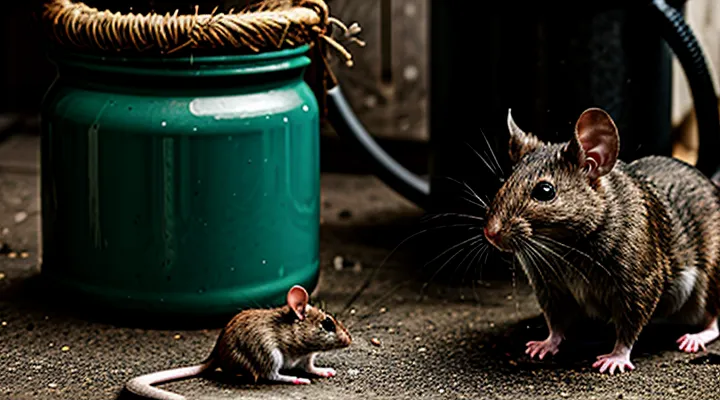
Understanding «Mummified Poison»
What is «Mummified Poison»?
The Mechanism of Action
The preserved rodent toxin consists of a dehydrated matrix containing anticoagulant compounds, neurotoxins, and metabolic inhibitors. Upon ingestion, the dry carrier rapidly rehydrates in the gastrointestinal tract, releasing active agents into the bloodstream.
Once in circulation, the anticoagulants bind to vitamin K–dependent clotting factors, preventing their activation and inducing uncontrolled hemorrhage. Simultaneously, neurotoxins target voltage‑gated sodium channels, causing sustained depolarization of neuronal membranes and resulting in paralysis. Metabolic inhibitors disrupt mitochondrial oxidative phosphorylation, leading to rapid energy depletion and organ failure.
The combined action produces a three‑fold lethal cascade:
- Hemostatic collapse → internal bleeding
- Neuromuscular shutdown → loss of coordination and respiration
- Cellular energy crisis → systemic organ shutdown
The toxin’s efficacy relies on swift absorption, multi‑system disruption, and irreversible damage at low dosage levels, ensuring rapid mortality in rodent populations.
Active Ingredients Commonly Used
Rodent control products that cause rapid desiccation rely on a limited set of active compounds. These ingredients are selected for their ability to induce lethal dehydration while minimizing secondary hazards.
-
Anticoagulants – Warfarin, bromadiolone, difenacoum, and brodifacoum inhibit vitamin K recycling, leading to internal bleeding and subsequent fluid loss. Second‑generation compounds (bromadiolone, difenacoum) act at lower dosages and are effective against resistant populations.
-
Neurotoxins – Bromethalin disrupts mitochondrial function, causing paralysis and loss of water balance. Zinc phosphide reacts with gastric acid to release phosphine gas, which damages cellular membranes and accelerates dehydration.
-
Vitamin D analogues – Cholecalciferol triggers hypercalcemia, impairing kidney function and promoting excessive urine output. The resulting fluid deficit contributes to the mummification effect.
-
Acidic agents – Phosphoric acid formulations irritate mucosal surfaces, leading to vomiting and diarrhea. Rapid excretion of fluids hastens the desiccation process.
-
Desiccants – Silica gel and calcium carbonate powders absorb moisture from the gastrointestinal tract. When combined with toxicants, they enhance the overall drying effect.
Each ingredient is formulated to ensure palatability, stability, and controlled release. Dosage recommendations reflect the target species, environment, and resistance profile. Safety measures include bait stations, child‑proof containers, and clear labeling to prevent accidental exposure.
Advantages Over Traditional Rodenticides
Reduced Odor from Decomposing Rodents
Decomposing rodents emit volatile organic compounds that attract pests and create health hazards. Effective odor reduction relies on rapid containment, neutralization, and ventilation.
- Seal the carcass in a heavy‑duty plastic bag, expel excess air, and tie securely to prevent leak of gases.
- Apply an enzymatic deodorizer specifically formulated for protein breakdown; distribute evenly over the sealed container.
- Place activated charcoal or zeolite packets around the storage area to adsorb lingering fumes.
- Increase airflow with exhaust fans or open windows, directing air outward through a filtered vent.
- Maintain ambient temperature below 20 °C; lower heat slows microbial activity and reduces odor production.
Regular inspection of traps and bait stations, coupled with immediate removal of dead rodents, prevents accumulation of foul smells and limits secondary infestations.
Minimized Risk of Secondary Poisoning
Effective rodent control using mummified bait demands strict measures to prevent secondary poisoning of non‑target species. The following practices reduce accidental exposure:
- Enclose bait stations in tamper‑proof containers that allow entry only for rodents.
- Position stations away from wildlife corridors, pet pathways, and food‑preparation areas.
- Use bait formulations with low palatability for birds and mammals while remaining attractive to rats and mice.
- Apply the minimum effective dose per station; excess residue increases the likelihood of ingestion by scavengers.
- Install signage indicating the presence of toxic bait to alert household members and visitors.
Monitoring and maintenance are essential. Inspect stations weekly for damage, spillage, or unauthorized access. Replace compromised units immediately. Record sightings of dead or ill non‑target animals and adjust placement or dosage accordingly.
When a rodent is captured, remove carcasses promptly. Dispose of them in sealed, labeled containers and follow local hazardous‑waste regulations. This practice eliminates a primary source of secondary exposure for predators and scavengers.
Training personnel handling the product reinforces safety. Provide clear instructions on personal protective equipment, proper handling techniques, and emergency procedures in case of accidental ingestion.
Integrating these protocols into a comprehensive pest‑management plan ensures that the intended rodent population is suppressed while the risk to other animals remains minimal.
Implementing a «Mummified Poison» Strategy
Preparing the Treatment Area
Identifying Rodent Activity Hotspots
Identifying rodent activity hotspots is essential for effective deployment of mummified bait formulations. Spotting concentration areas before treatment maximizes product efficiency and reduces non‑target exposure.
Key indicators of a hotspot include:
- Fresh droppings clustered along walls, baseboards, or near food sources.
- Gnaw marks on packaging, wiring, or structural timber.
- Presence of urine stains, often visible as darkened spots on surfaces.
- Trails of shredded material or nesting debris in concealed locations.
- Audible sounds of movement, especially during nighttime hours.
Mapping these signs on a floor plan allows precise placement of poison stations. Prioritize zones with multiple indicators, maintain a minimum distance of 5 feet between stations to prevent bait competition, and monitor each hotspot weekly for activity changes. Regular assessment ensures the bait remains positioned where rodents are most active, enhancing control outcomes while limiting waste.
Eliminating Competing Food Sources
Eliminating competing food sources strengthens the effectiveness of rodent‑targeted toxins. When rats and mice find abundant alternatives, they are less likely to encounter bait, reducing mortality rates and prolonging infestations.
- Secure all human food in airtight containers; plastic or metal bins with sealed lids prevent access.
- Remove pet food after each feeding; store in a refrigerator or lockable container.
- Clean spills immediately; crumbs and residue act as attractants.
- Dispose of garbage in sealed bags and use containers with tight‑fit lids; empty them regularly.
- Eliminate outdoor sources such as fallen fruit, birdseed, and compost piles; keep compost covered and distant from structures.
- Seal cracks, gaps, and utility openings that allow rodents to enter storage areas; apply steel wool or caulk where appropriate.
Sanitation measures create an environment where bait becomes the primary food option, increasing consumption and ensuring the toxin reaches the target population. Consistent application of these practices, combined with regular monitoring, sustains control efforts and prevents re‑infestation.
Safe and Effective Placement
Securing Bait Stations
Securing bait stations is critical when deploying highly effective rodent toxicants that cause rapid desiccation of target animals. Improper placement or unsecured units can lead to accidental exposure of non‑target species, children, and pets, as well as loss of bait to weather or theft.
- Choose locations inaccessible to non‑target organisms: behind appliances, within wall voids, or inside dedicated tamper‑proof housings.
- Install lockable, weather‑resistant enclosures that meet local regulatory standards for toxicant storage.
- Mount stations at least 12 inches above ground level and away from food preparation surfaces, water sources, and animal shelters.
- Use bait stations equipped with hinged lids that close automatically after bait removal, preventing spillage.
Routine inspection reinforces security. Check seals and locks weekly, replace damaged components immediately, and record bait quantity to detect unauthorized depletion. Rotate stations periodically to avoid habituation by rodents and to maintain bait potency. Document all maintenance actions in a logbook for regulatory compliance and accountability.
Strategic Positioning in Attics, Basements, and Walls
Effective rodent control relies on precise placement of baits and devices where rats and mice travel most frequently. In attics, rodents exploit insulation, joists, and entry points near roof vents. Positioning should target these pathways and concealment zones.
- Place bait stations near roof eaves, soffit gaps, and ventilation ducts, ensuring they are out of reach of non‑target animals.
- Install snap traps or electronic devices along joist cavities, especially where insulation is disturbed.
- Use tamper‑proof stations at the apex of the roof to prevent tampering by pets or children.
Basements serve as primary foraging grounds due to moisture and easy access to food storage. Strategic positioning focuses on damp corners, utility lines, and behind stored items.
- Position bait in corners of concrete walls where water stains indicate rodent activity.
- Mount traps along pipe runs and electrical conduits, locations rodents use as travel corridors.
- Deploy monitoring stations near garbage bins, laundry areas, and entry doors to detect early incursions.
Wall voids provide concealed routes between floors and rooms. Targeting these spaces requires knowledge of entry holes and gnaw marks.
- Insert bait packets into drilled access points at the base of interior walls, preferably near baseboards.
- Secure snap traps within wall cavities through removable panels or small inspection holes.
- Install adhesive monitoring strips on the interior side of wall panels to confirm presence before full deployment.
Consistent inspection of these zones, combined with regular replenishment of baits, maximizes mortality rates and reduces the likelihood of rodent populations establishing permanent nests.
Monitoring and Maintenance
Regular Inspection of Bait Stations
Regular inspection of bait stations is a non‑negotiable component of any effective rodent‑control program that employs mummified poison. Inspectors must verify that each unit remains intact, correctly positioned, and free of tampering. A compromised station can expose non‑target animals, children, or pets to hazardous substances and diminish the overall efficacy of the control effort.
Key inspection tasks include:
- Confirming the seal is unbroken and the bait is securely contained.
- Checking for signs of moisture, debris, or rodent interference that could degrade the poison.
- Recording the amount of bait remaining; replace or replenish when consumption exceeds 50 % of the original load.
- Ensuring the station’s location still complies with safety guidelines—away from food preparation areas, water sources, and high‑traffic zones.
- Documenting the date, time, inspector’s name, and any observations in a centralized log.
Frequency guidelines:
- High‑risk environments (e.g., warehouses, food‑processing facilities) require inspections at least every 48 hours.
- Moderate‑risk settings (e.g., residential complexes) should be checked weekly.
- Low‑risk areas (e.g., outdoor storage sheds) may be inspected bi‑weekly, provided no adverse weather conditions have occurred.
Failure to adhere to these inspection protocols can lead to bait degradation, reduced rodent mortality, and increased liability. Consistent, documented checks maintain the potency of the mummified toxin, protect non‑target species, and ensure regulatory compliance.
Replenishing and Replacing Bait
Effective rodent control depends on maintaining an active bait matrix. Once the toxic medium begins to dry, lose potency, or is fully consumed, the lure no longer attracts rats and mice, allowing populations to rebound.
Monitor stations daily. Record the amount of bait remaining, signs of moisture, and any rodent activity. Replace any bait that appears cracked, discolored, or has been exposed to rain or humidity for more than 24 hours. Do not wait for complete depletion; top‑up when consumption reaches 50 % of the original load.
Steps for safe replenishment and replacement:
- Wear disposable gloves and protective eyewear before handling any poison.
- Remove the spent bait container, seal it in a leak‑proof bag, and store it according to local hazardous waste regulations.
- Clean the station with a mild detergent, rinse with water, and allow it to dry completely.
- Load fresh bait, ensuring the quantity matches the recommended dosage for the target species.
- Seal the station, label it with the date of replacement, and return it to its original location.
- Document the change in a logbook, noting the product batch number and any observed rodent activity.
Regularly rotating bait types—alternating anticoagulants, bromethalin, or cholecalciferol—prevents bait shyness and reduces the risk of resistance. Maintaining this cycle of inspection, removal, and fresh placement sustains lethal efficacy and limits secondary exposure.
Safety and Environmental Considerations
Protecting Children and Pets
Using Tamper-Resistant Bait Stations
Tamper‑resistant bait stations provide a controlled delivery system for rodenticide that minimizes accidental exposure and vandalism. Their sealed construction prevents non‑target animals, children, and curious pets from accessing the poison while maintaining the potency of the active ingredient.
Key advantages include:
- Secure access – hinged or lockable lids open only with a specialized key, ensuring only trained personnel can replenish the bait.
- Environmental protection – weather‑proof materials shield the formulation from moisture and UV degradation, preserving efficacy over extended periods.
- Compliance – designs meet regulatory standards for hazardous material handling, reducing liability for property owners and pest‑management operators.
- Ease of monitoring – clear panels allow visual inspection of bait consumption without opening the unit, facilitating timely re‑baiting decisions.
Effective deployment follows a systematic approach:
- Site assessment – identify high‑traffic rodent pathways, nesting sites, and food sources; prioritize concealed locations that remain inaccessible to occupants.
- Station placement – install units against walls or under cabinets at a height of 4–6 inches, away from direct sunlight and ventilation ducts.
- Bait loading – use the manufacturer’s recommended dose of the mummified toxin, distributing evenly across the station’s interior to encourage uniform uptake.
- Documentation – record station identifiers, bait type, and installation date; maintain a log of inspections and replenishment actions.
- Periodic review – conduct weekly checks for signs of tampering, bait depletion, or non‑target interference; replace stations that show damage or wear.
When integrated into a comprehensive rodent‑management program, tamper‑resistant bait stations reduce the risk of unintended poisoning, extend the functional life of the toxic bait, and support consistent population suppression. Proper selection, installation, and maintenance are essential to harness these benefits and achieve reliable control of rats and mice.
Proper Storage of Unused Bait
Proper storage preserves the efficacy of unused rodent bait and prevents accidental contamination. Exposure to moisture, heat, or direct sunlight degrades active ingredients, reducing lethality and increasing the risk of sub‑lethal exposure to non‑target species.
- Use airtight, opaque containers made of corrosion‑resistant material.
- Seal each container with tamper‑evident closures.
- Store containers in a cool, dry area; maintain temperature between 5 °C and 25 °C and relative humidity below 60 %.
- Keep containers away from direct sunlight and sources of heat.
- Label each container with product name, concentration, date received, and expiration date.
- Separate bait from food, feed, and cleaning chemicals.
Access control is essential. Place containers in a locked cabinet or designated storage room. Restrict entry to trained personnel equipped with personal protective equipment. Implement a logbook or electronic record to track inventory movements, ensuring that each withdrawal is documented with date, quantity, and responsible staff member.
When bait reaches its expiration date, remove it from inventory promptly. Dispose of expired material according to local hazardous waste regulations; do not discard in regular trash or flush down drains. Documentation of disposal actions must be retained for audit purposes.
Environmental Impact
Non-Target Species Concerns
The use of mummified rodent bait raises significant risk to wildlife that are not the intended targets. Species such as ground‑nesting birds, amphibians, and small carnivores may ingest the toxin directly or through secondary exposure when they consume contaminated prey. Accidental poisoning can disrupt local ecosystems, reduce biodiversity, and trigger regulatory penalties for improper pest‑control practices.
Key concerns include:
- Secondary mortality: Predators and scavengers that feed on poisoned rats or mice can accumulate lethal doses.
- Habitat contamination: Residues may persist in soil and water, affecting insects, reptiles, and aquatic organisms.
- Species sensitivity: Certain mammals and birds exhibit heightened susceptibility to the active compound, leading to sub‑lethal effects such as reproductive failure.
Mitigation measures focus on minimizing exposure:
- Deploy bait stations with selective entry mechanisms that restrict access to rodents of a specific size.
- Position stations away from known nesting sites, water sources, and wildlife corridors.
- Use biodegradable bait carriers that degrade rapidly, reducing environmental persistence.
- Conduct pre‑application surveys to identify vulnerable non‑target populations and adjust placement accordingly.
- Implement regular monitoring to detect unintended impacts and adjust treatment protocols promptly.
Responsible Disposal of Deceased Rodents and Leftover Bait
Proper handling of dead rodents and unused bait is essential for safety, regulatory compliance, and environmental protection. After a kill event, place the carcass in a sealed, puncture‑resistant container—preferably a heavy‑duty plastic bag within a rigid box. Label the package with “hazardous waste: rodent carcass” and store it away from food preparation areas until removal.
When disposing of the container, follow local public health or pest‑management regulations. Many jurisdictions require delivery to a licensed hazardous‑waste facility; some allow collection by municipal services that accept biological waste. Verify pickup schedules and required documentation, such as a waste manifest or disposal receipt, before transport.
Unused bait must be treated as a toxic material. Keep it in its original, unopened packaging whenever possible. If the original container is compromised, transfer the bait to a sealed, clearly marked container made of non‑reactive material. Store the container in a locked, temperature‑controlled area inaccessible to children and non‑target animals.
Disposal options for leftover bait include:
- Authorized hazardous‑waste collection: Submit the sealed container to a certified disposal contractor.
- Incineration: Use a facility that meets EPA standards for destroying toxic substances, ensuring complete combustion and emission control.
- Return to manufacturer: Some suppliers accept unused bait for safe destruction under a take‑back program.
Personal protective equipment (PPE) is mandatory throughout the process. Wear nitrile gloves, a disposable gown, and a face shield or goggles. After handling, decontaminate gloves and tools with an appropriate disinfectant, then discard PPE in a sealed waste bag.
Record‑keeping supports accountability. Log the date of disposal, quantity of carcasses and bait, method used, and the receiving agency’s certification number. Retain records for the period required by local health authorities, typically one to three years.
By adhering to these procedures, pest‑control operators minimize the risk of secondary poisoning, prevent environmental contamination, and remain compliant with statutory waste‑management obligations.