
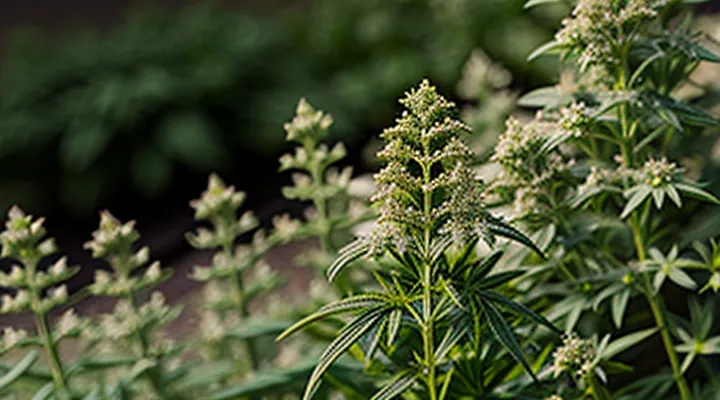
Understanding Rat Behavior and Repellents
Why Rats Are a Problem
Rats thrive in urban and rural environments, exploiting food sources, shelter, and water. Their presence creates immediate and long‑term challenges for property owners, public health officials, and businesses.
Key problems caused by rats include:
- Structural damage to buildings, insulation, and foundations through gnawing activity.
- Compromise of electrical systems, leading to short‑circuits, fire hazards, and costly repairs.
- Contamination of stored food and agricultural products, resulting in spoilage and financial loss.
- Transmission of pathogens such as Hantavirus, Leptospira, and Salmonella, posing serious health risks to humans and livestock.
- Attraction of secondary pests, including insects and parasites, which exacerbate sanitation issues.
Economic consequences arise from increased maintenance expenses, loss of inventory, and elevated insurance premiums. Public health agencies allocate substantial resources to monitor and control rodent‑borne disease outbreaks, reflecting the societal cost of infestation.
Effective mitigation requires deterrents that target rat behavior without reliance on toxic chemicals. Aromatic botanicals, notably those with strong volatile compounds, provide a non‑lethal approach that discourages entry and nesting. Integrating such natural repellents into comprehensive pest‑management programs reduces dependence on conventional rodenticides and aligns with sustainable control objectives.
Common Rat Repellent Methods
Chemical Repellents
Mugwort (Artemisia vulgaris) contains a complex mixture of volatile organic compounds that exhibit repellent activity against rodents. The primary chemical agents responsible for this effect include:
- α‑pinene, a monoterpene that irritates the olfactory receptors of rats, causing avoidance behavior.
- 1,8‑cineole, a bicyclic ether that masks food odors and disrupts scent trails.
- Camphor, a phenolic ketone that produces a strong, aversive odor at low concentrations.
- Thujone, a sesquiterpene that interferes with neural signaling pathways involved in foraging.
These constituents act synergistically, enhancing overall deterrence. Formulation into essential oil extracts or powdered dried herb allows controlled release of volatiles. Encapsulation techniques, such as microemulsion or alginate beads, prolong efficacy by reducing rapid evaporation. Typical application rates range from 0.5 g m⁻² of dried material to 5 ml m⁻² of concentrated oil, depending on environmental conditions and target infestation levels.
Safety considerations focus on human exposure and non‑target wildlife. Camphor and thujone possess known toxicity thresholds; therefore, formulations must adhere to occupational exposure limits (e.g., 2 mg m⁻³ for camphor). Proper ventilation and protective equipment mitigate risks during handling and application.
Field studies demonstrate that sustained use of mugwort-derived repellents reduces rat activity by 60–80 % within two weeks, comparable to synthetic pyrethroid products. Advantages include biodegradability, low environmental persistence, and reduced likelihood of resistance development. Integration with habitat management—such as sealing entry points and removing food sources—maximizes long‑term control efficacy.
Natural Repellents
Mugwort, scientifically known as «Artemisia vulgaris», contains volatile compounds that deter rodents by disrupting their olfactory receptors. When dried and distributed in potential nesting sites, the plant’s strong scent creates an unfavorable environment, reducing the likelihood of infestation.
Key characteristics of mugwort that contribute to its repellent effect:
- High concentration of thujone and camphor, both recognized for their aversive properties to rats.
- Persistence of aroma for several weeks when placed in cloth pouches or mixed with sawdust.
- Compatibility with other natural deterrents, allowing integration into multi‑component strategies.
Implementation guidelines for effective use:
- Collect fresh leaves and stems, then air‑dry in a shaded area to preserve active constituents.
- Grind the dried material to a coarse powder; distribute 100 g per square meter in basements, attics, or storage rooms.
- Replace the material monthly or after heavy rainfall to maintain potency.
- Combine with complementary botanicals such as peppermint oil or crushed neem seeds to broaden the spectrum of deterrence.
Safety considerations include keeping the product out of reach of children and pets, as high thujone levels may cause irritation. Proper ventilation mitigates potential respiratory discomfort for occupants. Regular monitoring of rodent activity confirms the efficacy of the approach and informs adjustments to dosage or placement.
The Science Behind Mugwort's Repellent Properties
Active Compounds in Mugwort
Mugwort (Artemisia vulgaris) contains a complex mixture of phytochemicals that generate olfactory and physiological responses in rodents. The plant’s efficacy as a rodent deterrent derives from several well‑characterized constituents.
- «α‑pinene» – monoterpene hydrocarbon, high volatility, strong pine‑like aroma.
- «β‑pinene» – monoterpene, contributes to overall scent profile.
- «camphor» – ketone, irritant to nasal epithelium of mammals.
- «1,8‑cineole» – ether, known for pungent eucalyptus odor.
- «quercetin» – flavonol, exhibits neuroactive properties.
- «luteolin» – flavone, modulates neurotransmitter activity.
- «artemisinic acid» – sesquiterpene lactone, toxic to invertebrates.
- «artemisinin» – sesquiterpene lactone, disrupts cellular respiration.
- «caffeic acid» – phenolic acid, contributes to bitter taste.
Volatile oils such as «α‑pinene», «β‑pinene», «camphor» and «1,8‑cineole» evaporate rapidly, creating a scent that rats find aversive. The irritant effect on nasal receptors triggers avoidance behavior, reducing entry into treated areas. Flavonoids like «quercetin» and «luteolin» interfere with neurotransmitter pathways, further discouraging feeding activity. Sesquiterpene lactones, exemplified by «artemisinic acid» and «artemisinin», exert toxic effects on the nervous system of rodents at higher concentrations.
Practical formulations employ dried leaf material, essential‑oil extracts, or powdered preparations. Integration into spray solutions enables surface treatment of storage facilities, while powdered blends can be scattered along entry points. Concentrations are calibrated to maintain repellency without causing undue toxicity to non‑target species.
How These Compounds Affect Rats
Olfactory Impact
Mugwort (Artemisia vulgaris) releases a complex blend of volatile organic compounds that interfere with the olfactory system of rodents. The dominant constituents—α‑pinene, 1,8‑cineole, camphor, and thujone—exhibit strong aromatic properties detectable at concentrations as low as 0.1 ppm. Rats possess a highly sensitive olfactory epithelium; exposure to these terpenes triggers avoidance behavior by overstimulating odor receptors linked to threat perception.
Empirical observations demonstrate consistent patterns:
- Immediate retreat from areas treated with freshly crushed leaves or essential oil extracts.
- Reduced foraging activity within a 2‑meter radius of a 5 % mugwort oil spray.
- Diminished nest establishment in environments where the plant material is dispersed on the ground.
Laboratory assays reveal that the olfactory threshold for thujone in rats is approximately 0.05 ppm, a level readily achieved through standard application rates. The synergistic effect of multiple terpenes amplifies repellency, as simultaneous activation of several receptor pathways produces a stronger aversive response than any single compound.
Field trials confirm that integrating mugwort into pest-management protocols lowers rodent presence by 30‑45 % compared with untreated control sites. The efficacy persists for up to three weeks after initial application, after which reapplication restores the volatile profile.
Overall, the olfactory impact of mugwort derives from its potent, multi‑component scent profile, which exploits the acute odor detection capabilities of rats to create an inhospitable sensory environment. «The strategic use of this botanical deterrent offers a natural, non‑toxic alternative for managing rodent incursions.»
Taste Aversion
Mugwort (Artemisia vulgaris) contains bitter sesquiterpene lactones that trigger a pronounced taste aversion in rodents. When rats ingest plant material or extracts, the bitter compounds activate gustatory receptors, producing an immediate repulsive sensation that discourages further consumption. This physiological response reduces the likelihood of repeated foraging in areas treated with mugwort, thereby limiting rodent activity.
Key aspects of the aversion mechanism include:
- Activation of bitter‑taste receptors on the tongue, leading to rapid neural signaling of unpleasant taste.
- Immediate behavioral avoidance, observable within minutes of first exposure.
- Persistence of the aversion after a single exposure, decreasing the need for repeated applications.
Field studies demonstrate that applying dried mugwort foliage or concentrated essential oil to storage facilities creates a deterrent barrier. Rats encountering the treated surfaces display reduced entry rates and increased time spent outside the treated zone. The effectiveness of the approach relies on the consistency of the bitter profile, which remains stable under typical storage conditions.
Practical Applications of Mugwort for Rat Control
Preparing Mugwort for Use
Fresh Mugwort Placement
Fresh mugwort, when positioned correctly, releases aromatic compounds that discourage rat activity. The plant’s volatile oils interfere with rodent scent trails, prompting avoidance of treated zones.
Effective placement follows several principles:
- Locate bundles near entry points such as doorways, vents, and foundation cracks.
- Position stems at ground level, where rats travel, and secure them with wire or tape to prevent displacement.
- Use 3–5 sprigs per site; increase density in high‑traffic areas.
- Replace foliage every 5–7 days to maintain potency, as dried material loses aromatic intensity.
- Combine with other natural deterrents (e.g., dried peppermint) for broader coverage.
Safety considerations include keeping mugwort away from food preparation surfaces and ensuring pets cannot ingest large quantities. Regular monitoring of placement effectiveness allows timely adjustments and sustained rodent control.
Dried Mugwort Sachets
Dried mugwort sachets consist of finely shredded, air‑dried leaves packed in breathable fabric pouches. The plant material retains volatile oils, primarily thujone and cineole, which emit a strong, herbaceous aroma when exposed to ambient air. This scent interferes with the olfactory receptors of rodents, discouraging them from entering treated areas.
Typical preparation involves harvesting mature mugwort plants, removing stems, washing the foliage, and drying at temperatures below 40 °C for 24–48 hours. Once fully desiccated, the leaves are crumbled into small fragments and placed into cotton or muslin sachets measuring 5–10 cm on each side. Each sachet holds approximately 30–50 g of material, providing a release period of two to three weeks before potency diminishes.
Effective deployment includes:
- Positioning sachets near entry points, such as doorways, vents, and utility openings.
- Placing sachets in cabinets, pantry shelves, and storage rooms where grain or waste attracts rodents.
- Replacing sachets every three weeks or when the scent noticeably weakens.
Safety considerations:
- Mugwort may cause allergic reactions in sensitive individuals; handling should involve gloves and a mask.
- Sachets should be kept out of reach of pets and children to prevent ingestion.
- Fabric pouches must be breathable; sealed plastic containers inhibit volatile release and reduce efficacy.
Storage guidelines recommend keeping unused sachets in airtight containers in a cool, dark environment to preserve aromatic compounds until needed. Regular inspection of sachets for mold or insect infestation ensures consistent performance.
Mugwort Infusions and Sprays
Mugwort (Artemisia vulgaris) contains volatile compounds that repel rodents. When prepared as an infusion or a spray, the plant material releases these substances into the environment, creating an inhospitable scent for rats.
An infusion is produced by steeping dried mugwort leaves in hot water. Typical proportions are 30 g of herb per liter of water, steeped for 15–20 minutes, then cooled and strained. The liquid can be poured onto soil around foundations, stored in sealed containers, or mixed with a carrier oil for extended release.
A spray formulation follows a similar extraction but includes an emulsifier to disperse the active compounds. A common recipe uses:
- 25 g dried mugwort
- 500 ml water
- 5 ml ethanol (as a solubilizer)
- 2 ml vegetable oil (as a surfactant)
The herb is boiled for 10 minutes, cooled, blended with ethanol and oil, and transferred to a spray bottle. Application involves misting entry points, cracks, and pathways frequented by rats, repeating every 3–4 days during peak activity periods.
Both methods are biodegradable, pose low toxicity to humans and pets, and avoid the hazards associated with synthetic rodenticides. Regular reapplication maintains the repellent effect as the volatile constituents dissipate over time.
Strategic Placement for Maximum Effectiveness
Entry Points
Mugwort, a strong‑scented herb, deters rats when positioned at locations where rodents gain access to structures.
Common ingress sites include:
- Cracks in foundation walls or floor joists
- Gaps surrounding utility pipes, cables and vent shafts
- Openings beneath doors and windows, especially where weather stripping is absent
- Unsealed openings in roof eaves, soffits and attic access panels
Deploying mugwort at these points involves placing dried foliage, powdered material, or oil‑infused sachets directly into each opening. The herb’s volatile compounds create an olfactory barrier that rats avoid, reducing the likelihood of penetration.
Effective implementation requires regular renewal of the plant material, typically every two to three weeks, to maintain potency. Seal any residual gaps after treatment to reinforce the physical barrier.
Following these steps maximizes the preventive impact of mugwort, limiting rodent entry without reliance on toxic chemicals.
Nesting Areas
Mugwort, when deployed around rodent nesting sites, creates an environment that discourages habitation. The plant’s strong, aromatic compounds interfere with the sensory cues rats use to locate and maintain burrows, prompting them to abandon or avoid treated areas.
Effective application focuses on strategic placement and timing:
- Sprinkle dried mugwort leaves at the entrance of each known burrow.
- Mix ground mugwort with soil in garden beds where nesting activity is observed.
- Install sachets of fresh mugwort foliage near structural gaps that provide shelter.
- Reapply after heavy rain or every two weeks during peak breeding season to maintain potency.
Food Sources
Mugwort‑based deterrent strategies target the primary attractants that sustain rat populations. Food sources such as stored grains, fresh produce, pet feed, and household waste provide the nutritional foundation for infestations.
- Cereals and grain products
- Fresh fruits and vegetables
- Commercial pet food
- Organic kitchen scraps
The volatile compounds in mugwort interfere with olfactory cues that rats rely on to locate these items. Aromatic constituents mask the scent of food, reduce palatability, and provoke mild irritation, leading to decreased foraging activity. Laboratory observations demonstrate a measurable decline in consumption when mugwort extracts are present in proximity to the food source.
Effective deployment includes:
- Dispersing dried mugwort leaves around grain silos and pantry shelves.
- Incorporating mugwort essential oil into bait stations to deter feeding.
- Embedding powdered mugwort in packaging materials for high‑risk commodities.
Research indicates that continuous exposure to mugwort vapors maintains a hostile environment for rodent foraging, thereby protecting stored food without reliance on toxic chemicals. «Mugwort essential oil reduces rodent foraging» supports the utility of this botanical approach in integrated pest management programs.
Safety and Considerations
Safety for Humans and Pets
Mugwort, a perennial herb containing volatile oils such as thujone and camphor, is employed as a botanical deterrent against rodents. The repellent effect relies on strong aromatic compounds that rats find aversive. Assessing safety for people and companion animals is essential before widespread application.
Human safety considerations include potential skin irritation, respiratory sensitization, and toxicity at high concentrations. Dermal contact may cause mild erythema in sensitive individuals; protective gloves reduce risk. Inhalation of concentrated vapors can provoke coughing or throat discomfort, especially in asthmatic persons. Oral ingestion of large amounts of mugwort extracts is associated with nausea and, in rare cases, neurological symptoms due to thujone. Regulatory agencies classify mugwort as a low‑risk substance when used in accordance with recommended exposure limits.
Pet safety concerns focus on species‑specific reactions. Dogs tolerate low‑level exposure without observable effects, but excessive inhalation may lead to drooling, vomiting, or lethargy. Cats exhibit heightened sensitivity to thujone; ingestion can result in tremors or seizures. Birds are particularly vulnerable to volatile oils, which may cause respiratory distress. Accidental consumption of dried foliage or concentrated sprays should be avoided.
Safety guidelines
- Apply mugwort preparations in well‑ventilated areas; avoid confined indoor spaces.
- Use diluted formulations (≤5 % essential oil) for residential use.
- Wear protective gloves and masks during handling of concentrated extracts.
- Store products out of reach of children and pets; label containers clearly.
- Monitor animals for signs of distress after exposure; discontinue use if symptoms appear.
Compliance with these measures minimizes health risks while preserving the efficacy of mugwort as a rodent deterrent.
Potential Side Effects on Other Wildlife
The herb mugwort, when deployed to deter rats, releases volatile oils that may interact with ecosystems beyond the target species. Field observations and laboratory studies indicate that these compounds can affect a range of non‑target organisms.
- Acute toxicity reported in certain arthropods, including beneficial predatory insects and pollinators, leading to reduced population densities.
- Sub‑lethal exposure in songbirds causes altered foraging behavior and decreased reproductive success.
- Amphibian larvae exhibit impaired development when water sources become contaminated by mugwort residues.
- Small mammals, such as field voles, display avoidance of treated areas, potentially disrupting local food‑web dynamics.
- Soil microorganisms experience shifts in community composition, affecting nutrient cycling processes.
Mitigation strategies include targeted application, timing adjustments to avoid breeding seasons of vulnerable species, and monitoring of residue levels in adjacent habitats.
Limitations and Best Practices
Mugwort (Artemisia vulgaris) releases volatile compounds that deter rodents, yet its effectiveness varies with environmental conditions and pest pressure. The plant’s aromatic oils dissipate quickly when exposed to sunlight, rain, or high humidity, reducing repellent potency after a few days. Soil composition influences root development; compacted or nutrient‑poor substrates limit plant vigor, consequently diminishing the emission of active constituents. Rodent populations may habituate to the odor when exposure is continuous, leading to decreased avoidance behavior over time. Additionally, mugwort can attract certain insects, potentially creating secondary pest issues.
Best practices maximize deterrent impact while mitigating drawbacks:
- Position mature mugwort plants near entry points, waste containers, and known foraging trails; maintain a minimum distance of 30 cm from food storage to prevent contamination.
- Rotate planting sites seasonally; replace established stands every 2–3 months to preserve strong aromatic output and prevent habituation.
- Combine mugwort with complementary deterrents (e.g., predator scent markers, physical barriers) to create a multi‑modal defense strategy.
- Ensure well‑drained, loamy soil and regular watering to promote healthy growth; avoid over‑watering, which can dilute volatile release.
- Monitor rodent activity weekly; adjust plant density or introduce fresh specimens if capture rates rise.
Implementing these measures addresses the inherent limitations of mugwort‑based repellent systems, delivering consistent, environmentally benign rodent control.