
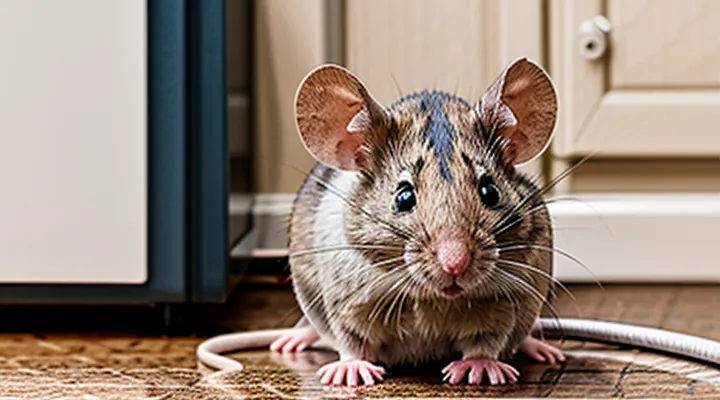
Understanding Mouse Infestations
Common Signs of Mice
Mice leave distinct evidence that signals an infestation and guides professional extermination strategies. Detecting these indicators early prevents structural damage and health risks.
- Small, dark droppings about the size of rice grains, typically found along walls, behind appliances, and in cupboards.
- Gnaw marks on wood, plastic, or wiring, often with clean, shallow incisions.
- Chewed food packaging, especially in pantry areas, with torn seals and scattered crumbs.
- Accumulated shredded paper, fabric, or insulation forming irregular nests in hidden corners.
- Visible tracks or footprints in dusty surfaces, sometimes accompanied by a faint, oily smudge from mouse footpads.
- Audible sounds such as scratching or scurrying, most common at night within walls or ceilings.
- Streaks or spots of urine, which may appear as yellowish stains on surfaces near entry points.
- Damage to electrical cords, posing fire hazards and indicating rodent activity near power sources.
Identifying these signs enables pest control specialists to locate entry routes, determine infestation severity, and implement targeted eradication measures.
Risks Associated with Mice
Health Hazards
Rodent infestations pose serious health threats that extend beyond mere nuisance. Mice carry pathogens capable of infecting humans through direct contact, droppings, urine, or contaminated food. Diseases such as hantavirus, leptospirosis, salmonellosis, and Lymphocytic Choriomeningitis Virus are documented outcomes of exposure to rodent waste. In addition, mouse allergens contribute to asthma and allergic reactions, especially in indoor environments where dust accumulates.
Key health hazards include:
- Pathogen transmission: Bacterial, viral, and parasitic agents spread via contaminated surfaces and food supplies.
- Allergic reactions: Proteins in mouse urine and dander trigger respiratory symptoms and heightened asthma risk.
- Food contamination: Chewed packaging and fecal deposits compromise food safety, leading to gastrointestinal illness.
- Structural damage: Gnawing on wiring and insulation can cause electrical faults, increasing the risk of fire‑related injuries.
Professional pest‑removal services mitigate these risks through systematic inspection, targeted baiting, and sealing of entry points. Certified technicians apply integrated pest management principles, reducing reliance on indiscriminate chemicals and limiting exposure for occupants. Proper disposal of carcasses and thorough sanitation after treatment further diminish the likelihood of disease recurrence.
Property Damage
Professional rodent eradication services address property damage caused by mice through targeted interventions and preventive measures. Infestations compromise structural components, electrical wiring, and stored goods, leading to costly repairs and operational disruptions. Technicians assess the extent of damage before treatment, ensuring that remediation aligns with safety standards and building codes.
Common damage categories include:
- Chewed insulation and wiring, creating fire hazards and requiring rewiring or replacement.
- Burrowed holes in walls, floors, and foundations, weakening structural integrity and demanding patching or reconstruction.
- Contaminated food supplies and packaging, necessitating disposal and sanitation to prevent spoilage and health risks.
- Stained and gnawed upholstery, carpet, and drywall, prompting replacement or restorative work.
After extermination, service providers implement sealing strategies, install monitoring devices, and advise on sanitation practices to minimize recurrence. Ongoing maintenance contracts reduce the probability of future damage by maintaining a hostile environment for rodents.
The Professional Mouse Control Process
Initial Inspection and Assessment
Identifying Entry Points
Professional rodent removal relies on precise detection of how mice gain access to a building. Inspectors begin with a systematic survey of the structure’s exterior and interior, focusing on gaps, cracks, and utility penetrations that exceed a quarter‑inch in width. Each opening is measured, documented, and prioritized based on the likelihood of rodent traffic.
Typical entry points include:
- Gaps around doors, windows, and sliding panels
- Cracks in foundation walls, basement floors, and crawl‑space ceilings
- Openings around plumbing stacks, vent pipes, and dryer exhausts
- Spaces surrounding electrical conduits, cable entries, and HVAC ducts
- Holes in siding, soffits, eaves, and roof vents
- Unsealed gaps beneath or behind appliances, such as refrigerators and stoves
Inspection techniques combine visual assessment with tactile probing and, when necessary, infrared scanning to reveal concealed voids. Inspectors may use calibrated gauges to confirm opening dimensions and apply tracer dust or fluorescent powders to track mouse movement patterns. Photographic documentation supports post‑service reporting and client communication.
After identification, the service implements exclusion measures: steel wool or copper mesh for small cracks, expandable foam for larger voids, and professionally fitted door sweeps or weatherstripping for moving barriers. All sealing materials are selected for durability, resistance to gnawing, and compatibility with the building’s construction.
Accurate entry‑point identification reduces reinfestation risk, shortens treatment duration, and enhances overall efficacy of the extermination process.
Locating Nesting Sites
Locating nesting sites is the first step in any professional mouse eradication effort. Accurate identification of where rodents establish colonies allows technicians to concentrate treatment, reduce chemical usage, and achieve lasting results.
Key indicators of active nests include:
- Small, dark droppings clustered near walls or food sources
- Gnaw marks on insulation, wiring, or furniture
- Shredded paper, fabric, or carton material forming a loose mound
- Urine stains that darken or emit a strong odor under UV light
- Well‑worn pathways leading to concealed spaces
Inspection proceeds systematically. Technicians conduct a visual sweep using high‑intensity flashlights, probing gaps with inspection probes and listening for scurrying sounds. Tracking powder or non‑toxic dust is applied along suspected routes; footprints confirm activity after a short interval.
Specialized equipment enhances detection. Inspection mirrors reveal hidden corners; infrared cameras capture heat signatures of occupied voids; motion‑activated sensors record nocturnal movement; and strategically placed bait stations provide both monitoring data and immediate control.
Effective mapping combines observed signs with structural knowledge. Areas examined include:
- Attics and roof voids, where insulation offers shelter
- Basements and crawl spaces, protected from temperature fluctuations
- Behind appliances, under sinks, and within cabinet backs
- Wall cavities accessed via removable panels or drilled observation holes
Integrating precise nest location data into the treatment plan ensures targeted bait placement, appropriate exclusion measures, and verification of eradication during follow‑up inspections.
Treatment Strategies
Baiting Techniques
Baiting remains the primary method for reducing mouse populations in residential and commercial environments. Professionals select baits based on species behavior, infestation severity, and regulatory constraints.
- Stationary baits: Pre‑measured blocks or pellets placed in tamper‑resistant stations. Effective for indoor use where concealment limits exposure to non‑target animals.
- Active baits: Gel or liquid formulations applied to narrow pathways. Preferred for tight entry points and wall voids because the consistency adheres to surfaces.
- Non‑toxic baits: Food‑based attractants combined with mechanical traps. Used where chemical use is prohibited or when occupants have health concerns.
- Toxic baits: Anticoagulant or neurotoxic compounds formulated at calibrated concentrations. Deployed in locked stations to prevent accidental ingestion by children or pets.
Placement follows a systematic grid. Technicians map activity zones, then position stations 1–2 m apart along walls, behind appliances, and near known droppings. Stations are rotated weekly to prevent bait aversion and to address new activity hotspots.
Safety protocols include sealing stations after placement, labeling according to local regulations, and documenting locations for future inspection. Monitoring involves checking stations for consumption, debris, and signs of secondary poisoning. Data recorded during each visit informs adjustments in bait type, concentration, or placement density.
Overall, baiting techniques combine precise product selection, strategic deployment, and rigorous oversight to achieve reliable mouse control while minimizing risk to humans and non‑target species.
Trapping Methods
Professional mouse control relies on a range of trapping techniques selected for effectiveness, safety, and compliance with local regulations.
Snap traps remain the most widely used device. Constructed from hardened steel, they deliver a rapid, lethal strike when a mouse pulls the trigger plate. Professionals calibrate spring tension and position the trap perpendicular to walls, where rodents travel. Bait—typically a mixture of grain, peanut butter, or commercial attractant—is applied sparingly to avoid scent contamination. After capture, the trap is inspected, the mouse removed, and the device reset.
Live‑catch traps provide a non‑lethal alternative. These cages employ a spring‑loaded door that closes when the animal enters to reach the bait. The interior is lined with a smooth, non‑abrasive material to prevent injury. Captured mice are released at a predetermined distance from the infested property, following legal requirements for relocation.
Electronic traps use a high‑voltage shock to incapacitate rodents instantly. Sensors detect entry, trigger a brief pulse, and a built‑in indicator confirms a kill. The enclosed chamber prevents escape and facilitates safe disposal without direct contact.
Glue boards, coated with a strong adhesive, immobilize mice upon contact. Professionals limit use to concealed areas, monitor boards frequently, and dispose of captured rodents in accordance with health guidelines to minimize suffering.
Bait stations combined with trap mechanisms enhance control in concealed spaces. Stations house a sealed compartment containing a poisoned bait, while an external trigger releases the mouse into a containment area for removal. This approach reduces exposure to non‑target species and simplifies waste management.
Key operational steps include:
- Placement: Align traps along walls, behind appliances, and near known activity signs; maintain a 12‑inch spacing to maximize coverage.
- Monitoring: Check traps at least twice daily; record capture data to identify hotspots and adjust placement.
- Sanitation: Clean and disinfect trap surfaces after each capture to prevent disease transmission.
- Disposal: Use sealed containers for lethal captures; follow local wildlife regulations for disposal or euthanasia.
By integrating these methods, professional exterminators achieve comprehensive rodent suppression while adhering to safety standards and ethical considerations.
Exclusion and Proofing
Professional rodent management relies on two complementary phases: exclusion and proofing. Exclusion prevents entry, while proofing verifies the integrity of barriers and identifies residual activity.
During exclusion, technicians assess the structure for potential ingress points. Common vulnerabilities include gaps around utility penetrations, unscreened vents, deteriorated door sweeps, and foundation cracks. Each opening is sealed with materials suited to the location: stainless‑steel mesh for vents, silicone‑based sealants for small cracks, and heavy‑duty door sweeps for high‑traffic entries. Structural repairs, such as caulking foundation seams or installing metal flashing, reinforce long‑term protection.
Proofing follows the physical barriers. Inspectors conduct a systematic walkthrough, employing visual inspection, motion‑activated cameras, and tracking powders. Evidence of recent activity—droppings, gnaw marks, or urine stains—triggers targeted re‑inspection. If signs persist, additional sealing measures are applied, and monitoring devices are repositioned.
A typical proofing protocol includes:
- Placement of non‑toxic bait stations in concealed locations to attract any residual mice.
- Installation of adhesive monitoring boards along established travel routes.
- Weekly review of bait consumption and board captures for at least four weeks.
- Documentation of findings and final clearance report confirming no active infestation.
Successful exclusion and proofing eliminate re‑infestation risk, ensuring that the environment remains rodent‑free after the initial eradication effort.
Post-Treatment and Prevention
Monitoring and Follow-up
Professional mouse eradication relies on systematic monitoring and follow‑up to confirm success and prevent re‑infestation. After the initial treatment, technicians conduct a post‑application inspection within 24–48 hours. They verify trap captures, assess bait consumption, and examine signs of activity such as droppings or gnaw marks. Findings are recorded in a digital log that tracks location, date, and evidence levels.
Subsequent visits follow a predefined schedule, typically weekly for the first month and monthly thereafter. During each visit, the crew:
- Checks all installed devices for functionality and replacement needs.
- Collects and disposes of captured rodents in compliance with health regulations.
- Updates the activity log with current data and compares it to baseline measurements.
- Adjusts bait types or trap placements based on observed patterns.
- Provides the client with a concise report highlighting trends and recommended preventive actions.
If monitoring indicates persistent activity, the service escalates to targeted interventions, such as additional bait stations or exclusion measures (sealing entry points, installing door sweeps). All adjustments are documented, and the client receives a summary of actions taken and next steps.
Continuous data collection enables the provider to generate performance metrics, including reduction percentages and time‑to‑zero captures. These metrics support evidence‑based decision‑making and demonstrate the efficacy of the control program.
Long-Term Prevention Tips
Professional rodent management does not end with a single treatment; lasting results depend on continuous preventive measures.
Seal entry points by installing steel wool or caulking around gaps in walls, foundations, and utility penetrations. Replace damaged weatherstripping on doors and windows. Install door sweeps to block the gap beneath exterior doors.
Maintain a clean environment that removes food and shelter sources. Store dry goods in airtight containers, promptly clean crumbs and spills, and eliminate standing water. Keep waste in sealed bins and remove trash regularly.
Control vegetation that provides cover near the building. Trim trees, shrubs, and vines away from the structure, and keep grass at a short height to reduce hiding places.
Implement a regular inspection schedule. Examine the property quarterly for signs of activity, such as gnaw marks, droppings, or new entry points. Document findings and address issues immediately.
Use passive monitoring devices, such as snap traps or electronic counters, in high‑risk areas. Position devices along walls, behind appliances, and near known pathways. Check and reset devices weekly to maintain effectiveness.
Engage a licensed pest‑management provider for annual assessments. Professionals can verify that exclusion work remains intact, recommend targeted treatments if needed, and update prevention strategies based on emerging risks.
By integrating structural exclusion, sanitation, vegetation management, routine monitoring, and professional oversight, property owners achieve sustained protection against mouse infestations.
Why Choose Professional Extermination
Expertise and Experience
Professional rodent management relies on deep technical knowledge and accumulated field experience. Specialists undergo certified training that covers species identification, behavior patterns, and health risks associated with mouse infestations. The curriculum includes safe handling of baits, precise placement of traps, and compliance with local regulations governing pesticide use.
Experience translates into effective site assessment. Technicians evaluate structural vulnerabilities, such as gaps around utility lines, and map activity hotspots based on droppings, gnaw marks, and nesting material. This systematic approach enables targeted interventions that reduce repeat invasions.
Key competencies acquired through years of service include:
- Accurate dosage calculation for rodenticides to maximize efficacy while minimizing non‑target exposure.
- Selection of trap types (snap, live‑catch, electronic) matched to the environment and client preferences.
- Implementation of integrated pest management (IPM) protocols that combine sanitation, exclusion, and monitoring.
Veterans of the industry maintain detailed records of each operation, allowing trend analysis and continuous improvement. Documentation of previous cases informs predictive modeling, which anticipates seasonal activity spikes and guides proactive measures.
The combination of formal education, ongoing certification renewal, and hands‑on problem solving ensures that professional extermination delivers consistent, measurable results.
Safety and Efficacy
Professional rodent control services employ regulated chemicals and integrated pest‑management techniques to minimize health risks while delivering reliable results. Certified technicians follow safety protocols that include personal protective equipment, sealed application methods, and strict adherence to label instructions, reducing exposure for occupants and pets. Products used are approved by relevant authorities, ensuring they meet toxicity thresholds for humans and non‑target species.
Efficacy derives from systematic assessment, targeted bait placement, and ongoing monitoring. Core elements include:
- Accurate identification of infestation scope through visual inspection and trapping data.
- Selection of baits or traps calibrated to the species’ behavior and resistance patterns.
- Application of residual treatments in concealed areas where mice travel, creating a sustained lethal environment.
- Post‑treatment verification visits to confirm population decline and prevent resurgence.
Combined, these practices achieve rapid reduction of mouse activity while maintaining compliance with health and environmental standards.
Cost-Effectiveness in the Long Run
Professional rodent control delivers measurable savings over time. Initial investment covers inspection, targeted treatment, and a guarantee period during which re‑infestation is addressed without extra charge. By eliminating mice early, property owners avoid damage to wiring, insulation, and stored goods, which can trigger costly repairs and replacement.
- Prevented structural damage reduces repair expenses by up to 30 % compared with untreated infestations.
- Lowered risk of contamination eliminates expenses related to food spoilage and health‑code violations.
- Decreased need for repeated DIY attempts cuts labor and product costs, often by half.
A single comprehensive service replaces the cycle of over‑the‑counter poisons, traps, and follow‑up visits. The predictable fee structure enables accurate budgeting, while the professional guarantee minimizes unexpected outlays. Long‑term financial health therefore depends on choosing a qualified extermination provider rather than relying on ad‑hoc, short‑term solutions.