
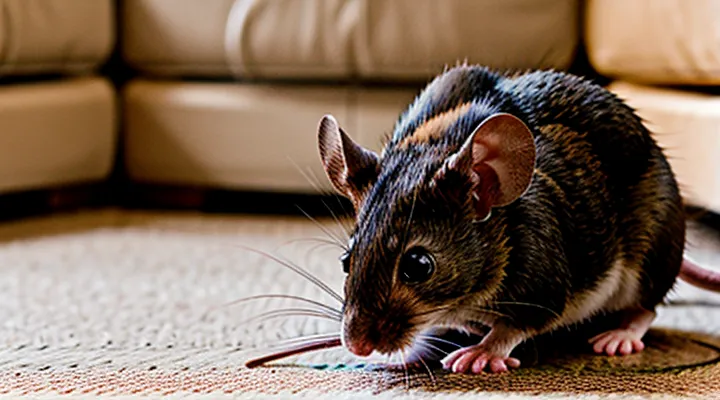
Understanding Mouse Infestations
Signs of a Mouse Problem
Droppings and Urine Stains
Droppings and urine stains serve as primary indicators of rodent presence, providing essential data for evaluating control strategies. Their identification enables timely intervention, reducing the likelihood of infestation escalation.
Health considerations demand immediate attention. Mouse excreta contain pathogens such as Hantavirus, Salmonella, and Leptospira, which can contaminate surfaces, food supplies, and air. Direct contact or inhalation of aerosolized particles poses significant risks to occupants.
Effective management includes three critical actions:
- Visual inspection of concealed areas—behind appliances, within wall voids, and under furniture—to locate fresh droppings and wet stains.
- Use of disposable gloves and sealed bags for safe collection, followed by disposal in a rigid container to prevent cross‑contamination.
- Application of EPA‑registered disinfectants, ensuring a contact time of at least ten minutes before wiping surfaces with disposable cloths.
Preventive measures focus on eliminating conditions that encourage excreta accumulation. Sealing entry points, maintaining low food residue, and reducing clutter limit mouse activity, thereby decreasing the production of droppings and urine.
Documentation of findings—date, location, quantity—supports assessment of control efficacy and informs adjustments to monitoring protocols. Continuous record‑keeping enhances predictive capability, allowing for proactive adjustments to control plans.
Gnaw Marks and Damage
Gnaw marks indicate active rodent presence and reveal the extent of structural damage. Distinctive bite patterns appear on wood, plastic, and wiring, often characterized by clean, crescent-shaped cuts. Damage to electrical insulation creates fire hazards, while compromised building components reduce integrity and increase repair costs.
Identifying gnaw marks supports targeted control measures. Key indicators include:
- Consistent bite size matching mouse incisors
- Parallel grooves on edges of furniture or cabinets
- Fresh, shallow cuts on insulation or cable sheathing
- Accumulation of shredded material near entry points
Effective, low‑risk interventions focus on prevention, detection, and remediation. Recommended actions are:
- Seal entry openings with steel wool or cement to block access.
- Install snap‑type traps in concealed locations, positioning them along established runways.
- Deploy bait stations containing anticoagulant or non‑anticoagulant rodenticides, ensuring placement complies with safety regulations.
- Replace damaged wiring and structural elements promptly to eliminate hazards.
- Conduct regular inspections, documenting new gnaw marks to assess control efficacy.
Combining exclusion techniques with humane trapping and, where appropriate, regulated bait use minimizes health risks while reducing mouse populations. Continuous monitoring of gnaw marks ensures early detection of resurgence and informs adjustments to the control strategy.
Scratching Noises
Scratching noises refer to the audible friction produced when a computer mouse is moved across a surface that lacks adequate smoothness or appropriate material. The sounds arise from microscopic contact points between the mouse sensor housing and the texture of the desk, pad, or fabric. In the context of precise cursor control, these noises can indicate sub‑optimal surface conditions that affect sensor tracking accuracy and user comfort.
Key implications of scratching noises include:
- Reduced sensor reliability due to inconsistent glide, leading to jittery cursor movement.
- Increased mechanical wear on mouse feet, potentially shortening device lifespan.
- Elevated acoustic distraction in quiet work environments, which may impair concentration.
Effective mitigation strategies focus on surface optimization and hardware adjustments:
- Employ a dedicated mouse pad composed of low‑friction, uniform material such as micro‑textured cloth or hard polycarbonate. The pad should be free of debris and regularly cleaned.
- Apply replacement mouse feet made from PTFE (polytetrafluoroethylene) to lower drag and eliminate harsh contact points.
- Adjust sensor settings through manufacturer‑provided software, reducing sensitivity thresholds to accommodate minor surface irregularities.
- Maintain a stable ambient temperature and humidity level, as extreme conditions can alter surface texture and increase friction.
- Periodically inspect and clean the mouse base and pad to remove dust, hair, or oil residues that contribute to uneven movement.
Implementing these measures ensures that cursor control remains smooth, accurate, and silent, aligning with best practices for safe and effective mouse handling.
Reasons for Mouse Presence
Food Sources
Food sources determine bait attractiveness and influence the success of rodent management strategies. Selecting appropriate attractants enhances capture rates while minimizing risks to non‑target animals.
- High‑protein options such as dried fish, meat scraps, or poultry meal stimulate strong feeding responses in mice.
- High‑fat items like peanut butter, rendered animal fat, or sunflower seed paste provide sustained interest and are effective in low‑temperature environments.
- Sweet substances, including honey, maple syrup, or sugar‑water solutions, appeal to juvenile rodents and support rapid intake.
- Grain‑based products, for example wheat, cornmeal, or rolled oats, mimic natural foraging material and are useful in agricultural settings.
- Commercially formulated non‑toxic bait blocks combine protein, fat, and carbohydrate components, delivering balanced nutrition without hazardous chemicals.
Safety considerations require that attractants avoid ingredients toxic to pets or children. Preference should be given to biodegradable, low‑odor formulations that reduce accidental exposure. Monitoring bait consumption allows timely replenishment and prevents depletion, maintaining consistent lure effectiveness throughout control operations.
Shelter and Warmth
In mouse management, integrating shelter and warmth into control devices directly influences safety and effectiveness. Providing insulated compartments within live traps minimizes stress‑induced mortality, preserves animal welfare, and increases capture reliability.
Key advantages include:
- Reduced hypothermia risk during nocturnal activity periods.
- Lowered escape probability caused by discomfort.
- Enhanced compliance with humane standards required by regulatory frameworks.
Practical implementations:
- Install removable insulated liners in cage‑type traps, using materials such as high‑density foam or recycled fabric.
- Incorporate small, weather‑proof shelters near bait stations to attract rodents while shielding them from rain and wind.
- Apply thermal pads powered by low‑voltage batteries to maintain ambient temperatures in colder climates.
- Seal entry points and eliminate drafts in building structures, preventing unintended exposure to extreme temperatures.
Adhering to these measures aligns control strategies with humane principles while maintaining operational efficiency. The focus on «Shelter and Warmth» ensures that mouse control remains both safe for the target species and effective for the practitioner.
Safe and Effective Mouse Control Methods
Prevention Strategies
Sealing Entry Points
Sealing entry points eliminates the most direct access routes that mice exploit to infiltrate structures. Identifying gaps around foundations, utility penetrations, and structural joints allows targeted remediation. Materials such as steel‑wool, copper mesh, and expanding polyurethane foam provide durable barriers that resist gnawing and compression.
- Inspect exterior walls for cracks larger than ¼ inch and fill with cement‑based filler or metal mesh.
- Cover gaps around pipes, vents, and cables with stainless‑steel mesh, securing with corrosion‑resistant screws.
- Apply expanding foam to irregular voids, then trim excess and overlay with metal flashing for added protection.
- Install weather‑stripping on doors and windows, ensuring continuous contact with the frame.
- Verify roof eaves, soffits, and chimney bases, sealing openings with metal flashing and sealant.
Regular maintenance checks confirm the integrity of sealed areas, preventing re‑entry and reducing reliance on chemical or trap‑based control methods.
Proper Food Storage
Proper food storage is a critical component of any rodent management program. Secure containers prevent access to nutrients that attract mice, reducing the likelihood of infestation. Food should be kept in airtight, hard‑shelled containers made of metal or thick plastic; these materials resist gnawing and maintain an environment hostile to rodents.
Key practices include:
- Store dry goods, pet food, and bulk items in sealed containers with screw‑top lids.
- Place perishables in refrigeration units that close tightly; inspect seals regularly for gaps.
- Keep pantry shelves clear of crumbs and spills; clean surfaces after each use.
- Rotate stock to use older items first, minimizing the time food remains unattended.
- Position storage units away from walls and baseboards, eliminating pathways that mice could exploit.
Monitoring temperature and humidity levels further deters rodent activity. Low humidity slows mold growth, which can otherwise attract pests. Regularly audit storage areas for signs of damage or compromise; replace worn containers promptly.
Integrating these measures with physical barriers, such as door sweeps and sealed entry points, creates a comprehensive approach that limits food availability and discourages mouse presence. The result is a healthier environment and a reduction in the need for chemical or mechanical control methods.
Maintaining Cleanliness
Clean workspaces reduce the risk of accidental mouse encounters and limit the spread of pathogens carried by rodents. Regular removal of food residues, spilled liquids, and debris eliminates attractants that encourage mouse activity in areas where control devices are deployed.
Effective cleanliness practices include:
- Immediate disposal of waste in sealed containers.
- Daily wiping of surfaces with disinfectant solutions.
- Weekly deep cleaning of storage rooms, cabinets, and under‑furniture spaces.
- Routine inspection of ventilation ducts and cable trays for crumbs or droppings.
Scheduled maintenance ensures that cleaning efforts align with control measures. Record cleaning dates, note any signs of rodent activity, and adjust frequency when increased activity is detected. Consistent hygiene complements safe mouse control options by preventing re‑infestation and supporting long‑term effectiveness.
Non-Lethal Trapping Options
Live Traps
Live traps provide a non‑lethal solution for controlling mouse populations while minimizing health risks. The devices consist of a hinged or spring‑loaded entry that closes securely when a rodent triggers a sensor or steps on a pressure plate, allowing capture without injury.
Operation relies on an attractant such as grain, peanut butter, or commercial bait placed inside the chamber. Once the mouse enters, the trigger mechanism seals the door, preventing escape. The trap can be inspected and emptied repeatedly without the need for chemicals or poisons.
Key advantages of live traps include:
- Immediate containment of captured rodents, eliminating secondary poisoning hazards.
- Reusability reduces long‑term costs and waste.
- Compatibility with humane release practices, supporting ethical pest management.
Effective deployment follows a simple routine. Position traps along walls, behind appliances, or near known gnawing sites, where mice habitually travel. Check traps at least once daily to prevent stress or dehydration of captured animals. Reset the device promptly after each capture, ensuring the bait remains fresh.
When releasing captured mice, choose a location at least 100 meters from the residence, preferably a wooded or field area offering shelter and food sources. Wear gloves to avoid direct contact, and transport the animal in a sealed container before release. Clean the trap with mild soap and water after each use to maintain hygiene and prevent scent transfer that could deter future captures.
Placement and Baiting
Placement and baiting constitute the core actions that determine the success of any mouse control program. Accurate positioning of traps or stations maximizes encounter rates while minimizing exposure to non‑target organisms.
Key placement principles:
- Locate devices along walls, within 12–18 inches of the baseboard, because mice travel close to vertical surfaces.
- Target known entry points, such as gaps around pipes, vents, and door frames.
- Position bait stations near food storage areas, garbage receptacles, and pantry shelves.
- Avoid areas with high human traffic to reduce accidental contact.
- Use tamper‑resistant housings in locations accessible to children or pets.
Effective bait selection follows these guidelines:
- Choose high‑protein or high‑fat foods, for example, peanut butter, dried fruit, or small pieces of cooked meat.
- Prefer low‑risk, non‑poisonous attractants when using mechanical traps; reserve anticoagulant baits for sealed stations only.
- Pre‑bait stations for 24–48 hours without a trigger mechanism to allow mice to become accustomed to the food source.
- Store bait in airtight containers to preserve potency and prevent contamination.
Safety considerations include:
- Install bait stations at least 6 feet above floor level in elevated cabinets or on wall mounts.
- Clearly label each station with the warning «Danger: rodent bait», and keep labels legible throughout the control period.
- Inspect stations daily for signs of tampering, spillage, or non‑target captures, and replace compromised units immediately.
Monitoring and adjustment complete the process. Record capture data, rotate trap locations every 3–5 days, and replace stale bait to maintain attraction. Continuous evaluation ensures sustained efficacy while protecting human occupants and domestic animals.
Release Guidelines
Effective distribution of mouse‑control solutions requires a structured set of procedures that guarantee safety, reliability, and compliance. The «Release Guidelines» define the mandatory actions before, during, and after a product reaches end users.
Core components of the guidelines include:
- Comprehensive documentation of functional specifications and safety requirements.
- Independent verification of hardware and software performance under typical and extreme conditions.
- Formal risk assessment that identifies potential hazards, mitigation strategies, and residual risk levels.
- Clear user instructions covering installation, configuration, and safe operation.
- Training resources for support personnel and end users, focusing on correct handling and troubleshooting.
The release workflow follows a sequential process:
- Conduct laboratory testing to confirm adherence to performance benchmarks.
- Perform field trials with a representative user group, recording observed issues and user feedback.
- Update documentation to reflect findings from testing and trials.
- Obtain sign‑off from quality assurance, security, and regulatory compliance officers.
- Deploy the solution using controlled distribution channels, monitoring installation metrics.
- Initiate post‑release surveillance, collecting incident reports and usage data for continuous improvement.
Adherence to these procedures ensures that mouse‑control technologies are delivered with predictable behavior, minimal risk, and full regulatory alignment.
Lethal Trapping Options
Snap Traps
Snap traps are mechanical devices designed to kill rodents instantly by applying a rapid force to the neck or spine. The design typically consists of a spring‑loaded bar that releases when a mouse contacts a trigger plate, delivering a lethal strike.
Safety measures focus on preventing accidental activation by non‑target animals and humans. Placement should avoid areas accessible to children, pets, or wildlife. Bait should be secured to the trigger plate to reduce the risk of spillage. Regular inspection of the trap’s spring tension ensures reliable operation and minimizes the chance of malfunction.
Effectiveness derives from immediate mortality, which eliminates the need for secondary control steps. High capture rates reduce the likelihood of repeated infestations. The absence of chemical agents prevents the development of resistance and eliminates odor concerns associated with poison.
Proper usage includes the following steps:
- Position the trap perpendicular to the wall, with the trigger plate facing the entry point.
- Apply a small amount of attractive food, such as peanut butter, to the bait area.
- Secure the trap on a stable surface to avoid tipping.
- Check the trap daily; dispose of captured rodents in sealed containers and reset the device promptly.
Advantages and disadvantages are summarized below:
-
Advantages
• Immediate kill reduces suffering
• No chemical residues remain in the environment
• Low cost and reusable after resetting -
Disadvantages
• Requires careful placement to avoid accidental harm
• Visual presence may be unsettling for occupants
• Disposal of dead rodents must follow local regulations
When integrated into a comprehensive rodent management plan, snap traps provide a reliable, non‑chemical option that aligns with safety standards and delivers consistent results.
Electronic Traps
Electronic traps deliver rapid, contact‑free elimination of mice without chemical agents. The devices consist of a battery‑powered circuit that detects rodent movement and activates a high‑voltage shock, causing immediate incapacitation. This method minimizes exposure to poisons and reduces risk of secondary poisoning for pets and children.
Key characteristics:
- Safety mechanisms – built‑in sensors prevent activation when non‑target objects are present; many models include insulated housings and automatic shut‑off after each discharge.
- Effectiveness – shock levels calibrated to ensure instant lethality, eliminating the need for repeated attempts.
- Maintenance – removable trays for easy disposal of carcasses; rechargeable batteries extend operational periods and lower recurring costs.
- Environmental impact – absence of toxic substances eliminates contamination of soil and water sources.
Installation guidelines emphasize placement along established mouse pathways, such as near walls, behind appliances, and in concealed corners. Proper positioning maximizes detection rates and reduces the number of devices required.
Regular inspection confirms functionality: verify battery charge, inspect sensor lenses for debris, and replace disposable components according to manufacturer recommendations. Prompt removal of captured rodents prevents odor development and discourages secondary infestations.
Overall, electronic traps provide a reliable, humane, and environmentally responsible solution within comprehensive rodent management programs.«Electronic traps offer a safe alternative to poisons while maintaining high kill efficiency».
Trap Placement and Safety
Strategic trap placement enhances capture rates while reducing risk to non‑target occupants.
- Position traps along walls where rodents travel, typically within 2 inches of baseboards.
- Install traps behind appliances, under cabinets, and near entry points such as gaps around pipes.
- Avoid locations accessible to children, pets, or cleaning staff; use barriers or elevated mounts when necessary.
Safety protocols require secure mounting and regular inspection.
- Choose tamper‑resistant models that lock the trigger mechanism after activation.
- Inspect traps daily; remove captured rodents promptly to prevent odor buildup and disease spread.
- Dispose of captured animals in sealed containers, following local regulations for waste handling.
Additional precautions protect food supplies and hygiene.
- Seal bait within a protective pouch to prevent accidental ingestion by non‑target species.
- Keep traps away from food preparation surfaces; clean surrounding areas after each use.
- Record trap locations and inspection dates to maintain an organized control program.
Baits and Rodenticides
Types of Baits
Effective mouse management relies on selecting appropriate bait formulations that attract rodents while minimizing risk to non‑target species. Bait categories differ in composition, delivery method, and safety profile.
-
Food‑based baits – natural attractants such as peanut butter, dried fruit, grain blends, or cheese. Preferred for indoor settings because they are highly palatable and allow precise placement on snap or electronic traps.
-
Rodenticidal baits – chemically active compounds formulated to cause lethal physiological disruption. Sub‑categories include:
- Anticoagulant blocks – contain compounds that interfere with blood clotting; available in single‑dose and multiple‑dose formulations.
- Non‑anticoagulant blocks – incorporate agents such as bromethalin or cholecalciferol, offering alternative modes of action.
-
Granular baits – fine particles designed for outdoor application in burrows or along runways. Provide broad coverage but require careful containment to prevent ingestion by wildlife.
-
Liquid baits – concentrated solutions mixed with attractants, applied to bait stations for targeted delivery. Suitable for hard‑to‑reach entry points where solid bait placement is impractical.
-
Scented baits – incorporate synthetic pheromones or odorants that mimic mouse urine or food cues. Enhance detection by rodents, especially in low‑population scenarios.
Safety considerations dictate that bait stations be tamper‑resistant, labeled with clear warnings, and positioned away from children, pets, and non‑target wildlife. Selecting a bait type aligned with the infestation level, environment, and regulatory requirements ensures both efficacy and responsible pest control.
Risks and Precautions
Mouse control technologies introduce several hazards that require systematic mitigation.
Common risks include:
- Accidental activation of commands, leading to unintended system actions.
- Latency or lag, causing delayed response and potential operational errors.
- Misinterpretation of user intent by sensor algorithms, resulting in inaccurate cursor movement.
- Exposure to electromagnetic interference, which can degrade signal integrity.
- Dependency on proprietary hardware, limiting redundancy and increasing vulnerability to component failure.
Effective precautions consist of:
- Implementing multi‑factor confirmation for critical actions, such as double‑click verification or timed prompts.
- Calibrating sensors regularly to maintain accuracy across varying lighting and environmental conditions.
- Enabling adjustable sensitivity thresholds to accommodate individual user behavior and reduce false inputs.
- Incorporating shielding and error‑checking protocols to protect against electromagnetic disturbances.
- Providing fallback input options, such as traditional mouse or keyboard access, to ensure continuity if primary controls fail.
Adherence to these measures minimizes operational disruption and enhances overall safety when employing alternative cursor manipulation methods.
Safe Handling and Disposal
Safe handling of rodents requires strict adherence to bio‑security protocols. Personnel must wear disposable gloves, laboratory coats, and eye protection before any contact. Containment devices, such as ventilated cages or sealed transport boxes, prevent accidental release. All movements of live animals should be recorded in a log that includes date, time, and responsible individual.
Key steps for handling include:
- Verify that personal protective equipment is intact and properly fitted.
- Disinfect work surfaces with an approved agent before and after each session.
- Use gentle restraint techniques to minimize stress and injury.
- Transfer animals in sealed containers that meet regulatory standards.
Disposal of rodents follows established humane and environmental guidelines. Euthanasia must be performed using approved methods, such as CO₂ inhalation or injectable agents, administered by trained staff. Post‑mortem carcasses are then placed in sealed biohazard bags, labeled with species and date, and sent to a certified incineration facility. If incineration is unavailable, carcasses may be disposed of in a licensed landfill after appropriate treatment. Documentation of disposal actions is required for audit purposes and regulatory compliance.
Natural Deterrents
Essential Oils
Essential oils provide a natural, low‑toxicity alternative for managing mouse activity in residential and commercial settings. Their strong aromatic compounds disrupt the sensory pathways of rodents, reducing entry and foraging behavior without reliance on chemical poisons.
- Peppermint oil – high menthol concentration creates an unpleasant scent for mice; dilute 10 % in water and apply to entry points.
- Lavender oil – linalool content interferes with rodent olfactory receptors; spray diluted solution around storage areas.
- Eucalyptus oil – cineole component acts as a deterrent; soak cotton balls and place near nesting sites.
- Tea tree oil – terpinen‑4‑ol exhibits repellent properties; use in combination with other oils for broader efficacy.
Application methods include cotton‑ball placement, spray solutions, and diffusion devices. Concentrations should not exceed 10 % to prevent skin irritation in humans and pets. Regular reapplication, every 48–72 hours, maintains potency in environments with high ventilation. Avoid direct contact with food surfaces to prevent flavor transfer.
When integrated with sealing of structural gaps and proper sanitation, essential oils contribute to a comprehensive rodent deterrence program. Their biodegradable nature and minimal health risks align with safety standards for occupants while delivering effective mouse control.
Ultrasonic Devices
Ultrasonic devices emit sound waves above 20 kHz, a range inaudible to humans but perceived as distressing by rodents. The emitted frequencies interfere with mice’s auditory system, prompting avoidance behavior and reducing entry into treated zones.
Safety derives from the absence of chemicals, traps, or physical contact. Devices operate without electricity exposure to occupants, posing no risk of burns, poisoning, or injury to pets that lack sensitivity to the high‑frequency range.
Effectiveness depends on proper installation. Coverage typically spans 30–50 m² per unit; obstacles such as furniture or walls diminish signal propagation. Continuous operation maintains deterrence, while intermittent use may allow habituation.
Recommended practices include mounting devices at ceiling height, directing speakers toward open pathways, and securing power sources to prevent interruption. Periodic verification of battery health or power supply ensures uninterrupted emission.
Key points:
-
Advantages
• Non‑lethal, humane approach
• No residue or cleanup required
• Quiet operation for occupants -
Limitations
• Reduced efficacy in cluttered environments
• Potential desensitization if exposure is inconsistent
• Limited range necessitates multiple units for large spaces
When integrated with sealing entry points and maintaining sanitation, ultrasonic emitters contribute to a comprehensive rodent management strategy.
Predator Scents
Predator scents provide a non‑chemical, humane approach to reducing mouse activity in indoor and outdoor environments. The odor of natural predators such as foxes, cats, and owls triggers an innate avoidance response in rodents, leading to decreased foraging and nesting in treated areas.
The deterrent effect relies on olfactory perception. Mice detect predator‑derived compounds through the vomeronasal organ, interpreting the signal as a threat and relocating to avoid potential danger.
Application options include:
- Absorbent pads impregnated with predator‑derived extracts, placed near entry points and food storage.
- Aerosol spray applied to surfaces, cracks, and shelving.
- Passive diffusers releasing a continuous low‑level scent over extended periods.
Safety profile remains favorable. Products contain no toxic chemicals, pose no risk to humans, pets, or non‑target wildlife, and comply with indoor air quality standards. Effectiveness may diminish as rodents habituate; periodic rotation of scent sources or integration with other control measures sustains efficacy.
Post-Control Measures
Sanitation and Cleanup
Sanitation and cleanup reduce the likelihood of mouse activity by eliminating food, water, and shelter sources. Proper waste management prevents accidental access to refuse, while routine surface cleaning removes crumbs and residues that attract rodents.
Effective practices include:
- Secure storage of all food items in sealed containers.
- Immediate disposal of spoiled or uncovered food waste.
- Regular cleaning of kitchen counters, floors, and appliance exteriors.
- Prompt repair of leaks and removal of standing water.
- Maintenance of exterior areas to keep vegetation trimmed and debris cleared.
Consistent inspection schedules identify emerging contamination hotspots. Documentation of cleaning frequency and waste handling procedures supports accountability and facilitates adjustments to control protocols.
Preventing Reinfestation
Regular Inspections
Regular inspections form a cornerstone of any safe and effective mouse management program. Systematic observation of premises identifies activity patterns, locates entry points, and verifies the condition of control devices before infestations expand.
Inspection procedures typically include:
- Visual sweep of interior and exterior zones for droppings, gnaw marks, and nesting material.
- Examination of traps, bait stations, and electronic devices for placement accuracy, functionality, and signs of tampering.
- Assessment of structural vulnerabilities such as gaps around pipes, vents, and door frames; measurement of openings to ensure they meet recommended sealing standards.
- Review of sanitation practices, including food storage, waste handling, and surface cleanliness, to reduce attractants.
Frequency guidelines recommend monthly checks in low‑risk environments and biweekly assessments where prior activity has been recorded. High‑traffic facilities, food‑processing areas, and storage warehouses may require weekly inspections to maintain control thresholds.
Documentation of each visit supports trend analysis and accountability. Records should capture date, inspected locations, observed evidence, corrective actions taken, and any adjustments to device placement. Consistent logging enables early detection of recurring problem zones and informs resource allocation.
Integrating regular inspections with complementary tactics—such as exclusion sealing, targeted baiting, and staff training—enhances overall efficacy. Inspections verify that exclusion measures remain intact, confirm bait consumption aligns with expectations, and provide feedback for educational initiatives aimed at preventing re‑infestation.
Ongoing Maintenance
Effective mouse control relies on continuous maintenance to preserve safety and performance. Regular inspection of hardware components identifies wear, corrosion, or misalignment that could compromise precision. Replacing worn buttons, cleaning sensor lenses, and verifying cable integrity prevent accidental disengagement and reduce the risk of unintended actions.
Software configurations require periodic review. Updating driver packages eliminates known vulnerabilities and ensures compatibility with operating system patches. Adjusting sensitivity thresholds after firmware upgrades maintains intended responsiveness. Logging configuration changes creates an audit trail for troubleshooting and compliance.
Key maintenance actions include:
- Physical cleaning of the device surface and sensor aperture using lint‑free cloths and approved solvents.
- Firmware updates applied through manufacturer‑provided utilities.
- Driver version checks performed monthly, with automatic rollback options prepared.
- Calibration routines executed after any hardware modification or software update.
- Documentation of maintenance dates and performed tasks in a centralized log.