
Understanding the Winter Mouse Threat
Why Mice Invade Winter Summer Houses
«Seasonal Factors and Rodent Behavior»
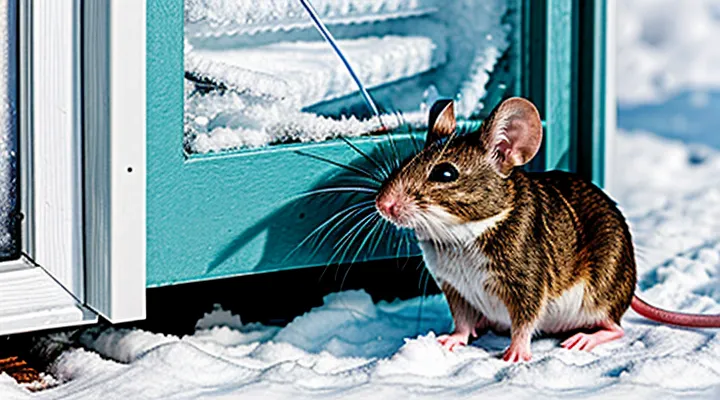
Winter conditions alter mouse activity around secondary residences, demanding specific attention to environmental triggers. Lower outdoor temperatures drive rodents to seek heated interiors, while reduced natural food supplies increase reliance on human‑provided sources. Snow cover creates a barrier that limits movement, concentrating activity near accessible entry points.
Key seasonal influences include:
- Ambient temperature drop below 10 °C, prompting indoor foraging.
- Diminished seed and insect availability, raising attraction to stored pantry items.
- Snow and ice accumulation, which block traditional pathways and force mice to exploit cracks and gaps.
- Shortened daylight hours, influencing circadian patterns and increasing nocturnal movement.
Behavioral adjustments during cold months are evident. Mice expand nesting sites within walls, attics, and crawl spaces to maintain warmth. Reproductive cycles may accelerate as individuals exploit protected environments, leading to rapid population growth if unchecked. Foraging routes become more linear, focusing on points of entry near kitchens, basements, and utility rooms.
Effective mitigation requires aligning control measures with these patterns. Seal all openings larger than 6 mm, prioritize insulation around eaves and foundations, and eliminate accessible food residues. Deploy monitoring stations near known ingress locations to detect early activity. Regularly inspect insulation and structural joints for signs of gnawing, especially after heavy snowfall periods.
«Attractants in Unoccupied Homes»
Effective mouse control in a vacant summer residence during the cold months requires attention to the substances and conditions that draw rodents inside. Food residues, pet feed, and improperly stored grains create a reliable scent trail that guides mice from the surrounding environment to the interior. Even small crumbs left on countertops or in pantry corners generate a detectable signal for rodents, whose olfactory system can locate food sources from considerable distances.
Typical attractants include:
- Edible waste: leftovers, stale bread, fruit skins, and opened packages.
- Pet supplies: dry kibble, treats, and water bowls left unattended.
- Storage items: flour, cereal, nuts, and seeds kept in unsealed containers.
- Organic debris: fallen leaves, twigs, and compost piles near entry points.
Mitigation measures focus on eliminating these cues and sealing access routes. Store all consumables in airtight, rodent‑proof containers; clean surfaces thoroughly after each use; remove pet feeding stations before winterizing the property; and dispose of organic waste in sealed bags. Additionally, inspect doors, windows, and utility openings for gaps larger than ¼ inch, and apply steel wool or silicone caulk to close them. Installing door sweeps and weatherstripping further reduces entry opportunities.
Monitoring devices such as non‑toxic bait stations and snap traps should be positioned near potential entry points and known foraging areas. Replace bait regularly to maintain potency, and record activity to assess the effectiveness of the attractant‑reduction strategy. Consistent application of these practices limits the presence of food sources, discourages mouse entry, and supports long‑term pest management for the unoccupied summer house during winter.
Risks Posed by Winter Infestations
«Structural Damage and Contamination»
Mice infiltrating a seasonal cottage during cold weather can compromise the building envelope and introduce health hazards. Their gnawing activity targets structural components such as insulation, wiring, and support beams, creating gaps that allow drafts, moisture intrusion, and increased energy loss. Damaged insulation reduces thermal performance, while compromised wiring raises the risk of short circuits and fire.
Contamination arises from mouse urine, feces, and shed hair, which accumulate in concealed spaces and ventilation ducts. These residues contain pathogens that may trigger allergic reactions, respiratory issues, and foodborne illnesses. Persistent contamination can also attract insects, further degrading indoor air quality.
Effective mitigation focuses on two fronts:
- Physical barriers: Seal entry points larger than 1 cm with steel wool, caulk, or hardware cloth; reinforce doors and windows with weatherstripping.
- Integrated control measures: Deploy snap traps or electronic devices in high‑activity zones; supplement with bait stations placed away from food preparation areas; conduct regular inspections during the heating season to detect early signs of activity.
Prompt repair of gnawed materials and thorough cleaning of contaminated surfaces restore structural integrity and reduce health risks. Implementing these steps ensures the cottage remains safe and functional throughout the winter months.
«Health Hazards and Disease Transmission»
Mice entering a winter‑time seasonal cottage pose direct health risks. They seek shelter, food, and warmth, often contaminating stored provisions and surfaces with urine, feces, and saliva.
These contaminants transmit several pathogens. Hantavirus can cause severe respiratory illness after inhalation of aerosolized droppings. Salmonella and Campylobacter species may lead to gastrointestinal infection through contaminated food. Leptospira bacteria cause leptospirosis, a febrile disease acquired via contact with urine‑tainted water or surfaces. Additionally, mouse‑borne mites and ticks act as vectors for rickettsial diseases.
Beyond infection, mouse activity creates secondary hazards. Urine and droppings promote mold growth, increasing indoor air pollutants. Allergens from dander exacerbate asthma and allergic rhinitis. Structural gnawing compromises insulation and wiring, raising fire and electrical failure risks.
Effective measures to mitigate health hazards include:
- Sealing all entry points larger than ¼ inch with steel wool or caulk.
- Storing food in airtight containers and removing waste daily.
- Installing snap traps or electronic devices away from living areas.
- Deploying non‑toxic bait stations in concealed locations, monitored weekly.
- Conducting thorough cleaning with disinfectant after any mouse sighting, focusing on kitchens, pantries, and storage rooms.
Proactive Prevention Strategies
Preparing the Summer House for Winter
«Sealing Entry Points and Vulnerabilities»
Sealing entry points eliminates the primary pathways that rodents use to infiltrate a seasonal residence during colder months. Identify all potential openings, including gaps around doors, windows, utility penetrations, and foundation cracks. Apply durable materials—steel wool, copper mesh, or silicone‑based sealants—to fill each aperture. Reinforce larger gaps with rigid flashing or metal plates, securing them with corrosion‑resistant screws.
Inspect the building envelope regularly. Winter conditions cause wood shrinkage and mortar deterioration, creating new vulnerabilities. Conduct a systematic walk‑through each month, marking any fresh openings and addressing them immediately. Prioritize high‑traffic zones such as garage doors, crawl‑space vents, and chimney flues, where mice are most likely to gain access.
Implement a layered barrier strategy:
- Exterior barriers: Install weather‑stripping on all movable doors and windows; fit tight‑closing latches on garage doors.
- Sub‑structure protection: Seal foundation joints with expanding foam or low‑temperature‑curing polyurethane; cover vent openings with fine mesh.
- Utility penetrations: Wrap pipe entries with steel wool before applying sealant; use conduit sleeves for electrical lines.
Maintain a record of sealed locations, materials used, and inspection dates. This documentation supports timely maintenance and reduces the risk of re‑entry, ensuring effective mouse control throughout the winter period.
«Removing Food Sources and Clutter»
Effective mouse management in a seasonal cottage during cold months begins with eliminating accessible food and reducing clutter that provides shelter.
Key actions to remove food sources:
- Store all dry goods, pet feed, and snacks in airtight containers made of metal or heavy‑wall plastic.
- Clean kitchen surfaces, floors, and appliances after each use; sweep crumbs and wipe spills immediately.
- Dispose of garbage daily in sealed bags and place bins outside the building or in a locked enclosure.
- Keep pantry shelves orderly; rotate stock to prevent spoilage and discard expired items promptly.
- Avoid leaving pet food out overnight; feed pets in a designated area that can be cleaned thoroughly.
Key actions to reduce clutter:
- Remove piles of firewood, building materials, and stored boxes from interior rooms; keep them against exterior walls with a gap for ventilation.
- Organize storage closets, attics, and basements; use shelving to keep items off the floor.
- Eliminate unused appliances, cords, and fabric items that can serve as nesting material.
- Seal gaps around doors, windows, and utility penetrations; install door sweeps and weather stripping to block entry points.
- Regularly inspect and clear out debris in crawl spaces and under the foundation.
By consistently applying these measures, a winter‑occupied retreat becomes inhospitable to rodents, reducing the likelihood of infestation and the need for chemical interventions.
Implementing Deterrents and Repellents
«Natural Repellents and Their Efficacy»
Mice frequently enter a seasonal cottage during winter when food stores, insulation gaps, and reduced outdoor activity create favorable conditions. Natural repellents provide a non‑chemical alternative that aligns with indoor comfort and environmental safety.
- Peppermint oil – applied on cotton pads or diluted for spray, creates a strong odor that mice avoid. Efficacy: high for localized areas; potency declines after 48 hours, requiring reapplication.
- Citrus peels (orange, lemon) – placed near entry points, emit volatile compounds that deter rodents. Efficacy: moderate; effectiveness diminishes as the peel dries.
- Dried lavender or rosemary – sachets positioned in cupboards and attic spaces repel mice through aromatic stress. Efficacy: low to moderate; best used in combination with stronger agents.
- Clove powder – sprinkled in corners and along baseboards, produces a pungent scent intolerable to rodents. Efficacy: moderate; must be refreshed weekly to maintain intensity.
- Cayenne pepper – mixed with flour or dusted on surfaces, irritates mouse mucous membranes. Efficacy: high for short‑term deterrence; limited by rapid loss of potency in dry air.
- Predator urine (fox, ferret) – commercially available sachets release scent cues of natural enemies. Efficacy: high when placed near suspected ingress; requires sealed storage to preserve potency.
Application guidelines:
- Identify all potential entry points (window frames, eaves, utility penetrations).
- Place repellent material directly at or within 12 inches of each point.
- Rotate or refresh agents according to volatility (peppermint oil every 2 days, dried herbs every week).
- Combine multiple repellents to cover broader zones and reduce habituation.
Limitations:
- Volatile compounds lose strength in low‑temperature air, demanding more frequent renewal.
- Repellents do not eliminate mice already present; complementary sealing and trapping remain necessary.
- Some natural agents may affect indoor odors or cause mild irritation; test in a confined area before widespread use.
Overall, natural repellents offer an effective, low‑toxicity strategy for winter rodent management in a seasonal cottage when applied systematically and refreshed according to environmental conditions.
«Electronic Deterrents and Considerations»
Electronic deterrents provide a non‑chemical solution for managing rodent activity in a seasonal cottage during the cold season. Devices emit ultrasonic frequencies, electromagnetic fields, or vibration pulses that disrupt the sensory systems of mice, prompting them to vacate treated zones.
- Ultrasonic emitters: generate high‑frequency sound beyond human hearing; effective in enclosed rooms, basements, and attics.
- Electromagnetic repellents: produce low‑frequency magnetic fields that interfere with rodent navigation; suitable for open‑plan areas and storage sheds.
- Vibration pads: create continuous low‑amplitude tremors under floorboards or shelving; useful where mice travel along structural pathways.
Considerations for successful deployment include:
- Power source: choose battery‑operated units for remote locations and mains‑connected models for high‑traffic zones.
- Coverage area: verify manufacturer specifications for square footage; overlap zones to eliminate blind spots.
- Installation height: position devices 12–18 in. above floor level to maximize exposure to rodent pathways.
- Environmental safety: select products complying with electromagnetic emission standards to protect pets and electronic equipment.
- Maintenance: replace batteries or reset timers according to the manufacturer’s schedule to sustain deterrent efficacy.
Effective Mouse Control Methods
Non-Lethal Trapping Options
«Live Traps: Setup and Release Guidelines»
Live traps provide a humane method for reducing rodent activity in a seasonal residence during cold months. They capture individuals without killing, allowing owners to remove pests from the interior while preventing new infestations from entering through gaps created by winter weather.
Choose traps made of durable wire mesh with a secure trigger mechanism. Position devices along walls, behind stored food, and near entry points where mice travel. Use high‑energy bait such as peanut butter, dried fruit, or commercial mouse attractant. Check traps at least twice daily to avoid prolonged confinement and to maintain trap effectiveness.
Release guidelines:
- Transport captured mice in a ventilated container to a location at least 0.5 km from the property, preferably in a wooded or field area with natural cover.
- Release each animal during daylight hours to reduce predation risk.
- Set the container on the ground, open the lid, and allow the mouse to exit voluntarily.
- Clean and disinfect traps with a mild bleach solution before redeployment.
Maintain a log of capture dates, locations, and release sites. Rotate trap positions weekly to cover new activity zones. Combine live trapping with sealing of entry openings and removal of food sources for comprehensive winter rodent management.
«Monitoring and Maintenance for Humane Removal»
Effective rodent management in a seasonal retreat during the cold months relies on continuous monitoring and systematic maintenance to ensure humane removal.
Regular inspection schedules detect activity before populations expand. Inspections should include:
- Visual checks of entry points, droppings, gnaw marks, and nesting material.
- Use of motion‑activated cameras or infrared sensors in concealed areas.
- Placement of non‑lethal bait stations equipped with electronic counters to record visits.
Data collected from these tools guide targeted interventions. When signs of presence are confirmed, immediate actions involve:
- Sealing gaps larger than ¼ inch with steel wool, silicone caulk, or metal flashing.
- Installing removable trap panels that allow capture without injury.
- Deploying live‑catch traps calibrated for the species, checked at least twice daily.
Maintenance routines sustain the barrier integrity and deter re‑entry:
- Re‑evaluate sealing materials after each freeze–thaw cycle; replace compromised sections promptly.
- Clean and disinfect trap sites to eliminate scent trails that encourage return.
- Rotate bait types and locations to prevent habituation while maintaining non‑lethal standards.
Documentation of each inspection, intervention, and maintenance task creates an audit trail that supports ongoing assessment and compliance with humane pest‑control regulations. Continuous refinement of the monitoring system, based on recorded outcomes, optimizes effectiveness while preserving the welfare of captured animals.
Lethal Trapping Approaches
«Snap Traps: Placement and Safety Precautions»
Snap traps provide a rapid, chemical‑free method to reduce mouse activity in a winter‑occupied cottage. Their simplicity and immediate kill mechanism make them suitable for environments where food storage and heating systems are vulnerable to contamination.
Effective placement maximizes capture rates while minimizing interference. Consider the following positions:
- Directly against interior walls, with the trigger side facing the rodent’s travel path.
- Near known entry points such as gaps around doors, windows, and utility penetrations.
- Behind appliances, within cabinets, and under pantry shelving where foraging occurs.
- In concealed corners of stored‑food areas, ensuring the trap is not visible from the main living space.
- Along baseboards and ceiling joists where mice commonly run.
Safety precautions protect occupants and maintain trap efficacy:
- Wear disposable gloves when handling traps to avoid scent transfer and reduce exposure to blood.
- Place traps out of reach of children, pets, and non‑target wildlife; use barriers or elevated platforms if necessary.
- Check traps at least once daily; remove captured mice promptly to prevent odor buildup.
- Dispose of captured rodents in sealed bags and follow local waste regulations.
- Store unused traps in a locked container to prevent accidental activation.
- Replace any damaged or malfunctioning traps immediately to avoid false triggers.
By adhering to these placement guidelines and safety measures, snap traps become a reliable component of winter rodent control in a seasonal residence.
«Electronic Traps: Benefits and Operational Aspects»
Electronic traps provide a reliable solution for mouse management in a seasonal retreat during cold months. The devices detect rodents through motion, infrared, or ultrasonic sensors and deliver an instantaneous electric shock that terminates the infestation without chemicals.
Key advantages
- Immediate kill eliminates breeding cycles.
- No poison residues preserve food safety and indoor air quality.
- Reusable units reduce long‑term expenses compared with disposable bait stations.
- Compact design fits discreetly in closets, attics, and storage rooms where mice hide.
Operational considerations
- Power supply: models operate on mains electricity, battery packs, or solar chargers; select a source that matches the location’s accessibility.
- Placement: install near known travel routes, such as wall gaps, pipe penetrations, and entry points; maintain a minimum distance of 5 cm from pet pathways.
- Activation threshold: adjust sensitivity to prevent false triggers from insects or small debris, ensuring consistent performance.
- Maintenance: inspect electrodes weekly, clean debris with a soft brush, and replace batteries or reset circuit breakers as indicated by the indicator light.
- Safety features: most units incorporate insulated housings and automatic shut‑off after each discharge, protecting humans and non‑target animals.
Cost and environmental impact
Initial purchase price ranges from $30 to $120 per unit; lifespan typically exceeds three years with regular upkeep. The absence of toxic chemicals minimizes ecological footprint and complies with residential waste regulations.
Integration with broader control strategy
Electronic traps complement sealing of entry points, proper sanitation, and monitoring of activity logs provided by many devices. Combining these measures enhances overall effectiveness, preventing re‑infestation throughout the winter season.
When to Consider Professional Extermination
«Signs of Severe Infestation»
Severe mouse activity in a winter‑occupied summer house becomes evident through distinct, measurable indicators. Recognizing these signs promptly allows for immediate implementation of control measures, preventing damage to structures, insulation, and stored supplies.
- Large droppings concentrated near food sources, heating equipment, and entry points; droppings measure 3–5 mm, dark brown, and appear in clusters.
- Gnaw marks on wooden beams, insulation, wiring, and plastic components; characteristic V‑shaped incisions indicate persistent chewing.
- Persistent, audible scurrying or scratching noises within walls, attics, or crawl spaces, especially during nocturnal hours.
- Accumulation of shredded material, such as paper, fabric, or insulation, forming nests in concealed areas.
- Visible trails of urine or oily footprints along baseboards, corners, and near concealed openings; urine glistens under ultraviolet light.
- Presence of live or dead mice in traps, near entryways, or within storage containers, confirming active breeding.
When multiple indicators appear simultaneously, the infestation level exceeds moderate thresholds and demands comprehensive intervention. Immediate actions include sealing identified entry points, deploying bait stations and snap traps throughout affected zones, and inspecting insulation and wiring for damage. Continuous monitoring after treatment verifies the reduction of activity and prevents recurrence throughout the cold season.
«Advantages of Professional Intervention»
Professional mouse‑control services provide measurable benefits for seasonal properties that remain occupied during colder months. Certified technicians conduct thorough inspections, identifying entry points that are often concealed by insulation or snow buildup. By sealing these gaps, they reduce the likelihood of new infestations and improve the building’s thermal efficiency.
Targeted baiting and trapping strategies employed by experts rely on species‑specific knowledge. This ensures rapid population reduction while minimizing exposure of residents and pets to hazardous substances. Professionals also apply integrated pest‑management principles, combining chemical, mechanical, and environmental controls to achieve long‑term suppression.
A structured maintenance schedule, typically quarterly, guarantees ongoing protection. Service contracts include regular monitoring visits, documentation of activity levels, and timely adjustments to treatment plans. This proactive approach prevents mouse damage to wiring, insulation, and stored food supplies, thereby avoiding costly repairs.
Key advantages of engaging qualified specialists:
- Precise diagnosis of infestation severity
- Compliance with safety regulations and pesticide licensing
- Access to commercial‑grade products unavailable to consumers
- Documentation for insurance or liability purposes
- Reduced labor and time investment for property owners
Overall, professional intervention delivers consistent, verifiable results that safeguard the structural integrity and habitability of winter‑occupied vacation homes.
Post-Control Measures and Maintenance
Cleaning and Sanitizing Infested Areas
«Safe Removal of Droppings and Urine»
Mice droppings and urine pose a direct health hazard in any winter‑occupied cottage. Inhalation of dust contaminated with rodent excreta can transmit hantavirus, leptospirosis, and salmonella. Prompt, safe removal eliminates these risks and protects occupants and maintenance personnel.
Required equipment
- Disposable gloves (nitrile preferred)
- N95 or higher‑efficiency respirator
- Disposable coveralls or disposable work clothing
- Sealable plastic bags (heavy‑duty)
- Disinfectant solution containing at least 1 % bleach (sodium hypochlorite) or an EPA‑registered rodent‑pathogen sanitizer
- Scrubbing brush or disposable wipes
- Vacuum equipped with a HEPA filter (optional, for dry debris)
Step‑by‑step removal
- Isolate the contaminated area; close doors and windows, then ventilate for at least 15 minutes using fresh‑air intake.
- Don full protective gear, ensuring a tight seal on the respirator and gloves covering the wrists.
- Moisten droppings and urine with the disinfectant solution; let stand for 5 minutes to neutralize pathogens.
- Collect the wet material with disposable wipes or a HEPA‑vacuum, placing it directly into a sealable bag.
- Apply disinfectant to all surfaces that contacted the excreta; scrub for 2–3 minutes, then allow to air‑dry.
- Seal the bag, label it as biohazard waste, and store it in a locked container until municipal hazardous‑waste collection.
- Remove protective clothing without contaminating clean zones; discard gloves, respirator filters, and coveralls in a separate sealed bag.
Post‑removal actions
- Clean hands thoroughly with soap and water after doffing PPE.
- Inspect adjacent rooms for secondary contamination; repeat the procedure if traces are found.
- Schedule regular inspections and cleaning cycles during the heating season to prevent accumulation.
By adhering to the outlined protocol, cottage owners ensure that rodent excreta are eliminated without compromising indoor air quality or exposing residents to disease. The systematic approach also reduces the likelihood of re‑infestation by removing attractants and maintaining a sanitary environment throughout the winter months.
«Disinfection Protocols for Contaminated Surfaces»
Effective rodent management in a winter‑occupied summer retreat requires rigorous surface sanitation to eliminate disease‑transmitting pathogens. Contaminated areas—kitchens, storage rooms, and entry points—must be treated with a defined protocol that prevents re‑infestation and safeguards occupants.
Key elements of a disinfection protocol:
- Remove visible debris and organic matter before applying any chemical agent.
- Apply an EPA‑registered rodent‑specific disinfectant with proven efficacy against bacteria, viruses, and parasites; follow the manufacturer’s contact time.
- Ensure thorough coverage of all high‑traffic surfaces, including countertops, floors, shelving, and door handles, using spray or wipe methods appropriate to the material.
- After the required dwell period, rinse or wipe surfaces with clean water if the product label mandates it, then dry completely to avoid moisture‑driven mold growth.
- Document the date, product batch, and personnel responsible for each treatment; retain records for at least six months for audit purposes.
Routine verification includes weekly swab testing of critical zones and immediate re‑application of the disinfectant if microbial counts exceed established thresholds. Integrating this systematic approach with structural exclusion measures and bait placement creates a comprehensive defense against rodent‑borne contamination during the cold season.
Long-Term Prevention and Monitoring
«Regular Inspections and Early Detection»
Regular inspections provide the first line of defense against rodent incursions in a seasonal cottage during the cold season. Inspectors should examine all potential entry points, including foundation cracks, utility openings, and attic vents, at least once each month. Early detection of gnaw marks, droppings, or nesting material allows immediate corrective action before populations expand.
Key elements of an effective inspection routine include:
- Visual survey of exterior walls, roof eaves, and door seals for gaps larger than ¼ inch.
- Check of interior spaces such as basements, crawl spaces, and storage rooms for fresh droppings, urine stains, or gnawed insulation.
- Monitoring of food storage areas, including pantry shelves and refrigerator seals, for signs of tampering.
- Use of motion‑activated cameras or infrared detectors in hidden corners to confirm activity during night hours.
When evidence of mice is found, prompt remediation should follow a predefined protocol: seal identified openings with steel wool and caulking, install snap or electronic traps in high‑traffic zones, and apply non‑toxic repellents near vulnerable entry points. Documentation of each inspection, including photographs and a log of actions taken, creates a record that supports trend analysis and future prevention strategies. Regularly updating this record ensures that emerging patterns are recognized and addressed before infestations compromise the property’s integrity.
«Ongoing Maintenance to Prevent Re-infestation»
Continuous maintenance blocks mouse re‑entry during winter months. Regular actions keep entry points sealed, food sources unavailable, and activity detectable before populations establish.
Inspect the property every two weeks. Verify that doors, windows, and vents close tightly. Examine the foundation, crawl‑space, and roof for gaps larger than ¼ inch. Record any breach and repair it promptly.
- Apply steel wool or copper mesh to holes in siding, soffits, and utility openings.
- Seal cracks with expanding polyurethane foam or cement‑based filler.
- Install weather‑stripping on exterior doors and garage entries.
Maintain a clean interior environment. Store all food in airtight containers. Remove crumbs and spills from countertops, floors, and pantry shelves. Dispose of garbage in sealed bins and empty them weekly.
Deploy monitoring devices in strategic locations: snap traps, electronic detectors, and chew‑resistant bait stations. Check traps daily, record captures, and replace bait as needed. Rotate trap placement to cover new potential pathways.
Document all maintenance activities in a logbook. Include dates, inspected areas, repairs performed, and trap results. Review the log quarterly to identify trends and adjust the prevention plan.
Engage a licensed pest‑control professional for an annual winter inspection. Request a detailed report and recommendations for any overlooked vulnerabilities. Their expertise reinforces the homeowner’s preventive measures and ensures compliance with local wildlife regulations.