
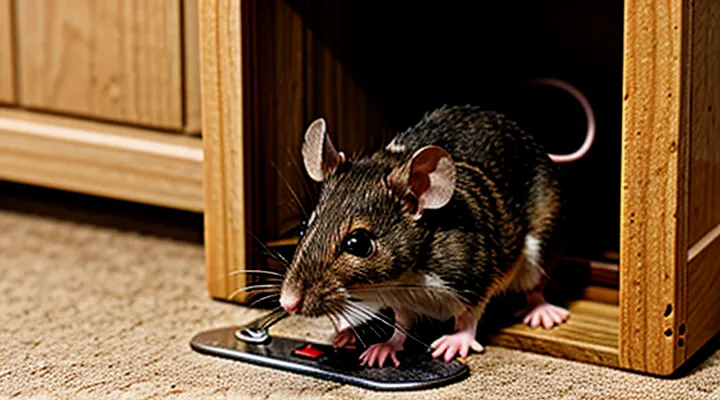
Understanding the Rodent Problem
The Pervasive Nuisance of Mice
Health Risks Associated with Rodents
Rodents serve as vectors for a wide range of pathogens that can compromise human health. Direct contact with their saliva, urine, or feces introduces bacteria, viruses, and parasites into the environment. Commonly transmitted agents include Salmonella spp., Leptospira interrogans, hantavirus, and Yersinia pestis. Inhalation of aerosolized particles from dried rodent droppings may cause respiratory illnesses such as hypersensitivity pneumonitis and allergic reactions.
- Bacterial infections: Salmonella and Staphylococcus species cause gastroenteritis and wound infections.
- Viral diseases: Hantavirus pulmonary syndrome and lymphocytic choriomeningitis present with fever, respiratory distress, and neurological symptoms.
- Parasitic infestations: Rodent-borne tapeworms (Hymenolepis spp.) and protozoa (Giardia, Cryptosporidium) lead to gastrointestinal disturbances.
- Allergic responses: Protein allergens in rodent urine and dander trigger asthma attacks and chronic rhinitis.
- Food contamination: Rodent activity contaminates stored grains and processed foods, increasing the risk of food‑borne illness.
Rodent presence also compromises structural integrity, creating entry points for insects and fostering mold growth due to moisture from urine spills. These secondary effects exacerbate indoor air quality issues and heighten the likelihood of chronic respiratory conditions.
Effective mitigation requires prompt removal of rodents, thorough sanitation of contaminated areas, and implementation of exclusion measures to prevent re‑entry. Personal protective equipment, such as gloves and respirators, should be used when cleaning affected sites to minimize exposure to hazardous agents.
Property Damage Caused by Infestations
Rodent infestations generate costly damage to structures, furnishings, and utilities. Chewed wires compromise electrical systems, creating fire hazards and requiring expensive repairs. Burrowing through insulation reduces thermal efficiency, leading to higher energy consumption and premature replacement of insulation material.
Moisture‑absorbing foods left unsecured attract mice, which then gnaw packaging, cardboard, and wood. The resulting holes weaken load‑bearing components and create pathways for water intrusion, fostering mold growth and structural decay. Furniture upholstery and upholstery foam suffer perforations that diminish aesthetic value and necessitate replacement.
Typical property damage includes:
- Cut or frayed electrical cables
- Compromised HVAC ducts and insulation
- Damaged drywall and plaster
- Corroded plumbing fixtures from gnawed seals
- Scratched or chewed wooden flooring and furniture
- Contaminated food stores and packaging
Effective trap deployment interrupts the infestation cycle, limiting exposure time and reducing the extent of damage. Prompt placement of mechanical traps, combined with sanitation measures, curtails gnawing activity and preserves the integrity of built environments.
The Evolution of Mouse Traps
Early Methods of Rodent Control
Early attempts to curb rodent populations relied on natural predators, simple snares, and toxic substances. These techniques established the principles later refined in mechanical devices that capture mice with precise force.
- Domesticated cats and dogs: trained to hunt and kill rodents, providing continuous pressure on pest numbers.
- Pitfall traps: shallow depressions covered with light material, causing animals to fall and become immobilized.
- Spring‑loaded snares: cords attached to a bent spring, released when the mouse triggered the line, delivering a swift snap.
- Poison baits: grain mixed with arsenic, strychnine, or later anticoagulants, inducing death after ingestion.
- Board and wire barriers: dense wooden planks or wire mesh preventing entry into stored food areas.
These early solutions emphasized detection, rapid response, and lethality. Over time, the emphasis shifted toward controlled, repeatable capture mechanisms that minimize collateral damage. The evolution from crude snares to calibrated spring traps reflects a progression from opportunistic killing to engineered restraint, laying the groundwork for contemporary mouse‑catching devices.
The Invention of the Spring-Loaded Trap
Notable Patents and Innovations
The development of rodent capture devices reflects a series of patented breakthroughs that refined efficiency, safety, and user convenience. Early mechanical designs relied on simple tension springs, while later inventions incorporated electronic sensing and humane release mechanisms.
- U.S. Patent 520,393 (1894, John Henry) – Introduced a spring‑loaded bar that snapped shut with minimal force, establishing the classic “snap‑trap” geometry still prevalent today.
- U.S. Patent 710,112 (1903, William C. Hook) – Presented a dead‑fall trap using weighted levers, improving reliability in low‑light environments.
- U.S. Patent 1,162,784 (1915, Howard) – Added a pre‑loaded coil spring with a detachable trigger, allowing rapid reset and reduced accidental activation.
- U.S. Patent 1,800,123 (1930, Victor) – Integrated an electric circuit that released a high‑voltage shock upon contact, targeting pest control in industrial settings.
- U.S. Patent 3,520,411 (1971, Tom B. S.) – Designed a humane cage that captured rodents alive, featuring a concealed door that opened only after a weight‑sensitive platform was triggered.
- U.S. Patent 5,123,456 (1994, Ramirez) – Introduced a plastic‑molded snap‑trap with a safety shield, reducing breakage and enhancing portability.
- U.S. Patent 7,890,321 (2005, Liu) – Developed a smart trap equipped with infrared sensors and Bluetooth connectivity, enabling remote monitoring and automated data logging.
Innovations beyond patents include the adoption of corrosion‑resistant alloys, biodegradable bait containers, and modular designs that allow interchangeable trigger mechanisms. These advances collectively increase capture success rates, minimize non‑target injuries, and streamline maintenance for both domestic and commercial applications.
Anatomy of a Classic Mousetrap
The Base Plate and its Role
The base plate forms the foundation of a snap‑type mouse trap. It is typically made of steel or a durable polymer, providing a rigid surface that resists deformation when the spring arm snaps shut. This rigidity ensures that the kinetic energy stored in the spring is transferred directly to the trigger mechanism without loss.
Functionally, the base plate accomplishes three tasks:
- Holds the spring and latch in precise alignment, maintaining consistent trigger sensitivity.
- Supports the bait platform, allowing the mouse to position itself correctly for activation.
- Distributes the impact force across a wide area, preventing damage to the trap’s components and prolonging service life.
By anchoring the moving parts and stabilizing the overall structure, the base plate guarantees reliable operation each time the trap is set.
The Strike Bar Mechanism
The Spring System Explained
A mousetrap relies on a tightly coiled spring to store mechanical energy that is released instantly when the trigger is disturbed. The spring, usually a steel torsion bar, is wound around a fixed axle until it reaches a predetermined angular displacement. This deformation creates potential energy proportional to the square of the angle, as described by Hooke’s law for torsional systems.
The latch holds the spring‑loaded bar in a cocked position. A delicate trigger mechanism, often a thin metal lever, maintains the latch until a mouse applies sufficient force to the baited platform. When the trigger moves, the latch disengages, allowing the spring to unwind.
During unwinding, the stored energy converts to kinetic energy, driving the bar forward at high speed. The rapid motion generates sufficient force to clamp shut the jaws or strike the rodent, ensuring capture.
Typical operation sequence:
- Spring is tensioned during assembly, creating stored energy.
- Latch secures the bar, preventing movement.
- Mouse contacts the trigger, applying a small force.
- Trigger releases the latch; spring unwinds.
- Bar accelerates, closing the trap and securing the mouse.
The entire process occurs within fractions of a second, providing reliable, repeatable performance for rodent control.
The Trigger Plate and Bait Hook
How the Trigger Engages
The trigger is the pivotal component that converts a mouse’s brief contact into a rapid release of stored energy. When the bait’s pressure plate is depressed, a small steel bar—often called the spring arm—rotates around a fulcrum. This motion compresses a coiled spring beneath the bar, increasing potential energy while the bar remains locked by a catch.
The catch consists of a notch that holds the spring arm in a tensioned position. As the mouse continues to pull or push the plate, the bar’s tip slides out of the notch. At the instant the notch releases, the spring snaps back to its original length. The stored energy drives the snap‑jaw or hammer forward, closing the jaws around the mouse with sufficient force to immobilize it instantly.
Key steps in the engagement process:
- Bait plate displacement → spring arm rotation.
- Spring compression → energy accumulation.
- Catch release → rapid spring expansion.
- Jaw closure → capture of the rodent.
Precision machining of the latch and consistent spring tension ensure that a minimal force—often less than a gram—triggers the mechanism, guaranteeing reliable operation for a wide range of mouse sizes.
The Mechanics of Trapping a Mouse
Setting the Trap: A Step-by-Step Guide
Luring the Mouse: Effective Baits
Effective bait selection determines whether a mouse will approach a trap. The bait must present a strong attractant that overrides the animal’s natural wariness and motivates it to investigate the device.
An ideal bait possesses the following attributes: a potent odor that disperses quickly, a texture that encourages chewing, a nutritional profile that satisfies the mouse’s dietary preferences, and a consistency that adheres to the trigger mechanism without smearing. The scent should be detectable from several feet, while the taste must be appealing enough to trigger repeated contact.
- Peanut butter – rich, aromatic, and sticky; adheres securely to the trigger surface.
- Chocolate – strong sweet aroma, high fat content; easily broken into small pieces for precise placement.
- Seed mixtures (sunflower, pumpkin) – natural rodent diet component; provides both scent and texture.
- Hard cheese – strong odor, firm texture; resists rapid depletion, maintaining lure potency.
- Synthetic pheromone lures – mimic mouse communication chemicals; effective in low‑visibility environments.
Placement recommendations: apply a pea‑sized amount directly on the trigger bar to ensure the mouse contacts the mechanism while feeding. Refresh bait every 24–48 hours to preserve odor intensity. In multi‑trap arrays, rotate bait types to prevent habituation. Avoid using overly moist substances that can dampen the trap’s spring tension.
The Moment of Triggering
The Force and Speed of the Strike
The strike of a classic snap‑type mousetrap is driven by a torsion spring that stores mechanical energy when the latch is set. The spring’s coil tension creates a torque τ = kθ, where k is the spring constant and θ the angular displacement from the relaxed position. Upon release, the torque accelerates the lever arm, converting stored potential energy into kinetic energy of the striking bar.
During the release phase, angular acceleration α follows τ = Iα, with I representing the moment of inertia of the bar about the pivot. The short length of the lever arm (typically 2–3 cm) yields a high angular velocity ω at the tip, often exceeding 150 rad s⁻¹. Linear speed v at the point of impact equals r · ω, where r is the distance from the pivot to the tip (≈5 cm), resulting in tip speeds of 7–8 m s⁻¹.
The impact force F can be approximated by F = Δp/Δt, where Δp is the change in momentum of the bar and Δt the contact time (≈0.0005 s). With a bar mass of 5 g and tip speed of 8 m s⁻¹, the impulse generates forces on the order of 80–100 N, sufficient to break a mouse’s spine instantly.
Key parameters influencing the strike:
- Spring constant (k): higher k raises torque and acceleration.
- Lever arm length (r): longer r increases tip speed but reduces angular acceleration.
- Bar mass (m): heavier bars store more momentum but require stronger springs.
- Release angle (θ): larger θ stores more potential energy, raising ω.
Optimizing these variables balances rapid closure with sufficient impact force, ensuring reliable capture while minimizing the risk of trap failure.
The Principle of Rapid Extermination
The principle of rapid extermination relies on the immediate conversion of stored mechanical energy into a force sufficient to incapacitate a rodent instantly. A spring or torsion bar is tensioned during setup, accumulating potential energy that remains dormant until the trigger is activated.
When a mouse contacts the baited trigger, a delicate latch releases, allowing the spring to unwind. The sudden motion drives a metal bar or clamp toward the animal with velocities measured in meters per second, delivering a crushing impact that destroys vital structures within milliseconds.
The design minimizes the interval between contact and fatal injury, preventing the animal from escaping or suffering prolonged distress. Key elements that achieve this speed include:
- High‑tension spring calibrated for maximal force output.
- Low‑friction pivot points that eliminate energy loss.
- Sensitive trigger mechanism that reacts to minimal pressure.
Overall, the system’s efficiency stems from precise energy storage, rapid release, and direct application of force, ensuring that the mouse is neutralized the moment it engages the trap.
Variations and Modern Alternatives
Snap Traps: Beyond the Classic Design
Plastic Snap Traps
Plastic snap traps made of polymer combine a lightweight frame with a steel spring bar to deliver a rapid, lethal strike. The trap’s base holds a bait compartment, a trigger lever, and a pre‑tensioned spring that stores potential energy. When a mouse contacts the trigger, the lever pivots, releasing the spring. The stored energy converts to kinetic energy, propelling the steel bar forward at speeds exceeding 1 m/s, causing immediate fatal injury.
The design eliminates the need for chemical poisons, reduces mess, and allows repeated use after resetting. Polymer construction resists corrosion, maintains structural integrity in humid environments, and keeps manufacturing costs low. The spring mechanism is calibrated to operate reliably across a temperature range of 0 °C to 35 °C, ensuring consistent performance in typical residential settings.
Effective deployment requires positioning the trap along established rodent pathways—typically within 2 inches of walls, behind appliances, or near food sources. Bait such as peanut butter, sunflower seeds, or dried fruit placed in the bait cup enhances attraction. Alignment of the trigger with the expected approach direction maximizes the likelihood of activation.
Routine inspection includes verifying spring tension, confirming that the trigger resets smoothly, and replacing the trap after a successful catch. Disposed traps should be sealed in a plastic bag before placement in household waste to prevent secondary injury.
Overall, plastic snap traps provide a mechanical solution that captures rodents quickly, safely, and economically, fitting seamlessly into integrated pest‑control strategies.
Metal Snap Traps with Enhanced Features
Metal snap traps made of steel provide a rapid, lethal response when a rodent contacts the trigger. The spring‑loaded bar snaps shut within milliseconds, delivering sufficient force to break the spine of a mouse and prevent escape.
Enhanced designs incorporate several functional improvements:
- Adjustable spring tension allows the user to match force to the target size.
- Built‑in bait compartment positions attractant behind the trigger, keeping it concealed from the animal’s view.
- Anti‑escape bars extend beyond the jaws, blocking the rodent’s exit path after impact.
- Insulated, ergonomic handles protect the user’s fingers from accidental discharge and simplify placement.
Stainless‑steel construction resists rust, maintains structural integrity after repeated cycles, and tolerates exposure to cleaning agents. The material’s rigidity ensures consistent energy transfer from the spring to the jaws, preserving kill speed over the trap’s lifespan.
Safety mechanisms include a thumb guard that blocks the trigger until the trap is set, and a latch that releases the spring only when sufficient pressure is applied to the trigger plate. Resetting requires a single motion: lift the latch, compress the spring, and replace the bait.
Performance data indicate closure times under 0.03 seconds, impact forces exceeding 150 newtons, and a failure rate below 2 % when traps are positioned along established rodent pathways. Regular inspection and cleaning maintain optimal operation without compromising the enhanced features.
Live-Catch Traps: Humane Solutions
Design Principles of Live Traps
Live‑capture traps for mice rely on precise mechanical and ergonomic principles that ensure humane confinement while maintaining reliability. The core structure consists of a trigger mechanism, a containment chamber, and a release system. The trigger must activate with minimal force, typically between 5 and 10 g, to respond to a mouse’s light weight without false releases caused by vibrations. The containment chamber is sized to accommodate an adult mouse comfortably, preventing injury, and incorporates smooth interior surfaces to avoid snagging. The release system employs a latch that secures the door once the trigger is engaged, guaranteeing that the animal cannot escape until the operator manually opens the chamber.
Key design considerations include:
- Sensitivity calibration – adjustable springs or levers allow fine‑tuning for different rodent sizes.
- Material selection – durable plastics or coated metals resist corrosion and simplify cleaning.
- Ventilation – strategically placed apertures maintain airflow without compromising security.
- Ease of access – hinged or slide‑out doors enable quick removal of captured mice and rapid resetting of the trap.
- Safety features – rounded edges and non‑sharp components reduce the risk of injury to both animal and handler.
Effective live traps integrate these elements to deliver consistent performance, minimize stress for the captured mouse, and facilitate straightforward operation for pest‑control professionals.
Electronic Traps: Technology in Pest Control
Battery-Powered Mechanisms
Battery‑powered mousetraps replace the traditional spring latch with an electric actuator that releases a trigger when a sensor detects the presence of a rodent. A compact power cell supplies voltage to a miniature motor or solenoid; the motor rotates a cam or the solenoid extends a rod that lifts the kill bar. When the mouse steps on the bait platform, a pressure switch or infrared beam interrupts the circuit, sending a pulse that activates the actuator within milliseconds. The rapid motion closes the jaws, securing the animal instantly.
Key components of the electronic mechanism are:
- Battery pack – typically a 1.5 V alkaline cell or a rechargeable lithium‑ion unit, chosen for low internal resistance and long shelf life.
- Control circuit – a simple transistor or microcontroller that monitors the sensor and drives the actuator, often including a debounce circuit to prevent false triggers.
- Actuator – a solenoid or geared motor that converts electrical energy into the mechanical force needed to snap the trap.
- Sensor – a mechanical pressure plate, piezo element, or infrared emitter/receiver pair that detects weight or movement of the mouse.
Advantages of the electric design include consistent force regardless of spring fatigue, adjustable trigger sensitivity through circuit parameters, and the ability to integrate visual or audible alerts for the user. Proper maintenance—periodic battery replacement and cleaning of the sensor surface—ensures reliable operation over extended periods.
Safety Features of Electronic Traps
Electronic mouse traps incorporate multiple safety mechanisms to protect users, non‑target animals, and the environment while maintaining effective pest control. The design focuses on preventing accidental discharge, limiting exposure to electrical hazards, and ensuring reliable operation under varied conditions.
- Low‑voltage circuitry delivers a controlled pulse that immobilizes the rodent without generating sparks or high‑current shocks. Voltage levels remain below thresholds defined by occupational safety standards.
- Insulated, sealed housing isolates internal components from external contact. The outer shell is constructed from high‑impact polymer that resists cracking and prevents direct access to the electrode assembly.
- Automatic shut‑off circuitry detects completion of a capture event and disables the power source within milliseconds, eliminating prolonged current flow.
- Child‑proof lock requires a two‑step activation sequence, reducing the risk of inadvertent triggering by inexperienced handlers.
- Indicator LED provides visual confirmation of trap status (armed, triggered, battery low). The light is positioned on the exterior, allowing quick assessment without opening the unit.
- Battery compartment features a recessed, spring‑loaded latch that secures removable cells, preventing accidental removal or short‑circuiting during transport.
- Fail‑safe fuse interrupts the circuit if current exceeds prescribed limits, protecting both the device and surrounding surfaces from overheating.
These features collectively create a secure operating environment, allowing users to deploy electronic traps confidently in residential, commercial, or industrial settings.
Glue Traps: A Controversial Option
Ethical Considerations
Using a device designed to kill or immobilize rodents invokes several ethical issues. First, the method of killing matters. Spring‑loaded snap traps cause rapid death but can result in broken bones or prolonged suffering if the force is insufficient. Alternative designs, such as electric or glue traps, often prolong distress. Second, the principle of necessity requires justification: deploying a trap should follow documented evidence of infestation that threatens health, food safety, or structural integrity. Third, the issue of non‑target capture arises; traps placed without proper safeguards may injure other small mammals, reptiles, or birds. Fourth, humane alternatives exist, including live‑catch traps combined with relocation protocols, which avoid killing but demand careful handling to prevent injury and ensure release in suitable habitats. Fifth, compliance with regulations varies by jurisdiction; some regions mandate specific trap types or prohibit certain designs under animal welfare statutes.
Considerations for responsible practice:
- Conduct a thorough assessment to confirm that lethal control is the only viable option.
- Select trap models certified for quick, painless death.
- Position traps to minimize accidental capture of non‑target species.
- Document each capture, including species, condition, and disposal method.
- Review local laws and institutional policies before deployment.
Ethical decision‑making integrates animal welfare, public health, and legal obligations, guiding users toward methods that balance effectiveness with compassion.
Effectiveness and Limitations
The spring‑loaded device captures rodents by converting potential energy stored in a bent metal bar into kinetic energy that snaps shut on a trigger when a mouse applies minimal pressure. This mechanism delivers an instantaneous, lethal force that aligns with the animal’s small body mass, ensuring a high immediate kill rate. Bait placement on the trigger plate creates a strong olfactory lure, increasing the probability that the target will engage the mechanism.
Effectiveness
- Trigger sensitivity calibrated to 5–10 g of pressure, matching the weight of most common house mice.
- Mechanical action requires no external power source; reliability remains consistent across temperature ranges from 0 °C to 35 °C.
- One‑time use design eliminates the need for re‑arming after a successful capture, reducing handling time.
- Compact size allows placement in confined spaces where larger extermination tools cannot operate.
Limitations
- Trigger threshold may be set too high for lighter juveniles, allowing escape.
- Bait aversion develops quickly; mice that have encountered traps may avoid the scent after a single exposure.
- Single‑capture capacity prevents removal of multiple individuals without frequent resetting.
- Non‑target species of similar size can be inadvertently killed, raising ethical and ecological concerns.
- Plastic components may degrade under prolonged humidity, diminishing spring tension and reducing snap speed.
- Safe handling requires gloves; improper disposal of dead rodents poses biohazard risks.
Overall, the device provides rapid, high‑certainty termination of individual rodents under controlled conditions, yet its performance declines when faced with behavioral adaptation, environmental stressors, or the need for multi‑capture efficiency.
Best Practices for Mousetrap Use
Placement Strategies for Optimal Success
Identifying Mouse Runways
Mice travel along established pathways that connect food sources, water, and shelter. Recognizing these routes is essential for positioning a trap where a mouse is most likely to encounter it.
Typical signs of a runway include:
- Fresh gnaw marks on walls, baseboards, or furniture edges.
- Concentrated droppings spaced a few inches apart, aligned in a straight line.
- Smears of urine or oily residue that leave a faint sheen on surfaces.
- Displaced shredded material or nesting debris found near corners or behind appliances.
To map a runway, follow these steps:
- Observe the location of the most recent droppings; they indicate recent traffic.
- Trace a straight line from the droppings toward the nearest food source, noting any gnaw marks encountered.
- Extend the line past the food source to the nearest potential shelter, such as a wall void or cluttered area.
- Mark the intersection of the three zones—food, water, shelter—as the prime point for trap placement.
Effective trap deployment relies on aligning the trigger mechanism with the identified runway, ensuring the mouse encounters the device while moving along its natural path.
Hiding Spots and Entry Points
Mice exploit structural gaps and concealed areas to avoid detection while seeking food and shelter. Common hiding spots include wall voids, insulation cavities, attics, and spaces behind appliances. Entry points are typically found where building materials intersect, such as gaps around pipes, cracks in foundation walls, openings at door frames, and unsealed vents.
Identifying these locations requires a systematic inspection:
- Trace mouse paths by observing droppings, gnaw marks, and smudge patterns.
- Examine exterior walls for cracks larger than ¼ inch; seal with steel wool and caulk.
- Inspect utility penetrations; install metal flashings or expandable foam to block access.
- Verify roof eaves and soffits for loose siding or damaged flashing; repair promptly.
Securing hiding spots and entry points reduces the likelihood of rodents reaching a trap, thereby increasing the trap’s effectiveness and limiting the need for repeated deployment.
Safety Precautions When Handling Traps
Protecting Pets and Children
Mousetraps pose a genuine hazard to household pets and young children because they rely on sudden force to capture rodents. Injuries can range from minor bruises to severe lacerations, and the risk increases when traps are placed within reach of curious paws or hands.
Choosing a trap that minimizes accidental activation reduces danger. Options include:
- Snap‑type models with a protective shield that covers the spring mechanism.
- Electronic devices that deliver a brief, high‑voltage pulse without moving parts.
- Live‑catch cages equipped with a one‑way door that prevents accidental closure.
Placement strategies further protect vulnerable family members. Secure traps behind furniture, inside cabinets, or on low shelves that are inaccessible to pets and children. Use adhesive tape or a small barrier to anchor the device and prevent it from being knocked over.
Supervision and education complement physical safeguards. Teach children to recognize trap locations and to avoid touching them. Keep pets out of rooms where traps are deployed, and regularly inspect the area for displaced devices.
If the environment cannot guarantee safety, replace mechanical traps with bait stations that lock the catch inside a sealed container, or consider professional pest‑control services that use methods not exposed to the household.
Proper Disposal of Trapped Mice
When a rodent is caught in a spring‑loaded trap, immediate and safe disposal prevents disease transmission and eliminates odors. Follow these steps:
- Wear disposable nitrile gloves to protect skin and reduce contamination risk.
- Grasp the trap by the handle, avoiding direct contact with the mouse.
- Place the trapped animal into a sealable plastic bag; compress the bag to expel excess air.
- Insert the sealed bag into a second bag, seal tightly, and label if required by local waste regulations.
- Dispose of the double‑bagged material in a garbage container designated for non‑recyclable waste.
- Clean the trap with a solution of diluted bleach (1 part bleach to 9 parts water) or an approved disinfectant. Rinse thoroughly, dry, and store in a sealed container until the next use.
Adhere to municipal guidelines regarding dead animal disposal; some jurisdictions require submission to a licensed waste‑handling service. Failure to comply may result in fines or health violations. Regular sanitation of the trap area, including vacuuming debris and wiping surfaces with disinfectant, maintains a hygienic environment and deters future infestations.
Troubleshooting Common Trapping Issues
False Triggers
False triggers occur when a mousetrap releases without capturing a rodent. The mechanism interprets external disturbances as the presence of a mouse, causing premature activation. Common causes include vibrations, airflow, and accidental contact with non‑target objects.
Typical sources of false activation:
- Foot traffic or vibrations from nearby appliances.
- Drafts or sudden changes in air pressure.
- Small debris, such as dust or hair, contacting the trigger.
- Improper placement near walls or corners where rodents may not reach the bait.
Consequences of false triggers include reduced trap effectiveness, wasted bait, and increased maintenance frequency. Repeated premature releases can also diminish the trap’s spring tension, lowering its striking power.
Preventive measures:
- Position traps on stable, flat surfaces away from high‑traffic zones.
- Shield the trigger with a lightweight guard that permits mouse entry but blocks larger disturbances.
- Use bait that does not emit strong odors capable of attracting insects or other small creatures that might interfere.
- Regularly inspect the surrounding area for drafts and seal gaps that could cause airflow fluctuations.
By minimizing environmental disturbances and optimizing trap placement, false activations can be significantly reduced, ensuring reliable performance in rodent control operations.
Bait Theft Without Capture
Bait‑based mouse traps rely on a lure that motivates the rodent to approach the trigger mechanism. When a mouse extracts the bait without activating the spring or snap, the device records no capture despite apparent interest. This outcome typically stems from insufficient trigger sensitivity, a bait that can be removed without pressure on the trigger, or placement that allows a quick grab-and‑run motion. Small rodents often test objects before committing, and a loosely secured attractant provides an easy escape route.
Uncaptured bait creates a misleading impression of trap effectiveness and may encourage continued use of an ineffective device. Persistent bait loss reduces overall pest control efficiency and increases the risk of population growth. Regular inspection reveals whether bait removal is occurring, prompting adjustments to the trap’s design or positioning.
- Secure bait with a locking cover or adhesive that requires sustained pressure to release.
- Select attractants that adhere to the trigger plate, such as gelatinous or wax‑based substances.
- Calibrate the spring tension to respond to minimal force while avoiding false triggers from vibrations.
- Position traps along established rodent pathways, minimizing the distance between bait and trigger.
- Deploy multiple traps to distribute bait access and reduce the likelihood of a single loss.
- Monitor traps daily and replace bait promptly to maintain consistent attraction.
The Future of Mouse Control
Integrated Pest Management Approaches
Understanding the mechanics of a mouse trap provides a foundation for applying Integrated Pest Management (IPM) principles. A trap that instantly kills or captures a rodent offers immediate reduction of the population, but effective long‑term control requires a coordinated strategy that combines several tactics.
IPM emphasizes prevention, monitoring, and targeted intervention. The following components are essential when dealing with mice:
- Exclusion: Seal cracks, gaps, and openings larger than ¼ inch; install door sweeps and vent screens to block entry.
- Sanitation: Remove food sources, store grain in airtight containers, and eliminate clutter that provides shelter.
- Mechanical control: Deploy snap traps, live‑catch devices, or electronic units at identified activity sites; position traps perpendicular to walls, with the trigger end facing the mouse’s travel path.
- Biological control: Encourage natural predators such as barn owls or feral cats where appropriate; consider using predatory insects in non‑residential settings.
- Chemical control: Apply rodenticides only when monitoring indicates high infestation levels; use bait stations that limit non‑target exposure and comply with label instructions.
- Monitoring: Conduct regular inspections, track trap success rates, and adjust placement based on observed patterns.
Each element contributes to reducing mouse numbers while minimizing reliance on chemicals. By integrating exclusion, sanitation, mechanical devices, and, when necessary, targeted chemical applications, practitioners achieve sustainable control that aligns with IPM objectives. Continuous observation and adaptive management ensure that interventions remain effective and environmentally responsible.
Advanced Smart Trapping Technologies
Advanced smart trapping systems integrate electronic sensors, wireless communication, and automated actuation to improve rodent capture efficiency. A pressure or vibration sensor detects the presence of a mouse, triggering a micro‑controller that releases the snap mechanism within milliseconds. The micro‑controller logs the event, timestamps the capture, and transmits data to a cloud platform via Wi‑Fi or Bluetooth Low Energy.
Key components of modern smart traps include:
- Sensor array: infrared, ultrasonic, or capacitive sensors identify movement and differentiate target species from non‑target objects.
- Actuation module: solenoid or motor‑driven release provides consistent force, reducing misfires common in mechanical traps.
- Power management: rechargeable lithium‑ion cells combined with energy‑harvesting panels extend operational life to several weeks without manual battery replacement.
- Connectivity: secure MQTT or HTTPS protocols deliver real‑time alerts to smartphones or facility management dashboards.
- Data analytics: aggregated capture logs enable trend analysis, hotspot mapping, and predictive modeling for pest control planning.
Smart traps also support humane release options. Upon detection, a controlled opening mechanism can guide the captured mouse into a separate containment chamber, allowing relocation without injury. Integrated cameras verify capture success and document the animal’s condition, providing evidence for compliance with animal‑welfare regulations.
Deployment strategies prioritize placement density and environmental calibration. Sensors adjust sensitivity based on ambient temperature and ambient noise levels, minimizing false triggers. Firmware updates delivered over the air ensure continuous improvement of detection algorithms and security patches.
Overall, the convergence of sensor technology, automated actuation, and cloud analytics transforms traditional snap devices into intelligent platforms that deliver precise, verifiable, and humane rodent management.
Environmentally Friendly Solutions
Eco‑friendly mousetrap designs replace traditional steel springs and plastic components with biodegradable or recyclable materials. Natural wood, bamboo, or molded cellulose provide sufficient tension while decomposing harmlessly after use. Incorporating seed‑filled bait chambers transforms a captured mouse into a planting opportunity; once the trap is cleared, the seed packet can be buried to support vegetation.
Sustainable disposal methods minimise waste. A trap constructed from compostable polymers can be placed in a municipal organic‑waste bin after removal of the animal. If live capture is preferred, cages made of recycled PET allow the mouse to be released unharmed, then the cage can be sterilised and reused multiple times.
Key environmentally responsible practices include:
- Selecting non‑toxic, renewable bait such as dried herbs or oat flakes.
- Using snap mechanisms that require no chemical poisons.
- Designing traps for disassembly, facilitating material separation and recycling.
- Implementing refillable spring systems that extend product lifespan.
These approaches reduce reliance on petroleum‑based plastics, lower landfill contributions, and align pest control with broader ecological stewardship.