
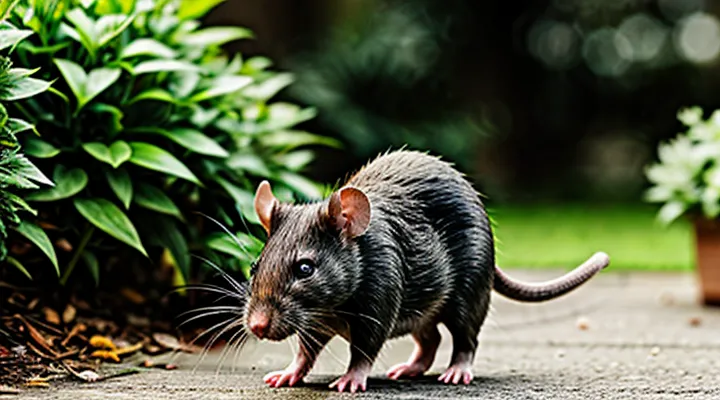
Understanding the Rat Problem
Why Rats Are a Threat
Health Risks
Rats transmit pathogens that can cause leptospirosis, hantavirus pulmonary syndrome, salmonellosis, and plague. Direct contact with rodent urine, feces, or saliva introduces these agents to humans, especially in poorly ventilated indoor environments. Inhalation of aerosolized particles from contaminated dust may trigger respiratory infections, while bites can lead to secondary bacterial infections.
Chemical rodenticides present acute toxicity risks. Anticoagulant baits, such as brodifacoum and difethialone, interfere with blood clotting and may cause internal bleeding if ingested by children, pets, or non‑target wildlife. Organophosphate compounds inhibit cholinesterase activity, producing neurological symptoms ranging from headache to seizures. Chronic exposure, even at low levels, can impair liver and kidney function.
Mechanical traps introduce physical hazards. Snap traps can cause lacerations or amputations when mishandled. Glue boards may lead to prolonged distress, skin trauma, and secondary infections if animals are not removed promptly. Improper disposal of trapped rodents releases allergens and microbial contaminants into surrounding areas.
Environmental contamination arises from rodent control operations. Residual pesticide residues persist on surfaces, infiltrating food preparation zones and increasing ingestion risk. Runoff from outdoor applications can affect groundwater, posing broader public health concerns.
Mitigation measures include:
- Selecting low‑toxicity baits approved by regulatory agencies.
- Securing bait stations to prevent accidental access.
- Using snap traps with protective shields and training personnel in safe handling.
- Implementing personal protective equipment (gloves, masks) during placement and removal.
- Conducting thorough cleaning of contaminated sites with disinfectants effective against rodent‑borne pathogens.
Property Damage
Rats compromise structural integrity by gnawing on wood, insulation, and electrical wiring. Their incisors can create holes in load‑bearing beams, reducing support capacity and increasing the risk of collapse. Damage to wiring creates short circuits, fire hazards, and costly repairs.
Food storage areas suffer contamination when rats chew packaging and leave urine and feces. This contamination leads to spoilage, health violations, and loss of inventory value. In residential settings, kitchen cabinets and pantry shelves are frequently targeted, resulting in repeated replacement of damaged goods.
Water systems are vulnerable to rat activity. Burrowing in pipes and fittings produces leaks, reduces water pressure, and encourages mold growth. The resulting moisture problems often require extensive remediation and can affect multiple rooms simultaneously.
A concise overview of rat‑induced property damage:
- Structural weakening (wood, drywall, support beams)
- Electrical system impairment (wire chewing, fire risk)
- Food and product contamination (spoilage, health code breaches)
- Plumbing disruption (pipe damage, leaks, mold)
- Cosmetic deterioration (scratched surfaces, stained walls)
Effective control measures must address these damage pathways directly. Strategies that prevent gnawing, limit access to food sources, and eliminate nesting sites reduce repair costs and preserve building safety.
Prevention as the First Line of Defense
Sealing Entry Points
Inspecting Your Home
Inspecting a residence is the first practical step in any rat‑management program. A thorough visual and tactile survey identifies entry points, food sources, and activity signs before treatment decisions are made.
- Examine exterior walls, foundation, and roof for gaps larger than ¼ inch; prioritize cracks around utility penetrations, vents, and eaves.
- Check doors and windows for damaged weather‑stripping or misaligned frames.
- Inspect gutters, downspouts, and drainage areas for standing water or debris that could attract rodents.
- Review interior spaces, especially kitchens, pantries, and storage rooms, for unsecured containers, spilled grain, or clutter that creates hiding places.
- Look for droppings, gnaw marks, grease stains, and nesting material near walls, cabinets, and behind appliances.
Typical evidence includes dark, pellet‑shaped droppings near food storage, fresh gnaw scars on wood or plastic, and audible scratching in concealed areas. Presence of these indicators confirms active infestation and guides the selection of control measures.
Record each finding with location, size, and condition; photograph critical points when possible. Use the compiled data to prioritize repairs, eliminate attractants, and schedule targeted baiting or trapping. Regular re‑inspection after remediation verifies the effectiveness of interventions and prevents recurrence.
Recommended Materials
When assessing rat control strategies, the choice of materials determines both efficacy and safety. Effective implementations rely on products that attract, trap, or eliminate rodents while minimizing risk to non‑target species and the environment.
- Snap traps constructed from hardened steel provide rapid kill and are reusable after proper cleaning.
- Multi‑catch snap traps made of stainless steel allow multiple rodents to be captured before servicing, reducing labor.
- Electronic traps featuring insulated plastic housings deliver a high‑voltage shock that kills instantly and contain the carcass for easy disposal.
- Bait stations fabricated from heavy‑gauge polymer resist chewing and protect anticoagulant or toxin baits from exposure to children and pets.
- Glue boards with a low‑odor adhesive surface capture rodents passively; they should be encased in rigid cardboard to prevent accidental contact.
- Rodenticide pellets enclosed in tamper‑proof, UV‑resistant containers ensure controlled dosing and compliance with regulatory standards.
Materials must meet durability standards, resist weathering, and comply with local pest‑control regulations. Selecting the appropriate combination of traps, baits, and containment devices aligns with best‑practice guidelines for comprehensive rat management.
Sanitation and Food Storage
Proper Waste Management
Effective rat control relies heavily on eliminating food sources, and proper waste management is a cornerstone of this approach. Secure containers, sealed lids, and reinforced bins prevent rodents from accessing discarded material. Regular removal of waste prevents accumulation that attracts rats, while timely cleaning of collection areas reduces residual odors and crumbs.
Key practices include:
- Using rat‑proof containers made of durable material and equipped with locking mechanisms.
- Positioning bins away from building foundations and elevating them on platforms to hinder climbing.
- Implementing a schedule that empties waste containers at least twice daily in high‑risk zones.
- Ensuring that organic waste is composted in enclosed systems or disposed of in sealed bags.
- Conducting routine inspections for damaged lids, cracks, or gaps and repairing them promptly.
Integrating these measures with other control options, such as trapping and habitat modification, creates a comprehensive strategy that limits rat populations by removing essential sustenance. Consistent application of stringent waste protocols reduces infestation pressure and supports long‑term pest management objectives.
Securing Food Sources
Securing food sources eliminates the primary attraction that sustains rat populations, making it a cornerstone of any comprehensive rodent-management program. Effective control begins with eliminating access points, removing spillage, and enforcing strict storage protocols.
- Store dry goods in sealed, rodent‑proof containers made of metal or heavy‑wall plastic.
- Install airtight lids on trash bins and place them on elevated platforms to prevent climbing.
- Clean all food preparation areas after each use; sweep crumbs, mop spills, and sanitize surfaces.
- Use sealed, lockable doors for pantry and storage rooms; inspect for gaps larger than ¼ inch and seal with steel‑wool or metal flashing.
- Implement a regular waste‑removal schedule; keep dumpsters away from building walls and cover them with rigid lids.
Monitoring and maintenance reinforce these measures. Conduct weekly inspections of storage areas, verify integrity of seals, and document any signs of rodent activity. Prompt repair of compromised barriers prevents re‑infestation and supports the overall effectiveness of the chosen control strategy.
Active Rat Control Methods
Trapping Strategies
Snap Traps
Snap traps provide rapid, lethal control of rats by delivering a high‑impact strike to the cervical vertebrae. The mechanism consists of a spring‑loaded bar that snaps shut when the animal triggers a trigger plate, causing immediate death and preventing prolonged suffering. Construction materials range from wood to heavy‑gauge plastic, each offering durability and resistance to gnawing.
Effectiveness depends on proper placement. Position traps along established runways, near walls, and in concealed corners where rats travel. Bait selection influences capture rates; high‑protein or fatty foods such as peanut butter, bacon bits, or dried fruit attract rodents more reliably than grain‑based options. Secure the bait beneath the trigger plate to ensure the rat contacts the mechanism while feeding.
Advantages:
- Immediate result eliminates the need for follow‑up monitoring.
- Low cost per unit allows deployment of multiple traps to cover extensive infestations.
- No chemical exposure reduces risk to non‑target species and indoor air quality.
Disadvantages:
- Requires careful handling to avoid accidental discharge.
- Disposal of dead rodents must follow local health regulations.
- Ineffective against very young or small rats that cannot activate the trigger.
Safety measures include wearing thick gloves, using protective eyewear, and storing traps away from children and pets. After a kill, reset the trap promptly to maintain pressure and prevent escape. Regular inspection of trap locations helps identify new activity zones and adjust placement accordingly. When integrated with sanitation and exclusion strategies, snap traps become a core component of an evidence‑based rat management program.
Live Traps
Live traps capture rats without killing them, allowing relocation or humane disposal. The devices consist of a cage, trigger mechanism, and a secure door that closes once the animal enters. Common models include box traps, multi‑catch traps, and funnel traps; each varies in size, material, and capacity.
Key characteristics
- Selectivity – traps target rats while minimizing by‑catch of non‑target species.
- Reusability – cages can be cleaned and reused indefinitely, reducing long‑term costs.
- Regulatory compliance – many jurisdictions require humane capture methods for pest control.
Operational guidelines
- Position traps along established runways, near walls, and close to food sources.
- Bait with high‑protein items such as peanut butter, dried fruit, or meat scraps.
- Check traps at least twice daily to prevent stress or injury to captured rats.
- Release captured rats at least 1 mile from the original site or hand them over to licensed wildlife professionals.
Effectiveness assessment
- Capture rates range from 30 % to 70 % per inspection cycle, depending on trap placement and bait quality.
- Success diminishes when populations exceed 50 individuals per 10 m², requiring supplemental control measures.
- Live traps do not address underlying attractants; integrating sanitation and exclusion strategies improves overall outcomes.
Limitations
- Labor‑intensive monitoring increases operational effort.
- Relocation may lead to re‑infestation if release sites lack predator pressure.
- Improper handling can cause injury to both rats and operators.
When incorporated into a comprehensive rat management program, live traps provide a humane, reusable, and regulatory‑friendly option, but they achieve optimal results only when combined with habitat modification and preventive barriers.
Electronic Traps
Electronic traps employ a high‑voltage shock to terminate rats instantly upon contact with a conductive grid. The device houses a sealed chamber that contains the animal, preventing exposure to disease vectors and eliminating the need for manual disposal.
When a rat enters the trap, its body completes an electrical circuit, delivering a lethal pulse measured in millijoules. Sensors detect entry, trigger the discharge, and lock the chamber to ensure safety for humans and pets. The entire process occurs within seconds, producing a humane, rapid outcome.
Key benefits include:
- Immediate mortality, reducing the chance of suffering.
- Containment of carcass, facilitating hygienic removal.
- No reliance on poison, eliminating secondary poisoning risks.
- Reusability after a simple cleaning cycle, lowering long‑term expenses.
- Compatibility with battery or mains power, providing flexibility for indoor and outdoor deployment.
Considerations:
- Higher upfront cost compared to snap or glue traps.
- Dependence on a reliable power source; battery depletion can render the unit ineffective.
- Limited capacity; frequent checks are necessary in high‑infestation scenarios.
Effective implementation requires placement along established runways, near walls, and close to food sources. Position traps perpendicular to the wall to maximize entry likelihood. Verify power connections before deployment, and schedule regular inspections to empty the chamber and clean the interior surfaces with a mild disinfectant.
Compared with chemical baits, electronic traps deliver definitive results without environmental contamination. Against mechanical snap traps, they offer superior containment and reduced risk of accidental injury. Their performance aligns with the broader evaluation of rat control options, positioning electronic traps as a reliable component of an integrated pest‑management strategy.
Trap Placement and Baiting
Effective rat control depends on strategic trap positioning and appropriate bait selection. Place traps along established rodent runways, typically within 12–18 inches of walls where rats travel to conceal themselves from predators. Target areas where gnaw marks, droppings, or food residues are evident, such as behind appliances, under cabinets, and near garbage containers. Install traps perpendicular to the wall, with the trigger end facing the anticipated direction of travel, to increase the likelihood of contact.
Select bait that appeals to the local rat population and remains attractive over time. Fresh grains, peanut butter, or dried fruit provide strong olfactory cues; protein sources such as fish or meat scraps are effective when rats exhibit a carnivorous preference. Secure bait to the trap mechanism to prevent removal without activation. Rotate bait types every few days to avoid habituation and maintain interest.
Maintain trap efficacy through regular inspection. Check traps daily, remove captured rodents, and replenish bait promptly. Clean traps with a mild disinfectant to eliminate scent traces that could deter subsequent visits. Replace malfunctioning or damaged traps to ensure consistent performance across the controlled environment.
Rodenticides (Baits)
Types of Rodenticides
Rodenticides constitute the chemical segment of rat‑control programs, offering rapid population reduction when applied correctly.
-
Anticoagulant rodenticides
First‑generation (warfarin, diphacinone, chlorophacinone): require multiple feedings, lower secondary poisoning risk.
Second‑generation (bromadiolone, brodifacoum, difethialone): single‑dose efficacy, higher toxicity to non‑target species. -
Non‑anticoagulant rodenticides
Bromethalin: disrupts cellular energy production, effective against anticoagulant‑resistant rodents.
Zinc phosphide: releases phosphine gas in acidic stomach conditions, suitable for outdoor bait stations.
Cholecalciferol (vitamin D₃): induces hypercalcemia, slower onset but reduced secondary poisoning.
Phosphodiesterase inhibitors (e.g., diphacinone‑based formulations): interfere with metabolic pathways, moderate speed of action.
Anticoagulants dominate commercial use due to proven lethality and ease of deployment, yet resistance development mandates inclusion of non‑anticoagulant options. Safety protocols demand sealed bait stations, precise dosage calculations, and compliance with local regulations to protect wildlife, pets, and humans.
Selection of a rodenticide hinges on resistance patterns, target environment (indoor vs. outdoor), desired speed of kill, and risk tolerance for secondary exposure. Integrating chemical control with sanitation, exclusion, and trapping maximizes overall effectiveness while minimizing adverse impacts.
Safety Considerations
Safety is a primary factor when evaluating rat management options. Effective control cannot be achieved without protecting humans, domestic animals, and the environment from unintended harm.
Chemical rodenticides demand strict protocols. Use only products authorized by regulatory agencies and follow label instructions precisely. Wear gloves, eye protection, and respiratory gear during mixing and application. Store bait in sealed containers, out of reach of children and pets, and keep it locked away. Dispose of unused poison and contaminated materials according to local hazardous‑waste regulations to prevent secondary poisoning.
Mechanical traps present physical hazards. Position snap traps where people and non‑target animals cannot inadvertently trigger them. Employ bait stations that conceal the killing mechanism. Check traps daily; remove captured rodents promptly to avoid disease exposure. For live‑catch traps, release captured rats far from residential areas to prevent re‑infestation.
Environmental considerations extend beyond the immediate site. Choose products with low persistence and minimal impact on wildlife. Avoid broad‑spectrum poisons that can affect birds, insects, and aquatic organisms. Implement sanitation measures—secure garbage, eliminate food sources, and seal entry points—to reduce reliance on toxic agents.
Key safety practices:
- Conduct a site‑specific risk assessment before any intervention.
- Provide training for all personnel handling rodenticides or traps.
- Maintain records of product types, quantities, and application dates.
- Use integrated pest management principles to combine sanitation, exclusion, and targeted control.
- Review local regulations regularly to ensure compliance.
Adhering to these precautions maximizes control efficacy while minimizing health and ecological risks.
Proper Application
Effective rat control depends on precise execution of each method. Proper application begins with thorough site assessment. Identify entry points, food sources, and nesting locations. Record observations to guide product selection and placement.
Select the appropriate control tool—traps, bait stations, or electronic devices—based on target environment. Follow manufacturer specifications for dosage, spacing, and mounting height. For bait stations, load the exact amount of rodenticide indicated for the device; over‑loading increases risk to non‑target species. Place stations along walls, behind appliances, and near identified runways, maintaining a minimum distance of 10 feet from human activity zones.
Secure traps at the base of walls or in concealed corners where rats travel. Set trigger mechanisms according to instructions; ensure sensitivity is calibrated to detect the target size without premature activation. Check trap placement regularly, repositioning if capture rates decline.
Maintain safety protocols throughout the process. Wear gloves when handling toxic baits, and store all products in locked containers away from children and pets. Dispose of captured rodents according to local regulations, using sealed bags to prevent disease spread.
Monitor results systematically. Record capture counts, bait consumption, and any signs of continued activity. Adjust placement density or switch to an alternative method if efficacy falls below 80 % within two weeks. Continuous documentation supports timely interventions and confirms long‑term success.
Natural and Humane Approaches
Repellents
Repellents constitute a non‑lethal component of rat management programs. They function by creating an environment that rats find unattractive, thereby reducing entry and nesting activity.
Common repellent categories include:
- Chemical deterrents – formulations containing ammonia, peppermint oil, or capsaicin; applied to surfaces or incorporated into bait stations.
- Ultrasonic devices – emit high‑frequency sound waves beyond human hearing; marketed for indoor and outdoor use.
- Electronic motion sensors – trigger short bursts of noise or light when rodent movement is detected.
- Natural scent barriers – dried herbs, citrus peels, or essential‑oil sprays placed around potential entry points.
Effectiveness varies with species, infestation level, and placement accuracy. Chemical deterrents provide immediate, localized impact but may lose potency as odors dissipate. Ultrasonic units claim broad coverage yet often show limited success in field trials, especially when obstacles block sound propagation. Motion‑sensor systems can deter solitary individuals but struggle against established colonies. Natural scent barriers are inexpensive and safe for humans and pets, though their repellent effect diminishes after a few days.
Key considerations for deployment:
- Identify high‑traffic zones such as gaps around pipes, doors, and foundations.
- Ensure continuous coverage; reapply or replace products according to manufacturer guidelines.
- Combine repellents with physical exclusion methods (sealing openings, installing traps) to achieve comprehensive control.
- Monitor rodent activity through visual inspection or tracking media to assess repellent performance.
Safety profiles are generally favorable; most chemical repellents are low‑toxicity when used as directed, while ultrasonic and motion‑sensor devices pose no chemical hazard. However, improper placement near livestock or wildlife can cause unintended stress.
In summary, repellents offer a supplemental strategy for rat control, best employed as part of an integrated approach that includes habitat modification and trapping. Their utility lies in deterrence rather than eradication, making them suitable for environments where lethal methods are undesirable or impractical.
Predators
Predators constitute a biological component of rat management, offering direct mortality without chemical intervention. Their presence reduces rat populations by targeting individuals, especially juveniles, during active foraging periods.
- Domestic cats: effective in indoor and semi‑outdoor settings; require regular feeding and health monitoring.
- Barn owls (Tyto alba): excel in open fields and agricultural barns; depend on nesting boxes and minimal disturbance.
- Red-tailed hawks (Buteo jamaicensis): suited for larger open areas; need perching structures and occasional supplemental feeding.
- Snakes (e.g., gopher snakes, rat snakes): operate in subterranean and ground‑level habitats; require temperature‑controlled environments and secure enclosures.
- Ferrets: capable of burrow penetration; best applied in confined structures with controlled handling.
- Trained dogs (e.g., Rat Terrier, Jack Russell Terrier): detect and chase rats in urban and rural contexts; demand consistent training and exercise.
Implementation considerations include habitat compatibility, human safety, and regulatory compliance. Urban deployments must address potential pet‑to‑human disease transmission and noise. Rural applications should evaluate predator impact on non‑target wildlife and ensure sufficient prey density to sustain predator populations without causing ecological imbalance.
Integrating predators with traps, bait stations, and sanitation measures creates a multilayered control framework. Continuous monitoring of predator activity and rat sightings guides adjustments, maintaining efficacy while minimizing unintended consequences.
Professional Pest Control
When to Call an Expert
Professional intervention becomes necessary when rat activity exceeds the limits of safe, self‑managed control. The following situations indicate that a qualified pest‑management specialist should be engaged:
- Infestations covering more than a few hundred square feet, or spreading across multiple rooms or structures.
- Evidence of disease transmission, such as rodent droppings in food‑preparation areas, kitchens, or storage facilities.
- Persistent sightings despite the use of approved traps, baits, or exclusion measures for at least two weeks.
- Access to complex building features—ventilation shafts, crawl spaces, or concealed utilities—that impede effective sealing or bait placement.
- Legal or regulatory requirements, for example in commercial food service, healthcare, or rental properties, where documented pest control is mandated.
In these cases, an expert provides comprehensive site assessment, identifies hidden entry points, selects appropriate control tactics, and ensures compliance with health and safety standards. Prompt professional action prevents population growth, reduces property damage, and minimizes health risks associated with rodent activity.
What to Expect from Professionals
Professional rat‑control providers begin with a thorough site inspection. They identify species, population size, entry points, and activity patterns, then record findings in a detailed report. This baseline establishes the parameters for any control strategy and allows comparison of alternative methods.
Clients receive a written treatment plan that matches the inspection data. The plan outlines selected control techniques, product specifications, application schedules, and anticipated outcomes. All recommended measures comply with local health regulations and safety standards, minimizing risk to occupants, pets, and non‑target wildlife.
Execution follows the documented protocol. Technicians apply bait stations, traps, or exclusion measures precisely where needed, monitor placement, and adjust tactics based on real‑time observations. Each action is logged, creating an audit trail that supports accountability and future assessments.
After implementation, professionals conduct a post‑treatment evaluation. They measure reduction in activity, verify that entry points remain sealed, and provide recommendations for long‑term prevention. A written summary details success metrics, any residual concerns, and a schedule for follow‑up inspections if necessary.
Choosing the Best Method
Effective rat management demands a decision based on measurable outcomes rather than generic recommendations. The selection process should evaluate each option against a defined set of performance indicators.
- Mortality rate: proportion of target rodents eliminated within a specified period.
- Non‑target impact: likelihood of harming wildlife, pets, or humans.
- Environmental persistence: duration of active ingredients or devices in the surroundings.
- Cost per square meter: total expense required to achieve control over a defined area.
- Deployment complexity: labor, training, and equipment needed for installation and maintenance.
- Regulatory compliance: adherence to local pest‑control statutes and safety standards.
Common control categories include mechanical devices, chemical baits, electronic deterrents, and structural exclusion. Mechanical devices—snap traps, live‑capture cages, and multi‑catch models—deliver immediate mortality with minimal chemical exposure, but require frequent monitoring. Chemical baits, formulated with anticoagulants or neurotoxins, provide extensive reach and can sustain control over larger infestations; however, they introduce higher non‑target risk and often demand strict licensing. Electronic deterrents emit ultrasonic or electromagnetic pulses; they pose negligible toxicity yet exhibit inconsistent efficacy across species and environmental conditions. Structural exclusion focuses on sealing entry points, installing door sweeps, and reinforcing building envelopes; it eliminates future ingress but does not reduce existing populations.
Choosing the optimal method involves matching the infestation profile to the criteria hierarchy. High‑density urban settings with limited access favor calibrated bait stations combined with targeted trapping, while rural facilities with abundant non‑target species benefit from exclusion reinforced by mechanical traps. Cost‑sensitive projects may prioritize exclusion and low‑maintenance traps, whereas regulatory‑driven operations might accept higher expense for licensed bait applications that guarantee compliance. A balanced approach often integrates two or more categories, ensuring immediate reduction through lethal means and long‑term prevention via physical barriers.