
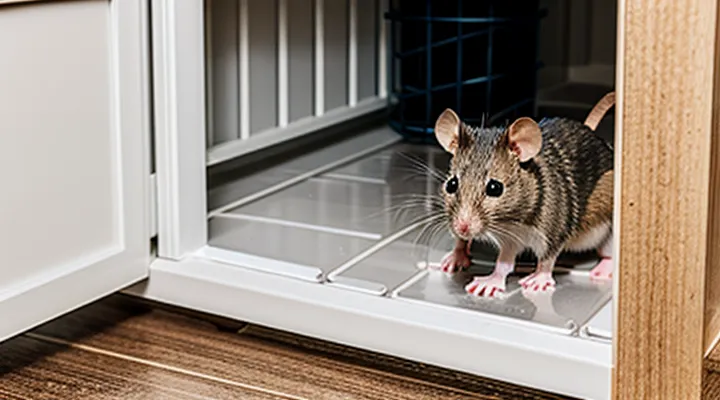
Understanding the Mouse Problem
Signs of a Mouse Infestation
Droppings and Urine
Droppings and urine provide the most reliable indicators of a mouse presence, allowing rapid assessment of infestation severity. Fresh droppings appear as small, dark, rice‑shaped pellets; older deposits turn gray and become brittle. Urine stains manifest as faint, yellowish spots on surfaces, often accompanied by a characteristic ammonia odor. Both waste products contain pathogens such as Hantavirus, Salmonella, and leptospirosis agents, posing significant health hazards to occupants.
Effective control programs require immediate removal and disinfection of contaminated areas. Steps include:
- Wearing disposable gloves and a mask to prevent inhalation of aerosolized particles.
- Collecting droppings with a damp paper towel; avoiding dry sweeping, which disperses particles.
- Applying an EPA‑registered disinfectant, such as a 1 % bleach solution, to all affected surfaces.
- Allowing the disinfectant to remain wet for at least ten minutes before wiping clean.
- Disposing of used materials in sealed bags and removing them from the premises.
Accurate identification of droppings and urine also guides placement of traps and bait stations. Concentrated deposits signal high‑traffic routes; positioning control devices along these pathways maximizes capture rates and reduces the need for extensive chemical applications. Continuous monitoring of waste accumulation confirms the success of eradication efforts and informs timely adjustments to the control strategy.
Gnaw Marks and Damage
Gnaw marks appear as clean, crescent‑shaped incisions on wood, plastic, wiring and insulation. Their presence confirms active foraging and indicates the routes mice use to access food, shelter and nesting sites.
Typical damage includes:
- Structural compromise: chewed support beams, baseboards and furniture legs weaken load‑bearing elements.
- Electrical hazards: stripped insulation and exposed conductors create short‑circuit risk and fire danger.
- Contamination: gnawed containers release food residues, fostering bacterial growth and attracting additional pests.
Identifying gnaw marks directs control actions. Sealing openings near the observed damage prevents re‑entry, while placing bait stations along the same pathways maximizes exposure. Monitoring the progression of marks reveals whether interventions are effective or if new entry points have emerged.
Routine inspection of walls, cabinets and appliances detects early signs before extensive damage occurs. Combining physical barriers with proven baiting techniques reduces population size and eliminates the source of gnawing activity.
Sounds and Nests
Acoustic deterrents exploit mice’s sensitivity to high‑frequency sounds that fall outside human hearing range. Ultrasonic emitters generate continuous tones between 20 kHz and 65 kHz, disrupting foraging and nesting behavior. Effective deployment requires placement near walls, under cabinets, and adjacent to known entry points, ensuring line‑of‑sight coverage and minimal obstruction by furniture. Devices should operate 24 hours a day; intermittent schedules allow mice to habituate and diminish efficacy.
Targeting nests directly reduces population stability. Identification relies on locating shredded material, droppings, and gnaw marks in concealed areas such as behind appliances, within wall cavities, and beneath insulation. Once identified, the following actions are recommended:
- Remove all nesting material; discard in sealed bags.
- Apply a non‑toxic repellent (e.g., peppermint oil‑infused pads) to the emptied site.
- Seal entry gaps with steel wool and caulk to prevent re‑occupation.
- Install snap traps or electronic traps at the perimeter of the cleared zone.
Combining ultrasonic deterrence with systematic nest disruption interrupts communication, disorients foraging, and eliminates breeding sites, delivering a comprehensive reduction in indoor mouse activity.
Why Mice are a Problem
Health Risks
Mice carry pathogens that can contaminate food, surfaces and air. Commonly transmitted diseases include hantavirus pulmonary syndrome, salmonellosis, leptospirosis and Lymphocytic choriomeningitis. Contact with droppings, urine or saliva may trigger allergic reactions and exacerbate asthma.
Control measures introduce additional health considerations. Chemical rodenticides contain anticoagulants, neurotoxins or metal phosphides that can be absorbed through skin, inhaled as dust, or ingested accidentally, especially by children and pets. Improper placement of snap traps or glue boards may cause injuries, puncture wounds and secondary infections.
Key risks to monitor:
- Anticoagulant poisoning: bruising, bleeding, gastrointestinal distress.
- Neurotoxic exposure: tremors, seizures, respiratory failure.
- Metal phosphide inhalation: nausea, vomiting, pulmonary edema.
- Physical trauma from traps: lacerations, bacterial contamination.
- Allergic sensitization to rodent dander and droppings: sneezing, wheezing, skin rash.
Mitigation strategies include using bait stations with child‑proof locks, wearing protective gloves and masks when handling poisons, sealing food containers, and disposing of dead rodents in sealed bags. Regular sanitation reduces dander accumulation and lowers the likelihood of disease transmission.
Adhering to these precautions minimizes the health hazards associated both with the presence of mice and with the methods employed to eradicate them.
Property Damage
Mice generate extensive «property damage» through gnawing, nesting, and contamination. Their incisors continuously grow, prompting relentless chewing on electrical wiring, wooden frames, and insulation, which creates fire hazards and compromises structural integrity. Saliva and urine introduce pathogens that stain fabrics, corrode metal surfaces, and attract secondary pests.
Typical damage includes:
- Chewed electrical cords, increasing short‑circuit risk.
- Compromised wooden beams and furniture from gnaw marks.
- Torn insulation and drywall, reducing thermal efficiency.
- Stained upholstery and carpeting from urine deposits.
- Corroded metal fixtures and appliances due to moisture and bacterial growth.
Effective elimination strategies must target the sources of «property damage». Sealing entry points prevents access to structural components, while bait stations reduce population pressure, limiting ongoing gnawing. Integrated pest‑management programs combine habitat modification, monitoring, and targeted rodenticides to protect both the building envelope and interior assets. Immediate remediation of identified damage, followed by preventive measures, curtails future losses and preserves the home’s value.
Prevention: The First Line of Defense
Sealing Entry Points
Identifying Gaps and Cracks
A thorough inspection of the building envelope reveals the primary pathways mice exploit to enter residential spaces. Small openings, often overlooked, provide sufficient clearance for rodents to infiltrate kitchens, basements, and attics.
Key steps for locating these vulnerabilities:
- Examine foundation walls for mortar deterioration, displaced bricks, or gaps around utility penetrations.
- Inspect door and window frames; verify that weather‑stripping is intact and that hinges function without creating gaps.
- Survey interior walls and ceilings for cracks caused by settlement, plumbing leaks, or pest activity.
- Check vents, exhaust fans, and chimney flues; ensure screens are present and undamaged.
- Review gaps around plumbing, electrical conduits, and cable entries; measure clearances to confirm they are less than the mouse’s body width (approximately 0.5 in).
After identification, seal each opening with appropriate materials: steel wool combined with expanding foam for irregular gaps, cement or mortar for masonry cracks, and silicone caulk for flexible joints. Install metal mesh or hardware cloth over larger openings such as vent covers to prevent re‑entry.
Regular maintenance, including periodic visual checks and prompt repair of new fissures, sustains the integrity of the barrier. Continuous monitoring eliminates the risk of unnoticed gaps, thereby reinforcing the overall rodent‑control strategy.
Materials for Sealing
Effective mouse control hinges on eliminating access routes. Selecting appropriate sealing materials blocks gaps that rodents exploit.
- Steel wool, densely packed, resists chewing; combine with caulk for durable closure of cracks around pipes and vents.
- Copper mesh provides similar resistance with corrosion resistance; suitable for outdoor foundations and crawl‑space openings.
- Silicone or acrylic caulk fills narrow seams around windows, doors, and baseboards; cure creates an airtight barrier.
- Expanding polyurethane foam expands to fill irregular voids behind siding and insulation; once hardened, it remains impenetrable.
- Sheet metal flashing, cut to size, seals larger openings such as utility penetrations and vent louvers; fasten with screws for long‑term security.
- Concrete patching compound repairs substantial gaps in foundations and concrete walls; smooth finish prevents future entry.
- Weatherstripping strips, installed on door thresholds and movable panels, block low‑profile gaps while maintaining functionality.
Apply each material according to manufacturer specifications. Prioritize inspection of exterior walls, roof eaves, and utility entries to identify vulnerable points. Regular maintenance of seals sustains protection against re‑infestation.
Maintaining a Clean Environment
Food Storage Best Practices
Proper food storage removes a primary attractant for house rodents, thereby supporting any control strategy. Seal all containers with airtight lids; glass, metal, or heavy‑wall plastic are preferable to thin plastic bags. Store grains, cereals, and pet food in dedicated, rodent‑proof cabinets. Keep pantry shelves clear of spills; clean surfaces immediately after handling food. Position food supplies away from walls and floor, creating a gap that deters climbing. Rotate stock regularly to avoid stale or expired items that emit strong odors.
Key practices:
- Use containers rated “rodent‑proof” or with locking mechanisms.
- Place items on elevated platforms, at least 12 inches above the floor.
- Install metal shelving; wood can be gnawed and compromised.
- Maintain a strict cleaning schedule: sweep, vacuum, and wipe down storage areas daily.
- Dispose of waste in sealed bins; empty them frequently to prevent buildup.
Implementing these measures reduces food availability for mice, limits their ability to establish nesting sites, and enhances the overall effectiveness of eradication efforts.
Waste Management
Effective mouse control in residential settings depends heavily on proper waste management. Food remnants, overflowing trash cans, and unsecured compost bins provide a reliable food source that encourages rodent activity. Eliminating these resources reduces the likelihood of mice entering living spaces and weakens existing colonies.
Key practices include:
- Store all waste in containers equipped with tight‑fitting lids; replace damaged seals promptly.
- Transfer trash to an external bin no more than 24 hours after collection; keep the external bin away from building walls.
- Rinse recyclable containers before disposal to remove residue that may attract rodents.
- Maintain a regular cleaning schedule for kitchen counters, floors, and under appliances; remove crumbs and spills immediately.
- Compost only in sealed, rodent‑proof units; position units on non‑soil surfaces such as concrete or metal platforms.
«Rodent infestations are often linked to food waste», notes the National Pest Management Association, emphasizing that disciplined waste handling directly curtails mouse populations. Consistent application of these measures complements other control tactics, creating an environment where mice cannot thrive.
Outdoor Considerations
Landscaping and Vegetation
Effective mouse control begins outside the building envelope. Proper landscaping reduces shelter and food sources that attract rodents. Maintaining a clear perimeter prevents mice from using vegetation as a bridge to the foundation.
Trim shrubs and trees to a distance of at least one meter from the house. Remove any low‑lying branches that touch the roof or walls. Keep grass short and avoid dense ground cover near entry points. Eliminate piles of leaf litter, compost, and firewood that provide nesting material. Regularly clear debris and fallen fruit from garden beds.
Select plant species that are less appealing to rodents. Dense, thorny hedges such as barberry or hawthorn create a physical barrier, while aromatic herbs like mint, rosemary, and sage can act as natural repellents. Plant these around doors, windows, and foundation cracks.
Implement structural measures integrated with vegetation management:
- Install a solid base of gravel or crushed stone extending two feet from the foundation to discourage burrowing.
- Place metal flashing or hardware cloth beneath raised flower beds and along the base of exterior walls.
- Use raised planters with sealed bottoms to prevent mice from accessing soil directly.
Maintain the landscape throughout the year. Seasonal pruning, removal of dead vegetation, and inspection of irrigation systems for leaks remove water sources that sustain mouse populations. Consistent upkeep eliminates the conditions that enable rodents to establish footholds around the home.
Storage Practices
Proper storage eliminates food sources that attract rodents, reducing the likelihood of infestation.
Key practices include:
- Seal all containers with tight‑fitting lids; metal or heavy‑wall plastic containers provide the greatest barrier.
- Store dry goods on elevated shelves, away from walls and floor vents, to prevent easy access.
- Keep pantry doors closed; install self‑closing mechanisms where possible.
- Regularly rotate stock, discarding items past their expiration date to avoid spoilage that draws mice.
- Use airtight bins for pet food and birdseed; place them in cupboards rather than on countertops.
Consistent implementation of these measures deprives mice of sustenance, supporting the overall strategy for effective rodent eradication in residential environments.
Effective Elimination Strategies
Trapping Methods
Snap Traps
Snap traps provide immediate mechanical kill, eliminating rodents without chemical exposure. The device consists of a spring‑loaded bar that releases when a mouse triggers a pressure plate, delivering a lethal blow within milliseconds. No poison residue remains, making the method suitable for kitchens, pantry areas, and homes with children or pets.
Key factors for optimal performance include:
- Placement along walls, behind appliances, and near known activity zones; mice travel close to baseboards and avoid open spaces.
- Use of attractive bait such as peanut butter, dried fruit, or small pieces of cheese; apply a pea‑sized amount to the trigger platform to encourage contact.
- Selection of a trap size matching the target rodent; standard mouse traps accommodate adult mice while larger traps address rats.
- Regular inspection, typically every 12‑24 hours, to remove captured rodents and reset the mechanism, preventing odor buildup that may deter further catches.
Safety considerations demand secure disposal of deceased mice in sealed bags before discarding in an outdoor trash container. Position traps out of reach of non‑target animals; many models feature a shielded trigger to reduce accidental activation. Replace worn springs or damaged plates promptly to maintain consistent snap force.
Long‑term effectiveness relies on integrating snap traps with habitat modification: sealing entry points, eliminating food sources, and maintaining cleanliness. When used consistently, snap traps achieve rapid population reduction, offering a proven, low‑maintenance solution for household mouse control.
Live Traps
Live traps provide a humane alternative for controlling mouse populations indoors. The device consists of a compartment that lures a mouse with bait and closes automatically when the animal enters, allowing capture without lethal force.
Key characteristics of effective live traps include:
- Sturdy construction to prevent escape once the door shuts.
- Transparent walls for visual monitoring without disturbance.
- Adjustable trigger sensitivity to accommodate varying mouse sizes.
- Secure locking mechanism that resists tampering by the captured rodent.
Proper deployment maximizes capture rates. Place traps along established runways, typically within 1‑2 feet of walls, and position them perpendicular to the wall to align with the mouse’s natural tendency to travel close to edges. Use a small amount of high‑protein bait such as peanut butter, sunflower seeds, or dried fruit. Replace bait daily to maintain attraction.
After capture, relocate the mouse at least 200 feet from the residence, preferably in a wooded area with natural cover. Release the animal promptly to reduce stress. Clean the trap with mild detergent and disinfectant before reuse to prevent disease transmission.
Recommended models for residential use are:
- Multi‑catch traps capable of holding several mice simultaneously, reducing the need for frequent checking.
- Single‑catch traps with a quick‑release latch for easy handling.
- Box‑type traps with ventilation holes to ensure adequate airflow.
Live traps, when integrated into a comprehensive pest‑management plan, contribute to sustained mouse control while adhering to humane standards.
Electronic Traps
Electronic traps deliver a rapid, humane solution for indoor mouse control. The devices emit a high‑voltage shock when a rodent completes an electrical circuit, causing immediate incapacitation. Batteries or mains power supply the charge, allowing placement in concealed locations without the need for bait.
Key characteristics to evaluate:
- Power source – rechargeable lithium‑ion batteries provide several weeks of operation; plug‑in models ensure continuous readiness.
- Trigger sensitivity – adjustable thresholds prevent false activations from insects or debris.
- Capacity – internal storage compartments hold multiple deceased mice, reducing the frequency of emptying.
- Safety features – insulated housings and automatic shut‑off prevent accidental contact with humans or pets.
Effective deployment follows a systematic approach:
- Identify high‑traffic zones such as kitchen cabinets, pantry shelves, and wall voids.
- Position traps perpendicular to the mouse’s expected path, with the entry side facing the likely direction of travel.
- Maintain a clear line of sight to the sensor area; avoid clutter that could obstruct contact.
- Inspect devices weekly, replace depleted batteries, and dispose of captured rodents according to local regulations.
Advantages include instant results, elimination of poison hazards, and suitability for households with children or pets. Limitations involve the need for regular power maintenance and a higher upfront cost compared with traditional snap traps.
When selecting an electronic trap, prioritize models with documented kill rates exceeding 95 %, robust construction, and warranty coverage. Proper placement and routine upkeep maximize efficacy, making electronic traps a reliable component of comprehensive mouse eradication strategies.
Placement Strategies
Effective mouse control begins with precise placement of deterrents, traps, and exclusion measures. Positioning determines exposure, intercepts travel routes, and maximizes contact with target rodents.
- Install snap traps along established pathways, typically within 1–2 feet of walls where mice travel; align trigger plates perpendicular to the wall to ensure proper engagement.
- Deploy bait stations in concealed corners of cabinets, pantry shelves, and under appliances; keep stations at least 12 inches apart to prevent competition and reduce bait avoidance.
- Seal entry points using steel‑wool or copper mesh, followed by caulking or expanding foam; prioritize gaps around pipes, vents, and utility openings no larger than ¼ inch.
- Place ultrasonic emitters at ceiling height in high‑traffic rooms; ensure devices cover overlapping zones to eliminate blind spots.
- Position sticky boards beneath sinks and along baseboards; replace when discoloration indicates capture activity.
- Arrange live‑catch cages near food storage areas, positioning doors toward the anticipated direction of mouse movement; check cages twice daily to prevent stress.
Strategic placement integrates knowledge of mouse behavior with physical barriers, creating a comprehensive framework that minimizes infestations and supports long‑term prevention.
Baits and Rodenticides
Types of Baits
Effective rodent control relies on selecting the appropriate bait. Bait categories differ in composition, mode of action, and suitability for various infestation scenarios.
- Mechanical baits – solid blocks or pellets containing anticoagulant compounds such as bromadiolone or difenacoum; induce internal hemorrhage after ingestion.
- Poison baits – liquid or gel formulations with acute toxins like bromethalin; cause rapid neurological failure.
- Food‑based baits – natural attractants (peanut butter, chocolate, grains) combined with low‑dose anticoagulants; useful for discreet placement in concealed areas.
- Non‑chemical baits – traps with scented lures (e.g., pheromone‑infused pads) that attract mice without toxic agents; appropriate where chemical use is restricted.
- Hybrid baits – dual‑action products that pair a slow‑acting anticoagulant with a fast‑acting irritant; designed to reduce bait shyness while ensuring lethal dose.
Selection criteria include infestation severity, location accessibility, presence of non‑target animals, and regulatory constraints. For high‑traffic zones, mechanical or poison baits with proven efficacy are preferred; in food‑storage areas, non‑chemical lures minimize contamination risk. Ensure bait placement adheres to safety guidelines, positioning devices along walls, behind appliances, and near known travel paths. Regular monitoring and timely replacement maintain optimal control performance.
Safety Precautions
When employing rodent‑control measures, protect health and property by following these precautions.
Wear disposable gloves and a mask while handling baits, snap traps, or electronic devices. This barrier prevents skin contact with anticoagulant poisons and reduces inhalation of dust from crushed insects.
Store all toxic substances in sealed containers, out of reach of children and pets. Label each container with the active ingredient and expiration date to avoid accidental misuse.
Place snap traps and glue boards on stable surfaces, away from high‑traffic areas. Secure traps with a backing board to prevent them from tipping over and causing injuries.
Ventilate rooms where powdered or liquid repellents are applied. Open windows and use fans for at least 30 minutes after treatment to disperse residual fumes.
Dispose of used traps, dead rodents, and contaminated materials in sealed bags. Place bags in an outdoor waste bin that is regularly emptied to eliminate disease vectors.
Inspect electrical outlets before installing electronic repellents. Ensure power cords are intact and that devices are placed on non‑conductive surfaces to avoid fire hazards.
Maintain a clean environment by sealing entry points, removing food sources, and regularly cleaning crumbs. Reducing attractants diminishes the need for chemical interventions, thereby lowering exposure risk.
Strategic Placement
Strategic placement determines the success of any residential mouse‑control program. Correct positioning of traps, bait stations, and exclusion measures concentrates effort on the most active rodent pathways and reduces the time required to achieve a population collapse.
Identify high‑traffic zones by inspecting for fresh droppings, gnaw marks, and grease trails along walls, beneath appliances, and near food storage. Focus on the following locations:
- Interior corners where walls meet floors, especially within 12 inches of concealed openings.
- Behind or beneath furniture that provides shelter, such as sofas, cabinets, and refrigerators.
- Along established runways marked by parallel droppings, typically 2–6 feet apart.
Deploy snap traps or electronic devices perpendicular to the wall, with the trigger end facing the anticipated entry direction. Maintain a spacing of 1–2 feet between devices on the same runway to ensure overlap of strike zones.
Position bait stations in concealed but accessible spots, avoiding direct contact with children or pets. Recommended sites include:
- Inside cabinets, behind removable shelves.
- Within wall cavities accessed through drilled pilot holes.
- In utility areas, such as laundry rooms, where moisture attracts rodents.
After placement, seal all identified entry points using steel wool, caulk, or copper mesh. Close gaps larger than ¼ inch to prevent re‑infestation. Continuous monitoring of trap success rates and periodic adjustment of device locations sustain pressure on the mouse population until activity ceases.
Effective strategic placement integrates thorough site assessment, precise device orientation, and comprehensive exclusion, delivering rapid and lasting rodent control in the home.
Natural Deterrents
Peppermint Oil
Peppermint oil serves as a natural rodent deterrent, leveraging a potent aromatic profile that mice find intolerable. The volatile compounds, primarily menthol and menthone, disrupt the olfactory receptors of rodents, prompting avoidance of treated zones.
Application requires consistent coverage and strategic placement. Effective use follows these steps:
- Dilute pure peppermint oil with water at a ratio of 10 ml oil to 1 liter water; add a mild surfactant to improve adherence.
- Soak cotton balls or small cloth pads in the solution.
- Position soaked material near entry points, along baseboards, and in concealed areas such as cabinets and pantry corners.
- Refresh the treatment every 3–4 days to maintain volatile potency, especially in high‑traffic environments.
Peppermint oil alone does not eradicate established infestations. Integration with physical barriers, proper sanitation, and trapping enhances overall control. Persistent monitoring remains essential to verify reduction in mouse activity.
Other Essential Oils
Essential oils beyond peppermint exhibit measurable deterrent effects on house‑bound rodents. Empirical observations indicate that volatile compounds in these botanicals disrupt scent trails and create an environment unfavorable to mouse habitation.
- «Eucalyptus» – high‑cineole content; apply 2 % solution to baseboards and entry points.
- «Citronella» – limonene‑rich extract; spray 1 % mixture near food storage areas.
- «Rosemary» – rosmarinic acid and camphor; diffuse 0.5 % blend in closets and attics.
- «Clove» – eugenol dominant; place soaked cotton balls in concealed corners, replace weekly.
- «Tea tree» – terpinen‑4‑ol; mist 1 % solution on cabinets and shelving.
- «Lavender» – linalool concentration; use 0.5 % spray around nesting sites.
Consistent application of these formulations, combined with sanitation and exclusion measures, strengthens overall rodent‑management protocols.
Ultrasonic Devices
Ultrasonic emitters generate sound waves above 20 kHz, a frequency inaudible to humans but perceived as distress by rodents. The devices exploit this physiological sensitivity to deter mice from entering treated zones.
Field trials indicate modest reductions in rodent activity, typically ranging from 20 % to 40 % when devices operate continuously in confined spaces. Effectiveness declines in cluttered environments where sound waves are absorbed or reflected. Comparative studies report higher success rates for mechanical traps and bait stations, suggesting ultrasonic units function best as supplemental tools rather than primary solutions.
Practical guidelines for optimal deployment:
- Position units at least 12 inches from walls, ceilings, and furniture to prevent acoustic blockage.
- Ensure overlapping coverage in larger rooms; a single emitter rarely exceeds a 150‑square‑foot radius.
- Replace batteries or verify power supply every six months to maintain output intensity.
- Conduct periodic inspections for dust accumulation, which attenuates ultrasonic transmission.
- Combine with exclusion methods (sealed entry points) and monitoring devices to verify population decline.
«Ultrasonic emitters reduced mouse activity by 30 % in controlled environments», a peer‑reviewed report concludes that the technology offers limited but measurable impact when integrated into a comprehensive pest‑management plan.
When to Call a Professional
Large Infestations
Large mouse populations demand a coordinated response that addresses entry, food sources, and population control simultaneously. Initial action focuses on sealing gaps larger than a quarter‑inch, using steel‑wool, caulk, or expanding foam to block routes from walls, foundations, and utility penetrations. Reducing available sustenance involves storing dry goods in airtight containers, promptly cleaning crumbs, and eliminating standing water that can attract rodents.
Effective eradication combines multiple control tools:
- Snap traps placed along walls, perpendicular to travel paths, with baits such as peanut butter or chocolate.
- Multi‑catch traps that retain several individuals, reducing the need for frequent resetting.
- Rodenticide stations positioned in concealed locations, calibrated to local regulations and safety guidelines.
- Professional exterminators delivering targeted bait placements and, when necessary, fumigation for severe infestations.
Monitoring continues after initial reduction; daily inspection of trap activity and periodic re‑sealing of newly discovered openings sustain long‑term success. A study from the University of Illinois reported a 78 % decline in mouse counts within four weeks when integrated sealing, trapping, and baiting were applied together «Integrated pest management dramatically outperforms single‑method approaches in dense infestations».
Persistent Problems
Persistent mouse infestations often undermine even the most scientifically validated control strategies. The underlying issues tend to reappear after initial success, demanding continuous attention.
Common obstacles include:
- Bait aversion caused by previous exposure to sub‑lethal doses of rodenticides, leading mice to ignore conventional poison blocks.
- Trap shyness, where rodents learn to avoid snap traps after witnessing a failed capture, reducing trap efficacy.
- Structural entry points that remain unrepaired, allowing new individuals to infiltrate despite interior treatments.
- Reproductive bursts triggered by seasonal temperature changes, rapidly expanding populations after a brief decline.
- Non‑target risks, particularly when pets share the living space, limiting the use of toxic baits and necessitating alternative methods.
- Human behavior such as improper food storage or clutter accumulation, creating attractants that sustain mouse activity.
Addressing these problems requires a coordinated approach: sealing gaps, rotating bait types, employing multiple trap modalities, and maintaining rigorous sanitation. Continuous monitoring and timely adjustments prevent the resurgence of the pest, ensuring that control measures remain effective over the long term.
Safety Concerns
Safety considerations must accompany any strategy for removing rodents from residential spaces. Exposure to toxic substances, accidental injury from mechanical devices, and risks to non‑target occupants represent the primary hazards.
- Chemical baits contain anticoagulants or neurotoxins; ingestion by children, pets, or wildlife can cause severe physiological effects. Ensure that products carry clear labeling and comply with «EPA regulations». Store containers out of reach, preferably in locked cabinets.
- Snap traps present a mechanical threat. Improper placement near foot traffic or in areas accessed by pets may result in lacerations or blunt‑force injuries. Use traps with protective shields and position them on flat surfaces to prevent accidental activation.
- Glue boards retain rodents by adhesion. Contact with skin can cause painful detachment and potential allergic reactions. Wear disposable gloves during placement and removal; dispose of boards in sealed bags.
Mitigation measures reduce these dangers. Select bait formulations with low secondary toxicity, such as those requiring direct consumption to be lethal. Deploy traps within sealed bait stations that restrict entry to the target species. Conduct a thorough inspection of the home to identify and seal entry points, limiting the need for repeated applications of hazardous agents. When disposal is required, follow local hazardous‑waste guidelines to prevent environmental contamination.