
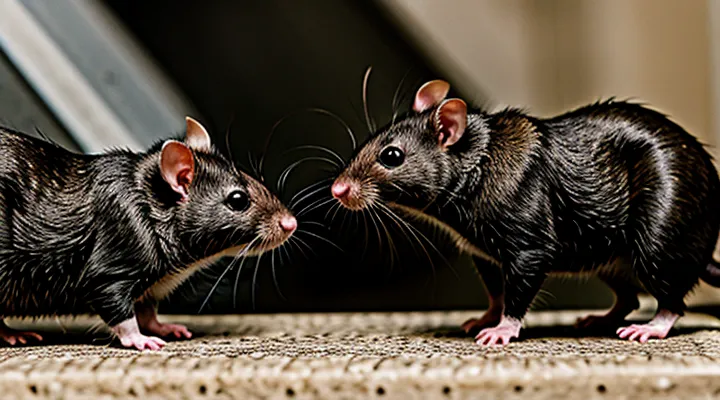
What are Mites?
Common Mite Species Affecting Rats
Rats commonly host several mite species that can cause dermatological irritation, secondary bacterial infection, and, in severe cases, systemic effects. Understanding the biology and clinical presentation of each mite aids accurate diagnosis and effective control.
-
Ornithonyssus bacoti (tropical rat mite) – A blood‑feeding ectoparasite found on the fur and skin of laboratory and wild rats. Adults are reddish‑brown, 0.5–1 mm long, and move rapidly across the host’s body. Infestations produce intense pruritus, erythema, and crusted lesions, especially around the ears, neck, and tail base. The mite can survive off‑host for up to two weeks, facilitating transmission to humans and other rodents.
-
Laelaps echidnina – A predatory mite that feeds on skin debris and occasionally on blood. Adults measure 0.4–0.6 mm, with a dark brown dorsal shield. Infestation is often subclinical, but heavy loads may lead to alopecia and localized dermatitis. The species reproduces quickly; eggs are laid on the host’s fur, and larvae develop within 5–7 days.
-
Myobia musculi (hair follicle mite) – A microscopic mite (≈0.2 mm) that inhabits hair follicles and sebaceous glands. It causes pruritic papules and fine scaling, primarily on the dorsal coat. Life cycle completes in 7–10 days, with all stages occurring within the follicle. Infestations are generally self‑limiting but can exacerbate existing skin conditions.
-
Demodex spp. (follicular mites) – Two species, Demodex musculi and Demodex canis, colonize the sebaceous glands of rats. They are elongated, translucent organisms, 0.2–0.4 mm long. High mite densities produce folliculitis, erythema, and hair loss. Diagnosis requires microscopic examination of skin scrapings.
-
Psoroptes murinus – A surface‑dwelling mite that induces scaly crusts and intense itching. Adults are oval, 0.3–0.4 mm, and migrate across the epidermis. Infested rats display thickened skin, especially on the abdomen and limbs. The mite’s life cycle spans 10–14 days, with eggs deposited on the skin surface.
Effective management combines environmental sanitation, regular grooming, and targeted acaricide therapy. Ivermectin, selamectin, or milbemycin oxime formulations, administered at recommended dosages, eradicate most species. For infestations with O. bacoti, topical permethrin may provide rapid relief. Monitoring treatment response through repeat skin scrapings ensures complete elimination and prevents reinfestation.
Life Cycle of Rat Mites
Rat mites (commonly Ornithonyssus bacoti and Liponyssoides sanguineus) complete a rapid, direct life cycle on a single host. An adult female deposits 2–5 eggs per day onto the rodent’s fur or surrounding environment. Eggs hatch within 24–48 hours into six-legged larvae. The larval stage lasts 1–2 days, during which the mite seeks a blood meal from the host’s skin. After feeding, the larva molts into a protonymph, which possesses eight legs.
The protonymph undergoes a 2–3‑day feeding period, then molts to become a deutonymph. The deutonymph feeds for an additional 3–4 days before the final molt to the adult stage. Adult mites, fully engorged after a blood meal, live 10–14 days and reproduce continuously, sustaining the infestation.
Key points of the cycle:
- Egg deposition: 2–5 eggs/day, placed on host or substrate.
- Larva: 1–2 days, seeks first blood meal.
- Protonymph: 2–3 days, feeds and molts.
- Deutonymph: 3–4 days, feeds and molts.
- Adult: 10–14 days, repeated oviposition.
Environmental conditions accelerate development; temperatures of 25–30 °C and relative humidity above 70 % reduce stage durations. Inadequate sanitation or overcrowding provides ample refuge for eggs and nymphs, allowing the population to expand rapidly. Understanding each phase enables targeted control measures, such as environmental decontamination to eliminate eggs and nymphal habitats, combined with timely acaricidal treatment of infested rodents.
Recognizing Mite Infestations
Clinical Signs and Symptoms
Mites infesting laboratory and pet rats produce a recognizable set of clinical manifestations. Direct observation of the animal often reveals:
- Intense scratching or self‑grooming, sometimes leading to skin trauma.
- Localized or diffuse alopecia, most frequently around the ears, face, and ventral abdomen.
- Erythema, papules, or crusted lesions that may coalesce into larger plaques.
- Presence of visible mites or mite feces on the fur or in skin scrapings.
Systemic effects emerge when infestation intensity exceeds the host’s tolerance:
- Weight loss despite adequate feeding, reflecting increased metabolic demand and reduced nutrient absorption.
- Lethargy or reduced activity levels, indicating discomfort and possible anemia.
- Pallor of mucous membranes, suggestive of blood loss from chronic skin lesions.
- Poor coat condition and delayed wound healing, consistent with immune suppression.
In severe cases, secondary bacterial infections develop, producing purulent discharge and exacerbating tissue damage. Early identification of these signs enables prompt therapeutic intervention and reduces the risk of colony‑wide outbreaks.
Behavioral Changes
Infestation by ectoparasitic mites induces distinct alterations in rat behavior that assist clinicians in recognizing parasitic disease. Affected rodents often display increased grooming frequency, targeting ears, dorsal coat, and tail base, where mites congregate. This self‑cleaning activity may become repetitive, leading to hair loss and skin lesions that are readily observable during physical examination.
Typical signs include:
- Reduced activity levels; infested rats spend more time stationary, conserving energy while coping with irritation.
- Altered feeding patterns; appetite diminishes when discomfort intensifies, sometimes causing weight loss.
- Aggressive or defensive reactions when handled; heightened sensitivity of mite‑infested skin provokes reflexive biting or scratching.
These behavioral cues, combined with visual skin changes, provide early diagnostic clues before laboratory confirmation. Prompt identification enables timely initiation of acaricidal therapy, which mitigates further behavioral disruption and prevents secondary complications such as bacterial infection.
Effective treatment regimens—topical ivermectin, systemic milbemycin, or combination protocols—must be administered according to established dosage schedules. Monitoring post‑treatment behavior is essential: restoration of normal grooming frequency, renewed activity, and stable food intake indicate therapeutic success. Persistent abnormal behavior after treatment suggests residual infestation or secondary pathology, warranting reevaluation.
Skin Lesions and Hair Loss
Skin lesions and hair loss are common external manifestations of mite infestations in rats. Infestations by Myobia musculi, Radfordia affinis, and Ornithonyssus bacoti produce localized erythema, crusting, and alopecia, often concentrated on the head, ears, and dorsal trunk. Lesions result from mite feeding, mechanical irritation, and secondary bacterial colonization.
Clinical presentation:
- Erythematous papules or macules with serous exudate.
- Fine, dry scaling progressing to thick crusts.
- Patchy or diffuse alopecia, sometimes accompanied by broken hairs.
- Pruritus leading to self‑trauma, especially in the periorbital region.
Diagnosis relies on direct observation and laboratory confirmation. Light microscopy of skin scrapings or fur clippings reveals characteristic mite morphology. Tape impressions provide a non‑invasive sampling method; specimens are examined at 400× magnification for dorsal shields and setae patterns. Serological assays are unavailable; thus, microscopic identification remains the gold standard.
Treatment protocols focus on rapid mite eradication and lesion management. Recommended measures include:
- Topical acaricides (e.g., 0.5 % ivermectin gel) applied twice daily for five days.
- Systemic therapy with oral ivermectin (0.2 mg/kg) administered once, repeated after 48 hours.
- Environmental decontamination: thorough cleaning of cages, bedding replacement, and fumigation with pyrethrin‑based agents.
- Supportive care: topical antiseptics (chlorhexidine 0.05 %) to prevent bacterial superinfection; analgesics (meloxicam 0.2 mg/kg) for pain relief.
Monitoring after treatment should include weekly skin examinations for four weeks. Persistence of lesions or recurrence of hair loss warrants repeat acaricide cycles and evaluation for concurrent dermatophyte infection. Effective control of mite populations eliminates the primary cause of cutaneous damage and restores normal fur growth.
Secondary Infections
Mite infestations in laboratory and pet rats frequently predispose the host to bacterial, viral, and fungal pathogens that exploit compromised skin integrity and immune function. The primary lesions—pruritic crusts, alopecia, and ulceration—provide entry points for opportunistic organisms such as Staphylococcus aureus, Pseudomonas aeruginosa, and Candida spp. Concurrent viral agents, including rat coronavirus and Sendai virus, may proliferate when the host’s defenses are weakened by ectoparasite stress.
Accurate identification of secondary infections requires a systematic approach:
- Collect swabs from active lesions for bacterial culture and sensitivity testing.
- Perform fungal microscopy or culture when moist, macerated areas are present.
- Use PCR or ELISA panels to detect common viral co‑infections in symptomatic rats.
Treatment protocols must address both the primary ectoparasite burden and the accompanying pathogens:
- Administer a licensed acaricide (e.g., ivermectin or selamectin) according to weight‑based dosing, ensuring complete eradication of mites.
- Initiate targeted antimicrobial therapy guided by culture results; empiric broad‑spectrum agents are discouraged unless culture data are unavailable.
- Apply topical antifungal creams or systemic azoles for confirmed fungal involvement.
- Support immune function with balanced nutrition, stress reduction, and, when indicated, immunomodulatory agents.
Monitoring includes daily inspection of skin lesions, repeat cultures after 48–72 hours of therapy, and periodic serologic testing for viral loads. Resolution is confirmed when lesions heal without recurrence and laboratory results return to normal ranges.
Differential Diagnosis
Mite infestation in laboratory or pet rats produces dermatologic lesions, pruritus, and secondary skin changes that can mimic several other conditions. Accurate differentiation requires systematic evaluation of clinical signs, lesion distribution, and ancillary test results.
Key alternative diagnoses include:
- Bacterial skin infections – Staphylococcus aureus or Pseudomonas spp. generate erythema, exudate, and ulceration; culture and sensitivity testing confirm presence.
- Fungal dermatitis – Dermatophytes such as Trichophyton mentagrophytes cause circular alopecia and crusting; potassium hydroxide preparation or fungal culture distinguishes them.
- Other ectoparasites – Fleas, lice, or demodex mites produce similar pruritus; microscopic examination of skin scrapings identifies the specific arthropod.
- Internal parasitism – Protozoal agents (e.g., Giardia) or helminths may lead to weight loss and fur deterioration; fecal flotation or PCR assays detect these pathogens.
- Nutritional deficiencies – Low zinc or essential fatty acids result in alopecia and dermatitis; serum biochemistry and dietary history provide evidence.
- Environmental stressors – Overcrowding, high humidity, or poor sanitation exacerbate skin irritation; environmental assessment helps rule out these factors.
Laboratory confirmation of mite species relies on skin scrapings examined at 10–40 × magnification, followed by morphological identification. When scraping yields no mites but clinical suspicion remains, tape impressions or ear canal flushes serve as alternative sampling methods. Concurrent bacterial and fungal cultures should be performed to exclude co‑infections.
Therapeutic decisions hinge on the final diagnosis. If mites are confirmed, topical acaricides (e.g., selamectin) or systemic agents (e.g., ivermectin) are indicated. In cases where bacterial or fungal agents predominate, appropriate antimicrobial or antifungal regimens are required. Addressing environmental and nutritional contributors reduces recurrence risk and supports overall health.
Diagnosing Mite Infestations
Physical Examination
Physical examination remains the first step in identifying mite infestations in rats. Practitioners should conduct a systematic inspection that includes external and internal assessments.
- Visual inspection of the coat for alopecia, erythema, or crusted lesions, especially around the head, neck, and tail base.
- Observation of scratching or grooming behavior that exceeds normal limits.
- Examination of the ears for debris, wax accumulation, or erythema, which may indicate mite activity in the auditory canal.
- Palpation of the skin to detect firm nodules or thickened areas that suggest burrowing mites.
- Evaluation of the ventral abdomen and perianal region for scabs or ulcerations.
In addition to external signs, clinicians should record body weight, temperature, and respiratory rate, as systemic effects can accompany severe infestations. Blood sampling for complete blood count may reveal eosinophilia, supporting a parasitic diagnosis. Microscopic examination of skin scrapings or ear swabs provides definitive identification of mite species.
Combining thorough visual and tactile assessment with targeted laboratory tests enables accurate diagnosis and informs appropriate therapeutic choices.
Skin Scrapes and Microscopic Examination
Skin scrapes provide a direct sample of ectoparasites residing in the epidermis of laboratory rats. The procedure begins with gentle clipping of a 2–3 mm area of hair and superficial skin using sterile scissors. The exposed surface is moistened with saline, then a glass slide is pressed firmly against the tissue and moved back and forth to collect epidermal cells, crusts, and any attached mites.
The collected material is transferred to a drop of mineral oil or lactophenol on the same slide. Immediate examination under low‑power (10×) magnification locates motile organisms; subsequent high‑power (40×) observation reveals morphological details essential for species identification. Key diagnostic features include:
- Body shape (round, elongated, or oval)
- Leg count and arrangement (four pairs on adult mites)
- Setae pattern and length
- Presence of gnathosoma or chelicerae
Common rat ectoparasites detectable by this method are Myobia musculi, Demodex spp., and Psoroptes murinus. Myobia presents as a small, oval mite with distinct dorsal shields; Demodex appears as elongated, worm‑like organisms lacking legs; Psoroptes exhibits a larger, brownish body with well‑defined legs and a ventral sucker.
Interpretation of findings guides therapeutic decisions. Identification of Myobia or Psoroptes warrants topical acaricides such as selamectin or ivermectin, while Demodex infestations often respond to systemic treatment with milbemycin oxime. Re‑scraping after a 7‑day treatment interval confirms eradication.
Accurate skin‑scrape sampling and microscopic analysis remain essential components of parasitic disease management in rodent colonies, providing rapid, cost‑effective confirmation of mite presence and informing targeted control measures.
Tape Tests
Tape tests provide a rapid, non‑invasive method for detecting ectoparasitic mites on laboratory and pet rats. A piece of adhesive tape is pressed against the animal’s fur, typically along the neck, back, and ventral regions, then examined under a microscope for mite bodies, eggs, or fecal pellets. This technique captures surface-dwelling stages without sacrificing the host, allowing repeated sampling during treatment trials.
The standard procedure includes:
- Selecting a clear, low‑tack adhesive tape (e.g., cellophane or medical‑grade tape).
- Gently parting the fur and applying the tape for 5–10 seconds.
- Rolling the tape onto a glass slide, adding a drop of lactophenol or mineral oil to preserve specimens.
- Covering with a coverslip and scanning at 10–40× magnification.
- Recording mite species, developmental stage, and density per field of view.
Interpretation criteria:
- Presence of any mite stages confirms infestation; counts exceeding 5–10 per slide indicate moderate to heavy load.
- Species identification guides therapeutic choice; for example, detection of Myobia musculi warrants ivermectin or selamectin, whereas Ornithonyssus bacoti may require a combination of topical and systemic agents.
- Serial tape tests performed weekly track treatment efficacy; a decline to zero specimens across three consecutive samples signals successful eradication.
Limitations:
- Tape tests detect only mites residing on the surface; burrowing species may be underrepresented.
- Sample quality depends on operator technique; inadequate pressure or insufficient contact reduces sensitivity.
- Microscopic identification requires trained personnel; misidentification can lead to inappropriate therapy.
Biopsy and Histopathology
Biopsy of rodent skin, ear pinna, or gastrointestinal tract provides direct evidence of mite colonization and tissue reaction. Fresh specimens should be fixed in 10 % neutral‑buffered formalin within 30 minutes of collection to preserve parasite morphology and host inflammatory cells. After routine processing, sections are stained with hematoxylin‑eosin for general architecture, while special stains such as Giemsa or periodic acid‑Schiff enhance visualization of mite cuticle and internal structures.
Histopathological examination reveals several diagnostic features:
- Presence of adult mites, larvae, or eggs embedded in epidermis or subcutis.
- Hyperkeratosis and acanthosis surrounding the parasite.
- Infiltration of neutrophils, eosinophils, and macrophages indicating acute or chronic inflammation.
- Vascular proliferation or granuloma formation in prolonged infestations.
- Secondary bacterial colonies or fungal elements that may complicate treatment.
Interpretation of these findings guides therapeutic decisions. Confirmed mite presence justifies targeted acaricide administration, while extensive inflammatory changes may require adjunct anti‑inflammatory drugs. Absence of mites but presence of eosinophilic infiltrates suggests alternative parasitic or allergic etiologies, prompting further serologic or molecular testing.
Effective biopsy protocol and precise histopathological assessment are essential components of comprehensive management of parasitic mite disease in rats.
Treatment Protocols
Topical Treatments
Topical acaricides constitute the primary line of defense against mite infestations in rats when rapid parasite clearance is required. Products formulated for dermal application penetrate the cuticle and reach mites residing on the skin, fur, and ear canals, delivering lethal concentrations within minutes to hours. Efficacy depends on proper dosing, thorough coverage of the animal’s body, and adherence to the product’s withdrawal interval for research colonies.
Commonly employed topical agents include:
- Ivermectin solution (1 % or 0.5 %): administered at 0.2 mg/kg, repeated after 7 days for persistent species.
- Selamectin spot‑on (6 mg/ml): one dose of 0.2 ml per 30 g rat, effective against a broad spectrum of ectoparasites.
- Moxidectin cream (1 %): applied at 0.1 ml per 20 g, providing extended residual activity up to 14 days.
- Pyrethrin‑based sprays: applied according to label directions, useful for immediate knock‑down but limited residual effect.
- Neem oil emulsions (5 %): used as a natural alternative; requires daily application for three consecutive days.
Safety considerations mandate that all topical preparations be free of organophosphates and carbamates to avoid neurotoxicity in rodents. Prior to treatment, the animal’s skin should be inspected for lesions; compromised integument may increase systemic absorption and exacerbate adverse reactions. In breeding colonies, treat only the affected individuals and their immediate cage mates to prevent re‑infestation while minimizing chemical exposure to neonates.
Post‑treatment monitoring involves weekly visual examinations and, when feasible, skin scrapings examined under microscopy to confirm mite elimination. Persistence of live mites after two treatment cycles warrants a switch to an alternative class of acaricide or the addition of environmental decontamination measures such as bedding replacement and cage disinfection. Documentation of dosage, product batch, and treatment dates is essential for traceability and for evaluating resistance development within mite populations.
Antiparasitic Spot-Ons
Antiparasitic spot‑on formulations are topically applied liquid preparations designed to eliminate ectoparasites that infest laboratory and pet rodents. The products disperse across the animal’s skin, entering the bloodstream and reaching the surface of the fur where mites reside. Systemic distribution provides continuous protection for several weeks, reducing the need for frequent handling.
Key active ingredients commonly employed include:
- Selamectin – interferes with neurotransmission in arthropods, leading to paralysis and death.
- Ivermectin – binds to glutamate‑gated chloride channels, causing hyperpolarization of nerve cells.
- Milbemycin oxime – disrupts GABA‑gated chloride channels, resulting in loss of motor function.
- Fipronil – blocks GABA‑gated chloride channels, producing rapid knock‑down of mites.
Application protocol:
- Weigh the rat to determine the correct dose based on the product’s concentration chart.
- Restrain the animal gently, exposing the dorsal cervical region.
- Apply the measured volume directly onto the skin, avoiding contact with eyes or mucous membranes.
- Allow the animal to dry for several minutes before returning it to the cage.
Efficacy data indicate a 90 %–98 % reduction in mite counts within 48 hours of a single treatment, with residual activity lasting 21–30 days for most formulations. Re‑infestation risk diminishes when spot‑ons are combined with environmental sanitation, including cage cleaning and bedding replacement.
Safety considerations emphasize the following points:
- Verify that the selected product is approved for rodent use; some canine‑or feline‑labelled spot‑ons exhibit toxicity in rats.
- Monitor for signs of hypersensitivity, such as excessive grooming, skin erythema, or respiratory distress, especially after the first application.
- Adjust dosage for juvenile or immunocompromised animals to prevent overdose.
Resistance management recommends rotating active ingredients annually and integrating non‑chemical control measures, such as heat treatment of cages and regular health surveillance, to sustain long‑term efficacy.
Medicated Baths
Medicated baths constitute a practical method for controlling ectoparasitic infestations in laboratory and pet rats. The procedure delivers therapeutic agents directly to the skin and fur, targeting mites that reside in the pelage and superficial layers of the epidermis.
The typical protocol includes the following steps:
- Prepare a bath solution using a water‑soluble acaricide (e.g., ivermectin, permethrin, or benzyl benzoate) at the concentration recommended by the manufacturer for rodent use.
- Warm the solution to 30–32 °C; temperature outside this range reduces efficacy and may cause thermal stress.
- Submerge the rat for 5–10 minutes, ensuring full coverage of the coat. Gentle agitation promotes uniform distribution of the drug.
- Rinse with clean, lukewarm water to remove residual product and prevent skin irritation.
- Dry the animal with a low‑heat blower or soft towels; avoid high‑temperature sources that could damage the integument.
Key considerations:
- Verify the specific mite species (e.g., Myobia musculi or Radfordia spp.) before selecting the acaricide, as susceptibility varies among taxa.
- Adjust dosage for body weight; standard calculations use 0.5–1 ml of a 1 % solution per 100 g of body mass.
- Conduct a pre‑treatment skin assessment to identify lesions, ulcerations, or allergic reactions that contraindicate immersion.
- Observe the rat for at least 30 minutes post‑bath for signs of distress, respiratory difficulty, or excessive grooming, which may indicate toxicity.
- Record treatment dates, concentrations, and observed outcomes to facilitate longitudinal monitoring of infestation control.
Medicated baths complement systemic therapies, offering rapid reduction of surface mite populations and minimizing reinfestation risk from environmental reservoirs. Proper formulation, dosage, and post‑treatment observation are essential to achieve therapeutic success while safeguarding animal welfare.
Oral Medications
Oral anthelmintics constitute the primary systemic approach for controlling mite infestations in rats. These agents reach the parasite through the host’s bloodstream, ensuring exposure of feeding stages that reside in the epidermis or hair follicles.
Ivermectin is administered at 0.2 mg/kg once daily for three consecutive days. It binds glutamate‑gated chloride channels, causing paralysis and death of the mites. Milbemycin oxime, dosed at 0.5 mg/kg weekly, offers a longer half‑life and effective coverage against Myobia and Radfordia species. Selamectin oral suspension, 0.2 mg/kg single dose, provides rapid onset and can be repeated after seven days if infestation persists. Moxidectin, given at 0.1 mg/kg every two weeks, is suitable for chronic management and has demonstrated activity against resistant mite populations.
Key considerations for oral therapy:
- Weight accuracy: calculate dose to the nearest gram to avoid sub‑therapeutic exposure.
- Species sensitivity: monitor for neurotoxicity, especially in young or immunocompromised rats.
- Drug interactions: avoid concurrent use of CYP450‑inducing agents that may reduce plasma concentrations.
- Resistance management: rotate classes annually and combine with environmental decontamination.
Therapeutic monitoring includes weekly observation for pruritus reduction and skin examination for residual lesions. Blood samples collected 24 hours post‑dose can verify plasma levels when resistance is suspected. Adjustments to dosing intervals or drug selection should be based on clinical response and laboratory findings.
Effective oral treatment requires precise dosing, awareness of pharmacokinetic profiles, and integration with hygiene protocols to prevent reinfestation.
Systemic Antiparasitics
Systemic antiparasitic agents are absorbed into the bloodstream and reach internal tissues, providing therapeutic coverage against ectoparasites that reside on rodents. When dealing with mite infestations in rats, these drugs complement topical treatments by eliminating parasites that have penetrated the host’s skin or entered the circulatory system.
Key pharmacological groups employed in rodent mite control include:
- Macrocyclic lactones (e.g., ivermectin, selamectin): bind glutamate‑gated chloride channels, causing paralysis and death of mites. Oral doses of 0.2–0.4 mg/kg achieve plasma concentrations sufficient for sustained activity over 5–7 days.
- Isoxazolines (e.g., fluralaner, afoxolaner): inhibit GABA‑gated chloride channels, resulting in rapid mite mortality. Single oral administrations of 25–50 mg/kg maintain effective levels for up to 14 days.
- Benzimidazoles (e.g., fenbendazole): interfere with microtubule assembly, leading to impaired mite development. Therapeutic regimens of 25 mg/kg administered daily for three consecutive days provide complete eradication in most cases.
Selection criteria for systemic therapy involve:
- Species‑specific susceptibility – laboratory‑derived efficacy data indicate higher sensitivity of Radfordia and Myobia spp. to macrocyclic lactones than to benzimidazoles.
- Pharmacokinetic profile – drugs with prolonged half‑lives reduce the need for repeated dosing, minimizing handling stress for the animal.
- Safety margin – ivermectin, for example, exhibits a wide therapeutic index in rats, but caution is required in neonates and immunocompromised individuals.
- Resistance patterns – documented resistance to macrocyclic lactones in Ornithonyssus spp. necessitates rotation with isoxazoline classes to preserve efficacy.
Monitoring treatment outcomes includes:
- Serial fecal examinations for mite ova to confirm clearance.
- Blood sampling to verify therapeutic plasma concentrations, especially when using agents with narrow safety windows.
- Observation for adverse reactions such as ataxia, tremors, or gastrointestinal upset, which may indicate overdosing.
Integrating systemic antiparasitics with environmental sanitation—removal of nesting material, regular cage cleaning, and control of wild rodent reservoirs—optimizes long‑term control of mite infestations in laboratory and pet rat populations.
Environmental Decontamination
Effective control of mite infestations in rodent colonies relies on rigorous environmental decontamination. The primary objective is to eliminate free‑living stages and prevent re‑introduction from contaminated surfaces, bedding, and equipment.
Cleaning procedures begin with removal of organic debris. All cages, racks, and accessories must be disassembled, scrubbed with a detergent solution, and rinsed thoroughly. Residual moisture should be minimized to avoid fostering mite survival.
Disinfection follows physical cleaning. Broad‑spectrum acaricides, such as 0.5 % permethrin or 2 % chlorhexidine, are applied by immersion or fogging. Contact time of at least 30 minutes ensures penetration of mite cuticles. For facilities using ozone or vaporized hydrogen peroxide, validation studies confirm >99 % kill rates for common rodent mites.
Sterilization of reusable items can be achieved with autoclaving at 121 °C for 15 minutes or with gamma irradiation at 25 kGy. Non‑heat‑tolerant materials require chemical sterilants (e.g., 70 % ethanol) followed by air‑drying in a contaminant‑free chamber.
Waste management prevents secondary contamination. Used bedding, nesting material, and disposable supplies must be sealed in biohazard bags and autoclaved before disposal. Spill kits containing absorbent pads and disinfectant wipes should be readily available in each work area.
Monitoring reinforces decontamination efficacy. Sticky traps placed in cage racks and surrounding rooms are inspected weekly; counts exceeding baseline trigger repeat decontamination cycles. Environmental swabs from surfaces are cultured to detect residual mite DNA, guiding targeted interventions.
Regular training of personnel ensures consistent application of protocols. Documentation of each cleaning, disinfection, and monitoring event creates an audit trail, facilitating compliance with institutional biosecurity standards.
Cleaning and Disinfecting Cages
Effective cage hygiene reduces the risk of mite transmission among laboratory rats and supports therapeutic regimens. Thorough removal of organic debris eliminates shelter and food sources for ectoparasites, while proper disinfection destroys eggs and surviving mites.
Cleaning protocol
- Empty cage; discard bedding, nesting material, food remnants, and waste.
- Rinse interior surfaces with warm water to loosen adherent matter.
- Scrub all surfaces using a brush and a detergent formulated for animal facilities; focus on corners, water bottles, and feeding trays.
- Rinse thoroughly to eliminate detergent residues.
- Dry cage completely before reassembly.
Disinfection guidelines
- Apply a broad‑spectrum acaricide approved for rodent environments (e.g., 0.5 % chlorhexidine, 5 % povidone‑iodine, or a quaternary ammonium compound validated against Sarcoptes spp.).
- Ensure the disinfectant contacts all surfaces for the manufacturer‑specified exposure time, typically 10–15 minutes.
- Rinse with deionized water if the product requires removal before reuse; otherwise, allow the cage to air‑dry.
- Verify that no residual odor or chemical remains that could stress the animals.
Preventive actions
- Replace bedding after each cleaning cycle; use low‑dust, absorbent material.
- Schedule weekly deep cleaning for all cages, with additional cycles after confirmed mite outbreaks.
- Store cleaning agents separately from feed and water supplies to avoid cross‑contamination.
- Maintain a log of cleaning dates, disinfectant concentrations, and contact times to ensure compliance with biosecurity standards.
Treating Bedding and Substrates
Effective control of mite infestations in rats requires regular management of bedding and substrate. Contaminated material serves as a reservoir for eggs and larvae; removal eliminates a primary source of re‑infection.
- Replace all bedding weekly with a clean, low‑dust substrate.
- Autoclave reusable items (cages, tunnels, enrichment) at 121 °C for 15 minutes before reuse.
- Disinfect non‑porous surfaces with a 1 % quaternary ammonium solution, allowing a 10‑minute contact time.
- Dispose of used bedding in sealed, biohazard bags; incinerate or autoclave before discarding.
For colonies housed on paper‑based or woodchip bedding, consider switching to a mineral‑based substrate that resists moisture retention, reducing mite survival. When using absorbent mats, wash them in hot water (≥60 °C) and dry at high temperature before returning to the cage.
Environmental monitoring should accompany these practices. Conduct weekly visual inspections of bedding for mite activity and perform tape‑sampling of substrate surfaces to confirm eradication. Prompt replacement of any compromised bedding prevents resurgence and supports overall health management of the rat population.
Addressing Secondary Infections
Mite infestations in laboratory rats frequently compromise skin integrity, creating portals for bacterial and fungal pathogens. Prompt identification of these opportunistic agents prevents rapid deterioration and reduces mortality. Diagnostic protocols combine visual assessment of lesions with microbiological sampling; swabs from ulcerated areas are cultured on selective media, and Gram staining distinguishes common bacterial culprits such as Staphylococcus aureus and Pseudomonas aeruginosa. Fungal involvement is confirmed through potassium hydroxide preparation and culture on Sabouraud agar.
Effective management integrates anti‑mite therapy with targeted antimicrobial treatment. Systemic antibiotics are selected based on culture‑sensitivity results; empiric choices include enrofloxacin for gram‑negative bacteria and amoxicillin‑clavulanate for mixed flora. Antifungal agents such as itraconazole are administered when mycotic infection is confirmed. Topical antiseptics (e.g., chlorhexidine) applied to lesions reduce surface colonization and support healing.
Supportive measures enhance recovery and limit secondary infection risk:
- Maintain cage humidity below 60 % to inhibit fungal growth.
- Replace bedding daily and disinfect cages with a 0.5 % sodium hypochlorite solution.
- Provide protein‑rich diet to promote tissue repair.
- Monitor weight and behavior daily; intervene at the first sign of anorexia or lethargy.
Long‑term prevention relies on strict biosecurity, regular health surveillance, and routine acaricide administration according to veterinary guidelines.
Preventing Mite Recurrence
Quarantine for New Rats
Quarantine isolates newly acquired rodents from established colonies, preventing the introduction of ectoparasites such as Trombiculidae and Demodex species. A dedicated enclosure, physically separated from the main housing area, must house each new rat for a minimum of 30 days. During this period, daily visual inspections for skin irritation, alopecia, or crusted lesions are required. Any animal showing signs of infestation should be removed immediately for diagnostic sampling.
- Place the quarantine cage in a room with independent ventilation.
- Use disposable bedding and change it at least twice weekly.
- Provide fresh water and food in sealed containers to avoid cross‑contamination.
- Record body weight, coat condition, and any abnormal behavior each day.
- Conduct skin scrapings or acetate tape tests on day 7, day 14, and day 28 to detect mite presence.
If diagnostic results are negative, the rat may be transferred to the main colony after cleaning the quarantine enclosure with an acaricide‑approved disinfectant. Positive findings mandate targeted treatment—topical ivermectin, selamectin, or systemic milbemycin—followed by a repeat quarantine cycle to confirm eradication.
Regular Cage Maintenance
Regular cage maintenance directly influences the control of ectoparasitic infestations in laboratory and pet rats. Clean environments reduce mite survival rates and limit opportunities for transmission, thereby supporting accurate diagnosis and effective therapeutic interventions.
Key maintenance practices include:
- Daily spot cleaning: Remove droppings, food remnants, and wet bedding to prevent moisture buildup.
- Weekly deep cleaning: Disassemble cages, wash all surfaces with a mild detergent, rinse thoroughly, and apply an approved disinfectant.
- Bedding replacement: Change bedding material at least twice weekly; use low‑dust, absorbent substrates that do not harbor mites.
- Equipment inspection: Examine water bottles, feeders, and cage accessories for cracks or debris that could conceal parasites.
- Environmental monitoring: Record temperature and humidity levels; maintain conditions below 70 % relative humidity to inhibit mite development.
Consistent implementation of these procedures enables early detection of mite activity during routine health checks. Prompt identification shortens the latency between onset and treatment, reduces the need for repeated medication courses, and minimizes the risk of reinfestation across colony units.
Nutritional Support and Stress Reduction
Nutritional support enhances immune function and accelerates recovery in rodents afflicted by mite infestations. A balanced diet should provide adequate protein (18‑25 % of calories), essential fatty acids, and vitamins A, D, E, and C, which contribute to skin integrity and parasite resistance. Supplementation with omega‑3 fatty acids reduces inflammatory responses in the dermal tissue affected by mites. Probiotic formulations containing Lactobacillus spp. stabilize gut flora, indirectly supporting systemic immunity.
Stress reduction lowers cortisol levels that suppress immune activity and can exacerbate mite proliferation. Environmental enrichment—such as nesting material, chewable objects, and regular handling—promotes natural behaviors and reduces anxiety. Maintaining a stable light‑dark cycle (12 h : 12 h) and ambient temperature (20‑22 °C) prevents physiological stressors that compromise skin health.
Practical measures:
- Provide a high‑quality rodent chow enriched with the nutrients listed above.
- Add a daily dose of a marine‑derived omega‑3 supplement (approximately 0.5 % of the diet).
- Offer a probiotic supplement (1 × 10⁹ CFU per day) during treatment.
- Include fresh vegetables (e.g., carrots, kale) to increase vitamin intake.
- Rotate enrichment items weekly to maintain novelty.
- Conduct brief, gentle handling sessions (5‑10 min) twice daily.
- Monitor cage temperature and humidity, adjusting as needed.
Implementing these nutritional and environmental strategies creates conditions that support the rat’s innate defenses, complementing pharmacological or mechanical mite control methods and improving overall treatment outcomes.
Routine Veterinary Check-ups
Routine veterinary examinations provide the primary opportunity to identify mite infestations in laboratory and pet rats before clinical signs become severe. During each visit, the clinician inspects the fur, skin, and ears for erythema, alopecia, or crusted lesions. Palpation of the dorsal and ventral body surfaces reveals any hidden burrows or adult mites. Microscopic examination of skin scrapings, ear swabs, or hair samples confirms species and load, allowing targeted therapy.
Key components of the examination include:
- Visual assessment of coat condition and skin integrity.
- Collection of at least two skin scrapings from different body regions.
- Otoscopic inspection of ear canals with swab sampling.
- Weight measurement and body condition scoring to monitor overall health.
Laboratory analysis should be performed within 24 hours to preserve mite viability. Identification of common rat mites, such as Ornithonyssus bacoti or Myobia musculi, guides selection of acaricides, systemic treatments, or environmental decontamination protocols. Early detection reduces the need for high‑dose medications and limits transmission to other rodents or laboratory personnel.
Preventive measures integrated into routine check‑ups consist of:
- Regular cleaning of cages, bedding, and equipment.
- Implementation of quarantine for new arrivals, including a minimum 14‑day observation period.
- Application of approved ectoparasitic prophylaxis on a schedule determined by infestation risk.
Veterinarians should document findings, treatment decisions, and follow‑up dates in the animal’s health record. Re‑examination 7–10 days after initial therapy confirms eradication, while quarterly health reviews maintain vigilance against re‑infestation.
Prognosis and Long-Term Management
Mite infestations in rats can produce chronic skin irritation, secondary bacterial infections, and, in severe cases, systemic effects that reduce reproductive performance and lifespan. Prognosis depends on infestation intensity, species involved, and host health status. Light infestations resolved with appropriate acaricide therapy generally result in full recovery within weeks. Moderate to heavy infestations may cause lingering dermatitis and reduced weight gain, extending recovery to several months. Untreated severe cases risk persistent skin lesions, secondary infections, and possible mortality, especially in immunocompromised or breeding colonies.
Long‑term management requires integrated measures:
- Routine health surveillance: monthly visual examinations and periodic skin scrapings to detect early mite presence.
- Environmental sanitation: regular cleaning of cages, bedding replacement, and disinfection of equipment with agents effective against ectoparasites.
- Acaricide rotation: use of at least two chemically distinct products on a scheduled basis to prevent resistance development.
- Quarantine protocol: isolate new or suspect animals for a minimum of 30 days, applying prophylactic treatment before integration.
- Record maintenance: document infestation episodes, treatment regimens, and outcomes to identify patterns and adjust control strategies.
- Genetic monitoring: avoid breeding from heavily infested individuals to reduce susceptibility in future generations.
Adhering to these practices minimizes recurrence, supports animal welfare, and sustains colony productivity over the long term.