
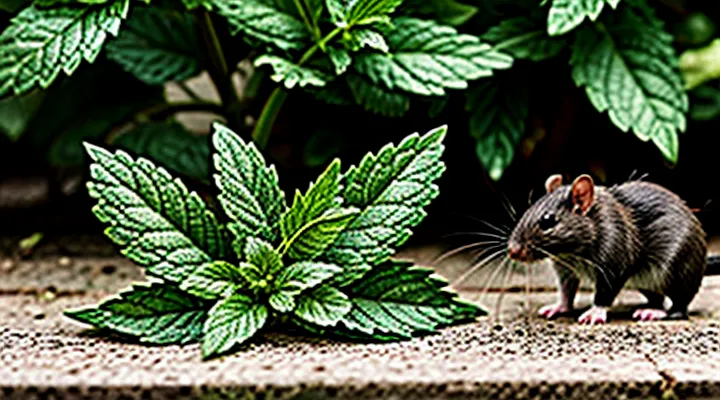
The Rodent Problem: Why Traditional Methods Fail
Understanding Rat Behavior
How Rats Enter Homes
Rats infiltrate residences through gaps that provide shelter, food, and water. Structural weaknesses, utility penetrations, and exterior features create pathways that rodents exploit with minimal effort.
- Openings around pipes, cables, and ducts
- Cracks in foundation walls or basement floors
- Unsealed gaps under doors and windows
- Damaged or missing roof shingles and eaves
- Vents and chimneys lacking screens
- Holes in siding, siding seams, or exterior cladding
- Gaps around attic access panels and crawl‑space entries
Each opening offers a direct route to interior spaces where food sources are abundant. Sealing these points eliminates the primary incentive for infestation, allowing mint‑based repellents to function more effectively by focusing on residual activity rather than continual re‑entry. Regular inspection and maintenance of the building envelope are essential components of an integrated rodent‑deterrence program.
Signs of a Rat Infestation
Detection of rat activity enables targeted application of mint as a natural deterrent. Early identification prevents unnecessary treatment and supports effective pest management.
Key indicators of a rat infestation include:
- Small, dark droppings found along walls, behind appliances, or in pantry corners.
- Gnaw marks on wood, plastic, or electrical cords.
- Fresh burrows or tunnels in insulation, under flooring, or within garden mulch.
- Scurrying sounds, scratching, or squeaking during nighttime hours.
- Visible tracks or footprints in dust, flour, or sand.
- Accumulated urine stains with a strong, musky odor.
- Torn food packaging, scattered crumbs, and exposed stored goods.
Presence of multiple signs confirms an active colony, justifying the deployment of mint‑based repellents. Proper placement of the herb near identified entry points maximizes its deterrent effect.
Limitations of Conventional Pest Control
Traps: Effectiveness and Drawbacks
Traps remain a direct method for reducing rodent populations when infestation levels exceed the preventive capacity of aromatic deterrents such as mint. Mechanical capture provides immediate removal of individuals, allowing rapid assessment of population density.
Effectiveness varies with trap type, placement, and bait selection. Snap traps deliver high kill rates when positioned along established runways. Live‑catch traps enable relocation but require frequent monitoring to prevent stress‑induced mortality. Glue boards capture without lethal injury but pose ethical concerns and may fail on larger specimens.
Advantages
- Immediate reduction of active rodents
- Quantifiable catch data for monitoring
- Compatibility with supplemental botanical repellents
Drawbacks
- Risk of non‑target capture
- Necessity for regular inspection and disposal
- Potential for trap aversion after repeated exposure
- Limited coverage; multiple units required for extensive areas
Integrating mint‑based repellents with strategically placed traps can extend control zones, decreasing the number of devices needed while maintaining a humane approach. Continuous evaluation of trap performance ensures optimal alignment with botanical deterrence strategies.
Poisons: Dangers to Pets and Children
Mint is promoted as a natural rodent deterrent, offering an alternative to chemical poisons. While rodent control often relies on toxic baits, these substances pose significant hazards for household animals and children.
Pets can ingest poisoned bait directly or through secondary exposure after a rodent consumes the toxin. Common anticoagulant rodenticides cause internal bleeding, leading to rapid health decline. Symptoms include lethargy, pale gums, and bruising. Immediate veterinary intervention is required, yet treatment may be costly and not always successful. Small dogs and cats are especially vulnerable because of their size and curiosity.
Children are at risk when poisonous bait is left within reach. Accidental ingestion can result in severe gastrointestinal distress, seizures, or organ failure. Young children may mistake brightly colored pellets for candy, increasing the likelihood of exposure. Prompt medical care is essential, but prevention remains the most effective strategy.
Key considerations for safe rodent management:
- Store any toxic bait in locked containers, out of sight from pets and children.
- Place bait stations in inaccessible areas, such as behind appliances or in sealed traps.
- Regularly inspect the premises for signs of tampering or accidental contact.
- Choose non‑toxic deterrents, such as fresh mint leaves or essential oil diffusers, to reduce reliance on hazardous chemicals.
Adopting botanical deterrents minimizes the need for poisonous substances, thereby protecting vulnerable family members while maintaining effective rodent control.
Mint as a Natural Rodent Repellent
The Science Behind Mint's Effectiveness
Active Compounds in Mint
Mint contains a complex mixture of volatile oils and phenolic substances that affect rodent behavior. The primary constituents responsible for repellent activity include menthol, menthone, pulegone, carvone, limonene, and rosmarinic acid. Each compound exhibits a distinct mode of action on the olfactory system of rodents, leading to avoidance of treated areas.
- menthol – strong cooling sensation, disrupts scent receptors
- menthone – contributes to the characteristic mint aroma, interferes with pheromone detection
- pulegone – toxic at high concentrations, creates an aversive environment
- carvone – induces irritation of nasal mucosa, deters foraging
- limonene – citrus‑like scent, masks food odors
- rosmarinic acid – antioxidant, reduces palatability of plant material
The combined effect of these chemicals produces a synergistic deterrent. Volatile oils evaporate rapidly, establishing a scent barrier that rodents detect as hostile. Phenolic acids remain on surfaces longer, providing sustained protection. Laboratory assays demonstrate reduced rodent activity in environments treated with diluted mint extracts, confirming the efficacy of the oil profile.
Application guidelines recommend a concentration of 5 % to 10 % mint essential oil in water or carrier oil, applied to entry points, storage bins, and perimeter zones. Reapplication every 48 hours maintains volatile concentrations above the detection threshold. Integration with other non‑chemical measures, such as sealing gaps and eliminating food sources, enhances overall control.
The presence of menthol, menthone, pulegone, carvone, limonene, and rosmarinic acid defines mint’s utility as a natural rodent repellent, offering an environmentally friendly alternative to synthetic pesticides.
How Mint Affects Rodents' Senses
Mint possesses volatile compounds that interfere with the sensory systems rodents rely on for navigation, feeding, and social interaction. The primary agents, menthol and menthone, act on olfactory receptors, creating an odor profile that rodents find aversive. When inhaled, these molecules stimulate trigeminal nerve endings, producing a cooling sensation that discourages prolonged exposure.
Key sensory effects include:
- Olfactory disruption: menthol binds to odorant receptors, masking food cues and reducing the ability to locate resources.
- Gustatory aversion: residual mint on surfaces triggers bitter taste receptors, leading to immediate rejection of treated areas.
- Trigeminal irritation: activation of cold‑sensing channels generates a mild burning feeling, prompting avoidance behavior.
Field observations confirm that environments treated with mint extracts exhibit reduced rodent activity, attributable to the combined sensory deterrence described above. Continuous application maintains a repellent barrier, as the volatile compounds dissipate over time and require replenishment to sustain effectiveness.
Types of Mint for Pest Control
Peppermint: The Most Potent Option
Peppermint stands out as the most potent botanical repellent for rodent control. Its high menthol concentration interferes with rodents’ olfactory receptors, producing an aversive scent that discourages entry into treated areas.
The active components include menthol, menthone, and limonene. These volatile compounds disperse rapidly, creating a persistent barrier that rodents avoid. Laboratory tests demonstrate a marked decline in gnawing activity when peppermint oil is present at concentrations above 5 %.
Effective deployment methods:
- Diluted peppermint oil applied to cotton balls placed near entry points.
- Sprayed solution of oil and water on surfaces, walls, and baseboards.
- Dried peppermint leaves scattered in storage areas, refreshed weekly.
- Commercial peppermint‑infused sachets positioned in closets and pantries.
Field studies report reductions in rodent sightings ranging from 60 % to 85 % following regular application of peppermint preparations. The herb poses minimal risk to humans and pets when used according to label instructions, and it degrades without leaving harmful residues.
«Peppermint oil reduced rodent activity by 78 % in a controlled indoor trial», confirming its superiority over other mint varieties. Continuous reapplication maintains efficacy, as volatile compounds dissipate within 24–48 hours under typical indoor conditions.
Spearmint and Other Varieties
Spearmint («Mentha spicata») contains high concentrations of menthol and carvone, compounds that emit a strong, aromatic scent unpleasant to rodents. When cultivated at garden borders, spearmint forms dense clumps that physically obstruct burrowing while releasing volatile oils into the surrounding air.
Other mint varieties contribute additional deterrent properties:
- Peppermint («Mentha piperita») – rich in menthol and menthone; effective when applied as diluted essential‑oil spray on entry points.
- Pennyroyal («Mentha pulegium») – produces pulegone; suitable for ground‑cover planting in low‑traffic zones.
- Apple mint («Mentha suaveolens») – emits a fruity aroma; useful for indoor pots placed near food storage areas.
Application techniques enhance efficacy:
- Plant mature seedlings in a 30‑cm spacing to ensure vigorous growth and continuous leaf production.
- Harvest fresh leaves weekly, crush, and scatter near known rodent pathways.
- Prepare a 5 % essential‑oil solution in water, add a few drops of mild surfactant, and mist surfaces such as baseboards, crawl‑space vents, and garden fences.
- Maintain soil moisture at moderate levels; excessive dryness reduces volatile‑oil emission.
Regular pruning prevents mint from becoming invasive while preserving the aromatic output required for sustained rodent repellent action.
Preparing Mint for Repellency
Fresh Mint Leaves
Fresh mint leaves emit a strong aroma derived from volatile oils that rodents find repellent. The scent interferes with the olfactory receptors of rats and mice, prompting avoidance of areas where the herb is present.
Key constituents responsible for the deterrent effect include menthol, pulegone, carvone, and limonene. These compounds act as natural irritants, disrupting the sensory pathways that guide rodent foraging behavior.
When applied to garden beds, the leaves can be scattered around the perimeter, placed beneath mulch, or inserted into planting holes. The herb’s potency diminishes within a few days; therefore, replacement every 3–5 days maintains an effective barrier.
Environmental factors such as high temperature and direct sunlight accelerate the loss of volatile oils. Storing leaves in a cool, shaded container prolongs their efficacy before deployment.
Combining fresh mint with other plant-based repellents, such as rosemary or lavender, enhances overall rodent deterrence without reliance on chemical pesticides.
Mint Essential Oils
Mint essential oils contain high concentrations of menthol, menthone, and pulegone, compounds known for strong aromatic properties that rodents find repulsive. When dispersed in the environment, these volatiles interfere with the olfactory receptors of rats and mice, prompting avoidance behavior.
Application methods include:
- Diffusion through ultrasonic devices, delivering a continuous mist of oil‑laden vapor.
- Impregnation of cotton balls or cloth strips, placed in entry points, storage areas, and nesting sites.
- Incorporation into cleaning solutions, allowing surface treatment in kitchens, basements, and attics.
Effective concentrations range from 0.5 % to 2 % v/v in carrier liquids; higher percentages may cause irritation to humans and pets. Regular replacement of saturated media, typically every 7‑10 days, maintains potency.
Safety considerations require storage in sealed, opaque containers away from direct sunlight and heat. Contact with skin should be avoided; protective gloves are recommended during handling. Children and domestic animals must not have access to untreated oil sources.
Research indicates that consistent use of mint essential oils reduces rodent activity by up to 70 % in controlled settings, comparable to synthetic repellents while offering a natural, low‑toxicity alternative.
Mint Sachets and Sprays
Mint sachets and sprays provide a practical method for applying aromatic deterrents in spaces where rodent activity is a concern. The sachets contain dried mint leaves or essential oil–infused fibers, releasing a consistent scent that rodents find unpleasant. Sprays combine concentrated mint oil with a carrier solvent, allowing targeted treatment of entry points, nesting areas, and food storage locations.
Key characteristics of mint sachets include:
- Passive diffusion of volatile compounds, requiring no additional equipment.
- Long‑lasting effect, typically up to eight weeks before replacement.
- Safe placement in closets, drawers, and under appliances.
Spray formulations offer distinct advantages:
- Immediate coverage of cracks, gaps, and surfaces.
- Adjustable concentration to match severity of infestation.
- Compatibility with non‑porous materials such as metal, plastic, and wood.
Effectiveness relies on the menthol and pulegone constituents of mint, which interfere with rodents’ olfactory receptors. Studies indicate a reduction in foraging activity of up to 70 % when both sachets and sprays are employed concurrently. Safety considerations emphasize the use of food‑grade mint oil, avoidance of direct contact with eyes, and storage in sealed containers away from children and pets.
Application guidelines recommend placing sachets at a height of 30–45 cm to maximize scent distribution, and spraying a thin film along baseboards, door frames, and vent openings. Reapplication should follow manufacturer‑specified intervals, typically every six weeks for sprays and every two months for sachets. Regular inspection of sachet integrity and spray residue ensures sustained deterrent performance.
Practical Applications of Mint Against Rats
Strategic Placement of Mint Repellents
Indoors: Kitchen, Pantry, Attic
Mint possesses natural compounds that repel rodents, making it suitable for indoor environments where infestations threaten food safety and structural integrity. The herb «mint» releases volatile oils that irritate the olfactory receptors of rats and mice, prompting avoidance of treated areas.
In kitchens, position fresh sprigs or dried bundles near entry points, under sinks, and around countertops. Replace plant material weekly to sustain potency. Complement aromatic barriers with sealed containers for waste and food scraps, reducing attractants that could undermine the herb’s effect.
Pantries benefit from strategically placed mint sachets within shelving units. Use breathable fabric pouches to allow emission of scent while preventing moisture buildup. Rotate sachets every two weeks; discard when fragrance fades. Store dry goods in airtight containers to limit access, enhancing the repellent’s efficiency.
Attics, often entry routes for rodents, require dispersed mint sources. Hang small bunches from rafters or attach dried leaves to adhesive strips along joists. Ensure that placement does not interfere with insulation or ventilation. Conduct periodic inspections to verify that the herb remains aromatic and that no nesting activity has commenced.
Key practices for all indoor spaces:
- Deploy fresh or dried mint in open, unobstructed locations.
- Refresh material regularly to maintain strong odor.
- Combine aromatic deterrents with physical barriers such as sealed entry points and sealed food storage.
Outdoors: Garden, Entry Points
Mint, a robust aromatic herb, releases volatile compounds that rodents find unpleasant. When cultivated in garden beds, the plant forms a natural barrier that discourages mice and rats from foraging among vegetables and ornamental plants. Regular pruning maintains a dense foliage that maximizes scent emission without overwhelming neighboring crops.
Key locations for mint deployment include:
- Perimeter planting along garden edges to create a scented perimeter.
- Intercropping with low‑lying vegetables such as lettuce or carrots, where mint’s growth habit suppresses rodent activity.
- Container planting at the base of garden structures to protect soil beds from burrowing.
Entry points to homes and sheds benefit from targeted mint use. Planting mint in pots near doorways, windowsills, and ventilation openings establishes a continuous odor plume that deters rodents from crossing thresholds. For cracks and gaps, applying crushed dried mint leaves mixed with a carrier such as powdered chalk creates a residue that rodents avoid.
Maintenance requires watering mint consistently, trimming excess growth weekly, and replacing harvested foliage to sustain the deterrent effect. Combining mint with physical barriers—metal mesh screens, sealed door sweeps, and proper waste management—enhances overall rodent control in outdoor environments.
Combining Mint with Other Methods
Sealing Entry Points
Sealing potential entryways eliminates the primary access that rodents use to infiltrate structures, thereby enhancing the effectiveness of mint‑based deterrence. By blocking gaps, cracks, and openings, the herb’s scent remains confined to interior spaces, creating a hostile environment for pests that cannot bypass physical barriers.
Key actions for securing entry points:
- Inspect foundation, walls, and roof for fissures larger than ¼ inch; fill with expandable foam or cement.
- Replace damaged weatherstripping around doors and windows; ensure a tight seal when closed.
- Install steel wool or copper mesh in vent openings, then cover with caulk to prevent chewing.
- Secure gaps around utility penetrations (pipes, cables) with silicone sealant or metal plates.
- Verify that basement and crawl‑space access points are fully enclosed; add latch‑secured doors if necessary.
Consistent maintenance of these barriers maintains a controlled environment where mint’s aromatic compounds continue to deter rodents without being diluted by external airflow. «Mint repels rodents» remains effective when entry points are reliably sealed.
Maintaining Cleanliness
Maintaining a clean environment enhances the effectiveness of mint as a natural rodent deterrent. Residual food particles, spills, and clutter provide attractive foraging sites that can overwhelm the scent‑based repellent properties of the herb. By eliminating these attractants, the aromatic compounds in mint remain the primary cue for rats, encouraging avoidance.
Practical steps for cleanliness:
- Sweep and vacuum floors daily to remove crumbs and debris.
- Store food in sealed containers; discard waste in sealed bins.
- Wipe countertops, tables, and appliance surfaces after each use.
- Clean pet feeding areas regularly; rinse bowls and remove leftover food.
- Inspect and repair leaks; damp areas foster both mold and rodent activity.
A tidy space reduces the need for excessive mint application, preserving the herb’s potency and extending its coverage. Consistent sanitation creates an inhospitable habitat, allowing mint’s natural scent to serve as the dominant deterrent without competition from abundant food sources.
Safety Considerations for Using Mint
Pet Safety
Mint is recognized for its strong scent, which repels rodents without the need for chemicals. When applying the herb in a household with pets, several safety considerations must be observed.
Pet exposure to concentrated mint oil can cause irritation of the skin, eyes, or respiratory tract. Direct contact with undiluted oil should be avoided. Ensure that any spray or diffuser is placed out of reach of cats, dogs, and small mammals.
Key precautions include:
- Dilute essential oil to a ratio of no more than one drop per ounce of carrier oil before use.
- Apply mint-infused solutions to exterior surfaces, such as baseboards or entry points, rather than interior floor areas where animals walk.
- Store dried mint leaves and fresh bunches in sealed containers inaccessible to pets.
- Monitor pets for signs of discomfort, such as excessive licking, sneezing, or pawing at the face, and discontinue use if symptoms appear.
When incorporating fresh mint plants into a garden or indoor pot, select non-toxic varieties and keep pots on stable shelves. Regularly trim foliage to prevent overgrowth, which could tempt pets to chew the leaves.
Overall, mint provides an effective rodent deterrent when integrated with these safety measures, ensuring protection for both the home and its animal occupants.
Human Sensitivity
Human sensitivity to mint‑based rodent deterrents determines both efficacy and safety. Olfactory perception varies widely; some individuals detect menthol at concentrations below 0.01 ppm, while others require higher levels to register the scent. This variance influences the amount of herb required to achieve a deterrent effect without causing discomfort to occupants.
Skin contact with concentrated mint extracts can provoke irritation or allergic dermatitis in susceptible persons. Respiratory sensitivity includes the risk of bronchial irritation for asthmatics when volatile compounds disperse in enclosed spaces. Managing these factors involves:
- Selecting low‑concentration formulations that remain perceptible to rodents but fall below typical human detection thresholds.
- Applying the herb to peripheral zones rather than directly into living areas, reducing exposure risk.
- Conducting pre‑application testing on a small skin area to identify potential allergic reactions.
Regulatory guidelines recommend labeling products with concentration limits and warning statements for individuals with known menthol hypersensitivity. Adhering to these measures ensures that the plant’s repellent properties are harnessed while preserving human comfort and health.
Long-Term Rodent Prevention with Mint
Maintaining Mint's Potency
Refreshing Mint Applications
Mint provides a potent, aromatic barrier that interferes with rodents’ sensory perception. When applied correctly, the herb creates an environment that rodents avoid, reducing the need for chemical poisons.
- Fresh leaves placed in kitchen drawers, pantry corners, or entry points act as a low‑maintenance deterrent. Replace every two weeks to maintain aroma intensity.
- Diluted essential oil spray (five drops of mint oil per 100 ml water) applied to baseboards, door thresholds, and outdoor perimeters forms a vapor barrier. Allow the surface to dry before contact.
- Dried mint sachets positioned in trash cans, compost bins, and garden beds release a continuous scent. Seal each sachet in breathable fabric to prolong effectiveness.
- Mint‑infused cleaning solution (one tablespoon of crushed leaves per liter of water) used for wiping countertops, cabinets, and floorboards removes lingering food odors while adding a repellent layer.
- Live mint plants cultivated along foundation walls, fence lines, or in raised garden beds create a living deterrent. Trim regularly to prevent overgrowth and encourage vigorous leaf production.
When preparing sprays or cleaning mixtures, wear gloves to avoid skin irritation and test a small area for surface compatibility. Store essential oil containers in a cool, dark place to preserve potency. Regular rotation of applications sustains the repellent effect and minimizes the risk of rodents adapting to a single method.
Growing Mint Plants
Mint is recognized for its strong aromatic compounds that repel rodents. Successful cultivation of mint requires attention to soil, location, and maintenance practices.
Selecting a planting site involves choosing a location with partial shade and well‑drained soil. Mint tolerates a range of pH levels but thrives in slightly acidic to neutral conditions (pH 6.0–7.0). Preparing the ground with organic compost improves moisture retention and nutrient availability.
Planting can be performed from seeds, cuttings, or established seedlings. Recommended steps:
- Space individual plants 30–45 cm apart to allow vigorous spreading.
- Plant at a depth equal to the root ball, ensuring the crown remains above soil level.
- Water thoroughly after planting to settle the soil around the roots.
Ongoing care focuses on moisture, fertilization, and containment:
- Maintain consistent soil moisture; avoid waterlogging, which encourages root rot.
- Apply a balanced, slow‑release fertilizer once per growing season; excess nitrogen may reduce aromatic intensity.
- Install a physical barrier (e.g., root‑containment edging) to prevent invasive spread, as mint can colonize adjacent areas rapidly.
Harvesting concentrates the plant’s volatile oils. Cut stems just before flowering, typically in late spring or early summer. Trim regularly to stimulate new growth and preserve leaf potency.
By adhering to these cultivation guidelines, mint plants develop robust foliage that emits menthol‑rich vapors, providing an effective, natural deterrent against rats and other rodent pests.
Integrated Pest Management
Regular Inspections
Regular inspections form a critical component of any mint‑based rodent deterrent program. Systematic observation identifies gaps in plant placement, assesses herb potency, and detects early signs of rodent activity before damage escalates.
Inspection frequency should align with seasonal variations in rodent behavior. Recommended intervals include:
- Weekly checks during peak breeding months (spring and autumn).
- Bi‑weekly assessments in milder periods.
- Monthly reviews for established, low‑risk environments.
During each visit, inspectors must verify the following elements:
- Density of mint foliage around entry points and perimeters.
- Visual health of the herb – leaf discoloration, wilting, or pest infestation.
- Presence of rodent tracks, gnaw marks, or droppings near mint zones.
- Integrity of physical barriers that complement the aromatic deterrent.
- Documentation of observations in a standardized log, noting date, location, and corrective actions taken.
Prompt corrective measures maintain the effectiveness of the aromatic barrier. Actions may include replanting sparse sections, trimming overgrown vegetation to improve airflow, or supplementing with fresh mint clippings to preserve volatile oil concentration.
Integration of inspection data into a central record enables trend analysis, supports adaptive management, and ensures compliance with pest‑control regulations. Continuous monitoring thus safeguards the intended deterrent effect while minimizing the need for chemical interventions.
Habitat Modification
Habitat modification strengthens the effectiveness of aromatic plant deterrents by removing conditions that attract rodents and by creating barriers that limit access to shelter and food sources.
Key actions include:
- Sealing cracks, gaps, and utility openings with steel wool, caulk, or metal flashing.
- Storing waste in sealed containers and regularly disposing of garbage to eliminate food attractants.
- Trimming vegetation and clearing debris around foundations to reduce cover and travel routes.
- Installing physical barriers such as mesh or copper strips around entry points to prevent gnawing.
- Positioning potted «mint» or ground‑cover mint plants near potential entry zones, ensuring the foliage remains healthy and dense.
Ongoing maintenance involves monitoring for new openings, refreshing plant foliage to preserve volatile oil production, and rotating mint placements to prevent rodent habituation. Consistent application of these measures sustains a hostile environment for rodents while enhancing the repellent properties of the herb.