
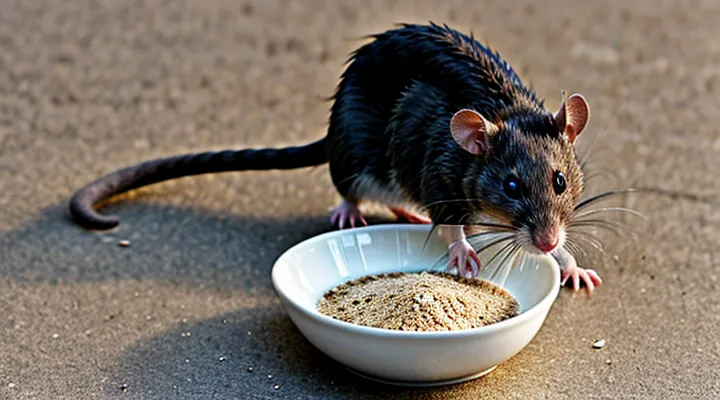
Understanding Rat Nutritional Needs
Essential Dietary Components for Rats
Rats require a balanced diet that supplies macronutrients, micronutrients, and fiber in proportions that support growth, reproduction, and immune function. Protein sources such as soy, fish meal, or egg white provide essential amino acids for tissue repair and enzyme synthesis. Fats from vegetable oils or animal sources deliver concentrated energy and fatty acids necessary for cell membrane integrity. Carbohydrates from grains, legumes, or tubers supply readily metabolizable glucose while contributing bulk to the diet. Vitamins A, D, E, K and the B‑complex must be present in sufficient quantities to prevent deficiencies that impair vision, bone health, and metabolic processes. Minerals, particularly calcium, phosphorus, magnesium, zinc, and iron, are crucial for skeletal development, nerve transmission, and enzymatic activity. Adequate fiber from cellulose or insoluble plant material maintains gastrointestinal motility and prevents digestive disorders.
- Protein: 15–20 % of diet, high‑quality sources.
- Fat: 4–6 % of diet, balanced omega‑6/omega‑3 ratio.
- Carbohydrate: 45–55 % of diet, primarily complex grains.
- Fiber: 3–5 % of diet, insoluble sources.
- Vitamins: comprehensive premix covering A, D₃, E, K₁, B₁‑B₁₂.
- Minerals: calcium‑phosphorus ratio near 1.2:1, trace elements included.
Millet porridge introduces a carbohydrate-rich component with moderate protein and low fat. Its nutritional profile aligns with the carbohydrate requirement but lacks sufficient calcium, vitamin D, and essential fatty acids. When incorporated, the porridge must be balanced with supplemental mineral blocks, vitamin premixes, and additional protein sources to avoid deficits. Excessive reliance on millet porridge can displace higher‑quality protein and fat, potentially leading to suboptimal growth rates and reproductive performance.
A practical formulation includes millet porridge at 10–15 % of total feed weight, complemented by a fortified pellet or mash that delivers the missing nutrients. Regular analysis of feed composition and periodic health monitoring ensure that the diet remains within optimal nutritional parameters.
Potential Dietary Deficiencies in Common Rat Diets
Rats fed standard laboratory chow or commercial pet mixes often receive adequate protein, fat, and energy, yet several micronutrients remain insufficient. Deficiencies may compromise growth, reproduction, and immune function.
Common shortfalls include:
- Vitamin D, especially in indoor housing without ultraviolet exposure.
- Calcium‑phosphorus ratio imbalances, leading to skeletal weakness.
- Essential fatty acids (omega‑3) that support neural development.
- Trace minerals such as zinc and selenium, critical for antioxidant defenses.
- B‑vitamins (B6, B12) that influence metabolism and red blood cell formation.
These gaps arise from formulation priorities that emphasize bulk ingredients and cost efficiency. Adjustments typically involve supplementation, but the efficacy depends on bioavailability and the animal’s life stage.
Introducing a grain‑based component such as millet porridge can address certain deficiencies. Millet supplies moderate levels of calcium, iron, and B‑vitamins, and its carbohydrate profile offers a low‑glycemic energy source. When incorporated at 5–10 % of total diet weight, millet porridge may improve mineral intake without displacing essential protein sources.
Nevertheless, reliance on millet alone does not resolve all deficits. Comprehensive nutrition requires balanced supplementation of vitamins D and E, omega‑3 fatty acids, and trace minerals. Formulating a diet that combines a fortified base feed with a measured portion of millet porridge provides a pragmatic strategy to mitigate the identified shortcomings.
Millet Porridge as a Dietary Component
Nutritional Profile of Millet
Carbohydrate Content
Millet porridge supplies a substantial proportion of carbohydrates, typically ranging from 45 % to 55 % of its dry weight. The primary carbohydrate type is starch, which is rapidly digestible and provides a high‑energy yield. In laboratory‑bred rats, a diet containing 20 %–30 % millet porridge can contribute approximately 15 %–20 % of total caloric intake from carbohydrates alone.
Key considerations for its use include:
- Energy density: The starch content translates to about 3.8 kcal g⁻¹, supporting growth and reproductive demands.
- Glycemic impact: Rapidly digestible starch may cause spikes in blood glucose; pairing with fiber‑rich ingredients can mitigate this effect.
- Digestibility: Rats efficiently hydrolyze millet starch, resulting in high apparent digestibility coefficients (> 85 %).
- Nutrient balance: Excess carbohydrate intake can displace protein and essential fatty acids, potentially leading to reduced lean mass if not compensated.
Guidelines for formulation recommend limiting millet porridge to a maximum of 25 % of the total diet on a dry‑matter basis. This proportion ensures adequate carbohydrate provision while preserving the overall macronutrient balance required for optimal rat health.
Protein and Amino Acid Profile
Millet porridge supplies a moderate protein level, typically ranging from 8 % to 12 % on a dry‑matter basis, depending on processing and grain quality. This concentration falls below the 14 %–18 % protein commonly found in standard laboratory rodent diets, indicating that porridge alone cannot meet the full protein requirement of adult rats.
The amino acid composition of millet is characterized by a relative deficiency in lysine and threonine, both essential for growth and tissue repair. Conversely, the grain provides adequate amounts of methionine, cysteine, and leucine. A representative profile (per 100 g dry matter) includes:
- Lysine: 0.25 g
- Threonine: 0.30 g
- Methionine + Cysteine: 0.45 g
- Leucine: 0.70 g
- Isoleucine: 0.45 g
- Valine: 0.55 g
- Phenylalanine + Tyrosine: 0.80 g
- Histidine: 0.20 g
- Arginine: 0.50 g
When compared with the amino acid requirements of laboratory rats, millet porridge supplies approximately 60 %–70 % of the recommended lysine intake and 65 %–75 % of threonine. Supplementation with a concentrated amino acid mix or a complementary protein source, such as soy or casein, would be necessary to achieve a balanced profile.
In practice, millet porridge can serve as a carbohydrate‑rich component of a mixed diet, but reliance on it as the sole protein source would compromise growth performance and reproductive efficiency. Integration into a formulated feed should therefore be accompanied by targeted protein enrichment.
Vitamin and Mineral Content
Millet porridge can supply a range of micronutrients relevant to the nutritional requirements of laboratory rats. The grain’s composition includes several vitamins that contribute to metabolic processes, immune function, and antioxidant defenses.
- Thiamine (B1): approximately 0.2 mg · 100 g⁻¹
- Riboflavin (B2): about 0.1 mg · 100 g⁻¹
- Niacin (B3): roughly 2.5 mg · 100 g⁻¹
- Pantothenic acid (B5): near 0.3 mg · 100 g⁻¹
- Pyridoxine (B6): 0.4 mg · 100 g⁻¹
- Folate (B9): 35 µg · 100 g⁻¹
- Vitamin E (α‑tocopherol): 1.2 mg · 100 g⁻¹
The mineral profile complements the vitamin content and aligns with the elemental needs of rodents.
- Calcium: 8 mg · 100 g⁻¹
- Phosphorus: 250 mg · 100 g⁻¹
- Magnesium: 30 mg · 100 g⁻¹
- Iron: 2.5 mg · 100 g⁻¹
- Zinc: 1.5 mg · 100 g⁻¹
- Copper: 0.2 mg · 100 g⁻¹
- Selenium: 0.02 µg · 100 g⁻¹
These concentrations meet a substantial portion of the recommended daily allowances for adult rats, particularly for B‑vitamins and phosphorus. Bioavailability of the minerals improves when the porridge is prepared as a moist mash, reducing phytate interference. Integration with a balanced protein source ensures that amino‑acid profiles remain adequate while preventing excess calcium‑phosphorus ratios that could impair bone mineralization.
Advantages of Millet for Rats
Digestive Health Benefits
Millet porridge provides a source of soluble and insoluble fiber that can modulate gastrointestinal transit in laboratory rodents. Soluble fiber forms a viscous gel, slowing gastric emptying and promoting a gradual release of glucose, while insoluble fiber adds bulk to feces, enhancing peristaltic activity and preventing constipation.
The carbohydrate profile of millet consists primarily of complex starches resistant to immediate digestion. These resistant starches reach the colon where microbial fermentation generates short‑chain fatty acids (SCFAs) such as acetate, propionate, and butyrate. SCFAs serve as energy substrates for colonocytes, reinforce mucosal integrity, and exert anti‑inflammatory effects.
Key digestive advantages of incorporating millet porridge into rat feed:
- Increased fecal bulk and moisture, reducing incidence of dry, hard stools.
- Elevated SCFA production, supporting epithelial health and barrier function.
- Enhanced microbial diversity, with proliferation of beneficial taxa (e.g., Bifidobacterium, Lactobacillus).
- Stabilized post‑prandial glucose levels, mitigating rapid spikes that can stress the gut mucosa.
Potential concerns include excessive fiber leading to reduced nutrient digestibility and the need for gradual diet transition to avoid abrupt changes in microbial composition. Monitoring feed intake and stool characteristics ensures that the inclusion of millet porridge contributes positively to digestive health without compromising overall nutrient balance.
Energy Source Considerations
Millet porridge offers a high carbohydrate profile, providing approximately 350 kcal per 100 g of dry matter. This energy density exceeds that of standard rodent chow, which typically supplies 300–320 kcal per 100 g. The rapid digestibility of millet starch translates into swift glucose release, supporting immediate energy demands during periods of heightened activity. However, the elevated glycemic response may predispose rodents to transient hyperglycemia, potentially influencing insulin regulation and weight gain.
Key considerations for inclusion:
- Macronutrient balance – Millet contributes predominantly carbohydrates; protein content remains low (≈9 %). Supplementation with supplemental amino acids or protein sources is necessary to meet the recommended 18–20 % protein level for adult rats.
- Digestibility – Starch from millet exhibits a digestibility rate of 85–90 %, ensuring efficient conversion to usable energy. Fiber content is modest (≈2 %), limiting its effect on gut motility.
- Metabolic impact – Continuous provision of high‑glycemic feed may alter lipid metabolism, increasing hepatic fat deposition if not counterbalanced by dietary fats and fibers.
- Palatability – Rats readily accept millet porridge when presented warm, reducing feed refusal rates and ensuring consistent intake.
When integrating millet porridge, adjust the overall diet formulation to maintain:
- Protein at 18 % of total calories.
- Fat at 5–7 % to moderate energy density.
- Fiber at 5 % to support gastrointestinal health.
Monitoring body weight, blood glucose, and serum lipid profiles during a trial period will verify whether the energy contribution aligns with the intended experimental outcomes.
Palatability and Enrichment
Millet porridge introduces a distinct texture and flavor profile that many rats find appealing. Laboratory observations show increased voluntary consumption when the porridge is offered alongside standard pellets, indicating higher palatability compared to dry feed alone.
The addition of a semi‑liquid component contributes to environmental enrichment. Rats interact with the substrate, manipulate the mixture, and experience novel sensory cues, which can reduce stereotypic behaviors. Specific enrichment benefits include:
- Enhanced foraging activity as rats search for and extract grains from the porridge.
- Stimulation of oral motor skills through chewing of softened millet.
- Variation in diet presentation, preventing monotony.
Nutritional analysis confirms that millet porridge supplies carbohydrates, protein, and essential micronutrients without compromising the balance of a standard rodent diet. When incorporated at a modest proportion (10‑15 % of total intake), the formulation maintains dietary adequacy while delivering the described palatability and enrichment advantages.
Potential Concerns and Disadvantages
Anti-nutritional Factors
Millet porridge contains several compounds that reduce nutrient availability for laboratory rats. Phytic acid binds minerals such as calcium, zinc, and iron, decreasing intestinal absorption. Tannins form insoluble complexes with proteins, limiting digestibility. Amylase inhibitors interfere with starch breakdown, potentially lowering energy extraction from the grain. Saponins can disrupt membrane integrity, leading to reduced feed intake and altered gut flora.
These anti‑nutritional factors may compromise growth performance, bone development, and immune function in rodents. Elevated phytic acid levels correlate with lower serum mineral concentrations, while tannin presence is associated with reduced weight gain. Amylase inhibition can cause higher post‑prandial glucose variability, and saponin exposure may increase gastrointestinal irritation.
Mitigation strategies include:
- Soaking millet seeds for 12–24 hours to leach out phytic acid and tannins.
- Fermentation with lactic‑acid bacteria to degrade phytate and reduce saponin content.
- Enzymatic supplementation (phytase, tannase) at 500–1000 U kg⁻¹ feed to enhance mineral release and protein digestibility.
- Heat treatment at 120 °C for 20 minutes to inactivate amylase inhibitors.
Implementing these measures can lower anti‑nutritional load, allowing millet porridge to contribute carbohydrate and fiber without adverse effects on rat health.
Caloric Density and Weight Management
Millet porridge delivers approximately 350 kcal per 100 g of dry matter, a level comparable to commercial rodent pellets but higher than many vegetable‑based supplements. Its carbohydrate concentration (≈70 % of dry weight) provides rapid energy, while protein content remains modest (≈10 %). When introduced without adjustment to total daily intake, the extra calories can produce a measurable increase in body mass within two weeks.
Effective weight management relies on balancing the porridge’s caloric contribution against the rat’s basal metabolic rate and activity level. Practical guidelines include:
- Calculate the animal’s maintenance energy requirement (≈30 kcal per 100 g body weight).
- Allocate no more than 10 % of that total to millet porridge, equivalent to roughly 5 g of dry porridge for a 200‑g rat.
- Monitor body weight weekly; reduce or discontinue the supplement if gain exceeds 5 % of initial mass.
- Combine the porridge with high‑fiber, low‑calorie vegetables to preserve satiety while limiting excess calories.
Adjusting portion size and frequency prevents unintended adiposity while allowing the nutritional benefits of millet to support growth and reproductive performance.
Preparation Methods and Safety
Millet porridge can serve as a carbohydrate source in rodent diets when formulated correctly. Proper preparation ensures nutritional value and minimizes health risks.
Preparation steps
- Measure dry millet; use a ratio of 1 part millet to 3 parts water.
- Rinse grains thoroughly to remove dust and potential contaminants.
- Bring water to a gentle boil, add millet, and maintain a low simmer.
- Stir continuously for 5–7 minutes until the mixture reaches a thick, homogenous consistency.
- Cool the porridge to room temperature before offering to rats.
- Store leftovers in a sealed container at 4 °C; discard after 24 hours.
Safety considerations
- Verify millet is free of mycotoxins; source from reputable suppliers.
- Avoid adding sugars, salts, or artificial flavors that could disrupt electrolyte balance.
- Monitor moisture content; excess moisture promotes bacterial growth.
- Conduct periodic microbial testing of prepared batches.
- Ensure the porridge complements, rather than replaces, essential protein and fiber sources in the overall diet.
Incorporating Millet Porridge into a Rat's Diet
Recommended Portions and Frequency
Millet porridge can be a nutritious addition to a laboratory or pet rat’s diet when introduced correctly. It supplies carbohydrates, fiber, and trace nutrients that complement standard rodent chow.
Recommended portions
- Small adult rat (150–200 g): 0.5 g of dry millet porridge per day, mixed with water to a soft consistency.
- Large adult rat (250–300 g): 0.8 g of dry millet porridge per day, prepared similarly.
- Juvenile rat (under 8 weeks): 0.3 g of dry millet porridge per day, ensuring the texture is easily chewable.
Feeding frequency
- Offer the prepared porridge once daily, preferably at the same time each day to maintain a consistent routine.
- For high‑energy requirements (e.g., breeding or growth phases), split the daily amount into two feedings spaced 8–10 hours apart.
- Monitor body condition; reduce or discontinue the porridge if weight gain exceeds 5 % of expected growth or if signs of gastrointestinal distress appear.
Accurate measurement with a calibrated scale and consistent preparation prevent over‑feeding and maintain nutritional balance. Regular health checks confirm that millet porridge enhances, rather than disrupts, overall dietary adequacy.
Preparing Millet Porridge for Rats
Cooking Instructions
Prepare millet porridge for rats using a controlled, reproducible method to ensure nutritional consistency. Measure ingredients precisely, maintain hygiene throughout the process, and cool the final product before offering it to the animals.
- Weigh 20 g whole millet; rinse briefly under cool water to remove dust.
- Transfer millet to a saucepan; add 200 ml filtered water.
- Bring to a boil, then reduce heat to a gentle simmer.
- Cover and cook for 12–15 minutes, stirring occasionally to prevent sticking.
- Verify texture: grains should be soft, forming a thick, homogenous mixture.
- Remove from heat; let stand for 5 minutes to allow residual moisture absorption.
- Cool the porridge to 25–30 °C; confirm temperature with a calibrated probe.
- Portion into pre‑sterilized containers; label with preparation date and batch number.
Store portions at 4 °C for up to 48 hours. Discard any batch showing off‑color, odor, or microbial growth. Use the porridge as a supplemental component of the rats’ diet, integrating it with standard feed according to established nutritional guidelines.
Additives and Flavorings to Avoid
Millet porridge can be a nutritious component of a rat’s diet, but its safety depends on the substances mixed into the preparation. Certain additives and flavorings pose health risks and must be excluded.
- Artificial sweeteners (e.g., aspartame, saccharin): interfere with glucose metabolism and may cause kidney stress.
- High‑sugar syrups (corn syrup, honey in excess): promote obesity, dental decay, and dysbiosis.
- Synthetic flavor enhancers (monosodium glutamate, disodium inosinate): can trigger hyperactivity and digestive upset.
- Preservatives containing nitrates or nitrites: linked to carcinogenic processes in rodents.
- Essential oils and strong spices (cinnamon oil, clove oil, garlic powder): toxic at low concentrations, causing hepatic and gastrointestinal damage.
- Dairy‑based flavorings (cheese powder, whey): rats are lactose intolerant; ingestion leads to diarrhea and malabsorption.
- Excessive salt (sodium chloride): raises blood pressure and may precipitate renal failure.
When formulating millet porridge, use plain, unsweetened millet cooked in water or a modest amount of rodent‑safe vegetable broth. Avoid any additive that is not explicitly approved for laboratory or pet rat nutrition.
Monitoring Rat Health and Digestion
Signs of Digestive Upset
When evaluating the inclusion of millet‑based gruel in a laboratory rat diet, monitoring for gastrointestinal distress is essential. Observable indicators of digestive upset include:
- Loose or watery feces, often accompanied by a foul odor
- Presence of undigested particles in stool
- Abdominal swelling or visible distension
- Reduced food intake or complete refusal of feed
- Sudden loss of body mass measured over a 24‑ to 48‑hour period
- Excessive licking of the perianal area, suggesting irritation
- Lethargy or decreased activity levels beyond normal resting behavior
These signs typically appear within 12 to 48 hours after dietary alteration. Prompt identification allows for immediate diet modification, hydration support, and, if necessary, veterinary intervention to prevent chronic complications.
Adjusting Portions Based on Rat Response
Millet porridge can be a valuable addition to a rat’s diet, but the amount offered must reflect each animal’s reaction. Over‑feeding may cause digestive upset, while under‑feeding fails to deliver nutritional benefits. Careful observation guides portion adjustments.
Key indicators of tolerance include:
- Speed of consumption: rapid eating suggests the portion is acceptable; hesitation may signal excess or dislike.
- Body condition: steady weight gain or maintenance indicates appropriate caloric input; sudden loss points to insufficient or problematic feeding.
- Stool consistency: firm, well‑formed feces reflect healthy digestion; loose or watery stools suggest over‑loading.
- Activity level: normal exploration and grooming denote comfort; lethargy or aggression may signal discomfort.
Adjustment protocol:
- Begin with a small serving (approximately 2 g per 100 g of body weight) mixed into regular feed.
- Observe the indicators for 48‑72 hours.
- If consumption is complete, weight is stable, and stools are normal, increase the portion by 10‑15 % and re‑evaluate.
- If any negative signs appear, reduce the portion to the previous level or eliminate the porridge temporarily.
- Record each change and the corresponding responses to establish an individualized feeding schedule.
Consistent monitoring and systematic portion modification ensure that millet porridge contributes to health without introducing risk.
Alternative Grains and Cereals for Rats
Comparison with Other Grains
Oats
Oats (Avena sativa) provide a distinct nutrient profile compared to millet, making them a candidate for inclusion in a rat‑based porridge formulation. Their composition includes:
- Soluble fiber (β‑glucan) – promotes gut motility and short‑chain fatty‑acid production.
- Protein – 12–15 % of dry matter, containing essential amino acids lysine and methionine.
- Lipids – 5–7 % of dry matter, rich in unsaturated fatty acids.
- Micronutrients – thiamine, manganese, phosphorus, and trace amounts of iron and zinc.
Millet supplies higher starch content and lower fiber, while oats contribute additional bulk and fermentable fiber. When combined, the mixture balances rapid energy release from millet with sustained digestion from oats. Laboratory observations indicate that rats consuming a 70 % millet / 30 % oat blend maintain stable body weight and exhibit improved fecal consistency relative to a millet‑only diet.
Potential concerns include:
- Antinutritional factors: avenin and phytate may reduce mineral absorption; soaking or heat treatment mitigates these effects.
- Caloric density: oats increase total energy; formulation should adjust portion size to avoid over‑feeding.
- Texture: oats can thicken porridge, requiring adequate hydration to prevent dehydration.
Guidelines for incorporating oats into millet porridge for rats:
- Process oats by rolling or grinding to particle size ≤ 2 mm to ensure uniform mixing.
- Apply heat treatment (e.g., 80 °C for 10 min) to deactivate antinutrients.
- Limit oat proportion to 20–30 % of the dry blend, maintaining overall protein at 15–18 % of the diet.
- Monitor rat body condition, feed intake, and stool quality for at least two weeks after adjustment.
Evidence from rodent nutrition studies supports the inclusion of oats as a supplemental grain, providing fiber and protein benefits without compromising the primary energy source derived from millet. Proper preparation and proportioning ensure that oats enhance the nutritional adequacy of the porridge while minimizing adverse effects.
Barley
Barley contributes soluble fiber, β‑glucans, and a modest protein profile that can complement millet in a mixed‑grain porridge for rodents. Its starch is moderately digestible, providing a steady glucose release that balances the rapid carbohydrate absorption characteristic of millet.
Nutritional advantages of adding barley:
- Increases dietary fiber, supporting gastrointestinal motility and microbial fermentation.
- Supplies manganese, selenium, and B‑vitamins absent or low in millet.
- Reduces overall glycemic index of the formula, mitigating post‑prandial spikes.
Potential concerns:
- High β‑glucan levels may increase viscosity of the porridge, affecting water intake if not properly blended.
- Excessive barley can dilute the protein ratio, requiring adjustment of supplemental amino acids.
- Grain allergens are rare in rats but should be monitored in colonies with known sensitivities.
When formulating a millet‑based ration, incorporating 10–15 % barley by weight achieves a balanced fiber‑to‑starch ratio without compromising palatability. Laboratory feeding trials indicate stable body weight and improved fecal consistency at this inclusion level, supporting barley’s role as a functional adjunct rather than a primary component.
Rice
Rice is a widely available cereal grain composed primarily of starch, with modest amounts of protein, fiber, and micronutrients such as thiamine, niacin, and iron. The carbohydrate content provides rapid energy, while the protein level (approximately 7 % by weight) supplies a supplementary source of amino acids for laboratory and pet rats.
Digestibility of cooked rice is high; rats readily break down the gelatinized starch, leading to efficient absorption. Excessive inclusion may elevate blood glucose and promote adiposity, especially when combined with other high‑carbohydrate ingredients. Uncooked rice poses a choking hazard and may contain antinutritional factors that diminish mineral availability.
Compared with millet, rice contains lower fiber (≈0.5 % vs. 8–10 % in millet) and less fat (≈0.5 % vs. 4–5 %). Millet offers higher levels of magnesium, phosphorus, and essential fatty acids, contributing to a more balanced nutrient profile. Rice supplies fewer vitamins, particularly B‑complex nutrients, which are more abundant in millet.
When formulating a mixed grain porridge for rats, the following guidelines are advisable:
- Cook rice thoroughly; cool to room temperature before mixing.
- Limit rice to 20–30 % of the total grain weight; allocate the remainder to millet and other complementary grains.
- Offer the mixture no more than three times per week to prevent chronic carbohydrate overload.
- Monitor body condition and adjust proportions if weight gain or hyperglycemia signs appear.
Adhering to these parameters integrates rice into a millet‑based diet without compromising nutritional balance or health outcomes for rats.
Considerations for a Varied Diet
Millet porridge can supply carbohydrates, moderate protein, and soluble fiber, but its contribution must be weighed against the overall nutritional requirements of rats.
- Energy density: provides rapid glucose release; excessive inclusion may cause weight gain.
- Protein quality: contains lower levels of essential amino acids compared to soy or casein; supplementation may be necessary.
- Fiber effect: soluble fiber supports gut motility; excess may alter stool consistency.
- Mineral balance: millet is low in calcium and phosphorus; additional mineral sources are required to prevent deficiencies.
- Antinutrients: phytates can reduce mineral absorption; processing methods such as soaking or fermentation mitigate this risk.
- Palatability: rats generally accept the texture, yet individual preferences vary; gradual introduction prevents rejection of other feeds.
- Cost and supply: bulk millet is inexpensive, but consistent quality control is essential for research reproducibility.
When integrating millet porridge, align portion size with caloric targets, combine with protein‑rich and mineral‑rich components, and monitor body weight, fur condition, and fecal output. Adjust formulation based on observed health metrics to maintain a balanced diet.