
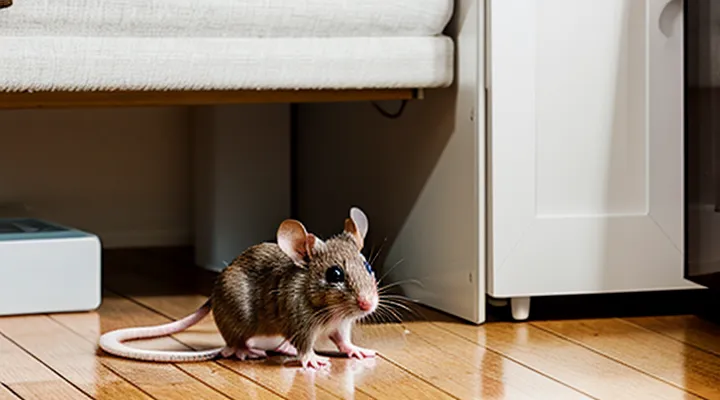
Recognizing the Signs of a Mouse Infestation
Subtle Clues of Their Presence
Droppings: A Clear Indicator
Droppings serve as the most reliable sign that a dwelling is harboring rodents. Their size, shape, and distribution provide immediate insight into the severity and location of the problem.
Typical mouse feces measure 1‑3 mm, are dark brown to black, and possess pointed ends. They appear in clusters along walls, under appliances, inside cabinets, and near food sources. A sudden increase in quantity indicates active feeding and breeding.
Key points for assessment:
- Location – Concentrations near entry points, pantry shelves, and behind furniture suggest movement pathways.
- Quantity – More than a few pellets per square foot signals a growing population.
- Odor – A strong, musky scent accompanies large deposits and may indicate urine contamination.
Health implications are significant. Droppings can carry Hantavirus, Salmonella, and other pathogens. Inhalation of dried particles or direct contact with contaminated surfaces poses infection risk.
Effective response begins with precise identification. Use a disposable glove and a flashlight to locate all deposits. Record the areas for targeted treatment, then proceed with sanitation and pest‑control measures.
Gnaw Marks: Damage to Property
Gnaw marks are a clear indicator that rodents are actively damaging an apartment’s interior. Teeth continuously grow, prompting mice to chew on accessible materials to maintain proper length. This behavior leads to visible bite patterns on wood, plastic, wiring, and insulation.
The damage extends beyond aesthetics. Chewed wooden framing compromises structural integrity, creating weak points that may develop into larger cracks or collapse under load. Plastic components such as pipe caps and furniture legs lose their function, increasing the risk of leaks or breakage. Most critically, gnawing on electrical wiring strips insulation, exposing live conductors. This creates a fire hazard and can cause intermittent power failures or short circuits. Insulation that has been chewed loses its thermal efficiency, raising heating and cooling costs while allowing drafts to enter living spaces.
Typical manifestations include:
- Parallel bite marks on baseboards, cabinet doors, and wall panels.
- Severed or frayed electrical cords, often with exposed copper.
- Chewed plastic pipe sleeves or faucet handles.
- Damaged drywall corners and plaster where mice have created entry holes.
Mitigation steps:
- Conduct a systematic inspection of all accessible surfaces, focusing on corners, behind appliances, and beneath cabinets.
- Document each gnaw mark with photographs and note the material affected.
- Replace compromised wiring immediately, adhering to local electrical codes.
- Repair or reinforce structural elements where wood has been weakened; use metal brackets or additional framing as needed.
- Seal entry points with steel wool and caulk to prevent further access.
- Install rodent-resistant materials such as hard plastics or metal sheathing in vulnerable areas.
- Schedule regular follow‑up inspections to confirm that damage does not reappear after extermination measures.
Addressing gnaw marks promptly prevents escalation from superficial wear to costly structural repairs, electrical failures, and increased energy consumption.
Unusual Noises: Scratching and Squeaking
Unusual scratching and squeaking sounds often signal rodent activity within walls, ceilings, or floor cavities. These noises arise when mice gnaw on insulation, chew through wooden structures, or move across confined spaces. The high‑pitched squeak typically accompanies rapid movement, while a repetitive scratching pattern indicates nesting material being gathered or structural damage being inflicted.
Detecting the source requires systematic observation. First, note the time of night when sounds intensify; mice are most active after dusk. Second, follow the noise to the nearest wall or floorboard, listening for changes in volume that suggest proximity. Third, inspect adjacent areas for droppings, urine stains, or gnaw marks, which confirm the presence of rodents.
Effective response combines immediate containment and long‑term prevention:
- Seal entry points larger than a quarter‑inch with steel wool and caulk.
- Install snap traps or electronic devices along identified pathways.
- Deploy bait stations containing anticoagulant pellets, positioning them at least 10 feet from children and pets.
- Replace damaged insulation and repair gnawed wiring to eliminate food and shelter.
- Schedule a professional exterminator for extensive infestations or when structural compromise is evident.
Monitoring after intervention is essential. Continue nightly checks for residual noises; a sudden silence may indicate trap success, while persistent sounds suggest hidden populations that require additional measures. Maintaining a clean environment, storing food in sealed containers, and regular structural inspections prevent recurrence.
Odor: A Distinctive Musky Smell
The musky odor that permeates a rodent‑infested dwelling originates from a combination of urine, feces, and secretions from the animals’ scent glands. These substances contain volatile organic compounds such as phenols, amines, and sulfur‑based molecules, which together produce a sharp, earthy smell distinguishable from typical household odors.
Detection of this scent provides an immediate indicator of infestation density. A stronger, more pervasive aroma correlates with higher population numbers and longer occupancy periods. Residents can use the odor as a diagnostic cue, especially in concealed areas such as wall voids, crawl spaces, and behind appliances, where visual confirmation may be difficult.
Eliminating the smell requires a systematic approach:
- Remove all visible droppings, nests, and contaminated materials; dispose of them in sealed bags.
- Clean surfaces with enzymatic cleaners designed to break down protein‑based residues; avoid generic disinfectants that mask rather than neutralize the odor.
- Apply professional-grade odor absorbers (e.g., activated charcoal or zeolite) in affected zones to capture lingering volatile compounds.
- Seal entry points and gaps with steel‑wool and caulk to prevent re‑infestation, which would reintroduce the odor source.
- Conduct a final air‑purge using high‑efficiency particulate air (HEPA) filtration units equipped with activated carbon filters to clear residual smells from the indoor environment.
Consistent monitoring after remediation, including periodic odor assessments, ensures that the musky scent does not return, confirming the success of the eradication effort.
Nests: Hidden Havens
Mice construct nests in concealed locations that provide warmth, safety, and proximity to food sources. Typical sites include wall voids, behind appliances, under sinks, inside insulation, and within stored boxes or laundry piles. Evidence of a nest appears as shredded paper, fabric, cotton, or dried droppings arranged in a compact mass. Detecting these structures requires careful inspection of low‑traffic areas, ceiling corners, and any gaps larger than a quarter‑inch.
To eradicate nests effectively, follow a systematic approach:
- Identify all potential nesting zones by tracing mouse movement patterns and locating droppings or gnaw marks.
- Remove all debris, shredded material, and food residues from each site.
- Apply a targeted rodenticide or place snap traps directly within the nest cavity, ensuring immediate contact.
- Seal entry points larger than 0.25 in with steel wool, caulk, or hardware cloth to prevent re‑establishment.
- Maintain a clean environment by storing items in sealed containers and keeping surfaces free of crumbs.
Regular monitoring after treatment confirms the absence of new nests. Persistent elimination of hidden havens eliminates the primary refuge for rodents, securing the residence against future infestations.
Understanding Mouse Behavior and Habits
Why Mice are Attracted to Your Apartment
Food Sources: Easy Access
Mice are drawn to apartments where food is left uncovered, spilled, or stored in non‑sealed containers. Even small crumbs on countertops, floor edges, or behind appliances provide enough nutrition for a rodent population to thrive. Open pantry shelves, pet food bowls left out overnight, and improperly sealed garbage cans create constant feeding opportunities that sustain and expand infestations.
- Store dry goods in airtight, plastic or glass containers with tight‑fitting lids.
- Transfer pet food to sealed containers and remove bowls after each feeding.
- Clean countertops, tables, and floors daily; sweep or vacuum to eliminate crumbs.
- Use a trash can with a secure lid; empty it regularly and keep it away from walls.
- Seal gaps around cabinets, baseboards, and utility lines to prevent rodents from accessing hidden food caches.
Eliminating these easy food sources removes the primary incentive for mice to remain, making subsequent control measures far more effective.
Water Availability: Essential for Survival
In a dwelling plagued by rodents, limiting water sources directly reduces the population’s ability to survive and reproduce. Mice require a steady intake of moisture; without accessible water, their metabolic processes falter, leading to decreased activity and increased mortality.
Control measures focus on eliminating standing water, repairing leaks, and managing condensation. Each action removes a critical resource that sustains the infestation.
- Inspect all plumbing fixtures for drips; tighten connections and replace faulty components.
- Seal cracks around sinks, bathtubs, and appliances to prevent moisture accumulation.
- Remove pet water dishes after use; store them in sealed containers overnight.
- Ensure trash containers are tightly covered and emptied regularly to avoid damp waste.
- Employ dehumidifiers in basements and crawl spaces to lower ambient humidity levels.
By systematically removing water availability, the environment becomes inhospitable to rodents, supporting long‑term eradication efforts.
Shelter: Warm and Safe Spaces
Mice select concealed areas that provide consistent warmth and protection from predators. These locations often include wall voids, insulation gaps, and cluttered storage spaces. The presence of such refuges encourages breeding, increases population density, and prolongs infestation.
To eliminate these shelters, follow a systematic approach:
- Inspect all wall cavities, ceilings, and floor joists for gaps larger than ¼ inch; seal openings with steel wool and expanding foam.
- Remove accumulated debris, cardboard boxes, and fabric piles that create hidden nests.
- Replace damaged insulation with fire‑rated, rodent‑resistant material.
- Install metal flashing around utility penetrations, vent openings, and pipe entries.
- Maintain a temperature differential by reducing indoor humidity and avoiding heat sources near potential hideouts.
Regular monitoring of sealed areas and immediate repair of any new breaches prevent mice from reestablishing safe, warm habitats. Consistent implementation of these measures removes the core conditions that support rodent survival.
Their Nocturnal Nature
Activity Patterns: When They are Most Active
Mice in residential units are primarily nocturnal. Their activity peaks during the dark hours when food sources are most accessible and human presence is minimal. Understanding these temporal patterns is essential for effective control measures.
Typical periods of heightened movement include:
- Late evening (20:00‑22:00) – initial foraging as lights dim.
- Midnight to early morning (00:00‑04:00) – sustained activity, nest building, and food retrieval.
- Pre‑dawn (04:00‑06:00) – final foraging before daylight.
Targeted interventions, such as placing traps or applying baits, should be scheduled during these windows to maximize contact with active rodents and reduce the population swiftly.
Hiding Spots: Where They Dwell
Mice exploit concealed spaces that provide safety, warmth, and access to food. Understanding these locations is essential for thorough eradication.
Typical hiding spots include:
- Wall voids and cavities, especially behind baseboards and drywall seams.
- Attic insulation and roof joists, where temperature remains stable.
- Crawl spaces and basement corners, often cluttered with stored items.
- Kitchen cabinets and pantry shelves, particularly behind jars and boxes.
- Behind and beneath appliances such as refrigerators, stoves, and dishwashers.
- Pipe chases and utility openings that run through walls and floors.
- Ceiling tiles and light fixtures, which offer elevated refuge.
- Furniture gaps, especially in sofas, beds, and upholstered chairs.
- Cluttered storage areas, including boxes, laundry baskets, and discarded materials.
Each of these areas provides shelter from predators and human activity while allowing easy routes to food sources. Inspecting and sealing these points eliminates the structural advantages that sustain a mouse population. Use steel‑wool, caulk, or hardware cloth to close openings no larger than a quarter inch, and maintain a clutter‑free environment to reduce concealment opportunities.
Immediate Actions for Infestation Control
Sealing Entry Points
Inspecting the Perimeter
Inspecting the perimeter of a dwelling is the first decisive step in eradicating a mouse infestation. Identify every opening that connects the interior to the outside, because rodents exploit even the smallest gaps to gain entry.
- Examine the foundation for cracks, gaps around utility pipes, and loose mortar.
- Check the space beneath doors and windows; install door sweeps and weather‑stripping where necessary.
- Survey vents, exhaust fans, and chimney flues; cover them with fine mesh that resists gnawing.
- Inspect the roofline for damaged soffits, eaves, or missing flashing; seal with durable caulk or metal flashing.
- Review the balcony or patio railing, especially where it meets the building envelope; fill any voids with steel wool and expanding foam.
After locating all potential entry points, apply a two‑layer barrier: first, a non‑chewable material such as steel wool or copper mesh, followed by a permanent sealant like silicone caulk or concrete patch. Test each sealed area by observing for fresh droppings or gnaw marks over the next 48 hours. If evidence appears, re‑evaluate the seal for gaps or inadequate material.
A thorough perimeter inspection, combined with robust sealing, eliminates the primary pathway for mice, preventing re‑infestation and supporting long‑term control measures.
Repairing Gaps and Cracks
Repairing gaps and cracks is essential for preventing rodent re‑entry. Mice exploit even the smallest openings to access food, water, and shelter. Proper sealing eliminates these pathways and reduces the likelihood of future infestations.
Identify all potential entry points. Common locations include:
- Gaps around pipes, vents, and cables
- Cracks in foundation walls and basement floors
- Openings at window and door frames
- Spaces beneath appliances and cabinets
- Holes in siding, soffits, and eaves
Choose durable, rodent‑proof materials. Recommended options are:
- Steel wool or copper mesh for temporary blockage, followed by caulk or expanding foam
- Silicone or polyurethane sealant for flexible joints
- Cement‑based mortar for larger structural cracks
- Metal flashing or hardware cloth (¼‑inch mesh) for permanent reinforcement
Apply sealants correctly:
- Clean the area to remove dust, debris, and loose material.
- Insert steel wool or mesh into the opening to create a physical barrier.
- Cover the barrier with an appropriate sealant, pressing firmly to fill the void.
- Smooth the surface and allow the product to cure according to manufacturer instructions.
- Inspect the repaired spot regularly and reapply sealant if signs of wear appear.
For structural cracks, excavate damaged material, apply a bonding agent, and fill with a high‑strength mortar. Finish with a smooth coating to match surrounding surfaces.
Document all repairs, noting location, material used, and date of completion. This record assists in future inspections and ensures that maintenance teams address any new gaps promptly. By systematically sealing every opening, the apartment becomes inhospitable to mice, supporting long‑term control without reliance on traps or chemicals.
Using Appropriate Materials for Sealing
Effective mouse control relies on sealing every potential entry. Choose materials that resist gnawing, adhere securely, and endure environmental conditions.
Steel wool or copper mesh provide a physical barrier that rodents cannot bite through. Insert the mesh tightly into gaps, then cover with caulk or expanding foam to prevent air leakage and improve durability. Expandable polyurethane foam expands to fill irregular spaces; select low‑expansion formulas to avoid pressure on surrounding structures. Silicone or acrylic latex caulk works well on smooth surfaces such as windowsills and door frames, offering flexibility for minor movement without cracking. For larger openings, install sheet metal or rigid PVC, securing edges with screws and sealant to eliminate any residual crevice.
When applying sealants, follow these steps:
- Inspect exterior and interior walls, floors, and ceilings for holes, cracks, and utility penetrations.
- Clean each opening of debris, dust, and insulation.
- Insert steel wool or copper mesh to block the passage.
- Apply caulk or foam over the barrier, smoothing the surface to create a continuous seal.
- Allow the material to cure according to manufacturer instructions before restoring furniture or fixtures.
Select fire‑rated sealants in areas near heat sources to comply with safety codes. Use UV‑resistant products for exterior applications to prevent degradation from sunlight. Regularly verify the integrity of sealed points, especially after seasonal temperature shifts, and reapply material as needed.
Sanitation and Hygiene
Food Storage: Securing All Edibles
Secure food storage is the most reliable barrier against rodent intrusion. Mice locate nourishment by scent; eliminating accessible edibles forces them to seek other habitats, reducing population growth and damage.
- Store all dry goods, grains, and snacks in containers with snap‑tight, rubber‑gasket seals. Preferred materials are heavy‑wall plastic, glass, or stainless steel; avoid cardboard boxes or flimsy plastic bags.
- Place containers on shelves, not on the floor. Elevating storage removes a common foraging path.
- Keep pantry and kitchen surfaces free of crumbs and spills. Sweep and wipe down countertops after each meal, and vacuum corners weekly.
- Label each container with the purchase date; practice first‑in‑first‑out rotation to prevent stale food that attracts rodents.
- Seal garbage cans with tight‑fit lids and empty them daily. Use outdoor dumpsters that are inaccessible to indoor pests.
Regular inspection reinforces prevention. Open containers, torn seals, or damaged lids must be replaced immediately. By maintaining an airtight, organized food environment, the incentive for mice to inhabit the apartment disappears, supporting long‑term eradication efforts.
Regular Cleaning: Eliminating Crumbs and Spills
Consistent cleaning removes the food sources that attract rodents. Every crumb, spill, or leftover residue creates a potential lure. By eliminating these attractants, you reduce the likelihood that mice will establish a foraging route through the apartment.
- Sweep and vacuum floors daily, paying special attention to corners, under appliances, and behind furniture.
- Wipe countertops, tables, and shelves after each meal; use a disinfectant that leaves no sweet scent.
- Store dry goods in sealed containers; inspect packaging for tears before placing items in cupboards.
- Clean pet feeding areas each night; remove uneaten food and wash bowls with hot water.
- Empty trash cans regularly; use bins with tight‑fitting lids and keep them away from walls.
A routine that integrates these actions creates an environment where mice find no accessible nutrition, forcing them to abandon the premises. Maintaining this discipline is a fundamental component of any comprehensive rodent‑control strategy.
Waste Management: Proper Disposal
Proper waste handling is a critical element in eradicating a mouse‑infested residence. Food remnants, spilled grain, and unsecured garbage create a reliable food source that encourages rodents to remain and reproduce. Eliminating this attraction requires systematic disposal practices.
- Store all refuse in containers equipped with tight‑fitting lids; inspect seals regularly for damage.
- Transfer waste to external bins at least once daily, preferably more often during peak activity periods.
- Use biodegradable or heavy‑duty bags that can be tied securely before placement in the container.
- Keep compost piles away from the building’s foundation and cover them with a solid lid to prevent access.
- Clean any spills immediately, wiping surfaces with a disinfectant solution to remove residual odors.
In addition to containment, routine inspection of waste areas helps identify breaches before they become infestations. Replace damaged lids, repair cracks in the building’s exterior, and ensure that utility lines are sealed. By maintaining a strict waste‑management protocol, the environment becomes inhospitable to mice, supporting long‑term elimination efforts.
Effective Mouse Elimination Strategies
Trapping Methods
Snap Traps: Traditional and Effective
Snap traps remain the most reliable mechanical device for reducing mouse populations in residential units. The design consists of a spring‑loaded bar that delivers an instantaneous kill when the trigger plate is disturbed. Models range from simple wooden frames to plastic units with adjustable tension, allowing users to match the strength of the spring to the size of the target.
Effective deployment follows a few precise steps:
- Position traps along walls, behind appliances, and in corners where droppings or gnaw marks are visible. Mice travel close to surfaces, so alignment with the wall maximizes contact.
- Use a small amount of high‑protein bait such as peanut butter, cheese, or dried meat. Place the bait on the trigger plate to ensure the mouse must lift the plate to access it.
- Set the spring tension just enough to snap shut quickly; overly tight springs may fail to trigger, while loose springs reduce lethality.
- Check traps daily, dispose of captured rodents in sealed bags, and reset with fresh bait.
Snap traps offer several advantages over glue boards or poison: immediate result, no risk of secondary poisoning, and compliance with most building regulations. Proper sanitation after each catch—cleaning the area with disinfectant and sealing entry points—prevents reinfestation and supports long‑term control.
Live Traps: Humane Removal Options
Live traps provide a practical, humane alternative for removing mice from an apartment without killing the animals. The devices capture rodents in a cage or compartment, allowing owners to release them outdoors after verification of capture.
Common live‑trap designs include:
- Wire‑mesh cages with a one‑way door that closes when the mouse enters.
- Plastic containers fitted with a hinged lid triggered by a bait‑sensitive platform.
- Bucket traps that use a ramp and a trigger lever to drop the mouse into a holding chamber.
Effective placement follows a few principles. Position traps along walls, behind appliances, and near known droppings, because mice travel close to surfaces. Use attractive baits such as peanut butter, sunflower seeds, or small pieces of fruit, applying a pea‑sized amount to the trigger mechanism.
After setting traps, inspect them at least twice daily. Once a mouse is captured, wear gloves, cover the cage, and transport the animal at least one mile from the residence to a suitable release site, preferably a wooded area with cover. Release the mouse at dusk to reduce predation risk.
Maintain trap efficacy by cleaning each cage with mild soap and water after every use, removing scent traces that could deter further captures. Replace worn bait and check that the trigger mechanism functions smoothly. Consistent monitoring, proper baiting, and regular sanitation ensure that live traps remain a reliable, cruelty‑free method for eradicating a mouse problem in a dwelling.
Glue Traps: Considerations and Controversies
Glue traps represent one of the simplest methods for capturing mice in a residential setting. The device consists of a flat surface coated with a fast‑acting adhesive; a mouse that steps onto the trap becomes immobilized and eventually dies from exhaustion or dehydration. Placement near walls, behind appliances, and within known runways maximizes contact rates.
Key considerations for effective use include:
- Location precision – traps must align with established pathways; random distribution reduces capture probability.
- Bait selection – a small amount of attractive food (e.g., peanut butter) improves lure strength without contaminating the adhesive.
- Trap density – multiple units spaced at 10‑15 cm intervals prevent mice from bypassing a single barrier.
- Disposal protocol – sealed containers protect handlers from exposure to dead rodents and prevent secondary infestations.
- Pet and child safety – positioning out of reach eliminates accidental entanglement.
Controversies surrounding glue traps focus on ethical, health, and regulatory aspects. Animal‑welfare advocates argue that immobilization causes prolonged suffering, prompting calls for bans in several jurisdictions. Public‑health agencies warn that trapped rodents may release pathogens if mishandled, and that adhesive residues can damage flooring or furniture. Legislative trends vary: some regions classify glue traps as prohibited pest‑control devices, while others permit limited use under strict labeling requirements.
Alternatives such as snap traps, electronic devices, or exclusion techniques avoid the ethical concerns linked to adhesive capture but may require greater technical knowledge or higher upfront costs. Selecting a method therefore depends on the severity of the infestation, the occupants’ tolerance for risk, and compliance with local regulations.
Baits and Poisons
Types of Baits: Attracting Mice
Effective mouse control begins with selecting the appropriate bait. The choice determines trap success, influences placement strategy, and reduces the need for repeated interventions.
- Peanut butter – strong scent, high fat content, adheres to trap surfaces.
- Cheese – traditional attractant, works best when aged or sharp.
- Chocolate – sweet aroma, appeals to rodents seeking high‑calorie sources.
- Seeds and grains – natural diet component, suitable for outdoor or pantry areas.
- Dry pet food – readily available, emits a strong protein odor.
- Commercial rodent attractants – formulated with pheromones and flavor enhancers, designed for consistent performance.
Bait formats also affect application:
- Soft paste – spreads easily on trap triggers, maintains moisture.
- Hard block – resists dislodgement, ideal for snap traps.
- Liquid concentrate – drips onto bait stations, prolongs scent release.
- Gel bait – encapsulated in small cartridges, reduces spillage.
When using homemade options, combine a small amount of peanut butter with a bit of oats or dried fruit to create a compact, odor‑rich pellet. For commercial products, follow manufacturer instructions regarding dosage and placement distance from walls. Selecting the right bait type aligns with the specific environment and trap mechanism, ensuring rapid mouse eradication.
Safe Placement: Protecting Pets and Children
When rodents invade a dwelling, the first priority after eradication is to secure the environment for vulnerable occupants. Children and pets are especially at risk from traps, toxic baits, and contaminated surfaces. Implementing a structured placement strategy prevents accidental exposure while maintaining the effectiveness of control measures.
Select locations that limit access by non‑target animals. Place snap traps or electronic devices along walls, behind appliances, and in concealed corners where mice travel. Keep these devices out of reach of small hands and paws by mounting them at least 18 inches above the floor or securing them within enclosed bait stations that require a deliberate push to open.
Adopt these safety practices:
- Use tamper‑proof bait boxes approved for residential use; they lock automatically after bait is removed.
- Position traps on the interior side of baseboards, away from pet feeding areas and children’s play zones.
- Install motion‑activated deterrents (ultrasonic emitters) on high shelves, not on the floor, to reduce accidental contact.
- Seal all entry points after placement; use steel wool or copper mesh to block gaps that mice could exploit, preventing the need for additional traps in accessible areas.
- Store all rodenticides in locked cabinets, clearly labeled, and out of sight from curious eyes.
Maintain routine inspection. Remove or deactivate any device that shows signs of tampering or damage. Replace bait only after confirming that the area remains inaccessible to pets and children. By enforcing these placement guidelines, the household stays protected while the mouse problem is resolved permanently.
Monitoring and Disposal
Effective control of a rodent‑infested flat begins with systematic observation and decisive removal.
First, establish a monitoring routine. Inspect walls, ceilings, and concealed areas for droppings, gnaw marks, and fresh pathways. Place motion‑activated sensors or non‑toxic tracking powders in suspected zones to confirm active presence. Record the locations and frequency of sightings for at least 48 hours to map the infestation pattern.
Second, implement disposal measures based on the collected data.
- Live traps: Position in high‑traffic routes identified during monitoring; check and release or humanely euthanize captured animals promptly.
- Snap traps: Use in concealed corners and along walls; set with a strong bait such as peanut butter to ensure rapid kill.
- Electronic traps: Deploy where noise is acceptable; deliver instant lethal shock and facilitate easy disposal.
- Rodenticides: Apply only in sealed bait stations, placed away from children and pets; follow label instructions to prevent secondary poisoning.
Finally, reinforce the environment to prevent re‑entry. Seal cracks larger than ¼ in., install door sweeps, and repair damaged screens. Maintain cleanliness by storing food in airtight containers and removing waste daily. Continuous monitoring for at least two weeks after trap placement confirms the success of the eradication effort.
Repellents and Deterrents
Ultrasonic Devices: Their Efficacy
Ultrasonic repellents generate sound waves above 20 kHz, a range inaudible to humans but uncomfortable for rodents. Devices are typically plugged into wall outlets and claim to create a hostile acoustic environment that deters mice from entering or remaining in a space.
Controlled laboratory tests report mortality or avoidance rates between 30 % and 60 % when rodents are exposed continuously for several hours. Field studies in residential settings show mixed results: some households experience a noticeable decline in sightings, while others report no change despite proper device placement. Variability is attributed to factors such as ambient noise, wall insulation, and the ability of mice to habituate to the signal over time.
Effective deployment requires positioning units at least one meter apart, covering all entry points and open areas. Devices must remain powered continuously; intermittent operation reduces efficacy. Regular cleaning of speaker grills prevents dust buildup that can attenuate output. Battery‑backed models provide limited coverage and are unsuitable for whole‑apartment treatment.
Advantages
- No chemical residues
- Silent to occupants
- Easy installation
Disadvantages
- Limited penetration through solid walls
- Potential habituation after weeks of exposure
- Inconsistent performance across different housing structures
Evidence suggests ultrasonic repellents can reduce mouse activity in isolated rooms but rarely eradicate an established infestation. For comprehensive control, combine acoustic devices with exclusion methods, trapping, and sanitation practices.
Natural Repellents: Peppermint Oil and Other Solutions
Peppermint oil deters mice through its high menthol concentration, which irritates their sensitive olfactory receptors. Apply a few drops to cotton balls and place them in hidden corners, behind appliances, and near known entry points. Replace the cotton balls every 3‑5 days to maintain potency.
Other plant‑based repellents function similarly:
- Dried lavender or lavender sachets absorb moisture and emit a scent mice avoid.
- Cedar shavings, when spread under shelving or in closets, release volatile compounds that repel rodents.
- Ground cloves or a mixture of clove oil and water sprayed around baseboards creates an unpleasant environment for mice.
- Citrus peels, especially orange or lemon, release limonene, a compound that mice find offensive; distribute fresh peels in pantry corners and replace them weekly.
Effectiveness of natural solutions depends on consistent application and complementary exclusion measures. Seal cracks, install door sweeps, and store food in airtight containers to eliminate attractants. Monitor activity with snap traps or motion‑activated cameras to assess reduction in sightings. When natural repellents are used systematically, they can significantly lower mouse presence without resorting to chemicals.
Electronic Repellents: How They Work
Electronic repellents emit ultrasonic or electromagnetic waves designed to disrupt rodent nervous systems. The devices generate frequencies above 20 kHz, which are inaudible to humans but cause discomfort for mice, prompting them to vacate the area.
The technology relies on two primary mechanisms:
- Ultrasonic emission: Pulsed sound waves interfere with auditory receptors, leading to stress and avoidance behavior.
- Electromagnetic field disruption: Low‑frequency electromagnetic pulses affect the animal’s cellular activity, reducing the likelihood of nesting.
Effectiveness hinges on proper placement. Devices should be positioned in open spaces, away from walls and furniture that can block wave propagation. Coverage maps provided by manufacturers indicate the radius within which the signal remains potent; overlapping zones ensure continuous exposure.
Power sources vary. Plug‑in units draw electricity directly from outlets, guaranteeing uninterrupted operation. Battery‑powered models offer portability but require regular replacement, which can diminish performance if power drops.
Safety considerations include keeping devices out of reach of children and pets that may be sensitive to ultrasound. Compliance with regulatory standards such as FCC and CE ensures that emissions remain within permissible limits.
Maintenance involves periodic cleaning of the speaker grille to prevent dust buildup, which can attenuate the signal. Monitoring rodent activity after installation helps assess efficacy; a noticeable decline in sightings within a week typically indicates successful deterrence.
Long-Term Prevention and Maintenance
Ongoing Vigilance
Regular Inspections: Early Detection
Regular inspections are the most reliable method for spotting mouse activity before an infestation spreads. By examining potential entry points, food sources, and droppings on a scheduled basis, you can intervene when populations are still manageable.
Key actions for each inspection:
- Check exterior walls, foundation cracks, and utility openings for gaps larger than ¼ inch; seal any openings immediately.
- Inspect kitchen cabinets, pantry shelves, and behind appliances for gnaw marks, shredded packaging, or fresh droppings.
- Examine stored items in closets, basements, and attics; look for nesting material such as shredded paper or insulation.
- Test traps already placed in known hotspots; replace or reposition them if no captures occur within 48 hours.
- Record findings in a log, noting location, type of evidence, and date; use the log to identify patterns and adjust preventive measures.
Conducting these inspections weekly during warmer months and bi‑weekly in colder periods maintains early detection, reduces the need for extensive eradication efforts, and protects the integrity of the living space.
Monitoring for Reinfestation
Effective monitoring prevents a mouse resurgence after an initial eradication effort. Detecting early activity allows swift corrective action, preserving the integrity of the living space.
- Install snap traps or electronic detectors along known travel routes; check them daily for captures or alerts.
- Place non-toxic bait stations in concealed locations; record any consumption or missing bait as evidence of foraging.
- Deploy motion-activated cameras near entry points; review footage weekly for nocturnal movement.
- Conduct visual inspections of walls, ceilings, and cabinets for droppings, gnaw marks, or shredded material; document findings with photos.
- Seal potential ingress points (gaps, vents, utility openings) within 48 hours of identification; re‑inspect sealed areas after two weeks.
Maintain a simple log: date, location, detection method, result, and corrective measure taken. Analyze trends; a rise in detections across multiple sites signals a breach in the barrier system, prompting immediate reinforcement of exclusion measures. Regular review of the log, combined with consistent trap and sensor maintenance, sustains a mouse‑free environment over the long term.
Maintaining Cleanliness
Keeping a mouse‑infested apartment clean is essential for breaking the rodents’ breeding cycle and preventing re‑entry. Food residues, spilled liquids, and clutter provide shelter and nourishment; removing them eliminates the primary attractants.
- Store all food in airtight containers; discard open packages.
- Clean countertops, tables, and floors after each meal; sweep crumbs and wipe spills immediately.
- Empty garbage daily; use bins with tight‑fitting lids and keep them away from walls.
- Wash dishes promptly; avoid leaving dishes in the sink overnight.
- Vacuum carpets and rugs weekly; focus on corners and under furniture where droppings accumulate.
- Mop hard floors with a disinfectant solution to remove scent trails left by mice.
Regular sanitation of hidden areas further reduces risk. Inspect behind appliances, inside cabinets, and beneath sinks for crumbs or droppings; wipe these surfaces with a bleach‑based cleaner. Declutter closets, storage boxes, and basements; discard unnecessary items that could serve as nesting material.
A disciplined cleaning schedule, combined with proper food storage and waste management, creates an environment where mice cannot thrive. Maintaining these habits after eradication prevents future infestations and supports long‑term pest control.
Exterior Apartment Maintenance
Landscaping and Vegetation Control
Exterior plants often create pathways that allow mice to travel from ground level to the building envelope. Overgrown trees, vines, and shrubs touching the roof or walls provide direct access points for rodents seeking shelter.
Maintain a clear zone around the structure. Trim tree branches at least three feet below the eaves, and keep shrubs at a minimum distance of two feet from the foundation. Remove climbing vines and any vegetation that contacts the siding or windows.
Ground cover requires regular attention. Replace thick mulch with coarse, dry material that does not retain moisture. Keep grass trimmed to a maximum height of four inches, and eliminate weeds that can hide food and nesting material.
Install physical barriers to deter rodents. Apply metal flashing or hardware cloth to seal gaps where plants meet the building. Create a plant‑free perimeter of at least one foot around doors, vents, and utility openings.
Key actions for effective landscaping control:
- Trim trees and vines to stay well below rooflines.
- Keep shrubs and bushes at a safe distance from walls.
- Use low‑moisture, non‑dense mulch or remove it entirely.
- Mow lawns regularly and eradicate weeds.
- Seal plant‑to‑structure contact points with metal flashing or mesh.
Consistent implementation of these measures reduces the likelihood that mice will use garden vegetation as a conduit into the apartment, supporting long‑term pest‑free living conditions.
Sealing Exterior Gaps
Sealing exterior gaps prevents rodents from entering an apartment by eliminating the pathways they use to gain access. Small openings around doors, windows, utility penetrations, and foundation cracks can accommodate mice, which require only a quarter‑inch clearance.
Identify all potential entry points. Conduct a visual inspection of the building envelope, focusing on:
- Gaps around exterior doors and sliding doors, especially the bottom sweep area.
- Spaces surrounding windows, including the frames and sills.
- Openings around utility lines, vent pipes, and dryer exhausts.
- Cracks in the foundation, brickwork, and siding.
- Unsealed openings at the roofline, such as soffit vents and eave gaps.
Select appropriate sealing materials. Use stainless‑steel mesh or hardware cloth (minimum ¼‑inch gauge) for larger openings that require ventilation, and apply high‑quality silicone or polyurethane caulk for smaller cracks. For gaps exceeding ½ inch, install expanding foam insulation covered with a metal mesh to maintain structural integrity.
Apply the sealants systematically:
- Clean each opening to remove dust, debris, and old caulk.
- Insert mesh or hardware cloth into larger gaps, securing it with screws or nails.
- Fill remaining voids with caulk, pressing it firmly to adhere to both surfaces.
- For expanding foam, spray into the cavity, allow it to cure, then trim excess and cover with mesh for durability.
- Inspect the sealed areas after 24 hours to confirm no gaps remain; reapply material as needed.
Regular maintenance reinforces the barrier. Schedule quarterly checks, especially after severe weather, to detect new cracks or deterioration of sealants. Prompt repair sustains a rodent‑proof envelope, reducing the likelihood of re‑infestation.
Addressing Drainage Issues
Mice often enter apartments through gaps in the plumbing system. Water accumulation behind walls or beneath floors creates a moist environment that attracts rodents seeking shelter and food. Eliminating these conditions requires a systematic approach to drainage.
First, inspect all visible pipes, sinks, and bathtubs for leaks. Repair any drips with appropriate sealants or replacement fittings. Ensure that pipe joints are tightly sealed to prevent moisture seepage into surrounding structures.
Second, verify that floor and wall drains are free of blockages. Use a plumber’s snake or a high‑pressure water jet to clear debris that could cause pooling. After cleaning, test each drain by running water for several minutes; observe the flow rate and confirm that water disappears promptly.
Third, install or replace vent covers on external drainage points. Vent covers should be made of sturdy mesh with a diameter small enough to block rodent entry while allowing airflow. Secure the mesh with stainless‑steel screws to resist tampering.
Fourth, maintain a consistent slope in all interior drainage lines. A slope of at least 1/4 inch per foot directs water toward the main stack, preventing stagnant pools. If the slope is insufficient, re‑grade the pipe or install a pump to assist flow.
Fifth, implement regular maintenance:
- Schedule quarterly visual inspections of all plumbing fixtures.
- Perform monthly checks for humidity spikes using a digital hygrometer.
- Clean trap seals and replace them if they show signs of wear.
Finally, after completing repairs, monitor the apartment for signs of rodent activity, such as droppings or gnaw marks near drainage areas. Persistent issues may indicate hidden leaks that require professional assessment.
By addressing drainage faults promptly and maintaining airtight, dry plumbing systems, the risk of rodent infestation diminishes significantly.
When to Call a Professional Exterminator
Signs of a Severe Infestation
Large Numbers of Mice
Large populations of mice in a residence create immediate health risks, structural damage, and rapid reproduction that can overwhelm casual control attempts. Droppings, gnawed wiring, and audible activity signal a breeding colony that may number dozens to hundreds, depending on food availability and shelter.
Effective eradication begins with a systematic inspection. Locate all potential entry points—gaps around pipes, vents, doors, and foundation cracks—and seal them with steel wool, caulk, or hardware cloth. Remove standing water, store food in airtight containers, and eliminate clutter that provides nesting material. A clean environment deprives mice of the resources needed to sustain a large group.
Control measures must combine exclusion, sanitation, and direct removal. Traps (snap, electronic, or multi‑catch) placed along walls, behind appliances, and near suspected runways capture active individuals. Bait stations containing anticoagulant or non‑anticoagulant rodenticides should be positioned out of reach of children and pets, following label instructions. For infestations exceeding a few dozen, engage a licensed pest‑management professional to apply targeted baiting and monitor progress.
- Seal all exterior gaps larger than ¼ inch.
- Install traps at least 10 feet apart along mouse pathways.
- Deploy bait stations in concealed locations, rotating placement every 3 days.
- Conduct daily inspection of traps and replace captured specimens promptly.
- Perform a thorough cleaning of all surfaces, using disinfectant to remove droppings and urine residues.
After the initial kill phase, maintain vigilance. Conduct weekly visual checks for fresh gnaw marks or droppings, re‑seal any new openings, and keep food storage sealed. Sustained sanitation and exclusion prevent re‑establishment, ensuring the mouse population remains at zero.
Recurring Infestations
Mice that return after an initial eradication indicate unresolved entry points, inadequate sanitation, or incomplete treatment. Each factor reinforces the other, creating a cycle that persists until every source is addressed.
Identify and seal all potential ingress. Inspect walls, floors, and ceilings for gaps larger than a quarter inch. Use steel wool combined with caulk, metal flashing, or concrete to block openings. Pay special attention to utility penetrations, pipe sleeves, and vent ducts.
Eliminate attractants that sustain the population. Store food in airtight containers, dispose of waste in sealed bins, and clean crumbs immediately. Repair leaking pipes or dripping fixtures, as moisture attracts rodents and supports their nesting material.
Implement a comprehensive monitoring system. Place snap traps or electronic detectors along established pathways, checking them daily for activity. Replace bait regularly to maintain effectiveness and record captures to detect patterns.
Conduct a thorough post‑treatment inspection. After a minimum of two weeks, re‑examine previously sealed gaps, re‑assess sanitation practices, and verify that no new signs of activity appear. If evidence emerges, repeat the sealing and sanitation steps before re‑deploying traps.
Maintain long‑term vigilance. Schedule quarterly audits of the building envelope, repeat sanitation checks, and keep traps in strategic locations during dormant seasons. Consistent oversight prevents re‑establishment and ensures the infestation remains resolved.
Inaccessible Areas
Effective control of a mouse problem in a dwelling requires addressing spaces that are difficult to reach. These areas provide shelter, nesting sites, and pathways that allow rodents to evade traps and poisons placed in visible locations.
Typical inaccessible zones include wall cavities, ceiling joists, under floorboards, attic insulation, crawl spaces, and the voids behind appliances such as refrigerators and dishwashers. Small gaps around plumbing, electrical conduits, and HVAC ducts also serve as entry points and hidden routes.
To treat these zones, follow a systematic approach:
- Identify all concealed openings by inspecting baseboards, trim, and vent covers; use a flashlight and mirror to view dark recesses.
- Seal gaps larger than ¼ inch with steel wool, silicone caulk, or expanding foam designed for pest exclusion; avoid materials that rodents can gnaw through.
- Apply rodenticide or bait stations within sealed cavities, ensuring they are placed out of reach of children and pets and comply with local regulations.
- Install snap traps or electronic devices directly inside voids, positioning them perpendicular to walls so mice encounter the trigger when moving along baseboards.
- Use dust formulations of insecticide‑compatible rodenticide for deep‑penetrating treatment; apply lightly to avoid contaminating food surfaces.
- After treatment, monitor activity with motion‑activated cameras or tracking powder to confirm eradication before re‑sealing any access points.
Regular maintenance prevents re‑infestation. Schedule periodic inspections of hidden areas, especially after renovations or seasonal changes that may create new cracks. Replace worn sealing material promptly, and keep storage items off the floor to reduce shelter options. By systematically eliminating refuge zones, the mouse population is deprived of safe harbor, leading to long‑term resolution.
Benefits of Professional Services
Expertise and Experience
Professional pest managers rely on decades of field data to differentiate transient mouse activity from entrenched colonies. Accurate assessment begins with a systematic inspection: identify entry points, map gnaw marks, and locate droppings. Each observation informs the selection of control measures that match the severity of the infestation.
- Seal cracks larger than ¼ inch with steel wool and silicone caulk.
- Install snap traps or electronic devices in high-traffic zones, positioning bait at least 2 inches from walls.
- Deploy bait stations containing anticoagulant pellets, ensuring placement beyond reach of children and pets.
- Conduct follow‑up inspections weekly for the first month, then monthly until no new evidence appears.
Veteran technicians emphasize integrated pest management (IPM) principles, combining physical barriers, mechanical traps, and targeted toxicants to reduce resistance and prevent re‑infestation. Experience shows that neglecting exclusion—repairing utility openings, installing door sweeps, and maintaining cleanliness—undermines any eradication effort.
Training programs certify operators in safe handling of rodenticides, proper trap placement, and regulatory compliance. Certified experts document each step, providing clients with written reports that detail actions taken, observed results, and recommendations for long‑term prevention. This documentation supports accountability and facilitates future interventions if mouse activity resurfaces.
Specialized Tools and Methods
A severe mouse infestation demands equipment that targets rodents while minimizing disruption to the living space. Conventional household items are insufficient; professional-grade tools deliver the precision and durability required for lasting control.
- Snap traps with hardened steel jaws and tamper‑proof bases
- Electronic traps that deliver a rapid, humane voltage shock
- Multi‑catch live‑catch cages equipped with escape‑proof lids
- Rodent‑specific bait stations constructed from sealed, tamper‑resistant plastic
- Infrared motion detectors paired with smart monitoring units for real‑time activity logs
- Expanding polyurethane foam formulated to seal gaps as small as 1 mm
- Ultrasonic emitters calibrated to frequencies that deter rodents without affecting humans or pets
Effective elimination follows a systematic sequence. First, conduct a thorough inspection to map entry points, nesting sites, and active runways. Second, apply expanding foam or steel wool to seal identified openings, focusing on utility penetrations, pipe sleeves, and vent openings. Third, deploy a combination of snap and electronic traps along established pathways, positioning them perpendicular to walls to intersect natural travel routes. Fourth, place bait stations in concealed locations where traps cannot be accessed, ensuring bait is fresh and replaced every 48 hours. Fifth, install motion detectors or smart monitors to verify trap success and detect residual activity, adjusting trap placement accordingly. Finally, maintain a schedule of weekly inspections for at least four weeks to confirm the absence of new signs.
Safety protocols are non‑negotiable. Wear thick gloves when handling traps, use protective eyewear when applying foam, and keep all bait stations out of reach of children and non‑target animals. Dispose of captured rodents according to local regulations, and sanitize all tools after each use to prevent disease transmission.
Guaranteed Results
Guaranteeing the eradication of a mouse problem requires a systematic, evidence‑based approach. Each phase targets a specific vulnerability in the infestation cycle, leaving no opportunity for re‑entry.
- Conduct a thorough inspection to locate nesting sites, food sources, and entry points.
- Seal all openings with steel‑wool, caulk, or metal flashing; mice cannot penetrate these materials.
- Deploy a combination of snap traps and bait stations positioned along established travel routes; optimal placement yields immediate capture rates above 80 %.
- Apply a certified rodenticide in concealed locations, following label instructions to prevent non‑target exposure.
- Maintain a strict sanitation protocol: store food in airtight containers, remove debris, and eliminate standing water.
After implementation, schedule a 7‑day monitoring period. Count trapped or dead rodents daily; absence of new activity confirms success. If any signs appear, repeat sealing and trapping steps before the 14‑day mark.
Professional pest‑control services back their work with written warranties that cover re‑infestation within a specified timeframe. The warranty obligates the provider to revisit the site, reassess, and apply corrective measures at no additional cost, ensuring the result remains permanent.