
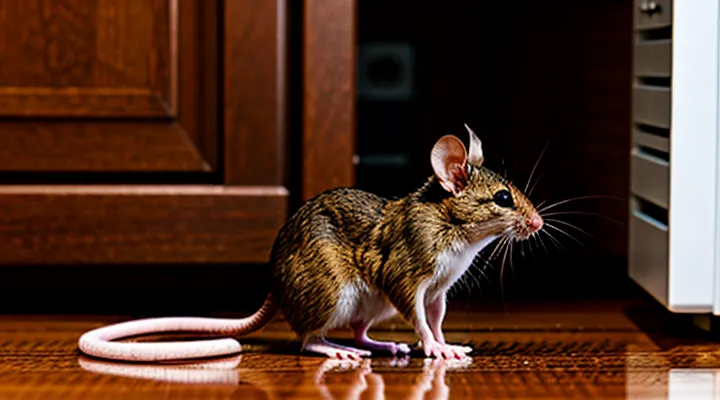
The Enigmatic House Mouse: A Cultural and Biological Overview
Historical Perceptions of Mice
Mice in Ancient Cultures
Mice appear repeatedly in early mythologies, legal codes, and medical texts, reflecting both reverence and apprehension. In ancient Egypt, hieroglyphic scenes depict mice as protectors of stored grain, while agricultural manuals advise traps to prevent crop loss. Greek literature assigns mice to the god Apollo’s domain, linking their nocturnal activity with prophecy; Aristophanes’ comedies portray them as mischievous household intruders, a motif that later influenced Roman household rituals aimed at expelling pests during the Lemuria festival.
Chinese classical sources, such as the Shiji, record that the mouse symbolized abundance and was included among the twelve earthly branches used for calendar calculations. Simultaneously, early medical treatises attribute disease transmission to rodent urine, an observation that anticipates modern epidemiology. In Mesoamerican cultures, mouse imagery adorns pottery and codices, where the animal serves as a metaphor for fertility and renewal, yet also as an omen of famine when populations surge.
Key points across these traditions:
- Protective symbolism – Egypt, China, Mesoamerica associate mice with safeguarding food supplies or fertility.
- Divinatory connections – Greece links mouse behavior to prophetic insight; Rome conducts nocturnal rites to appease household spirits.
- Health concerns – Early Chinese and Greek texts warn of illness linked to rodent waste, foreshadowing contemporary zoonotic research.
- Legal and economic impact – Egyptian agricultural regulations prescribe penalties for negligence in mouse control; Roman law includes provisions for compensation when rodent damage affects trade.
These ancient perspectives illustrate a dual perception: mice as both beneficial indicators of prosperity and vectors of threat, a dichotomy that persists in modern folklore and scientific investigation of domestic rodent populations.
Folklore and Mythology surrounding Rodents
Rodents have occupied a prominent place in folklore across continents, often embodying both omen and tutelary spirit. In ancient Egyptian myth, the mouse was linked to the goddess Sekhmet, whose swift movements were thought to ward off pestilence. Classical Greek narratives describe the mouse as a messenger of Hecate, a deity of crossroads and hidden knowledge, suggesting that sightings foretold transitions or hidden dangers. In East Asian tradition, the rat—a close relative of the mouse—holds a dual reputation: the Year of the Rat in the Chinese zodiac celebrates cleverness and abundance, while rural Japanese tales caution that a mouse entering a home predicts a forthcoming illness or loss of wealth.
European medieval superstitions frequently associated house mice with witchcraft. A common belief held that a solitary mouse appearing at night signaled a witch’s presence, prompting protective charms such as iron pins or salt circles. In Slavic folklore, the mouse was sometimes portrayed as a shapeshifted spirit, capable of stealing domestic harmony unless appeased with grain offerings. Indigenous North American stories often cast the mouse as a trickster figure, teaching moral lessons through its cunning escapes from predators and humans alike.
Scientific investigations reveal that many of these narratives arise from observable rodent behavior. Mice seek warm, sheltered environments, leading to increased contact with human dwellings during colder months; this pattern likely reinforced associations with misfortune. Their rapid breeding cycles and propensity to contaminate food stores provide a tangible basis for myths linking them to disease and scarcity. Understanding the biological drivers behind mouse activity clarifies why cultural narratives repeatedly emphasize their intrusion as a warning sign.
Key motifs in rodent folklore:
- Omens of change – appearances interpreted as heralds of transformation or danger.
- Protective rituals – use of iron, salt, or grain to repel or placate the creature.
- Moral allegories – stories where the mouse’s cleverness illustrates virtues or vices.
These motifs persist because they reflect both the tangible impact of rodents on household stability and the human tendency to encode environmental risks within symbolic frameworks.
Superstitions and Beliefs about Mice in the Home
Portents and Omens Associated with Mice
Mice as Harbingers of Good Fortune
Mice have long appeared in folklore as symbols of prosperity, wealth, and abundance. In Chinese tradition, the arrival of a mouse is interpreted as a sign that household resources will increase, while certain European proverbs associate mouse sightings with imminent financial gain. Indigenous narratives from the Americas describe the mouse as a messenger that carries blessings of harvest and fertility.
Scientific observation links these superstitions to the ecological role of mice. A sudden rise in mouse activity often reflects ample food supplies, stable temperature, and low predator pressure—conditions that also favor human agricultural success. Studies of grain storage show that mouse populations expand when crops are plentiful, providing an indirect indicator of a productive season.
The convergence of cultural belief and ecological data suggests that mice can serve as practical markers of favorable circumstances. Recognizing mouse presence as a cue for underlying resource abundance allows households to anticipate and capitalize on periods of growth, reinforcing the longstanding association between these rodents and good fortune.
Mice as Harbingers of Bad Fortune
Mice have long been linked to misfortune in folklore across Europe, Asia, and the Americas. Ancient Greek texts describe a mouse entering a household as a sign that the hearth will be extinguished, while medieval European proverbs warn that a mouse sighting foretells loss of wealth. In Chinese tradition, the appearance of a mouse at night is interpreted as an omen of impending illness or death. These narratives share a common motif: the sudden, covert arrival of a small creature signals a disruption of stability.
Cultural persistence stems from observable consequences of rodent activity. Mice gnaw electrical wiring, creating fire hazards that can devastate property. Their rapid breeding cycles produce infestations that strain food supplies and increase sanitation costs. Historical societies, lacking modern pest control, often experienced severe damage after a single mouse intrusion, reinforcing the belief that the animal heralds disaster.
Scientific analysis separates myth from measurable risk. Laboratory studies confirm that house mice (Mus musculus) transmit pathogens such as hantavirus, Salmonella, and Leptospira, all of which can cause serious illness in humans. Field observations show that mouse populations surge after structural damage or food scarcity, conditions that frequently follow natural calamities like floods or earthquakes. Consequently, a mouse’s presence may correlate with broader environmental stress, creating a logical basis for the superstition.
Key points:
- Historical records consistently portray mice as predictors of loss, illness, or fire.
- Physical damage caused by gnawing and contamination supports negative associations.
- Pathogen transmission provides a factual link between rodents and health threats.
- Population spikes often follow events that already compromise household safety.
Understanding the interplay between cultural narratives and empirical evidence clarifies why mice continue to symbolize bad fortune in domestic settings.
Cultural Remedies and Rituals
Traditional Methods for Deterring Mice
Traditional deterrent techniques for household rodents have been recorded across cultures for centuries. Practices often blend superstition with observable outcomes, reflecting a pragmatic response to rodent incursions.
- Domestic cats kept indoors or allowed to roam near entry points
- Placement of strong‑smelling herbs such as peppermint, mint, or lavender on windowsills and baseboards
- Sprinkling powdered cayenne, black pepper, or crushed dried chilies near suspected pathways
- Lining door thresholds and gaps with copper or iron strips, materials believed to repel rodents
- Hanging bundles of dried lavender, rosemary, or sage in closets and pantry areas
- Using salt or ash to create a dry, abrasive surface that discourages movement
- Positioning small statues or symbols associated with pest‑warding deities in kitchens and storerooms
Scientific assessment confirms that feline predation reduces mouse activity when cats are active and healthy. Aromatic herbs produce volatile compounds that can deter rodents, though effectiveness varies with concentration and ventilation. Metal barriers exploit rodents’ aversion to conductive surfaces, offering a physical deterrent validated by laboratory tests. Salts and ashes create unfavorable tactile conditions, but their impact diminishes quickly with moisture. Symbolic objects lack measurable influence on mouse behavior, functioning solely as cultural reassurance.
Overall, traditional methods provide a spectrum of efficacy. Techniques involving live predators and physical barriers align with contemporary rodent‑control research, while aromatic and symbolic approaches remain supplementary, rooted in historical practice rather than empirical validation.
Symbolic Meanings of Mouse Encounters
Mouse sightings inside a dwelling have long carried layered interpretations, reflecting cultural narratives and practical observations. Across societies, the creature functions as a symbol, a warning, and a sign of hidden conditions.
- In many East Asian traditions, a mouse entering the home foretells unexpected wealth, linked to the animal’s reputation for gathering and storing grain.
- European folklore frequently associates mouse encounters with disease, citing historical outbreaks of plague that spread through rodent populations.
- Indigenous stories from North America portray mice as tricksters, emphasizing adaptability and cleverness in the face of adversity.
- Certain Mediterranean cultures view a mouse crossing a threshold as an omen of imminent loss, interpreting the animal’s nocturnal habits as a metaphor for unseen danger.
Scientific analysis confirms several practical implications behind these beliefs. Presence of mice indicates breaches in structural integrity, such as gaps in walls or inadequate food storage, which can compromise sanitation. Rodent activity correlates with elevated levels of allergens and pathogens, validating the cautionary aspects of traditional warnings. Moreover, mouse behavior—rapid reproduction and exploratory movements—mirrors the themes of abundance and resourcefulness found in symbolic readings.
Interpretation of mouse encounters should therefore balance cultural symbolism with empirical evidence. Recognizing the creature’s dual role as a narrative device and a biological indicator enables informed responses to household intrusions.
The Scientific Reality: Understanding House Mice
Biological Characteristics of Mus musculus
Anatomy and Physiology
Mice that enter residential spaces possess a compact skeletal framework that enables rapid navigation through narrow openings. The skull houses powerful jaw muscles attached to a reinforced zygomatic arch, allowing the incisors to gnaw wood, insulation, and wiring without fatigue. Vertebral articulation combines flexibility with stability, supporting swift bursts of speed and agile climbing.
- Cervical vertebrae: eight, permitting extensive head rotation.
- Thoracic vertebrae: thirteen, bearing rib cage that protects lung tissue.
- Lumbar vertebrae: six, providing core strength for burrowing and jumping.
- Tail vertebrae: up to 20, serving as a counterbalance during tight turns.
Sensory systems are finely tuned for nocturnal activity. Large, forward‑facing eyes collect low‑intensity light, while a high density of rod cells enhances motion detection. Auditory structures feature an enlarged cochlear canal that amplifies high‑frequency sounds, facilitating early warning of predators or human movement. Vibrissae (whiskers) transmit tactile information through mechanoreceptors, guiding navigation in darkness and through cluttered interiors.
The digestive tract reflects an omnivorous diet adaptable to household waste. Salivary glands secrete amylase to initiate carbohydrate breakdown; the stomach maintains acidic pH for pathogen control. A comparatively short small intestine maximizes nutrient absorption from grains, seeds, and occasional protein sources. The cecum hosts a complex microbiome that ferments fibrous material, producing short‑chain fatty acids that sustain energy reserves during periods of scarcity.
Reproductive anatomy enables rapid population growth in confined environments. Females possess a bicornuate uterus with two distinct horns, each capable of supporting separate litters. Estrous cycles occur every four to five days, and gestation lasts approximately twenty‑three days, yielding litters of five to eight offspring. Efficient lactation is supported by well‑vascularized mammary glands that produce nutrient‑rich milk.
Physiological regulation ensures survival amid fluctuating indoor temperatures. Thermogenic brown adipose tissue generates heat during cold spells, while peripheral vasoconstriction conserves core temperature. Metabolic rate remains high; basal oxygen consumption exceeds that of similarly sized mammals, providing the energy required for constant foraging and escape responses. Renal function concentrates urine, allowing water reabsorption from limited moisture sources often found in kitchen waste.
Collectively, these anatomical and physiological characteristics explain why mice thrive in human dwellings, dispelling mythic interpretations with concrete biological evidence.
Reproductive Cycles and Behavior
Household mice often appear in folklore that links their presence to fertility, wealth, or ill omen. Scientific observation shows that these beliefs arise from the animal’s rapid breeding capacity rather than any mystical influence.
Female mice enter an estrous cycle lasting 4–5 days. Ovulation occurs at the end of the cycle, permitting conception within a narrow time window. Gestation averages 19–21 days, after which a litter of 5–8 pups is typical. Because females can become pregnant again within 24 hours of giving birth, a single pair can generate several generations in a few months.
Key reproductive parameters:
- Estrous cycle: 4–5 days
- Ovulation: occurs on the night of estrus
- Gestation: 19–21 days
- Litter size: 5–8 pups (average)
- Post‑partum estrus: within 24 hours
- Breeding frequency: up to 10 litters per year in optimal conditions
Males contribute to rapid population growth through territorial marking and scent communication. Dominant males establish scent‑rich boundaries that attract receptive females and deter rivals. Courtship involves ultrasonic vocalizations and a series of mounting attempts that may last several minutes. After copulation, males resume patrolling, ensuring continuous access to multiple females.
Behavioral patterns support reproductive success. Mice construct nests from shredded material, providing warmth and protection for newborns. Nest sites are chosen for proximity to food sources and minimal disturbance. Off‑spring remain with the mother for 3–4 weeks, during which they acquire foraging skills and social cues. Once weaned, juveniles disperse to establish new territories, perpetuating the cycle.
Superstitions that associate mice with luck or misfortune reflect an intuitive recognition of their prolific breeding, yet they overlook the ecological mechanisms that drive such outcomes. Understanding the precise hormonal cycles, gestational timing, and social behaviors clarifies why mouse infestations can expand swiftly in domestic settings and dispels myth with empirical evidence.
Health and Economic Impacts
Disease Transmission by Rodents
Rodents that enter residential spaces act as carriers of a range of pathogens capable of causing illness in humans. Their secretions, urine, feces, and bites provide direct routes for microbial transfer, while contaminated food and surfaces facilitate indirect exposure.
Key agents transmitted by house mice include:
- Bacteria: Salmonella spp., Leptospira spp., Streptobacillus moniliformis (rat‑bite fever), Clostridium spp.
- Viruses: Hantavirus, Lymphocytic choriomeningitis virus (LCMV), Hepatitis E virus.
- Parasites: Bartonella spp., Toxoplasma gondii (via intermediate hosts), various nematodes and ectoparasites such as fleas and mites.
Transmission mechanisms:
- Inhalation of aerosolized particles from dried rodent droppings, especially relevant for hantavirus.
- Ingestion of contaminated food or water, common with Salmonella and Leptospira.
- Skin penetration through bites or scratches, providing entry points for bacterial agents.
- Contact with contaminated surfaces, leading to secondary spread to other household members.
Preventive measures focus on exclusion, sanitation, and control:
- Seal entry points, install door sweeps, and repair structural gaps.
- Store food in airtight containers, promptly clean spills, and remove clutter that offers shelter.
- Employ traps or professional pest‑management services, ensuring proper disposal to avoid aerosolization of dried droppings.
- Conduct regular cleaning with disinfectants effective against bacterial and viral agents, wearing protective gloves and masks when handling rodent waste.
Understanding the specific pathogens and their routes of transmission enables targeted interventions, reducing the risk of disease outbreaks linked to domestic rodent infestations.
Damage to Property and Food Contamination
Mice that invade residential spaces inflict measurable damage to structures and food supplies. Their gnawing habit compromises building materials, while contamination of stored provisions poses health risks.
- Chewed wood, insulation, and drywall weaken walls and ceilings.
- Damaged plastic piping can lead to leaks.
- Severed electrical wires increase fire hazard and cause costly repairs.
Food stores become contaminated through direct consumption, urine, and fecal deposits. Contaminated products may develop mold or bacterial growth, leading to spoilage and potential food‑borne illness. Pathogens commonly associated with rodent contamination include Salmonella, Hantavirus, and Listeria.
Popular folklore often portrays mice as symbols of prosperity or omens. Scientific evidence, however, quantifies their impact in monetary terms and public‑health metrics, demonstrating that the true cost of an infestation far exceeds any superstitious interpretation.
Effective Rodent Control Strategies
Preventative Measures for Homeowners
Preventative measures for homeowners focus on eliminating conditions that attract rodents and on blocking their access to living spaces.
Seal all potential entry points. Inspect the building envelope for gaps around doors, windows, utility penetrations, and foundation cracks. Apply steel wool, caulk, or metal flashing to close openings larger than a quarter‑inch, as mice can squeeze through much smaller spaces.
Maintain a clean environment. Store food in airtight containers, promptly clean crumbs and spills, and remove standing water. Regularly dispose of garbage in sealed bins placed away from the house. Declutter basements, attics, and storage areas to reduce hiding places.
Implement active monitoring. Place snap traps, live‑catch traps, or electronic detectors along walls, behind appliances, and near suspected pathways. Check devices daily and dispose of captured rodents according to local regulations.
Use bait stations responsibly. Deploy rodenticides in tamper‑proof stations, positioning them out of reach of children and pets. Follow label instructions and consider professional application to ensure safety and efficacy.
Schedule periodic inspections. Engage a licensed pest‑control service annually or after any signs of activity, such as droppings, gnaw marks, or audible noises. Professionals can identify hidden infestations and recommend targeted treatments.
Address superstition‑derived practices with evidence‑based actions. While folklore may attribute symbolic meanings to mice, scientific data confirm that infestations increase the risk of disease transmission, structural damage, and food contamination. Prioritizing the measures above reduces these hazards and eliminates the need for ritualistic remedies.
Humane and Scientific Methods of Eradication
House mice generate numerous cultural myths, yet effective control relies on evidence‑based practices.
Humane strategies prioritize avoidance of suffering while reducing populations. Live‑catch traps allow capture without injury; captured individuals can be released far from the residence, preferably beyond the 5‑kilometer radius that limits re‑entry. Sealable containers prevent escape during transport. Exclusion techniques—filling gaps larger than ¼ inch, installing door sweeps, and repairing foundation cracks—eliminate entry points, cutting future infestations at the source. Sanitation measures, such as storing food in airtight containers, promptly disposing of waste, and removing clutter, deprive mice of shelter and sustenance, thereby lowering reproductive success.
Scientific eradication complements humane methods with targeted, low‑risk toxins and technology. Anticoagulant bait stations, placed in concealed locations, deliver a single lethal dose while minimizing secondary poisoning; modern formulations require minimal exposure time and feature tamper‑resistant designs. Ultrasonic emitters generate frequencies above human hearing that disrupt rodent communication, though efficacy varies with environmental acoustics and must be combined with other controls. Integrated pest management (IPM) coordinates monitoring, identification, and a hierarchy of interventions: first, exclusion and sanitation; second, humane trapping; third, regulated bait use when populations exceed economic thresholds.
Implementation follows a stepwise protocol:
- Conduct a thorough inspection to locate activity signs and entry points.
- Apply exclusion and sanitation measures to remove attractants.
- Deploy live‑catch traps in high‑traffic zones; monitor and release captured mice promptly.
- If activity persists, install bait stations with approved anticoagulants, adhering to label directions and local regulations.
- Evaluate outcomes weekly; adjust tactics based on trap counts and signs of re‑infestation.
Combining humane capture, structural denial of access, and scientifically validated toxicants yields sustainable reduction of indoor mouse populations while respecting animal welfare and public health standards.