
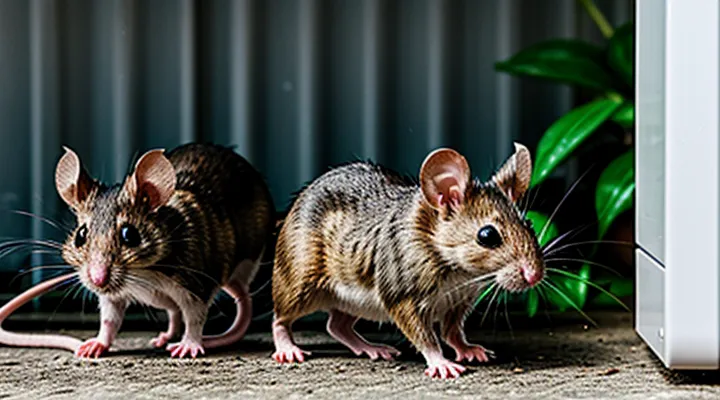
Understanding Rabies: A Brief Overview
The Rabies Virus
The rabies virus (Rabies lyssavirus) belongs to the family Rhabdoviridae and possesses a single‑stranded, negative‑sense RNA genome encapsulated by a helical nucleocapsid and a lipid envelope studded with glycoprotein spikes. Transmission occurs through the saliva of infected mammals; bites, scratches, or mucosal contact introduce the virus into peripheral nerves, where it travels centripetally to the central nervous system.
Key attributes of the virus:
- Genome length ≈ 12 kb, encoding five proteins: nucleoprotein (N), phosphoprotein (P), matrix protein (M), glycoprotein (G), and RNA polymerase (L).
- Glycoprotein G mediates attachment to neuronal acetylcholine receptors and facilitates endocytosis.
- Replication confined to neuronal cells; systemic spread limited, which explains the absence of viremia.
- Incubation period varies from 2 weeks to several months, determined by bite location and viral load.
Clinical progression in mammals follows a predictable pattern: prodromal signs (fever, malaise), acute neurologic phase (agitation, hypersalivation, hydrophobia), and terminal paralytic phase leading to death. Diagnosis relies on detection of viral antigens in brain tissue by direct fluorescent antibody testing, or on reverse‑transcriptase PCR of saliva, cerebrospinal fluid, or skin biopsies.
Preventive measures include pre‑exposure vaccination of high‑risk personnel, post‑exposure prophylaxis comprising wound cleansing, rabies immunoglobulin, and a series of inactivated vaccine doses. In rodent populations, the virus is rarely maintained; however, experimental infection demonstrates that mice can succumb to rabies after intracerebral inoculation, indicating potential, albeit low, risk under atypical exposure scenarios.
Control strategies for wildlife reservoirs (e.g., raccoons, bats) indirectly reduce spillover risk to rodents and humans. Surveillance programs that monitor rabies incidence in sympatric species provide early warning of emerging threats and guide targeted vaccination campaigns.
Transmission Mechanisms
Animal-to-Animal
Mice can participate in rabies transmission through direct and indirect animal‑to‑animal contact. Direct exposure occurs when a mouse is bitten or scratched by a rabid carnivore, allowing the virus to enter its tissues. Indirect exposure involves consumption of infected carcasses or contact with saliva‑contaminated surfaces, which may lead to virus acquisition and subsequent spread to predatory species.
Key mechanisms of inter‑species rabies spread include:
- Predation: Rabid predators ingest infected rodents, becoming infected after viral replication in peripheral nerves.
- Scavenging: Carnivores feeding on dead mice that carried the virus may acquire infection.
- Aggressive encounters: Bites or scratches during territorial disputes transmit the virus directly.
Rodent populations serve as reservoirs for the virus in ecosystems where predator‑prey dynamics are intense. Control measures that reduce mouse density and limit contact between rodents and susceptible carnivores decrease the probability of animal‑to‑animal rabies transmission. Monitoring of rodent mortality and testing of captured specimens provide early indicators of viral presence in wildlife communities.
Animal-to-Human
Rodent‑borne rabies represents a documented route of zoonotic infection, with mice capable of harboring the virus and transmitting it through bites or scratches. Documented cases illustrate that, although rare, direct contact with infected rodents can result in human exposure.
Epidemiological data show a higher incidence of rodent‑associated rabies in regions where stray mouse populations intersect with domestic environments. Surveillance reports indicate that outbreaks often follow increases in rodent density, especially in urban settings lacking effective pest control.
Transmission occurs primarily via saliva introduced into broken skin or mucous membranes. Secondary exposure routes include contact with contaminated surfaces, where the virus may persist for several hours under favorable conditions. Laboratory studies confirm that the virus remains viable in rodent tissues for up to 48 hours post‑mortem.
Preventive actions focus on minimizing direct contact and promptly managing injuries:
- Implement integrated pest‑management programs to reduce mouse populations in residential and occupational areas.
- Ensure immediate wound cleansing with soap and water, followed by antiseptic application.
- Seek medical evaluation for any bite or scratch, with post‑exposure prophylaxis administered according to established guidelines.
- Educate community members about safe handling of rodents and the risks associated with wildlife exposure.
Adherence to these measures markedly decreases the probability of animal‑to‑human rabies transmission.
Rabies Symptoms and Progression
In Animals
Mice serve as potential reservoirs for the rabies virus, capable of maintaining viral presence in environments where other mammals are scarce. Although classic rabies vectors include carnivores such as dogs and foxes, rodent populations can harbor the pathogen and facilitate indirect transmission.
Key aspects of infection risk in animals:
- Direct contact with infected saliva during aggressive encounters or grooming.
- Contamination of shared food sources and nesting materials.
- Predation or scavenging of infected mice by larger mammals.
Domestic pets, particularly unvaccinated dogs and cats, face heightened exposure when roaming in areas with dense mouse activity. Wildlife species that prey on rodents, including raccoons, coyotes, and certain bird of prey, may acquire the virus through ingestion of infected tissue.
Mitigation strategies focus on:
- Routine vaccination of susceptible companion animals according to veterinary guidelines.
- Integrated pest management to reduce mouse populations in residential and agricultural settings.
- Surveillance programs that test rodent colonies for rabies antigens, enabling early detection of outbreaks.
In Humans
Mice can act as carriers of the rabies virus, posing a direct threat to human health when bites or scratches occur. The virus is transmitted through saliva that contacts broken skin or mucous membranes, leading to infection if timely post‑exposure prophylaxis is not administered.
Key factors influencing human infection risk include:
- Presence of wild or feral mice in residential areas
- Increased contact during agricultural or laboratory work
- Lack of vaccination in domestic animals that may interact with rodents
- Delayed medical attention after exposure
If symptoms such as fever, headache, or neurological disturbances develop following a rodent bite, immediate evaluation and administration of rabies immunoglobulin and vaccine are essential to prevent fatal progression.
Mice and Rabies: Investigating the Connection
Historical Context of Rabies in Rodents
Historical records identify rabies primarily as a disease of domestic dogs and wild carnivores. Early veterinary literature from the 1800s occasionally mentions rodents as incidental hosts, but emphasizes their rarity.
Key milestones in the understanding of rabies in rodents include:
- 1885: French veterinarian Pierre‑Louis‑Gaston de Lépinay documents a laboratory‑induced infection in a laboratory mouse, noting rapid disease progression.
- 1903: Russian researcher I. M. Korsakov reports a field case of a wild mouse found dead with typical rabies lesions, suggesting natural transmission is possible but uncommon.
- 1921: The Pasteur Institute publishes experimental data confirming that mice can develop rabies after intracerebral inoculation, while peripheral routes result in low infection rates.
- 1965: WHO advisory panel classifies rodents as “low‑susceptibility species” based on accumulated experimental evidence.
Factors limiting rodent involvement in rabies cycles are:
- High susceptibility to lethal infection, preventing prolonged viral shedding.
- Low propensity for bite transmission due to small dentition and brief contact duration.
- Predominant exposure to carnivore reservoirs rather than direct contact with infected rodents.
Contemporary surveillance data reflect the historical trend: rodents account for a negligible proportion of laboratory‑confirmed rabies cases. The historical perspective reinforces current risk assessments, which prioritize carnivore sources while acknowledging that rodents can serve as incidental carriers under experimental conditions.
Scientific Consensus on Mice as Rabies Vectors
Low Incidence of Rabies in Mice
Mice rarely serve as natural reservoirs for rabies virus. Surveillance programs in North America and Europe record fewer than ten confirmed mouse infections among millions of tested rodents, representing a fraction of one percent of all rabies cases. Experimental inoculation studies show that mice develop transient, non‑productive infection, with viral replication limited to peripheral tissues and absent in central nervous system.
Key factors contributing to low incidence:
- Reduced expression of neuronal receptors required for viral entry.
- Efficient innate immune responses that clear virus before neuroinvasion.
- Short lifespan and limited contact with primary rabies hosts such as carnivores and bats.
These biological constraints translate into minimal public health risk. Routine rodent control measures remain justified for general pest management, but specific rabies precautions for mice are unnecessary in most settings. Nonetheless, occasional spill‑over events from infected predators warrant continued monitoring of mouse populations in high‑risk zones.
Reasons for Low Risk
Mice are rarely competent reservoirs for the rabies virus, which limits the probability of transmission to humans. The virus is primarily maintained in carnivorous species; rodents seldom develop sufficient viral loads to infect other animals. Consequently, exposure incidents involving mice result in a negligible number of confirmed rabies cases.
Key factors that keep the infection risk low include:
- Low prevalence of rabies infection in wild mouse populations.
- Minimal virus replication within rodent nervous tissue, reducing shedding potential.
- Limited bite incidence: mice inflict superficial wounds that rarely penetrate deep tissue where the virus resides.
- Effective public health surveillance that quickly identifies and isolates rabid wildlife, decreasing environmental exposure.
- Standard rodent control measures in residential and laboratory settings that prevent prolonged contact.
These elements collectively ensure that the likelihood of acquiring rabies from mice remains minimal under typical circumstances.
Factors Influencing Potential Infection in Mice
Exposure to Rabid Animals
Exposure to rabid animals represents a direct pathway for the rabies virus to enter human or domestic‑animal hosts. Transmission occurs through saliva introduced into broken skin, mucous membranes, or deep scratches. Although rodents are uncommon reservoirs, infected mice can act as vectors when they bite or contaminate environments with viral particles.
Typical scenarios include:
- Bite or scratch from a visibly ill wild mammal.
- Handling of a dead or dying animal without protective gloves.
- Contact with saliva‑contaminated surfaces, such as cages or feeding stations.
- Accidental ingestion of infected tissue, particularly in laboratory settings.
Risk increases in regions where rabies is endemic, during breeding seasons when animal aggression peaks, and where vaccination programs for wildlife are absent. Unvaccinated pets or livestock sharing habitats with wild rodents further elevate the threat.
Preventive actions focus on minimizing contact and ensuring rapid response after an incident. Immediate measures after potential exposure are:
- Flush the wound with running water for at least 15 minutes; apply mild soap if available.
- Apply an antiseptic solution to reduce secondary infection.
- Seek medical evaluation within 24 hours; document animal description and circumstances.
- Initiate post‑exposure prophylaxis according to local health‑authority guidelines.
Consistent use of protective equipment, regular vaccination of domestic animals, and public education about rabid wildlife behavior constitute the core of an effective risk‑reduction strategy.
Vulnerability to the Virus
Mice exhibit heightened susceptibility to the rabies virus due to physiological and ecological characteristics. The virus exploits peripheral nerve endings, travels retrograde to the central nervous system, and causes fatal encephalitis. Factors influencing vulnerability include:
- Direct contact with infected saliva during aggressive encounters or cannibalistic behavior.
- High population density in confined habitats, which increases transmission probability.
- Seasonal fluctuations that elevate rodent activity and bite incidents.
- Compromised immune function caused by malnutrition, stress, or co‑infection with other pathogens.
Laboratory studies demonstrate that certain mouse strains lack robust neutralizing antibody responses, resulting in prolonged viral replication. Environmental contamination with infected carcasses or contaminated feed further amplifies exposure risk. Surveillance of rodent populations and prompt removal of potential sources of infection reduce the probability of virus establishment.
Assessing Potential Infection Risks for Humans
Direct Exposure to Mice: Risk Assessment
Bites from Mice
Mouse bites occur infrequently but represent a direct pathway for pathogen transmission. Bites typically result from defensive behavior when mice feel threatened, and they are most likely in environments where food sources attract rodents, such as kitchens, storage areas, and agricultural facilities. Prompt wound cleaning reduces the likelihood of infection.
Key microorganisms associated with mouse bites include:
- Rabies virus – rare in murine populations but documented in regions with endemic wildlife reservoirs.
- Streptobacillus moniliformis – causative agent of rat‑bite fever, also transmitted by mice.
- Pasteurella spp. – common skin flora that may cause localized cellulitis.
- Clostridium spp. – anaerobic bacteria capable of producing severe soft‑tissue infections.
Management of a mouse bite requires immediate decontamination with soap and water, followed by antiseptic application. Medical evaluation should assess the need for tetanus booster, prophylactic antibiotics targeting aerobic and anaerobic organisms, and rabies post‑exposure prophylaxis when exposure risk is identified. Documentation of the incident and identification of the rodent, if possible, support appropriate clinical decisions.
Preventive measures focus on rodent exclusion, sanitation, and secure storage of food and waste. Regular inspection of premises for signs of infestation, sealing entry points, and employing integrated pest‑management strategies decrease the probability of bites and associated disease transmission.
Scratches from Mice
Scratches inflicted by mice represent a direct pathway for pathogen entry. The skin breach can introduce bacterial agents such as Staphylococcus aureus and Streptococcus pyogenes, leading to cellulitis or abscess formation. Rodent saliva may also carry zoonotic viruses, including hantavirus, which can cause hemorrhagic fever with renal syndrome after percutaneous exposure. Leptospira spp., shed in rodent urine, may contaminate the wound if the animal’s claws are soiled, resulting in leptospirosis with hepatic and renal complications.
Rabies transmission through mouse scratches is considered exceptionally rare. The virus is typically present in the central nervous system and saliva of infected mammals; mice rarely develop sufficient viral loads to pose a credible bite‑ or scratch‑mediated risk. Nevertheless, in regions where rabies is endemic among wildlife, any unexplained rodent injury warrants evaluation.
Preventive measures focus on immediate wound management and risk assessment:
- Clean the scratch with running water and mild antiseptic solution.
- Apply pressure to control bleeding; remove visible debris.
- Cover with sterile dressing; monitor for redness, swelling, or pus.
- Seek medical evaluation if the wound deepens, shows signs of infection, or if exposure occurred in a rabies‑endemic area.
- Consider tetanus booster update according to local immunization schedule.
- In high‑risk settings, discuss post‑exposure rabies prophylaxis with a healthcare professional.
Prompt decontamination reduces bacterial colonization, while professional assessment addresses less common viral threats. Awareness of these infection vectors supports effective risk mitigation for mouse‑related scratches.
Contact with Mouse Saliva
Contact with mouse saliva presents a documented pathway for rabies virus transmission. The virus may be present in the oral secretions of infected rodents, and bite wounds or mucosal exposure provide direct entry points to host tissue.
Transmission occurs when saliva containing viable virions contacts broken skin, conjunctiva, or oral mucosa. The virus replicates in peripheral nerves before migrating to the central nervous system, producing the characteristic fatal encephalitis.
Risk assessment identifies several exposure scenarios:
- Bite incidents involving wild or laboratory mice.
- Handling of mice without protective gloves, resulting in scratches that become contaminated with saliva.
- Accidental aerosolization of saliva droplets during cage cleaning or necropsy procedures.
Preventive measures focus on minimizing direct contact and ensuring prompt medical response:
- Wear puncture‑resistant gloves and eye protection when handling rodents.
- Disinfect cages and equipment with validated virucidal agents after each use.
- Implement immediate wound cleansing with soap and water, followed by antiseptic application.
- Seek post‑exposure prophylaxis (PEP) from qualified health professionals if a bite or saliva exposure occurs, especially in regions where rabies is endemic among wildlife.
Indirect Exposure and Environmental Factors
Contaminated Food or Water
Mice frequently infiltrate storage areas, gnawing packaging and leaving saliva, urine, and feces on consumables. These secretions can introduce the «Rabies virus» into food and water supplies, creating a potential exposure pathway that differs from the classic bite transmission.
The virus remains infectious for several hours in moist environments. When deposited on edible items, it can survive long enough to be ingested or to contaminate surfaces that later contact the mouth or mucous membranes.
Epidemiological data indicate that rodent‑associated rabies cases are rare, yet documented incidents involve ingestion of contaminated material followed by clinical manifestation. The low incidence reflects both the limited susceptibility of mice to the virus and the reduced efficiency of oral transmission, but the risk cannot be dismissed in settings with high rodent activity.
Preventive actions focus on eliminating sources of contamination and minimizing contact with suspect supplies:
- Seal food containers and water dispensers to prevent rodent entry.
- Conduct regular inspections for gnaw marks, droppings, and urine stains.
- Implement integrated pest‑management programs that combine traps, baits, and environmental sanitation.
- Discard any food or water that shows evidence of rodent contact.
- Educate personnel on proper handling of waste and prompt reporting of rodent sightings.
Adhering to these measures reduces the likelihood that «Rabies virus» enters the human food chain via contaminated provisions.
Shared Habitats
Mice frequently occupy environments that also support rabies‑carrying species, such as raccoons, skunks, and foxes. When these animals share burrows, storage facilities, or urban refuse sites, the probability of virus exposure for mice increases.
Direct contact with infected saliva, bite wounds, or contaminated surfaces provides the most efficient pathway for viral entry. Indirect exposure occurs when rodents ingest carcasses or scavenge in areas where rabid animals have shed the virus.
- Overlap of shelter structures (e.g., abandoned buildings, sheds)
- Presence of food waste attracting both rodents and wildlife
- Seasonal migration of rabies reservoirs into human‑controlled spaces
- High population density of mice amplifying intra‑species transmission
Mitigation measures include sealing entry points, removing food sources, and implementing regular wildlife control programs. Monitoring rodent populations for signs of illness and vaccinating domestic animals in high‑risk zones further reduces the likelihood of rabies spread through shared habitats.
When to Seek Medical Attention
After a Mouse Bite
After a mouse bite, the priority is to prevent bacterial infection and evaluate the possibility of rabies exposure. Immediate actions include:
- Wash the wound thoroughly with soap and running water for at least one minute.
- Apply a disinfectant such as povidone‑iodine or chlorhexidine.
- Cover the area with a clean, sterile dressing.
Medical evaluation should follow the initial cleaning. Healthcare providers will:
- Assess the depth and location of the bite for signs of tissue damage.
- Determine tetanus immunization status and administer a booster if indicated.
- Evaluate rabies risk based on the mouse’s behavior, location, and any known outbreaks among local rodent populations.
Rabies transmission from mice is uncommon, yet documented cases exist when rodents become infected through contact with a rabid predator. When risk factors are present—such as a bite from a wild mouse in an area with recent rabies activity—post‑exposure prophylaxis (PEP) may be recommended. PEP typically consists of:
- A series of rabies vaccine injections on days 0, 3, 7, and 14.
- Administration of rabies immune globulin (RIG) at the wound site for individuals with no prior vaccination.
Observation of the animal, if feasible, aids risk assessment. Captured mice should be placed in secure containment and submitted to local veterinary or public‑health authorities for testing. If the animal cannot be retrieved, the decision to initiate PEP relies on epidemiological data and clinical judgment.
Documentation of the incident, including bite description, animal characteristics, and timing of first aid, supports accurate follow‑up and reporting to health‑surveillance systems.
Symptoms Suggestive of Rabies Exposure
Rabies exposure through rodent bites or scratches can produce a distinct set of clinical signs that progress rapidly after the virus reaches the central nervous system. Early manifestations, often termed the prodromal phase, may include:
- Fever and malaise
- Localized pain or paresthesia at the bite site
- Headache and general weakness
Within days, the illness typically advances to one of two recognizable patterns. The “furious” form is characterized by:
- Hyperexcitability and agitation
- Hydrophobia, manifested as intense fear of water
- Aerophobia, a pronounced aversion to air currents
- Excessive salivation and difficulty swallowing
The “paralytic” (or “dumb”) form presents with:
- Progressive muscle weakness beginning at the site of the wound
- Ascending paralysis that may involve respiratory muscles
- Absence of the dramatic behavioral changes seen in the furious type
Late-stage symptoms, common to both presentations, involve severe neurological dysfunction, including seizures, coma, and eventual death if untreated. The incubation period varies from weeks to months, influenced by factors such as wound severity, viral load, and distance of the entry point from the brain. Prompt medical evaluation following any rodent‑related injury is essential to assess rabies risk and initiate post‑exposure prophylaxis when indicated.
Prevention and Safety Measures
Rodent Control Strategies
Exclusion Methods
Exclusion methods constitute the primary strategy for reducing the risk of rabies transmission from rodents to humans and domestic animals. By preventing rodent ingress, the opportunity for virus‑carrying species to establish contact with susceptible hosts is eliminated.
Physical barriers are essential. Sealing cracks and gaps in foundations, walls, and roofs removes common entry points. Installing door sweeps, window screens, and metal mesh around vents blocks larger and smaller rodents alike. Chimney caps and vent covers further restrict access to interior spaces.
Environmental management reduces attractants that draw rodents into structures. Maintaining a clear perimeter by trimming vegetation, removing debris, and storing firewood away from buildings diminishes shelter options. Proper waste disposal and securing food sources limit the availability of sustenance that encourages infestation.
Regular maintenance and monitoring ensure long‑term effectiveness. Routine inspections identify new openings before they become problematic. Strategic placement of live‑capture traps around potential entry zones provides early detection of breaches. Documentation of inspection findings and corrective actions supports compliance with health‑safety standards.
Key exclusion techniques include:
- Sealing all structural gaps with durable caulking or metal flashing
- Installing robust screening on windows, vents, and utility openings
- Applying rodent‑proof door sweeps and threshold seals
- Implementing vegetation control within a three‑meter radius of the building
- Conducting quarterly inspections and immediate repair of identified defects
- Deploying monitoring traps to verify the absence of rodent activity
Adopting these measures creates a comprehensive barrier that minimizes the probability of rabies exposure originating from rodent populations.
Trapping and Removal
Mice can act as vectors for rabies‑transmitting agents, making effective population control a critical component of disease prevention. Prompt identification of rodent activity, followed by systematic trapping, reduces the likelihood of human and animal exposure to the virus.
- Live‑capture cages: allow inspection of captured individuals, facilitate immediate euthanasia or disposal according to local regulations.
- Snap traps: provide rapid kill, minimize handling time, and are suitable for indoor and outdoor use.
- Electronic traps: deliver instantaneous lethal shock, reduce risk of injury to non‑target species.
- Glue boards: useful for monitoring low‑level infestations, require careful handling to avoid secondary contamination.
Removal protocols demand compliance with health‑safety standards. Captured mice should be placed in sealed, puncture‑resistant containers before disposal by incineration or approved waste services. Relocation is discouraged, as it may spread infection to new areas. After removal, thorough disinfection of the capture site with virucidal agents eliminates residual viral particles.
Preventive measures complement trapping efforts. Seal cracks, gaps, and utility openings to block entry. Store food in airtight containers and maintain regular waste collection to diminish attractants. Routine inspection of potential nesting sites enables early intervention before infestations reach levels that increase rabies transmission risk.
Sanitation Practices
Effective sanitation reduces the likelihood that rodents transmit rabies‑associated pathogens. Regular removal of food residues eliminates attractants that draw mice into human habitats. Waste containers should be sealed, emptied daily, and positioned away from building entrances. Surfaces in kitchens, storage areas, and waste handling zones require routine cleaning with disinfectants proven to inactivate viral agents.
Key sanitation measures include:
- Immediate disposal of spilled grain, fruit, or other edible waste.
- Daily sweeping and mopping of floors using a solution containing at least 0.1 % sodium hypochlorite.
- Weekly deep cleaning of cabinets, shelving, and equipment to remove accumulated debris.
- Inspection and sealing of cracks, gaps, and openings that could serve as entry points for rodents.
- Proper storage of feed and waste in metal or reinforced containers resistant to gnawing.
Monitoring protocols enhance preventive efforts. Visual inspections for droppings, gnaw marks, and nesting material should be conducted at least twice per week. Positive findings trigger intensified cleaning cycles and targeted rodent control actions. Documentation of sanitation activities supports compliance with health regulations and facilitates trend analysis.
Adherence to these practices minimizes rodent presence, thereby lowering the risk of rabies transmission through indirect contact or bite exposure. Consistent implementation forms a critical component of comprehensive infection‑prevention programs.
Personal Protection During Rodent Encounters
Wearing Gloves
Wearing gloves forms a primary barrier against direct contact with rodent saliva, urine, and tissues that may harbor rabies virus. Disposable nitrile or latex gloves provide chemical resistance and reduce the likelihood of skin punctures when handling captured mice or cleaning infested areas.
Key practices include:
- Selecting gloves that fit snugly to maintain tactile sensitivity while preventing tears.
- Donning gloves before any interaction with rodents, bedding, or contaminated surfaces.
- Changing gloves immediately after each task, especially if visible contamination occurs.
- Disposing of used gloves in sealed biohazard containers to avoid accidental exposure during removal.
Proper glove use, combined with hand hygiene after removal, minimizes the risk of virus transmission through accidental scratches or mucous‑membrane contact.
Avoiding Direct Contact
Avoiding direct contact with rodents is essential for minimizing the risk of rabies transmission. Physical interaction—such as handling, petting, or attempting to capture wild mice—creates a pathway for saliva or brain tissue to enter a wound, providing the virus with a viable entry point.
Preventive measures include:
- Wearing thick‑walled gloves when cleaning areas where mice may nest.
- Using long‑handled tools to remove droppings or carcasses without touching them.
- Keeping children and pets supervised in environments where rodent activity is suspected.
Sanitation practices further reduce exposure opportunities. Disinfect surfaces with approved virucidal agents after any potential contact, and store food in sealed containers to deter rodent intrusion. Maintaining these protocols lowers the probability of encountering infectious material and protects public health.
Pet Vaccinations and Protection
Protecting Domestic Animals
Rodents, particularly mice, can serve as carriers of the rabies virus, creating a direct threat to household pets. When a rodent infected with rabies is bitten or scratches a dog or cat, the pathogen can be transmitted, leading to severe disease or death. Preventing such exposure is essential for safeguarding domestic animals.
Effective protection requires a combination of preventive measures:
- Maintain up‑to‑date rabies vaccinations for all dogs and cats; vaccination eliminates the majority of fatal outcomes.
- Secure food storage and waste disposal to eliminate attractants that draw rodents into living spaces.
- Seal gaps, cracks, and openings in walls, foundations, and doors to prevent rodent entry.
- Implement regular rodent‑control programs using traps or professional pest‑management services, ensuring humane and safe methods.
- Conduct routine health examinations for pets, focusing on wound assessment after any encounter with wildlife.
Additional actions reinforce risk reduction:
- Educate household members about the signs of rabies in both wildlife and pets, encouraging immediate veterinary consultation if symptoms appear.
- Establish a reporting protocol for wildlife sightings and suspected rabid animals, enabling rapid response from local health authorities.
- Keep a record of all preventive steps taken, facilitating review and adjustment of strategies as needed.
Limiting Pet Exposure to Wild Rodents
Limiting domestic animals’ contact with wild rodents reduces the likelihood of rabies transmission. Wild mice often serve as reservoirs for the virus; when pets encounter them, the pathogen can be transferred through bites or scratches. Preventive measures focus on environmental control, behavioral management, and veterinary interventions.
Key actions include:
- Securing food storage in sealed containers to deter rodent foraging.
- Installing rodent‑proof barriers around pet enclosures, such as fine mesh screens and tight-fitting lids.
- Maintaining regular cleaning schedules to eliminate droppings and nesting material.
- Conducting routine health checks and vaccinating pets against rabies according to veterinary guidelines.
- Monitoring outdoor areas for signs of rodent activity and applying integrated pest‑management strategies when necessary.
Implementing these steps creates a physical and behavioral barrier that minimizes exposure opportunities. Consistent application of environmental safeguards, combined with up‑to‑date immunization protocols, forms an effective defense against potential infection risks associated with wild rodent interactions.