
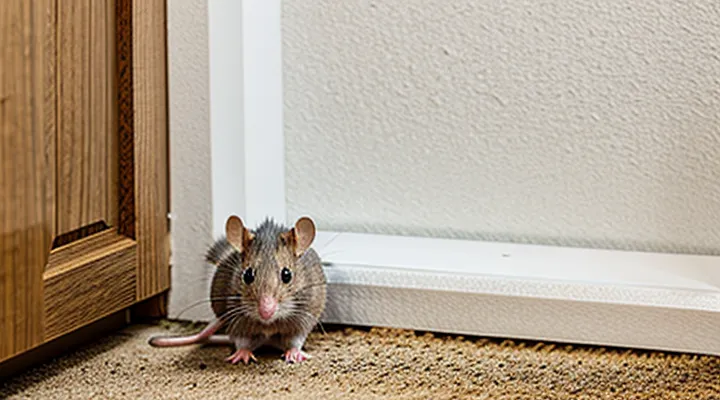
Understanding the Problem: Mice and Insulation
Why Mice are Attracted to Homes
Food Sources
Food availability determines mouse movement patterns and the success of any barrier system that relies on mineral wool insulation.
Typical attractants include:
- Grains, cereals, and stored flour
- Pet food left uncovered
- Fruit, vegetables, and kitchen scraps
- Seeded bird feeders and compost piles
- Crumbs and spills on floors or countertops
Mineral wool blocks entry points by filling cracks, gaps, and voids where food odors can seep. Its dense, non‑combustible fibers create a physical barrier that prevents mice from reaching concealed food stores. When installed correctly, the material eliminates pathways that rodents exploit to locate and consume available nourishment.
Effective implementation combines thorough sanitation with comprehensive sealing. Remove all accessible food residues, store consumables in airtight containers, and apply mineral wool to all potential ingress sites, including wall cavities, attic openings, and floor joist spaces. Continuous monitoring of food sources and maintenance of the insulation layer sustains long‑term protection against mouse infestation.
Shelter and Warmth
Mineral wool, when installed correctly, forms a barrier that limits both access points and thermal comfort for rodents seeking shelter. The dense, fibrous structure resists penetration, forcing mice to encounter an environment that lacks the structural support required for nesting.
Key aspects of the barrier:
- Low thermal conductivity maintains cooler interior surfaces, discouraging the warmth that rodents typically exploit.
- Fibers create an unstable substrate, preventing the formation of stable nests.
- The material’s rigidity reduces gaps that could serve as entry routes, especially around structural joints and openings.
By integrating mineral wool into wall cavities, attic spaces, and floor voids, the habitat that mice normally exploit becomes inhospitable. The insulation’s temperature‑stabilizing properties eliminate the localized heat pockets that attract rodents during colder months, while its physical composition deters the construction of nests. Consequently, the combination of structural obstruction and temperature control delivers a reliable method for reducing rodent presence without reliance on chemical agents.
The Dangers of Rodent Infestation
Property Damage
Mice infiltrate structures through minute openings, gnawing electrical wiring, insulation, and structural timber. The resulting damage compromises safety, increases fire risk, and leads to costly repairs. When mineral wool is installed as a barrier, its dense, fibrous composition blocks chewing and nesting, limiting direct contact between rodents and vulnerable building components.
Typical forms of property damage include:
- Severed or exposed electrical cables, creating short‑circuit hazards.
- Compromised insulation, reducing thermal efficiency and raising energy expenses.
- Damaged wooden framing, weakening load‑bearing capacity.
- Contaminated food storage areas, prompting sanitation expenses and product loss.
Mineral wool’s resistance to rodent gnawing stems from its abrasive texture and high tensile strength. Once packed into wall cavities, floor joists, and attic spaces, it remains intact under repeated pressure, preventing mice from creating passages or burrows. The material also retains its insulating properties after exposure, preserving structural integrity and energy performance.
Implementing mineral wool as a primary deterrent reduces the frequency of repairs, lowers insurance premiums, and extends the service life of building elements. The preventive effect translates into measurable cost savings compared with reactive repairs after infestation.
Health Risks
Mineral wool is frequently installed in building cavities to block mouse entry, but the material presents specific health concerns for occupants and workers. Inhalation of airborne fibers can irritate the respiratory tract, leading to cough, wheezing, or short‑term bronchial inflammation. Prolonged exposure may increase the risk of chronic respiratory conditions, especially for individuals with pre‑existing asthma or chronic obstructive pulmonary disease. Protective equipment, adequate ventilation, and containment of dust during installation reduce these hazards.
Contact with mineral wool fibers may cause skin irritation or allergic dermatitis. Direct handling without gloves can result in itching, redness, or rash, particularly for people with sensitive skin. Prompt washing of exposed areas and the use of barrier clothing mitigate skin reactions.
Rodent control measures that rely on mineral wool also generate biological risks. Dead mice trapped within the insulation become sources of pathogens such as Hantavirus, Salmonella, and Leptospira. Decomposition releases bacterial aerosols and foul odors, which can be inhaled or ingested. Proper removal of carcasses, regular inspections, and supplemental sanitation procedures are essential to prevent disease transmission.
Key health risks
- Respiratory irritation from inhaled fibers
- Potential development of chronic lung disease
- Skin irritation and allergic dermatitis
- Exposure to rodent‑borne pathogens (Hantavirus, Salmonella, Leptospira)
- Odor and bacterial aerosol generation from decomposing mice
Mitigation strategies include wearing respirators and gloves during installation, sealing gaps to limit mouse ingress, conducting routine inspections, and promptly disposing of any trapped rodents in accordance with public health guidelines.
Mineral Wool as a Rodent Barrier
What is Mineral Wool?
Types of Mineral Wool
Mineral wool, a fibrous insulation material, offers several variants that differ in composition, density, and performance characteristics relevant to rodent exclusion.
-
Glass wool – composed of molten glass drawn into fine fibers. Low to medium density provides flexibility for sealing gaps in walls and ceilings. Moisture resistance is moderate; fibers retain shape after exposure to humidity, limiting mouse burrowing.
-
Stone wool (rock wool) – produced from basalt and other volcanic rocks. High density creates a rigid barrier that resists gnawing and compression. Superior fire resistance and low water absorption enhance durability in attics and crawl spaces.
-
Slag wool – derived from blast‑furnace slag, a by‑product of steel manufacturing. Density comparable to stone wool, with excellent thermal stability and resistance to rot. Chemical composition discourages rodents from nesting within the material.
-
High‑density mineral wool – engineered for acoustic and thermal applications, featuring tightly packed fibers. The compact structure prevents mice from creating tunnels, while maintaining insulation efficiency.
Selection criteria for rodent protection include fiber density, compressive strength, and moisture tolerance. Higher density products, such as stone wool and high‑density blends, create the most effective physical barrier against mouse intrusion. Installation should ensure continuous coverage, sealing all openings where rodents might gain entry.
Properties Relevant to Rodent Control
Mineral wool’s effectiveness against rodents stems from a set of physical and chemical characteristics that impede gnawing, nesting, and movement.
- High density and fibrous structure create a texture that resists chewing.
- Low moisture absorption limits the humid environment favored by mice for burrowing.
- Inert composition prevents attraction through odor or taste.
- Thermal insulation reduces temperature gradients that encourage nesting.
- Fire‑resistant nature maintains barrier integrity under extreme conditions.
- Acoustic damping diminishes the sounds that can attract or calm rodents, discouraging settlement.
Each property contributes directly to pest deterrence. The dense, interlocked fibers require excessive force for penetration, making the material unsuitable for typical rodent incisors. Moisture resistance eliminates the damp pockets that serve as entry points, while the non‑reactive chemistry offers no nutritional incentive. Temperature stabilization removes the warm microclimates mice seek, and fire resistance ensures the barrier remains intact during accidental ignition. Acoustic attenuation limits the echo of rodent activity, decreasing the likelihood of colony formation.
Practical implementation relies on sealing gaps, insulating wall cavities, and covering potential entry routes with a continuous layer of mineral wool. Overlapping seams and securing the material with appropriate fasteners prevent rodents from exploiting joints. Regular inspection confirms that no compression or displacement compromises the protective qualities.
How Mineral Wool Deters Mice
Physical Barrier Properties
Mineral wool creates a dense, interlocked matrix that blocks the passage of mice through gaps as small as a few millimeters. The fibrous structure fills irregular voids, eliminating the narrow channels rodents exploit when seeking shelter or food.
- High compressive strength prevents deformation under pressure from gnawing or weight, maintaining integrity over time.
- Low permeability restricts airflow, denying mice the scent trails that guide them to entry points.
- Moisture‑resistant composition retains shape in humid environments, avoiding the softening that could create new openings.
- Thermal stability ensures the barrier remains effective across temperature extremes, preventing material shrinkage that might otherwise generate cracks.
When installed around foundations, walls, and vent openings, mineral wool establishes a continuous physical shield. Seamless overlap of batts or rolls eliminates seams that could serve as entryways, and the material adheres readily to structural elements, reinforcing the overall enclosure.
Unappealing Texture and Ingestibility
Mineral wool consists of densely packed, coarse fibers that feel rough to the touch. Mice encounter the material as an uncomfortable surface, which discourages nesting and movement through treated areas. The abrasive texture also damages whiskers and paws, prompting rodents to seek alternative routes.
The composition of mineral wool is chemically inert and non‑nutritive. When mice attempt to gnaw or ingest the fibers, they encounter indigestible particles that can cause gastrointestinal blockage or irritation. The risk of adverse health effects reduces the incentive to chew the material, reinforcing its role as a deterrent.
Key attributes that contribute to rodent avoidance:
- Rough, fibrous surface that impedes locomotion and nesting.
- Lack of palatable or digestible content, creating a physiological deterrent.
- Structural integrity that resists chewing and maintains barrier continuity.
By presenting an unappealing tactile environment and a non‑ingestible medium, mineral wool effectively limits mouse penetration and habitation in protected spaces.
Installation and Best Practices
Preparing the Area
Sealing Entry Points
Sealing entry points is the first line of defense when using mineral wool to deter mice. All gaps larger than ¼ inch provide a passage for rodents; closing them eliminates the primary route of invasion. Common sources of entry include:
- Gaps around utility pipes and cables
- Openings at the foundation, such as cracked concrete or missing mortar
- Spaces beneath doors and windows, especially where weatherstripping is worn
- Holes in vents, exhaust fans, and attic access panels
- Cracks in wall studs, floor joists, and ceiling joists
Identify each opening with a systematic inspection: start at the building’s perimeter, trace the interior perimeter of each room, and examine concealed areas such as basements, crawl spaces, and attics. Use a flashlight and a mirror to view hard‑to‑reach spots. Once located, apply a durable sealant—preferably a silicone‑based caulk or expanding polyurethane foam—for irregular gaps, and install steel wool or copper mesh as a backing layer before applying the sealant. For larger openings, fit metal flashing or hardware cloth, then seal the edges.
After sealing, verify integrity by conducting a visual re‑inspection and, if possible, a smoke test to confirm that airflow is blocked. Maintaining sealed entry points requires periodic checks, especially after seasonal temperature shifts that can cause building materials to expand or contract. Consistent sealing, combined with the insulation properties of mineral wool, creates an environment that discourages mice from establishing a presence.
Cleaning and Disinfection
Cleaning and disinfection are integral to maintaining the performance of mineral‑wool barriers against rodent intrusion. Residues such as food particles, droppings, and nesting material can compromise the insulating properties of wool and provide a scent trail that encourages mice to breach the barrier. Regular removal of contaminants preserves the physical integrity of the material and eliminates attractants.
Effective cleaning protocol:
- Remove loose debris with a stiff‑bristled brush or handheld vacuum equipped with a HEPA filter.
- Wash the surface of the wool using warm water and a mild detergent; avoid excessive moisture that could degrade the fibers.
- Rinse thoroughly and allow the material to dry completely before re‑installation.
Disinfection steps:
- Apply an EPA‑registered disinfectant proven effective against common rodent pathogens (e.g., quaternary ammonium compounds, hydrogen peroxide solutions, or sodium hypochlorite at appropriate concentrations).
- Ensure full coverage by spraying or wiping the disinfectant onto all exposed wool surfaces.
- Maintain contact time specified by the product label, typically 5–10 minutes, to achieve microbial kill.
- Rinse with clean water if the disinfectant requires removal, then dry the material.
Recommended frequency:
- Perform a thorough cleaning and disinfection after any suspected rodent activity.
- Conduct routine maintenance monthly in high‑risk areas such as storage rooms, utility closets, and attics.
Adhering to this regimen sustains the barrier’s durability, reduces disease transmission risk, and supports the overall effectiveness of mineral‑wool rodent control strategies.
Proper Installation Techniques
Gaps and Voids
Gaps and voids in building envelopes provide entry points for mice, undermining any rodent deterrence strategy that relies on mineral insulation. Small openings around utility penetrations, foundation cracks, and gaps behind wall sheathing allow rodents to bypass barriers, locate shelter, and access food sources. Detecting these weaknesses requires visual inspection, tactile probing, and, when necessary, infrared scanning to reveal concealed spaces.
Effective sealing combines mechanical closure with mineral wool insertion. Rigid materials such as steel mesh, metal flashing, or cement-based sealants block the physical passage, while mineral wool fills residual cavities, creating an inhospitable environment that deters nesting. The wool’s fibrous structure retains moisture, disrupts scent trails, and prevents mice from establishing stable burrows.
Key steps for addressing gaps and voids:
- Identify all openings larger than ¼ inch using flashlights and mirrors.
- Apply stainless‑steel mesh or copper flashing to cover the perimeter of each opening.
- Pack mineral wool tightly into the remaining space, ensuring no air pockets remain.
- Secure the wool with a moisture‑resistant sealant to prevent displacement.
- Inspect completed work after 48 hours for signs of rodent activity; repeat sealing if necessary.
Regular maintenance, including periodic re‑inspection of foundation joints, vent openings, and roof eaves, preserves the integrity of the barrier. By systematically eliminating gaps and filling voids with mineral wool, the structure reduces the likelihood of mouse intrusion and sustains long‑term protection.
Combining with Other Methods
Mineral wool provides a physical barrier that can be strengthened by pairing it with complementary control tactics. When integrated properly, the overall protection against rodents becomes more reliable and less dependent on a single method.
- Seal cracks and gaps in walls, foundations, and utility penetrations before installing mineral wool. This prevents mice from bypassing the insulation by exploiting larger openings.
- Install snap or live‑capture traps in high‑traffic zones identified during inspection. Traps address individuals that may have already entered the protected area.
- Deploy bait stations with anticoagulant or non‑anticoagulant rodenticides in accordance with local regulations. Bait targets populations that are not deterred by the insulation alone.
- Use ultrasonic emitters or electromagnetic devices as an additional deterrent, especially in confined spaces where visual access to mineral wool is limited.
- Encourage natural predators, such as barn owls or domestic cats, by providing nesting boxes or safe access points. Predator presence adds behavioral pressure on rodents.
- Maintain strict sanitation: store feed in sealed containers, remove food debris, and manage waste regularly. Clean environments reduce attractants that could overcome the barrier.
Combining these measures with mineral wool creates a layered defense. Physical blockage stops entry, traps and baits reduce existing infestations, electronic repellents discourage lingering, and predator encouragement adds a biological component. Consistent monitoring and periodic re‑inspection ensure that each element remains effective and that any gaps are promptly addressed.
Maintenance and Monitoring
Regular Inspections
Regular inspections are essential for maintaining the integrity of mineral wool barriers used to deter rodents. Inspectors should verify that the insulation remains intact, free of gaps, and properly sealed around entry points such as vents, utility openings, and foundation cracks. Any displacement, compression, or moisture damage compromises the material’s effectiveness and must be corrected immediately.
Key inspection actions include:
- Visual assessment of all installed mineral wool sections for continuity and density.
- Verification that sealing compounds and mesh retain their adhesion and coverage.
- Detection of signs of gnawing, nesting material, or droppings near insulation layers.
- Measurement of moisture levels to prevent wool degradation and fungal growth.
- Documentation of findings and scheduling of remedial work within a defined timeframe.
Consistent documentation and prompt repair cycles ensure that the protective system continues to block mouse intrusion, preserving both structural safety and sanitary conditions.
Addressing New Infestations
When a fresh mouse intrusion appears, immediate assessment of entry points is essential. Identify gaps larger than ¼ inch in walls, floors, and utility openings; these are the most common routes for rodents seeking shelter.
Seal identified openings with mineral wool before applying any additional barrier. The material’s dense, fibrous structure blocks passage while tolerating compression, making it suitable for irregular cracks and voids. Push the wool tightly into each gap, ensuring no voids remain that could allow a mouse to squeeze through.
After sealing, reinforce the area with a secondary barrier such as metal mesh or rigid foam. This two‑layer approach prevents re‑entry if the wool shifts over time.
Maintain vigilance through a simple monitoring routine:
- Inspect sealed zones weekly for signs of gnawing or displacement.
- Replace or re‑compact mineral wool if compression is observed.
- Keep surrounding storage areas free of food debris to reduce attractants.
Prompt action combined with mineral wool’s physical blockage provides an effective, low‑maintenance solution for newly emerged infestations.
Limitations and Considerations
When Mineral Wool Might Not Be Enough
Severe Infestations
Severe mouse infestations overwhelm structural cavities, compromise insulation, and generate extensive contamination. Damage appears as gnawed wiring, perforated ductwork, and droppings that attract disease vectors. Traditional traps and poison often fail to reach hidden passages, allowing populations to rebound quickly.
Mineral wool, when installed correctly, creates a physical barrier that mice cannot penetrate or shred. Its dense, fibrous composition blocks entry points and fills voids, eliminating routes used for nesting and movement. The material also absorbs moisture, reducing conditions favorable to rodent survival.
Key advantages of mineral wool in high‑density infestations:
- Incompressible resistance prevents chewing and passage.
- Seamless installation closes gaps between studs, joists, and floorboards.
- Non‑toxic nature eliminates health risks associated with chemical baits.
- Thermal properties maintain building energy efficiency while deterring rodents.
Effective deployment requires:
- Identify all accessible cavities and gaps larger than ¼ inch.
- Remove existing debris and damaged insulation.
- Pack mineral wool tightly into each cavity, ensuring no voids remain.
- Seal seams with appropriate fire‑rated tape or caulk.
- Conduct a follow‑up inspection after 30 days to verify absence of new activity.
When severe infestations are present, integrating mineral wool with a comprehensive exclusion program—such as exterior sealing and routine monitoring—provides long‑term protection and eliminates the need for recurring chemical controls.
Other Rodent Control Methods
Mineral wool offers a physical barrier that hampers mouse entry, yet comprehensive rodent management often requires supplementary tactics.
- Snap traps provide immediate mortality, suitable for localized infestations.
- Live‑capture traps allow removal without killing, facilitating relocation where permitted.
- Glue boards create a passive capture surface, effective in tight spaces but demand regular inspection.
- Rodenticides, formulated as anticoagulants or acute poisons, deliver systemic control; strict adherence to label instructions and safety protocols is essential.
- Ultrasonic emitters claim to deter rodents through high‑frequency sound, though efficacy varies with species and environmental conditions.
- Structural exclusion involves sealing gaps, installing door sweeps, and repairing ventilation openings to eliminate entry points.
- Habitat modification reduces attractants by managing food sources, eliminating clutter, and maintaining clean waste disposal practices.
Integrating these methods with the insulating barrier creates a layered defense, enhancing overall effectiveness against mouse intrusion.
Potential Challenges
Installation Complexity
Mineral wool offers a physical barrier that rodents cannot gnaw through, but the installation process demands precise execution. Workers must first identify all potential entry points—gaps around pipes, vents, and foundation seams—and then cut the wool to fit irregular shapes. Accurate measurement prevents gaps that could undermine the barrier.
The material’s loose, fibrous nature requires containment during handling. Protective clothing and respiratory equipment protect installers from airborne fibers. Cutting tools must be sharp to produce clean edges; dull blades increase fraying and waste.
Securing the wool in place involves layering it against structural surfaces and fastening with staples, wire mesh, or adhesive. Each fastening method adds steps:
- Stapling: aligns the wool, but requires a high‑capacity stapler to penetrate dense substrates.
- Wire mesh: provides additional reinforcement, yet demands precise tensioning to avoid sagging.
- Adhesive: creates a seamless seal, but curing time extends the overall schedule.
Inspection after placement is essential. Inspectors verify that no fiber bundles protrude beyond the barrier and that all seams overlap by at least two inches. Any missed spot must be re‑filled before the wall is sealed.
Overall, the procedure combines material preparation, safety precautions, and meticulous fastening. Skilled labor and thorough quality checks are critical to achieving a reliable rodent‑proof installation.
Cost Implications
Mineral wool provides a dense, non‑chewable barrier that deters rodent intrusion. The upfront expense includes raw material, delivery, and installation. Typical bulk pricing ranges from $0.80 to $1.20 per pound, translating to $150‑$250 per 1,000 sq ft when installed in wall cavities. Delivery charges add $30‑$60 per load, depending on distance.
Installation costs depend on labor rates and site complexity. Professional application averages $2.00‑$3.50 per square foot, covering cutting, fitting, and sealing. DIY installation reduces labor to material cost only but may compromise effectiveness if gaps remain.
Long‑term financial impact derives from reduced damage and pest‑control fees. Studies show that a properly insulated structure experiences 30‑45 % fewer rodent‑related repairs, saving $500‑$1,200 annually for a typical residential property. Over a five‑year horizon, the net savings outweigh the initial outlay by approximately $1,000‑$2,000, yielding a return on investment of 120‑150 %.
Maintenance adds minimal recurring cost. Periodic inspection and minor resealing require less than $100 per year. Disposal of used wool is inexpensive, as it can be placed in standard landfill containers without special handling.
Cost breakdown (per 1,000 sq ft):
- Material: $150‑$250
- Delivery: $30‑$60
- Professional installation: $2,000‑$3,500
- Annual maintenance: <$100
When compared with alternative solutions—such as metal flashing ($3.00‑$5.00 per foot) or chemical repellents (recurring $150‑$300 per year)—mineral wool delivers a lower total cost of ownership while providing durable physical protection.