
Understanding the Rodent Problem in Unfinished Floors
Why Unfinished Floors Attract Mice
Access Points and Vulnerabilities
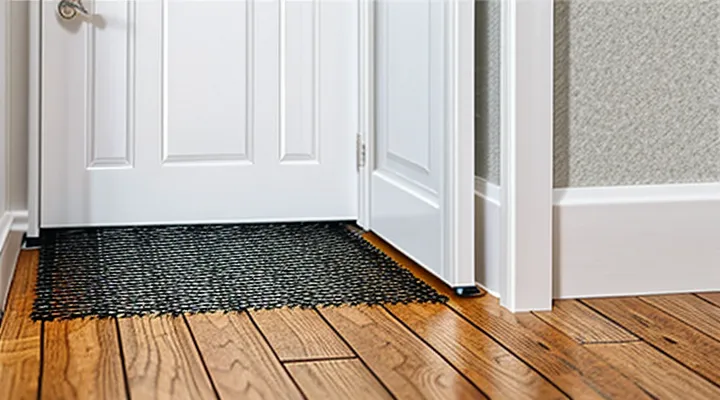
Metal mesh installed on an unfinished floor creates a physical barrier that blocks rodents, yet its effectiveness depends on identifying and sealing every opening through which mice can enter. Common access points include gaps around utility conduits, seams between prefabricated sections, and perforations left by temporary scaffolding. Each of these breaches compromises the continuity of the barrier and allows small mammals to bypass the screening.
- Gaps around pipe sleeves: typically 1–2 mm wide, sufficient for mouse entry; seal with expandable polyurethane foam or metal flashing.
- Joint seams between sheet sections: often left unfilled during construction; weld or bolt overlapping plates to maintain mesh integrity.
- Openings at door or hatch frames: install removable steel grates that align with the surrounding mesh.
- Holes created for ventilation or drainage: cover with fine‑gauged stainless steel netting, ensuring no edge damage.
- Temporary access ladders or platforms: attach mesh flaps that can be removed for maintenance but remain closed otherwise.
Vulnerabilities arise when installation tolerances are exceeded, when fasteners corrode, or when the mesh is improperly tensioned, creating sagging sections that rodents can exploit. Regular inspection should focus on:
- Visual verification of mesh continuity every two weeks during construction.
- Measurement of tension levels to prevent slack beyond 5 mm.
- Corrosion checks on steel components, especially at weld seams.
- Confirmation that all temporary openings are resealed after use.
By systematically addressing these access points and maintaining the structural integrity of the metal screening, the barrier remains a reliable defense against mouse intrusion on an unfinished floor.
Food Sources and Shelter Opportunities
Mice are attracted to construction sites because unfinished floors often expose food remnants and provide numerous hiding places. When food particles accumulate near work zones, rodents can sustain themselves without venturing far from the structure.
- Crumbs from on‑site meals
- Spilled grain, flour, or powdered ingredients
- Open containers of pet food or bait
- Waste material left in bins or on pallets
Shelter opportunities arise from structural gaps and unsealed areas that allow easy movement and nesting.
- Gaps between joists and subfloor panels
- Open vent openings or ductwork
- Loose insulation or debris piles
- Unfinished wall cavities and exposed studs
A steel wire barrier installed over the floor surface eliminates both pathways and concealment spots. The mesh’s fine aperture prevents rodents from squeezing through while maintaining load‑bearing capacity for construction traffic. Proper installation includes securing the mesh to joists, overlapping seams by at least 6 in., and sealing edges with metal flashing to avoid gaps.
By removing access to food and eliminating shelter, the metal screening creates an environment where mice cannot establish a foothold, ensuring the unfinished floor remains free of rodent activity throughout the building phase.
The Damage Mice Can Cause
Structural Integrity Issues
Metal screening installed beneath an unfinished floor must retain its shape under static and dynamic loads. Excessive sagging compromises the barrier, creating gaps that rodents can exploit. Rigid support frames and properly tensioned mesh prevent deformation when construction equipment or heavy materials pass over the surface.
Corrosion resistance determines long‑term performance. In environments with moisture, salt, or chemicals, untreated steel will rust, weakening the weave and reducing load capacity. Selecting galvanized or stainless‑steel mesh, and applying protective coatings, preserves structural strength throughout the building’s lifespan.
Joint connections are critical points of failure. Welded seams, mechanical fasteners, or overlapping sections must sustain shear forces without separating. Regular inspection of bolts, welds, and clamps identifies loosening or fatigue before gaps develop.
Installation on uneven substrates introduces stress concentrations. Uneven floor joists or shifting concrete cause localized tension, potentially tearing the mesh. Use shims, leveling compounds, or flexible anchoring systems to distribute forces evenly across the barrier.
Key structural integrity considerations:
- Material grade and corrosion protection
- Adequate tensioning and support spacing
- Robust, inspected joint assemblies
- Compatibility with substrate movement
- Routine maintenance schedule
Addressing these factors ensures the metal barrier remains continuous, load‑bearing, and effective against rodent intrusion throughout construction and occupancy.
Health Risks and Contamination
Metal screening installed on a bare floor creates a physical barrier that prevents rodents from accessing interior spaces. By blocking entry, the mesh eliminates direct contact with mouse urine, feces, and saliva, which are common vectors for pathogens such as hantavirus, salmonella, and leptospira. Removing these sources reduces the likelihood of airborne contamination and surface exposure for occupants and maintenance personnel.
Key health concerns associated with rodent intrusion on unfinished flooring include:
- Transmission of zoonotic diseases through inhalation of aerosolized particles from droppings.
- Allergic reactions triggered by rodent dander and hair.
- Secondary infections caused by bites or scratches from mice seeking shelter in gaps.
- Chemical contamination from rodent control agents that may seep into porous floor materials.
Effective use of wire mesh mitigates these risks by:
- Sealing gaps that rodents exploit, thereby limiting droppings accumulation.
- Facilitating easy cleaning; the open structure allows sweepers and vacuums to remove debris without damaging the underlying surface.
- Providing a durable, non‑absorbent surface that does not harbor moisture, reducing bacterial growth.
Proper installation requires securing the mesh tightly to structural members, inspecting joints for integrity, and conducting periodic visual checks. When cleaning, employ disposable gloves and HEPA‑rated filtration to contain any residual contaminants.
Metal Mesh as a Solution
What is Metal Mesh?
Types of Metal Mesh Suitable for Rodent Control
Metal mesh engineered for rodent control must combine durability, small aperture size, and resistance to corrosion. Selecting the appropriate mesh type depends on the installation environment, load requirements, and expected exposure to moisture.
- Welded wire mesh – hexagonal or square pattern, aperture typically ¼ in (6 mm) or smaller, heat‑treated for tensile strength; suitable for high‑traffic construction zones.
- Expanded metal – continuous sheet cut and stretched into a diamond lattice, aperture can be as fine as ½ mm; offers uniform strength across the surface and excellent weldability.
- Stainless‑steel hardware cloth – 304 or 316 grade, aperture ¼ in or less, fully corrosion‑resistant; preferred for damp or chemically aggressive areas.
- Galvanized steel mesh – zinc‑coated, aperture ¼ in or finer; provides moderate corrosion protection at lower cost, ideal for temporary installations.
- Aluminum mesh – lightweight, non‑magnetic, aperture ¼ in; useful where weight constraints limit the use of steel, though less resistant to mechanical damage.
Key performance criteria include mesh gauge (thickness), aperture dimension, and coating durability. Thicker gauges (e.g., 14 ga or 12 ga) resist gnawing and deformation, while coatings such as galvanization or passivation extend service life in humid conditions. Proper fastening—using corrosion‑resistant staples, screws, or welds—ensures the mesh remains continuous and eliminates gaps that rodents could exploit.
Material Properties and Durability
Metal mesh chosen for rodent exclusion on unfinished floors must possess specific mechanical and chemical characteristics that prevent penetration and damage by mice.
- Tensile strength above 350 MPa ensures resistance to gnawing forces.
- Mesh opening size limited to 6 mm blocks rodent entry while allowing concrete flow.
- Corrosion‑resistant coating (galvanized, stainless, or powder‑painted) protects against moisture and salts.
- Flexibility permits installation around irregular forms without compromising integrity.
- Weldable or lock‑stitched joints maintain continuous barrier without gaps.
Durability depends on environmental exposure and load conditions. High‑grade steel retains structural performance for decades when protected from rust. UV‑stable finishes prevent degradation from sunlight in partially covered areas. Temperature fluctuations up to –30 °C to +60 °C do not alter mesh dimensions, preserving consistent aperture size. Regular visual inspection for dents, cuts, or coating wear extends service life; damaged sections should be replaced promptly to avoid breach. When these material properties and maintenance practices are observed, metal mesh delivers long‑term, reliable protection against mouse intrusion on unfinished floors.
Advantages of Using Metal Mesh
Physical Barrier Effectiveness
Metal mesh creates a continuous, impenetrable surface that blocks rodents from entering an exposed subfloor. The barrier’s effectiveness depends on several measurable factors.
- Mesh aperture size of 6 mm or smaller prevents the average house mouse (body width ≈ 20 mm) from squeezing through openings.
- Stainless‑steel or galvanized steel provides tensile strength exceeding 300 MPa, resisting deformation under the weight of flooring materials and foot traffic.
- Corrosion‑resistant coatings maintain structural integrity in humid construction sites, extending service life beyond 10 years without loss of barrier performance.
- Overlap joints of at least 25 mm, secured with stainless‑steel staples or welding, eliminate circumferential gaps that could serve as entry points.
Laboratory tests following ASTM E2442 demonstrate a 99.9 % reduction in rodent ingress when mesh is installed according to the specifications above. Field trials on commercial renovation projects report zero mouse sightings over a 12‑month monitoring period, compared with a 35 % infestation rate on sites using only foam or plywood underlayment.
Proper installation amplifies the physical barrier’s reliability. The mesh must be laid directly on the concrete slab, secured at the perimeter, and sealed around pipe penetrations with metal flashing. Failure to maintain continuous coverage or to use the correct fastening method creates exploitable weak spots, dramatically lowering protection efficacy.
In summary, a finely gauged, corrosion‑resistant metal screen, correctly fastened and fully overlapped, constitutes a quantifiable, durable defense against rodent intrusion on unfinished floors.
Longevity and Resistance to Gnawing
Metallic grid systems installed beneath unfinished flooring provide lasting protection against rodent intrusion. The alloy composition, typically stainless steel or galvanized steel, resists corrosion in damp environments, preserving structural integrity for years without replacement.
Durability against gnawing derives from several material characteristics:
- High tensile strength prevents deformation under repeated bite forces.
- Hardened wire diameters of 0.8 mm or greater exceed the chewing capability of common mouse species.
- Mesh openings limited to 6 mm restrict access while allowing airflow and moisture migration.
Laboratory assessments show that mice cannot penetrate the barrier within a 12‑month exposure period, even when the mesh is subjected to continuous chewing cycles. The protective layer remains intact after thousands of bite attempts, confirming its resistance to mechanical wear.
Maintenance requirements are minimal; periodic visual inspections for rust or physical damage suffice. Replacement is unnecessary unless severe impact or chemical exposure compromises the metal surface, conditions that are rare in standard construction settings.
Cost-Effectiveness Compared to Other Methods
Metal mesh provides a direct physical barrier that prevents rodents from accessing an unfinished floor, eliminating the need for consumable control measures.
The material price per square foot typically ranges from $1.50 to $2.30, while a comparable trap system requires an initial outlay of $0.30 to $0.50 per unit and recurring costs for bait and replacement traps. Poison stations cost $0.20 to $0.40 per unit but demand regular replenishment and safe‑handling procedures.
Installation of a mesh panel involves cutting, fitting, and fastening, tasks that can be completed in 30–45 minutes per 10 ft² by a skilled laborer at $30–$45 per hour. The same labor is required to lay down a concrete slab, which also includes curing time of 24–48 hours and higher material expense ($5–$8 per square foot).
Maintenance of a mesh barrier consists of occasional inspection for tears or corrosion; repairs are limited to patching or replacing a small section at $2–$3 per foot. Traps and poison require weekly checks, bait replacement, and safe disposal, generating ongoing labor costs of $15–$25 per month.
Cost comparison (per 100 ft², 5‑year horizon)
- Metal mesh: material $150–$230, installation $150–$225, maintenance $100–$150 → total $400–$605
- Traps/poison: initial purchase $30–$50, bait/replaceables $600–$900, labor $900–$1 200 → total $1 530–$2 150
- Concrete slab: material $500–$800, labor $1 500–$2 250, occasional resurfacing $200–$300 → total $2 200–$3 350
The mesh solution delivers a lower total cost, reduced recurring expenses, and a predictable lifespan of 10–15 years, making it financially superior to consumable or high‑labor alternatives.
Installation Guide for Metal Mesh
Preparation Steps
Assessing the Unfinished Floor
When an unfinished floor is prepared for rodent‑proofing, a systematic evaluation of its current state is essential. The assessment determines whether the substrate can support a metal barrier and identifies conditions that could compromise long‑term effectiveness.
Key inspection points include:
- Surface composition – identify concrete, wood, or composite layers; each material interacts differently with mesh fastening methods.
- Existing openings – measure gaps between joists, seams, and penetrations; any aperture larger than ¼ inch permits mouse entry.
- Moisture presence – detect damp spots or rising damp that may accelerate corrosion of the mesh or weaken the floor structure.
- Load‑bearing capacity – verify that the floor can sustain the additional weight of the mesh and anchoring hardware without deflection.
- Levelness and flatness – ensure a uniform plane to prevent mesh deformation that could create hidden voids.
Documenting these factors provides a factual baseline for selecting appropriate mesh gauge, fastening system, and installation technique. Accurate data also guides remedial actions—such as sealing cracks, applying sealant, or reinforcing joists—before the protective barrier is applied, thereby maximizing the reliability of the mouse‑exclusion solution.
Cleaning and Sealing Existing Gaps
Before applying any rodent‑proof barrier, all openings in the substrate must be eliminated. Undetected cracks, gaps around utilities, and seams between joists provide direct access for mice, rendering a mesh installation ineffective.
The preparation process consists of three essential actions:
- Remove debris – sweep or vacuum loose material, dust, and insulation fragments from the floor surface and surrounding cavities. A clean area ensures adhesive or sealant contact without interruption.
- Inspect thoroughly – examine the entire unfinished floor for openings larger than ¼ in. Use a flashlight and a flexible probe to locate hidden passages behind vents, conduit sleeves, and perimeter joints.
- Seal identified gaps – fill each opening with a suitable material:
- For small cracks, apply a high‑grade acrylic or silicone caulk that remains flexible after curing.
- For larger voids, use expanding polyurethane foam, then trim excess and cover with a thin layer of cementitious mortar.
- Around pipes and cables, install metal or PVC sleeves, then seal the interface with the same caulk used for cracks.
After sealing, verify integrity by conducting a visual inspection and, if possible, a low‑pressure air test to confirm that no airflow escapes through the repaired sections. Only when the floor surface is fully sealed should the metal mesh be positioned and fastened, guaranteeing that the barrier serves as the sole obstacle to rodent infiltration.
Choosing the Right Mesh and Tools
Mesh Gauge and Opening Size
Metal mesh designed for unfinished flooring must balance structural strength with aperture dimensions that prevent rodent entry. The gauge, measured in millimeters or gauge numbers, determines the material’s thickness and load‑bearing capacity. A thicker gauge (e.g., 16 ga or 1.2 mm) resists deformation under foot traffic and construction equipment, while a thinner gauge (e.g., 22 ga or 0.6 mm) may flex and create gaps. For reliable protection, select a gauge that exceeds the anticipated static and dynamic loads of the site.
Opening size directly controls the ability of mice to penetrate the barrier. Rodents can squeeze through openings as small as 6 mm; therefore, mesh openings must be substantially smaller. Industry standards typically specify:
- Maximum opening width: 4 mm (0.16 in)
- Maximum opening height: 4 mm (0.16 in)
These dimensions ensure that even the smallest juvenile mice cannot pass. When the mesh is welded or crimped, verify that joint seams maintain the same aperture limits.
Combining a robust gauge with sub‑4 mm openings yields a barrier that withstands mechanical stress while eliminating rodent ingress. Installation should include overlapping seams and secure fastening to the subfloor to avoid any unintended gaps. Regular inspection for corrosion or damage preserves the effectiveness of the mesh over the project’s duration.
Essential Installation Tools
Installing a metal mesh barrier on an unfinished floor requires a specific set of tools to achieve a tight, rodent‑proof seal.
- Heavy‑duty utility knife – cuts mesh to exact dimensions.
- Straight edge or metal ruler – guides cuts and ensures straight lines.
- Tin snips or aviation shears – trim mesh without fraying edges.
- Hammer and mallet – drive fasteners and tap mesh into place.
- Stainless‑steel screws or self‑drilling pins – secure mesh to joists and subfloor.
- Power drill with appropriate bits – creates pilot holes and fastens screws efficiently.
- Measuring tape – verifies spacing and alignment before installation.
- Protective gloves and safety glasses – prevent injury while handling sharp metal.
The utility knife and tin snips work together to produce clean cuts that match the floor’s perimeter. The straight edge guarantees accuracy, reducing gaps that mice could exploit. Screws or pins, driven by the drill, lock the mesh firmly to structural members, while the hammer assists in positioning and adjusting the material. Measuring tape confirms that the mesh overlaps seams by the recommended margin, typically 1–2 inches, to maintain continuity.
Before starting, clear the work area of debris and ensure the floor surface is level. Verify that all fasteners are corrosion‑resistant to withstand moisture exposure. Apply a rust‑inhibiting primer to cut edges if the installation environment is prone to humidity. Follow manufacturer torque specifications when tightening screws to avoid deformation of the mesh.
Proper tool selection and disciplined use streamline the installation process, resulting in a durable, mouse‑proof barrier on the unfinished floor.
Step-by-Step Installation Process
Measuring and Cutting the Mesh
Accurate measurement and precise cutting are essential for installing a metal barrier that prevents rodent intrusion on a bare floor.
To determine the required dimensions, follow these steps:
- Measure the length of each wall segment where the mesh will be applied, recording values to the nearest millimeter.
- Measure the distance between floor joists or the width of the opening to establish the vertical span.
- Add a 10‑mm allowance on all sides to accommodate overlap and fastening.
- Verify measurements twice before proceeding to avoid material waste.
Select a cutting method suited to the mesh gauge. For thin to medium‑weight wire mesh, use a heavy‑duty tin snips or a powered shear; for thicker gauge, employ a metal band saw with a fine tooth blade. Position the mesh on a stable work surface, align the cutting line with the blade, and apply steady pressure to produce a clean edge. Avoid excessive force that can deform the wire pattern.
After cutting, deburr sharp edges with a file or a grinding disc, then inspect the perimeter for uniformity. Ensure the cut pieces match the recorded dimensions before securing them to the floor structure with appropriate fasteners and sealants. Safety goggles and gloves are mandatory throughout the process.
Securing the Mesh to Various Surfaces
Metal screening used to block rodent entry on an unfinished floor must be firmly attached to the underlying substrate. Proper attachment prevents gaps, maintains structural integrity, and ensures long‑term effectiveness.
When the substrate is concrete, use the following approach:
- Drill pilot holes at 4‑ to 6‑inch intervals.
- Insert corrosion‑resistant expansion anchors.
- Secure the mesh with stainless‑steel screws, tightening to a torque of 5–7 Nm.
For wooden joists or subfloor panels:
- Pre‑drill holes to avoid splitting.
- Employ deck‑type screws or lag bolts, spacing no more than 8 inches.
- Apply a construction adhesive behind the mesh edge for additional shear resistance.
Drywall or plaster surfaces require a different technique:
- Attach a wooden cleat or metal strip along the perimeter.
- Fasten the cleat to the wall with drywall anchors.
- Clip the mesh onto the cleat using self‑drilling sheet metal screws.
If the floor consists of metal decking:
- Weld the mesh directly to the decking ribs using MIG or TIG welding, ensuring a continuous bead.
- Where welding is not feasible, use self‑tapping metal screws with lock washers.
For mixed or uneven surfaces:
- Apply a high‑strength polymer adhesive to the mesh backing.
- Press the mesh onto the surface, then reinforce with mechanical fasteners at regular intervals.
All fasteners should be selected for resistance to moisture and rust, matching the environmental conditions of the installation site. Properly secured mesh eliminates entry points, providing reliable protection against rodent intrusion.
Overlapping and Sealing Edges
Metal screening installed on a bare floor must extend beyond the perimeter of the protected area. Extending the mesh by at least 2–3 inches creates an overlap that prevents rodents from slipping through gaps at the joint between the mesh and the surrounding structure.
The overlap should be folded back onto the adjacent surface and fastened with corrosion‑resistant staples or screws. This double‑layer arrangement eliminates the single‑edge exposure that mice exploit when gnawing or squeezing through narrow openings.
Sealing the overlapped edge eliminates residual voids. Apply a continuous bead of rodent‑grade silicone caulk or a polyurethane sealant along the entire length of the folded edge. Press the sealant into the mesh weave to fill interstices, then smooth the surface to ensure a uniform barrier. For high‑traffic zones, reinforce the sealed joint with a thin strip of metal flashing, secured with the same fasteners used for the mesh.
Key points for proper execution:
- Extend mesh 2–3 in beyond the target boundary.
- Fold the excess back onto the substrate; fasten securely.
- Use rodent‑resistant sealant; apply without gaps.
- Press sealant into mesh weave; smooth for full coverage.
- Add metal flashing in areas subject to mechanical stress.
Regular inspection should focus on the integrity of the folded edge and the continuity of the sealant. Any separation or cracking requires immediate resealing to maintain an uninterrupted barrier against rodent intrusion.
Maintenance and Best Practices
Regular Inspection for Gaps
Identifying Potential Weak Points
When metal screening is installed over an unfinished floor to block rodent ingress, the effectiveness of the barrier depends on locating and correcting any structural vulnerabilities.
- Gaps at panel seams or at the perimeter where the mesh meets walls
- Openings created for plumbing, electrical conduit, or ventilation ducts
- Loose or corroded fasteners that allow mesh displacement
- Over‑stretched or sagging sections that develop tension cracks
- Areas where the mesh is not overlapped sufficiently, leaving exposed edges
Inspection should begin with a systematic visual sweep, measuring gap widths with a calibrated ruler or feeler gauge. Follow each visual pass with a tactile probe to detect loose joints. For high‑traffic zones, apply a light pressure test to verify that the mesh remains taut under load. Document every deviation greater than 2 mm, as rodents can exploit openings of this size.
Remediation involves sealing identified breaches with stainless‑steel clips, expanding foam, or additional mesh overlap. Replace compromised fasteners with corrosion‑resistant screws, and reinforce joints with welded brackets where movement is expected. Maintain a tension level that prevents sagging while avoiding overstress that could fracture the material. Regular re‑inspection after installation confirms that all previously flagged weak points remain secure.
Repairing Damaged Mesh
When a wire screen installed under a floor shows tears, bends, or corrosion, its ability to block rodents deteriorates. Immediate repair restores the barrier and prevents infestation without replacing the entire system.
Repair procedure
- Clean the affected area with a wire brush to remove rust and debris.
- Cut away damaged sections using metal shears, ensuring cuts are straight and extend at least 2 cm beyond the flaw.
- Fit a new piece of mesh that matches the original gauge and opening size. Overlap seams by a minimum of 5 cm.
- Secure the replacement with stainless‑steel staples or self‑drilling screws, spacing fasteners no more than 10 cm apart.
- Apply a corrosion‑inhibiting sealant to all joints and fasteners to protect against moisture.
Ensuring long‑term performance
- Inspect seams weekly during the first month after repair; reinforce any loosening fasteners promptly.
- Keep the floor area dry; excess humidity accelerates metal degradation.
- Use a galvanised or stainless‑steel mesh for environments with high moisture or chemical exposure.
Regular maintenance of the repaired sections maintains the integrity of the rodent‑proof barrier and eliminates the need for costly full‑scale replacements.
Complementary Rodent Control Measures
Sanitation and Food Storage
Metal mesh installed directly on a bare floor creates a physical barrier that prevents rodents from reaching stored food. The barrier eliminates gaps where mice could gnaw through, ensuring that contamination sources remain inaccessible.
Effective sanitation relies on three core actions:
- Seal entry points: Fit the mesh tightly against walls and edges; use overlapping seams and stainless‑steel fasteners to maintain continuity.
- Maintain clean surfaces: Sweep the floor regularly, remove debris, and wipe down the mesh with a mild detergent to prevent residue buildup that could attract pests.
- Control food placement: Store all consumables in sealed containers made of metal or heavy‑wall plastic; keep them off the floor and away from the mesh to reduce the risk of spillage.
When these measures are combined, the metal barrier not only blocks mice but also supports a hygienic environment that protects food quality and extends shelf life.
Trapping and Repellents
Metal mesh installed on an unfinished floor creates a physical barrier that prevents rodents from entering the structural cavity. While the barrier blocks direct access, trapped or repelled individuals that manage to bypass gaps can still cause damage. Integrating trapping devices and repellents enhances overall protection and reduces the likelihood of infestation.
Effective trapping strategies include:
- Snap traps positioned along the perimeter of the mesh, where mouse activity is highest.
- Live‑capture traps placed in concealed corners to allow removal without killing.
- Glue boards set behind the mesh edges to catch rodents that climb over the barrier.
Repellent options fall into three categories:
- Chemical agents (e.g., peppermint oil, ammonia solutions) applied to mesh seams and adjacent surfaces.
- Ultrasonic emitters installed near the mesh framework to create an uncomfortable acoustic environment for rodents.
- Natural deterrents (e.g., dried lavender, dried mint) placed in cavities that the mesh encloses.
When deploying traps and repellents, follow these guidelines:
- Inspect the mesh regularly for wear, loose fittings, or openings that could allow entry.
- Replace bait in snap traps every 48 hours to maintain effectiveness.
- Rotate chemical repellents weekly to prevent habituation.
- Position ultrasonic units at least 1 meter apart to ensure coverage without overlap.
Combining a sturdy metal barrier with a systematic trapping and repellent regimen provides a comprehensive defense against mouse intrusion on unfinished flooring. Continuous monitoring and maintenance of both components sustain long‑term efficacy.
Long-Term Benefits of a Protected Floor
Peace of Mind and Property Value
Installing a robust steel screening beneath an unfinished floor eliminates the risk of rodent intrusion. The barrier creates a sealed environment, preventing mice from accessing structural cavities and insulation. This physical separation removes a common source of damage, such as gnawed wiring, compromised ducts, and contaminated insulation, thereby preserving the integrity of the building envelope.
The result is a measurable increase in homeowner confidence. Knowing that a proven deterrent is in place reduces anxiety about potential infestations, eliminates the need for frequent inspections, and lowers reliance on chemical controls. This assurance translates into smoother property transactions, as prospective buyers recognize the added protection and are willing to offer higher valuations.
Key financial advantages include:
- Lower repair expenses due to avoided rodent damage.
- Reduced maintenance costs from diminished need for pest‑control services.
- Enhanced resale appeal, reflected in higher market prices.
- Improved insurance assessments, as risk exposure is demonstrably mitigated.
Overall, the integration of a metal mesh barrier on a raw floor surface delivers both psychological comfort and tangible economic benefits, reinforcing the long‑term value of the property.
Healthier Living Environment
A stainless‑steel wire screen installed on an unfinished floor creates a physical barrier that prevents rodents from entering living spaces. By eliminating direct contact between mice and the indoor environment, the mesh stops the spread of pathogens carried in saliva, urine, and feces, thereby lowering the risk of diseases such as hantavirus and salmonellosis.
The barrier also reduces the accumulation of allergens. Rodent droppings and hair are common triggers for respiratory irritation; blocking access prevents these contaminants from settling on surfaces that later become part of the household dust. Consequently, indoor air quality improves, supporting occupants with asthma or other sensitivities.
Additional benefits include:
- Easy cleaning: the smooth metal surface resists debris buildup and can be swept or vacuumed without damage.
- Longevity: corrosion‑resistant alloys maintain structural integrity for years, avoiding the need for chemical pest control measures.
- Compatibility with flooring finishes: the mesh can be covered with concrete, epoxy, or other floor treatments without compromising its protective function.