
«Introduction to Dream Interpretation»
«Dreams as a Reflection of the Subconscious»
«Psychological Perspectives»
A rat bite that appears in a dream while the hand is the point of contact often signals unresolved feelings about personal boundaries. In Jungian analysis, the rat represents a shadow element—an aspect of the self that has been suppressed or denied. The hand, as a tool for interaction, becomes the arena where this hidden content seeks expression, suggesting that the dreamer may be confronting a threat to their capacity to act or to connect with others.
Freudian interpretation links the bite to oral aggression, reflecting a latent desire to assert dominance or a fear of being overpowered. The hand’s involvement can be read as a symbol of work or creation; the bite may therefore indicate anxiety about the quality or control of one’s productive efforts.
Cognitive‑behavioral perspectives focus on the emotional tone accompanying the imagery. A sharp, painful sensation often parallels heightened stress or irritation in waking life, especially in situations where the individual feels vulnerable to criticism or exploitation. The rat’s association with disease and filth can amplify feelings of contamination, prompting the dreamer to evaluate sources of perceived impurity in personal or professional relationships.
From a trauma‑informed viewpoint, the bite may echo a past incident of physical or emotional injury, with the hand serving as a reminder of the body part that experienced harm. The recurring motif can function as a warning signal, urging the individual to address lingering fear responses before they manifest in maladaptive behavior.
Key psychological themes emerging from this dream motif include:
- Conflict between suppressed impulses and conscious self‑image.
- Fear of losing control over productive or creative capacities.
- Perceived threat of contamination—literal or metaphorical.
- Residual impact of prior trauma centered on bodily vulnerability.
Therapeutic work that explores personal associations with rodents, examines the hand’s symbolic role, and integrates emotional regulation techniques can clarify the underlying message and reduce the dream’s disruptive impact.
«Cultural Interpretations»
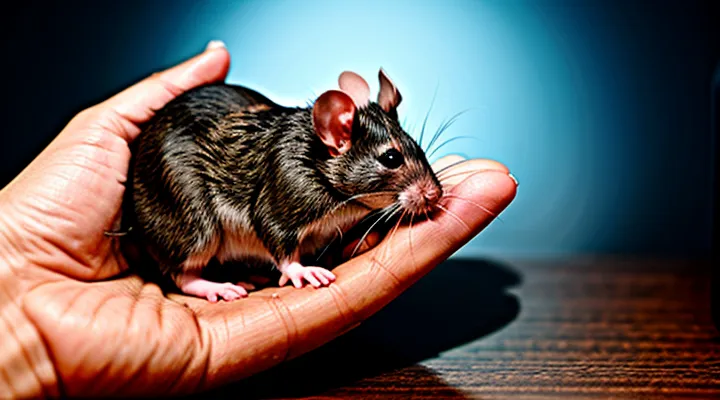
Dreams featuring a rat that bites the hand appear in many cultural narratives as a warning sign. The hand, an instrument of action, combined with the rat’s reputation for stealth, creates a vivid symbol of hidden threats affecting personal agency.
In European folklore, the bite is often linked to betrayal. A rat entering the palm suggests an unseen adversary who will undermine trust or sabotage efforts. Christian symbolism interprets the wound as a reminder of moral decay, urging the dreamer to examine personal vices that erode integrity.
Chinese tradition associates rats with resourcefulness and survival. A painful bite on the hand signals misplaced reliance on opportunistic strategies. The dream advises caution against exploiting others for short‑term gain, emphasizing the need for ethical conduct in business and relationships.
Japanese mythos portrays rats as messengers of the kami. A hand injury indicates a disrupted communication channel with spiritual guides. The dream encourages the individual to restore harmony through ritual purification or meditation.
In various African societies, rats embody cunning and community disruption. A bite on the hand reflects an intrusion into communal responsibilities, suggesting that the dreamer’s actions may harm collective well‑being. Restoring balance requires transparent dialogue and restitution.
Key symbolic threads across cultures:
- Betrayal or deceit – hidden forces threatening personal control.
- Moral or ethical warning – reminder to reassess questionable practices.
- Disrupted communication – need for spiritual or interpersonal reconnection.
- Community impact – call to address actions that affect collective harmony.
Understanding these cultural lenses equips the dreamer to interpret the vivid image with greater precision and to respond appropriately within their personal and social contexts.
«Symbolism of Rats in Dreams»
«Negative Connotations»
«Deception and Betrayal»
A rat’s bite on the hand in a dream signals hidden treachery. The hand represents personal agency and direct interaction; a bite there suggests that the source of betrayal is linked to actions you take or relationships you manage.
The animal itself embodies deceit. Its sudden, painful nip implies an unexpected breach of trust, often from someone who appears helpful or familiar. The injury to the hand emphasizes that the betrayal affects your capacity to act, create, or support others.
Psychological analysis links this image to subconscious alerts about dishonest behavior. The dream reflects an internal warning that a confidant may be exploiting your goodwill, using manipulation to achieve personal gain.
Practical implications:
- Review recent collaborations for signs of concealed agendas.
- Assess whether a colleague, friend, or partner has offered assistance that feels too eager.
- Observe discrepancies between spoken promises and actual outcomes.
- Consider setting boundaries or seeking clarification before further involvement.
Interpretation of this dream encourages vigilance against covert manipulation and prompts a reassessment of trust within your immediate circle.
«Fear and Anxiety»
A rat’s bite to the hand in a nocturnal vision signals heightened fear and anxiety. The hand represents personal agency and the ability to act; a sudden wound from a small, often reviled creature suggests a disruption of confidence and an underlying sense of vulnerability.
The bite’s location intensifies the emotional message. The hand, as a tool for creation and control, becomes a focal point for dread when harmed. The dream therefore reflects a perceived loss of mastery over one’s environment, prompting a subconscious alarm.
Key psychological implications include:
- Immediate surge of panic, indicating an acute stress response.
- Persistent unease, pointing to lingering anxiety about personal effectiveness.
- Anticipation of betrayal, as rats are commonly associated with deceit and contamination.
Interpretation hinges on the dreamer’s current life pressures. When professional responsibilities, relationships, or health concerns generate tension, the mind may project that strain onto the symbolic image of a rat’s bite. The dream functions as an alert, urging the individual to address sources of fear before they erode confidence and impede purposeful action.
«Positive or Neutral Interpretations»
«Resourcefulness and Adaptability»
Dreaming of a rat’s bite on the hand signals an inner need to employ ingenuity and flexibility. The hand, a tool for action, paired with a small, survival‑focused animal, creates a vivid metaphor for confronting challenges through clever problem‑solving.
The bite functions as a warning that ordinary methods may no longer suffice. It urges the dreamer to:
- Re‑evaluate familiar strategies and replace them with unconventional tactics.
- Embrace rapid adjustments when circumstances shift unexpectedly.
- Harness limited resources, turning perceived weaknesses into advantages.
Psychological analysis links the rat’s reputation for scavenging with the subconscious recognition of hidden assets. The hand’s involvement suggests that these assets are readily accessible, but must be activated consciously.
Cultural interpretations reinforce the theme. In folklore, rats embody adaptability, thriving in diverse environments. When the creature attacks a hand, the symbolism extends to personal agency: the dreamer possesses the capacity to adapt, provided they act decisively.
Practical implication: treat the dream as an invitation to cultivate resourcefulness. Identify current obstacles, outline alternative approaches, and implement swift, flexible responses. The vivid image of a rat bite serves as a catalyst for developing a mindset capable of navigating uncertainty with ingenuity.
«Hidden Opportunities»
Dreams featuring a rat’s bite on the hand often signal concealed possibilities that require decisive action. The hand symbolizes personal agency; a bite indicates an unexpected prompt to reassess current pursuits. Recognizing this signal can reveal avenues for advancement that remain unnoticed amid routine activities.
Potential hidden opportunities include:
- Initiating a project that leverages overlooked resources.
- Forming alliances with individuals previously dismissed as minor contacts.
- Exploring alternative methods to solve persistent problems, especially those involving detailed, hands‑on work.
The bite’s abrupt nature suggests urgency. Promptly evaluating the dream’s context—such as the rat’s behavior and the hand’s condition—provides clues about which latent options merit immediate exploration. Acting on these insights can transform a seemingly negative omen into strategic progress.
«Symbolism of a Bite in Dreams»
«Aggression and Conflict»
«Feeling Attacked or Vulnerable»
Dreams in which a rat bites the hand convey a direct impression of being assaulted. The bite targets the part of the body associated with action, creation, and personal agency, suggesting that the dreamer perceives an intrusion into their capacity to act.
The image signals a heightened sense of vulnerability. The animal’s sharp teeth represent an unexpected threat that compromises safety, while the hand’s injury reflects a loss of control over one’s own movements and decisions.
Psychologically, the scenario mirrors situations where external forces—such as demanding colleagues, aggressive acquaintances, or internal doubts—undermine confidence. The subconscious translates these pressures into a visceral encounter, reinforcing the feeling of being under attack.
Practical response involves recognizing the source of perceived aggression. Identify relationships or environments that provoke anxiety, then establish clear limits. Strengthening personal boundaries restores the hand’s symbolic power and reduces the likelihood of recurring distressing imagery.
Recommended actions include:
- Document recent conflicts or stressors that feel invasive.
- Communicate assertively to clarify acceptable behavior.
- Implement self‑care routines that reinforce bodily autonomy, such as physical exercise or mindfulness practices.
By addressing the underlying sense of exposure, the dream’s warning transforms into a catalyst for regaining personal stability.
«Internal Struggles»
A rat bite on the hand in a dream signals unresolved inner conflict. The hand represents personal agency; a bite from a small, invasive creature suggests a disruption of that agency by hidden anxieties.
The image reflects several aspects of internal struggle:
- Fear of being undermined by minor but persistent worries.
- Guilt over neglecting responsibilities that require direct action.
- Resistance to confronting aspects of self that feel unclean or shameful.
- Tension between the desire for control and the perception of helplessness.
Interpretation requires examining personal circumstances that trigger feelings of vulnerability. Identify recurring thoughts that evoke disgust, anxiety, or self‑criticism, then assess whether these thoughts impede decisive behavior. Addressing the underlying tension restores confidence in one’s ability to act without self‑sabotage.
«Transformation and Change»
«Awakening or Revelation»
A dream in which a rat bites the hand signals an abrupt shift from unconscious routine to conscious awareness. The sudden pain serves as a metaphorical alarm, indicating that information previously ignored has become unavoidable.
The bite focuses attention on areas of life where neglect or denial has persisted. It forces the dreamer to confront hidden anxieties, suppressed instincts, or unresolved conflicts that have been quietly influencing behavior.
- Recognition of personal boundaries that have been breached
- Awareness of deceptive influences operating behind the scenes
- Insight into instinctual drives that require integration
- Clarification of hidden opportunities masked by fear
To translate the revelation into practical change, record the emotional tone of the bite immediately upon waking, identify the waking situation that mirrors the dream’s tension, and implement a concrete step that addresses the uncovered issue. Continuous reflection on the bite’s symbolism reinforces the newly awakened perspective and prevents regression into prior oblivion.
«Symbolism of the Hand in Dreams»
«Action and Agency»
«Control and Power»
A rat bite that appears on the hand in a nocturnal vision signals a confrontation with issues of control and power. The hand represents personal agency; a bite indicates an intrusion that threatens that agency. The animal’s small size and aggressive act suggest that seemingly minor influences can undermine confidence in one’s own grip on circumstances.
Control manifests in two ways. First, the bite reflects an internal struggle, where the dreamer feels restrained by self‑imposed doubts or habits that limit decisive action. Second, it points to external pressures that attempt to dictate behavior, often through subtle manipulation or coercion. Recognizing the source of the constraint allows the dreamer to reclaim autonomy.
Power dynamics emerge through the rat’s role as an aggressor. The animal’s attack on a tool of manipulation— the hand— highlights a reversal of dominance, where the dreamer may be subject to hidden forces that erode status or influence. The wound symbolizes a loss of leverage, prompting reassessment of who holds authority in personal or professional relationships.
Key implications:
- A bite signals loss of grip on personal direction.
- The rat embodies covert forces that challenge perceived dominance.
- Healing the wound in the dream parallels reasserting control over one’s environment.
- Addressing the source of the bite restores balance between influence and submission.
«Creativity and Skill»
Dreams in which a rat bites the hand demand a nuanced approach that blends imaginative interpretation with disciplined analysis. Creative imagination allows the dreamer to explore unconventional associations, such as viewing the rat as a symbol of hidden threats, resourcefulness, or unacknowledged aspects of the self. The hand, representing agency and tactile interaction, highlights the personal impact of those hidden forces. When imagination generates multiple possible meanings, analytical skill evaluates each against personal history, emotional tone, and recurring motifs, discarding fanciful conjecture that lacks corroborating evidence.
- Identify the emotional reaction during the bite; fear suggests anxiety, while curiosity may indicate a willingness to confront neglected issues.
- Examine recent situations involving trust, negotiation, or manual labor; the hand’s involvement often points to practical matters.
- Compare the rat’s behavior with known traits—cunning, survival, disease transmission—to determine whether the dream warns of deceit, adaptability, or health concerns.
- Correlate the bite’s location on the hand with specific tasks or relationships; a left-hand bite may reference subconscious processes, while a right-hand bite could relate to conscious actions.
Skillful synthesis of these observations produces a coherent interpretation that respects both symbolic richness and logical consistency. The resulting insight can guide the dreamer toward concrete steps, such as reassessing boundaries, enhancing vigilance, or harnessing the rat’s resourceful qualities in a constructive manner.
«Connection and Interaction»
«Relationships and Communication»
A rat biting the hand in a dream signals tension in how you convey trust and receive support. The hand represents action, assistance, and personal agency; a bite indicates resistance, betrayal, or a breach of boundaries within interpersonal exchanges.
The image suggests several relational dynamics:
- A partner or colleague may be undermining your efforts, delivering criticism that feels invasive.
- An unresolved conflict could be manifesting as a defensive reaction, warning you to reassess the level of openness you grant others.
- Your own communication style may be perceived as intrusive, prompting subconscious self‑protection.
Interpretation hinges on context. If the rat appears hostile, the dream warns of manipulative behavior that could erode confidence. If the bite feels mild, it may reflect minor misunderstandings that require clarification rather than confrontation.
Practical responses include:
- Evaluate recent interactions for signs of hidden agendas or excessive demands.
- Strengthen boundaries by articulating limits clearly and confirming mutual expectations.
- Seek feedback from trusted allies to verify whether your perception of the relationship aligns with external observations.
Overall, the dream urges heightened awareness of how you give and receive help, emphasizing the need for transparent dialogue to prevent covert hostility from damaging collaborative efforts.
«Combining the Symbols: Rat Bite on the Hand»
«Specific Interpretations»
«Feeling Betrayed by Someone Close»
A rat bite appearing on the hand in a dream often signals an intrusion into personal agency. The hand represents the capacity to act, create, and protect; a bite indicates that this capacity is being compromised by an external force.
When the dreamer feels betrayed by a trusted individual, the rat embodies that person’s deceitful behavior. The bite conveys the sudden, painful realization that someone close has undermined the dreamer’s confidence and ability to manage their affairs.
Interpretation guidelines:
- Identify the relationship with the betrayer; closer ties intensify the symbolism.
- Note the intensity of pain in the dream; greater discomfort reflects deeper emotional wounds.
- Observe whether the bite is superficial or deep; superficial wounds suggest minor breaches of trust, deep wounds indicate profound betrayal.
- Consider the rat’s condition (healthy, diseased, aggressive); a diseased rat points to hidden toxicity, an aggressive rat highlights overt hostility.
The dream urges the dreamer to reassess the compromised trust, protect personal boundaries, and take corrective action to restore control over their own decisions.
«Loss of Control or Agency»
A rat bite that appears on the hand in a dream often signals a disruption of personal agency. The hand represents action, skill, and the ability to shape one’s environment; a sudden injury to it suggests that the dreamer feels impeded in executing plans or asserting influence.
The sensation of being bitten conveys an external force that intrudes upon the dreamer’s control. Rats are commonly associated with unwanted intrusion, disease, and stealth. When the bite targets the hand, the mind links the invasive nature of the animal with a loss of grip on one’s own decisions.
Key aspects of this interpretation include:
- Perceived powerlessness – the bite creates a physical barrier, mirroring psychological obstacles that prevent decisive action.
- Erosion of competence – hands are tools of competence; injury implies doubt about skill or effectiveness.
- External manipulation – the rat’s stealthy attack reflects hidden influences or coercive relationships that undermine autonomy.
Psychological frameworks view the symbol as a warning sign. Cognitive‑behavioral analysis suggests that recurring images of hand injury may indicate avoidance of responsibility or fear of failure. Jungian theory links the rat to the shadow self, implying that repressed impulses are sabotaging conscious intent.
Practical response strategies focus on restoring agency:
- Identify situations where control feels compromised.
- Evaluate relationships or habits that may be subtly eroding confidence.
- Implement concrete steps—skill development, boundary reinforcement, or decisive decision‑making—to rebuild a sense of mastery over one’s actions.
By recognizing the dream’s message, the individual can address the underlying loss of control and reestablish effective agency in waking life.
«Facing a Threat to One's Work or Creations»
A rat biting the hand in a dream signals an imminent challenge to personal output. The hand represents the instrument through which ideas become tangible; an aggressive bite suggests interference that can damage the process of creation. The animal’s reputation for gnawing and spreading disease translates into a metaphor for forces that erode confidence, sabotage progress, or introduce harmful criticism.
The scenario often appears when a project faces external pressure or internal doubt. The bite’s sudden, painful nature mirrors the shock of unexpected setbacks—budget cuts, legal disputes, or abrupt loss of support. It also reflects the dreamer’s perception that someone or something is actively undermining the integrity of their work.
Key implications:
- Loss of control: The hand’s injury indicates reduced ability to steer a venture.
- Undermining influence: The rat’s presence points to a person or circumstance that feeds on vulnerabilities.
- Urgent need for protection: The pain urges the dreamer to safeguard ideas, secure intellectual property, or reinforce collaborative boundaries.
- Opportunity for vigilance: Recognizing the threat can prompt preemptive measures, such as reviewing contracts or strengthening quality checks.
Overall, the dream urges immediate assessment of factors that could compromise creative or professional endeavors and recommends decisive steps to preserve the hand’s functional capacity.
«Internal Conflict Affecting Your Ability to Act»
Dreams in which a rat bites the hand often signal an inner struggle that hinders decisive action. The hand represents personal agency; a bite disrupts its function, suggesting that unresolved tension within the psyche is weakening the capacity to initiate or complete tasks. This symbolism points to a clash between competing desires, fears, or values that creates mental paralysis.
Key aspects of the internal conflict include:
- Contradictory impulses – simultaneous attraction to risk and fear of its consequences.
- Moral ambiguity – uncertainty about whether a course of action aligns with personal ethics.
- Self‑doubt – persistent questioning of competence or worthiness to act.
When the subconscious portrays the bite, it externalizes the sensation of being restrained by these opposing forces. Recognizing the specific elements of the conflict allows the dreamer to isolate the mental blockage and develop strategies for resolution, such as clarifying priorities, confronting feared outcomes, or reinforcing self‑confidence. Addressing the underlying tension restores the hand’s symbolic potency, enabling purposeful movement forward.
«Contextual Factors»
«Emotional Response in the Dream»
A rat bite on the hand in a nocturnal vision often provokes an immediate surge of fear. The sudden pain triggers a primal alarm, signaling vulnerability and a perceived threat to personal agency. Disgust frequently follows, reflecting an instinctive aversion to disease‑bearing rodents and a subconscious warning against contamination. Anxiety may emerge as the hand, a tool for creation and interaction, appears compromised; this can symbolize doubts about one’s ability to influence the external environment. Guilt sometimes surfaces when the dreamer recalls handling the animal, suggesting remorse over neglecting boundaries or mishandling a delicate situation.
Typical emotional patterns include:
- Intense alarm – rapid heartbeat, heightened alertness, desire to withdraw.
- Revulsion – aversion to the rat’s texture, scent, or perceived filth.
- Apprehension – lingering worry about loss of control or competence.
- Self‑reproach – internal dialogue blaming personal carelessness or poor judgment.
These reactions provide clues to the subconscious assessment of current stressors. The intensity and duration of each feeling help differentiate between a fleeting fright and a deeper, unresolved conflict that may require conscious attention. Recognizing the specific emotional tone allows the dreamer to align waking actions with the underlying message conveyed by the bite.
«Other Dream Elements»
A rat bite on the hand often signals feelings of vulnerability or a threat to personal agency. When other symbols appear in the same dream, they modify that core message and point to specific areas of life that require attention.
- Water (still, turbulent, or dirty) indicates emotional state. Calm water suggests acceptance of the threat, while stormy or polluted water highlights unresolved anxiety surrounding the bite.
- Color of the rat or surroundings adds nuance. Red or black fur emphasizes aggression or fear; white or gray tones may soften the perception, hinting at a warning rather than an attack.
- Additional animals such as cats, snakes, or birds create contrast. A protective cat can signal an inner resource counteracting the bite, while a snake may intensify the sense of betrayal. Birds in flight often represent a desire for freedom from the perceived danger.
- Location of the dream scene (home, workplace, wilderness) maps the bite to a specific environment. A domestic setting ties the issue to family or personal routines; an office setting connects it to professional responsibilities.
- Physical actions performed after the bite—scratching, washing, or ignoring—reflect coping strategies. Scratching denotes an attempt to confront the problem; washing suggests a wish to cleanse the influence; ignoring may reveal denial.
- Emotional tone (fear, anger, curiosity) shapes the overall interpretation. Fear amplifies the sense of vulnerability, anger points to a need for assertive response, while curiosity may indicate a willingness to explore the underlying cause.
By evaluating these accompanying elements, the dreamer can pinpoint whether the rat bite symbolizes a fleeting warning, a persistent conflict, or an opportunity to reclaim control in the identified life domain.
«Waking Life Circumstances»
Dreams involving a rat biting the hand often reflect specific conditions present while awake. The hand symbolizes personal agency, manual effort, and the capacity to influence one’s environment. When a rat—a creature associated with disease, secrecy, and opportunism—targets this area, the subconscious may be signaling a breach in control or an encounter with hidden threats.
Waking life circumstances that precipitate this imagery include:
- Persistent occupational pressure that forces the individual to handle tasks beyond comfort, creating a sense of exploitation.
- Ongoing interpersonal conflicts where trust is compromised, especially with partners or colleagues who may act covertly.
- Health concerns related to hygiene or minor infections, prompting the mind to associate the hand with contamination.
- Financial instability that forces reliance on unreliable sources, generating anxiety about unseen costs.
The emotional tone of the dream often mirrors the intensity of these real‑world stressors. A sudden, painful bite suggests acute tension, while a lingering sensation of itchiness or irritation indicates chronic unease. Recognizing the specific waking triggers—such as a demanding project, a secretive relationship, or a recent illness—allows the dreamer to address the underlying issue directly, thereby reducing the recurrence of the unsettling motif.
«Practical Guidance and Self-Reflection»
«Analyzing Your Personal Situation»
«Identifying Sources of Stress or Conflict»
A dream in which a rat bites your hand often signals unresolved tension that has entered your conscious awareness. The hand represents personal agency; a bite suggests interference or threat to your ability to act, pointing to stressors that may be undermining confidence or control.
Common origins of such tension include:
- Interpersonal disputes where communication feels hostile or manipulative.
- Workplace dynamics involving micromanagement, unrealistic expectations, or competition.
- Financial pressures that limit freedom of choice or create anxiety about security.
- Health concerns that restrict physical activity or provoke fear of vulnerability.
To pinpoint the exact source, follow a structured self‑assessment:
- Record the dream details and immediate emotions upon waking.
- List recent situations that elicited similar feelings of being attacked, restricted, or powerless.
- Match each situation to the categories above, noting frequency and intensity.
- Consult a trusted colleague, mentor, or therapist to validate observations and uncover blind spots.
Identifying the precise stressor enables targeted action—adjusting boundaries, seeking professional advice, or implementing coping strategies—thereby reducing the symbolic threat manifested as a rat bite in the dream.
«Assessing Relationships and Trust»
Dreams featuring a rat that bites the hand often signal concerns about personal boundaries and the reliability of close contacts. The hand represents action, assistance, and the capacity to influence others; a sudden bite suggests an unexpected breach of confidence or a hidden threat within a relationship. Interpreting this image requires examining the dynamics of trust between the dreamer and the individuals who occupy the waking world.
When evaluating relational stability after such a dream, focus on concrete indicators rather than abstract feelings. Identify patterns that reveal whether the dream reflects genuine anxiety or a symbolic warning.
- Review recent interactions for signs of manipulation, secrecy, or broken promises.
- Compare the dreamer’s expectations of loyalty with the actual behavior of partners, friends, or colleagues.
- Assess the consistency of communication; frequent contradictions may correspond to the “bite” motif.
- Observe the level of reciprocity in support. A one‑sided exchange often triggers subconscious alerts.
If the analysis uncovers repeated violations of trust, consider corrective actions: set clear boundaries, request transparent dialogue, or distance oneself from the source of betrayal. Conversely, if evidence shows mutual respect and reliability, the dream may simply highlight a latent fear rather than an imminent danger.
In summary, a rat’s bite on the hand in a nocturnal vision serves as a diagnostic cue. Accurate assessment of relationships and trust hinges on factual scrutiny of recent behavior, clear boundary enforcement, and responsive adjustments to protect the dreamer’s sense of safety.
«Recommendations for Action»
«Addressing Underlying Fears»
Dreams in which a rat bites the hand often signal hidden anxieties about personal agency and vulnerability. The hand represents action, control, and the ability to influence one’s environment; a rat, a creature linked to disease and secrecy, introduces an element of threat that the subconscious associates with unresolved fear. Recognizing this connection enables the dreamer to isolate the emotional source rather than remain trapped in vague discomfort.
Addressing the underlying fear requires a systematic approach:
- Identify recent situations where control felt compromised—work projects, relationships, or health decisions.
- Document the emotional response triggered by the dream, noting intensity, physical sensations, and recurring thoughts.
- Examine any patterns of avoidance or denial linked to the identified scenarios.
- Apply targeted techniques such as cognitive restructuring, exposure to the feared context in a controlled setting, or guided imagery that replaces the rat with a neutral or empowering symbol.
- Seek professional guidance if the fear persists, especially when it interferes with daily functioning.
By converting the symbolic bite into a concrete list of triggers and interventions, the individual transforms an ambiguous nocturnal warning into actionable insight, restoring confidence in personal agency and reducing the subconscious threat.
«Taking Proactive Steps»
Dreams featuring a rat biting the hand often signal unresolved tension or perceived threats in one’s personal or professional sphere. The hand represents agency, work, and the ability to influence outcomes; a bite suggests interference or loss of control. Recognizing this symbolism provides a basis for decisive action rather than passive contemplation.
Taking proactive steps transforms the uneasy impression into measurable progress. Begin by cataloguing recent situations where you felt undermined, especially those involving collaboration, negotiation, or physical tasks. Identify patterns of behavior that mirror the rat’s aggression—such as micro‑aggressions, sabotage, or overlooked responsibilities.
Next, develop a concrete response plan:
- Assess the source – pinpoint individuals or circumstances that trigger the feeling of being “bitten.”
- Set boundaries – articulate clear limits in meetings, emails, or project scopes to protect your contributions.
- Seek clarification – request direct feedback from involved parties to eliminate ambiguity.
- Enhance skills – enroll in training that strengthens the specific competence the dream highlights (e.g., conflict resolution, technical proficiency).
- Document interactions – keep written records of agreements and incidents to establish an objective trail.
- Monitor progress – schedule regular reviews of the implemented measures and adjust as needed.
Finally, integrate the insight into daily routines. Replace reactive coping with scheduled check‑ins, ensuring that any resurgence of the underlying anxiety is addressed promptly. This systematic approach converts the unsettling dream motif into a catalyst for personal empowerment and sustained control over one’s professional environment.