
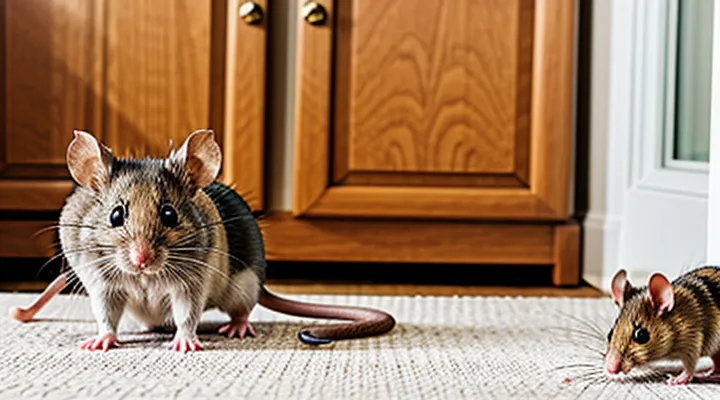
Understanding Rodent Control
The Perils of Mouse Infestations
Health Risks to Humans and Pets
Rodent control chemicals used inside residences can introduce toxic agents that affect human health through accidental ingestion, dermal contact, or inhalation of dust. Acute exposure may cause nausea, vomiting, abdominal pain, and neurological disturbances such as dizziness or seizures. Chronic exposure, even at low levels, has been linked to liver and kidney dysfunction, as well as potential carcinogenic effects, depending on the active ingredient.
Pets are particularly vulnerable because they may investigate bait stations or consume contaminated prey. Dogs and cats that ingest rodent poison often exhibit signs including drooling, lethargy, bleeding from gums, and altered coagulation. Certain anticoagulant formulations can induce internal hemorrhage, while neurotoxic compounds may produce tremors, ataxia, or respiratory failure. Wildlife that scavenges poisoned rodents can suffer secondary poisoning, leading to population declines in local ecosystems.
Key health risks can be summarized as follows:
- Gastrointestinal irritation and ulceration in humans and animals.
- Hemorrhagic disorders caused by anticoagulant agents.
- Neurotoxic effects resulting in seizures or paralysis.
- Organ toxicity affecting liver and kidneys over prolonged exposure.
- Secondary poisoning of non‑target species through the food chain.
Mitigation measures include securing bait in tamper‑resistant containers, restricting access for children and animals, and selecting products with minimal systemic toxicity. Regular monitoring of exposure symptoms and immediate veterinary or medical consultation upon suspicion of poisoning are essential for reducing adverse outcomes.
Damage to Property and Infrastructure
Mice infestations generate significant deterioration of residential structures and essential systems. Chewed electrical wiring creates short‑circuit hazards, increasing fire risk and prompting costly repairs. Insulation material, often composed of cotton or foam, suffers extensive loss when gnawed, leading to reduced thermal efficiency and higher energy consumption. Plumbing components, including copper and plastic pipes, are vulnerable to bite damage that results in leaks, water‑damage stains, and potential mold growth.
Structural timber is another frequent target; gnawing compromises load‑bearing beams and joists, weakening floor integrity and necessitating reinforcement or replacement. Ventilation ducts and HVAC filters become clogged with droppings and urine, impairing air quality and system performance. Storage areas experience contamination of food supplies, prompting waste disposal expenses and health‑code violations.
Effective domestic rodent control agents mitigate these threats by eliminating the source population before damage escalates. Timely deployment of appropriate bait formulations reduces gnawing activity, preserving wiring, insulation, plumbing, and structural components. Consistent monitoring and strategic placement of poisons sustain protection, limiting repair costs and extending the lifespan of home infrastructure.
Principles of Safe Poison Application
Identifying Appropriate Poison Types
Anticoagulants
Anticoagulant rodenticides represent a primary class of chemical agents employed in residential mouse control. These compounds interfere with blood clotting, leading to fatal internal hemorrhage after ingestion.
Typical formulations fall into two generations.
- First‑generation agents: warfarin, chlorophacinone, diphacinone.
- Second‑generation agents: bromadiolone, difenacoum, brodifacoum, flocoumafen.
The pharmacological action is based on inhibition of vitamin K epoxide reductase, an enzyme essential for recycling vitamin K. Without functional vitamin K, synthesis of clotting factors II, VII, IX and X ceases, resulting in uncontrolled bleeding.
Effective deployment requires strategic bait placement in concealed areas, use of concentrations calibrated to deliver a lethal dose within 24–48 hours, and adherence to pre‑baiting protocols that familiarize mice with the bait matrix. Protective equipment, such as gloves, must be worn during handling; bait stations should be positioned out of reach of children and non‑target pets.
Resistance development is documented in populations harboring mutations of the target enzyme. Management strategies include rotating between first‑ and second‑generation products, integrating non‑chemical measures, and monitoring efficacy through periodic trapping data.
Disposal of unused bait and contaminated containers must follow local hazardous‑waste regulations. Containment in sealed, labeled bags prevents accidental exposure and environmental release.
Non-Anticoagulant Rodenticides
Non‑anticoagulant rodenticides provide an alternative to blood‑clotting agents for controlling mouse infestations in residential settings. These compounds act through neurotoxicity, metabolic disruption, or cellular damage, leading to rapid mortality without the risk of delayed bleeding complications.
Common active ingredients include:
- Bromethalin, a neurotoxic uncoupler of mitochondrial oxidative phosphorylation.
- Zinc phosphide, which releases phosphine gas upon gastric acid contact.
- Cholecalciferol (vitamin D₃), causing hypercalcemia and renal failure.
- Sodium fluoroacetate, a metabolic poison interfering with the citric‑acid cycle.
Safety considerations demand strict separation of bait from food preparation areas, secure placement out of reach of children and non‑target pets, and compliance with label‑specified protective equipment. Storage in locked containers reduces accidental exposure and environmental contamination.
Application guidelines recommend placing bait stations along wall edges, near known gnawing sites, and in concealed voids. Dosage calculations should follow manufacturer specifications, typically expressed as milligrams of active ingredient per gram of bait, ensuring sufficient concentration to achieve lethal intake within a single feeding event.
Regular monitoring of bait consumption and prompt disposal of uneaten material maintain efficacy while minimizing secondary poisoning risks. Integration with exclusion techniques—sealing entry points and reducing attractants—optimizes overall control outcomes.
Selecting the Right Bait Stations
Tamper-Resistant Stations
Tamper‑resistant stations provide a secure enclosure for rodent‑targeted baits, reducing accidental exposure while maintaining bait efficacy in residential environments. Their construction isolates toxic material from children, pets, and non‑target wildlife, meeting safety standards required for indoor pest management.
Key design elements include:
- Sealed bait compartment that prevents spillage or dust release.
- Lockable or child‑proof lid activated only by authorized users.
- Durable housing resistant to chewing and environmental wear.
- Indicator window or slot that reveals bait depletion without opening the unit.
Placement guidelines focus on effectiveness and safety:
- Install near known mouse activity zones such as baseboards, wall voids, and entry points.
- Position at least 18 inches above floor level to deter pets and small children.
- Avoid proximity to food preparation surfaces, sinks, or open windows.
- Ensure stations are affixed to stable surfaces to prevent displacement.
Maintenance practices support continuous operation and regulatory compliance:
- Conduct weekly visual inspections for bait consumption and damage.
- Refill or replace baits using only authorized personnel equipped with proper protective gear.
- Log each service event, noting date, location, and quantity of bait applied.
- Verify that stations meet local pesticide application guidelines and labeling requirements.
By integrating these features, tamper‑resistant stations enhance the reliability of residential rodent control programs while safeguarding non‑target occupants.
Placement Strategies
Strategic positioning of rodent toxins maximizes contact with mice while minimizing exposure to non‑target organisms.
Identify primary travel routes by observing droppings, gnaw marks, and nesting material. Place bait stations directly along these pathways, preferably within 30 cm of walls where mice habitually run. Ensure stations are concealed behind appliances, under cabinets, or inside wall voids to prevent detection and interference. Maintain a minimum distance of 1 m from food storage areas, cooking surfaces, and pet feeding zones to comply with safety standards.
- Position stations at junctions of walls and floors, where rodents change direction.
- Use tamper‑resistant containers in locations inaccessible to children and pets.
- Install multiple stations in large homes, spacing them 3–5 m apart to cover extensive infestations.
- Rotate station locations weekly to disrupt learned avoidance behaviors.
Regularly inspect bait stations for consumption levels and replace depleted units promptly. Document station coordinates to track efficacy and adjust distribution patterns as activity shifts.
Safety Precautions for Homeowners
Protecting Children and Pets
Effective mouse control solutions must coexist with the safety of children and pets. Selecting products that combine potency against rodents with minimal risk to non‑target animals is essential. Rodenticides formulated as low‑density granules or enclosed in sealed bait stations reduce accidental ingestion. Placement away from high‑traffic areas—such as under appliances, behind cabinets, or within wall voids—further limits exposure.
Key safety practices include:
- Use tamper‑resistant stations that lock bait inside a hardened shell.
- Position stations at least 1.5 m from play areas, food preparation surfaces, and pet feeding zones.
- Choose baits labeled “child‑ and pet‑safe” or “low‑toxicity” by reputable manufacturers.
- Inspect stations weekly for damage, spillage, or unauthorized access.
- Keep all rodent control devices out of sight and store unused products in locked containers.
If a child or pet contacts a rodenticide, immediate steps are critical. Remove the individual from the area, prevent further ingestion, and locate the product label for emergency instructions. Contact a poison control center or veterinary professional without delay. Provide details about the product type, amount suspected, and time of exposure.
Regular monitoring of rodent activity guides adjustments in bait placement and quantity, preventing over‑use. Combining physical exclusion methods—such as sealing entry points and maintaining a clean environment—with carefully managed chemical controls achieves effective rodent reduction while preserving household safety. «Prompt, informed action protects vulnerable members without compromising pest control efficacy».
Handling and Storage Guidelines
When using rodent control toxins in a residential setting, strict adherence to handling and storage protocols minimizes health risks and preserves product efficacy.
Personnel must wear appropriate protective equipment, including gloves and eye protection, before contacting any toxic formulation. Hands should be washed thoroughly after each handling session. Containers should be opened only in well‑ventilated areas to prevent inhalation of vapors or dust.
Key storage practices include:
- Keep all substances in their original, sealed containers with intact safety seals.
- Store in a locked cabinet or dedicated area inaccessible to children, pets, and non‑authorized individuals.
- Maintain a temperature range of 15 °C to 25 °C; avoid exposure to direct sunlight, excessive heat, or freezing conditions.
- Separate rodent poisons from food items, cleaning agents, and other chemicals to prevent cross‑contamination.
- Label each container clearly with hazard warnings, concentration details, and expiration dates; replace labels if they become illegible.
Inventory records should be updated each time a product is received, used, or disposed of. Retain safety data sheets (SDS) alongside the stored items for quick reference. In the event of a spill, isolate the area, wear protective gloves, and apply an approved absorbent material before cleaning with a neutralizing solution.
Disposal of unused or expired toxins must follow local hazardous waste regulations. Do not pour residues down drains or discard in regular trash. Arrange for collection by a licensed waste management service, ensuring that transport containers remain sealed and labeled throughout the process.
Emergency Procedures for Accidental Ingestion
Accidental ingestion of rodent control agents requires immediate medical attention to prevent severe toxicity. First responders should verify the substance’s identity, concentration, and amount consumed. If the product label is unavailable, contact a local poison control center and provide a detailed description of the container and its contents.
Critical actions include:
- Call emergency services or poison control within minutes of exposure.
- Keep the affected individual calm and seated; prevent panic‑induced hyperventilation.
- If the person is conscious and able to swallow, administer activated charcoal according to professional guidance; do not induce vomiting unless explicitly instructed.
- Monitor vital signs—respiratory rate, heart rhythm, level of consciousness—while awaiting medical personnel.
- Document the time of ingestion, product name, and any observed symptoms such as nausea, abdominal pain, or neurological changes.
Medical professionals will assess the need for gastric lavage, antidotes, or supportive care. Continuous observation is essential because delayed symptoms may arise hours after exposure. After stabilization, the incident should be reported to local health authorities to improve safety protocols and prevent future occurrences.
Effective Deployment Techniques
Initial Assessment and Preparation
Locating Mouse Activity
Identifying mouse presence is essential for precise application of home‑based rodenticides. Accurate detection prevents unnecessary exposure of non‑target species and maximizes the effectiveness of toxic baits.
Common indicators of rodent movement include:
- Fresh droppings, typically ¼‑inch long, dark, and found along walls, behind appliances, or in cabinets.
- Gnaw marks on wood, plastic, or wiring, often appearing as clean, parallel cuts.
- Grease or urine stains that darken fabrics or surfaces.
- Scratching sounds emanating from concealed areas during nighttime hours.
Verification methods reinforce visual clues. Light dusting of tracking powder near suspected routes reveals footprints when disturbed. Infrared motion sensors capture activity without direct contact. Small sections of non‑adhesive tape placed along walls collect hair or tail fragments for microscopic analysis.
Bait placement should align with confirmed pathways. Position poison stations a few inches from droppings, beside gnaw marks, and within 12‑inch intervals along wall edges. Secure stations in tamper‑resistant containers to protect children and pets while maintaining accessibility for rodents. Rotate bait locations periodically to counter habituation and ensure continuous pressure on the population.
Eliminating Alternative Food Sources
Eliminating alternative food sources forces mice to seek bait, increasing the likelihood of consuming the toxic formulation. When edible debris, unsecured pantry items, or pet feed remain accessible, rodents will preferentially exploit these options, rendering poison less effective.
- Store all dry goods in airtight containers made of metal or heavy‑wall plastic.
- Dispose of kitchen waste daily in sealed bags and keep garbage cans covered.
- Clean up spills, crumbs, and droppings immediately; use a damp cloth followed by a disinfectant.
- Relocate pet food to feeding stations that close after consumption, or remove it overnight.
- Seal gaps under cabinets, behind appliances, and around pipe entries to prevent rodents from foraging in hidden cavities.
Consistently maintaining a food‑restricted environment limits the rodents’ choices, ensuring that the bait remains the most attractive option. Regular inspection of storage areas and prompt removal of any newly discovered food sources sustain the efficacy of home‑based rodenticides.
Strategic Placement of Baits
High-Traffic Areas
Targeting mouse bait in «high-traffic areas» maximizes encounter rates and reduces the amount of poison needed. These zones are defined by frequent rodent movement and include pathways between food sources, entry points, and nesting sites.
Typical high-traffic zones:
- Along baseboards and wall junctions where mice travel between rooms.
- Around kitchen appliances, especially near countertops, sink edges, and pantry doors.
- Beneath cabinets and shelving where food crumbs accumulate.
- In utility spaces such as laundry rooms, garages, and basement corners.
- Near identified droppings or gnaw marks, indicating established routes.
Placement guidelines:
- Position bait stations 1–2 feet apart along each identified pathway.
- Secure stations to the underside of counters or shelves to prevent accidental contact.
- Use tamper‑resistant containers in homes with children or pets.
- Replace bait every 3–4 days to maintain potency and monitor consumption.
- Rotate stations periodically to disrupt mouse habituation.
Safety considerations:
- Keep all toxic formulations out of reach of non‑target species.
- Follow label instructions for dosage and disposal.
- Record placement dates and locations to track efficacy and adjust strategy as needed.
Hidden Locations
When deploying rodent baits within a residence, placement in concealed areas maximizes exposure while minimizing accidental contact with non‑target species.
• Behind kitchen appliances, such as refrigerators and stoves, where mice travel along utility conduits.
• Under sinks, within the cabinet space that houses plumbing, offering a dark, moist environment favored by rodents.
• Inside wall cavities accessed through baseboard gaps or small vent openings, providing direct routes to nesting sites.
• In attic insulation pockets, especially near roof joists where temperature fluctuations create favorable foraging conditions.
• Within floorboard cracks or beneath carpet edges, exploiting the natural pathways mice use to move between rooms.
Each location should accommodate a bait station that seals the poison, preventing spillage and protecting children or pets. Station size must correspond to the limited space available in these hidden zones, ensuring the bait remains stable and attractive to the target pest. Proper positioning in these concealed spots leverages the mouse’s instinctive movement patterns, resulting in more efficient control.
Monitoring and Replenishment
Regular Inspections
Regular inspections are a critical component of any rodent‑control program that relies on household toxicants. Systematic checks confirm bait placement, assess consumption rates, and identify new activity zones before infestations spread.
Inspections should occur at least once every 24 hours during the initial week of treatment, then transition to a twice‑weekly schedule for the following month. After that period, a weekly review maintains vigilance while reducing effort.
Key inspection actions include:
- Verify that each bait station remains sealed and undisturbed.
- Record the amount of bait consumed; replace any station with less than 25 % remaining.
- Examine walls, ceilings, and concealed areas for fresh droppings or gnaw marks.
- Identify signs of secondary exposure, such as dead rodents near non‑target zones.
- Ensure that pets and children cannot access bait locations; adjust barriers if needed.
Documenting observations in a simple log enables trend analysis and timely adjustments. If consumption declines sharply, consider relocating stations to newly detected pathways. Consistent record‑keeping supports compliance with safety regulations and maximizes the efficacy of the toxicant strategy.
When to Reapply or Relocate
In rodent control, the decision to refresh bait or move it to a new location determines the success of an indoor poisoning program.
Reapplication is warranted when:
- The bait mass is visibly reduced or consumed.
- The product’s labeled expiration date has passed.
- Activity monitors show a decline in mouse captures, indicating loss of effectiveness.
- Temperature or humidity exceeds the range specified on the label, accelerating degradation.
Relocation becomes necessary under these conditions:
- Mice avoid the current station, evidenced by untouched bait or repeated trips past the device.
- New foraging paths appear, identified by fresh droppings or gnaw marks away from existing stations.
- Physical obstacles block access, such as furniture rearrangement or clutter.
- Safety concerns arise, for example, presence of children, pets, or food preparation areas near the bait.
Regular inspection, at least weekly, ensures timely reapplication or relocation, maintaining optimal control of the infestation.
Post-Extermination Management
Disposal of Carcasses
Sanitary Practices
Maintaining a clean environment reduces the risk of accidental exposure to rodent control agents and limits secondary poisoning of non‑target species. Proper sanitation also discourages mice from revisiting treated areas, enhancing the overall effectiveness of poison deployment.
Key sanitary practices include:
- Removing food residues from countertops, floors, and storage containers; store perishables in sealed containers.
- Regularly sweeping and vacuuming to eliminate crumbs, droppings, and nesting material.
- Disinfecting surfaces with approved cleaners after handling bait or dead rodents.
- Sealing entry points such as cracks, gaps around pipes, and openings under doors to prevent re‑infestation.
- Disposing of waste in tightly closed bins and emptying them frequently.
Continuous monitoring of cleanliness standards ensures that poison stations remain secure and that the household remains safe for occupants and pets. Routine inspections of storage areas and prompt remediation of spills sustain the efficacy of rodent control measures.
Preventing Scavenging
Effective rodent control relies on secure bait deployment. When poison stations are accessible to non‑target animals, the risk of accidental ingestion and bait depletion increases. Proper placement and protection reduce scavenging incidents and maintain bait potency.
Key measures for preventing scavenging:
- Install tamper‑resistant bait stations rated for outdoor use; ensure lockable lids close tightly.
- Position stations at least 12 inches above ground on walls or under eaves, out of reach for pets and wildlife.
- Use bait formulations with bittering agents that deter non‑target species while remaining attractive to mice.
- Seal entry points around stations with silicone caulk or metal flashing to block access by insects and small mammals.
- Monitor stations weekly; replace damaged units promptly to avoid exposure.
Environmental controls complement physical barriers. Remove food sources such as spilled grain, pet food, and compost that might attract scavengers. Maintain a clean perimeter by sweeping debris and storing garbage in sealed containers. Regular inspection of the property identifies potential breach points before they become hazards.
By integrating lockable stations, strategic placement, deterrent additives, and rigorous sanitation, homeowners sustain the efficacy of poison baits while safeguarding non‑target creatures from unintended consumption.
Preventing Future Infestations
Sealing Entry Points
Sealing gaps and cracks prevents rodents from accessing bait, maximising the impact of indoor toxic baits.
Common entry locations include:
- Gaps around pipe penetrations
- Openings beneath doors and windows
- Cracks in foundation walls
- Holes in exterior siding
- Openings around utility conduits
Effective sealing materials:
- Expanding polyurethane foam for irregular gaps
- Steel wool combined with caulk for small holes
- Sheet metal or metal flashing for larger openings
- Silicone sealant for joints around fixtures
- Weather‑stripping for door and window thresholds
Application steps:
- Inspect the building envelope, focusing on the listed locations.
- Clean each opening to remove debris and dust.
- Insert steel wool into holes ≤¼ inch, then apply caulk to lock the filler in place.
- For larger gaps, spray expanding foam, allowing it to cure fully before trimming excess.
- Install weather‑stripping on movable frames, ensuring a tight seal when closed.
- Conduct a follow‑up walk‑through after 24 hours to verify that no new openings have formed.
Regular maintenance involves periodic visual checks and prompt repair of any damage caused by weather or structural movement. Consistent exclusion of rodents safeguards the efficacy of toxic baits and reduces the likelihood of reinfestation.
Maintaining Cleanliness and Hygiene
Maintaining a clean environment reduces the attraction of rodents and enhances the efficacy of household rodent control agents. Food residues, spilled liquids, and clutter provide shelter and nourishment, allowing pests to thrive despite the presence of toxic baits.
Key practices include:
- «Eliminate all food sources» by storing dry goods in sealed containers and promptly cleaning crumbs from countertops and floors.
- «Remove standing water» through regular inspection of sinks, pet bowls, and drainage areas to deny rodents a reliable hydration point.
- «Declutter storage spaces» such as garages, basements, and attics, ensuring that piles of cardboard, fabric, or paper are minimized.
- «Sanitize waste receptacles» by using lids, emptying trash daily, and cleaning bins to prevent odor buildup.
- «Vacuum and mop regularly» to capture hidden droppings and urine, which can release pheromones that signal a safe habitat.
Implementing these measures creates an inhospitable setting for mice, allowing toxic baits to function without competition from abundant food sources. Consistent hygiene practices therefore complement chemical control strategies and contribute to long‑term rodent management.
Regular Inspections for Re-infestation
Regular inspections are essential after applying rodent control toxins to confirm that the environment remains free of mice. Without systematic checks, hidden nests or surviving individuals can lead to rapid re‑infestation, negating the effort and cost of the initial treatment.
Key inspection activities include:
- Visual sweep of all entry points, such as gaps around doors, windows, and utility penetrations.
- Examination of stored food containers, pantry shelves, and waste bins for droppings or gnaw marks.
- Monitoring of bait stations for depletion, displacement, or contamination.
- Use of motion‑activated cameras or trail‑mix detectors to capture nocturnal activity.
- Documentation of findings in a log, noting date, location, and corrective actions taken.
Inspection frequency should align with seasonal rodent behavior. During peak activity months, a weekly review is advisable; in cooler periods, bi‑weekly checks maintain vigilance without excessive resource use.
If evidence of mice is detected, immediate remedial steps involve resealing entry points, replenishing bait, and, if necessary, applying an additional dose of poison according to label instructions. Consistent record‑keeping enables trend analysis, allowing the property owner to adjust preventive measures proactively.