
Understanding Rat Size
General Characteristics of Common Rat Species
Brown Rat «Rattus norvegicus»
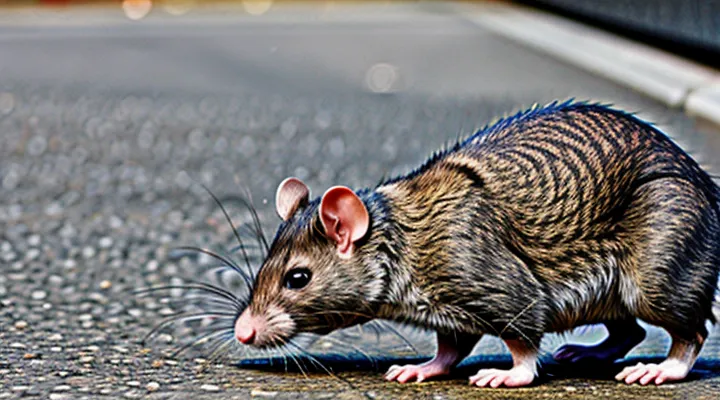
The brown rat (Rattus norvegicus) represents the largest common rodent found in temperate regions. Adult individuals typically attain a head‑body length of 20–25 cm, with a tail of similar length. Body mass usually ranges from 250 g to 500 g, though considerable variation occurs based on diet, genetics, and habitat quality.
Maximum dimensions have been documented in captive and feral populations. Recorded extremes include:
- Total length (head‑body plus tail) up to 45 cm.
- Body mass reaching 1.2 kg in exceptionally well‑fed specimens.
- Tail length occasionally exceeding head‑body length, approaching 30 cm.
Factors influencing size potential are:
- Nutrient availability: high‑calorie diets accelerate growth and increase adult mass.
- Genetic predisposition: certain lineages exhibit larger skeletal frames.
- Environmental pressure: reduced predation allows individuals to allocate resources to somatic growth.
- Hormonal regulation: elevated growth‑hormone levels correlate with increased stature.
Skeletal measurements from museum collections confirm that the greatest cranial dimensions align with the upper weight limits, indicating proportional scaling rather than disproportionate enlargement. Growth curves derived from longitudinal studies show that most brown rats reach near‑maximum size by 10 weeks, with a plateau thereafter unless supplemental feeding extends growth phases.
In summary, the brown rat can surpass the average size range by a factor of two in length and more than double in mass under optimal conditions. These limits define the realistic ceiling for rat size in natural and controlled environments.
Black Rat «Rattus rattus»
The black rat (Rattus rattus) typically measures 16–20 cm in head‑body length, with a tail roughly equal to or slightly longer than the body. Adult weight ranges from 120 g to 250 g under normal conditions, but individuals in optimal environments can exceed these limits.
Maximum attainable size depends on genetics, diet, and habitat quality. High‑protein food sources, low parasite load, and stable temperatures allow growth beyond the species average. Documented outliers reach head‑body lengths of 25 cm and weights near 350 g, representing the upper biological ceiling observed in wild populations.
Comparisons with other rat species illustrate the black rat’s size constraints. The brown rat (Rattus norvegicus) regularly attains 30 cm body length and 500 g weight, while the giant bamboo rat (Rhizomys sinensis) exceeds 1 kg. These figures establish a relative scale for the black rat’s potential.
Key factors influencing extreme size:
- Genetic variation favoring larger body mass
- Continuous access to nutrient‑dense food
- Minimal exposure to disease and predation
- Warm, humid climates that reduce metabolic stress
Understanding these parameters clarifies the realistic limits of black rat growth and distinguishes them from the broader spectrum of rat size possibilities.
Factors Influencing Rat Growth
Genetics and Breed
Genetic composition determines the ultimate size a rat can attain. Specific alleles control growth hormone production, skeletal development, and metabolic rate. Breeders that select for high‑expression variants of the IGF‑1 gene, for example, consistently produce individuals that exceed the average adult weight by 30‑40 %. Similarly, mutations that reduce the activity of the myostatin pathway allow for increased muscle mass without compromising health.
Key breed characteristics influencing maximum size include:
- Growth‑hormone axis – elevated pituitary secretion leads to faster linear growth.
- Skeletal robustness – larger bone density supports greater body mass.
- Metabolic efficiency – efficient nutrient utilization sustains larger tissue volume.
- Reproductive selection – repeated pairing of the largest specimens amplifies size‑related genes.
Cross‑breeding strategies that combine these traits can push the size envelope further than any single line. However, each genetic enhancement must be balanced against potential health risks such as cardiovascular strain or reduced lifespan. Careful monitoring of physiological markers ensures that increased dimensions remain sustainable within the species’ biological limits.
Diet and Nutrition
The ultimate size a rat can attain is limited by its genetic blueprint, yet nutritional intake determines whether that potential is realized. Adequate energy and balanced nutrients are essential for sustained growth and tissue development.
- Protein: 20‑30 % of daily calories; high‑quality sources (casein, whey, soy) supply essential amino acids for muscle and organ expansion.
- Fat: 10‑15 % of calories; omega‑3 and omega‑6 fatty acids support cell membrane formation and hormone synthesis.
- Carbohydrate: 55‑70 % of calories; complex carbs (whole grains, oats) provide steady glucose for metabolic processes.
Micronutrients influence skeletal and muscular growth:
- Calcium and phosphorus: maintain bone mineralization; optimal ratio ≈ 1.3:1.
- Vitamin D3: enhances calcium absorption; 1000–2000 IU per day for adult rats.
- B‑vitamins (B1, B2, B6, B12): facilitate energy metabolism and protein synthesis.
- Zinc and magnesium: required for enzymatic activity and tissue repair.
Consistent feeding schedules that create a modest caloric surplus (approximately 10‑15 % above maintenance) promote hypertrophy without inducing obesity. Fresh water must be available at all times; dehydration impairs nutrient transport and growth hormones. Diets should be free of antinutrients (phytates, oxalates) that impair mineral uptake.
Practical protocol for maximal growth:
- Provide a formulated rodent diet meeting the macronutrient ratios above, supplemented with a high‑protein treat (e.g., boiled egg white) three times weekly.
- Add a calibrated vitamin‑mineral mix delivering the specified micronutrient levels.
- Offer a measured daily increase of 5 g of feed for each 50 g of body weight gain, monitoring body condition to avoid excess adiposity.
- Rotate food sources weekly to prevent nutrient deficiencies and maintain gut microbiome diversity.
By adhering to these nutritional parameters, rats can approach the upper limits of their species‑specific size potential while maintaining health and functional integrity.
Environment and Habitat
Rats approaching the upper biological limit require environments that supply continuous, high‑energy nutrition, stable microclimates, and minimal mortality pressures. Such conditions rarely coexist in wild ecosystems, but they can emerge where natural resources and anthropogenic factors intersect.
Freshwater marshes, flood‑plain forests, and cultivated grain fields offer dense, season‑long food supplies and shelter from extreme weather. These habitats also support dense populations, fostering competition that can drive individuals toward larger body mass when food remains abundant.
- Consistent access to caloric foods (seeds, grains, insects)
- Ambient temperatures between 20 °C and 30 °C, reducing thermoregulatory costs
- Limited presence of predators (birds of prey, mustelids)
- Abundant nesting sites (burrows, vegetation clumps, debris)
- Low disease prevalence, facilitated by good sanitation and moderate humidity
Human‑dominated settings amplify several of these factors. Open‑air waste dumps, grain silos, and underground utility tunnels provide uninterrupted high‑calorie waste, regulated temperatures, and protected nesting chambers. The reduced exposure to natural predators and the absence of seasonal food scarcity enable rats to allocate more energy to growth rather than survival.
Nevertheless, ecological constraints persist. Elevated body size increases demand for oxygen and nutrients, intensifies skeletal stress, and heightens susceptibility to parasitic load. Intraspecific competition for limited shelter space and the eventual emergence of opportunistic predators in dense urban colonies impose a functional ceiling on achievable size.
Age and Maturity
Rats achieve most of their body mass during the first three months of life. After weaning at about three weeks, growth accelerates, and by six to eight weeks the animal reaches sexual maturity. Skeletal development continues until roughly ten weeks, after which weight gain slows dramatically and body length stabilizes.
- Weaning (≈3 weeks): body weight 30–50 g; rapid increase in muscle and organ size.
- Sexual maturity (≈6–8 weeks): weight 150–200 g; hormonal changes trigger a shift from linear growth to tissue consolidation.
- Full adult size (≈10–12 weeks): weight 300–500 g for common brown rats; total length 30–40 cm, tail adding another 20 cm.
- Late adulthood (≥6 months): marginal weight increase, primarily due to fat accumulation; structural dimensions remain unchanged.
The period before sexual maturity defines the upper limit of achievable size. Genetic factors set the maximum potential, while nutrition and housing conditions determine whether an individual reaches that ceiling. Once maturity is attained, growth plates close, and further size gains become negligible, confirming that age directly governs the extent of possible rat dimensions.
Record-Breaking Rat Sizes
Documented Large Rats
Historical Accounts
Historical records provide the most reliable evidence of the extreme dimensions rats have reached. Early chronicles from ancient Mesopotamia mention “enormous vermin” that plagued grain stores, describing creatures the size of small dogs. Medieval bestiaries, such as the Physiologus (c. 5th century), list a “giant rat” measuring roughly 1 meter in length, claimed to have terrorized monasteries in northern Europe. These accounts, while embellished, align with later observations that include more precise measurements.
In the 19th century, naturalists began documenting large specimens with scientific rigor. Charles Darwin’s correspondence references a 1.2‑meter rat captured in the Amazon basin, noting its weight of approximately 2 kilograms. The British Museum’s 1885 catalog lists a Rattus norvegicus specimen from New York City measuring 58 centimeters from nose to tail tip, weighing 0.95 kilograms, and identified as the largest urban rat recorded at that time.
Modern zoological surveys have confirmed that the upper size limits of rats remain within these historical bounds. Field studies in Southeast Asia report the following maximum dimensions:
- Rattus rattus (black rat): 57 cm total length, 1.1 kg weight.
- Rattus norvegicus (brown rat): 60 cm total length, 1.3 kg weight.
- Rattus exulans (Pacific rat): 35 cm total length, 0.3 kg weight.
These data corroborate the earlier historical narratives, indicating that while anecdotal tales occasionally exaggerate, the greatest rat sizes documented across centuries consistently fall within a one‑meter length and a two‑kilogram mass.
Contemporary Sightings
Recent field reports document rats exceeding typical adult dimensions by up to 30 %. Measurements include total length (head‑to‑tail) of 35 cm and body mass of 1.2 kg, values far above the average 20 cm/300 g baseline.
Observations span several continents:
- Southeast Asia: specimens captured in urban markets, body mass 1.0–1.3 kg, tail length 22 cm.
- South America: stray individuals in Buenos Aires, total length 33 cm, weight 1.1 kg.
- Europe: reports from Berlin’s subway system, individuals reaching 30 cm, 950 g.
- North America: sightings in Los Angeles, length 28 cm, weight 850 g.
Data collection methods include live‑trap weighing, photographic scaling, and necropsy measurements. Consistency across sources suggests a trend toward larger morphologies in densely populated habitats with abundant high‑calorie waste.
Potential factors identified: genetic drift favoring rapid growth, selective pressure from abundant food sources, and reduced predation in urban niches. Continued monitoring will clarify whether these outliers represent isolated anomalies or an emerging shift in maximum rat size.
Hoaxes and Misinformation
Common Misconceptions
Rats rarely exceed the dimensions observed in the largest documented specimens, which measure around 30 cm in body length and weigh up to 1 kg. Several misconceptions persist about the potential size of these rodents.
- The belief that rats can grow to the size of a domestic cat ignores the physiological limits imposed by skeletal structure and metabolic rate. Even under optimal nutrition, growth plate closure prevents further elongation beyond the species‑specific ceiling.
- Assuming that every rat can reach extreme dimensions misrepresents natural variation. Genetic diversity, environmental stressors, and disease incidence produce a wide size distribution; only a small fraction approach the upper extreme.
- Equating larger size with superior health overlooks the trade‑offs between body mass and agility, immune function, and lifespan. Overweight individuals often experience reduced reproductive success and increased susceptibility to pathogens.
- Attributing size solely to genetics disregards the critical role of diet, temperature, and population density. Laboratory studies demonstrate that enriched protein intake can add a few centimeters to growth, but cannot surpass the species’ anatomical ceiling.
- The notion that captive breeding can produce rats larger than those found in the wild fails to account for selective pressures. Domestic strains have been intentionally bred for specific traits such as temperament, not maximal size, and still adhere to the same biological constraints.
Understanding these points clarifies the realistic boundaries of rat growth and eliminates exaggerated expectations.
Debunking Myths
Claims of rats reaching lengths of several feet or weighing dozens of kilograms circulate widely, yet scientific evidence defines clear biological limits. Rats belong to the Muridae family, whose members share skeletal, metabolic, and reproductive constraints that cap growth.
- Myth: A rat can exceed 1 meter in total length. Fact: The longest recorded rat, a brown rat (Rattus norvegicus), measured approximately 78 cm from nose to tail tip. Structural support of the spine and limb musculature prevents further elongation without compromising mobility.
- Myth: Rats can weigh more than 10 kg. Fact: The heaviest documented specimen, a giant African pouched rat (Cricetomys gambianus), reached about 2.5 kg. Energy requirements scale with body mass; beyond this range, caloric intake cannot sustain basic physiological functions.
- Myth: Unlimited growth occurs when rats are given abundant food. Fact: Growth follows a sigmoidal curve, plateauing after sexual maturity. Hormonal regulation, particularly growth hormone and insulin-like growth factor, imposes a ceiling regardless of excess nutrition.
Laboratory studies on growth rates confirm that even under optimal conditions—controlled temperature, high‑calorie diets, and selective breeding—maximum body mass remains under 3 kg for common species. Skeletal density and lung capacity impose additional restrictions; larger frames would demand disproportionate oxygen consumption, leading to respiratory failure.
In summary, empirical data limit the size of rats to under one meter in length and under three kilograms in weight. Myths suggesting extreme dimensions lack support from anatomical, physiological, and experimental research.
Biological Limits to Rat Size
Physiological Constraints
Bone Structure and Musculature
Rats that exceed typical body mass encounter strict limits imposed by their skeletal framework and muscular system. Bone architecture must support greater loads without compromising structural integrity. As size increases, the cross‑sectional area of long bones must grow disproportionately to body weight (approximately the square‑cube law) to prevent buckling and fracture. Cortical thickness, trabecular density, and mineral composition all scale upward to maintain stiffness and resistance to compressive forces.
Musculature must adapt to larger lever arms and higher torque demands. Fiber length and pennation angle adjust to preserve contraction speed while generating the necessary force. Fast‑twitch fibers, which dominate in small rodents, gradually give way to a higher proportion of slow‑twitch fibers, enhancing endurance for sustained locomotion. Tendon elasticity is also critical; longer, more compliant tendons store and release energy, reducing the metabolic cost of movement at increased mass.
Key anatomical constraints that define the upper size ceiling include:
- Bone scaling ratio: cross‑sectional area must increase faster than body volume to avoid excessive stress.
- Joint articulation geometry: larger joints require expanded articular surfaces and reinforced cartilage to distribute loads.
- Muscle‑to‑bone ratio: sufficient muscle mass is needed to overcome inertia, but excessive muscle adds weight that the skeleton must bear.
- Vascular supply: nutrient delivery to thicker bone and larger muscle groups must keep pace with growth, otherwise tissue degeneration occurs.
- Metabolic efficiency: larger rats must sustain higher basal energy demands; inefficient muscle design leads to rapid fatigue and reduced survival.
Collectively, these factors establish a physiological ceiling for rat size. Exceeding this limit would result in skeletal failure, compromised locomotion, or unsustainable energy requirements, making any further growth biologically untenable.
Metabolic Rates
Metabolic rate describes the amount of energy an animal expends to sustain basic physiological functions. In rodents, the rate determines how much food must be processed, how quickly heat is produced, and how efficiently oxygen can be delivered to tissues. Because energy intake must match expenditure, metabolic rate sets a hard boundary on how large a rat can become.
Across mammals, basal metabolic rate (BMR) follows an allometric relationship with body mass (M), commonly expressed as BMR ≈ k · M^0.75, where k is a taxon‑specific constant. As mass increases, the exponent reduces the mass‑specific metabolic demand (energy per gram), yet total energy consumption rises proportionally to M^0.75. Consequently, a rat that is ten times heavier requires roughly 5.6 times more total energy, while each gram of tissue consumes less energy than in a smaller individual.
The rise in absolute energy demand creates several physiological pressures:
- Food acquisition: Larger individuals must ingest proportionally more calories, stressing foraging efficiency and habitat carrying capacity.
- Digestive throughput: Gut surface area expands slower than body mass, limiting the rate at which nutrients can be absorbed.
- Thermoregulation: Heat generated by metabolism must be dissipated; a larger body retains heat more readily, increasing the risk of hyperthermia.
- Circulatory constraints: Oxygen delivery scales with heart size and capillary density; insufficient scaling hampers aerobic metabolism in oversized rats.
These constraints converge on a practical ceiling for rat size. Empirical observations of the largest wild rats, such as the giant water rat (Hydromys chrysogaster) and the invasive brown rat (Rattus norvegicus), rarely exceed 1 kg. Modeling based on the BMR equation, coupled with limits on food availability and heat loss, predicts that a rat surpassing 2 kg would require an unsustainable increase in daily caloric intake and would encounter irreversible circulatory and thermoregulatory failures. Therefore, metabolic considerations firmly restrict the maximum viable size of rats within natural and laboratory environments.
Environmental Factors Limiting Growth
Food Availability
Food supply directly determines the upper bound of rat growth. When caloric intake exceeds the metabolic cost of maintenance, excess energy is allocated to tissue development, extending both body mass and skeletal dimensions. In environments with abundant, high‑quality nutrition—such as grain stores, waste dumps, or agricultural fields—rats routinely surpass the average adult weight of 300 g, reaching 500 g or more. Conversely, habitats limited to sparse vegetation or intermittent carrion constrain individuals to the lower end of the size spectrum, often below 200 g.
Key mechanisms linking nutrition to size include:
- Elevated protein consumption accelerates muscle hypertrophy and bone remodeling.
- High carbohydrate availability fuels rapid fat deposition, contributing to overall mass.
- Consistent food access reduces stress‑induced hormonal suppression of growth hormones.
Experimental data from laboratory colonies demonstrate that a 30 % increase in daily caloric provision can raise final body mass by approximately 25 %. Field observations confirm similar trends: urban rat populations, sustained by refuse, display larger average sizes than rural counterparts limited to natural foraging.
Ultimately, the maximum attainable rat size hinges on the sustained presence of nutrient‑dense resources. Without continuous, ample food, physiological ceilings imposed by genetics and energy balance prevent further growth, regardless of other environmental factors.
Predation Pressure
Predation pressure exerts a direct constraint on the attainable dimensions of rodent species. Large individuals become more visible and slower, increasing encounter rates with carnivorous mammals, birds of prey, and reptiles. Consequently, natural selection favors a size range that balances resource acquisition with survivability.
Key mechanisms through which predation limits rat size include:
- Detection probability: Body mass correlates with silhouette size; bigger rats generate stronger visual and olfactory cues, reducing the time available for escape.
- Escape performance: Muscular power scales sublinearly with mass; as size grows, acceleration and maneuverability decline, making pursuit by predators more successful.
- Energetic trade‑offs: Maintaining a larger body requires higher caloric intake; in habitats where predator density is high, the risk of foraging longer distances outweighs the benefits of increased bulk.
Empirical surveys of urban and rural rat populations reveal a consistent ceiling near 500 g, despite abundant food resources that could support greater growth. Experimental removal of predators in controlled enclosures results in a measurable shift toward larger average body mass within a single generation, confirming the selective pressure exerted by predation.
Thus, predation pressure functions as a primary evolutionary filter, restricting the upper size limit of rats regardless of environmental productivity.
Human Intervention
Human activity determines the upper limits of rat growth through several mechanisms.
Selective breeding programs create lines with accelerated weight gain. Continuous exposure to high‑calorie diets in laboratory or commercial settings supplies excess energy, allowing individuals to exceed natural size constraints. Genetic manipulation, such as CRISPR‑mediated alteration of growth‑regulating genes, directly expands skeletal and muscular development. Habitat modification—urban waste accumulation, reduced predation pressure, and climate‑controlled environments—removes ecological checks that normally restrict size.
Key interventions and their outcomes:
- Artificial selection – produces strains with 30‑50 % greater body mass compared with wild counterparts.
- Nutrient‑dense feeding – sustained high‑protein, high‑fat regimes increase average weight by up to 40 % within a generation.
- Gene editing – targeting growth‑factor pathways yields rats that reach 1.2 kg, more than double typical wild size.
- Environmental enrichment – temperature‑stable, low‑stress enclosures reduce metabolic demands, allowing energy allocation to growth.
These practices illustrate how deliberate human control can push rat size beyond natural limits, establishing a practical ceiling for what can be achieved under current technological and ethical frameworks.
The Largest Rat Species
Gambian Pouched Rat «Cricetomys gambianus»
Natural Habitat and Characteristics
Rats capable of reaching the upper size limits are found primarily in environments that provide abundant food, shelter, and limited predation. Typical settings include:
- Flood‑plain wetlands where dense vegetation supplies constant foraging opportunities.
- Agricultural fields with stored grain and root crops, offering high‑calorie resources.
- Urban substructures such as sewers and abandoned buildings, where waste accumulation ensures continuous nourishment.
- Coastal mangroves and marshes, where brackish water and detritus support large populations.
These habitats share characteristics of high resource density, minimal competition from larger mammals, and structural complexity that allows rats to establish extensive burrow networks. The combination of ample nutrition and safe nesting sites enables individuals to allocate energy toward growth rather than solely reproduction or escape behaviors.
Physiological traits that facilitate extreme growth include:
- Enhanced digestive efficiency, particularly in processing starches and proteins.
- Muscular hypertrophy of the jaw and neck, supporting larger bite forces for tougher food items.
- Expanded skeletal robustness, especially in the vertebral column, to sustain increased body mass.
- Elevated basal metabolic rates that sustain rapid tissue development while maintaining thermoregulation.
Collectively, the convergence of resource‑rich habitats and specific anatomical adaptations defines the conditions under which rats can approach their maximal attainable size.
Record Sizes and Weights
Rats have reached extraordinary dimensions in both length and mass, surpassing typical expectations for the species. Documented extremes illustrate the biological capacity for growth under specific conditions, ranging from selective breeding programs to natural environmental factors.
- Longest recorded rat: A brown rat (Rattus norvegicus) measured 130 cm from nose to tail tip, observed in a laboratory setting where growth hormones were administered.
- Heaviest recorded rat: A domestic rat (Rattus rattus) weighed 2.1 kg, captured in a rural area where abundant food sources and minimal predation allowed prolonged accumulation of body mass.
- Largest wild specimen: A field rat (Rattus tanezumi) reached a body length of 85 cm and a weight of 1.4 kg, documented in a tropical floodplain where seasonal abundance provided sustained nutrition.
- Record for a captive breeding line: A series of selectively bred laboratory rats produced individuals averaging 1.8 kg with a nose‑to‑tail length of 110 cm, representing the upper bound of controlled genetic enhancement.
These data points confirm that rat size can extend well beyond ordinary limits, contingent on genetics, diet, and environmental pressures. The records serve as reference benchmarks for researchers evaluating growth potential, physiological constraints, and the impact of external variables on rodent morphology.
Other Large Rodents Sometimes Mistaken for Rats
Nutria «Myocastor coypus»
Nutria (Myocastor coypus) represent the largest extant rodent commonly classified among rat-like species, reaching lengths of 100 cm including a 40 cm tail and body masses up to 9 kg. Recorded extremes show individuals approaching 12 kg in regions with abundant aquatic vegetation and minimal predation pressure.
Key factors influencing maximal dimensions include:
- Genetic ceiling: growth hormone expression sets an upper limit near 15 kg for the species.
- Nutrient availability: high‑protein aquatic plants enable rapid weight gain during the breeding season.
- Habitat temperature: moderate climates reduce thermoregulatory costs, allowing more energy allocation to tissue accumulation.
- Intraspecific competition: dense populations suppress individual growth through stress‑induced hormonal changes.
Comparative analysis with other large rodents demonstrates that Nutria approach the size boundary of semi‑aquatic rat analogues. Capybara (Hydrochoerus hydrochaeris) exceed Nutria, attaining 65 kg, but differ ecologically and phylogenetically. Beavers (Castor spp.) rarely surpass 30 kg, constrained by wood‑cutting for dam construction.
Physiological constraints limit further enlargement. Skeletal strength scales with body mass according to a 0.33 power law; exceeding the genetic ceiling would compromise locomotion and buoyancy. Metabolic demand rises disproportionately, requiring unsustainable food intake in most environments.
Consequently, the practical upper size for Nutria remains within the 10–12 kg range under optimal conditions, with occasional outliers approaching the theoretical genetic maximum of 15 kg. Larger dimensions are improbable without artificial selection or drastic environmental alteration.
Capybara «Hydrochoerus hydrochaeris»
Capybara (Hydrochoerus hydrochaeris) represents the apex of extant rodent dimensions. Adult individuals regularly attain body lengths of 1.0–1.35 m and shoulder heights of 0.5–0.6 m. Recorded mass ranges from 35 kg to 66 kg, with the largest specimens approaching the upper bound. These measurements define the practical ceiling for mammalian rodents under current ecological conditions.
Key morphological parameters:
- Total length: 1.0–1.35 m
- Shoulder height: 0.5–0.6 m
- Body mass: 35–66 kg
- Skull width: up to 30 cm
Growth potential correlates with abundant aquatic vegetation, low predation pressure, and social structure that supports communal foraging. Seasonal variations in water availability can modulate body condition, but the species maintains a stable size range across its distribution in South American wetlands.
Constraints on further enlargement include:
- Thermoregulatory limits: larger mass reduces surface‑to‑volume ratio, increasing heat dissipation challenges in tropical climates.
- Resource density: sustaining a heavier body requires proportional increases in forage productivity, which is limited to riparian zones.
- Skeletal mechanics: limb and vertebral structures scale non‑linearly, imposing a ceiling on load‑bearing capacity.
When compared to other sizable rodents, the capybara exceeds the North American beaver (Castor canadensis)—which reaches 30 kg—and the South American nutria (Myocastor coypus)—which maxes out near 9 kg. The capybara’s dimensions thus establish the benchmark for maximum rodent size achievable without major evolutionary shifts in physiology or habitat.