
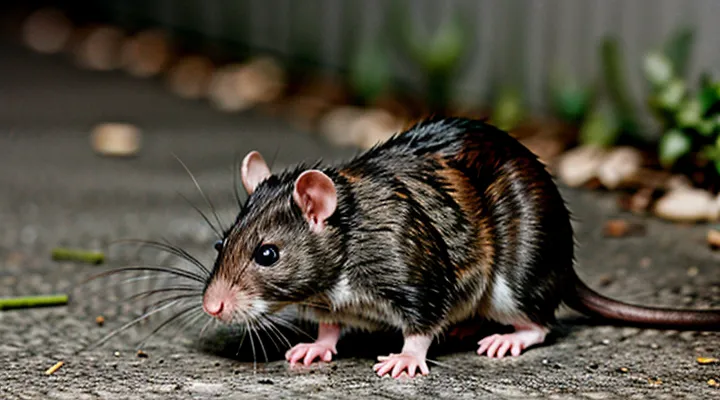
Common Causes of Itching in Rats
Parasites: Mites, Lice, and Fleas
Parasites such as mites, lice, and fleas are primary contributors to pruritus in laboratory and pet rats. Each species infests the host differently, requiring specific diagnostic and control strategies.
Mites (e.g., Myobia musculi) reside on the skin surface, feeding on epidermal tissue. Infestations produce dry, scaly patches, especially around the ears and tail base. Lice (e.g., Polyplax serrata) attach to hair shafts, causing localized erythema and intense scratching. Fleas (primarily Xenopsylla cheopis) bite the skin, injecting anticoagulants that trigger inflammatory reactions and secondary infection.
Key health impacts include:
- Skin barrier disruption leading to secondary bacterial infection.
- Anemia from prolonged blood loss (particularly with heavy flea burdens).
- Stress‑induced immunosuppression, which can exacerbate respiratory or gastrointestinal disease.
Effective management relies on early detection and integrated control:
- Conduct weekly visual inspections of the coat and skin for erythema, scabs, or visible parasites.
- Perform skin scrapings and hair plucks for microscopic identification.
- Isolate newly acquired rats for a minimum of 14 days; treat prophylactically with a veterinarian‑approved acaricide or insecticide.
- Maintain strict cage hygiene: replace bedding weekly, clean food dishes, and disinfect enclosure surfaces with a diluted bleach solution (1 % sodium hypochlorite) or a veterinary‑approved disinfectant.
- Implement environmental controls: reduce humidity below 50 % to deter mite reproduction, and use sealed storage for feed to prevent flea eggs from entering the habitat.
- Apply topical or systemic parasiticides according to veterinary guidelines; rotate active ingredients to prevent resistance.
Monitoring the effectiveness of interventions includes tracking the frequency of scratching behavior, documenting skin condition changes, and repeating diagnostic tests at two‑week intervals until parasites are eliminated. Prompt, evidence‑based treatment combined with rigorous husbandry practices minimizes pruritic episodes and supports overall rat welfare.
Fungal Infections
Fungal infections are a common source of pruritus in laboratory and pet rats. They develop when spores colonize moist skin folds, the ventral abdomen, or the tail base, especially under high humidity or poor sanitation. Early signs include localized redness, scaling, and persistent scratching; advanced cases may present with hair loss and secondary bacterial invasion.
Diagnosis relies on visual inspection and microscopic examination of skin scrapings. Culturing on Sabouraud agar confirms the specific organism, most often Dermatophytosis or Candida species. Prompt identification allows targeted antifungal therapy and prevents spread to cage mates.
Treatment protocols typically combine systemic antifungal agents, such as itraconazole or terbinafine, with topical applications of miconazole cream. Dosage must be adjusted for the rat’s weight, and a treatment course of 2–4 weeks is standard. Monitoring liver enzymes during systemic therapy mitigates potential toxicity.
Preventive measures reduce infection risk and support overall rat well‑being:
- Maintain cage humidity below 60 % using dehumidifiers or proper ventilation.
- Clean bedding daily; replace it weekly with absorbent, low‑moisture material.
- Provide chewable enrichment to discourage excessive grooming that damages the skin barrier.
- Inspect each animal weekly for early skin changes; isolate any with lesions.
- Disinfect equipment with a 10 % bleach solution before reuse.
Environmental control, regular health checks, and swift therapeutic response together limit fungal outbreaks and minimize itching in rat populations.
Allergic Reactions
Allergic reactions are a frequent cause of pruritus in laboratory and pet rats. Exposure to environmental proteins, dust mites, certain bedding materials, and dietary components triggers immune-mediated skin inflammation, leading to persistent scratching and secondary lesions.
Typical allergens include: raw soy, wheat gluten, powdered bedding, mold spores, and insect bites. Direct contact or inhalation initiates IgE‑mediated hypersensitivity, which manifests as erythema, papules, and focal hair loss.
Observable signs: localized redness, raised bumps, wet or crusted skin, excessive grooming, and hair thinning around the ears, neck, and abdomen. Chronic scratching may produce ulcerations and secondary bacterial infections.
Diagnosis relies on a systematic assessment: visual examination, detailed history of diet and environment, skin scrapings to exclude parasites, and, when necessary, serum allergen‑specific IgE testing or skin prick tests performed by a veterinary specialist.
Preventive measures:
- Use low‑dust, paper‑based bedding; replace weekly.
- Provide a grain‑free, hypoallergenic diet; avoid soy and wheat additives.
- Maintain stable humidity (40‑60 %) and temperature (20‑24 °C) to discourage mold growth.
- Implement a strict cleaning regimen; disinfect cages and accessories bi‑weekly.
- Limit exposure to wild insects and limit handling with scented gloves.
Therapeutic interventions:
- Administer antihistamines (e.g., diphenhydramine) under veterinary guidance to reduce itch intensity.
- Apply topical corticosteroid ointments to affected areas for short periods.
- Introduce omega‑3 fatty acid supplements to support skin barrier integrity.
- Treat secondary infections with appropriate antibiotics based on culture results.
- Conduct allergen avoidance trials, gradually reintroducing items to identify the specific trigger.
Consistent application of these strategies reduces the incidence of allergic dermatitis, minimizes discomfort, and supports overall rat welfare.
Nutritional Deficiencies
Nutritional gaps frequently trigger dermatological problems in laboratory and pet rats. Inadequate intake of specific vitamins and minerals compromises skin integrity, leading to dry patches, inflammation, and persistent scratching.
Key nutrients whose shortfall directly affects cutaneous health include:
- Vitamin E – antioxidant protection for cell membranes; deficiency accelerates lipid peroxidation in skin.
- Vitamin A – regulates epithelial cell turnover; lack results in hyperkeratosis and scaling.
- Zinc – co‑factor for enzymes involved in collagen synthesis; insufficient levels cause epidermal fragility.
- Essential fatty acids (omega‑3 and omega‑6) – maintain the lipid barrier; deficiency yields dryness and pruritus.
- Selenium – supports antioxidant enzymes; low intake contributes to oxidative skin damage.
Symptoms indicating a deficiency‑related itch disorder are:
- Rough or flaky fur localized to the head, back, or hindquarters.
- Reddened skin with occasional crust formation.
- Increased grooming or scratching behavior, especially during the dark cycle.
- Weight loss or reduced activity accompanying the dermatological signs.
Corrective measures involve formulating a balanced diet that meets established rodent nutrient recommendations. Commercial rodent pellets fortified with the listed vitamins and minerals typically satisfy baseline requirements. When specific deficiencies are suspected, targeted supplementation—such as a vitamin E capsule (50 IU per kg body weight) or a zinc gluconate solution (10 mg/kg)—can be administered under veterinary guidance. Regular monitoring of coat condition, behavior, and body weight ensures early detection of nutrient‑related itch issues and supports overall rat well‑being.
Environmental Factors
Environmental conditions directly influence the occurrence of skin irritation in laboratory and pet rats. Excessive humidity promotes fungal growth and skin maceration, while overly dry air desiccates the epidermis, both of which can trigger pruritus. Temperature fluctuations stress thermoregulation mechanisms, leading to increased grooming and potential abrasions.
Bedding material determines the level of skin contact irritation. Rough fibers, such as pine shavings, create micro‑abrasions and release aromatic compounds that may act as allergens. Soft, dust‑free substrates like paper‑based or aspen bedding reduce mechanical irritation and airborne irritants.
Ventilation quality controls the concentration of airborne allergens, dust, and ammonia. Poor air exchange allows ammonia buildup from urine, which irritates mucous membranes and skin. Adequate airflow, combined with regular monitoring of ammonia levels, mitigates this risk.
Lighting intensity and cycle affect skin health indirectly. Continuous bright light can cause stress‑induced over‑grooming, while insufficient lighting may impair circadian rhythms, influencing immune function and skin barrier integrity.
Key environmental factors and preventive actions
- Humidity: Maintain relative humidity between 40‑60 %. Use dehumidifiers or humidifiers as needed.
- Temperature: Keep ambient temperature stable at 20‑24 °C. Avoid drafts and sudden changes.
- Bedding: Select low‑dust, soft bedding; replace regularly to prevent accumulation of waste and mold.
- Ventilation: Ensure at least 10 air changes per hour; monitor ammonia levels, keeping them below 25 ppm.
- Cleaning schedule: Perform daily spot cleaning; conduct full cage changes weekly to remove residual allergens.
- Lighting: Provide a consistent 12‑hour light/dark cycle; limit exposure to intense light sources.
By controlling these variables, caretakers can substantially lower the incidence of itching and associated dermatological problems in rats.
Diagnosing Itching Issues
Observing Rat Behavior
Observing rat behavior provides the earliest indication that skin irritation may be developing. Frequent scratching, especially when directed toward the ears, neck, or tail base, signals an emerging problem. Rats that pause grooming to focus on a single area, or that exhibit excessive licking of fur, often experience discomfort that can precede lesions.
Changes in activity levels also reveal issues. A normally active rat that becomes lethargic, hides more often, or avoids climbing structures may be reacting to itch-related pain. Sudden aggression toward cage mates, particularly when a specific body part is involved, frequently accompanies localized irritation.
Key observations to record daily:
- Duration and intensity of scratching bouts
- Specific body regions targeted during grooming or licking
- Alterations in social interaction, such as increased aggression or withdrawal
- Variations in movement patterns, including reduced climbing or exploration
- Appearance of hair loss, redness, or scabs in the observed areas
Consistent documentation enables quick identification of trends. If a behavior persists for more than 24 hours or escalates, immediate veterinary assessment is advisable to prevent secondary infections and more severe skin conditions. Regular monitoring, combined with a clean environment and balanced diet, forms a practical defense against itch-related health problems in rats.
Physical Examination
A thorough physical examination is essential for early detection of conditions that cause discomfort and skin irritation in laboratory rats. The practitioner should handle each animal gently, observe behavior, and assess the integumentary system before any treatment plan is implemented.
Key components of the examination include:
- Visual inspection of the coat for bald patches, scabs, or excessive grooming marks.
- Palpation of the skin to identify warmth, swelling, or underlying masses.
- Evaluation of the ears, tail, and footpads for redness, crusting, or debris.
- Assessment of the fur texture and moisture level to detect dehydration or oil buildup.
- Recording of any abnormal scratching, licking, or self‑trauma incidents observed during handling.
Documenting findings in a standardized format allows comparison over time and facilitates timely intervention. Prompt identification of dermatological issues reduces the likelihood of severe itching, supports overall well‑being, and contributes to the reliability of experimental outcomes.
Veterinary Consultation and Diagnostic Tests
Veterinary consultation is the first step in addressing pruritic conditions in pet rats. During the appointment, the clinician conducts a thorough physical examination, observing coat condition, skin lesions, and behavioral signs of discomfort. The practitioner asks targeted questions about diet, habitat hygiene, and recent exposure to potential allergens, allowing rapid identification of likely causes.
Diagnostic testing follows the clinical assessment to confirm or rule out underlying problems. Common procedures include:
- Skin scrapings examined under a microscope to detect ectoparasites such as mites or lice.
- Cytology of lesion exudate to identify bacterial or fungal organisms.
- Blood work (complete blood count and serum chemistry) to reveal systemic infections, metabolic imbalances, or immune-mediated disorders.
- Allergy testing, either intradermal or serum-based, to pinpoint specific environmental or food allergens.
- Radiography or ultrasound when internal disease or neoplasia is suspected as a secondary factor.
Interpretation of test results guides the selection of targeted treatments, ranging from antiparasitic medication and antimicrobial therapy to environmental modifications and dietary adjustments. Prompt, evidence‑based intervention reduces itching, prevents secondary skin damage, and supports overall welfare.
Preventive Measures for a Healthy, Itch-Free Rat
Rats thrive when their skin remains free of irritation. Regular grooming eliminates loose fur and debris that can spark itching. A gentle brush designed for small rodents should be used daily, focusing on areas prone to matting such as the neck, back and tail base.
Environmental control limits exposure to allergens. Maintain cage bedding with low‑dust, absorbent material like paper or aspen shavings; replace it weekly to prevent mold and mite buildup. Keep humidity between 40‑60 % and temperature near 70 °F (21 °C) to discourage parasite proliferation. Ensure ventilation is adequate but avoid drafts that dry the skin.
Nutrition directly influences skin health. Provide a balanced diet rich in omega‑3 fatty acids, vitamin E and protein; commercial rat pellets supplemented with fresh vegetables and occasional nuts meet these needs. Limit sugary treats that can promote inflammation and skin disorders.
Preventive health care includes routine veterinary checks. Schedule examinations at least twice yearly to screen for ectoparasites, fungal infections and underlying conditions that manifest as itching. Apply veterinarian‑approved topical treatments only when a specific issue is identified; routine use of anti‑itch sprays can mask symptoms and delay diagnosis.
Key preventive actions:
- Daily gentle brushing to remove loose hair and debris.
- Use low‑dust, absorbent bedding; change weekly.
- Maintain optimal humidity (40‑60 %) and temperature (~70 °F).
- Feed a diet high in essential fatty acids, vitamin E, and protein.
- Conduct biannual veterinary examinations; treat identified problems promptly.
Consistent application of these measures sustains a rat’s skin integrity, reduces the likelihood of itching, and supports overall health.
Optimal Cage Environment and Hygiene
Proper Bedding Choices
Choosing the right bedding directly influences a rat’s skin condition and reduces the likelihood of itch‑inducing irritants. Soft, absorbent substrates keep moisture away from the coat, preventing fungal growth and bacterial proliferation that can trigger dermatitis. In addition, low‑dust materials minimize respiratory irritation, which often accompanies skin problems.
Recommended bedding options include:
- Paper‑based products (e.g., shredded paper, compressed wood pulp) – high absorbency, minimal dust, easy to replace.
- Aspen shavings – low in aromatic oils, low dust content, suitable for rats with sensitive skin.
- Hemp or cotton fiber mats – breathable, reusable, provide a dry surface when properly maintained.
Materials to avoid:
- Cedar or pine shavings – contain volatile phenols that can irritate skin and respiratory tract.
- Scented or chemically treated bedding – may cause allergic reactions and exacerbate itching.
- High‑dust litters (e.g., standard wood shavings) – increase particulate exposure, leading to secondary skin irritation.
Effective bedding management involves regular cleaning and monitoring. Replace soiled bedding at least twice weekly, or more frequently in humid environments. Ensure the substrate remains dry by providing adequate ventilation and using a separate absorbent layer beneath the primary bedding. Rotate bedding types periodically to assess individual rat preferences and identify any material‑specific reactions.
By consistently selecting low‑dust, highly absorbent bedding and maintaining a clean substrate, caretakers create an environment that supports healthy skin and minimizes itch‑related issues in pet rats.
Regular Cage Cleaning and Disinfection
Regular cleaning of rat cages removes dust, shed fur, and fecal matter that can irritate skin and provoke scratching. Accumulated debris harbors mites, fungal spores, and bacterial colonies, all of which increase the risk of dermatological problems.
Effective cage maintenance follows a systematic routine:
- Daily spot‑cleaning: Remove wet waste, uneaten food, and visible debris. Replace bedding in heavily used corners.
- Weekly deep cleaning: Empty the cage, discard all bedding, and wash surfaces with warm water and a mild detergent. Rinse thoroughly to eliminate residue.
- Biweekly disinfection: Apply a rat‑safe disinfectant (e.g., a diluted quaternary ammonium solution or a 10 % bleach solution) after the detergent rinse. Allow the surface to remain wet for the manufacturer‑specified contact time, then rinse and dry completely before re‑bedding.
- Monthly inspection: Examine cage corners, water bottles, and enrichment items for signs of mold, corrosion, or damage. Replace compromised items promptly.
Choosing appropriate materials supports hygiene. Stainless steel or high‑density polyethylene cages resist absorption of contaminants and tolerate repeated disinfection without degradation. Bedding should be low‑dust, absorbent, and replaceable at least twice weekly.
Consistent cleaning reduces environmental allergens and limits the proliferation of ectoparasites, directly decreasing the incidence of itching and skin lesions in laboratory and pet rats.
Ventilation and Humidity Control
Proper air circulation and stable moisture levels directly affect a rat’s skin condition. Stagnant air encourages fungal growth and mite proliferation, both of which trigger itching. Maintaining a consistent environment reduces these risks.
- Provide at least one fresh‑air exchange per hour in the enclosure; use a low‑velocity fan to prevent drafts while ensuring continuous airflow.
- Keep relative humidity between 40 % and 60 %; values below 40 % dry the skin, and above 60 % promote mold and parasites.
- Employ a hygrometer and an anemometer to monitor conditions; record readings daily and adjust ventilation or humidifiers accordingly.
- Position water dishes and bedding away from direct airflow to avoid localized drying or excess moisture.
Regular inspection of the enclosure for condensation, mold spots, or blocked vents prevents hidden humidity spikes. Clean filters and replace worn fans promptly to sustain reliable performance. By controlling these parameters, caretakers minimize irritants that lead to scratching and skin lesions in laboratory and pet rats.
Nutritional Strategies for Skin and Coat Health
Balanced Diet Recommendations
A well‑balanced diet is fundamental to reducing skin irritation in pet rats. Proper nutrition supports the integumentary system, stabilizes immune function, and minimizes the likelihood of allergic reactions that trigger itching.
Key components of an optimal rat diet include:
- High‑quality protein: 18–20 % of calories from animal‑based sources such as cooked egg, lean meat, or commercial rat pellets formulated with soy‑free protein. Protein deficiency weakens skin barrier integrity.
- Adequate fiber: 4–5 % of diet from natural sources like timothy hay, oat bran, and shredded vegetables. Fiber promotes gut health, which directly influences skin condition.
- Essential fatty acids: Omega‑3 and omega‑6 ratios of approximately 1:4, supplied by flaxseed oil, fish oil, or specially blended rat feeds. These fats reduce inflammation and improve coat quality.
- Vitamins A, E, and B‑complex: Provide antioxidant protection and support keratin production. Include carrots, sweet potatoes, and leafy greens in moderate amounts to avoid excess vitamin A.
- Minerals: Calcium, phosphorus, and zinc must be balanced; excess calcium can lead to urinary issues, while zinc deficiency manifests as dermatitis. Commercial pellets typically meet these requirements; supplement only under veterinary guidance.
- Limited allergens: Avoid soy, wheat gluten, and dairy products, which frequently cause hypersensitivity in rats. Introduce new foods gradually and monitor for signs of itching or redness.
- Hydration: Fresh water should be available at all times. Dehydration impairs skin elasticity and accelerates itching.
Feeding schedule should consist of two small meals per day, preventing overconsumption and obesity, both of which exacerbate dermatological problems. Regularly rotate fresh vegetables to supply varied micronutrients while maintaining a consistent core of nutritionally complete pellets.
Implementing these dietary guidelines creates a stable internal environment, reduces inflammatory triggers, and contributes directly to healthier skin and fewer itching episodes in rats.
Supplements for Skin Health
Supplements that support dermal integrity are essential for preventing scratching behavior in laboratory rats. Adequate nutrient intake directly influences the epidermal barrier, reduces inflammation, and stabilizes microbiota on the skin surface.
Key nutrients include:
- Omega‑3 fatty acids (eicosapentaenoic acid, docosahexaenoic acid): enhance cell membrane fluidity, lower pro‑inflammatory cytokine production, and lessen pruritus.
- Vitamin E (α‑tocopherol): acts as an antioxidant, protects lipids from oxidative damage, and supports wound healing.
- Vitamin A (beta‑carotene): promotes keratinocyte differentiation, maintains mucosal and cutaneous health, and reduces hyperkeratosis.
- Zinc: required for collagen synthesis, DNA repair, and immune modulation; deficiency correlates with dermatitis and increased scratching.
- Probiotic strains (Lactobacillus spp., Bifidobacterium spp.): balance skin‑associated microbiota, decrease colonization by opportunistic pathogens, and mitigate inflammatory responses.
- Biotin (Vitamin H): contributes to fatty acid synthesis, improves coat condition, and reduces dry, flaky skin.
Formulation guidelines recommend delivering these nutrients through fortified pelleted diets or calibrated oral syringes to ensure consistent dosing. Concentrations should align with the National Research Council’s recommendations for rodent nutrition, adjusted for age, weight, and reproductive status.
Monitoring protocols involve weekly skin examinations, scoring of erythema and lesions, and tracking of grooming frequency. Adjust supplement levels promptly if signs of irritation emerge, maintaining a stable dermal environment that discourages scratching and promotes overall rat welfare.
Routine Health Checks and Grooming
Skin and Fur Examination
Regular assessment of a rat’s integumentary system is essential for early detection of conditions that can trigger excessive scratching. Visual inspection should occur at least once weekly, focusing on the coat, skin surface, and surrounding areas such as the ears, tail, and perianal region.
During the examination, observe the fur for:
- Uneven sheen or dullness indicating poor nutrition or underlying infection
- Patches of hair loss, especially around the neck, back, or tail base
- Red or inflamed skin, which may appear as raw spots or raised areas
- Presence of scabs, crusts, or discoloration suggestive of parasitic activity
Feel the skin gently with clean fingertips to assess texture and temperature. Normal skin feels supple and warm; firmness, thickening, or excessive heat can signal inflammation. Use a magnifying lens to inspect hard‑to‑see regions, such as the ventral abdomen and inner ear canals, for mites, eggs, or debris.
Document findings promptly, noting the date, specific locations, and severity. Compare current observations with previous records to identify trends. If any abnormal signs are detected, initiate appropriate interventions—topical treatments for localized irritation, systemic medication for widespread infection, or environmental adjustments to reduce humidity and allergens.
Consistent, thorough skin and fur examinations reduce the likelihood of chronic itching, promote prompt therapeutic action, and support overall rat health.
Nail Trimming
Regular nail maintenance is essential for preventing skin irritation and self‑inflicted scratches in pet rats. Overgrown claws can catch on bedding, cause pressure on paw pads, and lead to minor wounds that become sites for itching and infection.
Indicators of excessive nail length include visible protrusion beyond the toe pads, difficulty walking, and the presence of blood or redness after the rat attempts to groom. Immediate trimming reduces the risk of chronic irritation and supports overall well‑being.
Trimming procedure
- Secure the rat gently but firmly, using a small towel or a specialized restraint device.
- Examine each claw under adequate lighting; identify the transparent nail portion and the opaque, blood‑rich quick.
- Use a pair of rat‑size nail clippers or fine‑point scissors, cutting only the clear tip to avoid damaging the quick.
- Apply a small amount of styptic powder or cornstarch to any bleeding spot; pressure for a few seconds stops bleeding.
- Release the rat promptly, allowing it to move freely to confirm comfort.
Optimal frequency ranges from once every two weeks to monthly, depending on the individual’s growth rate and activity level. Maintaining a consistent schedule prevents overgrowth, minimizes stress, and contributes to healthier skin and coat condition.
Dental Care (Indirectly Affecting Stress and Health)
Dental problems in rats generate chronic discomfort, which elevates cortisol levels and predisposes animals to skin irritation. Overgrown incisors cause mouth pain, leading to reduced grooming efficiency and heightened scratching behavior. By maintaining optimal oral health, caretakers indirectly lower stress‑related dermatological issues.
Effective oral maintenance includes regular inspection, appropriate diet, and timely intervention. Recommended actions:
- Examine incisors weekly for symmetry and length; uneven growth signals the need for trimming.
- Provide chewable enrichment (e.g., untreated wood blocks, mineral rods) to promote natural wear.
- Offer high‑fiber pellets and fresh vegetables to encourage abrasive mastication.
- Schedule veterinary dental cleaning or trimming at least every six months, or sooner if signs of malocclusion appear.
- Monitor for drooling, weight loss, or changes in feeding patterns as early indicators of oral distress.
Stress reduction achieved through proper dental care improves immune function, decreasing susceptibility to parasites and allergic reactions that manifest as itching. Consistent oral hygiene therefore supports overall well‑being and reduces the incidence of skin irritation in laboratory and pet rats alike.
Managing Stress and Socialization
Environmental Enrichment
Environmental enrichment reduces stress‑induced grooming, a common trigger for skin irritation in rats. Providing varied stimuli satisfies natural foraging and exploratory behaviors, preventing excessive scratching that can damage the coat and underlying tissue.
Key components of an effective enrichment program include:
- Structural complexity – tunnels, multi‑level platforms, and hideouts create vertical space and encourage movement.
- Foraging opportunities – scattered seed mixes, puzzle feeders, and vegetable wedges promote chewing and reduce idle time.
- Tactile variety – natural fibers (e.g., untreated wood, sisal rope) and textured mats stimulate healthy nail wear and skin contact.
- Sensory input – safe scented herbs (lavender, chamomile) and gentle auditory background diminish anxiety without overwhelming the olfactory system.
- Rotational schedule – swapping items weekly maintains novelty, preventing habituation and associated compulsive grooming.
Implementation guidelines:
- Introduce one enrichment type at a time, observe the rat’s interaction, and adjust placement to avoid overcrowding of the cage.
- Ensure all materials are non‑toxic, free of loose fibers, and easy to clean, minimizing bacterial buildup that can exacerbate itching.
- Monitor skin condition daily; a reduction in hair loss or redness indicates successful stress mitigation, while any increase warrants removal of the offending item.
By integrating structural, foraging, tactile, and sensory elements on a regular rotation, caretakers create a stimulating environment that directly lowers the incidence of itch‑related behaviors, supporting overall rat health.
Appropriate Social Groupings
Rats are social mammals; appropriate group composition directly influences skin condition and the likelihood of pruritic episodes. Properly balanced groups reduce stress‑induced grooming excesses that can damage fur and expose skin to irritants.
Optimal group size ranges from two to four individuals of similar age and temperament. Mixing sexes is acceptable when individuals are neutered, preventing hormonal aggression that may trigger fighting and subsequent skin trauma. Uniform coat color within a group is unnecessary, but individuals with known dermatological sensitivities should be housed separately to avoid cross‑contamination.
Overcrowding elevates competition for resources, leading to heightened aggression, bite wounds, and excessive self‑grooming—each a recognized trigger for itching. Conversely, solitary housing deprives rats of social enrichment, increasing anxiety‑driven scratching and skin lesions. Both extremes raise the probability of dermatological problems.
Practical steps:
- Observe interactions daily; intervene when persistent fighting occurs.
- Maintain a stable hierarchy by introducing new rats gradually, using a neutral enclosure for initial contact.
- Provide multiple nesting sites, chew toys, and shelters to disperse activity and minimize territorial disputes.
- Monitor each rat’s coat for signs of hair loss or redness; isolate any individual showing early symptoms for veterinary assessment.
- Record group changes, health events, and environmental adjustments to identify patterns affecting skin health.
Treatment Options for Itching Rats
Effective management of pruritic conditions in pet rats requires a combination of immediate relief measures and long‑term preventive strategies.
Topical interventions provide rapid symptom control. Antihistamine creams containing diphenhydramine or cetirizine reduce localized inflammation when applied to affected skin. Moisturizing ointments with lanolin or petroleum jelly restore barrier function and prevent secondary infections. For severe dermatitis, veterinary‑prescribed corticosteroid gels can be used under professional supervision to limit systemic exposure.
Environmental adjustments reduce irritant exposure. Replace abrasive bedding with paper‑based or aspen shavings, which minimize friction and dust accumulation. Keep cage humidity between 40‑60 % to deter dry skin; a humidifier or misting system may be necessary in arid climates. Regular cleaning eliminates fecal residues and mold spores that can provoke itching.
Nutritional support strengthens cutaneous health. Diets enriched with omega‑3 fatty acids (e.g., fish oil or flaxseed oil) improve skin elasticity and reduce inflammatory mediators. Ensure adequate protein and vitamin E levels; deficiencies often manifest as flaky or itchy skin. Avoid foods containing common allergens such as soy, wheat, or dairy unless a trial confirms tolerance.
Medical treatments address underlying pathology. Parasite infestations (mites, lice) require topical acaricides like selamectin or oral ivermectin, administered according to dosage guidelines. Bacterial or fungal infections respond to topical antibiotics (e.g., mupirocin) or antifungal agents (e.g., miconazole) prescribed after culture results. Systemic antihistamines (e.g., chlorpheniramine) can be given orally for chronic allergic reactions, with dosage adjusted for the rat’s weight.
Routine grooming complements therapeutic efforts. Gentle brushing removes loose fur and debris, distributes natural oils, and allows early detection of skin changes. Inspect paws, tail, and ventral surfaces weekly for lesions, redness, or excessive scratching. Prompt veterinary consultation is warranted if symptoms persist beyond a few days despite home care.
By integrating these treatment modalities—topical relief, habitat optimization, dietary enhancement, targeted medication, and diligent grooming—caretakers can effectively alleviate itching in rats and promote overall dermatological health.
Topical Treatments
Topical agents are a primary component of rat‑health protocols aimed at controlling skin irritation. Effective products deliver antipruritic or anti‑inflammatory action directly to the affected area, reducing discomfort and preventing secondary infection.
- Medicated creams containing hydrocortisone or tacrolimus
- Ointments with antiseptic bases such as chlorhexidine or povidone‑iodine
- Aerosol sprays formulated with neem oil, lavender extract, or diluted betamethasone
- Natural balms incorporating aloe vera, calendula, or coconut oil
Selection depends on active ingredient potency, concentration limits approved for small mammals, and absence of substances toxic to rodents. Veterinary consultation confirms suitability and verifies that the formulation lacks ingredients that may harm the gastrointestinal tract when groomed.
Application steps:
- Gently cleanse the lesion with warm saline; avoid harsh soaps.
- Pat dry with a lint‑free pad.
- Apply a thin layer of the chosen product, using a sterile applicator to limit dosage.
- Allow the area to air‑dry before returning the rat to its cage; repeat according to the product’s recommended interval, typically once or twice daily.
Observe the site for redness, swelling, or increased scratching, which may indicate an allergic response or over‑treatment. Discontinue use immediately if adverse signs appear and seek veterinary advice.
Topical therapy complements environmental measures such as regular cage cleaning, humidity control, and parasite eradication, forming a comprehensive strategy to maintain rat well‑being and minimize itching incidents.
Oral Medications
Oral agents are a practical option for controlling pruritic conditions in laboratory and pet rats. Systemic treatment reaches the skin through circulation, allowing management of internal causes such as parasites, allergies, or inflammatory disorders that manifest as itching.
Effective oral products include:
- Antiparasitic tablets (e.g., ivermectin, milbemycin) – administered at species‑specific doses to eliminate mites or nematodes that trigger dermatitis.
- Antihistamines (e.g., diphenhydramine, cetirizine) – reduce histamine‑mediated pruritus when allergic reactions are identified.
- Anti‑inflammatory drugs (e.g., meloxicam, prednisolone) – suppress cytokine activity in severe inflammatory skin disease.
- Nutritional supplements (e.g., omega‑3 fatty acids) – improve skin barrier function and may lessen chronic itch.
Dosage accuracy is critical; calculate based on body weight (average adult rat 250–350 g) and follow veterinary guidelines. Monitor for adverse effects such as sedation, gastrointestinal upset, or hepatic strain, adjusting the regimen promptly. Regular health assessments and laboratory testing support safe long‑term use of oral therapies to keep rats comfortable and free from itch‑related distress.
Environmental Treatment for Parasites
Effective parasite control begins with a clean environment. Regular removal of droppings, food scraps, and nesting material eliminates the substrate parasites require for development. Replace bedding weekly with low‑dust, absorbent material; discard it in sealed bags to prevent re‑infestation.
Maintain humidity below 60 % and temperature within the species‑specific comfort range (18‑24 °C). Low moisture discourages mite and flea eggs, while stable temperature reduces stress‑induced scratching.
Implement a schedule of chemical and biological treatments:
- Spot‑on acaricides: Apply to the dorsal base of the neck according to manufacturer dosage; repeat every 30 days.
- Environmental sprays: Use permethrin‑based products on cage walls, perches, and accessories; allow a 24‑hour drying period before re‑introduction of rats.
- Diatomaceous earth: Lightly dust bedding and hideouts; the abrasive particles damage exoskeletons of crawling parasites.
- Probiotic cleaning solutions: Apply daily to surfaces; beneficial microbes outcompete pathogenic organisms and reduce allergen load.
Inspect cages weekly for signs of infestation: visible insects, excessive scratching, or reddened skin. Isolate any affected individuals, deep‑clean their enclosure, and increase treatment frequency until symptoms subside.
Document all interventions, including product names, concentrations, and dates of application. Accurate records enable rapid adjustment of protocols and verification of compliance with health standards.
Long-Term Management and Follow-Up Care
Effective long‑term care for rats focuses on continuous monitoring, environmental stability, nutrition, parasite control, and scheduled veterinary assessment. Each component reduces the risk of skin irritation and supports overall wellbeing.
Routine observation should include daily visual checks for redness, lesions, hair loss, or excessive scratching. Document findings in a log that notes date, location of any abnormalities, and changes in behavior. Consistent records enable early detection of recurring patterns and facilitate targeted interventions.
Environmental stability requires cage bedding that remains dry and dust‑free. Replace substrate weekly, and clean food and water dishes with mild disinfectant at least twice a week. Maintain ambient temperature between 18 °C and 24 °C and keep humidity below 60 % to discourage fungal growth.
Nutrition contributes directly to skin integrity. Provide a balanced commercial rat diet supplemented with fresh vegetables rich in omega‑3 fatty acids, such as spinach or kale. Ensure constant access to clean water; dehydration accelerates skin dryness and pruritus.
Parasite prevention involves regular administration of approved ectoparasitic treatments according to manufacturer guidelines. Inspect fur and skin weekly for mites, fleas, or ticks, and isolate affected individuals immediately to prevent colony spread.
Veterinary follow‑up should occur at least twice annually, with additional visits when clinical signs emerge. During appointments, request comprehensive skin examinations, skin scrapings, and, if indicated, allergy testing. Keep copies of all diagnostic results for future reference.
Key actions for sustained management
- Conduct daily visual skin checks and log observations.
- Replace bedding and clean accessories on a weekly schedule.
- Regulate cage temperature and humidity within optimal ranges.
- Feed a nutritionally complete diet enriched with omega‑3 sources.
- Provide fresh water continuously and change it daily.
- Apply ectoparasite preventatives per recommended intervals.
- Schedule biannual veterinary examinations and prompt visits for any skin changes.
Adhering to these practices creates a proactive framework that minimizes itching episodes and promotes lasting health in pet rats.