
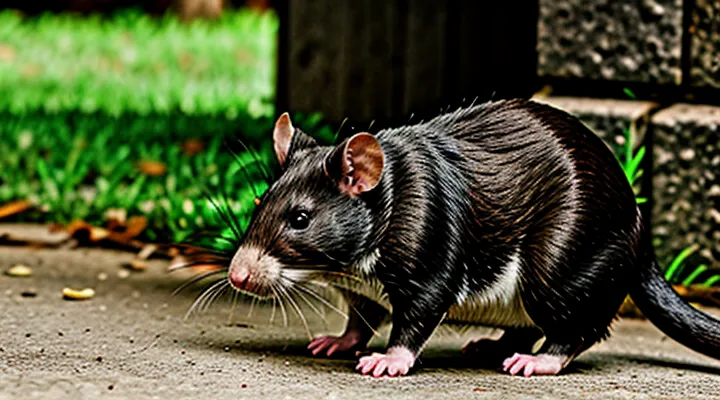
Understanding «Large» and «Fat» Rats
Defining «Large»
The term «large» designates rats whose physical dimensions exceed normal species standards. Measurements typically employed are body mass, total length (head to tail tip), and body girth.
- Body mass greater than 300 g (approximately double the average adult laboratory rat).
- Total length exceeding 30 cm, including the tail.
- Chest girth above 12 cm, indicating substantial adipose accumulation.
These thresholds derive from comparative studies of wild‑type and laboratory populations, where median adult weights range from 250 to 350 g and lengths from 20 to 25 cm. Values surpassing the listed limits signify a deviation from typical growth patterns and classify the individual as oversized.
Accurate definition of «large» supports consistent reporting in scientific literature, facilitates risk assessment for disease transmission, and guides the implementation of control measures targeting abnormally sized rodents.
Defining «Fat»
Genetic Predisposition
Genetic predisposition refers to inherited variations that increase the likelihood of excessive growth and adiposity in rodent populations. Specific alleles in genes regulating appetite, metabolism, and energy storage have been linked to larger body size and higher fat accumulation.
Research identifies several loci associated with weight gain in rats. Variants of the leptin gene («Lepr») reduce satiety signaling, while mutations in the melanocortin‑4‑receptor gene («Mc4r») disrupt energy balance. Polymorphisms in the fat‑mass‑and‑obesity‑associated gene («Fto») correlate with increased adipocyte proliferation. Each of these genetic factors contributes to a measurable rise in body mass index.
Heritability studies estimate that 30‑50 % of variance in size and fat content derives from genetic factors. The trait exhibits polygenic inheritance, with additive effects from multiple alleles. Cross‑breeding experiments confirm that offspring inherit the propensity for larger stature when parents carry high‑risk genotypes.
Selective breeding practices amplify the prevalence of weight‑promoting alleles. Populations maintained for rapid growth or experimental models often display accelerated obesity due to concentrated genetic risk. Uncontrolled propagation of such lines sustains the cycle of excessive size.
Preventive measures focus on managing genetic risk while maintaining colony health:
- Conduct genotype screening for known obesity‑related markers before establishing breeding pairs.
- Implement mate selection protocols that avoid pairing individuals carrying the same high‑risk alleles.
- Apply gene‑editing techniques, such as CRISPR‑Cas9, to correct deleterious mutations in research colonies.
- Combine genetic management with environmental controls, including calibrated diet composition and activity enrichment, to reduce phenotypic expression of the predisposition.
By integrating genetic monitoring with responsible breeding and husbandry, the incidence of oversized, fat rats can be substantially lowered.
Environmental Factors
Environmental conditions directly influence the growth and body condition of rodent populations. High-calorie food sources, such as abundant grain stores, discarded kitchen waste, and improperly managed compost, provide excess nutrition that encourages rapid weight gain. Warm temperatures reduce metabolic demands, allowing more energy to be stored as fat. Dense vegetation and cluttered urban infrastructure create sheltered habitats where rats can feed undisturbed, further supporting growth.
Key environmental contributors include:
- Availability of nutrient‑rich refuse and improperly sealed containers.
- Elevated ambient temperatures and limited seasonal cooling.
- Structural clutter offering nesting sites protected from predators.
- Proximity to agricultural processing facilities releasing grain dust and feed residues.
Mitigation strategies focus on altering these conditions:
- Implement secure waste containment with sealed bins and regular collection schedules.
- Maintain building exteriors by sealing gaps, removing debris, and trimming vegetation near structures.
- Regulate temperature in storage areas through ventilation and insulation to discourage comfortable nesting.
- Enforce strict sanitation protocols at food‑handling sites, limiting spillage and residual feed.
By adjusting the surrounding environment, the prevalence of oversized rodents can be reduced, supporting broader pest‑control objectives.
Primary Causes of Excessive Size and Weight in Rats
Dietary Contributions
High-Calorie Foods
High‑calorie foods provide excess energy that rodents readily store as adipose tissue, accelerating weight gain in urban and agricultural settings. When waste streams contain items such as sugary pastries, fried snacks, and animal fats, rats consume these dense nutrients, leading to rapid increases in body mass and associated health risks.
Typical sources of elevated caloric intake include:
- Baked goods with added sugars and butter
- Processed meats rich in saturated fat
- Fried potatoes and chips
- Cheese products and full‑fat dairy
- Commercial pet treats containing high levels of corn syrup
Limited access to such items reduces the likelihood of obesity in rodent populations. Effective control strategies focus on:
- Securing garbage containers with tight‑fitting lids to prevent scavenging
- Removing food residues from floors and surfaces in storage areas
- Implementing regular cleaning schedules that eliminate crumbs and spills
- Replacing high‑calorie waste with low‑energy alternatives, such as vegetable peelings, for disposal
By restricting the availability of energy‑dense foods, communities can lower the incidence of oversized rats, mitigate disease transmission, and promote healthier rodent demographics.
Imbalanced Nutrition
Imbalanced nutrition directly influences the development of oversized and obese rodents. Excess caloric intake combined with inadequate protein, fiber, and micronutrients disrupts metabolic regulation, leading to rapid weight gain and abnormal growth patterns.
Key nutritional factors contributing to the condition include:
- High‑energy diets rich in fats and simple carbohydrates without proportionate protein.
- Deficient essential amino acids, limiting lean tissue synthesis.
- Insufficient dietary fiber, reducing satiety signals and gastrointestinal motility.
- Lack of vitamins and minerals that support metabolic enzymes and hormonal balance.
Preventive strategies focus on diet formulation and feeding management:
- Design balanced rations with a calculated energy‑to‑protein ratio that meets growth requirements without excess calories.
- Incorporate high‑quality fiber sources to promote satiety and digestive health.
- Ensure adequate supply of vitamins (A, D, E, B‑complex) and minerals (calcium, phosphorus, magnesium) to support metabolic pathways.
- Implement controlled feeding schedules, limiting access to high‑energy treats and monitoring individual intake.
Regular assessment of body condition scores and periodic analysis of feed composition enable early detection of nutritional imbalances, allowing timely adjustments that prevent the emergence of excessively large and fat rats.
Overfeeding Practices
Overfeeding practices involve the systematic provision of calories that surpass the metabolic needs of laboratory rats. « Overfeeding refers to the systematic provision of calories exceeding the metabolic requirements of the animal ». Excessive quantities of high‑energy pellets, unrestricted access to treats, and irregular feeding intervals constitute the primary behaviors that drive caloric surplus.
Caloric surplus is converted into adipose tissue, leading to rapid weight gain. Elevated insulin levels and altered leptin signaling reduce satiety, while reduced spontaneous activity compounds energy imbalance. The physiological response manifests as increased body mass index, hepatic steatosis, and impaired reproductive performance.
Obesity in rodent colonies increases morbidity, shortens lifespan, and skews experimental outcomes. Elevated body weight introduces confounding variables in pharmacological and toxicological studies, diminishing data reliability.
Effective prevention requires disciplined dietary management:
- Establish fixed feeding schedules with measured portions calibrated to body weight and growth stage.
- Formulate diets to contain balanced macronutrients, limiting excess fat and simple sugars.
- Implement weight‑monitoring protocols, recording body condition scores weekly.
- Provide environmental enrichment that encourages locomotor activity, such as climbing structures and nesting material.
- Restrict access to high‑calorie treats, reserving them for controlled behavioral assays only.
Adherence to these measures curtails excessive energy intake, stabilizes body composition, and preserves the validity of research involving rodent models.
Lifestyle and Environment
Lack of Physical Activity
Lack of physical activity represents a primary driver of excessive weight gain in laboratory rodents. When rats remain confined to small cages without opportunities for voluntary movement, caloric intake exceeds energy expenditure, leading to rapid adipose accumulation.
Reduced locomotor activity diminishes muscle oxidative capacity, lowers basal metabolic rate, and alters hormone signaling. Insulin sensitivity declines, leptin resistance intensifies, and lipid storage in visceral depots expands. These physiological shifts accelerate the development of the obese phenotype commonly observed in research settings.
Preventive measures focus on environmental enrichment and structured exercise protocols:
- Provide multi‑level cage accessories (ramps, wheels, tunnels) to encourage spontaneous running and climbing.
- Implement scheduled treadmill sessions or wheel‑running periods of 30 – 60 minutes, five days per week.
- Rotate enrichment items weekly to sustain novelty and motivation.
- Monitor food consumption and adjust portions to match increased energy output.
- Record body composition regularly to evaluate the effectiveness of activity interventions.
Consistent application of these strategies mitigates the impact of sedentary conditions, supporting healthier growth trajectories and more reliable experimental outcomes.
Confined Spaces
Confined spaces such as crawl‑spaces, attics, and utility rooms create environments where rodents locate shelter, food, and water with minimal disturbance. Limited ventilation reduces heat loss, while abundant waste provides a high‑calorie diet. Reduced need for movement combined with excess nutrition drives rapid weight gain, resulting in unusually large and obese rats that threaten structural integrity and health standards.
Effective control of the problem relies on systematic measures:
- Conduct routine inspections to identify hidden compartments and signs of infestation.
- Seal cracks, gaps, and vent openings with durable materials to prevent entry.
- Implement rigorous waste‑management protocols that eliminate food sources within restricted areas.
- Enhance airflow through mechanical ventilation or passive vents to lower temperature and humidity levels.
- Redesign storage layouts to reduce clutter and provide clear access for cleaning and monitoring.
Adherence to these actions limits the development of oversized rodents and supports long‑term prevention of related hazards.
Stress and Anxiety
Stress and anxiety constitute primary drivers of excessive weight gain in laboratory and urban rodent populations. Chronic activation of the hypothalamic‑pituitary‑adrenal axis elevates cortisol levels, which promote adipogenesis and increase appetite for high‑calorie foods. Persistent nervous tension also disrupts normal circadian rhythms, reducing activity periods and encouraging sedentary behavior, further contributing to body mass accumulation.
Key stressors identified include overcrowding, unpredictable lighting cycles, frequent handling, and exposure to predator cues. Nutritional imbalances, such as limited access to fiber‑rich diets and reliance on energy‑dense pellets, amplify the metabolic impact of anxiety. Genetic predisposition may interact with these environmental factors, accelerating the development of corpulent phenotypes.
Effective mitigation strategies focus on environmental enrichment and routine stabilization:
- Provide nesting material, tunnels, and chewable objects to satisfy exploratory instincts.
- Maintain consistent light‑dark schedules and temperature controls.
- Limit handling to scheduled intervals, employing gentle techniques to reduce fear responses.
- Offer a balanced diet with adequate protein, fiber, and reduced simple sugars.
- Implement regular health monitoring to detect early signs of stress‑related weight gain.
By addressing both psychological and physical determinants, the incidence of oversized rodents can be substantially reduced, supporting healthier colonies and more reliable experimental outcomes.
Health-Related Factors
Hormonal Imbalances
Hormonal imbalances constitute a primary physiological pathway that drives excessive weight gain in rodents. Elevated circulating leptin often fails to suppress appetite due to receptor desensitization, while increased ghrelin levels stimulate hunger signals. Hyperinsulinemia promotes adipocyte hypertrophy, and reduced thyroid hormone activity lowers basal metabolic rate, collectively fostering rapid growth and fat accumulation.
Key endocrine disruptions include:
- Leptin resistance: diminished signaling despite high serum concentrations.
- Ghrelin excess: persistent stimulation of hypothalamic feeding centers.
- Insulin hypersecretion: enhanced glucose uptake and lipogenesis.
- Thyroid hormone deficiency: decreased thermogenesis and energy expenditure.
Preventive measures focus on restoring hormonal equilibrium and limiting caloric intake. Effective interventions are:
- Balanced diet with reduced simple sugars and saturated fats.
- Regular physical enrichment to increase spontaneous activity.
- Periodic assessment of serum leptin, ghrelin, insulin, and thyroid levels.
- Targeted pharmacological agents that improve receptor sensitivity or modulate hormone synthesis.
- Environmental temperature control to support optimal thermogenic function.
Implementing these strategies reduces the likelihood of obesity development, improves overall health, and mitigates the risk of associated metabolic disorders in laboratory and pet rat populations.
Metabolic Disorders
Metabolic disorders represent a primary factor in the development of excessive body mass among laboratory rodents. Dysregulation of glucose, lipid, and protein metabolism alters energy balance, leading to rapid weight gain and adipose tissue expansion.
Key metabolic disturbances include:
- Insulin resistance, which reduces glucose uptake and promotes lipogenesis.
- Hyperleptinemia, reflecting leptin signaling failure and impaired satiety regulation.
- Dyslipidemia, characterized by elevated triglycerides and cholesterol, contributing to fatty infiltration of organs.
- Thyroid hormone deficiency, slowing basal metabolic rate and decreasing thermogenesis.
Preventive strategies focus on dietary, environmental, and pharmacological interventions. Nutritional measures involve:
- Providing balanced macronutrient ratios with reduced simple sugars.
- Incorporating fiber sources to modulate gut microbiota and improve glucose homeostasis.
- Limiting caloric density while maintaining essential micronutrients.
Environmental adjustments include:
- Ensuring adequate cage enrichment to stimulate physical activity.
- Maintaining ambient temperature within the thermoneutral zone to avoid compensatory metabolic slowdown.
Pharmacological options target specific pathways:
- Administering insulin sensitizers such as metformin to improve cellular glucose utilization.
- Using leptin analogues or receptor agonists to restore satiety signaling.
- Applying thyroid hormone replacements under veterinary supervision to normalize metabolic rate.
Monitoring protocols require regular assessment of body weight, fasting glucose, lipid profiles, and thyroid function tests. Early detection of metabolic abnormalities allows timely implementation of corrective measures, reducing the incidence of obesity‑related complications in rodent colonies.
Aging Effects
Aging in rodents induces physiological alterations that promote increased body mass and adiposity. Metabolic rate declines as mitochondrial efficiency wanes, reducing caloric expenditure. Hormonal balance shifts, with elevated leptin resistance and diminished growth‑factor signaling, facilitating fat accumulation. Muscular atrophy and joint degeneration limit locomotor activity, further encouraging weight gain. Age‑related changes in gut microbiota enhance energy harvest from food, contributing to excess storage.
Prevention strategies focus on mitigating these age‑driven factors:
- Caloric intake matched to reduced metabolic demand, employing nutrient‑dense, low‑energy diets.
- Regularly scheduled physical enrichment, such as running wheels and climbing structures, to maintain muscle tone and stimulate activity.
- Periodic health assessments for endocrine markers, including insulin, leptin, and thyroid hormones, allowing early intervention.
- Probiotic supplementation to sustain a balanced intestinal flora, limiting excessive caloric extraction.
- Environmental temperature control to avoid thermoregulatory stress that can exacerbate metabolic slowdown.
Implementing these measures can attenuate the progression of obesity in senior rodents, reducing the incidence of related comorbidities and supporting overall health maintenance.
Strategies for Prevention and Management
Nutritional Management
Balanced Diet Introduction
A balanced diet supplies the nutrients required for normal growth while limiting excess calories that contribute to excessive weight gain in rodents. Nutrient ratios should reflect the species‑specific needs for protein, fiber, fats, vitamins and minerals, with protein levels maintained at 18‑22 % of total intake and fat content restricted to no more than 5 % of calories.
Key components of an effective feeding program include:
- High‑quality protein sources such as soy, fish meal or lean meat, ensuring essential amino acids are available.
- Fiber‑rich vegetables and whole‑grain cereals that promote gastrointestinal health and satiety.
- Controlled portions of fruit treats, providing natural sugars in limited amounts.
- Vitamin and mineral premixes that prevent deficiencies without adding unnecessary caloric load.
- Fresh water available at all times to support metabolic processes.
Portion sizes must be calculated on a per‑body‑weight basis, typically 3–5 g of dry feed per 100 g of body mass, adjusted according to activity level and age. Monitoring body condition scores weekly allows early detection of weight trends, enabling prompt dietary adjustments before obesity becomes entrenched.
Implementing these guidelines reduces the risk of abnormal weight accumulation, supports overall health, and aligns feeding practices with preventive strategies aimed at mitigating the prevalence of oversized rodents.
Portion Control Techniques
Portion control is a primary strategy for limiting excessive weight gain in rodent populations that exhibit obesity. Precise measurement of feed eliminates surplus calories, directly influencing body condition.
Effective techniques include:
- Weighing individual rations before distribution, ensuring each animal receives a consistent amount.
- Implementing timed feeding stations that release a predetermined quantity at set intervals.
- Using calibrated dispensers that adjust output based on animal size, preventing larger individuals from monopolizing resources.
- Rotating feed types to maintain nutritional balance while keeping overall caloric intake stable.
- Recording daily consumption data to identify deviations and adjust portions promptly.
Consistent application of these methods reduces the risk of overconsumption, supports healthy growth rates, and contributes to overall population management. Regular monitoring and adjustment sustain the intended dietary limits, reinforcing preventive measures against obesity.
Healthy Treat Alternatives
Healthy treat alternatives provide essential nutrients while limiting excess calories, supporting weight management in overweight rodents. Low‑fat protein sources such as boiled chicken breast, plain low‑fat cottage cheese, and steamed fish deliver amino acids without contributing to adiposity. Fiber‑rich vegetables—including carrots, broccoli florets, and zucchini slices—enhance satiety and promote digestive health, reducing the likelihood of overeating. Fruit options should be limited to small portions of low‑sugar varieties like blueberries, strawberries, and apple slices, offering antioxidants without excessive sugar intake.
• Plain, unsweetened yogurt (full‑fat versions avoided) supplies probiotics and calcium.
• Hard‑boiled eggs, chopped and served without added salt, supply high‑quality protein and choline.
• Commercial rodent treats formulated with reduced fat and increased fiber, verified by nutritional labeling, serve as occasional supplements.
• Legume mash made from cooked lentils or chickpeas, seasoned only with herbs, offers plant‑based protein and complex carbohydrates.
Portion control remains critical; treats should constitute no more than 10 % of total daily caloric intake. Monitoring body condition scores and adjusting treat frequency ensures sustained weight reduction and prevents relapse into obesity.
Environmental Enrichment
Promoting Physical Activity
Physical activity reduces the prevalence of overweight rodents by increasing energy expenditure and encouraging natural foraging behaviors. Regular movement prevents excessive weight gain, improves cardiovascular function, and supports musculoskeletal health in laboratory and pest‑control settings.
Enhanced activity levels modify metabolic pathways, elevate basal metabolic rate, and regulate appetite hormones. Access to exercise equipment also stimulates exploratory behavior, decreasing sedentary time that contributes to adiposity.
Practical measures for promoting movement include:
- Installing running wheels or treadmill stations in cages and enclosures.
- Providing varied structural enrichment such as climbing frames, tunnels, and nesting material.
- Scheduling daily sessions of forced exercise, lasting 15–30 minutes, to establish routine.
- Rotating toys and obstacles to maintain novelty and prevent habituation.
Monitoring protocols involve weekly weight assessments, observation of activity patterns, and recording of food intake. Data comparison before and after intervention identifies effectiveness and guides adjustments. Consistent implementation of these strategies curtails the development of obesity in large rodents and supports overall health management.
Providing Adequate Space
Adequate space directly influences rodent growth patterns and body condition. Confinement in cramped enclosures restricts movement, reduces opportunities for natural foraging behavior, and encourages excessive caloric intake from concentrated feed sources. These factors collectively contribute to the development of oversized, overweight rats.
Limited area also elevates stress levels, which can disrupt metabolic regulation and promote fat accumulation. Providing sufficient floor space and vertical structures enables regular exercise, encourages exploratory activity, and supports balanced energy expenditure.
Key recommendations for space allocation:
- Minimum floor area of 0.5 m² per adult rat, with additional 0.25 m² for each extra individual.
- Inclusion of multi‑level platforms, climbing ropes, and tunnels to increase usable volume.
- Regular assessment of enclosure dimensions to accommodate growth and additional occupants.
- Placement of enrichment items that encourage locomotion, such as wheels with adequate clearance.
Implementing these measures reduces the likelihood of excessive weight gain, supports healthier body composition, and mitigates the emergence of unusually large rodents.
Reducing Stressors
Reducing environmental and physiological stressors directly influences the development of oversized rodents. Chronic exposure to overcrowding, inconsistent feeding schedules, and excessive handling elevates cortisol levels, which in turn promotes hyperphagia and adipose accumulation. Mitigating these factors curtails the cascade that leads to abnormal weight gain.
Practical measures include:
- Maintaining a stable population density that allows each individual adequate space.
- Implementing regular, measured feeding times with balanced nutrient composition.
- Providing enrichment items that encourage natural foraging behavior and reduce anxiety.
- Limiting abrupt changes in lighting, temperature, and cage configuration.
- Training staff to handle animals gently and consistently, avoiding sudden movements.
Health Monitoring and Intervention
Regular Veterinary Check-ups
Regular veterinary examinations provide systematic assessment of rodent health, enabling early identification of factors that contribute to excessive weight gain. Professionals evaluate body condition scores, measure abdominal girth, and record weight trends, creating a baseline for future comparisons. Routine blood panels reveal metabolic imbalances, hormonal disruptions, or nutrient deficiencies that may predispose rats to obesity. Physical inspection detects musculoskeletal strain or respiratory compromise often associated with increased body mass.
Key components of a veterinary visit include:
- Comprehensive physical exam covering coat quality, dental health, and organ palpation.
- Body condition scoring using standardized scales to classify weight status objectively.
- Laboratory analysis of glucose, lipid profiles, and thyroid function to uncover hidden metabolic issues.
- Nutritional counseling based on current diet, feeding frequency, and caloric density of offered foods.
- Preventive parasite control, as infestations can affect appetite regulation and energy expenditure.
Scheduled check-ups create opportunities for vaccination updates and parasite prevention, both of which support overall vitality and reduce stress‑induced overeating. Monitoring weight trajectories allows veterinarians to adjust dietary recommendations promptly, preventing the escalation of obesity‑related complications such as cardiovascular strain, hepatic lipidosis, and reduced lifespan. Consistent professional oversight thus serves as a proactive measure against the development of oversized, unhealthy rodents.
Addressing Underlying Medical Conditions
Obesity in rodents often reflects hidden physiological disturbances. Identifying and treating these disorders reduces the risk of developing excessively large, overweight rats.
Common medical factors include:
- Hypothyroidism, which slows metabolism and promotes weight gain.
- Insulin resistance or diabetes, leading to abnormal fat storage.
- Hormonal imbalances such as excess cortisol, associated with increased appetite.
- Chronic infections that alter nutrient absorption and trigger inflammatory responses.
Accurate diagnosis requires a systematic assessment. Blood panels should evaluate thyroid hormones, glucose tolerance, and cortisol levels. Imaging studies may detect organ enlargement or tumor presence. Routine health checks allow early detection before weight escalates.
Therapeutic actions focus on correcting the primary condition:
- Hormone replacement for hypothyroid patients restores metabolic rate.
- Insulin therapy or oral hypoglycemics manage diabetic profiles, stabilizing glucose and limiting adipose deposition.
- Pharmacological agents that regulate cortisol production mitigate stress‑related appetite spikes.
- Antimicrobial or antiparasitic treatment resolves infections that disrupt normal digestion.
Preventive protocols emphasize regular veterinary examinations, balanced nutrition, and environmental enrichment to reduce stress. Monitoring body condition scores facilitates timely intervention, preventing the progression to severe obesity.
Medication and Treatment Options
Medication and treatment strategies for obese rodents focus on reducing adiposity, improving metabolic health, and preventing secondary complications. Pharmacological interventions include appetite suppressants, metabolic modulators, and lipid‑lowering agents. Each option requires dosage adjustment based on body weight, species‑specific pharmacokinetics, and existing health conditions.
- «Metformin» – insulin‑sensitizing agent; lowers hepatic glucose production, modestly reduces weight gain when combined with dietary management.
- «Liraglutide» – glucagon‑like peptide‑1 (GLP‑1) receptor agonist; decreases food intake through central satiety pathways, documented to produce significant weight loss in laboratory rats.
- «Orlistat» – pancreatic lipase inhibitor; limits dietary fat absorption, leading to reduced caloric intake without affecting nutrient absorption markedly.
- «Phenobarbital» – anticonvulsant with secondary weight‑gain side effects; should be avoided in overweight animals or substituted with alternatives lacking adipogenic properties.
Non‑pharmacological measures complement drug therapy. Caloric restriction through formulated low‑energy diets, increased fiber content, and scheduled feeding times curtails hyperphagia. Environmental enrichment, such as running wheels and foraging toys, stimulates physical activity, enhancing energy expenditure.
Monitoring protocols involve weekly body‑weight measurements, body‑condition scoring, and periodic blood panels to assess glucose, lipid, and liver‑function markers. Adjustments to medication dosage or diet composition are made based on these metrics to maintain therapeutic efficacy while minimizing adverse effects.