
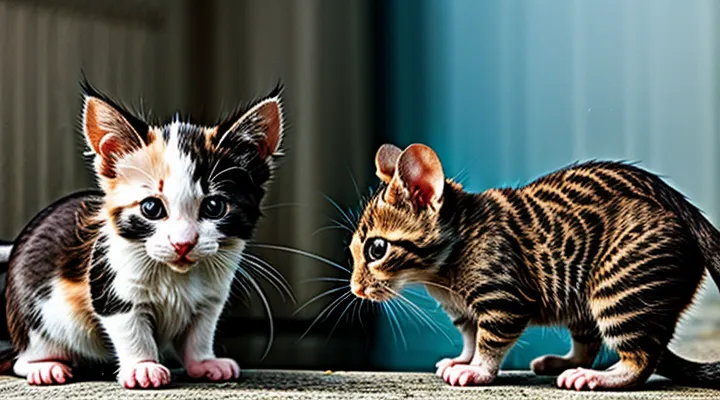
Understanding the Feline and Rodent Dynamic
Natural Instincts of Cats
Predatory Behavior
Kittens possess an innate predatory drive that manifests as stalking, pouncing, and grasping motions. The drive originates from instinctual hunting sequences observed in adult felines and is triggered by rapid movement, small size, and high‑contrast silhouettes. When a rat enters the same environment, the kitten’s sensory system interprets the rodent as prey, initiating a chase response that can result in injury or death for the rat.
Predatory behavior can be moderated through environmental and behavioral controls. The following measures have proven effective in reducing the likelihood of an attack:
- Provide multiple elevated platforms and perches to redirect the kitten’s climbing instinct away from ground‑level rodent activity.
- Introduce interactive toys that simulate prey movements, allowing the kitten to satisfy hunting impulses without involving live animals.
- Schedule regular play sessions lasting 15–20 minutes, focusing on fetch‑type and feather‑wand activities that exhaust energy reserves.
- Feed the kitten multiple small meals throughout the day to maintain satiety, thereby lowering hunger‑driven aggression.
- Install a secure, enclosed enclosure for the rat that eliminates visual and olfactory cues detectable by the kitten.
- Supervise any direct contact between the kitten and the rat, intervening at the first sign of predatory posture.
Observation of the kitten’s body language—flattened ears, dilated pupils, and a low‑to‑ground crouch—offers early warning of an impending attack. Immediate redirection of attention, such as offering a toy or calling the kitten away, prevents escalation. Consistent application of the listed controls reshapes the kitten’s response patterns, fostering a stable coexistence between the young cat and the rodent.
Play vs. Hunt
When a kitten encounters a rat, its natural predatory drive can clash with the animal’s need for safety. Understanding the distinction between playful interaction and genuine hunting behavior is essential for maintaining a stable environment for both species.
Playful behavior appears as gentle batting, light pawing, and brief pauses that allow the rat to retreat. The kitten’s claws remain sheathed, and vocalizations are soft. This pattern encourages curiosity without triggering a lethal response. In contrast, hunting behavior involves focused stalking, rapid lunges, clenched claws, and intense vocalizations. The rat’s escape routes become limited, and stress levels rise sharply.
Managing the interaction requires deliberate steps:
- Supervise initial meetings, keeping the kitten on a short leash or in a carrier while the rat remains in a secure enclosure.
- Introduce toys that mimic the rat’s movements; redirect the kitten’s chase instinct toward these objects.
- Reward the kitten for calm, non‑aggressive responses with treats and praise, reinforcing safe conduct.
- Provide the rat with hiding places and elevated platforms to reduce vulnerability and allow quick withdrawal.
Consistent application of these measures converts the kitten’s predatory impulse into controlled play, thereby supporting a peaceful cohabitation between the two animals.
Rat Behavior and Survival
Prey Instincts
Cats possess an innate predatory response that triggers rapid visual tracking, ear rotation, and muscular preparation for attack when a small, fast-moving creature appears. This response is hard‑wired, operates independently of hunger, and can be activated by any stimulus resembling typical prey.
Rats, as potential prey, exhibit heightened vigilance, erratic movement, and the tendency to seek shelter at the first sign of a cat’s approach. Their survival strategy relies on detecting and escaping predatory cues before contact is made.
Managing these instincts requires altering the environmental context and providing predictable, non‑threatening interactions:
- Controlled exposure: Introduce the kitten to the rat’s enclosure only when the cat is on a leash or confined, allowing the rat to observe without immediate danger.
- Desensitization sessions: Conduct short, daily visual encounters where the cat watches the rat from a safe distance, reducing the intensity of the predatory trigger over time.
- Positive reinforcement: Reward the kitten for calm behavior (e.g., sitting quietly) during rat visibility with treats, linking the presence of the rat to a favorable outcome.
- Safe zones for the rat: Install multiple escape routes, tunnels, and elevated platforms inaccessible to the kitten, ensuring the rat can retreat instantly if the cat’s focus intensifies.
- Redirected play: Provide the kitten with interactive toys that mimic prey motion, channeling the predatory drive away from the live rat.
By systematically weakening the cat’s automatic chase impulse and guaranteeing the rat’s continuous access to refuge, the two species can share the same household without recurring predatory incidents.
Social Structures
Understanding how each species organizes its interactions provides a foundation for harmonious living between a kitten and a rat.
Kittens develop a hierarchy based on age, size, and assertiveness. Dominant individuals claim preferred resting spots and control access to food sources, while subordinate kittens display deference through body language and vocalizations. This structure reduces conflict by clearly defining ownership and responsibility within the litter.
Rats form colonies characterized by a dominant pair and a network of subordinate members. Social bonds are reinforced through grooming, scent marking, and shared nesting. Hierarchical positions are fluid; individuals may shift roles depending on resource availability and group size.
Applying these patterns to a mixed-species environment yields practical guidelines:
- Allocate separate sleeping areas that respect the kitten’s territorial claims and the rat’s nesting preferences.
- Provide distinct feeding stations to prevent the kitten from monopolizing food and to allow the rat to forage without interruption.
- Introduce scent cues (e.g., neutral bedding) to familiarize both animals with each other’s odors, reducing anxiety linked to unfamiliar signals.
- Monitor body language for signs of submission or aggression; intervene promptly if dominance displays become excessive.
By mirroring natural social frameworks—recognizing hierarchy, ensuring resource partitioning, and facilitating mutual scent exposure—caretakers can create a stable, low‑stress coexistence for the feline and rodent companions.
Assessing the Risks and Challenges
Potential Dangers for the Kitten
Injury from a Rat
Rats can inflict physical harm on kittens, compromising any effort to maintain a tranquil shared environment. Bite wounds often appear as puncture marks with surrounding swelling; they may introduce bacteria such as Streptococcus or Staphylococcus, leading to rapid infection. Scratches from a rat’s claws can cause superficial lacerations that, if left untreated, become portals for pathogens. In addition, the saliva of rats carries parasites and viruses that may trigger allergic reactions or systemic illness in a young cat.
Typical injuries include:
- Penetrating bites with jagged edges that damage muscle tissue.
- Linear scratches that may sever small blood vessels.
- Secondary infections manifested by redness, heat, and pus formation.
- Allergic dermatitis resulting from exposure to rat dander or saliva.
Preventive actions focus on minimizing direct contact and ensuring prompt medical attention when incidents occur. Secure the kitten’s play area with barriers that exclude rodents. Provide multiple enrichment stations to keep the kitten occupied and reduce curiosity toward rats. Regularly inspect the household for signs of rodent activity and employ humane traps or professional pest control. Maintain up‑to‑date vaccinations for the kitten, particularly those covering rabies and tetanus, which address potential rat‑related hazards.
If an injury occurs, cleanse the wound with sterile saline, apply a mild antiseptic, and monitor for swelling or discharge. Seek veterinary evaluation within 24 hours to assess the need for antibiotics, tetanus prophylaxis, or suturing. Document the incident and adjust the environment to prevent recurrence, thereby supporting a stable coexistence between the two species.
Disease Transmission
Disease transmission represents a primary health concern when a kitten shares an environment with rats. Rodents harbor bacteria, viruses, and parasites that can infect felines through direct contact, contaminated food, or shared bedding.
Common agents include Salmonella and Leptospira bacteria, Hantavirus particles, and ectoparasites such as fleas and mites. These pathogens may cause gastrointestinal upset, renal failure, respiratory illness, or severe skin conditions in young cats.
Preventive actions:
- Isolate newly acquired kittens for at least two weeks; observe for signs of illness before integration.
- Implement comprehensive rodent control: sealing entry points, using traps, and eliminating food sources.
- Maintain strict sanitation: clean feeding dishes, replace bedding regularly, and disinfect surfaces with veterinary‑approved solutions.
- Ensure kitten vaccination schedule addresses diseases with known rodent vectors, particularly leptospirosis where applicable.
- Schedule routine veterinary examinations; include fecal examinations and blood panels to detect subclinical infections.
- Store and prepare all food in sealed containers; avoid feeding raw or unprocessed items that may be contaminated.
Early detection relies on regular health assessments. At the first indication of fever, vomiting, diarrhea, or respiratory distress, initiate diagnostic testing and administer targeted antimicrobial or antiparasitic therapy as prescribed by a veterinarian. Prompt intervention limits disease spread and supports harmonious coexistence between the kitten and the surrounding rodent population.
Potential Dangers for the Rat
Predation
Predation describes the instinctual behavior in which a feline captures and kills a smaller animal, such as a rat. This drive originates from the cat’s evolutionary need to hunt for nourishment and exercise motor skills, and it persists even when food is readily supplied.
Triggers for predatory action include sudden movement, high‑contrast shapes, and auditory cues that resemble prey. A kitten’s sharpening claws, focused stare, and rapid pounce are physiological responses that prepare the animal for a successful strike.
To reduce predatory incidents while maintaining a harmonious environment, apply the following measures:
- Provide regular, high‑protein meals to satisfy nutritional requirements.
- Offer interactive toys that mimic rodent behavior, directing hunting energy toward inanimate objects.
- Structure the living area with elevated perches and safe zones where the rat can retreat without exposure to the kitten’s reach.
- Conduct supervised interactions, rewarding the kitten for calm behavior and interrupting any chase sequence promptly.
- Implement consistent training cues (e.g., “leave it”) paired with positive reinforcement to establish boundaries.
Continuous observation of both animals’ responses enables timely adjustments. Recording instances of aggression, noting environmental changes, and refining enrichment protocols ensure that predation remains a controlled, non‑destructive element of their coexistence.
Stress and Fear
Stress and fear often arise when a kitten and a rat share the same environment. Both species perceive unfamiliar scents, sudden movements, and territorial intrusions as threats, which can trigger heightened cortisol levels and defensive behaviors.
Typical signs of stress include:
- Rapid breathing or panting
- Excessive grooming or scratching in kittens
- Freezing or frantic scurrying in rats
- Aggressive lunges or hissing from the kitten
- Vocalizations such as squeaking or chattering from the rat
Mitigating these reactions requires controlled exposure and environmental management:
- Introduce scent cues gradually; place a cloth bearing the other animal’s odor in each enclosure for several days before visual contact.
- Use visual barriers such as opaque partitions to allow the animals to see each other without direct interaction.
- Provide multiple escape routes and hiding spots so the rat can retreat instantly, reducing perceived entrapment.
- Schedule short, supervised meetings in a neutral space, rewarding calm behavior with treats for both animals.
- Maintain consistent feeding times and quiet lighting to lower overall arousal levels.
Monitoring physiological indicators, such as changes in appetite or coat condition, helps detect lingering anxiety. Prompt adjustment of exposure duration or enrichment resources prevents escalation and supports a stable, peaceful coexistence.
Environmental Considerations
Shared Living Spaces
Designing a home where a kitten and a rat can occupy the same dwelling requires deliberate spatial planning, clear resource allocation, and consistent maintenance.
Separate zones prevent accidental encounters. Place the rat’s cage on a high shelf, out of the kitten’s reach, while providing the kitten with elevated perches and climbing structures that do not intersect the cage’s line of sight. Use barriers such as mesh screens or solid dividers to block visual contact, reducing stress for both animals.
Feeding stations must be isolated. Position the rat’s food bowl inside the cage, ensuring the lid prevents the kitten from reaching inside. Locate the kitten’s dish on the floor or a low mat, away from the cage. Establish a feeding schedule that staggers meals, limiting simultaneous activity in the shared area.
Hygiene protocols protect health. Clean the rat’s enclosure daily, removing droppings and spent bedding. Wipe the kitten’s litter box and surrounding floor at the same interval. Employ separate cleaning tools for each zone to avoid cross‑contamination.
Enrichment activities should be supervised. Allow brief, controlled introductions where the kitten observes the rat from a safe distance, using a transparent barrier. Provide species‑specific toys—climbing tunnels for the kitten and chewable objects for the rat—within their respective zones to satisfy natural behaviors.
Key design elements:
- Elevated cage placement with secure latch
- Vertical climbing structures for the kitten, positioned away from the cage
- Distinct feeding areas with staggered timing
- Daily cleaning schedule using dedicated equipment
- Supervised visual exposure sessions with clear barriers
Adhering to these guidelines creates a functional environment that supports the well‑being of both the feline and the rodent while minimizing conflict.
Resource Competition
Resource competition between a young feline and a rodent centers on limited supplies of food, water, and safe resting areas. Both animals may seek protein‑rich morsels, while the kitten also requires secure sleeping spots and the rat looks for concealed hideouts.
Competition intensifies when feeding stations overlap, when territorial boundaries intersect, or when water sources are shared. Direct encounters at these points often trigger aggressive or defensive behaviors, undermining coexistence.
Effective mitigation relies on clear separation of essential resources:
- Install distinct feeding bowls: place the kitten’s food high and away from the rat’s foraging zone.
- Provide species‑specific diets: offer commercial kitten kibble and rat pellets to reduce overlap.
- Allocate separate water containers: position the kitten’s water dish on a raised surface, the rat’s at ground level with a barrier.
- Create exclusive resting areas: use a cat tree or elevated perch for the kitten; supply a tunnel or hideout for the rat in a low‑traffic corner.
- Schedule feeding times: stagger meals by 30‑60 minutes to prevent simultaneous access.
Continuous observation is essential. Record signs of stress—excessive grooming, reduced appetite, heightened alertness—and adjust resource placement accordingly. Maintaining cleanliness of feeding zones prevents scent contamination that could exacerbate territorial disputes. By systematically partitioning food, water, and shelter, the kitten and rat can share the same environment without direct conflict.
Strategies for Harmony
Early Socialization and Acclimation
Gradual Introduction Techniques
Achieving a calm relationship between a kitten and a rat requires a structured, step‑by‑step introduction. The process must respect each animal’s natural instincts while gradually building tolerance.
Begin by separating the two animals in distinct, secure enclosures placed within the same room. This arrangement allows both to become accustomed to each other’s sounds and scents without direct contact. Rotate the enclosures daily so that each animal experiences the other’s odor from a safe distance.
Implement the following progressive steps:
- Scent exchange – Swap bedding or cloths between the enclosures for 24 hours, enabling each animal to recognize the other’s scent in a non‑threatening context.
- Visual exposure – Position a clear barrier (e.g., a pet gate or acrylic panel) between the habitats. Observe reactions for a few minutes, extending the duration as calm behavior persists.
- Controlled proximity – Place the rat’s cage just outside the kitten’s play area while the kitten remains on a leash or under close supervision. Reward the kitten for ignoring the rat and the rat for remaining still.
- Supervised face‑to‑face meetings – Conduct brief, hand‑held interactions on a neutral surface, such as a table covered with a non‑slip mat. Keep the kitten on a short leash and the rat in a secure, portable carrier. Gradually increase the length of each session, always ending on a positive note.
- Independent coexistence – Once both animals demonstrate consistent calmness during supervised meetings, allow the kitten limited, leashed access to the rat’s enclosure while the rat is free to retreat. Continue monitoring closely for any signs of stress.
Throughout the process, maintain consistent feeding schedules, provide ample hiding spots for the rat, and ensure the kitten has alternative outlets for predatory energy (e.g., toys, climbing structures). Immediate interruption of any aggressive behavior prevents the formation of negative associations and reinforces the desired peaceful dynamic.
Supervised Interactions
Supervised interactions form the backbone of a safe relationship between a kitten and a rat. Direct contact without adult oversight often leads to injury, stress, or aggression, undermining any attempt at peaceful cohabitation.
Key preparatory actions include:
- Securing a neutral space free of high‑value toys or food that could trigger competition.
- Providing separate escape routes for each animal, ensuring the rat can retreat behind barriers that the kitten cannot breach.
- Introducing scent cues by swapping bedding or using a cloth rubbed on one animal and placed near the other for several minutes before visual contact.
- Conducting brief, visual introductions through a clear, sturdy barrier (e.g., a pet gate) to gauge initial reactions.
During each supervised session, maintain constant visual contact and be ready to intervene at the first sign of tension. Monitor body language: flattened ears, hissing, or rapid tail flicks indicate discomfort; the rat’s freezing or frantic scurrying signals fear. If either animal displays heightened arousal, end the encounter and return to a neutral environment. Reinforce calm behavior with gentle praise or treats, but avoid rewarding any aggressive posture.
Consistent, brief meetings gradually build tolerance. Extend duration only when both participants remain relaxed for several minutes. Record observations after each session to adjust environmental variables and timing. Over time, the animals develop a predictable pattern of interaction, reducing the likelihood of conflict and supporting a harmonious shared space.
Environmental Enrichment and Separation
Designated Safe Zones for Each Animal
Creating separate safe zones for a kitten and a rat is essential for preventing conflict and promoting health. Each zone must satisfy species‑specific requirements while remaining clearly defined within the shared environment.
The kitten’s area should include elevated platforms, soft bedding, and access to scratching posts. A secure enclosure with fine mesh prevents the rat from entering, while a small escape hatch allows the cat to move freely without exposing the rodent. Food and water stations must be placed away from the rat’s zone to avoid accidental ingestion of contaminated supplies.
The rat’s safe zone requires a solid base, tunnels, and nesting material. A sturdy cage with reinforced bars blocks the kitten’s reach. Provide enrichment such as chew toys and climbing structures to reduce stress. Position the rat’s enclosure on a stable surface, away from high‑traffic pathways used by the kitten.
Key implementation steps:
- Identify a quiet corner of the room for the rat’s cage; ensure it is out of sight from the kitten’s primary play area.
- Install a cat‑proof barrier (e.g., a tall, transparent screen) between the two zones to maintain visual contact without physical access.
- Schedule regular cleaning of each zone to prevent scent transfer that could trigger predatory behavior.
- Monitor both animals for signs of anxiety; adjust barrier height or zone placement if stress indicators appear.
By adhering to these guidelines, each animal enjoys a dedicated refuge, reducing territorial disputes and supporting a stable, peaceful household.
Vertical Spaces for Cats
Vertical spaces give cats a secure perch, a place to observe surroundings, and an outlet for climbing instincts. By allocating height, owners reduce ground‑level activity that can trigger territorial disputes with small mammals.
Elevated platforms keep cats engaged while limiting direct encounters with rats. When a cat can retreat to a high shelf, it is less likely to chase rodents across the floor, decreasing stress for both species and preserving the household’s balance.
Key design considerations:
- Install sturdy cat trees or wall‑mounted shelves that support the cat’s weight without wobble.
- Position perches near windows to provide visual stimulation and natural light.
- Ensure each level includes a resting surface and a hideaway, such as a cubby or hammock.
- Use non‑slip materials on steps and ramps to prevent injury.
- Space vertical elements at intervals of 60–90 cm to accommodate typical feline jumps.
Regular inspection of fixtures, removal of loose bolts, and cleaning of fabric components maintain safety and hygiene. Providing multiple vertical zones throughout the home distributes activity, reduces competition for a single spot, and supports a harmonious environment for both kitten and rodent inhabitants.
Secure Habitats for Rats
Rats thrive when provided with a dedicated, secure habitat that separates them from a kitten’s roaming area while still allowing visual contact. A well‑constructed enclosure eliminates stress, reduces the likelihood of aggressive encounters, and supports the rat’s natural behaviors.
Key components of a secure rat habitat include:
- Sturdy base made of solid plastic or metal, preventing escape through gaps.
- Elevated platform or climbing structures to satisfy the rat’s need for vertical movement.
- Enclosed ventilation mesh that permits airflow without exposing the rat to the kitten.
- Easy‑to‑clean substrate such as paper bedding, removable for regular sanitation.
- Secure latch system that resists manipulation by a curious kitten.
Placement of the enclosure should be on a stable surface away from the kitten’s primary play zones. Position the habitat at a height the kitten cannot reach, yet within the kitten’s line of sight to foster familiarity without direct contact. Lighting should mimic a natural day‑night cycle, using low‑intensity bulbs to avoid overstimulation of either animal.
Routine maintenance is essential. Clean the enclosure weekly, replace bedding, and inspect all locks for wear. Provide enrichment items—tunnels, chew toys, and hideouts—inside the habitat to keep the rat occupied and reduce attempts to explore beyond the enclosure. Consistent care sustains a calm environment, allowing both the kitten and the rat to coexist peacefully.
Training and Behavioral Modification
Positive Reinforcement for Desired Behaviors
Positive reinforcement shapes the interactions that keep a kitten and a rat calm around each other. Rewarding calm proximity, gentle sniffing, or brief shared presence with treats, praise, or playtime strengthens the association between the other animal’s presence and a pleasant outcome.
- Offer a high‑value treat the moment the kitten pauses near the rat’s enclosure without lunging.
- Deliver a soft verbal cue and a small food reward when the rat remains still as the kitten approaches.
- Pair a brief, supervised encounter with a favorite toy for the kitten, reinforcing the notion that the rat’s presence does not disrupt play.
- End each session with a calm petting period for the kitten and a safe, quiet area for the rat, then provide a treat to both.
Consistency matters more than intensity. Apply the reward within seconds of the desired behavior; delay reduces the connection. Repeat the pattern across multiple sessions, gradually extending the duration of shared time and the distance between the animals.
Gradual escalation, combined with immediate, specific rewards, builds a reliable expectation that calm behavior yields benefits. Over weeks, the kitten learns that restraint earns treats, while the rat experiences reduced stress because the kitten’s actions remain predictable and non‑threatening. This systematic reinforcement underpins a stable, peaceful coexistence.
Discouraging Predatory Instincts
Ensuring a kitten tolerates a rat requires deliberate suppression of the cat’s hunting drive. Predatory impulses are triggered by movement, scent, and visual cues; interrupting these triggers reduces the likelihood of aggression.
Practical measures include:
- Environmental enrichment: Provide multiple toys, climbing structures, and interactive play sessions to satisfy the kitten’s need for stimulation.
- Scheduled feeding: Offer regular, protein‑rich meals to diminish hunger‑driven chase behavior.
- Desensitization training: Introduce the rat in a secure carrier, allowing the kitten to observe from a safe distance while rewarding calm behavior with treats.
- Physical barriers: Use cages, tunnels, or mesh partitions that prevent direct contact but allow visual familiarity.
- Scent masking: Apply a mild, pet‑safe odor on the rat’s bedding to reduce the cat’s detection of prey scent.
Consistent application of these tactics reshapes the kitten’s response pattern. Over time, the cat learns that the rat is not a target but a neutral presence, fostering a stable, non‑aggressive environment.
Health and Hygiene
Regular Veterinary Check-ups
Regular veterinary examinations are a cornerstone of maintaining health for both a kitten and a rat living together. Early detection of disease prevents aggression triggered by pain or discomfort, thereby supporting a stable environment.
Veterinarians assess each animal’s physical condition, vaccination status, and parasite load. These evaluations provide data that inform dietary adjustments, behavioral guidance, and environmental modifications needed to reduce stress.
Key components of a routine check‑up include:
- Comprehensive physical exam covering eyes, ears, teeth, and skin.
- Blood work to identify hidden infections or organ dysfunction.
- Fecal analysis for parasites that could spread between species.
- Vaccination updates appropriate for each species’ risk profile.
- Dental inspection to prevent oral pain that may provoke defensive behavior.
Scheduling examinations every six months for the kitten and annually for the rat aligns with standard preventive care guidelines. Consistent record‑keeping enables timely identification of trends, such as weight fluctuations or recurring health issues, allowing owners to intervene before conflicts arise.
By integrating regular veterinary oversight into daily care routines, owners create a predictable health framework that minimizes uncertainty, reduces the likelihood of illness‑induced aggression, and fosters a peaceful coexistence between the two pets.
Pest Control Measures
Effective pest management is essential when fostering a tranquil environment for both kittens and rats. Proper measures reduce stress for the animals and limit health risks.
- Seal entry points: Install fine mesh screens on windows, cover vents, and repair gaps in walls or flooring to prevent unwanted access.
- Maintain cleanliness: Remove food scraps, store pet food in sealed containers, and clean litter boxes regularly to eliminate attractants.
- Use humane deterrents: Deploy ultrasonic devices calibrated to frequencies that repel rodents without disturbing felines; place natural repellents such as peppermint oil in areas inaccessible to kittens.
- Implement safe trapping: Choose live‑catch traps with smooth interiors to avoid injury; check traps frequently and release captured rats far from the residence.
- Monitor health: Conduct routine veterinary examinations for both species, testing for parasites and diseases that can transfer through shared environments.
- Separate habitats: Provide distinct sleeping and feeding zones, using barriers or elevated platforms to keep kittens and rats apart while still allowing supervised interaction.
Consistent application of these strategies creates a stable setting where kittens can coexist peacefully with rats, minimizing conflict and safeguarding welfare.
Cleaning Protocols
Maintaining a clean environment is essential for preventing conflict between a young cat and a rodent companion. Regular removal of food residues eliminates attractive scents that could trigger predatory behavior, while also reducing the risk of disease transmission.
Key steps for an effective sanitation routine:
- Sweep and vacuum daily to clear crumbs and fur clumps from floors and corners.
- Disinfect feeding stations after each meal using a mild, non‑toxic sanitizer; rinse thoroughly before refilling.
- Wash bedding, hideouts, and toys weekly in warm water with a pet‑safe detergent; dry completely before reuse.
- Empty waste containers at least twice a day, sealing them to contain odors and prevent scavenging.
- Inspect the enclosure for spills or droppings after play sessions; clean immediately with a disposable cloth.
Consistent adherence to these procedures creates a neutral, odor‑free space that supports calm interaction and reduces the likelihood of aggression.
Case Studies and Success Stories
Examples of Peaceful Coexistence
Long-Term Inter-Species Bonds
Developing durable bonds between a young feline and a rodent demands deliberate, consistent actions. The relationship must be built on trust, predictable routines, and mutual safety.
Key components of long‑term inter‑species attachment include:
- Early exposure: Introduce the kitten to the rat during the first few weeks of life, keeping interactions brief and supervised.
- Positive reinforcement: Reward calm behavior from both animals with treats or gentle praise immediately after each encounter.
- Separate retreats: Provide each creature with a secure hideaway that the other cannot access, reducing stress during periods of separation.
- Environmental consistency: Maintain stable lighting, temperature, and feeding schedules to eliminate unexpected variables.
- Health oversight: Conduct regular veterinary checks for both species, monitoring for injuries, parasites, or stress‑related ailments.
Sustaining the partnership requires periodic reassessment. Observe body language for signs of tension—flattened ears, rapid breathing, or aggressive lunges—and intervene before escalation. Adjust interaction length and frequency based on observed comfort levels.
Over time, the kitten learns to recognize the rat as a non‑threatening presence, while the rat adapts to the feline’s movements and scent. This mutual adaptation creates a foundation for peaceful cohabitation that can persist throughout the animals’ lives.
Anecdotal Evidence
Anecdotal evidence offers concrete observations that illustrate how a kitten and a rat can share a living space without conflict. Personal accounts from pet owners, animal caretakers, and shelter staff reveal patterns that formal studies have yet to quantify.
- A three‑month‑old kitten in a suburban home tolerated a small brown rat that occupied the same cage for six weeks; the kitten displayed curiosity but never attempted to attack, even when the rat entered the play area.
- In a university laboratory, a rescued kitten and a laboratory rat were placed together in a single enclosure for a month; daily notes recorded the kitten’s occasional grooming attempts toward the rat, which responded with avoidance rather than aggression.
- A wildlife rehabilitation center reported a kitten raised alongside a juvenile rat; both animals learned to eat from the same feeding bowl, and staff observed synchronized feeding times without signs of stress.
These narratives suggest that early exposure, gradual introduction, and consistent environmental enrichment reduce predatory instincts. When a kitten encounters a rat under controlled conditions, the predator‑prey dynamic can shift toward mutual tolerance. Practical guidelines derived from these stories include supervising initial interactions, providing separate retreat zones, and rewarding calm behavior with treats. Implementing such measures increases the likelihood of harmonious cohabitation.
Essential Considerations for Pet Owners
Owner Responsibilities
Commitment to Safety
Ensuring a secure environment for both a kitten and a rat is essential for harmonious coexistence. Safety must be built into every aspect of their shared space, from physical barriers to behavioral monitoring.
- Provide separate sleeping areas that prevent accidental injury; use enclosed crates or cages with mesh that allows visual contact but blocks direct contact.
- Install sturdy, non‑slip flooring to reduce the risk of falls; materials such as rubber mats or textured tiles protect delicate paws and whiskers.
- Keep food and water containers sealed and elevated; this prevents the rat from accessing the kitten’s meals and reduces competition over resources.
- Use veterinary‑approved cleaning agents to disinfect enclosures; avoid chemicals that could irritate respiratory systems or cause skin reactions.
- Conduct daily visual inspections for signs of stress, wounds, or aggressive behavior; intervene immediately with separation and professional guidance if necessary.
Training the kitten to respond to commands such as “stop” or “leave” reduces the likelihood of impulsive attacks. Likewise, habituating the rat to gentle handling teaches it to retreat calmly when approached. Consistent reinforcement of these behaviors, coupled with the physical safeguards listed above, creates a reliable framework that protects both animals and supports a lasting, peaceful partnership.
Patience and Consistency
Patience and consistency form the foundation of a stable environment where a kitten and a rat can share the same space without conflict. Gradual exposure to each other's presence reduces instinctual fear and aggression; repeated, calm interactions teach both animals that the other is not a threat.
- Begin with short, supervised visual contact, keeping the kitten on a leash or in a carrier while the rat remains in a secure enclosure.
- Extend the duration of these sessions by a few minutes each day, maintaining a calm voice and steady movements.
- Reward the kitten for calm behavior with treats, and provide the rat with fresh food and enrichment during each encounter.
Consistent routine reinforces safety cues. Feeding the kitten and the rat at the same times each day creates predictable patterns that diminish stress. Maintaining identical cleaning schedules for both habitats prevents the spread of scent markers that could trigger territorial responses.
Monitoring body language is essential. A relaxed kitten shows soft ears and slow blinking; a content rat displays relaxed whiskers and steady breathing. Immediate interruption of any signs of tension—such as aggressive swiping or frantic scurrying—preserves the trust built through repeated calm exposures.
Over weeks, the animals learn to coexist peacefully because the environment remains steady, and each interaction follows the same measured protocol. Patience in pacing and unwavering consistency in handling ultimately secure a harmonious shared living space.
When to Seek Professional Help
Persistent Aggression
Persistent aggression between a kitten and a rat undermines attempts at harmonious sharing of a space. Recognizing its patterns and intervening early prevents injury and chronic stress for both animals.
Typical manifestations include repeated lunges, vocalizations, swatting, and refusal to retreat when the other approaches. These behaviors often intensify after feeding times, during play, or when the rat explores new territory. Hormonal fluctuations in the kitten, especially during puberty, amplify territorial instincts, while a rat’s instinctual flight response can trigger a chase cycle.
Effective mitigation relies on three coordinated actions:
- Environmental segregation: Provide separate zones with distinct entry points, visual barriers, and dedicated enrichment items. Ensure each area contains safe hiding places, climbing structures for the kitten, and tunnels for the rat.
- Controlled interaction: Conduct short, supervised sessions in a neutral enclosure. Use a sturdy barrier (e.g., a clear acrylic divider) to allow visual contact without physical access. Gradually increase exposure duration as calm behavior persists.
- Behavioral conditioning: Reward the kitten for ignoring the rat with treats and gentle praise. Apply a consistent “leave it” cue when the kitten initiates a chase. For the rat, reinforce retreat to a secure hideout with food rewards, reducing fear‑induced aggression.
Health assessments are essential. Pain, illness, or parasites can provoke irritability; a veterinary check for both animals eliminates physiological contributors. Nutritional balance supports stable mood; high‑protein diets for the kitten and a varied grain‑based regimen for the rat reduce excess energy that may manifest as aggression.
Monitoring progress involves a simple log:
- Date and time of each interaction.
- Observed behaviors (e.g., lunges, vocalizations, calm proximity).
- Intervention applied (barrier, cue, reward).
- Outcome (aggression ceased, escalation, neutral).
Consistent documentation highlights trends, confirms the effectiveness of strategies, and guides adjustments. By isolating triggers, structuring the environment, and reinforcing non‑aggressive responses, persistent hostility can be transformed into mutual tolerance, allowing the kitten and the rat to occupy the same household without conflict.
Health Concerns
When a kitten shares space with a rat, both animals face specific health risks that require proactive management. Direct contact can transmit parasites such as fleas, mites, and intestinal worms. Rats may carry salmonella or other bacterial pathogens that can infect a kitten’s gastrointestinal system, while kittens can spread feline viruses or parasites to the rat.
Key health concerns include:
- Parasite exchange – fleas, ear mites, and pinworms can move between species.
- Bacterial infection – rat‑borne salmonella and leptospirosis pose a threat to felines; feline bacterial infections can affect the rat’s immune system.
- Stress‑induced illness – constant vigilance or fear can suppress immune function in both animals, increasing susceptibility to disease.
- Injury‑related infection – scratches or bites create wounds that may become infected if not treated promptly.
- Nutritional imbalance – a kitten may attempt to eat the rat, leading to digestive upset, while the rat may ingest cat food, causing obesity or vitamin deficiencies.
Effective prevention relies on strict hygiene and health monitoring. Regular veterinary examinations for both animals should include parasite screening, vaccination updates for the kitten, and health checks for the rat. Clean bedding, separate feeding stations, and frequent disinfection of shared surfaces reduce bacterial load. If interaction is allowed, supervise closely and intervene at the first sign of aggression or illness.
By maintaining rigorous parasite control, ensuring up‑to‑date immunizations, and minimizing stress through controlled environments, owners can mitigate the primary health hazards that arise when a kitten and a rat coexist.