
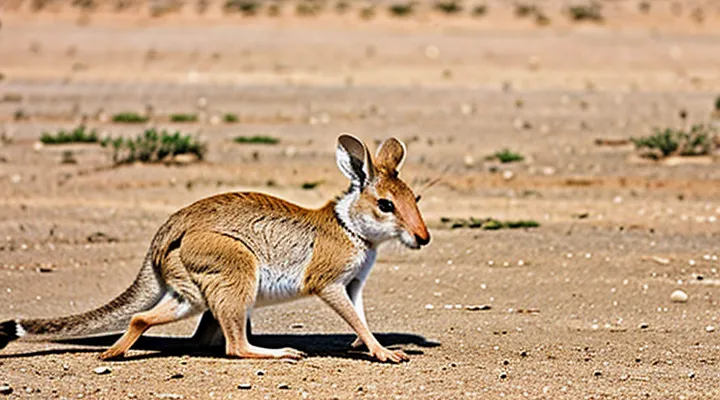
Introduction to Kangaroo Rats
What are Kangaroo Rats?
Kangaroo rats are small, nocturnal rodents belonging to the family Heteromyidae and the genus Dipodomys. They inhabit arid and semi‑arid regions of western North America, ranging from the deserts of the southwestern United States to the grasslands of northern Mexico.
These mammals measure 10–20 cm in body length, with a tail nearly equal to the body. Dense fur, large hind limbs, and elongated hind feet enable powerful, bipedal hopping that resembles the motion of a kangaroo, hence the common name. Eyes are proportionally large, providing acute night vision, while whiskers detect tactile cues.
Preferred habitats include sandy dunes, scrubland, and sagebrush steppe. Burrows are excavated in loose soil, offering protection from extreme temperatures and predators. Home ranges are typically small, reflecting limited resource availability.
Diet consists primarily of seeds, grains, and occasional insects. Food is collected and stored in cheek pouches, then transported to underground caches. Efficient foraging is supported by a keen sense of smell and the ability to locate hidden seeds through auditory cues.
Key adaptations:
- Extremely low water requirement; metabolic water derived from seed oxidation satisfies hydration needs.
- Nasal passages equipped with counter‑current heat exchangers that reclaim moisture from exhaled air.
- Muscular hind limbs capable of leaps exceeding two meters, facilitating rapid escape from threats.
- Compact kidneys that concentrate urine to minimize fluid loss.
Reproductive cycles produce litters of two to six offspring after a gestation period of approximately 30 days. Juveniles mature within a few weeks, reaching sexual maturity at three to four months. Lifespan in the wild averages one to two years, with some individuals living longer under favorable conditions.
Most species are classified as Least Concern by the IUCN, although habitat fragmentation and climate change pose emerging risks. Conservation measures focus on preserving native desert ecosystems and monitoring population trends.
Key Characteristics
Adaptations to Desert Life
Kangaroo rats thrive in arid environments through a suite of specialized traits. Their survival hinges on precise physiological, morphological, and behavioral mechanisms that mitigate water loss and extreme temperatures.
- Highly efficient kidneys concentrate urine, reducing water excretion to less than 0.1 ml day⁻¹.
- Nasal passages reclaim moisture from exhaled air, lowering respiratory water loss.
- Metabolic water production from seed digestion supplies the majority of the animal’s hydration needs.
Their body architecture further supports desert living. Compact size minimizes surface area exposed to heat. Large hind limbs generate rapid, agile locomotion, allowing escape from predators and efficient foraging across loose sand. Fur coloration blends with the substrate, providing camouflage while reflecting sunlight.
Behavioral strategies complement physical adaptations. Nocturnal activity avoids daytime heat, with peak foraging occurring during cooler night hours. Burrows, extending several meters underground, maintain stable temperatures and humidity, offering refuge from temperature swings. Food caches stored in cheek pouches enable transport of seeds to burrow chambers, where they can be consumed gradually, extending water availability.
Collectively, these adaptations illustrate a comprehensive response to the challenges of desert habitats, ensuring that kangaroo rats maintain hydration, thermoregulation, and predator avoidance without reliance on free water sources.
Species and Distribution
Major Species of Kangaroo Rats
Distinctive Features of Each Species
Kangaroo rats represent a diverse genus in which each species exhibits a suite of morphological and ecological traits that facilitate survival in arid environments.
- «Dipodomys merriami» – Merriam’s kangaroo rat: medium body length (≈10 cm), dark brown dorsal fur with a distinct white cheek stripe; relatively long hind feet with pronounced comb-like fringes that increase surface area for sand locomotion; tail ending in a white tuft used for balance.
- «Dipodomys spectabilis» – Banner‑tailed kangaroo rat: largest tail among the genus, exceeding body length by up to 30 %; tail covered in black and white bands that serve as visual signals during nocturnal encounters; robust skull with enlarged auditory bullae for enhanced hearing of predator cues.
- «Dipodomys ingens» – Giant kangaroo rat: body size up to 18 cm, making it the heaviest species; gray‑white dorsal coloration that blends with rocky substrates; reduced forelimb length relative to hind limbs, optimizing powerful jumps across open ground.
- «Dipodomys deserti» – Desert kangaroo rat: pale sandy coat matching desert soils; small ear pinnae that minimize heat loss; elongated hind limbs with stiffened metatarsals for efficient sprinting on loose sand.
- «Dipodomys agilis» – Agile kangaroo rat: compact body (≈8 cm), dark reddish-brown fur; exceptionally long hind feet with extra‑long toe pads that enhance traction on vegetated dunes; tail lacking tuft, ending in a blunt tip.
These distinguishing features—body dimensions, tail morphology, pelage coloration, foot structure, and cranial adaptations—enable precise identification of each species and reflect evolutionary responses to specific microhabitats across North America’s deserts and semi‑deserts.
Geographical Range
Habitats and Ecosystems
Kangaroo rats inhabit arid and semi‑arid environments across western North America. Primary locations include:
- Creosote‑dominated deserts
- Sagebrush scrublands
- Shortgrass prairie margins
- Rocky foothills with sparse vegetation
These habitats share characteristics of low precipitation, loose sandy or loamy soils, and abundant ground cover that provides shelter from predators and extreme temperatures.
Within these ecosystems, the species contributes to soil turnover through extensive burrowing activity. Burrows increase aeration, facilitate water infiltration, and create microhabitats for invertebrates. Seed consumption and caching behavior affect plant community composition, promoting the germination of opportunistic species.
Predation pressure originates from owls, snakes, and small carnivorous mammals. The nocturnal foraging pattern aligns with reduced daytime heat, optimizing energy expenditure and water conservation.
Population density correlates with vegetation heterogeneity and soil depth. Areas with diverse seed sources and stable substrate support higher colony numbers, enhancing the overall biodiversity of the ecosystem.
Physical Description
Size and Appearance
Body Structure and Proportions
The kangaroo rat exhibits a compact, aerodynamically efficient form adapted for rapid bipedal locomotion in arid environments. The head is proportionally small, with large, forward‑facing eyes that provide a wide field of vision. The nasal region is short, supporting a highly developed olfactory system. Muscular cheeks expand to store food, while the jaw musculature is robust, enabling powerful gnawing.
The torso is elongated yet streamlined, comprising a flexible spine that permits extreme extension during jumps. The lumbar vertebrae are elongated, allowing the hind limbs to achieve a high degree of thrust. The tail is long, often exceeding body length, and functions as a counterbalance during leaps and as a rudder for aerial steering.
Key proportional characteristics include:
- Hind‑foot length: approximately 30–40 % of total body length, providing leverage for propulsion.
- Tail length: 1.2–1.5 times the head‑body length, essential for balance.
- Forelimb length: roughly 15 % of total length, primarily used for digging and manipulation.
- Body mass: 30–70 g, correlating with high surface‑area‑to‑volume ratio for efficient heat dissipation.
These dimensions collectively facilitate the species’ signature hopping ability, precise navigation across loose substrates, and effective predator evasion.
Unique Adaptations for Survival
Specialized Limbs and Tails
The kangaroo rat possesses hind limbs that are disproportionately long and muscular, enabling rapid, spring‑like leaps across desert substrates. These limbs feature elongated metatarsals and robust tendon sheaths that store elastic energy, allowing acceleration from rest to speeds of up to 3 m s⁻¹ in a single bound. Forelimbs are short, equipped with strong clawed digits that facilitate burrow excavation and manipulation of seeds.
The tail serves multiple adaptive functions. Its vertebral column is reinforced, providing a rigid lever for balance during high‑velocity jumps. The distal portion expands into a fat‑laden reservoir, supplying metabolic reserves during periods of food scarcity. Additionally, the tail’s musculature can generate subtle adjustments in pitch and yaw, stabilizing the animal while navigating uneven terrain.
Key morphological traits:
- Hind limbs: elongated femur, enlarged gastrocnemius, elastic tendon apparatus.
- Forelimbs: robust phalanges, sharp ungual claws for digging.
- Tail: reinforced vertebrae, distal adipose pad, muscular control for aerial stability.
Behavior and Lifestyle
Nocturnal Habits
Foraging and Activity Patterns
The kangaroo rat forages primarily during the night, exploiting the cool, humid conditions that reduce water loss. Burrow exits open at dusk, and individuals emerge to locate food items within a radius of several hundred meters from the nest.
Typical diet components include:
« seeds of native grasses and shrubs »
« dried plant material »
« insects captured opportunistically »
Activity peaks occur shortly after sunset and again before sunrise, with a brief lull during the hottest portion of the night. Seasonal adjustments shift foraging distance: during arid periods, individuals expand their search area to locate scarce seeds, whereas in wetter seasons, reduced travel suffices.
Morphological adaptations support efficient foraging. Large hind limbs enable rapid, bounding locomotion, minimizing exposure to predators. Specialized cheek pouches transport food back to the burrow without moisture loss. Renal concentration mechanisms allow extraction of water from dry seeds, sustaining prolonged activity without direct drinking.
Diet and Feeding
Seed Collection and Storage
Kangaroo rats collect seeds primarily during nocturnal foraging bouts, using their highly developed auditory and olfactory senses to locate viable kernels. The animals transport seeds in cheek pouches that can expand to hold up to 30 % of body weight, allowing rapid removal from the surface to a secure location.
Seed storage occurs in underground burrows where humidity and temperature remain stable. Within each burrow, the rodents construct specialized chambers lined with dry soil and occasional plant litter. These chambers serve to preserve seed viability by limiting fungal growth and desiccation. The rats periodically retrieve stored seeds, consuming a portion and redistributing the remainder, a behavior that contributes to seed dispersal and ecosystem regeneration.
Typical seed-handling process:
- Detection of seed via scent or sound.
- Capture and placement in cheek pouch.
- Transport to burrow entrance.
- Deposition in storage chamber.
- Periodic inspection, consumption, and redistribution.
Physiological adaptations supporting this behavior include:
- Strong forelimb muscles for digging.
- Efficient renal system that concentrates urine, reducing water loss.
- Metabolic flexibility allowing reliance on stored seeds during drought periods.
Research indicates that seed caches may contain a diversity of plant species, reflecting the rat’s opportunistic foraging strategy and the role of these mammals in maintaining plant community heterogeneity. «Seed caching» therefore represents a critical survival mechanism and a significant ecological process in arid environments.
Social Structure
Solitary Nature and Territories
Kangaroo rats are small, nocturnal rodents adapted to arid environments. Their survival strategies emphasize independence and spatial exclusivity.
- Each individual occupies a distinct home range that seldom overlaps with neighbors.
- Home‑range dimensions vary by species and habitat, typically spanning 0.2–1.5 hectares.
- Burrow systems serve as central hubs for foraging, nesting, and predator avoidance.
Territory maintenance relies on scent marking, vocalizations, and physical confrontations. Scent glands release pheromones onto soil and burrow entrances, establishing clear boundaries. When an intruder approaches, a resident may emit sharp chirps and engage in brief chases to reinforce dominance.
Resource allocation drives solitary behavior. Limited water and seed supplies favor individuals that defend exclusive foraging zones, reducing competition and enhancing reproductive success. Females raise offspring within the same burrow complex, while males rarely share space except during brief mating encounters.
The combination of pronounced territoriality and solitary living shapes population distribution across deserts and scrublands, resulting in low‑density clusters that reflect the species’ ecological specialization.
Reproduction and Life Cycle
Breeding Season
Mating Rituals
Kangaroo rats exhibit a distinct breeding cycle that peaks during the spring months when environmental conditions favor offspring survival. Males increase activity levels, establishing territories marked by scent glands located on the hind limbs. These scent deposits serve both as deterrents to rival males and as signals to receptive females.
Courtship begins when a female enters a male’s perimeter. The male initiates a series of rapid foot‑stomps and soft chirps, patterns that convey his fitness and stimulate the female’s receptivity. If the female accepts, she approaches the male and engages in mutual grooming, a behavior that reinforces pair bonding.
The actual copulation is brief, lasting only a few seconds, after which the male withdraws to resume scent marking. Females may mate with multiple partners, allowing sperm competition to enhance genetic diversity. Gestation lasts approximately 30 days, culminating in a litter of two to four altricial young.
Key elements of the mating ritual:
- Scent marking on burrow entrances and surrounding soil
- Acoustic signals produced by foot‑stomps and chirps
- Mutual grooming to confirm pair acceptance
- Short, repeated copulatory events
- Post‑copulatory territorial reinforcement by males
These behaviors collectively ensure successful reproduction while maintaining the species’ adaptation to arid habitats.
Offspring and Parental Care
Development of Young
The desert‑dwelling kangaroo rat exhibits a rapid and well‑defined developmental trajectory that enables early independence in arid environments.
Reproductive timing aligns with seasonal rainfall, resulting in a gestation period of approximately 30 days. Litters typically contain one to three offspring, each born altricial and weighing around 2 g.
Neonates emerge hairless, eyes sealed, and reliant on maternal milk for the first two weeks. During this period, body mass increases by roughly 0.5 g per day, and fur development commences at day 10.
The weaning phase spans days 14–21, during which juveniles transition to solid food, acquire seed‑handling skills, and begin venturing beyond the nest chamber. Weight at weaning reaches 5 g, representing 70 % of adult mass.
Post‑weaning development emphasizes locomotor proficiency and burrow construction. By week 4, juveniles exhibit fully functional bipedal hopping and can evade predators using rapid, erratic movements. Independence is typically achieved by week 6, when individuals establish permanent territories and contribute to the colony’s foraging network.
Key developmental milestones:
- Day 0–14: Altricial stage, exclusive nursing, rapid weight gain.
- Day 10–14: Onset of fur growth, eye opening.
- Day 14–21: Weaning, introduction to solid seeds, initial foraging attempts.
- Week 3–4: Development of bipedal locomotion, emergence from natal burrow.
- Week 5–6: Full independence, territory establishment, reproductive maturity preparation.
«The young reach adult size within six weeks», notes a recent field study, underscoring the species’ adaptation to unpredictable resource availability.
Lifespan
Kangaroo rats, small desert rodents adapted to arid environments, typically live 2 to 3 years in the wild. Survival rates decline sharply after the first breeding season due to predation, extreme temperatures, and limited water sources.
In captivity, individuals often reach 4 to 5 years when provided with stable temperature, ample nutrition, and protection from predators. Controlled conditions extend the reproductive period and reduce mortality associated with environmental stress.
Factors influencing longevity include:
- Predation pressure
- Availability of water and food
- Ambient temperature fluctuations
- Disease prevalence
- Genetic variability within populations
Longevity data derived from field studies and laboratory observations indicate that environmental stability is the primary determinant of lifespan extension in this species.
Conservation Status and Threats
Current Population Trends
Recent field surveys across the deserts of North America show that the small nocturnal rodent commonly known as the kangaroo rat exhibits a heterogeneous population pattern. In the Great Basin, abundance indices have declined by roughly 15 percent over the past decade, while populations in the Sonoran Desert remain stable or display modest growth of 3‑5 percent.
Key observations from the latest monitoring programs include:
- A measurable reduction in breeding female counts in arid regions experiencing prolonged drought.
- Increased capture rates in areas where native vegetation recovery follows fire suppression efforts.
- Shifts in distribution toward higher elevations, correlating with rising surface temperatures.
These trends reflect the combined influence of climate variability, habitat fragmentation, and predator dynamics. Conservation agencies cite the downward trajectory in the Great Basin as a priority for habitat restoration, emphasizing the need for water‑conserving vegetation projects and the preservation of burrow networks. As documented by recent research, «Population declines in the most arid zones signal heightened vulnerability to prolonged precipitation deficits», underscoring the urgency of targeted management actions.
Major Threats to Survival
Habitat Loss and Degradation
Habitat loss and degradation pose the greatest threat to the survival of kangaroo rats, small nocturnal rodents adapted to arid and semi‑arid ecosystems. Agricultural expansion converts native desert scrub and grassland into cultivated fields, eliminating the loose, sandy soils required for burrowing and foraging. Urban sprawl fragments remaining habitats, isolating populations and reducing genetic exchange. Overgrazing by livestock compacts soil, diminishes vegetation cover, and accelerates erosion, directly impairing the microhabitats that support seed caches and insect prey.
Key drivers of habitat deterioration include:
- Conversion of native desert to cropland or pasture
- Infrastructure development (roads, housing, utilities)
- Soil compaction and loss of native vegetation from overgrazing
- Invasive plant species that alter fire regimes and soil composition
- Climate‑induced shifts in precipitation patterns increasing drought frequency
These pressures diminish the availability of seed resources and shelter, leading to lower reproductive success and higher mortality. Fragmented landscapes also expose individuals to increased predation and competition from more adaptable rodent species.
Mitigation measures focus on preserving contiguous tracts of native desert, restoring degraded soils through reseeding of indigenous plants, and implementing land‑use policies that limit expansion into critical habitats. Conservation corridors facilitate movement between isolated populations, maintaining genetic diversity. Monitoring programs track population trends and habitat quality, providing data essential for adaptive management.
Sustained protection of the kangaroo rat’s habitat is essential for the species’ long‑term viability, ensuring the ecological functions it performs, such as seed dispersal and soil aeration, remain intact.
Climate Change Impacts
The desert rodent known for its nocturnal foraging and specialized water‑conservation physiology faces accelerating environmental pressure. Rising average temperatures push the species toward thermal limits, reducing activity windows and increasing metabolic stress.
Key climate‑change impacts include:
- Elevated soil temperatures that impair burrow stability.
- Shifts in seasonal precipitation patterns leading to reduced seed availability.
- Expansion of arid zones, fragmenting suitable habitats.
- Increased frequency of extreme weather events that destroy shelter structures.
- Altered predator‑prey dynamics as warmer conditions favor larger carnivores.
Adaptation capacity is constrained by the animal’s reliance on specific microhabitats. Conservation strategies focus on preserving and restoring native vegetation, maintaining connectivity between habitat patches, and monitoring population trends to detect early signs of decline.
Conservation Efforts
Protected Areas and Research
The kangaroo rat inhabits arid regions of North America, where its survival depends on the preservation of specific ecosystems. Federal and state designations such as national wildlife refuges, desert conservation areas, and wilderness preserves safeguard critical habitats, limiting development and maintaining the natural vegetation that supports burrow construction and foraging. Within these protected zones, management plans often include monitoring of population density, vegetation health, and predator dynamics to ensure ecological balance.
Research efforts concentrate on three primary objectives:
- Quantitative assessments of population trends using mark‑recapture techniques and remote‑sensing data.
- Genetic analyses that reveal connectivity among isolated colonies, informing corridor creation and habitat restoration.
- Behavioral studies of water conservation mechanisms, employing laboratory simulations and field observations to elucidate physiological adaptations.
Collaborative projects between governmental agencies, universities, and non‑profit organizations provide the funding and expertise necessary for long‑term data collection. Results are routinely published in peer‑reviewed journals and incorporated into management guidelines, reinforcing the role of protected lands as living laboratories for the species’ conservation.
Amazing Kangaroo Rat Photos
Gallery of Different Species
The visual guide and accompanying facts present a curated collection of distinct kangaroo‑rat species. Each entry pairs a high‑resolution image with essential biological data, enabling rapid identification and comparative study.
Key species featured in the gallery:
- « Dipodomys deserti »: inhabits arid desert flats; exhibits a pale sandy coat and elongated hind limbs adapted for powerful jumps.
- « Dipodomys merriami »: occupies chaparral and scrub; distinguished by a dark dorsal stripe and nocturnal foraging behavior.
- « Dipodomys spectabilis »: found in rocky foothills; characterized by a robust skull and enlarged auditory bullae for enhanced hearing.
- « Dipodomys ordii »: ranges across prairie grasslands; notable for a short tail and preference for seed‑rich vegetation.
- « Dipodomys agilis »: lives in sagebrush ecosystems; displays a sleek body shape and high sprint speed during predator evasion.
Photographic documentation emphasizes anatomical adaptations such as elongated hind feet, tufted tails, and specialized cheek pouches. Accompanying facts include average body length, weight range, typical habitat, and primary diet components. The compilation serves as a reference for researchers, educators, and wildlife enthusiasts seeking precise visual and factual information on the diversity within this rodent group.
Behavioral Photography
Foraging, Jumping, and Social Interactions
The desert‑dwelling kangaroo rat exhibits specialized foraging techniques that maximize energy efficiency in arid environments. Nighttime activity centers on seed selection; individuals harvest seeds with forepaws, store them temporarily in expandable cheek pouches, and transport them to underground caches. This behavior reduces exposure to predators and conserves moisture.
Jumping serves as the primary locomotor strategy. Muscular hind limbs generate propulsion capable of leaping up to three times body length in a single bound. Skeletal adaptations include elongated tibiae and fused ankle joints, which enhance stability during rapid directional changes. The tail functions as a counterbalance, allowing precise aerial maneuvering over sand and vegetation.
Social interactions are limited but structured. Males maintain exclusive territories marked by scent deposits from specialized flank glands. Encounters between neighboring males trigger brief vocalizations and tail‑slapping displays, establishing dominance without prolonged conflict. Breeding pairs form seasonal bonds; females rear offspring in solitary burrows, providing the young with pre‑chewed food until independence.
Frequently Asked Questions
How do Kangaroo Rats survive without drinking water?
Kangaroo rats thrive in arid environments by extracting water internally rather than drinking it. Their survival relies on several physiological and behavioral adaptations.
- Metabolic water production: Oxidation of carbohydrates from seeds generates water, supplying the majority of the animal’s fluid needs.
- Highly efficient kidneys: Long loops of Henle concentrate urine, reducing water loss to a minimum; urine is excreted as a thick, paste‑like substance.
- Nasal counter‑current heat exchange: Moisture from exhaled air is reclaimed in the nasal passages, preventing dehydration during respiration.
- Nocturnal activity: Operating at night lowers exposure to high daytime temperatures, decreasing evaporative water loss.
- Dry seed diet: Seeds contain sufficient carbohydrate content to fuel metabolism and produce water internally; the animal’s bite force allows consumption of hard seeds that retain moisture.
These mechanisms collectively enable kangaroo rats to maintain hydration without direct water intake, illustrating a remarkable evolutionary solution to desert scarcity.
What is the purpose of their large hind legs?
Kangaroo rats possess disproportionately large hind legs that serve several vital functions. The muscular structure of these limbs enables rapid acceleration, allowing the animal to launch up to three meters in a single bound. This explosive jumping ability provides an effective escape mechanism from aerial predators such as owls and hawks.
The hind limbs also contribute to efficient locomotion on loose desert substrates. By alternating powerful strides with brief aerial phases, the rodent minimizes contact time with the ground, reducing energy loss and limiting exposure to surface heat. Additionally, the elongated tibia and calcaneus act as levers that store elastic energy during landing, which is released in subsequent jumps, thereby conserving metabolic resources.
Beyond locomotion, the robust hind legs assist in burrow construction. Strong hind claws excavate soil, while the leverage generated by the leg muscles speeds the removal of displaced material. This dual role enhances the species’ ability to create shelter quickly, offering protection from extreme temperatures and predators.
Key functional attributes of the hind limbs include:
- Generation of high thrust for long-distance leaps
- Reduction of ground contact time, improving speed and heat avoidance
- Elastic energy storage that lowers metabolic cost of repeated jumps
- Mechanical advantage for rapid soil displacement during burrowing
Are Kangaroo Rats endangered?
Kangaroo rats (genus Dipodomys) are not globally classified as endangered. The International Union for Conservation of Nature (IUCN) lists the majority of species within the genus as Least Concern, reflecting stable population trends across much of their arid‑desert range in North America. A few taxa—such as the San Clemente Island kangaroo rat (Dipodomys merriami) and the Fresno kangaroo rat (Dipodomys nitratoides)—receive a Near‑Threatened or Vulnerable status due to restricted habitats and documented declines.
Key factors influencing conservation status:
- Habitat loss from urban development, agriculture, and mining reduces available burrow sites.
- Invasive predators (cats, foxes, feral dogs) increase mortality, especially for isolated populations.
- Climate variability intensifies drought conditions, limiting seed resources essential for survival.
Conservation actions focus on habitat protection, removal of invasive predators, and monitoring of population dynamics. Protected areas and land‑management agreements help maintain suitable ecosystems, while research programs track genetic diversity to inform potential reintroduction efforts.