
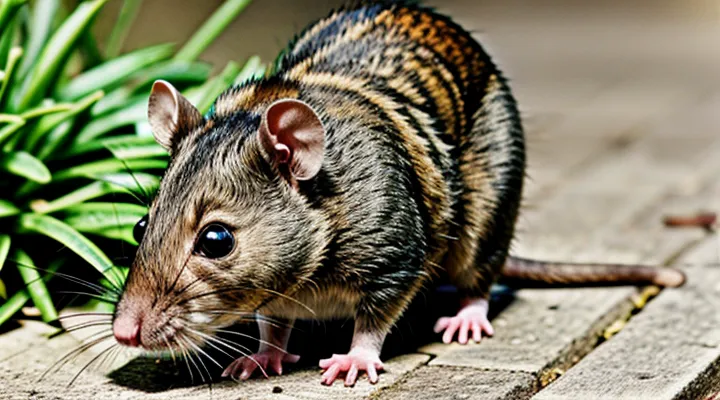
Understanding Rat Allergies
Common Symptoms of Allergies in Rats
Behavioral Changes
Allergic reactions that trigger pruritus and rhinorrhea in rats produce distinct alterations in daily activity. The discomfort associated with skin irritation and nasal congestion drives the animals to modify their routine to minimize pain and maintain physiological balance.
Observable behavioral changes include:
- Increased grooming of affected areas, often repetitive and prolonged.
- Reduced exploration of novel environments, reflected in shorter travel distances during open‑field tests.
- Preference for nesting material that offers additional cushioning, leading to thicker nest construction.
- Decreased consumption of standard chow, accompanied by a shift toward softer, moisture‑rich foods.
- Elevated resting periods, especially in sheltered corners of the cage, indicating fatigue or avoidance of stimuli that exacerbate symptoms.
These patterns emerge consistently across laboratory strains exposed to common allergens such as dust mites, pollen extracts, or food proteins. Monitoring the described behaviors provides reliable indicators of allergen impact and assists in evaluating therapeutic interventions.
Physical Manifestations
Allergic reactions in rodents that trigger pruritus and nasal irritation produce distinct physical signs. The most common cutaneous indicator is erythema, often localized around the muzzle, ears, and forepaws. Secondary lesions include alopecia due to persistent scratching, and excoriations that may become infected if left untreated. Dermal edema can develop, causing swelling of the facial region and hindlimb joints.
Respiratory manifestations appear as frequent sneezing bursts, accompanied by serous nasal discharge. Nasal mucosa may become hyperemic and edematous, leading to congestion that impairs airflow. Conjunctival hyperemia and lacrimation frequently accompany nasal symptoms, reflecting mucosal involvement of the ocular surface.
Systemic signs may emerge when allergen exposure is prolonged. These include weight loss from reduced feed intake, lethargy, and elevated body temperature indicative of an inflammatory response. Laboratory analysis often reveals eosinophilia and increased serum IgE levels, confirming the immunologic nature of the condition.
Typical physical findings can be summarized as follows:
- Erythema and localized skin inflammation
- Hair loss and skin excoriations
- Facial and limb swelling
- Repetitive sneezing with clear nasal discharge
- Red, watery eyes (conjunctival hyperemia)
- Weight reduction and reduced activity
- Elevated eosinophil count and IgE concentration
Recognition of these manifestations enables timely diagnosis and targeted intervention to mitigate discomfort and prevent secondary complications.
Differentiating Allergies from Other Conditions
Respiratory Illnesses
Allergic reactions that provoke itching and sneezing in laboratory rats often coincide with respiratory illnesses. Exposure to common allergens such as dust mites, pollens, or mold spores can trigger inflammation of the upper airways, leading to rhinitis, bronchitis, or asthma‑like symptoms. The inflammatory cascade involves IgE‑mediated mast cell activation, histamine release, and cytokine production, which increase mucosal permeability and bronchial hyper‑responsiveness.
Key respiratory conditions linked to allergen‑induced irritation include:
- Allergic rhinitis – nasal congestion, watery discharge, and frequent sneezing.
- Bronchial hyper‑reactivity – coughing, wheezing, and reduced airflow during exposure.
- Acute bronchitis – inflammation of bronchi with increased sputum production, often following prolonged sneezing episodes.
- Asthma‑like syndrome – episodic airway constriction, chest tightness, and impaired gas exchange.
Diagnostic protocols rely on clinical observation, pulmonary function testing, and measurement of serum IgE levels. Management strategies combine environmental control (removal of allergenic particles), pharmacologic intervention (antihistamines, corticosteroids, bronchodilators), and, when necessary, immunotherapy to desensitize the immune response. Early detection and targeted treatment reduce the risk of chronic respiratory damage in affected rodents.
Skin Parasites and Fungal Infections
Rats that exhibit persistent itching and frequent sneezing often harbor cutaneous parasites that act as primary irritants. Mite species such as Myobia musculi and Radfordia affinis embed in the epidermis, causing mechanical damage and provoking localized inflammation. Infestations frequently spread through close contact or contaminated bedding, leading to rapid colony-wide escalation.
Fungal organisms contribute similarly to dermal discomfort. Dermatophytes, particularly Trichophyton mentagrophytes and Microsporum canis, colonize keratinized layers, producing keratin degradation and eliciting pruritic responses. Yeast-like fungi, notably Malassezia spp., proliferate on moist skin surfaces, generating volatile metabolites that irritate nasal mucosa and trigger sneezing bouts.
Both parasite and fungal burdens interfere with the rat’s immune regulation, amplifying hypersensitivity reactions. The resulting cytokine release heightens vascular permeability, intensifying skin redness and mucus production in the nasal passages. Consequently, the combined effect of ectoparasites and cutaneous fungi constitutes a significant factor in the development of itch‑sneeze syndromes.
Management strategies focus on:
- Routine environmental sanitation to eliminate residual eggs and spores.
- Topical acaricides with proven efficacy against rodent mites.
- Antifungal shampoos containing miconazole or terbinafine, applied according to veterinary guidelines.
- Periodic health monitoring to detect early signs of infestation or infection.
Implementing these measures reduces cutaneous irritation, curtails sneezing episodes, and supports overall respiratory health in affected rodents.
Environmental Irritants
Environmental irritants trigger the characteristic itch and sneeze response observed in laboratory rats. These agents interact with the respiratory mucosa and skin, provoking histamine release and subsequent allergic inflammation.
Common irritants include:
- Dust mites and their fecal particles
- Volatile organic compounds from cleaning agents
- Pollen fragments carried on airflow
- Mold spores present in humid enclosures
- Tobacco smoke residues
- Aerosolized bedding materials such as wood shavings
Exposure assessment should focus on air quality measurements, substrate analysis, and routine monitoring of cage ventilation. Mitigation strategies involve filtration upgrades, substitution of low‑emission bedding, and strict control of external pollutant ingress.
Primary Causes of Rat Allergies
Dietary Allergens
Specific Food Ingredients
Rats experiencing pruritus and nasal discharge often react to particular dietary components that act as allergens. The immune system identifies these proteins as harmful, triggering histamine release and mucosal irritation.
- Egg white proteins (ovalbumin, ovomucoid): Highly immunogenic, frequently induce cutaneous erythema and sneezing in laboratory rodents.
- Milk casein and whey: Commonly cause IgE‑mediated responses, leading to skin inflammation and nasal congestion.
- Soybean lectins and glycinin: Recognized by rat immune cells as foreign, resulting in dermatitis and rhinitis.
- Peanut allergens (Ara h 1, Ara h 2): Potent triggers of systemic hypersensitivity, manifesting as itching and sneezing.
- Wheat gluten (gliadin): Associated with gastrointestinal and respiratory allergic symptoms, including nasal discharge.
- Fish and shellfish proteins (parvalbumin, tropomyosin): Can elicit acute skin itching and nasal irritation in susceptible strains.
Elimination or substitution of these ingredients in rodent chow reduces the incidence of dermatological and respiratory allergic signs, supporting more reliable experimental outcomes.
Contaminants in Food
Contaminants in food are a primary source of allergic reactions that manifest as itching and sneezing in laboratory rats. Ingested substances that the immune system misidentifies as harmful trigger the production of immunoglobulin E (IgE), leading to histamine release and subsequent mucosal irritation. The severity of symptoms correlates with the contaminant’s concentration, persistence, and the animal’s genetic predisposition.
Common food contaminants implicated in rodent allergy include:
- Pesticide residues – organophosphates and carbamates disrupt epithelial barriers and provoke inflammatory pathways.
- Mycotoxins – aflatoxin, ochratoxin, and deoxynivalenol originate from mold growth; they act as potent allergens and immunomodulators.
- Heavy metals – lead, cadmium, and mercury interfere with cellular signaling, enhancing hypersensitivity responses.
- Protein adulterants – undeclared soy, wheat, or egg proteins introduce novel epitopes that cross‑react with existing IgE antibodies.
- Preservatives and additives – sulfites, benzoates, and artificial sweeteners can act as hapten carriers, forming antigenic complexes.
Detection protocols rely on high‑performance liquid chromatography (HPLC) for chemical residues, enzyme‑linked immunosorbent assays (ELISA) for protein allergens, and inductively coupled plasma mass spectrometry (ICP‑MS) for metal quantification. Validation of feed batches before distribution reduces exposure risk and stabilizes experimental outcomes.
Mitigation strategies focus on sourcing certified‑grade ingredients, implementing regular microbial and chemical screening, and employing barrier technologies such as sealed storage and controlled humidity. Substituting allergen‑free formulations and applying detoxification steps, like mycotoxin binders or activated carbon filtration, further diminish the likelihood of allergic manifestations in rats.
Environmental Allergens
Bedding Materials
Bedding choices directly influence respiratory and dermal irritation in laboratory and pet rats, often manifesting as persistent itching and sneezing. The primary allergenic mechanisms involve airborne particles, volatile organic compounds, and microbial growth that interact with the rat’s sensitive mucous membranes and skin.
Common bedding materials and their allergenic profiles:
- Softwood shavings (pine, cedar): release fine dust and phenolic oils; dust irritates nasal passages, while oils trigger contact dermatitis.
- Hardwood shavings (aspen, birch): lower oil content but still generate dust; occasional mold development adds fungal spores to the environment.
- Paper-based bedding: minimal dust, yet high cellulose content can harbor mold if moisture accumulates; occasional adhesive residues may cause skin reactions.
- Corncob pellets: produce coarse particles that settle on fur; residual starches can support bacterial growth, increasing inhalant allergen load.
- Hemp and straw: low dust, but natural fibers may contain pollen and fungal spores, especially when stored in humid conditions.
- Fleece blankets: virtually dust‑free, but synthetic fibers may retain static‑charged particles, facilitating skin irritation for some rats.
Mitigation strategies:
- Select low‑dust, oil‑free bedding such as aspen shavings or processed paper products.
- Maintain humidity below 50 % to prevent mold proliferation in any bedding type.
- Replace bedding weekly; discard visible clumps and soiled sections promptly.
- Clean the enclosure with a mild, fragrance‑free disinfectant; rinse thoroughly to avoid residue buildup.
- Monitor individual rats for signs of dermatitis or increased sneezing after bedding changes; adjust material accordingly.
By aligning bedding selection with these criteria, caretakers reduce exposure to inhalant and contact allergens, thereby decreasing the incidence of itch‑related skin lesions and sneezing episodes in rats.
Household Dust and Mites
Household dust and its microscopic inhabitants represent the primary source of allergenic particles that trigger itching and sneezing in laboratory and pet rats. The fine particulate matter consists of skin flakes, fibers, pollen, and fecal remnants, providing an ideal substrate for the proliferation of dust mites, chiefly Dermatophagoides spp. These arthropods secrete proteolytic enzymes and structural proteins that function as potent allergens when inhaled or contacted by the rodent’s mucosal surfaces.
Allergic reactions in rats develop through an IgE‑mediated pathway. Upon exposure, mite allergens bind to specific IgE antibodies on mast cells, prompting degranulation and the release of histamine, leukotrienes, and cytokines. The resultant inflammation manifests as erythema, pruritus, and frequent sneezing, which can compromise respiratory function and overall health.
Environmental conditions strongly affect dust‑mite density. Relative humidity above 50 % and temperatures between 20–25 °C accelerate mite reproduction. Infrequent vacuuming, accumulation of bedding material, and inadequate ventilation further increase allergen load.
Effective control measures include:
- Daily removal of loose debris with a HEPA‑filtered vacuum.
- Maintaining indoor humidity below 45 % using dehumidifiers.
- Washing bedding and cage accessories at ≥60 °C weekly.
- Applying approved acaricidal powders or sprays to inaccessible corners.
- Installing air purifiers equipped with HEPA filters to capture airborne particles.
Implementing these practices reduces allergen concentration, alleviates pruritic and respiratory symptoms, and supports the welfare of rats exposed to indoor dust environments.
Cleaning Products and Air Fresheners
Cleaning agents and scented sprays contain volatile organic compounds (VOCs) that easily become airborne and settle on fur and bedding. When a rat inhales these substances, the nasal mucosa reacts, producing histamine release that triggers sneezing and skin irritation. Prolonged exposure can amplify the response, leading to persistent itching and secondary grooming injuries.
Key irritants found in many household products include:
- Formaldedehyde‑based disinfectants – strong sensitizer for respiratory epithelium.
- Quaternary ammonium compounds – common in surface cleaners, known to provoke dermal inflammation.
- Phenolic solvents – present in degreasers, cause mucosal irritation.
- Synthetic fragrances – blend of terpenes and aldehydes that activate nasal receptors.
- Aerosol propellants (e.g., propane, butane) – facilitate deep lung deposition of particles.
Reducing these risks requires selecting low‑VOC cleaners, avoiding aerosolized fresheners, and ensuring adequate ventilation. Regular monitoring of the animal’s environment for lingering odors or residue helps maintain respiratory and skin health.
Pollen and Mold
Pollen and mold are primary environmental allergens that trigger respiratory and dermal reactions in rats. Inhaled pollen grains contain protein epitopes that bind immunoglobulin E (IgE) on mast cells, leading to degranulation and release of histamine. Histamine induces nasal mucosa inflammation, resulting in sneezing, and stimulates peripheral nerves, causing pruritus of the skin.
Mold spores present similar antigenic structures. When rats inhale or contact airborne spores, the immune system recognizes fungal proteins as foreign, activating the same IgE‑mediated cascade. Additionally, mold metabolites such as mycotoxins can irritate mucosal surfaces, compounding sneezing frequency and skin irritation.
Key characteristics of these allergens:
- Size: Pollen particles (10–100 µm) and mold spores (2–30 µm) remain airborne for extended periods, facilitating inhalation.
- Seasonality: Pollen concentrations peak during plant flowering cycles; indoor mold levels rise with humidity fluctuations.
- Persistence: Both allergens adhere to bedding, cages, and feeding equipment, creating continuous exposure sources.
Effective control measures focus on reducing airborne concentrations:
- Install high‑efficiency particulate air (HEPA) filters in ventilation systems.
- Maintain relative humidity below 50 % to inhibit mold growth.
- Replace bedding with low‑dust, hypoallergenic material and wash cages regularly.
- Schedule regular cleaning to remove settled pollen from surfaces.
Monitoring allergen levels with air samplers can guide adjustments in environmental management, minimizing the incidence of itch and sneeze episodes in laboratory or pet rats.
Contact Allergies
Cage Materials
Cage construction influences the severity of allergic reactions in rats that exhibit itching and sneezing. Materials that release dust, emit volatile compounds, or retain moisture create an environment conducive to respiratory and dermatological irritation.
- Metal (stainless steel, galvanized steel) – smooth surface, easy to sterilize, low dust generation. Galvanized steel may release zinc particles; stainless steel is preferable for sensitive animals.
- Hard plastics (polypropylene, acrylic) – lightweight, resistant to corrosion, minimal particulate release. Certain plastics can off‑gass plasticizers; selecting BPA‑free, food‑grade polymers reduces risk.
- Wood (untreated pine, cedar) – natural, insulating, but prone to shedding fibers and containing aromatic oils that can trigger nasal irritation. Treated or sealed wood mitigates particle release but may introduce chemicals.
- Glass – inert, non‑porous, no dust. Fragility and limited size options restrict practical use for larger enclosures.
Ventilation and cleaning protocols interact with cage material choice. Non‑porous surfaces (metal, glass, high‑grade plastic) retain less ammonia and humidity, limiting microbial growth that exacerbates allergic symptoms. Porous substrates (raw wood, untreated fabrics) absorb urine and feces, fostering mold and bacterial colonies that release allergenic spores.
Selecting a cage material should prioritize low particulate emission, chemical inertness, and ease of disinfection. Combining a stainless‑steel frame with a hard‑plastic interior panel provides structural durability while minimizing allergen exposure. Regular cleaning with hypoallergenic, residue‑free detergents maintains the low‑allergen environment essential for rats prone to itch and sneeze reactions.
Toys and Accessories
Rats that exhibit itching and sneezing frequently react to substances present in their habitat, and the items they interact with—such as toys and accessories—can be primary sources of allergens.
Common allergenic components found in rodent toys include:
- Natural fibers (wool, cotton) that retain dust and dander
- Latex or rubber coatings that release volatile compounds
- Synthetic plastics with added fragrances or dyes
- Wood treated with chemicals or containing mold spores
- Fabric fillings that harbor mites or pollen
Effective mitigation strategies focus on material selection and maintenance:
- Choose toys made from untreated, high‑density polyethylene or stainless steel
- Prefer accessories without fabric or with removable, washable covers
- Clean all items weekly with a mild, fragrance‑free detergent and rinse thoroughly
- Store toys in a dry, low‑humidity environment to inhibit mold growth
- Rotate items regularly to prevent buildup of irritants
Consistent application of these practices reduces exposure to airborne and contact allergens, thereby decreasing the frequency and severity of itching and sneezing episodes in affected rats.
Managing and Preventing Rat Allergies
Identifying and Eliminating Allergens
Dietary Elimination Trials
Dietary elimination trials serve as a systematic approach to pinpoint food‑borne allergens responsible for pruritus and rhinorrhea in laboratory rats. By removing suspect ingredients from the diet and observing symptom changes, researchers can isolate the nutritional trigger without reliance on pharmacologic testing.
Typical protocol includes:
- Baseline assessment of itch intensity and sneezing frequency for at least three days on the standard chow.
- Selection of potential allergens based on ingredient composition (e.g., soy, wheat, dairy, fish meal).
- Implementation of a hypoallergenic diet lacking all identified candidates for a minimum of seven days.
- Daily recording of clinical signs; notable reduction suggests involvement of one or more removed components.
- Re‑introduction of each excluded ingredient individually for a 48‑hour period, monitoring for symptom recurrence to confirm specific allergen.
Interpretation hinges on consistent symptom alleviation during the exclusion phase and reproducible flare‑ups upon re‑challenge. Confirmed dietary allergens guide formulation of a tailored, long‑term feed that minimizes itch and sneeze episodes, thereby improving animal welfare and experimental reliability.
Environmental Audit
An environmental audit identifies and quantifies factors that provoke allergic reactions in laboratory rats, manifesting as skin irritation and nasal discharge. The audit examines air quality, bedding materials, feed composition, and enclosure cleaning protocols to determine sources of allergens.
Key audit components include:
- Air monitoring – measurement of particulate matter, volatile organic compounds, and fungal spores using calibrated samplers.
- Bedding analysis – testing for dust mite antigens, mold growth, and chemical residues in wood shavings or paper products.
- Feed inspection – screening for protein contaminants, pesticide residues, and storage‑related mold.
- Cleaning regimen review – evaluation of disinfectant types, frequency of wash cycles, and residual detergent levels.
Data collection follows standardized procedures: samples are taken at fixed intervals, recorded in a central log, and compared against established threshold limits for rodent housing. Findings are compiled into a risk matrix that prioritizes remediation actions based on severity and likelihood of exposure.
Remediation recommendations typically address ventilation upgrades, substitution of low‑allergen bedding, reformulation of feed, and adjustment of cleaning agents to non‑irritating formulations. Continuous monitoring ensures that corrective measures maintain allergen levels below the defined safety thresholds, thereby reducing the incidence of pruritus and sneezing in the animal population.
Symptomatic Relief
Veterinary Consultation
A veterinary consultation for a rat exhibiting persistent itching and sneezing focuses on identifying allergic triggers, confirming the diagnosis, and implementing a targeted management plan.
The practitioner begins with a thorough history, noting recent diet changes, bedding materials, cleaning agents, and exposure to dust or mold. Physical examination assesses skin lesions, fur loss, and nasal discharge, while auscultation checks for secondary respiratory involvement.
Diagnostic steps may include:
- Skin scrapings to exclude parasites.
- Cytology of nasal secretions to rule out infection.
- Blood work to detect eosinophilia or elevated IgE levels.
- Patch testing with common allergens if standard tests are inconclusive.
Treatment recommendations combine pharmacologic and environmental strategies:
- Antihistamines or corticosteroids to reduce pruritus and inflammation.
- Topical soothing agents, such as hypoallergenic ointments, for cutaneous relief.
- Saline nasal irrigation or decongestants for respiratory symptoms.
- Elimination of identified allergens: switch to paper bedding, use fragrance‑free cleaners, and avoid pollen‑rich foods.
Owner education emphasizes regular monitoring of symptom progression, adherence to medication schedules, and maintaining a low‑allergen environment. Follow‑up appointments are scheduled to adjust therapy based on clinical response and to prevent chronic complications.
Medications and Supplements
Antihistamines are the primary pharmacologic option for controlling histamine‑driven pruritus and nasal discharge in rats. Diphenhydramine, cetirizine, and chlorpheniramine have demonstrated efficacy at low milligram doses administered orally or mixed with food. Dosage must be calculated per kilogram of body weight, and veterinary supervision is required to avoid sedation or cardiac effects.
Corticosteroids provide rapid anti‑inflammatory relief when antihistamines are insufficient. Prednisone or dexamethasone can be prescribed for short courses, typically 0.5–2 mg/kg daily, with tapering to prevent adrenal suppression. Long‑term use is discouraged because of immunosuppression and metabolic disturbances.
Mast‑cell stabilizers, such as cromolyn sodium, inhibit degranulation and reduce both itching and sneezing. Administration is usually via inhalation or oral solution at 0.1 mg/kg twice daily. Effects are modest but valuable as adjunct therapy.
Nutritional supplements support immune regulation and barrier integrity. Omega‑3 fatty acids (eicosapentaenoic acid, docosahexaenoic acid) at 100–200 mg/kg daily lessen inflammatory mediators. Vitamin C at 50 mg/kg daily contributes antioxidant protection and may lower histamine levels. Probiotic blends containing Lactobacillus and Bifidobacterium strains improve gut flora, indirectly reducing systemic allergic responses.
Monitoring protocols include daily observation of skin condition, nasal discharge frequency, and behavior changes. Blood tests for eosinophil count and serum IgE provide objective measures of treatment response. Adjustments to medication type, dosage, or supplement regimen should be made based on these data and veterinary assessment.
Key therapeutic agents
- Antihistamines: diphenhydramine, cetirizine, chlorpheniramine
- Corticosteroids: prednisone, dexamethasone (short‑term)
- Mast‑cell stabilizer: cromolyn sodium
- Supplements: omega‑3 fatty acids, vitamin C, probiotics
Effective management relies on precise dosing, regular veterinary evaluation, and integration of pharmacologic and supplemental strategies.
Proactive Allergy Prevention Strategies
Choosing Hypoallergenic Materials
When a rat exhibits persistent itching and sneezing, the choice of materials in its environment can reduce exposure to allergens. Selecting items that do not shed proteins or dust limits the immune response and supports respiratory health.
- Cage construction: Stainless steel frames and mesh panels resist corrosion and do not retain particulate matter. Avoid painted wood or laminated surfaces that can off‑gass volatile compounds.
- Bedding: Paper‑based or aspen shavings contain minimal dust and lack aromatic oils found in pine or cedar. Replace bedding weekly to prevent accumulation of skin flakes and droppings.
- Food and water containers: Ceramic or glass bowls eliminate plastic leaching. Ensure containers are smooth, easy to clean, and free of scratches where residues could linger.
- Enrichment items: Natural fibers such as untreated cotton or hemp rope are preferable to synthetic plush toys that shed synthetic fibers. Verify that enrichment objects are free of dyes or adhesives.
Evaluation criteria for each material include:
- Dust generation: Measured by particle count under controlled airflow.
- Protein release: Determined through laboratory assays of material extracts.
- Durability: Assessed by resistance to chewing and moisture exposure.
- Cleaning compatibility: Compatibility with hot water and mild detergents without degradation.
Implementation steps:
- Conduct an inventory of existing items and replace any that fail the criteria.
- Introduce new materials gradually, monitoring the rat’s symptoms for improvement.
- Maintain a cleaning schedule that removes residual allergens after each cage change.
Consistent use of hypoallergenic components creates a controlled environment that diminishes the triggers of nasal irritation and skin inflammation in rats.
Maintaining a Clean Environment
A spotless habitat reduces airborne and contact allergens that provoke itching and sneezing in rodents. Dust, mold spores, and residual food particles serve as primary irritants; regular removal prevents their accumulation and limits immune responses.
- Vacuum cages and surrounding area daily with a HEPA‑filtered device.
- Wash all bedding, toys, and feeding dishes with mild, fragrance‑free detergent weekly.
- Keep humidity below 50 % to inhibit mold growth; use a dehumidifier if necessary.
- Store dry feed in airtight containers to avoid pest infestations and fungal contamination.
- Inspect and replace soft furnishings that show signs of wear or mildew.
Consistent cleaning schedules, combined with proper ventilation, create an environment where allergen exposure remains minimal, supporting the rat’s respiratory health and skin comfort.
Nutritional Support for Immune Health
Rats exhibiting persistent itching and sneezing often suffer from heightened allergic reactivity, which places additional demand on their immune system. Adequate nutritional support can reduce symptom severity by strengthening defensive mechanisms and stabilizing inflammatory responses.
Key nutrients that influence immune competence include:
- Vitamin A – promotes mucosal integrity; found in liver, carrots, and sweet potatoes.
- Vitamin C – enhances leukocyte function and antioxidant capacity; abundant in citrus fruits, bell peppers, and broccoli.
- Vitamin D – modulates cytokine production; sourced from fortified feed, oily fish, and controlled UV exposure.
- Vitamin E – protects cell membranes from oxidative damage; present in nuts, seeds, and vegetable oils.
- B‑vitamins (B6, B12, folate) – support lymphocyte proliferation; supplied by whole grains, legumes, and animal protein.
Minerals that contribute to allergic resilience:
- Zinc – essential for thymic activity; incorporated through meat, shellfish, and pumpkin seeds.
- Selenium – participates in glutathione peroxidase activity; available in Brazil nuts and eggs.
- Magnesium – stabilizes mast cell membranes; found in leafy greens, nuts, and whole‑grain cereals.
Long‑chain omega‑3 fatty acids (EPA, DHA) reduce eicosanoid‑mediated inflammation and improve airway tone. Sources include fish oil, flaxseed, and algae‑derived supplements.
Practical implementation:
- Formulate a balanced diet that supplies 15–20 % of calories from healthy fats, with at least 1 % derived from omega‑3 sources.
- Ensure daily vitamin C intake of 50–75 mg per kilogram of body weight; adjust for individual variability.
- Provide vitamin D at 800–1200 IU per kilogram, monitored through serum levels to avoid excess.
- Incorporate mineral premixes delivering 30 mg zinc and 0.2 mg selenium per kilogram of feed.
- Rotate fresh produce and fortified feeds to maintain consistent micronutrient delivery.
Consistent application of these nutritional strategies can mitigate allergic manifestations in rodents, fostering improved comfort and health outcomes.