
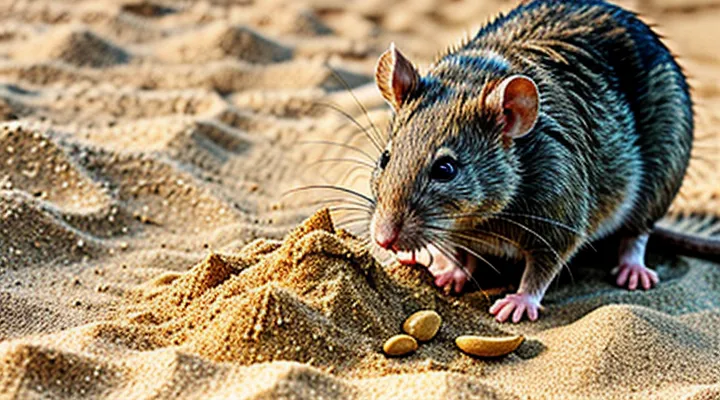
Understanding Rat Grooming Habits
Natural Instincts
Rats instinctively seek dry, granular surfaces to clean their fur and remove excess oils. In the wild, they roll in dust or sand, a behavior that reduces parasite load and promotes coat health. Domestic rats retain this drive, showing a preference for materials that mimic natural substrates.
When sand is introduced into a controlled environment, it fulfills several physiological functions:
- Absorbs sebum and debris, preventing buildup that can lead to skin irritation.
- Provides a tactile stimulus that satisfies grooming urges, reducing stress‑related behaviors.
- Creates a micro‑environment where ectoparasites struggle to survive, lowering infestation risk.
Recommendations for owners who wish to support these instincts:
- Offer a shallow tray filled with fine, non‑clumping sand; replace the substrate weekly to maintain hygiene.
- Limit sand exposure to 10‑15 minutes per session; prolonged contact may cause respiratory irritation.
- Observe the rat’s reaction; if the animal avoids the sand, substitute with a dust‑free, absorbent material such as paper bedding.
- Ensure the sand is free of chemicals, fragrances, or dyes that could cause allergic reactions.
Providing a suitable granular medium aligns with the rat’s innate cleaning behavior, enhances coat condition, and contributes to overall welfare.
Self-Grooming Behavior
Rats devote a substantial portion of their daily routine to self‑grooming, a behavior that maintains coat integrity, removes parasites, and regulates body temperature. The action involves licking fur, nibbling loose hair, and scratching with hind paws, which together distribute natural oils and prevent matting. When the environment lacks an appropriate substrate for scratching, rats may increase oral grooming, potentially leading to over‑grooming and skin irritation.
Sand provides a granular surface that facilitates mechanical stimulation of the skin, allowing rats to remove debris more efficiently than with a smooth cage floor. The abrasive quality of fine, dust‑free sand mimics natural burrowing habitats, supporting the tactile component of grooming that cannot be reproduced by licking alone. Studies indicate that rats given access to sand exhibit reduced grooming frequency and lower incidence of fur damage.
Recommendations for optimal grooming support:
- Offer a shallow tray of clean, silica‑free sand for 15–30 minutes daily.
- Keep sand dry and replace it weekly to prevent bacterial growth.
- Monitor coat condition; adjust sand exposure if excessive shedding or skin redness appears.
- Combine sand with regular environmental enrichment (toys, tunnels) to promote natural scratching behavior.
Why Sand Bathing is Beneficial
Removing Excess Oils and Dirt
Rats groom themselves, yet a supplemental method is needed to eliminate the oil and debris that accumulate on their fur and skin. Sand provides a low‑risk abrasive surface that dislodges particles without harming delicate tissue. When a rat scurries through a shallow tray of fine, dust‑free sand, friction loosens bound oil, while the granular material captures loose dirt and shed hair.
The cleaning effect yields several measurable outcomes. A coat free of excess oil retains its natural sheen and reduces the likelihood of bacterial overgrowth. Skin irritation diminishes because irritants are removed before they can embed in the epidermis. Odor levels drop as oily residues, a primary source of scent, are absorbed by the sand.
Practical guidance for implementing sand baths:
- Choose silica‑based or play‑sand certified free of chemicals and sharp particles.
- Fill a shallow, non‑slipping container with 1–2 cm of sand; depth greater than this offers no additional benefit.
- Introduce the rat for 5–10 minutes, monitoring for stress or excessive digging.
- Clean the sand weekly by sifting out debris and replenishing with fresh material.
- Combine sand bathing with regular cage cleaning and a balanced diet to maintain optimal coat condition.
Consistent use of a properly prepared sand substrate efficiently removes excess oils and dirt, supporting overall health and hygiene in pet rats.
Promoting Healthy Fur
Using sand as a substrate during rat grooming can directly affect coat condition. Fine, clean sand removes loose hair and surface debris without stripping natural oils, preserving the integrity of each follicle. The abrasive quality of sand also stimulates sebaceous glands, encouraging the secretion of protective lipids that keep fur supple and resistant to breakage.
When sand is incorporated correctly, it reduces the incidence of matting and skin irritation. The particles act as a gentle exfoliant, preventing the buildup of dead skin cells that can trap moisture and foster bacterial growth. Consequently, rats experience fewer skin infections and maintain a glossy, healthy coat.
Recommendations for implementing sand bathing:
- Choose a sand specifically marketed for small‑animal use; avoid beach or construction sand that may contain contaminants.
- Keep the sand dry and replace it weekly to maintain hygiene.
- Provide a shallow, non‑slipping container large enough for the rat to roll comfortably.
- Limit bathing sessions to 5‑10 minutes; extended exposure can dry the skin.
- Observe the rat after each session for signs of excess scratching or redness, adjusting frequency as needed.
Preventing Skin Issues
Using sand in a rat’s grooming routine can reduce the incidence of dermatitis, dry patches, and fungal growth. The abrasive texture removes excess oils and debris without over‑wetting the skin, which limits bacterial proliferation. In contrast, water‑only baths often strip protective lipids, leaving the epidermis vulnerable to irritation.
Key points for preventing skin problems:
- Offer a shallow container filled with fine, dust‑free sand; limit depth to 1–2 cm to prevent accidental ingestion.
- Allow the rat to roll for 5–10 minutes, monitoring for signs of stress or excessive scratching.
- Clean the sand weekly by sifting out waste and replacing with fresh material to avoid pathogen buildup.
- Supplement sand sessions with a brief, lukewarm water rinse no more than once a month, using a mild, fragrance‑free cleanser designed for small mammals.
- Maintain ambient humidity between 40 % and 60 % to support skin barrier function; excessive dryness accelerates flaking.
When sand is unavailable, substitute with a commercial dust‑free grooming substrate that mimics the same abrasive properties. Regular observation of coat condition and prompt removal of any crusted areas are essential for early intervention. By integrating controlled sand exposure with proper hygiene, rat owners can markedly lower the risk of skin disorders.
Mental Stimulation and Enrichment
Sand can serve as an effective medium for delivering mental stimulation to pet rats during bathing sessions. The granular texture invites tactile exploration, encouraging natural digging and foraging instincts that remain dormant in a purely plastic or water‑only environment.
Sensory interaction with sand triggers neural pathways linked to curiosity and problem‑solving. Rats manipulate particles, sift through layers, and detect subtle variations in pressure, actions that enhance cognitive resilience and reduce stereotypic behaviors.
- Exploration of substrate depth promotes spatial awareness.
- Sorting and moving sand particles develop fine motor coordination.
- Exposure to varied grain sizes introduces novelty, sustaining interest over repeated sessions.
Safe implementation requires attention to material quality and hygiene. Recommended practices include:
- Select dust‑free, food‑grade sand to prevent respiratory irritation.
- Limit exposure to 5–10 minutes per session to avoid over‑saturation of fur.
- Rinse and dry sand thoroughly after each use; replace entirely every two weeks.
- Supervise rats to ensure they do not ingest large quantities, which could cause gastrointestinal upset.
When integrated with regular grooming, sand bathing provides a structured enrichment activity that supports mental health and encourages natural behaviors without compromising safety.
Types of Sand Suitable for Rats
Chinchilla Sand vs. Other Sands
Rats benefit from sand baths that remove excess oil and keep fur clean without water. The choice of sand determines the effectiveness of this grooming aid and the health of the animal.
Chinchilla sand differs from alternative substrates in several measurable ways. Its particles range from 0.5 mm to 1 mm, providing a texture that mimics natural dust‑bathing environments. The sand is chemically inert, free of additives, and contains minimal dust that can be inhaled. In contrast, beach sand often includes shells, salt, and organic debris; play sand may contain binders, colorants, or fragrances; and clay‑based cat litter releases fine particles that increase respiratory risk.
- Particle size: chinchilla (0.5–1 mm) > play sand (coarser) > clay litter (very fine)
- Purity: chinchilla (no additives) > beach sand (natural contaminants) > cat litter (chemical binders)
- Dust generation: chinchilla (low) > play sand (moderate) > cat litter (high)
Using chinchilla sand maximizes oil absorption while minimizing ingestion and inhalation hazards. The sand’s low dust content reduces the likelihood of respiratory irritation, and its inert composition prevents skin reactions. Alternative sands either fail to absorb oil efficiently or introduce contaminants that can compromise health.
For optimal rat grooming, select a fine, dust‑free, unscented sand such as chinchilla sand. Provide a shallow container no deeper than 2 cm to allow easy access. Replace the sand weekly or when it appears soiled. Avoid substrates with fragrances, dyes, or mineral additives, as these increase the risk of allergic or respiratory issues.
Safety Considerations
When introducing sand into a rat’s grooming routine, safety must be the primary concern. Only sand specifically labeled for small‑animal use should be selected; coarse or chemically treated varieties can cause abrasions or toxic reactions. The substrate must remain dry and free of mold, as damp sand promotes bacterial growth that can lead to skin infections. Rats are prone to ingesting small particles; therefore, sand grains should be large enough to pass through the gastrointestinal tract without causing obstruction. Regularly inspect the sand for foreign debris, sharp fragments, or clumped moisture, and replace it promptly if any of these conditions appear.
Key safety measures include:
- Use a shallow, easily accessible container to prevent falls and entrapment.
- Clean the sand weekly with mild, pet‑safe detergent and rinse thoroughly.
- Monitor the rat for signs of respiratory irritation, such as sneezing or labored breathing, and discontinue use if symptoms arise.
- Keep the sand separate from food and water sources to avoid cross‑contamination.
- Provide an alternative grooming option, such as a dust‑free grooming brush, for rats that show aversion or distress.
How to Provide a Sand Bath
Choosing the Right Container
Choosing a suitable container is essential for safe and effective sand bathing in pet rats. The container must accommodate the animal’s size while allowing free movement. A shallow basin, such as a plastic storage tray with a depth of 2–3 cm, prevents the rat from becoming submerged and reduces the risk of accidental ingestion of sand.
Material selection influences hygiene and durability. Food‑grade polyethylene or polypropylene containers resist cracking, are easy to clean, and do not leach chemicals. Avoid metal tubs that can rust or ceramic dishes that chip under repeated use.
Stability prevents spills during vigorous digging. A wide base or a non‑slipping mat underneath the container secures it to the cage floor. For multi‑rat households, a larger tray with separate sections can limit cross‑contamination while preserving individual access.
Key criteria for container choice:
- Dimensions: at least 30 cm long and 20 cm wide for one or two rats.
- Depth: 2–3 cm of sand, enough for digging without covering the animal.
- Material: food‑safe plastic, smooth interior surface.
- Stability: heavy base or adhesive mat on the cage floor.
- Cleanability: dishwasher‑safe or easily disassembled for thorough washing.
Regular maintenance maintains health benefits. Empty and replace sand weekly, wash the container with mild detergent, and inspect for cracks before each use. Selecting the right container maximizes the grooming advantages of sand while minimizing hazards.
Frequency of Baths
Rats require regular grooming to prevent skin problems and maintain coat condition. Over‑bathing can strip natural oils; under‑bathing allows buildup of waste and parasites.
A practical schedule consists of a full water bath once every four to six weeks for most adult rats. Adjustments are necessary when any of the following factors change:
- Living environment: cages with high humidity or frequent litter changes reduce the need for water baths.
- Health status: skin infections, respiratory issues, or excessive oiliness call for more frequent cleaning.
- Age: juveniles and seniors tolerate fewer baths; juveniles may need gentle cleaning every six weeks, seniors every eight weeks.
- Activity level: highly active rats exposed to dust or outdoor enclosures may require an extra bath within the month.
- Sand usage: when a sand bath is provided, replace the sand weekly and limit water baths to the baseline schedule.
When sand serves as the primary grooming medium, maintain a clean layer of fine, dust‑free sand. Remove clumped or soiled sand daily and replenish the substrate fully each week. This routine sustains the same hygienic benefits as a water bath while minimizing stress.
Observe the rat’s coat and behavior to decide if an unscheduled bath is warranted. Signs such as a greasy sheen, strong odor, visible debris, or excessive scratching indicate that the standard interval should be shortened. Conversely, a healthy, matte coat and normal activity suggest the current frequency remains appropriate.
Placement and Supervision
Placement of sand for a rat’s grooming session requires a stable, non‑slippery surface that prevents escape and limits contamination. Choose a shallow tray (approximately 15 cm deep) made of stainless steel or glazed ceramic; these materials resist moisture damage and are easy to sterilize. Position the tray on a solid platform, such as a sturdy cage shelf, ensuring the rat cannot tip it over. Avoid placing the sand near food dishes or water bottles to prevent accidental ingestion of contaminated particles. Provide a clear line of sight from the cage’s main area so that the animal’s activity remains observable.
Supervision should begin the moment the rat enters the sand. Observe for signs of stress, such as frantic digging or refusal to remain in the substrate, and intervene immediately if the rat appears disoriented. Conduct visual checks every five minutes during the first sessions; thereafter, reduce frequency to a brief scan after each use. Remove any clumped or soiled sand before it hardens, as compacted material can cause skin abrasions. Maintain a log of each bathing session, noting duration, behavior, and any abnormalities, to track patterns over time.
Recommendations for ongoing care include:
- Limit each sand bath to 10–15 minutes to prevent excessive drying of the skin.
- Replace the sand entirely every two weeks, or sooner if visible debris accumulates.
- Clean the tray with a mild, unscented detergent and rinse thoroughly before refilling.
- Provide a separate enrichment item, such as a chew toy, to divert attention if the rat loses interest in the sand.
Adhering to these placement and supervision practices maximizes the hygienic benefits of sand bathing while safeguarding the rat’s welfare.
Potential Risks and Misconceptions
Respiratory Concerns
Sand can become an inhalation hazard for pet rats. Fine particles suspended in the air may irritate the nasal passages and lungs, leading to sneezing, nasal discharge, or chronic respiratory inflammation. Rats with pre‑existing conditions such as chronic respiratory disease (CRD) are especially vulnerable; even brief exposure to dusty sand can exacerbate symptoms and increase mortality risk.
When evaluating sand as a bathing substrate, consider the following respiratory implications:
- Particle size below 150 µm remains airborne longer and penetrates deeper into the respiratory tract. Coarser grains settle quickly and pose a lower inhalation risk.
- Moisture content reduces dust generation; dry sand releases the most particles during digging and grooming.
- Synthetic sand alternatives (e.g., paper‑based pellets) produce negligible airborne dust and are safer for respiratory health.
Recommendations for minimizing respiratory problems:
- Choose sand with a grain diameter of 300 µm or larger.
- Pre‑moisten sand lightly before placing it in the enclosure; avoid saturation that could cause mold.
- Limit bathing sessions to 5–10 minutes, then thoroughly clean the enclosure to remove residual dust.
- Provide a well‑ventilated habitat; exchange air at least 20 times per hour.
- Monitor rats for signs of respiratory distress—sneezing, labored breathing, or nasal discharge—and discontinue sand use immediately if symptoms appear.
In cases where sand is deemed unsuitable, replace it with low‑dust alternatives such as shredded paper, aspen shavings, or commercially available dust‑free bedding. These options maintain grooming benefits while protecting the rat’s respiratory system.
Over-Bathing
Over‑bathing occurs when a pet rat receives more water‑based cleaning than its skin and fur can tolerate. Frequent immersion in water strips natural oils, softens the protective coat, and encourages skin irritation, fungal growth, or respiratory distress. The problem intensifies when sand, often used as a dry grooming substrate, is omitted from the routine, leaving the animal without a means to restore moisture balance after a wash.
Typical indicators of excessive bathing include:
- Dull, clumped fur that fails to lie flat
- Redness, itching, or flaking on the skin
- Persistent sneezing or labored breathing after a soak
- Decreased activity or signs of discomfort during handling
To prevent over‑bathing while still ensuring hygiene, follow these guidelines:
- Limit water baths to once a month, or only when the rat is visibly soiled.
- Offer a sand bath at least twice weekly; a shallow tray of clean, dust‑free chinchilla sand allows the rat to groom, remove excess oils, and keep its coat supple.
- Use lukewarm water (around 30 °C) and a mild, rodent‑safe shampoo; rinse thoroughly to avoid residue.
- Dry the rat gently with a soft towel, then place it in a warm, draft‑free area for a few minutes before returning it to its enclosure.
Balancing water baths with regular dry sand sessions maintains coat integrity, reduces skin problems, and supports overall respiratory health. Adjust frequency based on the individual rat’s environment, activity level, and observed skin condition.
Alternative Grooming Methods
Sand baths are a popular option for rodent hygiene, yet they are not the sole solution. Rats can maintain clean fur and skin through several other grooming techniques that provide comparable or superior results without the need for loose substrate.
- Warm water soak – brief immersion (1‑2 minutes) in lukewarm water eliminates dirt and reduces odor; gentle handling prevents stress.
- Damp microfiber cloth – wiping with a lightly moistened cloth removes surface debris and distributes natural oils; suitable for daily spot cleaning.
- Soft grooming brush – bristles designed for small mammals detangle hair and stimulate circulation; useful for weekly maintenance.
- Pet‑safe grooming wipes – pre‑moistened, alcohol‑free wipes dissolve grime and disinfect; ideal for quick clean‑ups after meals.
- Paper‑towel or shredded newspaper – dry substrate offers a tactile alternative to sand, allowing rats to scratch and remove loose particles; effective for short‑term use in cages lacking sand.
Selection of a method depends on the rat’s health status, activity level, and cage conditions. Warm water soaks should be limited to monthly intervals to avoid skin dryness. Damp cloths and wipes are appropriate for daily upkeep, especially when food residue accumulates. Brushes are recommended for rats with longer fur or visible tangles. Dry alternatives such as paper‑towel bedding serve as supplemental cleaning material when sand is unavailable or undesirable.
Implementing a routine that alternates between these techniques ensures thorough grooming while minimizing risks associated with inhalation of fine sand particles. Consistent observation of coat condition and behavior confirms the effectiveness of the chosen approach.
When to Consult a Veterinarian
Skin Irritation
Rats naturally groom, yet owners often add sand baths to address cutaneous discomfort. Fine, dust‑free sand contacts the fur and epidermis, absorbing excess oils and dislodging particles that aggravate irritation. Controlled exposure can reduce redness and itching by limiting moisture buildup, which frequently precedes bacterial or fungal proliferation.
Excessive sand use removes protective lipids, leading to xerosis and secondary irritation. Coarse grains or contaminated substrates introduce abrasive stress, potentially damaging the stratum corneum and provoking inflammation. Monitoring skin condition after each session helps distinguish therapeutic benefit from adverse reaction.
Practical recommendations
- Choose sterile, silica‑free, finely milled sand; avoid beach or garden varieties.
- Limit sessions to 5–10 minutes, twice weekly for healthy adults; increase frequency only under veterinary guidance.
- Observe the coat for dryness, flaking, or persistent redness; discontinue if symptoms worsen.
- Provide a dry, clean area for post‑bath grooming to prevent moisture retention.
- Consult a veterinarian before introducing sand baths to rats with known dermatological disorders.
Behavioral Changes
Providing a sand substrate for rats during bathing sessions triggers distinct alterations in daily conduct. Rats that have access to fine, dry sand typically increase self‑grooming frequency, using the texture to remove excess oils and detritus from their fur. This behavior reduces the time spent on meticulous licking, allowing more time for exploration and play.
Observations show a measurable decline in stereotypic pacing when sand bathing is incorporated into routine care. The tactile stimulation appears to satisfy a sensory need, resulting in calmer movement patterns and fewer repetitive circuits around the enclosure. Social dynamics also shift: groups introduced to shared sand areas exhibit more frequent huddling and mutual grooming, indicating enhanced affiliative interaction.
Physical activity levels rise modestly after sand sessions. Rats emerge from the substrate with heightened alertness, leading to increased climbing and foraging behavior. Conversely, excessive sand exposure can cause over‑drying of skin, prompting avoidance of the area and a return to previous grooming habits.
Practical recommendations for monitoring behavioral change:
- Record grooming duration before and after introducing sand; a 15‑30 % increase suggests effective use.
- Track instances of pacing or circling; a reduction of at least one episode per hour indicates reduced stress.
- Observe group interactions; more than two reciprocal grooming events per hour signal improved social cohesion.
- Conduct weekly skin inspections; any signs of dryness or irritation require reduction of sand exposure time.
Implementing sand bathing on a schedule of 5‑10 minutes, three times weekly, provides sufficient tactile enrichment without overwhelming the rats’ natural routines. Adjust frequency based on the documented behavioral metrics to maintain optimal welfare.
Persistent Grooming Problems
Persistent grooming problems in pet rats often stem from inadequate environmental enrichment, skin irritation, or parasitic infestations. A dry sand substrate mimics natural desert conditions, encouraging instinctive digging and self‑cleaning behaviors that reduce excessive fur licking and skin damage. Sand particles absorb moisture and excess oils, creating a drier coat that is less prone to matting and bacterial growth.
Key effects of regular sand bathing on grooming issues:
- Removes loose fur and debris without water immersion, decreasing the need for compulsive licking.
- Lowers humidity on the skin surface, limiting fungal and mite proliferation.
- Stimulates tactile stimulation, redirecting obsessive grooming toward exploratory activity.
Recommendations for implementing sand baths:
- Choose fine, non‑sharp silica or mineral sand; grain size 0.5–1 mm prevents paw injury.
- Provide a shallow container (5–10 cm deep) large enough for the rat to roll and dig comfortably.
- Refresh sand weekly and clean the container with mild detergent to avoid bacterial buildup.
- Monitor the rat’s behavior for signs of stress; discontinue use if excessive avoidance or respiratory irritation occurs.
- Combine sand bathing with regular health checks, ectoparasite prevention, and a balanced diet to address underlying causes of persistent grooming.
When applied correctly, sand baths serve as a practical, low‑maintenance strategy to alleviate chronic grooming disorders, improve coat condition, and promote overall welfare in domesticated rats.