
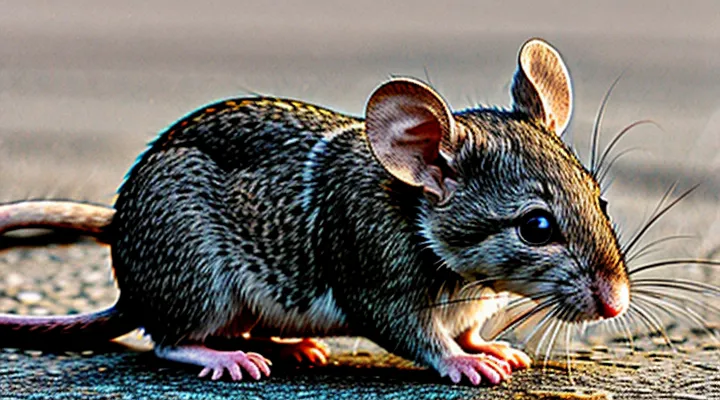
The Symbolism of Animals in Dreams
The Mouse as a Dream Symbol
Common Interpretations of Mice
Mice appear in dreams as symbols of modest influence, hidden details, and personal resilience. Their small size suggests issues that are easily overlooked, while their quick movements reflect a need for adaptability.
Common interpretations include:
- Neglected responsibilities – a mouse’s presence signals tasks or obligations that have been ignored.
- Subtle anxieties – the animal’s nocturnal habits point to fears that operate beneath conscious awareness.
- Resourcefulness – the creature’s ability to survive with minimal resources highlights the dreamer’s capacity for ingenuity.
- Financial concerns – the association of mice with storing food translates into worries about savings or expenditures.
- Health vigilance – the instinct to avoid danger mirrors a subconscious alert to bodily warnings.
When the mouse is gray, the symbolism often leans toward ambiguity. Gray merges light and dark, suggesting uncertainty about the nature of the issue or a blend of positive and negative outcomes. The dream may therefore encourage careful assessment rather than immediate action.
Overall, dreaming of a mouse urges attention to minor yet persistent elements of life that could affect broader stability if left unattended.
Cultural Perspectives on Mice
Mice occupy a prominent place in the symbolic lexicon of numerous societies, and their representation influences the meaning assigned to a gray rodent appearing in a dream.
In East Asian traditions, the animal is linked to prosperity and adaptability.
- Chinese folklore associates mice with abundance and cleverness, suggesting that a dream of a gray mouse may signal resourceful problem‑solving.
- Japanese narratives portray mice as messengers of the kami, implying that the dream could convey a subtle warning or guidance from the spiritual realm.
European folklore frequently casts mice as agents of mischief or omens of decay. In medieval England, the presence of a mouse symbolized hidden threats to household stability, while in Germanic tales the creature often warned of betrayal. Consequently, a gray mouse in a dream may reflect underlying anxiety about trust or loss of control.
Indigenous cultures of North America view mice as teachers of humility and perseverance. Among the Hopi, the mouse embodies patience and the capacity to endure hardship without complaint. A dream featuring a gray mouse may therefore encourage acceptance of gradual progress.
These cultural lenses converge on a pattern: the gray mouse functions as a conduit for messages about resourcefulness, hidden risk, or modest perseverance. Interpreters who consider the dreamer’s cultural background can align the symbolism with personal circumstances, yielding a more precise reading of the nocturnal image.
The Significance of Color in Dream Interpretation
Gray: A Multifaceted Hue
Psychological Associations of Gray
Interpreting a dream that includes a gray mouse invites analysis of the color’s psychological symbolism. Gray conveys ambiguity, balance between light and darkness, and a sense of detachment. In the subconscious, it often signals unresolved conflict, a need for neutrality, or an emotional state that is neither fully positive nor negative.
Key psychological associations of gray include:
- Indecision – a mental pause where choices appear equally weighted, leading to hesitation.
- Concealment – a tendency to hide feelings or information, reflecting a protective barrier.
- Stability – a grounding element that suggests a desire for consistency amid change.
- Mundane routine – an impression of monotony, hinting at feelings of boredom or lack of stimulation.
When the gray mouse appears, it may represent a timid, cautious aspect of the self navigating uncertain territory. The mouse’s small size emphasizes vulnerability, while its gray hue underscores a muted emotional intensity. This combination can indicate a suppressed desire to explore new possibilities while maintaining a safe, low‑profile stance.
If the dreamer experiences anxiety during the vision, the gray coloration likely amplifies the underlying fear of ambiguous outcomes. Conversely, a calm response may point to acceptance of uncertainty and an adaptive coping strategy that favors measured progress over impulsive action.
Symbolic Meanings of Gray
The appearance of a mouse tinged with gray in a dream signals nuanced emotional and psychological states. Gray, positioned between black and white, conveys a blend of certainty and uncertainty, suggesting that the dreamer navigates a period of indecision or partial clarity.
- Neutrality: The color mitigates extreme emotional tones, indicating a balanced or detached perspective.
- Ambiguity: Gray obscures details, pointing to hidden motives or unresolved issues.
- Transition: As a midpoint hue, it marks movement from one phase to another, often related to personal growth or change.
- Aging and wisdom: Associations with silvered hair connect gray to experience, implying that the dreamer draws on past lessons.
- Emotional restraint: The subdued shade reflects a tendency to suppress feelings, urging recognition of suppressed sentiments.
When the gray mouse surfaces, the subconscious merges the animal’s traits—timidity, survival instinct—with these chromatic cues. The combined symbolism advises the dreamer to assess areas where clarity is lacking, to acknowledge subdued emotions, and to prepare for an imminent shift in circumstances.
Interpreting a Gray Mouse in Your Dreams
General Meanings of a Gray Mouse
Feelings of Insignificance or Helplessness
Dreams featuring a gray mouse often signal a perception of personal inadequacy. The animal’s muted color and small size embody a sense of being overlooked or powerless within the waking environment. When the subconscious selects this creature, it highlights internal narratives that question one’s relevance and capacity to influence outcomes.
Key aspects of this symbolism include:
- Scale and visibility – The mouse’s diminutive stature mirrors feelings of being insignificant among peers or colleagues.
- Gray hue – The neutral tone suggests emotional numbness, a barrier that prevents strong self‑assertion.
- Behavior patterns – Observing the mouse’s timid or evasive actions reflects a tendency to withdraw when confronted with challenges.
Interpretation of such a dream should consider current life circumstances. Situations involving hierarchical structures, competitive settings, or unresolved conflicts often trigger the imagery. The dream acts as a diagnostic cue, urging the dreamer to assess whether avoidance or self‑doubt is limiting progress.
Practical responses derived from this insight:
- Identify specific instances where feelings of helplessness arise.
- Document recurring thoughts that diminish self‑value.
- Implement incremental actions that reinforce agency, such as setting measurable goals or seeking constructive feedback.
By recognizing the gray mouse as a metaphor for diminished self‑esteem, the individual can transform the nocturnal signal into a roadmap for restoring confidence and assertiveness.
Unresolved Issues or Worries
Seeing a gray mouse in a dream often signals matters that have not been fully resolved. The muted color suggests subtle, lingering concerns rather than overt crises. Such imagery points to situations that remain incomplete, neglected, or suppressed.
Typical manifestations include:
- Ongoing conflicts with a colleague or family member that lack closure.
- Financial or career plans that have stalled without clear direction.
- Personal habits or health issues that have been acknowledged but not acted upon.
The dream’s focus on a small, timid creature highlights the perceived insignificance of the problem, which paradoxically can increase its psychological weight. The subconscious may be urging attention to details that have been dismissed as trivial.
Practical steps for addressing these underlying worries:
- Identify the specific area of life where progress has halted.
- List concrete actions required to move forward, prioritizing the most immediate tasks.
- Allocate time each day to address one item, tracking progress to reinforce momentum.
- Seek external feedback or mediation if interpersonal tension is involved.
By confronting the hidden concerns that the gray mouse represents, the dreamer can transform vague anxiety into actionable solutions, reducing the recurrence of similar nocturnal symbols.
Hidden Fears or Anxieties
Dream analysis that includes a gray mouse frequently points to underlying fears that the dreamer does not acknowledge consciously. The mouse’s muted coloration suggests suppressed emotions, while its small size represents concerns that feel insignificant yet persistently present.
The animal’s behavior in the dream—scurrying, hiding, or appearing unexpectedly—mirrors the manner in which anxiety operates: subtle, evasive, and capable of entering daily life without warning. The gray tone emphasizes ambiguity, indicating that the source of distress may be vague or difficult to define.
Common hidden fears manifested by a gray mouse include:
- Uncertainty about personal or professional performance
- Reluctance to confront minor but recurring problems
- Fear of being overlooked or dismissed by others
- Anxiety about loss of control in routine situations
Interpreting the dream requires attention to the mouse’s interaction with the dreamer. Direct contact often signals a willingness to face the anxiety, whereas avoidance suggests resistance. Noting the setting—whether a familiar home or an unfamiliar environment—helps determine whether the fear relates to personal or external circumstances.
Contextual Factors in Gray Mouse Dreams
The Mouse's Actions and Behavior
In dream analysis, a gray mouse’s behavior conveys specific symbolic messages. Observing how the animal moves, interacts, or reacts provides clues about underlying emotional states and subconscious concerns.
- Scurrying quickly across the floor suggests urgency, anxiety, or a need to address a problem that feels fleeting.
- Standing still, watching the dreamer, indicates vigilance, hidden observation, or an awareness of issues the dreamer may be ignoring.
- Hiding in corners or under objects reflects avoidance, fear of exposure, or suppressed aspects of the self.
- Attempting to bite or scratch denotes aggression, irritability, or a perceived threat that the dreamer perceives as minor but persistent.
- Nesting or gathering food conveys preparation, resource management, or a focus on practical matters in waking life.
When the mouse appears in a neutral or calm setting, the dream often points to modest ambitions, adaptability, and the capacity to thrive in constrained environments. Conversely, chaotic or threatening actions signal heightened stress, unresolved conflicts, or the need for strategic change. The animal’s size and color—specifically gray—reinforce themes of ambiguity, modesty, and the blending of opposing forces within the psyche.
Your Emotional Response to the Mouse
Seeing a gray mouse in a dream often triggers a distinct emotional reaction. The feeling experienced at the moment of the vision can serve as a primary clue for interpreting the subconscious message.
- Fear or anxiety – Suggests unresolved tension, avoidance of a small but persistent problem, or a perceived threat that feels insignificant yet persistent.
- Disgust or revulsion – Indicates rejection of an aspect of oneself that feels unclean, hidden, or morally questionable.
- Curiosity or fascination – Points to a willingness to explore unnoticed details, suggesting that the dreamer is ready to investigate subtle opportunities or hidden talents.
- Indifference or calm – Reflects acceptance of minor nuisances, implying confidence in managing trivial obstacles without emotional disturbance.
The intensity of the response amplifies the relevance of the associated symbolism. A mild unease may denote a peripheral concern, while a strong panic often signals a pressing issue that requires immediate attention. Conversely, a calm acceptance can denote mastery over minor challenges, allowing focus on larger goals.
When evaluating the dream, align the felt emotion with current life circumstances. Identify situations that mirror the described sentiment and consider whether the gray mouse represents a literal element (e.g., a workplace annoyance) or a metaphorical one (e.g., suppressed doubts). This alignment refines the interpretation and guides actionable insight.
The Dream Setting and Environment
The environment in which a gray mouse appears influences the symbolic weight of the vision. A domestic interior, such as a kitchen or bedroom, suggests everyday concerns, routine anxieties, or hidden aspects of daily life. An outdoor setting—forest, alley, or abandoned building—implies exposure to unknown territories, survival instincts, or encounters with neglected parts of the psyche. Lighting conditions further refine interpretation: dim or shadowed illumination points to obscured information, while bright daylight highlights clarity and conscious awareness.
Key environmental elements to assess include:
- Location type – indoor versus outdoor, public versus private spaces.
- Spatial context – confined rooms, open fields, cramped corners, or expansive vistas.
- Temporal cues – night, dawn, or midday, each correlating with stages of insight or uncertainty.
- Atmospheric details – temperature, humidity, or presence of dust, indicating comfort level or discomfort within the scenario.
- Accompanying objects – furniture, food, water, or waste, providing clues about sustenance, neglect, or purification.
The interplay of these factors creates a narrative framework that directs the analyst toward a precise reading of the gray mouse motif, linking the setting’s characteristics with the dreamer’s current psychological landscape.
Potential Interpretations Based on Dreamer's Life
Personal Circumstances and Gray Mouse Dreams
Work and Career Related Meanings
Seeing a gray mouse in a dream often points to subtle dynamics within one’s professional environment. The animal’s muted coloration and modest size suggest hidden influences, modest achievements, and the need for discretion at work.
The creature’s behavior reflects adaptability, resourcefulness, and the capacity to navigate limited resources. These traits translate into career messages about how you manage small tasks, respond to constraints, and remain unnoticed while delivering results.
- A gray mouse signals unnoticed contributions that may soon attract recognition.
- The dream warns against complacency in low‑visibility roles; proactive steps can prevent stagnation.
- It highlights the importance of networking with quieter colleagues who can provide valuable support.
- The image suggests a need to refine organizational skills, especially when handling minor details that impact larger projects.
- It may indicate a forthcoming shift in responsibilities that requires flexibility and quick learning.
Interpreting this symbol encourages a review of current work habits, an assessment of areas where effort goes unacknowledged, and the strategic pursuit of opportunities that leverage subtle strengths. Taking concrete actions—such as documenting achievements, seeking mentorship, and embracing adaptable workflows—aligns the dream’s guidance with tangible career advancement.
Relationship Dynamics and Interpretations
Dreams featuring a gray mouse often symbolize subtle, hidden aspects of interpersonal connections. The animal’s muted color suggests ambiguity, while its small size points to minor yet persistent influences within relationships.
When the mouse appears alone, it may reflect the dreamer’s perception of a partner’s quiet insecurities that go unnoticed. In a shared dream scenario, the mouse can represent mutual vulnerabilities that both parties must acknowledge to prevent misunderstandings.
Interpretive cues depend on the mouse’s behavior:
- Scurrying away – signals avoidance patterns; one or both individuals may be withdrawing from conflict.
- Nesting – indicates a desire for stability and comfort, often manifesting as an urge to solidify the partnership.
- Aggressive biting – highlights suppressed resentment that could erupt if not addressed.
The gray tone also conveys neutrality, suggesting that the issue is not inherently positive or negative but requires balanced assessment. Couples who recognize the mouse’s presence as a metaphor for understated concerns can use the dream as a diagnostic tool, prompting open dialogue about unmet needs, hidden fears, or overlooked strengths.
In therapeutic contexts, guiding clients to explore the mouse’s symbolic function encourages insight into relational patterns that otherwise remain dormant. By translating the dream image into concrete relational actions—such as initiating honest conversations, setting boundaries, or nurturing shared routines—individuals transform an ambiguous nocturnal symbol into a catalyst for relational growth.
Health and Well-being Perspectives
A gray mouse appearing in a dream often signals subtle concerns about personal health. The creature’s muted color suggests low‑grade stress that may not yet manifest as acute symptoms but can affect immune function. Persistent low‑level anxiety can suppress natural defenses, increase susceptibility to infections, and delay recovery from minor illnesses. Recognizing this symbolic cue encourages proactive monitoring of sleep quality, nutrition, and stress‑management practices.
Common health‑related interpretations of this imagery include:
- Elevated cortisol levels associated with chronic worry; consider relaxation techniques such as diaphragmatic breathing or progressive muscle relaxation.
- Minor digestive disturbances; assess dietary habits for excessive processed foods or irregular meal timing.
- Early signs of musculoskeletal tension; incorporate regular stretching or ergonomic adjustments in daily routines.
From a psychological perspective, the gray mouse may represent feelings of insignificance or hidden vulnerability. Such emotions can contribute to depressive tendencies if left unaddressed. Engaging in supportive counseling or journaling can clarify underlying thoughts, reducing mental strain and improving overall well‑being.
Physical self‑care strategies aligned with this symbolic message:
- Schedule routine health screenings to detect latent conditions.
- Prioritize consistent sleep patterns—aim for 7‑9 hours of uninterrupted rest.
- Adopt a balanced diet rich in antioxidants, fiber, and lean protein to bolster immune resilience.
By interpreting the dream’s subtle warning, individuals can implement targeted measures that safeguard both mental equilibrium and physiological health.
Actions and Reflections Following a Gray Mouse Dream
Journaling Your Dream Experience
Recording a dream that includes a gray mouse provides concrete material for symbolic analysis. Write the narrative immediately after waking while details remain vivid. Include sensory impressions, emotional tone, and any actions performed by the mouse. This raw account serves as the foundation for later interpretation.
Capture contextual information that may influence meaning. Note the time of night, recent life events, and current stressors. Identify recurring motifs by comparing this entry with previous records of mouse imagery. Consistent patterns reveal personal associations that differ from generic symbolism.
Structure the journal entry for clarity. Use short, factual sentences and separate observations into distinct points:
- Date and time of the dream
- Setting description (e.g., room, outdoor area)
- Appearance of the mouse (color, size, behavior)
- Immediate feelings during the encounter
- Subsequent reflections upon waking
Periodically review entries to trace shifts in emotional response and thematic development. Such systematic documentation transforms a fleeting image into actionable insight for interpretive work.
Self-Reflection and Introspection
Dreams featuring a gray mouse often serve as a mirror for inner attitudes toward modesty, unnoticed aspects of the self, and subtle anxieties. The animal’s muted color suggests a quiet, perhaps suppressed, part of the psyche that seeks acknowledgment without demanding attention. When the mind visualizes such a creature, it invites scrutiny of routines, habits, and peripheral concerns that ordinarily escape conscious notice.
The presence of a small, unassuming rodent can signal an urge to examine personal boundaries. The mouse’s tendency to navigate narrow spaces reflects a propensity to operate within limited emotional or intellectual confines. Recognizing this pattern may prompt a reassessment of self‑imposed restrictions and encourage expansion of perspective.
Introspective analysis benefits from concrete questions that translate the dream’s imagery into personal insight:
- Which areas of life feel overlooked or undervalued?
- How do I respond to subtle pressures that do not manifest overtly?
- What habits persist quietly, shaping outcomes without my active awareness?
- In what ways do I avoid confronting minor issues that could accumulate over time?
Addressing these points transforms the dream from a fleeting visual to a catalyst for deeper self‑evaluation. By aligning the symbolic content of the gray mouse with everyday experience, the dream becomes a structured tool for personal growth and heightened self‑awareness.
Seeking Further Guidance
A vision of a gray mouse frequently prompts a desire for deeper insight beyond the initial symbolic reading. The muted coloration and modest size suggest themes of subtle influence, hidden concerns, or understated resilience, yet these cues interact with personal history, current stressors, and cultural background.
To obtain more precise guidance, consider the following avenues:
- Schedule a session with a certified dream analyst who can integrate the image into a broader narrative of your waking life.
- Consult specialized reference works that catalog rodent symbolism across mythologies and psychological frameworks.
- Record recurring details—time of night, emotions, surrounding objects—in a dream journal; pattern analysis often reveals hidden connections.
- Explore reputable online databases that aggregate user‑submitted interpretations, noting statistical trends while filtering out anecdotal speculation.
When evaluating external sources, prioritize material that emphasizes contextual relevance rather than generic archetypes. Verify the credentials of authors, assess the methodological rigor of studies cited, and compare findings with your own emotional response to the dream.
Finally, synthesize professional input, scholarly literature, and personal reflection into a cohesive understanding. This integrated approach maximizes the likelihood that the gray mouse imagery will inform decision‑making, emotional regulation, or creative problem‑solving with clarity and relevance.