
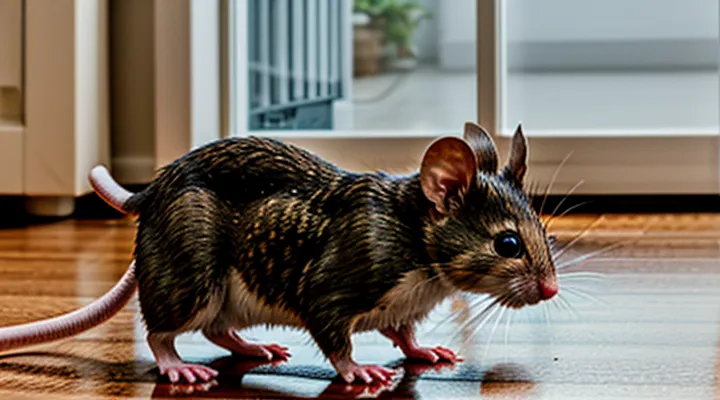
Understanding the Mouse Problem in Apartments
Signs of a Mouse Infestation
Droppings and Urine Trails
Droppings and urine trails provide the most reliable confirmation that rodents occupy an apartment. Fresh pellets are dark, pointed, and typically found along walls, behind appliances, and in hidden corners; older droppings turn grayish and crumble easily. Urine stains appear as amber‑colored smears, often accompanied by a faint, musky odor that intensifies in confined spaces.
These waste products pose serious health risks. Pathogens such as Hantavirus, Salmonella, and Leptospira can survive for weeks in dried feces and urine, contaminating surfaces, food, and air. Inhalation of dust containing microscopic particles from droppings may trigger respiratory irritation or allergic reactions.
Detecting active infestation relies on systematic inspection. Look for:
- Concentrated droppings near food storage, garbage bins, and entry points.
- Darkened pathways where urine has seeped into flooring or insulation.
- Small gnaw marks on wires, wood, or plastic adjacent to droppings.
- Fresh urine odor that intensifies after the apartment is unoccupied.
When cleaning, follow a protocol that eliminates both visible waste and residual pathogens:
- Ventilate the area by opening windows and using fans.
- Wear disposable gloves, a N‑95 respirator, and eye protection.
- Dampen droppings with a 10% bleach solution; avoid dry sweeping to prevent aerosolization.
- Scrub the dampened waste with a disposable brush, then discard the brush and contaminated material in a sealed bag.
- Apply the same bleach solution to urine‑stained surfaces, let it sit for at least five minutes, then rinse with clean water.
- Dispose of all protective gear and wash hands thoroughly after removal of the sealed bag.
Identifying droppings and urine trails also guides targeted control actions. Place snap traps or bait stations directly along confirmed pathways, and seal entry points near these routes to prevent re‑entry. Continuous monitoring of waste deposits confirms whether the population is declining or if additional measures are required.
Gnaw Marks
Gnaw marks are the most reliable visual evidence of a mouse presence in an apartment. They appear as clean, shallow cuts on the edges of wood, plastic, and cardboard, often resembling the bite of a small rodent. The size of the incision—typically 2‑4 mm wide and 5‑10 mm long—matches the incisors of a common house mouse. Identifying these signs early prevents further damage and helps focus control measures on the most active zones.
When gnaw marks are found, follow a systematic approach:
- Inspect all accessible surfaces, paying special attention to cabinets, baseboards, and the underside of appliances.
- Record the location of each mark; clusters indicate a high‑traffic pathway or nesting area.
- Check adjacent areas for additional evidence such as droppings, urine stains, or shredded material.
After mapping the activity, eliminate the source of the problem:
- Seal every opening larger than ¼ inch with steel wool, caulk, or metal flashing to block entry points.
- Remove food sources by storing pantry items in airtight containers and cleaning crumbs from countertops and floors.
- Place snap traps or electronic traps along identified pathways, positioning them perpendicular to the wall with the trigger end facing the gnawed surface.
- Apply a thin layer of petroleum jelly or a commercial rodent deterrent on the gnawed edges; mice avoid sticky or scented surfaces.
Regular monitoring is essential. Re‑inspect the previously marked spots weekly for new gnaw marks. Persistent marks after a month of trapping suggest that the infestation is not fully resolved, requiring additional sealing or professional pest‑management assistance. By treating gnaw marks as actionable data, residents can target interventions precisely, reduce property damage, and achieve lasting rodent control.
Scratching Noises
Scratching noises heard behind walls, in ceilings, or under floors often indicate the presence of rodents. The sound originates from small mammals moving through insulation, gnawing at structural components, or nesting in concealed spaces. Recognizing this auditory clue allows rapid assessment of infestation severity and guides targeted intervention.
When scratching is detected, follow these steps:
- Inspect adjacent areas for droppings, gnaw marks, or shredded material.
- Seal entry points larger than a quarter‑inch with steel wool, caulk, or metal flashing.
- Place snap traps or bait stations along walls where noises are strongest, positioning them perpendicular to the travel route.
- Deploy ultrasonic repellers only after confirming they cover the affected zones; effectiveness varies with wall composition.
- Maintain a clean environment by storing food in sealed containers and removing crumbs that could attract pests.
If the noise persists after initial measures, consider professional pest control to conduct a comprehensive survey, apply rodenticides safely, and perform structural repairs that eliminate hidden pathways. Continuous monitoring of acoustic activity helps verify that the infestation has been eliminated.
Unpleasant Odors
Mice leave behind urine, feces, and dead bodies, all of which generate strong, lingering smells that signal an infestation and attract additional pests. The odor intensifies in confined spaces such as closets, kitchens, and cabinets, where waste accumulates unnoticed. Identifying these scents early helps confirm the presence of rodents and guides the removal process.
To neutralize and prevent unpleasant odors, follow these steps:
- Locate and remove all visible droppings, urine stains, and carcasses using disposable gloves and sealed bags.
- Clean surfaces with a solution of one part bleach to ten parts water, allowing a brief dwell time before rinsing.
- Apply an enzymatic cleaner to porous materials (carpet, upholstery) to break down organic residues that cause odor.
- Place activated charcoal or baking soda in affected rooms to absorb lingering smells.
- Ensure proper ventilation by opening windows and running exhaust fans for several hours after cleaning.
Regular sanitation reduces odor recurrence. Seal food containers, repair cracks, and eliminate entry points to stop mice from re-entering, thereby maintaining a fresh indoor environment.
Why Mice Are Attracted to Apartments
Food Sources
Mice are attracted to readily available nutrition; eliminating these incentives is essential for successful control in a dwelling. Store all edible items in sealed containers made of glass, metal, or heavy‑wall plastic. Do not leave packaged foods open, even if the packaging appears intact.
Maintain a clean kitchen environment. Wipe countertops, stovetops, and tables after each meal. Sweep floors daily to remove crumbs, and vacuum upholstery and corners where residue can accumulate. Dispose of garbage in bins with tight‑fitting lids and empty them before they become full.
Identify and block secondary food sources:
- Pet food: place bowls on elevated platforms, remove leftovers immediately, and store dry feed in airtight containers.
- Birdseed and outdoor produce: keep them in sealed containers or relocate them away from the apartment entrance.
- Compost or recycling bins: use bins with secure lids and keep them in a well‑ventilated area.
Inspect pantry shelves for spillage. If a spill occurs, clean it thoroughly with a detergent solution, then rinse and dry the surface. Replace damaged packaging that could allow rodents to gnaw through.
Finally, schedule regular inspections of cabinets, drawers, and behind appliances. Look for signs of gnaw marks, droppings, or food residues. Promptly address any breach to prevent re‑establishment of a food supply.
Shelter and Warmth
Mice are attracted to apartments that provide easy shelter and consistent warmth. Small gaps around doors, windows, utility penetrations, and baseboards serve as entry points, while cluttered rooms, stored boxes, and unsecured storage create hidden nests where temperature remains stable.
- Inspect the exterior and interior for openings larger than ¼ inch; caulk, steel wool, or metal mesh to close them.
- Remove unnecessary items from closets, under‑sink cabinets, and attic spaces; keep stored materials in sealed plastic containers.
- Trim vegetation and firewood piles near the building to reduce external heat sources that draw rodents toward the structure.
- Maintain indoor temperature within a moderate range; avoid leaving heating devices on continuously in unused areas.
- Install door sweeps and weather stripping to block drafts that provide both entry routes and warmth pockets.
By eliminating these shelter opportunities and regulating ambient heat, the apartment becomes inhospitable, reducing the likelihood of mouse colonization. Continuous monitoring and prompt repair of new gaps sustain the deterrent effect.
Access Points
Mice infiltrate apartments through tiny openings that provide direct routes to food, water, and shelter. Identifying and eliminating these pathways is essential for any lasting control program.
Typical entry locations include:
- Gaps around utility pipes and cables
- Cracks in foundation walls or slab edges
- Openings beneath doors and windows
- Unsealed vent covers and dryer exhausts
- Holes in cabinets, baseboards, and wall studs
- Openings around refrigerator, dishwasher, and other appliances
A systematic inspection involves visual checks, flashlight probing, and tactile assessment with a thin rod or wire. Measure each opening; any dimension larger than ¼ inch can admit a mouse.
Seal identified gaps using appropriate materials: steel wool or copper mesh for irregular spaces, followed by expanding foam or caulk for a durable barrier; metal flashing or hardware cloth for larger holes. Apply sealant after cleaning debris and ensuring surfaces are dry.
Regular maintenance prevents new access points. Re‑inspect after renovations, moving furniture, or seasonal changes. Replace damaged weather stripping, repair cracked plaster, and keep exterior vegetation trimmed to reduce pressure against building walls.
By rigorously locating, measuring, and sealing all potential entry routes, an apartment can be made inhospitable to rodents, supporting the overall effectiveness of any mouse‑removal strategy.
Prevention: Sealing Your Apartment Against Mice
Identifying Entry Points
Cracks and Holes in Walls
Cracks and holes in walls provide direct entry points for mice, allowing them to infiltrate an apartment unnoticed. Even gaps as small as a quarter inch can accommodate a rodent, making thorough inspection essential before implementing control measures.
Identify all openings by examining baseboards, corners, and areas where utilities penetrate walls. Use a flashlight to reveal hidden fissures behind furniture and appliances. Mark each defect with a piece of tape to ensure none are missed during remediation.
Seal identified gaps using materials that resist gnawing and weathering:
- Steel wool tightly packed into the opening, followed by a layer of caulk.
- Expanding polyurethane foam for larger voids, applied in thin layers to avoid excess pressure.
- Cement-based patch for cracks wider than half an inch, smoothed and allowed to cure fully.
- Metal flashing around pipe sleeves and vent openings, secured with screws and sealed with silicone.
After sealing, verify integrity by running a thin piece of string through each repaired area; any movement indicates insufficient closure. Re‑inspect periodically, especially after seasonal temperature changes, to detect new fissures caused by building settlement.
Maintaining a sealed wall envelope eliminates the most common pathway for mouse intrusion, enhancing the effectiveness of any additional control strategies employed within the residence.
Gaps Around Pipes and Vents
Mice enter apartments through tiny openings that surround plumbing and ventilation systems. Even a gap as narrow as a pencil lead provides a viable passage, especially when the building settles or when pipe sleeves shift over time.
Inspect all visible pipe penetrations in kitchens, bathrooms, and utility closets. Use a flashlight and a thin, flexible probe to detect spaces between the pipe and the surrounding wall or floor. Pay special attention to vent shafts, dryer exhausts, and bathroom fans, as these conduits often extend to the exterior wall.
Seal identified openings with materials that resist gnawing. Recommended options include:
- Steel wool packed tightly into the gap, then covered with expanding polyurethane foam for added rigidity.
- Copper mesh or hardware cloth (½‑inch openings) clamped around the pipe, followed by caulk to eliminate residual cracks.
- Cement‑based sealant or mortar for larger gaps around concrete walls, applied in multiple layers to ensure a solid barrier.
For vent openings that lead directly outdoors, install a metal vent cover equipped with a fine mesh screen. Ensure the screen is securely fastened and inspect it regularly for damage.
After sealing, monitor the area for signs of activity—droppings, gnaw marks, or new pathways. Re‑apply sealant promptly if any deterioration appears, because mice can quickly exploit renewed gaps.
Maintaining a sealed perimeter around all pipe and vent penetrations reduces the likelihood of re‑infestation and supports long‑term rodent control in an apartment setting.
Openings Under Doors and Around Windows
Openings beneath doors and around window frames provide direct pathways for rodents to enter living spaces. Mice can squeeze through gaps as small as ¼ inch; even minimal clearances allow access to food, shelter, and nesting material.
Identify all potential entry points by feeling for drafts, using a flashlight to spot gaps, and inspecting the perimeter of each door and window. Common locations include:
- Space between the door bottom and the floor, especially on carpeted or uneven surfaces.
- Gaps around window sashes, where the frame meets the wall or the exterior trim.
- Cracks surrounding sliding or casement windows, including the track and weather‑stripping.
- Openings around vent covers, utility penetrations, and electrical boxes adjacent to doors or windows.
Seal identified gaps with appropriate materials:
- Install door sweeps or brush strips that contact the floor when the door closes. Choose metal or heavy‑duty vinyl for durability.
- Apply silicone or acrylic caulk to close cracks around window frames. For larger openings, use expanding foam insulation followed by a layer of caulk.
- Fit weather‑stripping around movable window panels. Ensure the strip compresses fully when the window is shut.
- Cover vent openings with fine‑mesh hardware cloth (¼‑inch or smaller) secured with screws or staples.
Regularly inspect sealed areas for wear, especially after cleaning or moving furniture. Replace damaged sweeps, reapply caulk, and tighten fasteners to maintain an impenetrable barrier. By eliminating these entry routes, the likelihood of mouse intrusion drops dramatically, supporting long‑term control without reliance on traps or poisons.
Sealing Techniques and Materials
Steel Wool and Caulk
Steel wool and caulk form a reliable barrier against rodent intrusion in apartment units. The material’s dense fibers prevent mice from gnawing through, while caulk seals gaps that steel wool alone cannot close.
- Choose 4‑mm or thicker steel wool for openings around pipes, vents, and wall seams.
- Pack the wool tightly, ensuring no visible space remains.
- Apply a bead of silicone or acrylic caulk over the packed wool, smoothing it to create a continuous seal.
The combination works because mice can chew through softer substances but cannot penetrate tightly packed metal fibers. Caulk adheres the wool to surrounding surfaces, protecting it from displacement by vibration or minor settlement.
When sealing larger holes (e.g., a 1‑inch gap), first insert a strip of steel wool that fills the opening, then reinforce the area with a minimum ¼‑inch layer of caulk. This layered approach eliminates the need for additional hardware such as metal plates or mesh.
Precautions: wear gloves to avoid irritation from steel wool; ensure the area is dry before applying caulk, as moisture can weaken adhesion. Replace the seal if it shows signs of wear, rust, or detachment.
Integrating steel wool and caulk with routine inspection—checking for new cracks after renovations or seasonal temperature changes—maintains a mouse‑proof environment without recurring infestations.
Expanding Foam Sealant
Expanding foam sealant provides a durable barrier that blocks the tiny openings through which mice infiltrate an apartment. When applied to gaps around pipes, vent ducts, and foundation cracks, the foam expands to fill irregular spaces, creating a seamless seal that rodents cannot chew through.
Key advantages of using expanding foam for rodent exclusion:
- Immediate coverage of irregular cracks and holes
- Strong adhesion to wood, concrete, and metal surfaces
- Resistance to moisture and temperature fluctuations
- Quick curing time, typically within minutes
To apply the sealant effectively:
- Identify all potential entry points, focusing on areas near the kitchen, bathroom, and utility rooms.
- Clean surfaces of dust and debris to ensure proper adhesion.
- Insert the foam canister nozzle into the gap, dispensing a modest amount; the material will expand to fill the void.
- Allow the foam to cure fully, then trim excess with a utility knife for a smooth finish.
- Inspect the sealed areas periodically to confirm the barrier remains intact.
By sealing entry routes with expanding foam, the apartment becomes less accessible to mice, reducing the likelihood of infestation without the need for chemical baits or traps.
Door Sweeps and Weatherstripping
Door sweeps and weatherstripping create a physical barrier that blocks the narrow gaps around entry doors, preventing mice from slipping indoors. Install a brush‑type sweep on the bottom of each exterior door; the bristles should contact the floor without dragging. Choose a sweep made of durable material such as silicone or stainless‑steel fibers to withstand repeated use.
Apply weatherstripping to the door frame’s vertical and horizontal seams. Select a self‑adhesive foam or rubber strip that compresses when the door closes, sealing any openings larger than a quarter inch. Replace worn strips regularly, as mouse activity can quickly degrade soft materials.
Implementation checklist
- Measure the door width and height to purchase correctly sized sweeps.
- Cut the sweep to length, leaving a slight overlap at the ends.
- Clean the door bottom and frame with alcohol to ensure adhesion.
- Peel backing from the weatherstripping, press firmly along the jamb, and trim excess.
- Test closure; the door should close snugly without gaps visible to the eye.
- Inspect monthly for damage or displacement and reinstall as needed.
Humane Trapping and Removal Methods
Live Traps
Baiting Strategies
Effective mouse control in an apartment relies heavily on well‑planned baiting. Selecting the right attractant and positioning it correctly determines whether a trap will capture a rodent or be ignored. Choose baits that appeal to the species’ preferences: high‑protein foods such as peanut butter, dried fruit, or small pieces of meat work best. Pair each bait with a trap type that matches the environment and safety requirements.
- Snap traps loaded with a pea‑size amount of peanut butter or canned tuna; place along walls, behind appliances, and near suspected entry points.
- Glue boards coated with a thin layer of cheese or chocolate; locate in concealed corners where pets and children cannot reach.
- Poison baits encased in tamper‑resistant stations; distribute in areas inaccessible to non‑target animals, following local regulations.
- Live‑capture traps baited with seeds or fruit; set near active runways and release captured mice at least one mile from the dwelling.
- Natural attractants such as dried catnip or powdered cinnamon; sprinkle sparingly on trap surfaces to increase detection.
Rotate bait types every few days to prevent habituation. Inspect traps daily, dispose of captured rodents promptly, and reset with fresh bait. Maintain a clean environment by sealing food containers, removing crumbs, and repairing gaps in walls or flooring to reduce future infestations.
Proper Placement
Effective mouse control depends on positioning devices where rodents are most active. Identify high‑traffic zones by inspecting droppings, gnaw marks, and food residues. Install snap traps or electronic devices directly along these pathways, typically within 12‑18 inches of walls, because mice travel close to surfaces. Place bait stations perpendicular to the wall, with the bait facing the wall, to encourage entry.
Avoid clutter that blocks access. Keep traps at least 2 inches away from furniture legs, cords, or other obstructions that could prevent a mouse from reaching the lure. In kitchens, position devices behind appliances, beneath sinks, and inside cabinets where crumbs accumulate. In living areas, target gaps around baseboards, door frames, and utility openings.
Distribute multiple devices to cover a radius of 10‑15 ft around each identified hotspot. If using multiple stations, stagger placement to prevent competition between traps. Replace or reset each unit after a capture or after 48 hours without activity to maintain effectiveness. Regularly reassess locations, moving devices toward newly detected activity zones, to sustain pressure on the infestation.
Safe Release Locations
When live‑trapping mice, relocate them far enough to prevent return. A minimum distance of three miles from the apartment reduces the likelihood of the animal finding its way back and limits the chance of neighbors encountering an unwanted rodent.
Choose release sites that offer shelter, food sources, and natural predators, while complying with local wildlife regulations. The area should be away from human dwellings, schools, and food‑processing facilities. Verify that the location permits the release of captured wildlife; many municipalities require permits or designate specific zones.
- Open field or meadow at least three miles from any residential building
- Forest edge with dense underbrush, providing cover and foraging opportunities
- Agricultural land where crops are not stored for human consumption
- Municipally approved wildlife sanctuary or nature preserve that allows temporary releases
Transport the mouse in a secure, ventilated container with a lid that prevents escape. Release the animal during daylight hours to increase visibility and reduce predation risk. After release, disinfect the trap and surrounding area to eliminate scent trails that could attract other rodents. Follow local ordinances regarding the handling and disposal of captured wildlife to avoid legal repercussions.
Snap Traps
Choosing the Right Bait
Choosing the appropriate bait determines the success of any rodent‑control program in an apartment. Effective bait must attract mice, be safe for occupants, and remain potent long enough to be discovered. Select a product that matches the species’ dietary preferences and the living environment’s constraints.
Common bait categories include:
- Peanut butter – strong odor, high fat content; works well in sealed snap traps and live‑catch cages.
- Commercial rodent blocks – pre‑formulated with grain, cheese, or fish flavors; often contain anticoagulant or non‑anticoagulant toxins for lethal traps.
- Dry cat food – inexpensive, appealing to omnivorous rodents; suitable for use in bucket or glue board setups.
- Fruit puree – attractive to mice seeking sugars; effective in bait stations that limit access to children and pets.
When evaluating bait options, consider the following criteria:
- Palatability – choose a flavor that outcompetes alternative food sources found in the unit.
- Stability – prefer formulations that resist drying or spoilage under typical indoor humidity and temperature.
- Safety – use tamper‑resistant containers or bait stations to prevent accidental ingestion by non‑target species.
- Regulatory compliance – verify that the product meets local pest‑control regulations and labeling requirements.
Placement strategy influences bait performance. Position traps along walls, behind appliances, and near known gnawing marks. Maintain a spacing of 2–3 feet between devices to cover the typical travel path of mice. Replace bait every 2–3 days, or sooner if it becomes contaminated.
Recording bait type, location, and capture results supports ongoing assessment. Adjust the selection if mice avoid a particular flavor, and rotate between at least two bait varieties to prevent bait fatigue. Consistent monitoring, combined with the right bait, yields rapid population reduction while minimizing risk to residents.
Strategic Placement
Strategic placement of control devices determines the success of mouse elimination in a residential unit. Identify high‑traffic routes by inspecting walls, cabinets, and appliances for gnaw marks, droppings, or grease trails. Position traps and bait stations directly along these pathways, typically within 12–18 inches of the observed activity.
- Place snap traps perpendicular to the wall, with the trigger end facing the wall, allowing mice to run past and trigger the device.
- Deploy bait stations in concealed corners of kitchens, pantries, and utility rooms, ensuring they are at least six inches from any food preparation surface.
- Install ultrasonic repellents or exclusion doors at entry points such as vent openings, utility chases, and gaps around pipes; locate them at the exact point of breach.
- Use glue boards or live‑catch traps near baseboards and behind appliances where mice tend to travel along concealed routes.
- Position monitoring devices (e.g., motion‑activated cameras) at suspected junctions to verify activity and adjust placements accordingly.
Rotate trap locations weekly to prevent habituation. Replace bait and reset devices after each capture to maintain pressure on the population. Continuous observation and timely repositioning sustain effectiveness and accelerate eradication.
Safety Precautions
When tackling a rodent infestation in a flat, safety must precede efficacy. Protective equipment shields both the resident and the environment from hazards associated with traps, poisons, and cleaning agents.
Wear disposable gloves to prevent direct contact with rodent droppings, urine, and any toxic substances. Pair gloves with a face mask rated for particulate matter to avoid inhaling allergens or dust generated during inspection and removal. If using snap or electric traps, keep hands away from the striking mechanism; handle traps only when set and secured.
Bait placement demands caution. Store rodenticides in their original containers, away from food preparation areas, and out of reach of children and pets. Consider tamper‑proof bait stations that limit accidental exposure. After positioning, monitor stations daily and replace only with fresh bait, discarding used material in sealed bags.
Ventilation reduces the concentration of airborne contaminants. Open windows or use a fan when cleaning droppions or applying disinfectants. Choose disinfectants compatible with indoor air quality standards; follow manufacturer instructions for dilution and contact time.
Disposal of dead rodents and contaminated materials must follow local regulations. Seal carcasses, contaminated bedding, and trap components in double‑layered bags before placing them in an outdoor trash receptacle. Wash hands thoroughly after removal, even when gloves were worn.
Maintain a clean living space to minimize future risks. Store food in sealed containers, promptly clean crumbs, and repair structural entry points. Regular inspection of stored food, waste bins, and trap locations ensures ongoing safety.
Key precautions
- Gloves, mask, and eye protection during all handling.
- Keep bait and traps inaccessible to non‑target occupants.
- Use tamper‑proof bait stations whenever possible.
- Ensure adequate ventilation while cleaning and applying chemicals.
- Seal and dispose of waste according to municipal guidelines.
- Perform post‑treatment hygiene: hand washing, surface sanitizing, and equipment decontamination.
Non-Lethal Deterrents and Repellents
Natural Repellents
Peppermint Oil
Peppermint oil is a natural repellent that interferes with the olfactory receptors of rodents. The strong menthol scent masks food odors and creates an environment mice find hostile.
Application guidelines:
- Dilute 10–15 drops of peppermint essential oil in 250 ml of water. Add a few teaspoons of alcohol or vinegar to improve dispersion.
- Soak cotton balls in the solution and place them near entry points, behind appliances, and inside cabinets where mouse activity is observed.
- Replace cotton balls every 3–4 days to maintain potency.
- For larger areas, fill a spray bottle with the diluted mixture and mist floor seams, baseboards, and pipe openings twice daily for the first week, then reduce to twice weekly.
Effectiveness factors:
- Concentration above 15 % loses aromatic intensity; lower concentrations fail to deter.
- Direct contact with surfaces prevents rapid evaporation.
- Continuous exposure is required; a single application provides only temporary relief.
Safety considerations:
- Keep oil away from children and pets; ingestion can cause gastrointestinal irritation.
- Test a small, hidden area for material compatibility before widespread use.
- Do not apply undiluted oil to wood or painted surfaces, as it may cause discoloration.
Limitations:
- Peppermint oil does not eliminate established infestations; it works best as a preventive measure or in conjunction with traps.
- Severe infestations demand professional extermination methods.
Dryer Sheets
Dryer sheets are frequently mentioned as a low‑cost option for discouraging rodents in a rental dwelling. The strong fragrance and residual chemicals create an environment that mice find unpleasant, prompting them to avoid treated areas.
The deterrent effect relies on two factors. First, the scent—often a blend of citrus, lavender, or artificial fragrance—overwhelms a mouse’s sensitive olfactory system. Second, the fabric softener compounds left on the sheet can irritate the animal’s skin and respiratory passages, reinforcing avoidance behavior.
To apply dryer sheets effectively, follow these steps:
- Place a sheet behind each appliance, under the sink, and in any gap where mouse activity has been observed.
- Replace the sheet every three to five days to maintain scent potency.
- Keep sheets away from food preparation surfaces to prevent contamination.
Results vary; dryer sheets may reduce minor incursions but rarely eliminate an established infestation. Their advantage lies in ease of use and minimal expense, while drawbacks include limited reach and potential irritation to humans with sensitivities. For reliable control, combine dryer sheets with sealing entry points, proper sanitation, and, if necessary, professional extermination.
Apple Cider Vinegar
Apple cider vinegar (ACV) is a low‑cost, low‑toxicity option for deterring mice in residential units. Its strong, acidic odor disrupts the rodents’ scent trails, causing them to avoid treated areas.
Application guidelines
- Dilute ACV with water in a 1:1 ratio.
- Soak cotton balls or cloth strips in the solution.
- Place the saturated material in corners, behind appliances, and near known entry points.
- Replace the soaked items every 48 hours to maintain potency.
Effectiveness is limited to prevention and minor infestations; ACV does not kill mice. For larger populations, combine ACV treatment with sealing gaps, traps, and professional pest‑management services. Regular monitoring ensures the acetate barrier remains active and supports an integrated control strategy.
Ultrasonic Repellents
How They Work
Understanding the mechanism behind each rodent‑control technique is essential for reliable results in an apartment setting.
-
Snap traps: A spring‑loaded bar stores kinetic energy; when a mouse contacts the trigger plate, the bar releases, delivering an instantaneous, lethal force to the skull. The rapid action prevents escape and limits trauma to surrounding areas.
-
Glue boards: Adhesive surfaces create a strong bond with the mouse’s feet and tail. The animal cannot generate enough traction to free itself, leading to immobilization and eventual death from dehydration or exhaustion.
-
Electronic traps: A high‑voltage circuit charges a capacitor. Upon detection of a mouse’s presence via a pressure sensor, the circuit discharges, delivering a fatal electric shock within milliseconds. The device then resets for subsequent captures.
-
Bait stations: Enclosed containers hold anticoagulant or acute toxic pellets. Mice ingest the poison, which interferes with blood clotting or disrupts vital organ function. The sealed design prevents non‑target species from accessing the bait while allowing rodents to enter unnoticed.
-
Ultrasonic repellents: Emit sound waves above 20 kHz, a frequency range inaudible to humans but uncomfortable for rodents. The continuous exposure creates a hostile acoustic environment, prompting mice to vacate the area.
-
Sealing entry points: Applying steel wool, caulk, or metal mesh blocks gaps around pipes, vents, and cracks. By eliminating access routes, the infestation source is cut off, preventing new individuals from entering.
-
Predator scents: Dispersing urine or glandular extracts from natural mouse predators triggers a fear response. The olfactory cue signals danger, reducing the likelihood of mice remaining in the treated space.
-
Natural deterrents: Sprinkling peppermint oil, cayenne pepper, or ammonia creates strong odors that mice find aversive. Repeated exposure discourages habitation without chemicals.
Each method relies on a distinct physiological or behavioral disruption, allowing occupants to select the most appropriate approach based on safety, convenience, and effectiveness.
Limitations and Effectiveness
Effective mouse control in an apartment depends on the specific method’s reach, durability, and safety. Each approach carries inherent constraints that influence its overall success.
-
Snap traps: Immediate kill; high effectiveness when placement targets active runways. Limitation: Requires regular inspection; risk of accidental injury to occupants or pets; limited to a few capture points per unit.
-
Electronic traps: Delivers rapid lethal voltage; reusable and odor‑free. Limitation: Higher upfront cost; effectiveness drops if bait is not refreshed; may not work on mice that avoid contact with the trigger plate.
-
Glue boards: Passive capture; useful for monitoring activity. Limitation: Considered inhumane by many; mice can escape if not checked frequently; glue loses adhesion in humid environments, reducing reliability.
-
Live‑catch traps: Allows relocation; no immediate killing. Limitation: Requires prompt release far from the building; stress to captured animals; repeated use may lead to trap avoidance.
-
Poison baits: Broad coverage; can eliminate hidden populations. Limitation: Secondary poisoning risk to pets and children; mice may develop bait aversion; regulatory restrictions may limit availability.
-
Exclusion sealing: Closing entry points with steel wool, caulk, or hardware cloth. Limitation: Time‑intensive installation; hidden cracks may remain undetected; effectiveness hinges on thoroughness of the seal.
-
Ultrasonic emitters: Claims to repel rodents with high‑frequency sound. Limitation: Scientific evidence shows inconsistent results; sound does not penetrate walls, leaving pockets of untreated space; devices may lose potency over time.
Overall, no single technique guarantees complete eradication. Combining multiple methods—such as sealing entryways, deploying snap traps in high‑traffic zones, and using targeted bait—produces the most reliable outcome. Continuous monitoring and prompt maintenance are essential to sustain control and prevent re‑infestation.
Keeping a Clean Environment
Food Storage Best Practices
Secure food storage is essential for preventing rodent activity in a residential unit. Mice locate sustenance quickly; eliminating accessible food sources removes the primary incentive for infestation.
- Store dry goods in airtight containers made of hard plastic, glass, or metal with sealed lids. Verify that seams and closures remain intact after each use.
- Transfer opened packages to secondary containers within 24 hours. Discard any packaging that shows tears or punctures.
- Keep pantry shelves clear of crumbs and spills. Wipe surfaces with a damp cloth after each meal preparation.
- Refrigerate or freeze perishable items promptly. Maintain refrigerator temperatures at or below 4 °C (40 °F) to inhibit spoilage.
- Dispose of waste in bins equipped with tight‑fitting lids. Empty trash daily and place bags in an outdoor dumpster or sealed container.
- Position pet food in sealed containers and remove leftovers after feeding. Avoid leaving bowls on the floor overnight.
- Conduct regular inspections for signs of gnawing or contamination. Replace compromised containers immediately.
Implementing these practices reduces food availability, thereby decreasing the likelihood of mouse attraction and supporting long‑term rodent management in an apartment setting.
Regular Cleaning and Decluttering
Regular cleaning removes food residues that attract rodents. Every spill, crumb, or open food package creates a scent trail that mice follow to locate nourishment. By wiping countertops, sweeping floors, and disposing of waste in sealed containers each night, you eliminate the primary incentive for infestation.
Decluttering reduces hiding places. Stacks of newspapers, cardboard boxes, and unused clothing provide shelter and nesting material. Keeping storage areas organized and limiting floor‑level items forces mice to seek shelter elsewhere, making detection and removal easier.
Practical steps:
- Store pantry items in airtight containers; label and rotate stock regularly.
- Vacuum carpets and rugs daily; empty the vacuum bag into a sealed trash bag.
- Remove pet food after each feeding; clean bowls with hot, soapy water.
- Dispose of garbage weekly; use bins with tight‑fitting lids.
- Consolidate belongings; place items on shelves rather than the floor.
- Seal cracks and gaps in walls, baseboards, and around pipes to block entry points.
Consistent application of these measures lowers the likelihood of a mouse population establishing itself, supporting any additional control methods you may employ.
When to Call Professional Pest Control
Signs of a Severe Infestation
A severe mouse infestation in a flat manifests through unmistakable indicators that demand immediate action.
- Large quantities of dark, pellet‑shaped droppings scattered across countertops, cabinets, and floorboards.
- Extensive gnaw marks on wiring, furniture, and structural wood, often accompanied by shredded insulation.
- Persistent scratching or scurrying sounds, especially at night, emanating from walls, ceilings, or hidden cavities.
- Visible nests composed of shredded paper, fabric, or dried food, typically located in concealed areas such as behind appliances or inside wall voids.
- Noticeable damage to food packaging, with small holes and contaminated contents.
- Presence of multiple live or dead mice, suggesting a breeding population has established.
These signs confirm that the rodent population has exceeded a manageable level, indicating that conventional traps or repellents alone will be insufficient. Prompt implementation of comprehensive control measures, including professional extermination and thorough sanitation, becomes essential to eliminate the threat and prevent further property damage.
Ineffectiveness of DIY Methods
DIY attempts often fall short when confronting a mouse infestation in a rental unit. Homemade traps lack the reliability of professionally designed devices, resulting in inconsistent capture rates. Adhesive boards can become saturated with debris, rendering them ineffective after a few uses, while poison baits placed without proper placement guidelines may be easily avoided by rodents.
Common DIY solutions and their limitations:
- Snap traps made from improvised materials – insufficient spring tension leads to missed strikes; placement without knowledge of rodent pathways reduces success.
- Homemade ultrasonic emitters – frequency ranges fail to penetrate walls and furniture, allowing mice to remain undisturbed.
- DIY peppermint oil sprays – volatile compounds evaporate quickly, providing only temporary deterrence; rodents quickly habituate to the scent.
- Improvised sealing with caulk or foam – gaps around pipes and vents often require specialized expanding foams; amateur application leaves micro‑cracks that mice exploit.
Professional methods address these shortcomings through calibrated trap mechanisms, strategically positioned bait stations, and comprehensive sealing techniques that eliminate entry points. Relying on untested home remedies typically prolongs the problem and increases the risk of property damage.
Health Concerns and Risks
Mice introduce a range of pathogens that can compromise indoor health. They carry Hantavirus, which may cause severe respiratory illness; Salmonella and E. coli, leading to gastrointestinal infection; and Leptospira, responsible for leptospirosis, a disease affecting kidneys and liver. Their droppings and urine also contain allergens that trigger asthma and other respiratory sensitivities, especially in children and the elderly.
Contamination of food supplies occurs when rodents gnaw packaging or leave fecal matter on surfaces. This creates an environment for bacterial growth, increasing the risk of food‑borne illness. Moreover, mice chew electrical wiring, potentially causing short circuits or fire hazards that pose additional safety threats.
Control measures introduce secondary risks. Rodenticides, if mishandled, can cause accidental poisoning of pets, children, or non‑target wildlife. Mechanical traps may injure users when improperly set or when they release captured animals unexpectedly. Proper placement, secure disposal of carcasses, and use of bait stations designed to limit access are essential to mitigate these dangers.
Effective mitigation requires an integrated approach: sealing entry points, maintaining strict sanitation, and selecting control tools that minimize exposure to toxic substances. Regular monitoring ensures that any resurgence is detected early, reducing the likelihood of health‑related complications.