
Traditional Practices and Survival
Famine and Necessity
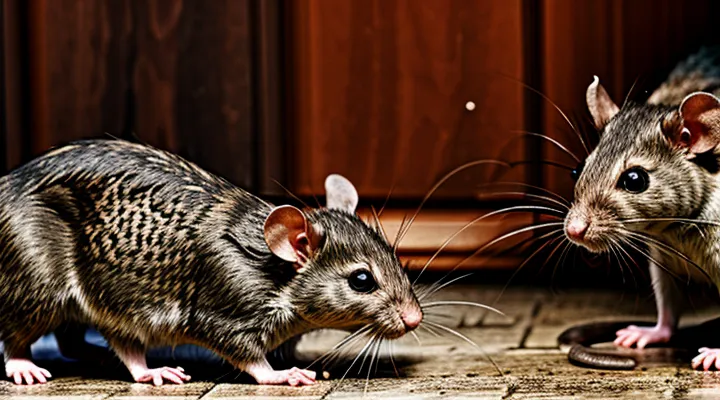
Throughout recorded history, extreme scarcity has forced societies to expand their dietary boundaries. When conventional crops fail and livestock become unavailable, small mammals such as rats and mice have been harvested for survival. Archaeological evidence from famine periods in medieval Europe and wartime China shows systematic capture, preparation, and consumption of these rodents, often documented in official ration reports.
Nutritionally, wild rodents provide protein levels comparable to domestic poultry, with average muscle tissue containing 20 % protein, 5 % fat, and essential micronutrients such as iron, zinc, and B‑complex vitamins. Their rapid reproductive cycles ensure a renewable source when other food stocks are depleted.
Health considerations demand thorough processing. Rodents commonly carry pathogens—hantavirus, leptospira, and parasitic worms—that survive unless meat is cooked to internal temperatures of at least 71 °C (160 °F). Traditional methods, including boiling, roasting, or stewing, effectively reduce microbial load when applied consistently.
Cultural acceptance varies. In regions where rodents are regarded as pests, consumption may carry stigma, yet survival contexts override taboo. Governmental relief agencies have occasionally included rodent meat in emergency food packages, citing its availability and nutritional value.
Practical guidance for emergency use includes:
- Capture live specimens using traps or manual collection.
- Remove internal organs and wash thoroughly.
- Cook for a minimum of 15 minutes at boiling temperature.
- Store cooked portions in airtight containers for up to 48 hours in cool conditions.
When famine persists, integrating rodent protein can sustain populations until agricultural production resumes or external aid arrives. The practice aligns with documented survival strategies and fulfills essential dietary requirements under duress.
Indigenous Cuisines
Indigenous culinary traditions across several regions incorporate small rodents such as rats and mice as regular protein sources. In parts of Southeast Asia, the bamboo rat is prepared by grilling, steaming, or stewing, often accompanied by local herbs. In the Amazon basin, certain Indigenous groups hunt forest mice, drying them for preservation or roasting them over open fire. Among the Inuit, the Arctic lemming—though technically a mouse relative—has historically been consumed during seasonal shortages.
Nutritional analysis of these species shows high protein content, essential amino acids, and micronutrients comparable to conventional livestock. Fat levels vary by species and habitat, with some rodents offering low‑fat options suitable for calorie‑restricted diets. Vitamin B12 and iron concentrations often meet or exceed those found in domesticated meat.
Health considerations focus on proper handling and cooking. Adequate heat treatment eliminates common parasites and bacterial pathogens such as Salmonella and Leptospira. Traditional preparation methods, refined over generations, typically involve thorough cleaning, removal of internal organs, and cooking until internal temperature reaches at least 71 °C (160 °F).
Legal and ethical perspectives differ by jurisdiction. Some countries classify wild rodents as protected wildlife, restricting harvest, while others permit regulated collection for subsistence. Cultural acceptance remains strong within communities that maintain these practices, reflecting a continuity of knowledge passed through oral tradition.
Nutritional Aspects of Rodent Meat
Protein and Micronutrient Content
Rats and mice provide a dense source of animal protein. Raw muscle tissue contains approximately 20 g of protein per 100 g, comparable to pork and chicken. The protein includes all essential amino acids, with leucine (1.6 g), lysine (1.4 g), and valine (1.2 g) per 100 g serving. Digestibility scores exceed 90 % in controlled feeding trials, indicating high bioavailability.
Micronutrient concentrations in rodent flesh are notable:
- Iron: 2.5 mg per 100 g, supporting hemoglobin synthesis.
- Zinc: 3.0 mg per 100 g, essential for enzymatic activity.
- Selenium: 30 µg per 100 g, a cofactor for antioxidant enzymes.
- Vitamin B12: 2.5 µg per 100 g, required for neurological function.
- Riboflavin (B2): 0.4 mg per 100 g, involved in energy metabolism.
- Niacin (B3): 6 mg per 100 g, contributes to DNA repair.
These values reflect averages from domesticated strains raised on balanced diets; wild specimens may exhibit higher variability due to seasonal foraging patterns. The nutrient profile positions rodent meat as a viable protein source in contexts where conventional livestock are unavailable or impractical.
Potential Health Benefits
Rodent meat has been a dietary component in several regions, offering a source of high‑quality protein comparable to conventional livestock. Average muscle tissue contains 18–22 g of protein per 100 g, with a complete amino‑acid profile that includes lysine and methionine, nutrients often limited in plant‑based diets.
Key micronutrients present in rat and mouse meat include:
- Iron levels of 2–3 mg per 100 g, supporting hemoglobin synthesis.
- Vitamin B12 concentrations of 2–4 µg per 100 g, essential for neurological function.
- Zinc content of 3–5 mg per 100 g, contributing to immune competence.
- Selenium amounts of 30–45 µg per 100 g, providing antioxidant protection.
The fatty‑acid composition features a moderate proportion of polyunsaturated fats, including omega‑3 and omega‑6 acids, which can aid cardiovascular health when consumed in balanced ratios. Bioactive peptides released during cooking have demonstrated antihypertensive activity in preliminary studies, suggesting additional therapeutic potential.
From an environmental perspective, rodent farming requires less land and feed than cattle or swine production, resulting in lower greenhouse‑gas emissions per kilogram of edible protein. The rapid reproductive cycle of these species enables efficient protein turnover, making them a viable option for food‑security initiatives in resource‑constrained settings.
Risks and Concerns Associated with Eating Rodents
Eating rodents carries several health hazards. Wild rats and mice harbor pathogens that can cause severe illness in humans. Common agents include:
- Bacterial infections: Salmonella, Leptospira, and Yersinia pestis can be transmitted through contaminated meat or contact with bodily fluids.
- Viral diseases: Hantavirus, Lassa fever, and certain arenaviruses are associated with rodent exposure and may lead to respiratory or hemorrhagic syndromes.
- Parasitic infestations: Toxoplasma gondii, Trichinella spiralis, and various tapeworms can survive in rodent tissue, posing risks of gastrointestinal and systemic disease.
- Chemical contaminants: Rodents often ingest heavy metals, pesticides, and rodenticides; these substances accumulate in muscle and organs, potentially causing toxicity after consumption.
Legal frameworks frequently restrict or prohibit the sale and preparation of rodent meat. Regulatory agencies classify many rodent species as pests, limiting their use in food production and imposing penalties for non‑compliance. Cultural norms in many societies regard rodents as unclean, influencing market acceptance and consumer confidence.
Mitigation strategies include sourcing rodents from controlled breeding programs, applying rigorous veterinary inspection, and employing thorough cooking methods that reach internal temperatures of at least 74 °C (165 °F). Decontamination of processing equipment, regular testing for pathogens, and adherence to food safety standards reduce, but do not eliminate, residual risk.
Disease Transmission
Zoonotic Diseases
Rodent consumption introduces pathogens that readily cross species barriers, creating direct threats to human health. Many bacteria, viruses, and parasites have been isolated from wild and domesticated rats and mice, and they can survive the cooking process if temperatures are insufficient.
Key zoonotic agents linked to eating these mammals include:
- Leptospira spp. – causes leptospirosis; transmitted through contaminated meat juices or handling of raw tissue.
- Salmonella spp. – leads to gastroenteritis; persists in the gastrointestinal tract of rodents and can survive brief cooking.
- Hantavirus – responsible for hemorrhagic fever with renal syndrome; aerosolized particles from dried meat or blood present a risk.
- Yersinia pestis – the plague bacterium; can be present in lymph nodes and blood, posing a severe infection risk if ingested or handled.
- Toxoplasma gondii – causes toxoplasmosis; tissue cysts survive in undercooked meat.
- Trichinella spp. – induces trichinosis; larvae reside in muscle tissue and remain viable unless meat reaches proper internal temperature.
Transmission pathways extend beyond ingestion. Direct contact with raw carcasses, cross‑contamination of kitchen surfaces, and exposure to aerosolized fluids during preparation all contribute to infection. The likelihood of disease varies with rodent source, hygiene practices, and cooking methods. Wild-caught specimens carry higher pathogen loads than laboratory‑raised animals, yet even the latter can harbor asymptomatic infections.
Mitigation strategies focus on:
- Sourcing rodents from controlled, disease‑free environments.
- Applying rigorous sanitation to all utensils and surfaces.
- Cooking meat to an internal temperature of at least 71 °C (160 °F) for a minimum of three minutes.
- Employing protective gloves and masks during handling and preparation.
- Conducting post‑mortem inspections for visible lesions or abnormal tissue.
Failure to implement these measures elevates the probability of severe, sometimes fatal, illnesses. Consequently, the health implications of consuming rats and mice are dominated by the presence of zoonotic pathogens, making the practice a high‑risk dietary choice.
Parasites
Rats and mice commonly carry a range of parasites that pose health risks when the animals are consumed. These organisms include helminths, protozoa, and ectoparasites, each capable of causing disease in humans.
Helminths frequently found in rodents are:
- Trichinella spiralis – muscle‑encysting nematode that can survive in undercooked meat.
- Taenia spp. – tapeworms whose larvae develop in rodent tissues.
- Hymenolepis nana – dwarf tapeworm transmitted through ingestion of infected tissue.
Protozoan parasites associated with rodents include:
- Toxoplasma gondii – causes toxoplasmosis; tissue cysts persist in muscle and brain.
- Giardia duodenalis – intestinal flagellate that can be present in rodent feces and contaminate meat during handling.
- Cryptosporidium spp. – oocysts resistant to many disinfectants, capable of surviving in moist environments.
Ectoparasites such as fleas, mites, and lice may carry bacterial agents (e.g., Yersinia pestis, Rickettsia spp.) that can be transferred to humans through skin lesions created during butchering.
Risk mitigation relies on thorough cooking. Internal temperatures of at least 71 °C (160 °F) for a minimum of three minutes reliably inactivate most helminth larvae and protozoan cysts. Freezing at –20 °C for 72 hours reduces Trichinella viability but does not affect all parasites. Hygienic processing—removing gastrointestinal tracts, washing meat with clean water, and avoiding cross‑contamination—limits exposure to ectoparasite‑borne bacteria.
Regulatory guidelines in many jurisdictions classify wild rodent meat as high‑risk food, requiring inspection or prohibiting sale for human consumption. Compliance with these standards minimizes the likelihood of parasitic infection.
Environmental Toxins
Heavy Metals
Consuming rodents poses a potential exposure to heavy metals that accumulate in their tissues. Wild and urban rats and mice often ingest contaminated water, soil, and refuse, leading to measurable levels of toxic elements such as lead, cadmium, mercury, and arsenic. These metals persist in muscle, liver, and kidney tissues, remaining stable through typical cooking methods.
Key concerns include:
- Lead: neurotoxic, can cause cognitive deficits; concentrations in urban rats frequently exceed 0.5 mg kg⁻¹.
- Cadmium: nephrotoxic, linked to bone demineralization; levels in mouse liver often range from 0.2 to 1.0 mg kg⁻¹.
- Mercury: neurotoxic, especially methylmercury; detected in brain tissue of rats at 0.05–0.2 mg kg⁻¹.
- Arsenic: carcinogenic, disrupts cellular metabolism; found in kidney tissue at 0.1–0.5 mg kg⁻¹.
Regulatory agencies set maximum permissible limits for these metals in food products. For example, the European Union allows no more than 0.1 mg kg⁻¹ of lead in meat, a threshold commonly exceeded by captured rodents. Compliance with such standards would require testing each specimen, a practice rarely performed in informal consumption settings.
Cooking reduces microbial load but does not significantly diminish heavy‑metal content. Boiling, roasting, or frying may alter moisture and fat composition, yet the total mass of metals remains largely unchanged. Consequently, intake of rodent meat can contribute to chronic accumulation, especially when consumed regularly or combined with other contaminated food sources.
Pesticides
Rats and mice destined for human consumption frequently live in areas where agricultural or urban pest‑control chemicals are applied. Direct contact with treated surfaces, ingestion of contaminated feed, and inhalation of airborne residues expose these animals to a range of pesticides.
Common compounds include organophosphates, carbamates, pyrethroids, and anticoagulant rodenticides. These substances can persist in tissue, especially in fatty deposits, and may survive standard cooking processes. Measurable residue levels have been reported in laboratory analyses of wild‑caught rodents.
Health implications of consuming pesticide‑laden rodents comprise:
- Acute toxicity: nausea, vomiting, neurological disturbances, respiratory failure.
- Chronic effects: endocrine disruption, carcinogenic risk, neurodevelopmental damage.
- Specific hazards: anticoagulant rodenticides cause internal bleeding; organophosphates inhibit acetylcholinesterase, leading to cholinergic crisis.
Risk reduction strategies:
- Capture rodents from environments free of known pesticide applications.
- Conduct laboratory testing for residue concentrations before processing.
- Implement thorough cleaning and removal of external contaminants.
- Apply cooking methods that promote fat rendering, thereby decreasing lipophilic pesticide loads.
- Adopt regulated breeding programs that control diet and habitat to limit exposure.
Adhering to these practices minimizes chemical hazards and supports safer consumption of rodent protein.
Ethical and Social Considerations
Animal Welfare
The practice of consuming rats and mice raises specific animal‑welfare concerns that must be examined alongside cultural, nutritional, and regulatory factors.
Humane handling begins with capture. Live trapping should minimize stress by using baited devices that limit exposure to predators and extreme temperatures. Once captured, transport conditions must provide adequate ventilation, temperature control, and avoidance of overcrowding. These measures reduce physiological distress before slaughter.
Slaughter methods must conform to recognized standards for minimizing pain. Acceptable techniques include:
- Immediate cervical dislocation performed by trained personnel.
- Electrical stunning followed by rapid exsanguination.
- Captive‑bolt stunning with immediate bleed‑out.
Each method requires verification of unconsciousness before proceeding, regular equipment calibration, and documentation of compliance.
Health risks intersect with welfare considerations. High stress levels in rodents elevate cortisol, which can alter meat quality and increase bacterial contamination. Proper welfare practices therefore contribute to safer consumable products by limiting stress‑induced physiological changes.
Regulatory oversight varies by jurisdiction. In regions where rodent consumption is permitted, legislation typically mandates:
- Licensing of facilities that trap, house, and process rodents.
- Mandatory inspections to verify humane killing procedures.
- Record‑keeping of animal origin, handling, and disposal.
Where regulations are absent, industry guidelines from veterinary and food‑safety organizations serve as de facto standards.
Evaluating the acceptability of rodent consumption requires balancing cultural acceptance, nutritional benefit, and the degree to which welfare standards are enforced. Failure to meet humane criteria undermines ethical justification and poses public‑health hazards. Consequently, any practice involving these animals should adhere strictly to established welfare protocols, documented oversight, and transparent reporting.
Societal Taboos and Perceptions
Rodent consumption provokes strong aversion in most cultures, yet the practice persists in specific regions where it fulfills nutritional, economic, or ritual functions.
- Southeast Asian street markets serve fried mice as inexpensive protein.
- Rural communities in the Democratic Republic of Congo harvest wild rats during seasonal abundance.
- Indigenous peoples of the Amazon incorporate capybara‑size rodents into ceremonial feasts.
Taboos arise from several sources. Religious texts often forbid eating animals associated with disease, reinforcing perceptions of impurity. Historical outbreaks of plague and hantavirus amplify fears of pathogen transmission, linking rodents to mortality. Symbolic associations portray rats as vermin, reinforcing moral judgments that equate consumption with degradation.
Contemporary attitudes exhibit variation. Urban food‑scarcity drives interest in alternative protein sources, prompting experimental chefs to feature rodent dishes in upscale venues. Media coverage of survival scenarios normalizes emergency consumption, reducing stigma among younger demographics. Nevertheless, mainstream markets retain strict prohibitions, reflecting entrenched cultural boundaries that continue to shape public acceptance.
Modern Approaches and Niche Markets
Bushmeat Trade and Regulations
The bushmeat market includes wild rodents such as rats and mice, which are harvested, trafficked, and sold for human consumption. Trade occurs in rural subsistence settings, informal urban markets, and organized cross‑border networks. Commercial activity often bypasses official inspection, creating a direct link between capture and sale.
International agreements regulate the exploitation of wildlife. The Convention on International Trade in Endangered Species of Wild Fauna and Flora (CITES) lists several rodent species under Appendix II, requiring export permits and scientific assessment. The World Health Organization issues guidelines on zoonotic disease risk associated with the handling and cooking of rodent meat, urging member states to incorporate these standards into national food‑safety legislation.
National frameworks differ widely. In the European Union, the Novel Food Regulation classifies untested rodent products as unsafe until proven otherwise, enforcing mandatory risk assessments and labeling. The United States Food and Drug Administration treats wild‑caught rodents as “non‑standard” foods, subjecting them to the same sanitary standards as other animal products when marketed commercially. African nations such as Ghana and Cameroon have enacted wildlife protection statutes that criminalize the capture of protected rodent species, while permitting limited subsistence harvest under licensing schemes.
Health authorities monitor outbreaks linked to rodent consumption, including leptospirosis, hantavirus, and plague. Enforcement agencies rely on the following mechanisms:
- Mandatory licensing for hunters and traders
- Routine market inspections for hygiene compliance
- Penalties ranging from fines to imprisonment for illegal species trade
- Public‑health alerts and community education programs
These regulatory layers aim to balance cultural food practices with biodiversity conservation and public‑health protection.
Culinary Delicacies in Specific Contexts
Rats and mice have long appeared on menus in regions where local fauna, economic constraints, or culinary tradition support their use as protein sources. In Southeast Asian street markets, for example, house mice are fried with garlic and chilies, delivering a texture comparable to small poultry. In parts of Africa, the cane rat (Thryonomys swinderianus) is roasted or stewed, valued for its lean meat and high iron content. Indigenous peoples of the Amazon incorporate wild rodents into ceremonial feasts, often grilling whole specimens with native herbs to enhance flavor and preserve cultural identity.
Regulatory frameworks differ markedly. Some jurisdictions classify certain rodent species as food‑grade, permitting commercial processing under hygiene standards akin to poultry. Other countries impose strict bans, citing disease risk and insufficient inspection protocols. Where legal permission exists, mandatory testing for pathogens such as Salmonella, Leptospira, and hantavirus mitigates public‑health concerns.
Nutritional profiles reveal comparable protein density to conventional meats, with lower fat percentages and appreciable levels of vitamin B12 and zinc. Preparation techniques—deep‑frying, stewing, smoking—reduce microbial load and improve palatability. Traditional recipes often employ acidic marinades (vinegar, citrus) and high‑heat searing, both of which denature toxins that may reside in wild‑caught specimens.
Key considerations for culinary inclusion:
- Species identification and sourcing from verified farms or regulated hunts.
- Mandatory pathogen screening before distribution.
- Adherence to culturally appropriate cooking methods that ensure safety and flavor.
- Transparent labeling to inform consumers of ingredient origin and preparation.
These factors collectively determine whether rodent consumption can be integrated into contemporary gastronomy without compromising health standards or cultural respect.
Alternatives to Rodent Consumption
Sustainable Food Sources
Rodents such as rats and mice present a protein‑rich option that aligns with the criteria for sustainable food sources. Their rapid reproduction, low feed conversion ratio, and ability to thrive on agricultural by‑products reduce the demand for arable land and freshwater compared to conventional livestock.
- High protein content (≈20 % dry matter) with essential amino acids comparable to poultry.
- Short growth cycle (4–6 weeks) enables frequent harvests and steady supply.
- Minimal greenhouse‑gas emissions per kilogram of meat; methane output is negligible.
- Utilization of waste streams (grain husks, food scraps) lowers overall resource input.
- Small farm scale permits decentralized production, decreasing transportation distances.
Potential concerns include disease transmission, consumer acceptance, and regulatory oversight. Proper hygiene protocols, controlled breeding environments, and thorough inspection mitigate health risks. Cultural attitudes vary; in several regions rodents already feature in traditional diets, demonstrating feasibility when appropriate education and marketing accompany introduction.
Integrating rodent protein into food systems can diversify protein availability while conserving resources. Adoption requires coordinated policies, investment in safe processing facilities, and public outreach to normalize consumption of these mammals as a viable, environmentally responsible food source.
Pest Control Without Consumption
Effective pest control relies on prevention, monitoring, and targeted intervention. Maintaining a clean environment eliminates food sources that attract rodents, reducing the need for lethal measures. Regularly inspect storage areas, waste containers, and building exteriors for signs of activity, such as gnaw marks or droppings, and address breaches promptly.
Key components of a non‑consumptive control program include:
- Exclusion: Seal gaps larger than ¼ inch with steel wool, caulk, or metal flashing; install door sweeps and window screens.
- Sanitation: Store food in sealed containers, remove standing water, and dispose of garbage in tightly closed bins.
- Habitat modification: Trim vegetation away from building foundations, eliminate clutter, and keep landscaping trimmed to discourage nesting.
- Mechanical traps: Deploy snap traps or electronic devices in high‑traffic zones; check and reset them daily.
- Chemical barriers: Apply rodenticide baits within tamper‑proof stations, following label instructions and local regulations to protect non‑target species.
- Biological agents: Introduce natural predators, such as barn owls or feral cats, where appropriate and permitted.
Integrated pest management (IPM) coordinates these tactics, emphasizing minimal reliance on chemicals while maximizing long‑term effectiveness. Documentation of inspection results, trap placements, and treatment outcomes supports continuous improvement and compliance with health codes. By adhering to these practices, facilities can control rodent populations without resorting to consumption.