
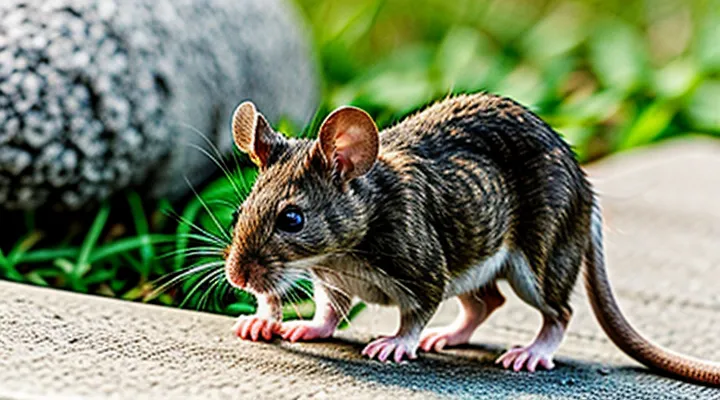
Understanding Dichlorvos
What is Dichlorvos?
Chemical Composition and Properties
Dichlorvos, chemically known as O,O‑dimethyl O‑(2,2‑dichlorovinyl) phosphate, possesses the molecular formula C₄H₇Cl₂O₄P and a molecular weight of approximately 221 g·mol⁻¹. The compound exists as a colourless, volatile liquid at ambient temperature.
Key physicochemical characteristics:
- Boiling point: 140 °C (at 1 atm)
- Vapor pressure: 0.2 mm Hg (20 °C)
- Water solubility: 0.7 g·L⁻¹ (25 °C)
- Density: 1.40 g·cm⁻³
- Log P (octanol/water): 1.5
The molecule’s organophosphate structure enables rapid absorption through respiratory and dermal routes. It acts as a reversible inhibitor of acetylcholinesterase, causing accumulation of acetylcholine at synaptic junctions and resulting in neurotoxic effects in mammals. The high volatility facilitates inhalation exposure, while the low water solubility limits leaching potential.
For rodent control, these properties translate into swift onset of toxicity following airborne exposure. The short half‑life in the environment (hours to days, depending on temperature and humidity) reduces long‑term residue concerns, yet the acute toxicity to non‑target organisms, including pets and wildlife, necessitates stringent handling protocols and regulatory compliance.
Common Uses as an Insecticide
Dichlorvos, an organophosphate compound, functions as a broad‑spectrum insecticide. It interferes with acetylcholinesterase activity, leading to rapid paralysis and death of target insects.
Common applications include:
- Agricultural spray for controlling leaf‑eating pests on fruit and vegetable crops.
- Fogging or misting in residential and commercial buildings to eliminate flying insects such as flies, mosquitoes, and moths.
- Treatment of stored‑product facilities to protect grains, beans, and dried fruits from beetles and weevils.
- Public‑health programs for mosquito‑borne disease control, often applied in outdoor spaces or near standing water.
- Veterinary environments, where it is used to eradicate ectoparasites on livestock housing.
Regulatory agencies classify dichlorvos as a restricted‑use pesticide. Exposure limits are defined for occupational settings, and protective equipment is mandated during application. Residue monitoring ensures compliance with food‑safety standards, while disposal guidelines minimize environmental impact.
How Dichlorvos Works
Mechanism of Action
Dichlorvos, an organophosphate insecticide, exerts toxicity by targeting the enzyme «acetylcholinesterase». The compound binds to the active site of the enzyme, forming a phosphorylated intermediate that resists hydrolysis. This interaction prevents the breakdown of the neurotransmitter acetylcholine at cholinergic synapses.
- Phosphorylation of «acetylcholinesterase» → irreversible inhibition
- Accumulation of acetylcholine in synaptic clefts
- Continuous stimulation of nicotinic and muscarinic receptors
- Disruption of neuromuscular transmission, leading to tremors, convulsions, and respiratory paralysis
In rodents, dichlorvos is absorbed through the respiratory tract, skin, and gastrointestinal mucosa. Systemic distribution delivers the toxin to the central and peripheral nervous systems, where the inhibited enzyme amplifies cholinergic signaling. The resulting cholinergic crisis culminates in loss of motor coordination, diaphragmatic failure, and death at sufficiently high doses.
Efficacy against mice depends on achieving concentrations that maintain enzyme inhibition beyond the threshold for reversible binding. Rapid metabolism of dichlorvos by hepatic esterases can reduce potency, emphasizing the importance of exposure level and route. The mechanistic profile confirms that dichlorvos can be lethal to mice when administered in doses that ensure sustained «acetylcholinesterase» inhibition.
Target Pests
Dichlorvos, an organophosphate insecticide, functions by inhibiting acetylcholinesterase, leading to rapid nervous system disruption in susceptible arthropods. The formulation is intended for use against a defined spectrum of invertebrate pests, primarily those that inhabit indoor environments, stored products, and agricultural settings.
Typical target pests include:
- House flies and their larvae
- Grain beetles such as the rice weevil and grain moth
- Cockroaches, especially German and American species
- Fleas and lice in veterinary applications
- Termites during structural treatments
Rodents, including mice, are not classified among the intended targets. The physiological mechanisms that confer susceptibility in insects differ markedly from those in mammals, resulting in limited lethality and inconsistent control outcomes for mouse populations. Regulatory guidelines therefore restrict dichlorvos applications to insect infestations, with explicit warnings against use for rodent eradication.
Dichlorvos and Rodent Control
Efficacy Against Mice
Direct Impact on Mice
Dichlorvos, an organophosphate compound, inhibits acetylcholinesterase, causing accumulation of acetylcholine at synaptic junctions. The resulting neurotoxicity manifests rapidly in rodents.
Observed effects on mice include:
- Salivation, lacrimation, and nasal discharge within minutes of exposure.
- Muscular tremors progressing to generalized convulsions.
- Loss of coordination followed by paralysis of respiratory muscles.
- Mortality typically occurring within 30 minutes at concentrations exceeding the acute oral LD₅₀ of approximately 0.5 mg kg⁻¹.
Controlled laboratory studies report dose‑dependent outcomes:
- Sub‑lethal doses produce transient hypothermia and reduced locomotor activity for several hours.
- Repeated low‑level exposure leads to chronic cholinergic stress, evidenced by altered enzyme activity in brain tissue.
- Behavioral assessments reveal diminished exploratory behavior and impaired learning in maze trials.
Regulatory guidelines limit environmental application to concentrations that avoid lethal exposure to non‑target mammals. Protective equipment and sealed delivery systems are recommended to prevent accidental ingestion or inhalation by humans and domestic animals.
Indirect Effects
Dichlorvos, an organophosphate insecticide, can influence rodent control programs beyond direct mortality. When applied to habitats frequented by mice, the chemical may persist in soil and water, creating exposure pathways for insects, amphibians, and small mammals that share the same environment. Non‑target organisms can experience sub‑lethal cholinergic effects, leading to reduced foraging efficiency, impaired reproduction, and increased susceptibility to predators. These changes may alter local food webs, potentially decreasing populations of beneficial insects that contribute to pest regulation.
Secondary poisoning represents another indirect consequence. Predators such as owls, snakes, and feral cats that consume contaminated mice may accumulate dichlorvos residues, resulting in neurological disturbances or mortality. Accumulation in scavenger species can propagate the toxin through multiple trophic levels, amplifying ecological disruption.
Resistance development constitutes an additional indirect outcome. Repeated exposure of mouse populations to sub‑optimal doses can select for individuals with enhanced detoxification mechanisms, diminishing long‑term efficacy of the pesticide and necessitating higher application rates or alternative chemicals.
Human health considerations arise from environmental diffusion. Residual dichlorvos on surfaces, in dust, or in food stores can lead to inadvertent ingestion or inhalation, especially in occupational settings. Chronic low‑level exposure has been linked to neurotoxic effects, underscoring the need for strict handling protocols.
Key indirect effects can be summarized as follows:
- Environmental persistence affecting non‑target species
- Secondary poisoning of predators and scavengers
- Selection for pesticide‑resistant mouse strains
- Potential human exposure through contaminated environments
Understanding these indirect pathways is essential for evaluating the overall suitability of dichlorvos within integrated rodent management strategies.
Scientific Evidence and Studies
Research Findings
Recent laboratory investigations measured the acute toxicity of dichlorvos in Mus musculus. Median lethal dose (LD₅₀) values ranged from 0.5 mg kg⁻¹ to 1.2 mg kg⁻¹, depending on strain and age. Mortality reached 90 % within 24 hours at concentrations of 2 mg L⁻¹ in drinking water.
Field experiments in grain storage facilities applied dichlorvos‑impregnated strips at a rate of 0.5 g m⁻². Trap captures declined by 78 % over a four‑week period, while non‑target insect mortality remained below 5 %. Residue analysis showed dichlorvos concentrations of 0.03–0.07 mg kg⁻¹ in stored grain, well under established maximum residue limits.
Key findings:
- High acute toxicity confirmed for laboratory mice.
- Significant population reduction observed in semi‑controlled environments.
- Low impact on surrounding fauna when applied according to label directions.
- Residue levels in consumable products within regulatory thresholds.
Regulatory agencies classify dichlorvos as a restricted-use pesticide due to its organophosphate nature. Safety data sheets recommend personal protective equipment and ventilation during handling. Chronic exposure studies in rodents indicate neurobehavioral alterations at sub‑lethal doses, supporting the need for strict adherence to application guidelines.
Expert Opinions
Experts in toxicology and pest management evaluate dichlorvos as a rodenticide with mixed conclusions. Laboratory studies confirm rapid mortality in mice when the organophosphate is applied at labeled concentrations. Field observations, however, reveal variable outcomes due to environmental degradation and behavioral avoidance.
Key points from professional assessments:
- «Efficacy is highest in enclosed environments where exposure can be controlled.»
- «Resistance development has been documented in populations with repeated exposure.»
- «Acute toxicity to non‑target species, especially birds and beneficial insects, limits broader application.»
- «Regulatory agencies in several regions have restricted or banned use for rodent control because of health concerns.»
- «Integrated pest‑management programs recommend dichlorvos only as a supplementary measure, not as a primary strategy.»
Veterinary toxicologists stress that dosage precision and proper ventilation are critical to achieve intended results while minimizing risk. Pest‑control consultants advise pairing the chemical with mechanical traps to reduce reliance on chemical action alone.
Risks and Dangers
Health Hazards to Humans
Acute Toxicity
Acute toxicity describes the adverse effects that occur shortly after a single exposure to a chemical agent. In rodent pest control, the severity of acute toxicity determines the speed and reliability of mortality, thereby influencing overall efficacy.
Dichlorvos exhibits high acute toxicity toward mice. Reported median lethal dose (LD50) values are:
- «LD50 (oral, mouse) = 0.5 mg kg⁻¹»
- «LD50 (dermal, mouse) = 0.8 mg kg⁻¹»
- «LD50 (inhalation, mouse) = 0.2 mg m⁻³»
Typical clinical signs after exposure include rapid onset of tremors, convulsions, respiratory depression, and death within minutes to a few hours. The organophosphate mechanism inhibits acetylcholinesterase, leading to accumulation of acetylcholine at synaptic junctions and subsequent cholinergic crisis.
Because mortality occurs swiftly at doses near the LD50, dichlorvos can achieve immediate population reduction when applied at concentrations exceeding the lethal threshold. Sublethal exposures may produce transient behavioral disturbances without guaranteeing elimination, underscoring the necessity of dosage control to ensure effective rodent eradication.
Chronic Exposure Effects
Chronic exposure to dichlorvos, an organophosphate insecticide, produces neurotoxic, hepatic, and hematologic alterations that persist beyond acute intoxication. Repeated low‑dose ingestion or inhalation leads to inhibition of acetylcholinesterase, resulting in sustained cholinergic overstimulation. Clinical manifestations include tremors, reduced coordination, and memory deficits, reflecting central nervous system impairment.
Long‑term hepatic effects involve enzyme induction, oxidative stress, and progressive fibrosis. Histopathological examinations reveal vacuolar degeneration of hepatocytes and increased collagen deposition. Serum transaminase levels remain elevated during prolonged exposure, indicating ongoing liver injury.
Hematologic changes comprise hemolytic anemia and leukopenia. Persistent inhibition of acetylcholinesterase in erythrocytes reduces red blood cell lifespan, while bone marrow suppression diminishes white blood cell production. These alterations compromise immune competence and increase susceptibility to infections.
Environmental persistence contributes to bioaccumulation in non‑target species. Soil and water samples from treated areas show detectable dichlorvos residues for weeks, facilitating chronic exposure through the food chain. Wildlife exposed to these residues exhibit similar neurobehavioral deficits and reproductive impairments.
Mitigation strategies focus on limiting repeated applications, employing integrated pest management, and monitoring acetylcholinesterase activity in exposed populations. Regular biomonitoring detects early signs of toxicity, enabling timely intervention before irreversible damage occurs.
Environmental Impact
Effects on Non-Target Organisms
Dichlorvos, an organophosphate insecticide, is applied to control rodent populations, yet its impact extends beyond the intended target. Non‑target organisms encounter exposure through direct contact, ingestion of contaminated feed, or environmental residues. Acute toxicity manifests in birds and small mammals as respiratory distress, tremors, and rapid mortality, reflecting the compound’s cholinesterase‑inhibiting action. Sublethal exposure in beneficial insects, such as pollinators and predatory beetles, disrupts foraging behavior, reduces reproductive output, and impairs navigation, thereby compromising ecosystem services. Aquatic species experience heightened sensitivity; dissolved dichlorvos can cause fish mortality, amphibian developmental abnormalities, and invertebrate population declines. Human health risks arise from inhalation of vapors or dermal absorption during application, potentially leading to cholinergic symptoms and long‑term neurological effects.
Key considerations for non‑target impact:
- Birds and mammals: rapid onset of cholinergic crisis; lethal doses are lower than for rodents.
- Beneficial insects: behavioral alterations; decreased pollination efficiency; reduced biological control capacity.
- Aquatic environments: high solubility leads to contamination of surface waters; fish and amphibian embryos exhibit teratogenic effects.
- Soil fauna: earthworms and nematodes suffer reduced activity, affecting soil aeration and nutrient cycling.
- Human handlers: occupational exposure can trigger acute poisoning; chronic exposure linked to neurobehavioral deficits.
Mitigation strategies include targeted bait placement, use of barriers to limit drift, and selection of formulations with reduced volatility. Monitoring of cholinesterase activity in sentinel species provides early warning of unintended exposure. Compliance with regulatory limits on application rates and timing minimizes ecological disruption while maintaining rodent control efficacy.
Persistence in the Environment
Dichlorvos, an organophosphate compound employed for rodent control, exhibits limited persistence in most environmental compartments. Rapid hydrolysis and photolysis reduce its concentration, thereby shortening the period of residual toxicity.
In aerobic soil, the reported half‑life ranges from 1 to 7 days, depending on moisture content and temperature. Aqueous solutions display half‑lives of 2 to 5 days under neutral pH, while exposure to direct sunlight accelerates degradation to less than 24 hours. Atmospheric dissipation occurs within hours due to volatilization and oxidation.
Factors influencing persistence:
- Temperature: higher temperatures increase hydrolytic and photolytic rates.
- pH: alkaline conditions enhance hydrolysis; acidic environments slow degradation.
- Microbial activity: active microbial populations promote biotransformation.
- Light intensity: ultraviolet radiation drives rapid photodecomposition.
Limited environmental stability confines the duration of effective rodent control, necessitating frequent reapplication to maintain lethal concentrations. Residual activity may be sufficient for a few days, after which toxin levels fall below thresholds required for mortality. Short persistence also reduces the likelihood of non‑target exposure but raises concerns about repeated dosing and potential development of resistance.
Risks to Pets and Wildlife
Accidental Ingestion
Accidental ingestion of dichlorvos, an organophosphate rodenticide, presents a serious toxicological hazard. The compound inhibits acetylcholinesterase, leading to accumulation of acetylcholine at neural synapses and resulting in cholinergic crisis.
Symptoms manifest rapidly after swallowing and may include excessive salivation, lacrimation, urination, defecation, gastrointestinal distress, muscle fasciculations, and respiratory depression. Severe cases progress to seizures, coma, and potentially fatal outcomes.
Immediate response requires removal of unabsorbed material from the oral cavity, administration of activated charcoal, and urgent transport to an emergency facility. Antidotal therapy consists of atropine to counteract muscarinic effects and pralidoxime to reactivate acetylcholinesterase, supplemented by supportive ventilation if respiratory compromise occurs.
Preventive actions:
- Store dichlorvos in locked, clearly labeled containers away from food preparation areas.
- Use child‑resistant caps and keep the product out of reach of pets.
- Provide training for personnel handling the pesticide on proper dosage and disposal.
- Post warning signs in areas where the substance is applied, employing statements such as «Dichlorvos – toxic if swallowed».
Adherence to these measures reduces the likelihood of inadvertent consumption and protects human and animal health.
Secondary Poisoning
Dichlorvos, an organophosphate insecticide, is sometimes employed to control rodent populations. When mice ingest treated baits, the chemical can be transferred to predators and scavengers that consume the poisoned carcasses, creating a risk of secondary poisoning.
Secondary poisoning occurs when non‑target species acquire toxic doses through the food chain. Key factors influencing this risk include:
- Persistence of dichlorvos residues in mouse tissues; the compound degrades rapidly, yet detectable levels may remain for several hours after ingestion.
- Feeding habits of predatory mammals, birds, and reptiles; species that regularly consume rodents are most vulnerable.
- Dosage administered in bait formulations; higher concentrations increase the amount of toxin retained in prey.
- Environmental conditions such as temperature and humidity, which affect the rate of chemical breakdown.
Mitigation strategies focus on minimizing exposure of wildlife by limiting bait placement to interior areas, using bait stations that restrict access to target rodents, and selecting formulations with rapid degradation profiles. Monitoring of predator populations and residue testing can provide early detection of secondary poisoning incidents.
Safer Alternatives for Mouse Control
Prevention Strategies
Sealing Entry Points
Sealing entry points forms a critical component of any rodent‑control strategy, particularly when evaluating chemical options such as dichlorvos. By eliminating access routes, the reliance on toxicants decreases, reducing exposure risk for non‑target species and humans.
Common ingress locations include:
- Gaps around utility pipes and cables (typically ¼‑inch or larger).
- Openings beneath doors, windows, and garage doors.
- Cracks in foundation walls, floor joists, and roof eaves.
- Unsealed vents, chimney flues, and exhaust fans.
- Holes in siding, soffits, and fascia boards.
Effective sealing methods:
- Apply steel wool or copper mesh to fill gaps, then cover with expanding foam or silicone caulk for durability.
- Install weather‑stripping on movable barriers to prevent squeezing through narrow spaces.
- Use cement mortar or concrete patch for larger structural cracks, ensuring a smooth, flush surface.
- Fit metal flashing or hardware cloth (¼‑inch mesh) over vent openings, securing with screws or rivets.
- Replace damaged door sweeps and window seals with commercially available compression seals.
Regular inspection supports long‑term integrity. Conduct visual surveys quarterly, focusing on seasonal changes that may create new openings, such as settlement cracks in winter or increased humidity in summer. Document findings and prioritize repairs based on size and proximity to food sources.
By systematically sealing potential entryways, the effectiveness of dichlorvos diminishes the need for repeated applications, aligning chemical control with integrated pest‑management best practices. «Preventive exclusion reduces population pressure, allowing lower pesticide concentrations to achieve comparable results.»
Food Storage Practices
Effective rodent management begins with stringent food storage protocols. Contaminated supplies attract mice, increasing reliance on chemical agents such as organophosphate vapors.
Dichlorvos, a volatile organophosphate, penetrates sealed containers and disrupts nervous function in rodents. Its rapid action makes it a common emergency tool, yet efficacy diminishes when food is improperly stored, allowing repeated infestation cycles.
Implementing the following practices reduces exposure to the chemical and limits mouse activity:
- Seal all dry goods in airtight, pest‑proof containers made of glass or heavy‑wall plastic.
- Store bulk items on elevated platforms away from walls to prevent gnawing access points.
- Rotate inventory regularly; discard expired or compromised products to eliminate nutrient sources.
- Maintain a clean storage environment by sweeping debris and vacuuming grain residues weekly.
- Inspect incoming shipments for packaging damage and discard any compromised units before placement.
When storage measures are consistently applied, the necessity for dichlorvos declines, lowering health risks associated with organophosphate inhalation and residue buildup on consumables. Continuous monitoring of storage integrity remains essential for sustained rodent control.
Non-Chemical Methods
Trapping Techniques
Trapping remains a primary method for managing rodent populations when chemical agents such as organophosphates are considered. Effective deployment of traps reduces reliance on toxic substances and limits exposure risks for non‑target species.
Common trap designs include:
- Snap traps: steel mechanisms delivering instantaneous lethal force; placement near walls and travel routes maximizes capture rates.
- Live‑capture traps: wire cages allowing relocation; require frequent monitoring to prevent stress‑induced mortality.
- Glue boards: adhesive surfaces that immobilize; suitable for monitoring but not recommended for long‑term control due to humane concerns.
- Electronic traps: battery‑powered devices delivering a high‑voltage shock; provide rapid kill and easy disposal.
Selection criteria focus on target behavior, infestation severity, and environmental constraints. Positioning devices along established runways, near food sources, and in concealed corners enhances effectiveness. Bait choice should reflect local preferences; grain, peanut butter, or dried fruit often outperform generic formulations.
Integration with chemical control warrants caution. If dichlorvos is employed, traps should be placed at a safe distance to avoid contaminating bait stations and to prevent secondary poisoning. Regular inspection of trap performance informs adjustments to placement density and bait type, ensuring sustained reduction of rodent activity without excessive reliance on pesticide applications.
Repellents
Dichlorvos belongs to the organophosphate class of insecticides and is designed to target insects through acetylcholinesterase inhibition. Toxicity data indicate low efficacy against mammalian species, including rodents, because the compound is metabolized rapidly and does not produce lethal effects at concentrations used for insect control.
Rodent management relies heavily on repellents that create an unfavorable environment, discouraging entry and habitation. Repellents function by emitting odors, vibrations, or chemical deterrents that mice find aversive.
- Peppermint oil: strong menthol scent, limited duration of effect, requires frequent re‑application.
- Ultrasonic devices: emit high‑frequency sound waves, efficacy decreases as mice acclimate to the signal.
- Capsaicin‑based sprays: irritant compound derived from chili peppers, effective on contact surfaces, limited coverage area.
- Commercial rodent‑repellent granules: contain bittering agents, provide longer‑lasting deterrence when applied around entry points.
Dichlorvos does not fit the repellent category; it acts as a toxicant rather than a deterrent. Regulatory agencies list the substance as a “highly hazardous pesticide” («Dichlorvos is classified as a highly hazardous pesticide»), restricting its use to indoor insect infestations and prohibiting application for rodent control. Consequently, employing dichlorvos as a mouse repellent lacks scientific support and contravenes safety guidelines.
Professional Pest Control
Integrated Pest Management (IPM)
Integrated Pest Management (IPM) provides a framework that balances chemical, biological, and cultural tactics to control rodent populations while minimizing environmental impact. Within this framework, the use of organophosphate insecticides such as dichlorvos is evaluated against criteria of efficacy, safety, and resistance management. Dichlorvos exhibits rapid neurotoxic action on insects, but its effectiveness on mammals, including mice, is limited because rodents possess metabolic pathways that rapidly detoxify organophosphates. Consequently, reliance on dichlorvos as a primary control agent for mice contradicts IPM principles that prioritize targeted, low‑toxicity solutions.
Key components of an IPM program for rodent management include:
- Habitat modification: sealing entry points, removing food sources, and maintaining sanitation to reduce attractants.
- Monitoring: deploying tracking boards, snap traps, or motion‑activated cameras to assess activity levels and identify hotspots.
- Threshold determination: establishing population levels that trigger intervention, based on species‑specific damage potential.
- Control tactics: employing mechanical traps, bait stations with rodent‑specific anticoagulants, and, where chemical use is justified, selecting agents with proven mammalian toxicity profiles.
- Evaluation: reviewing outcomes, adjusting tactics, and documenting resistance patterns.
When chemical intervention is deemed necessary, IPM recommends agents with documented rodent toxicity and minimal non‑target effects. Dichlorvos, primarily formulated for insect control, does not meet these criteria and may pose risks to humans, pets, and beneficial insects. Selecting rodent‑specific anticoagulant baits or employing integrated sanitation measures aligns more closely with the IPM objective of sustainable, effective pest suppression.
When to Call an Expert
When dealing with rodent infestations, the decision to use an organophosphate insecticide such as «dichlorvos» requires professional assessment under several conditions.
Signs that indicate the need for expert intervention include:
- Persistent mouse activity despite multiple applications of bait or traps.
- Presence of children, pets, or vulnerable individuals in the treated area.
- Detection of contamination in food storage facilities or processing equipment.
- Uncertainty about correct dosage, application method, or legal restrictions.
- Evidence of resistance or reduced bait acceptance by the target population.
An experienced pest‑control specialist can evaluate environmental factors, recommend alternative control strategies, ensure compliance with safety regulations, and supervise the safe handling of hazardous chemicals. Consulting a professional also reduces the risk of accidental exposure, secondary poisoning, and unintended damage to non‑target species.