
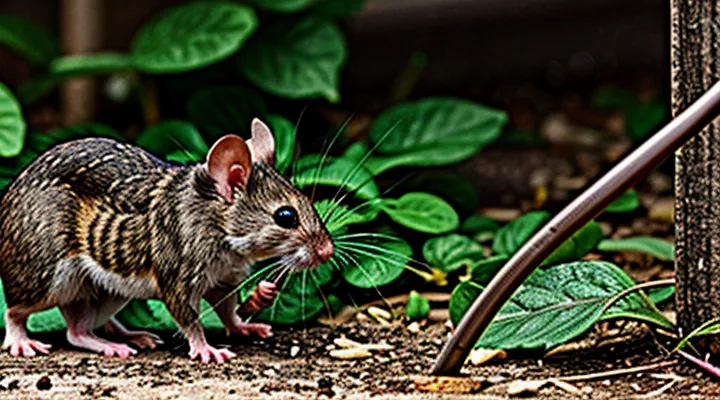
Understanding Rodent Diets
The Broad Spectrum of Rodent Feeding
Herbivores
Rodents exhibit a wide range of dietary strategies, from strict herbivory to omnivory and occasional predation. Understanding herbivory among rodents clarifies why the mouse, despite occasional insect consumption, is not classified as a predator.
Herbivorous rodents obtain nutrients primarily from plant material. Their digestive systems feature enlarged ceca and specialized gut flora that ferment cellulose, allowing efficient extraction of energy from fibrous diets. Typical plant sources include seeds, grasses, leaves, and tubers.
Key examples of herbivorous rodents:
- Prairie voles – consume grasses and herbaceous stems.
- Capybaras – feed on aquatic vegetation and grasses.
- Guinea pigs – rely on hay, fresh greens, and root vegetables.
- Chinchillas – ingest dried grasses and bark.
Mice (genus Mus) primarily ingest grains, seeds, and plant-derived foods. Their stomach contents regularly contain wheat, corn, and assorted seed hulls. Insects appear sporadically in stomach analyses, reflecting opportunistic scavenging rather than a predatory habit. The proportion of animal matter seldom exceeds a few percent of total intake, insufficient to categorize mice as predators.
Therefore, within the broader discussion of rodent feeding habits, herbivory represents a distinct nutritional niche. Mice align with this niche, exhibiting a plant-dominated diet and lacking the morphological and behavioral traits associated with true predation.
Omnivores
Mice belong to a group of rodents that exhibit omnivorous feeding behavior. Their diet combines plant material, such as seeds, grains, and fruit, with animal-derived resources, including insects, larvae, and carrion. This dietary flexibility allows mice to exploit a wide range of habitats and seasonal food availability.
Omnivory in mice serves several functional purposes:
- Provides essential proteins and lipids from animal prey, supporting growth and reproduction.
- Supplements carbohydrate intake from plant sources, maintaining energy balance.
- Enables opportunistic consumption of opportunistic prey, reducing competition with strict herbivores.
When assessing whether mice act as predators, their consumption of live invertebrates qualifies as predatory activity, albeit on a limited scale. Unlike obligate carnivores, mice do not rely exclusively on animal prey; they switch between plant and animal foods according to resource abundance. This mixed diet classifies them as opportunistic predators rather than true hunters.
Comparative studies of rodent species reveal a spectrum of feeding strategies. Species such as the Norway rat (Rattus norvegicus) display a higher proportion of animal matter in their diet, while the deer mouse (Peromyscus maniculatus) leans toward plant dominance. Mice occupy an intermediate position, reflecting their adaptability and ecological resilience.
The omnivorous nature of mice influences ecosystem dynamics. By consuming insects, they help regulate arthropod populations; by dispersing seeds, they contribute to plant propagation. Their dual role as both prey and modest predator underscores the complexity of rodent trophic interactions.
Insectivores
Mice exhibit opportunistic feeding behavior that includes the consumption of arthropods, positioning them within the insectivorous spectrum of rodent diets. Their small size and nocturnal activity align with the availability of insects such as beetles, moth larvae, and springtails, which provide protein and moisture when plant material is scarce. This dietary flexibility contributes to their survival in diverse habitats, from agricultural fields to urban environments.
Key insect groups regularly incorporated into mouse diets:
- Coleoptera (ground beetles, lady beetles)
- Lepidoptera larvae (caterpillars, moth caterpillars)
- Diptera larvae (maggots, mosquito larvae)
- Collembola (springtails)
- Hymenoptera (ants, wasp larvae)
Physiological adaptations support insect consumption: sharp incisors for cutting exoskeletons, a high basal metabolic rate that demands frequent protein intake, and a digestive system capable of processing chitinous material. While mice do not specialize exclusively on insects, their occasional predation on small arthropods qualifies them as partial predators within the broader context of rodent feeding strategies.
Debunking the «Predator» Myth
Defining Predation
Predation is a biological interaction in which one organism (the predator) actively kills and consumes another (the prey) to obtain energy and nutrients. The relationship is characterized by:
- Intentional capture or pursuit of the prey.
- Lethal action resulting in the prey’s death.
- Direct consumption of the prey’s tissues.
- Repeated or regular occurrence as a primary feeding strategy.
Species that rely on this interaction for most of their diet are classified as obligate predators; those that employ it only under certain circumstances are termed facultative predators. The distinction hinges on the regularity and necessity of lethal consumption for survival.
Mice, as members of the order Rodentia, primarily ingest seeds, grains, and plant material. Their diet may include occasional insects, eggs, or carrion, but such items are consumed sporadically and rarely involve active hunting. When insects are taken, the behavior often results from opportunistic foraging rather than deliberate predation. Consequently, mice satisfy only the occasional consumption criterion and fail to meet the consistent capture and killing requirements that define true predatory organisms.
In summary, mice display opportunistic feeding on animal matter but do not fulfill the core criteria of predation. They are best described as primarily herbivorous/omnivorous rodents with limited, non‑obligate predatory behavior.
Mice as Prey
Mice occupy a central position in many terrestrial food webs, serving as a primary source of nutrition for a diverse array of carnivores. Their small size, high reproductive rate, and ubiquity across habitats make them readily accessible to predators, thereby linking primary production to higher trophic levels.
- Raptors (e.g., owls, hawks, falcons) capture mice during nocturnal or diurnal hunts.
- Serpents (e.g., garter snakes, rat snakes) employ ambush tactics in leaf litter and burrows.
- Mammalian carnivores (e.g., foxes, coyotes, weasels) pursue mice across fields and forest edges.
- Larger rodents (e.g., rats) exhibit opportunistic predation on juvenile mice.
Predation pressure shapes mouse behavior and ecology. Individuals adopt vigilance, nocturnal activity, and complex burrow systems to reduce detection. Habitat selection favors dense cover, while reproductive timing aligns with periods of lower predator abundance, maximizing offspring survival.
Continual predation regulates mouse population density, preventing overexploitation of vegetation and maintaining ecological balance. Fluctuations in predator numbers directly influence mouse abundance, illustrating the reciprocal dynamics that sustain ecosystem stability.
The Diverse Diet of a Mouse
What do Mice Really Eat?
Seeds and Grains
Mice regularly incorporate seeds and grains into their diet, reflecting the omnivorous nature of most rodent species. These plant materials supply carbohydrates, proteins, and essential fatty acids that support growth, reproduction, and thermoregulation. Consumption patterns vary with seasonality; during autumn, abundant seed falls increase intake, while winter reliance on stored grains sustains metabolic needs.
Key aspects of seed and grain utilization include:
- Selection criteria: Size, hardness, and nutritional density guide foraging choices. Mice prefer smaller, softer seeds that require minimal processing.
- Processing behavior: Mastication reduces particle size, facilitating digestion. Saliva contains amylase, initiating carbohydrate breakdown before ingestion.
- Storage tactics: When food is plentiful, mice transport kernels to concealed caches, reducing exposure to predators and competition.
- Digestive efficiency: Gastrointestinal enzymes convert starches to glucose, while microbial fermentation in the cecum extracts additional nutrients from fibrous components.
Overall, seeds and grains constitute a substantial portion of rodent feeding habits, complementing animal protein sources and contributing to the flexible dietary strategy that enables mice to thrive in diverse habitats.
Fruits and Vegetables
Mice consume a wide range of plant matter, and fruits and vegetables represent a substantial portion of their intake. Their dentition, adapted for gnawing, allows efficient processing of fibrous tissues, while their digestive enzymes break down simple sugars and starches found in these foods.
Typical fruit choices include:
- Apples
- Berries (e.g., strawberries, blueberries)
- Grapes
- Peaches
Common vegetables favored by mice are:
- Carrots
- Lettuce
- Spinach
- Sweet potatoes
These items supply carbohydrates, vitamins, and hydration, supporting rapid growth and reproductive cycles. Seasonal availability influences selection; rodents shift toward higher‑energy fruits in autumn to build fat reserves for winter.
When evaluating whether mice function as predators, the predominance of plant material in their diet underscores a primarily herbivorous feeding strategy. Occasional insect consumption does not alter the overall classification, as fruits and vegetables remain the dominant nutritional source.
Insects and Small Invertebrates
Mice and many other rodents regularly consume insects and small invertebrates, integrating these prey items into a primarily omnivorous diet. Insect consumption provides protein, fat, and micronutrients that complement grain and seed intake, especially when plant resources are scarce.
Typical invertebrate prey includes:
- Beetle larvae and pupae
- Spiders and their egg sacs
- Earthworms
- Crickets and grasshoppers
- Caterpillars and moth larvae
- Fly maggots
Rodents capture prey opportunistically, often during nocturnal foraging trips. Seasonal fluctuations influence reliance on invertebrates; spring and early summer see heightened activity of larvae and soft-bodied insects, prompting increased ingestion rates. Laboratory analyses show that mouse stomach contents contain measurable proportions of chitinous material, confirming active predation rather than incidental ingestion.
Nutritional studies indicate that a modest inclusion of insects (5–10 % of total dry matter) improves growth efficiency and reproductive output in laboratory mouse colonies. Field observations corroborate these findings, documenting higher body condition scores in populations with abundant arthropod resources.
In ecological terms, rodent predation on insects contributes to population regulation of pest species and facilitates nutrient cycling through the breakdown of prey biomass.
Scavenged Food
Mice frequently incorporate carrion and discarded organic material into their diet. Typical sources include dead insects, decaying plant matter, food waste from human settlements, and the remnants of larger vertebrate prey left by other predators. These items provide protein, lipids, and micronutrients that complement the primarily seed‑based intake of most rodent species.
Field observations indicate that scavenged food can constitute up to 20 % of the caloric intake of wild house mice (Mus musculus) in urban environments, rising sharply during periods of seed scarcity. Laboratory analyses show that mice readily consume dead arthropods and small vertebrate fragments when presented alongside grains, demonstrating opportunistic feeding behavior that blurs the line between herbivory and predation.
The reliance on carrion carries both benefits and risks. Nutritionally, it supplies essential amino acids and fatty acids absent from plant sources. Ecologically, it positions mice as secondary consumers, contributing to nutrient recycling. Conversely, exposure to pathogens and toxins present in decomposing matter can increase mortality rates and facilitate disease transmission to sympatric species.
Common scavenged items:
- Dead insects (beetles, moths, flies)
- Small vertebrate remains (bird feathers, rodent carcasses)
- Human food scraps (bread crusts, cheese rinds)
- Decayed fruit and vegetable matter
- Fungal fruiting bodies in advanced decomposition stages
Opportunistic Feeding Behavior
Adapting to Environment
Mice occupy a flexible niche that balances seed consumption with opportunistic animal intake, allowing them to persist in diverse habitats. Their dentition, capable of grinding plant material and crushing insects, supports a diet that shifts according to resource availability. Seasonal scarcity prompts increased predation on invertebrates, while abundant vegetation reduces animal intake.
Adaptations that enable this dietary versatility include:
- Rapid reproductive cycles that replenish populations after fluctuations in food quality.
- Acute olfactory and tactile senses that locate hidden seeds and moving prey.
- Metabolic regulation that lowers energy expenditure during periods of low nutrient intake.
- Nest construction that provides shelter and reduces exposure to larger predators, indirectly influencing foraging behavior.
These mechanisms illustrate how rodents modify feeding strategies to match environmental conditions, demonstrating that mice are not strict predators but rather opportunistic feeders able to adjust their diet in response to ecological pressures.
Food Storage Habits
Mice exhibit systematic food‑storage strategies that support survival during periods of scarcity. Individuals gather seeds, grains, and insects, transporting them to concealed locations where they remain viable for weeks or months. Storage sites are typically situated under loose bedding, within burrow chambers, or behind nest material, providing protection from predators and environmental fluctuations.
Key aspects of storage behavior include:
- Selective caching: Preference for high‑energy items such as wheat kernels and dried insects; low‑calorie debris is discarded.
- Spatial distribution: Multiple caches spread across a home range to reduce loss from a single disturbance.
- Temporal regulation: Increased hoarding activity in autumn correlates with declining natural food availability.
Physiological adaptations facilitate this practice. Saliva contains enzymes that slow microbial growth, while the moist microclimate of nest chambers preserves moisture content. Seasonal hormonal changes trigger heightened foraging intensity, aligning cache accumulation with upcoming winter conditions.
The presence of stored provisions influences social dynamics. Dominant individuals often monopolize prime cache sites, whereas subordinate mice rely on peripheral deposits. This hierarchical access pattern contributes to population structure and reproductive success within rodent communities.
Impact on Ecosystems
Seed Dispersal
Mice frequently move seeds away from the parent plant while foraging for food. This behavior, known as caching, involves temporary storage of seeds in underground burrows or shallow surface sites. When caches are not retrieved, the buried seeds germinate, providing a natural mechanism of plant propagation.
Key processes that contribute to seed dispersal by mice include:
- Cache abandonment: Unrecovered caches create new recruitment sites for vegetation.
- Transport during consumption: Mice carry seeds to feeding locations, often depositing fragments or whole seeds along the path.
- Excretion of intact seeds: After ingesting seed coats, mice excrete viable seeds, sometimes at considerable distances from the original source.
- Scatter‑hoarding: Multiple small caches spread across a landscape increase the spatial distribution of potential seedlings.
These activities alter plant community composition by favoring species with seed traits attractive to rodents, such as size, hardness, and nutritional content. The result is a reciprocal relationship in which plants provide a reliable food resource, and mice enhance plant colonization and genetic diversity.
In ecosystems where mice dominate the small‑mammal guild, seed dispersal rates often exceed those of larger herbivores. Consequently, the presence of mouse populations can shift vegetation dynamics, promote forest regeneration after disturbance, and influence succession patterns.
Overall, seed movement by mice demonstrates a functional role that extends beyond simple consumption, contributing directly to plant dispersal and ecosystem resilience.
Pest Control (Limited)
Mice consume seeds, grains, plant material, and occasional invertebrates; they function as omnivores rather than true predators. Their occasional predation on insects does not alter the primary impact on stored food and crops.
Because mice do not occupy a top‑predator niche, pest control strategies concentrate on limiting food availability and access points rather than exploiting predatory behavior.
- Seal cracks and gaps in building envelopes.
- Store food in airtight containers.
- Maintain clean, debris‑free storage areas.
- Deploy snap or electronic traps in high‑activity zones.
- Use bait stations with rodent‑specific anticoagulants only where legal and necessary.
Effective management requires regular inspection, accurate identification of activity signs, and prompt implementation of the measures listed above. The approach remains limited to non‑chemical, preventive actions that reduce the attractiveness of environments to rodent populations.