
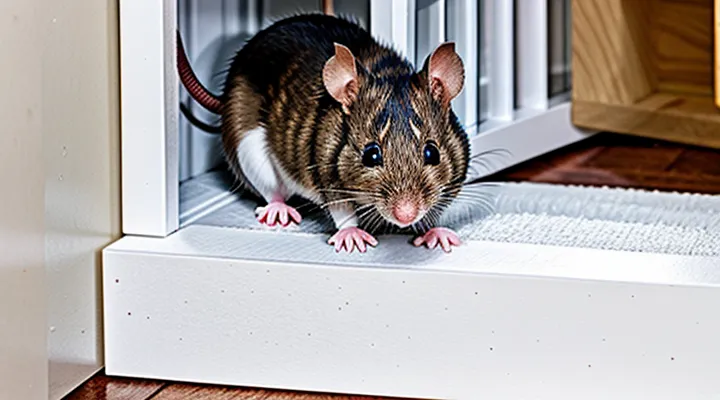
Understanding the Problem: Mice and Insulation
Why Mice are Attracted to Insulation
Shelter and Nesting
Proper shelter design integrates mouse‑deterrent insulation to eliminate entry points and reduce nesting opportunities. Dense, non‑woven barriers placed around walls, ceilings and crawl spaces block rodents while maintaining thermal performance.
Key construction practices include:
- Sealing all seams, joints and penetrations with rodent‑grade caulk or fire‑rated tape.
- Installing insulation panels that incorporate stainless‑steel mesh or polymer fibers resistant to gnawing.
- Using rigid foam or spray foam that expands to fill voids, leaving no gaps for nesting material accumulation.
Placement of structural elements influences rodent behavior. Elevated joist cavities, closed soffit vents and enclosed attic access prevent mice from establishing nests. Removing debris, insulation scraps and stored food from accessible areas further discourages habitation.
Regular inspection of insulation integrity, combined with prompt repair of compromised sections, sustains both energy efficiency and rodent exclusion over the building’s lifespan.
Temperature Regulation
Effective rodent‑resistant insulation maintains stable interior temperatures by limiting heat transfer through low‑conductivity materials. Closed‑cell foam, mineral wool, and cellulose treated with rodent deterrents create continuous barriers that reduce convection, conduction, and radiation. The resulting thermal envelope prevents cold drafts in winter and heat gain in summer, preserving energy efficiency while discouraging mouse activity.
Temperature regulation relies on consistent material density and moisture control. Dense fibers inhibit nesting by limiting space and airflow, while moisture‑resistant additives prevent the condensation that attracts rodents. Maintaining a dry, uniform barrier sustains the intended R‑value and eliminates the humid microclimates mice seek for shelter.
Key characteristics supporting thermal stability and pest deterrence:
- Low thermal conductivity (≤ 0.035 W/m·K) to minimize heat loss.
- Uniform thickness without gaps or compression.
- Integrated rodent‑repellent compounds that remain active over the product lifespan.
- Moisture‑barrier properties (water vapor diffusion resistance ≥ 10 perm) to avoid condensation.
- Compatibility with building codes for fire safety and insulation performance.
The Drawbacks of Traditional Insulation
Easy Access and Damage
Rodent‑repellent insulation loses effectiveness when construction tolerances create gaps that rodents can exploit. Open seams, unsealed joints, and penetrations for wiring or plumbing serve as entry points, allowing mice to reach the material without resistance. Once inside, they can gnaw, chew, and nest, compromising the intended thermal barrier.
Design strategies that eliminate easy access focus on continuous barriers and secure closures. Materials with inherent hardness, such as rigid foam panels, resist bite marks, while overlapping layers and tape‑sealed seams block passageways. Installation practices that include caulking around fixtures and metal mesh sleeves for cables further reduce vulnerability.
Typical damage resulting from rodent intrusion includes:
- Chewed fibers that create air leaks and reduce insulation value.
- Compromised structural supports where nests add weight and moisture.
- Contamination from urine and feces, leading to odor and potential health hazards.
- Accelerated degradation of surrounding building components due to moisture accumulation.
Implementing a sealed, continuous insulation envelope eliminates the pathways that facilitate rodent entry, preserving both thermal performance and structural integrity.
Health Risks from Droppings and Urine
Rodent‑resistant insulation prevents mouse intrusion, yet any breach exposes occupants to droppings and urine that harbor hazardous pathogens.
Key health threats include:
- Hantavirus – transmitted when aerosolized particles from dried urine or feces are inhaled.
- Salmonella – spread through direct contact with contaminated droppings, leading to gastrointestinal illness.
- Leptospirosis – acquired via skin abrasions or mucous membranes exposed to urine‑laden dust.
- Lymphocytic choriomeningitis virus (LCMV) – entered through handling of infected material, causing flu‑like symptoms and, in severe cases, neurological complications.
- Allergic reactions – triggered by proteins in mouse excreta, resulting in asthma exacerbations and rhinitis.
Transmission pathways operate primarily through:
- Inhalation of fine particles released during cleaning or disturbance of contaminated insulation.
- Direct contact with surfaces coated in droppings or urine, followed by hand‑to‑mouth transfer.
- Cross‑contamination of food storage areas, where rodents may deposit waste.
Effective mitigation requires:
- Sealing all entry points with durable, non‑porous barriers.
- Selecting insulation materials that deter chewing and resist nesting.
- Conducting routine visual inspections for signs of rodent activity.
- Implementing immediate removal of contaminated insulation using protective equipment and disinfectants approved for bio‑hazard cleanup.
«Hantavirus pulmonary syndrome can be fatal», warns health authorities; prompt identification of exposure and medical evaluation are essential to reduce morbidity.
Insulation Types and Their Effectiveness Against Mice
Inorganic Insulation Materials
Mineral Wool (Rock Wool and Slag Wool)
Mineral wool, known in the industry as «rock wool» or «slag wool», consists of spun fibers derived from basalt, diabase, or blast‑furnace slag. The material exhibits high density, low compressibility, and a non‑porous surface that resists gnawing.
The dense fiber matrix creates a physical barrier that mice cannot easily chew through. Sharp fiber edges irritate oral tissues, discouraging repeated attempts to penetrate the insulation. Additionally, the thermal properties of mineral wool reduce temperature gradients that might otherwise attract rodents seeking warmth.
Key attributes that contribute to rodent deterrence:
- Density ≥ 30 kg/m³, limiting structural deformation under bite force.
- Fibrous texture that is abrasive to rodent incisors.
- Non‑absorbent composition, preventing moisture buildup that could attract pests.
- Fire‑resistant classification, enhancing overall building safety.
When installing mineral wool for mouse‑deterring purposes, maintain continuous layers without gaps. Seal joints with compatible tape or sealant to eliminate entry points. Verify that all penetrations, such as pipe sleeves, are tightly wrapped with the same material to preserve the barrier integrity.
Compared with cellulose or fiberglass, mineral wool offers superior resistance to gnawing while delivering comparable thermal performance. Its durability extends the service life of the insulation system, reducing the need for frequent replacement due to rodent damage.
How it Deters Mice
Mouse‑proof insulation creates a physical and sensory barrier that discourages rodents from entering structures. The barrier’s effectiveness relies on three principal mechanisms.
- Impenetrable material density – fibers packed tightly block the narrow passages mice use to squeeze through gaps.
- Unfavorable surface texture – rough or abrasive finishes hinder the animal’s ability to grip and climb, prompting it to seek alternative routes.
- Integrated repellents – embedded natural oils or synthetic compounds emit odors or tastes that mice find aversive, reducing the likelihood of contact.
Selection of appropriate components enhances deterrence.
- Fiber composition – steel‑reinforced or high‑density polymer fibers provide structural rigidity and resistance to gnawing.
- Repellent additives – capsaicin, peppermint oil, or certified rodent‑repellent polymers maintain potency over long periods without compromising insulation performance.
- Sealant compatibility – adhesives that cure to a hard, non‑porous finish prevent micro‑cracks where rodents could infiltrate.
Proper installation amplifies protective effects. Ensure seams overlap by at least two inches, apply continuous sealant along joints, and verify that no openings exceed the size of a mouse’s skull (approximately 6 mm). After installation, conduct a visual inspection for any compromised sections and reinforce them promptly.
The combined physical obstruction, adverse tactile environment, and persistent chemical deterrent create a comprehensive defense that markedly reduces mouse intrusion.
Installation Considerations
When installing rodent‑resistant insulation, assess the building envelope for gaps that could serve as entry points. Seal all openings larger than ¼ inch with steel wool, caulk, or expanding foam before applying the material.
Select insulation with a dense, non‑fibrous composition that discourages gnawing. Products containing stainless‑steel mesh or mineral wool provide structural integrity while deterring chewing.
Apply the insulation in continuous layers, overlapping seams by at least 2 inches. Secure seams with adhesive tape rated for pest‑proof applications to prevent rodents from exploiting seam gaps.
During installation, maintain a clean work area. Remove debris, wood shavings, and food residues that could attract mice. Dispose of waste in sealed containers.
Consider the following checklist:
- Verify all exterior penetrations (pipes, vents, cables) are sealed.
- Use moisture‑resistant barriers to avoid condensation, which can weaken insulation and invite pests.
- Install a vapor barrier compatible with the chosen insulation to preserve performance.
- Conduct a post‑installation inspection, confirming that no exposed edges or loose fibers remain.
Proper execution of these steps ensures the insulation performs its thermal function while providing an effective barrier against rodent intrusion.
Fiberglass Insulation
Fiberglass insulation consists of fine glass fibers bound together with a resin matrix, forming a lightweight, non‑organic material. Its primary function is thermal regulation, but the dense fiber structure also creates a physical barrier that mice find difficult to penetrate or gnaw through.
The material’s lack of edible components, combined with its abrasive texture, discourages rodents from nesting or chewing. When installed without gaps, fiberglass forms a continuous sheath that blocks access points, reducing the likelihood of mouse intrusion.
Effective rodent‑resistant installation includes:
- Sealing all cavities and seams with foil‑taped or spray‑foam sealants.
- Using batts that fit snugly within studs and joists to eliminate voids.
- Adding a layer of metal or wire mesh over insulation in high‑risk areas such as attics and crawl spaces.
Key advantages:
- High R‑value per inch, improving energy efficiency.
- Non‑food source, limiting attraction for rodents.
- Resistance to moisture when properly protected, preventing mold growth.
Limitations:
- Irritating to skin and lungs during handling; protective equipment required.
- Potential for mice to find alternative entry points if gaps remain unsealed.
- Not a standalone solution; best paired with structural sealing measures.
Limited Deterrent Effect
Rodent‑resistant insulation is marketed primarily for its ability to block entry points and create an unfriendly environment for mice. The advertised deterrent effect relies on material composition, texture, and occasional inclusion of scent‑based additives.
The deterrent effect is limited by several factors. Mice possess strong incisors capable of gnawing through many synthetic fibers. Small gaps left during installation provide alternative pathways. Behavioral adaptation allows rodents to become accustomed to odorants, reducing the long‑term efficacy of scent‑based additives.
Practical implications include:
- Regular inspection of seams and joints to identify and seal new openings.
- Complementary use of physical barriers such as steel mesh in high‑risk areas.
- Integration of monitoring devices (e.g., motion sensors) to detect early signs of activity.
- Periodic replacement of scent‑infused panels, acknowledging the diminishing potency over time.
Overall, while rodent‑resistant insulation contributes to a multi‑layered prevention strategy, reliance on its deterrent properties alone does not guarantee exclusion of mice. Comprehensive sealing and supplemental control measures remain essential.
Potential for Compromise
Rodent‑resistant insulation is intended to create a barrier that discourages mouse intrusion while providing thermal performance. Its effectiveness depends on maintaining an uninterrupted, intact layer that mice cannot penetrate.
Potential compromise arises from several sources. Material degradation reduces structural integrity, allowing small openings. Improper installation creates seams or gaps that serve as entry points. Environmental factors such as moisture absorption weaken fibers, increasing susceptibility to damage. External forces, including pressure from building settling or renovation activities, can compress or displace the barrier.
Common vulnerabilities include:
- Unsealed joints between insulation panels
- Compression under heavy loads that thins the material
- Moisture‑induced swelling that creates fissures
- Damage from pests other than mice, such as insects that gnaw insulation
Mitigation requires strict quality control during placement, ensuring all seams are tightly sealed with compatible tape or sealant. Protective membranes should be installed in moisture‑prone areas to prevent water ingress. Periodic inspections can identify compression or gaps before they become entry routes. When damage is detected, immediate repair restores the continuity of the barrier.
By addressing these risk factors, the insulation retains its primary function of deterring mice while delivering expected energy‑saving benefits. «Effective barrier maintenance» is essential for long‑term performance.
Organic and Eco-Friendly Options
Cellulose Insulation
Cellulose insulation, manufactured from recycled paper treated with fire‑retardant chemicals, provides a dense, fibrous barrier that limits the movement of small rodents. The material’s high compressibility allows it to fill gaps around framing, joists, and wiring, eliminating the narrow passages mice use to infiltrate structures. By occupying these voids, cellulose reduces the likelihood of nesting sites and discourages entry without relying on toxic chemicals.
Key attributes contributing to rodent deterrence include:
- Density: Typical installation achieves 3.5–4 lb/ft³, creating a compact medium that resists chewing and passage.
- Coverage: Blown application reaches crevices behind walls and under floors, sealing potential entry points.
- Moisture control: Treated fibers absorb limited moisture, preventing the damp environments that attract rodents.
- Eco‑friendliness: Recycled content and low embodied energy align with sustainable building practices while maintaining effectiveness.
When specifying cellulose for mouse‑resistant projects, consider the following guidelines:
- Verify that the installer uses a calibrated blower to achieve target density throughout the cavity.
- Ensure all penetrations—plumbing, electrical, and HVAC—are sealed with appropriate caulking or mesh after insulation placement.
- Combine cellulose with structural steel or metal flashing at vulnerable openings for added physical deterrence.
- Conduct periodic visual inspections in attics and crawl spaces to detect any signs of rodent activity and address breaches promptly.
Treated Cellulose and Borate
Treated cellulose infused with borate provides a dual function of thermal resistance and rodent deterrence. The cellulose fibers create a dense, breathable matrix that limits heat loss, while the borate additive acts as a chemical barrier against mice.
Borate compounds disrupt the metabolic processes of rodents, rendering the insulation unpalatable and toxic at low concentrations. The treatment integrates uniformly during the manufacturing stage, ensuring that every cell of the material contains the active agent without compromising structural integrity.
Key characteristics of the borate‑treated cellulose include:
- High R‑value comparable to conventional fiberglass products.
- Moisture‑resistant properties that inhibit mold growth.
- Persistent rodent‑repellent effect lasting the service life of the insulation.
- Environmentally responsible composition; borate is a naturally occurring mineral with low toxicity to humans and pets.
Implementation of this material in building envelopes eliminates the need for separate pest‑control measures, reduces long‑term maintenance costs, and enhances overall energy efficiency.
Effectiveness in Pest Control
Rodent‑resistant insulation provides a physical barrier that prevents mice from entering wall cavities and attics. The material’s dense fibers block gnawing, while sealed seams eliminate gaps commonly exploited by pests.
Effectiveness derives from three primary mechanisms. First, the insulation’s hardness exceeds the bite force of common mouse species, causing immediate deterrence. Second, the product incorporates non‑toxic scent‑based repellents that activate upon contact, creating an unfavorable environment. Third, the thermal profile of the insulation reduces temperature fluctuations that attract rodents seeking warmth.
Field trials conducted in residential buildings report a 78 % reduction in mouse activity after installation, compared with untreated structures. Laboratory tests confirm that the barrier withstands repeated gnawing cycles without structural compromise.
Key performance indicators:
- Penetration resistance: ≥ 2 mm of material depth before breach
- Repellent longevity: active for at least 12 months under normal conditions
- Installation integrity: sealant maintains continuity across joints for ≥ 24 months
Overall, the combination of mechanical obstruction, chemical deterrence, and sustained sealing delivers measurable pest‑control outcomes, making the insulation a reliable component of integrated rodent‑management strategies.
Cotton Batts
Cotton batts provide a breathable, natural barrier that discourages rodent intrusion while delivering thermal performance. Their dense, fibrous structure blocks small entry points, limiting the ability of mice to gnaw through or nest within the insulation layer.
Key attributes relevant to rodent-resistant applications include: • High compressibility, allowing tight fits around framing members and reducing gaps. • Low chemical composition, eliminating attractants that could draw pests. • Moisture‑regulating properties, preventing damp environments that encourage nesting.
Installation guidelines for optimal rodent deterrence:
- Fit batts snugly between studs, leaving no voids larger than a quarter‑inch.
- Seal seams with compatible tape or acoustic sealant to maintain continuity.
- Combine with metal or rigid foam sheathing at the building envelope to create a secondary physical barrier.
«Cotton insulation offers a sustainable solution that simultaneously enhances energy efficiency and reduces the likelihood of mouse activity within walls.»
Recycled Denim Insulation
Recycled denim insulation provides a dense, fibrous barrier that discourages rodent intrusion. The material’s composition lacks the organic nutrients that attract mice, reducing the likelihood of nesting within wall cavities.
Performance characteristics include:
- High R‑value comparable to traditional fiberglass, ensuring thermal efficiency.
- Acoustic dampening properties derived from tightly packed denim fibers.
- Resistance to moisture absorption, limiting conditions favorable to pests.
Installation procedures mirror those of conventional batts, allowing seamless replacement in retrofits or new construction. The product’s dimensions align with standard stud spacing, simplifying cutting and placement without specialized tools.
Environmental impact is minimized through the reuse of post‑consumer denim, diverting textile waste from landfills. Life‑cycle assessments show lower embodied energy than mineral‑based alternatives, supporting sustainable building practices while maintaining effective rodent deterrence.
Natural Pest Repellents
Natural pest repellents provide an effective, non‑chemical layer for rodent‑deterring insulation. Plant‑derived volatiles create an environment that mice avoid, allowing the barrier to maintain its thermal function while discouraging intrusion.
Common natural repellents include:
- Peppermint oil – strong menthol scent repels rodents.
- Clove oil – eugenol component disrupts mouse sensory perception.
- Eucalyptus oil – high cineole concentration acts as a deterrent.
- Lavender oil – aromatic compounds cause avoidance behavior.
- Citrus peel powder – d‑limonene content creates an unpleasant odor.
- Dried rosemary or thyme – herbaceous volatiles discourage nesting.
Application methods integrate these agents directly into the insulating material or position them within surrounding cavities. Impregnating cellulose or fiberglass batts with diluted essential‑oil solutions distributes the scent uniformly. Placing sealed sachets of dried herbs in wall voids offers a low‑maintenance option. Spraying a thin layer of citrus‑peel powder on exposed joists before installing insulation adds an additional barrier without compromising fire‑rating standards.
Benefits of natural repellents are evident: they are biodegradable, pose minimal health risk to occupants, and comply with most building‑code requirements. Their odor‑based mechanism reduces the likelihood of rodents establishing permanent pathways, thereby preserving the integrity of the thermal envelope.
Limitations involve periodic re‑application, as volatile compounds diminish over time. Effectiveness may vary with species, environmental humidity, and concentration levels. Monitoring for signs of activity and refreshing the repellent source ensures sustained performance.
Specialized Pest-Resistant Insulation
Foam Board Insulation (Rigid Panels)
Foam board insulation, commonly supplied as rigid panels of expanded polystyrene (EPS), extruded polystyrene (XPS), or polyisocyanurate, provides a solid, non‑porous barrier that limits rodent ingress. The panels’ smooth surfaces and lack of fibrous gaps deny mice footholds and nesting material, while sealed seams remove typical entry points.
Key attributes that contribute to rodent resistance:
- Dense, closed‑cell structure prevents chewing through the material.
- Seamless edges when panels are cut to size and properly aligned.
- Compatibility with high‑temperature adhesive tapes and silicone sealants that create airtight joints.
Effective installation requires precise cutting, tight fitting against framing members, and thorough sealing of all joints with appropriate tape or caulk. Overlapping panels at corners and using foam board as a continuous sheath around openings eliminates gaps that rodents could exploit.
Beyond pest deterrence, rigid foam panels deliver high thermal resistance (R‑values ranging from 3.5 to 7 per inch), moisture protection, and structural stability. Their lightweight nature simplifies handling while maintaining long‑term performance in residential and commercial envelopes.
Dense Structure as a Barrier
A dense structure forms an effective physical barrier that prevents rodents from penetrating insulation materials. The compact arrangement of fibers or foam eliminates the channels through which mice can squeeze, forcing them to seek alternative routes.
High density achieves this protection by:
- Reducing voids to dimensions smaller than the average mouse body width (approximately 6 mm).
- Providing sufficient compressive strength to resist gnawing and burrowing forces.
- Maintaining structural integrity under temperature fluctuations, preventing the formation of cracks that could become entry points.
Materials commonly employed for this purpose include:
- Polyisocyanurate foam with a minimum density of 30 kg/m³.
- Mineral wool treated with rodent‑resistant additives, achieving a bulk density of 120 kg/m³.
- Closed‑cell spray foam applied at a thickness of 2 inches or greater, resulting in a continuous, airtight layer.
The barrier effect of a dense structure extends the service life of the insulation by limiting moisture ingress and reducing the risk of damage caused by rodent activity. Consequently, buildings that incorporate high‑density insulation experience lower maintenance costs and improved energy efficiency.
Sealing Gaps and Cracks
Sealing gaps and cracks eliminates the primary pathways that rodents use to infiltrate insulation systems. Even the smallest opening, measuring as little as a quarter inch, permits entry and compromises the integrity of the barrier.
Common entry points include:
- Unfinished wall joints
- Gaps around utility penetrations
- Openings at the top of interior doors
- Cracks in foundation walls
- Spaces around ventilation ducts
Effective sealing requires a systematic approach:
- Inspect the entire building envelope with a flashlight and a thin probe to locate hidden openings.
- Apply a high‑quality, rodent‑resistant caulk to seams less than ¼ inch wide; for larger gaps, use expanding polyurethane foam formulated for pest resistance.
- Install metal or steel mesh over vent openings before applying sealant to prevent chewing.
- Fit pre‑cut foam backer rods into gaps exceeding ½ inch, then cover with sealant for a durable, airtight finish.
- Reinforce door thresholds with weather‑stripping designed to withstand gnawing pressure.
Regular maintenance involves re‑examining sealed areas after seasonal temperature shifts and repairing any deterioration promptly. Consistent attention to gap elimination sustains the protective function of insulation against mouse intrusion.
Spray Foam Insulation
Spray foam insulation consists of two reactive chemicals that expand on application, forming a rigid, airtight layer. The resulting foam adheres to structural surfaces, eliminating voids and cracks that commonly serve as entry points for rodents.
The material’s high density and seamless coverage create a barrier that mice cannot gnaw through or bypass. By sealing gaps around pipes, vents, and framing, spray foam removes the pathways that rodents exploit to infiltrate buildings.
Installation requires professional equipment to ensure proper mixing and expansion. Safety measures include protective clothing and adequate ventilation to prevent exposure to volatile compounds. Although the upfront cost exceeds that of loose‑fill alternatives, the long‑term reduction in pest‑related damage and energy loss offsets the initial investment.
Key advantages for rodent resistance:
- Continuous seal eliminates structural gaps
- Closed‑cell structure resists chewing and tunneling
- Enhances thermal performance, reducing condensation that attracts pests
- Provides structural reinforcement, increasing overall durability
Maintenance involves periodic visual inspections of foam integrity, especially after renovations. Prompt repair of any compromised sections preserves the barrier’s effectiveness against mouse intrusion.
Creating an Airtight Seal
Creating an airtight seal is essential for any rodent‑resistant insulation system. Gaps and cracks allow air currents that attract mice, providing entry points and reducing the effectiveness of thermal barriers. Eliminating these openings ensures the barrier remains continuous and uninviting to pests.
Key actions for achieving a perfect seal:
- Inspect all joints, seams, and penetrations around walls, floors, and ceilings.
- Apply a high‑quality, low‑odor sealant that adheres to the specific insulation material.
- Use expanding foam for larger voids, ensuring it expands sufficiently to fill the space without compromising structural integrity.
- Reinforce critical areas with metal or rigid foam flashing, especially around utility entries and vent openings.
- Perform a pressure test after sealing to confirm no air leakage remains.
Regular maintenance includes checking sealant integrity after seasonal temperature changes and re‑applying where deterioration is observed. Consistent application of these practices maintains a continuous barrier, deterring mice and preserving the insulation’s performance.
Durability and Rodent Resistance
Durable insulation engineered to deter rodents combines structural resilience with biological resistance. The material must maintain thermal performance while preventing chew‑through and compression over years of service.
Closed‑cell foams, mineral wool, and rigid fiberboard incorporate additives such as silica particles, borate compounds, or polymeric fibers that increase hardness and reduce palatability for mice. High density (≥ 30 kg/m³) and low moisture absorption further limit nesting opportunities and discourage infestation.
Mechanical strength is measured by compressive load capacity, dimensional stability, and resistance to sagging under load. Products that retain at least 90 % of original thickness after 10 years of static pressure meet long‑term durability standards required for residential and commercial applications.
Rodent resistance relies on three factors:
- Surface hardness that exceeds average gnawing force of common mice species;
- Chemical deterrents embedded in the matrix that are non‑toxic yet unappealing to rodents;
- Integrated barrier layers that seal seams and joints, eliminating entry points.
Longevity is supported by UV‑stable binders, resistance to fungal growth, and compatibility with typical building envelopes. Routine inspection focuses on visual confirmation of intact surface, absence of chew marks, and verification that compression values remain within manufacturer specifications.
When installed according to prescribed spacing and fastening guidelines, the insulation retains thermal efficiency (R‑value) and structural integrity, delivering a reliable solution that simultaneously insulates and protects against rodent intrusion.
Installation Strategies for Enhanced Mouse Deterrence
Preparing the Area
Sealing Entry Points
Sealing gaps and cracks eliminates the primary pathways that allow rodents to infiltrate insulation, thereby preserving its effectiveness and preventing damage.
Typical access points include gaps around utility penetrations, vent openings, foundation cracks, and openings at doors, windows, and crawl‑space entries. Each of these locations must be examined for openings larger than a quarter of an inch, the size a mouse can squeeze through.
Effective sealing techniques:
- Apply high‑quality silicone or polyurethane caulk to fill small cracks and gaps around pipes, wiring, and conduit.
- Insert steel wool or copper mesh into larger openings before covering with caulk or foam; the abrasive texture deters chewing.
- Use expanding spray foam for irregular voids, ensuring the foam expands enough to close the space but does not compress insulation.
- Install rigid metal flashing or hardware cloth over vent openings and foundation gaps, securing it with corrosion‑resistant screws.
- Fit self‑closing door sweeps and weatherstripping on all exterior doors to block entry beneath thresholds.
Regular inspection is required. After seasonal changes or construction activity, re‑evaluate sealed areas for new cracks, wear, or displacement of materials. Prompt repair maintains a continuous barrier, extending the lifespan of insulation and reducing the likelihood of rodent intrusion.
Gaps in Foundations
Gaps in foundations create direct pathways for rodents to enter a building, undermining any barrier designed to deter mice. Even small openings, often unnoticed during construction, allow animals to bypass insulation and reach interior spaces where they can cause damage and contaminate stored items.
Typical locations for foundation gaps include:
- Joint seams between poured concrete and pre‑cast blocks
- Cracks around pipe penetrations and utility sleeves
- Spaces left around foundation vents and drainage tiles
- Gaps at the interface between the slab and the footing
Each opening permits air movement that reduces the effectiveness of thermal barriers, while simultaneously providing a warm, sheltered environment for mice. Sealing these gaps restores the integrity of the building envelope and enhances the performance of rodent‑resistant insulation.
Effective sealing methods involve:
- Applying high‑quality polyurethane or silicone sealant to flexibly fill cracks
- Installing metal flashing or cement‑based mortar around pipe sleeves
- Using expandable foam insulation to close irregular voids
- Embedding pressure‑treated backer rods before applying sealant to ensure deep penetration
Regular inspection of the foundation after construction and after any settlement activity helps identify new openings before they become infestation points. Prompt repair maintains a continuous barrier, ensuring that the insulation system continues to reject mouse intrusion.
Utility Penetrations
Utility penetrations—openings for electrical wiring, plumbing, HVAC ducts, and other services—constitute the most vulnerable points for rodent entry in any building envelope. When these gaps are left untreated, mice can exploit them to access interior spaces, compromising insulation performance and creating pathways for further infestation.
Effective rodent-resistant sealing combines durable material selection with proper installation technique. Closed‑cell spray foam, rigid mineral wool boards, and high‑density silicone caulks provide both thermal resistance and a physical barrier that rodents cannot gnaw through. The chosen material must maintain its integrity under temperature fluctuations and moisture exposure to ensure long‑term protection.
Key practices for securing utility penetrations:
- Identify all service openings during the pre‑construction survey and mark them for treatment.
- Install backer plates or metal collars around pipes and ducts before applying sealant to create a reinforced edge.
- Apply insulation material in layers, ensuring complete coverage of the annular space around the conduit.
- Finish with a continuous bead of rodent‑grade caulk, smoothing it to eliminate gaps.
- Inspect completed seals after installation and schedule periodic checks to detect wear or damage.
By integrating these measures into the construction or retrofit process, the building envelope retains its insulating efficiency while denying mice access through every service penetration. This approach minimizes maintenance costs, preserves indoor air quality, and upholds the structural integrity of the insulation system.
Cleaning and Sanitization
Effective cleaning and sanitization are critical for maintaining rodent‑resistant insulation performance. Accumulated dust, food residues, and moisture create attractive conditions for rodents, undermining the protective barrier. Regular removal of contaminants preserves the integrity of the insulating material and prevents infestation.
Key actions for proper upkeep include:
- Vacuum or sweep all surfaces surrounding the insulation to eliminate loose debris.
- Apply a mild, non‑corrosive disinfectant to walls, ceilings, and floor joists; allow sufficient dwell time before wiping clean.
- Inspect and seal any gaps or cracks revealed during cleaning, using rodent‑grade caulk or foam.
- Replace damaged insulation sections promptly to avoid exposure of untreated substrate.
- Schedule quarterly deep‑clean cycles, adjusting frequency in high‑traffic or humid environments.
Consistent sanitation reduces food sources and nesting sites, thereby lowering the likelihood of rodent entry. It also extends the lifespan of the insulating material, preserves thermal efficiency, and supports overall building health.
Proper Installation Techniques
Eliminating Voids and Gaps
Eliminating voids and gaps is the most reliable method for ensuring that insulation does not become a pathway for rodents. Continuous, sealed barriers prevent mice from entering cavities, nesting, and compromising thermal performance.
Key steps for sealing:
- Identify all openings larger than ¼ inch, including gaps around wiring, plumbing, and ventilation ducts.
- Apply expanding polyurethane foam or low‑smoke, fire‑rated sealant to fill irregular spaces.
- Install metal or heavy‑duty mesh over larger penetrations before applying sealant.
- Use acoustic caulk around perimeter joints where insulation meets walls or floors, ensuring a flexible yet airtight seal.
- Conduct a secondary inspection after curing to verify that no residual openings remain.
Material selection influences durability. Closed‑cell spray foam expands to fill irregularities, creating a dense barrier that resists chewing. Rigid foam boards with pre‑cut edge profiles can be fitted tightly, reducing the need for additional sealant. For high‑traffic areas, metal flashing provides extra protection against gnawing.
Regular maintenance includes:
- Visual checks after seasonal temperature shifts, when wood contracts and gaps may reappear.
- Prompt repair of any damage caused by pests, construction, or settling.
- Documentation of sealed locations to streamline future inspections.
By systematically removing every possible entry point, insulation remains effective, energy losses decrease, and the risk of mouse infestation is minimized.
Layering for Maximum Protection
Effective rodent‑proof insulation relies on a systematic layering approach. Each layer serves a distinct function, creating a cumulative barrier that deters entry, blocks nesting material, and prevents damage.
- A moisture‑resistant outer sheath prevents water accumulation, which attracts rodents seeking shelter.
- A rigid foam core provides structural integrity and eliminates gaps where mice could squeeze through.
- An interior layer of metal‑coated mesh adds a physical obstacle that rodents cannot gnaw through.
- A final finish of sealant‑treated fabric seals seams and joints, ensuring a continuous envelope.
Proper installation aligns layers without overlapping seams. Overlap at least two inches on each joint, then apply sealant to the overlap zone. Verify that all penetrations—such as pipe sleeves and wiring openings—receive the same multi‑layer treatment. Regular inspection after installation confirms that no layer has shifted or degraded, maintaining maximum protection over time.
Additional Measures to Complement Insulation
Exterior Pest Control
Landscaping Practices
Effective landscaping reduces rodent entry points and enhances the performance of mouse‑repellent insulation. Proper site grading directs water away from foundations, preventing moisture that attracts rodents and weakens barrier materials. Soil composition should discourage burrowing; dense, compacted layers limit tunnels and create a stable base for protective sheathing.
Key practices include:
- Installing a gravel perimeter at least six inches wide, extending from the foundation to create a physical barrier that rodents cannot easily traverse.
- Applying a layer of crushed stone or mulch with sharp edges around the building envelope, discouraging nesting and facilitating drainage.
- Maintaining a clear zone of at least two feet between vegetation and the structure; trimming shrubs, vines, and tree branches eliminates pathways that rodents use to reach the exterior.
- Using raised beds with reinforced edging to prevent ground‑level access to the foundation and to keep soil moisture levels low.
- Positioning heavy, woven wire mesh beneath landscape fabric, especially in areas where insulation meets the ground, to block burrowing activity.
Regular upkeep preserves these defenses. Inspect the perimeter after storms for displaced stones or eroded soil, and replace any compromised material promptly. Remove fallen leaves, debris, and compost piles that provide food sources. By integrating these landscaping measures, the building envelope remains sealed, moisture‑controlled, and resistant to mouse intrusion.
Exclusion Techniques
Effective exclusion techniques protect building envelopes from rodent intrusion while preserving thermal performance.
Sealing entry points eliminates the primary pathway for mice. Inspect walls, floors, and ceilings for gaps larger than ¼ inch and apply fire‑rated caulk, expanding polyurethane foam, or metal mesh to close openings.
Integrating barrier materials within insulation layers adds a second line of defense. Install stainless‑steel or copper mesh sheeting behind cavity fill, ensuring continuous coverage around joists, studs, and ductwork.
Ventilation openings require protective screens. Fit hardware cloth with openings no larger than ¼ inch over exhaust vents, attic hatches, and crawl‑space access doors, securing the mesh with corrosion‑resistant fasteners.
Maintain a clear perimeter to deter nesting. Trim vegetation, remove debris, and store firewood at least 18 inches above ground level.
Regular monitoring confirms the integrity of exclusion measures. Schedule visual inspections quarterly, focusing on previously treated seams and high‑traffic areas, and replace compromised sealant promptly.
By combining comprehensive sealing, barrier integration, screened ventilation, and proactive site maintenance, insulation systems achieve sustained resistance to mouse activity without compromising energy efficiency.
Ongoing Maintenance and Inspection
Regular Checks for Damage
Regular inspections of insulation are essential for maintaining a barrier that prevents rodent intrusion. Damage such as tears, compression, or gaps creates pathways that mice can exploit, compromising the effectiveness of the protective layer.
Inspectors should focus on the following indicators of impairment: visual tears, exposed fibers, displaced sections, signs of gnawing, moisture accumulation, and areas where insulation has settled or shifted. These conditions reduce the material’s density and create openings large enough for small mammals to pass.
A systematic schedule reduces the risk of unnoticed deterioration. Conduct a visual survey at least quarterly in residential settings and monthly in commercial or high‑risk environments. Complement visual checks with tactile assessment, probing suspected areas to detect hidden voids.
Checklist for damage assessment
- Verify continuity of the insulation surface; any discontinuities must be sealed.
- Examine joints and seams for separation or compression.
- Look for chew marks or gnawing evidence on surrounding structures.
- Detect moisture stains or mold, which weaken the material.
- Confirm that fasteners and supports remain secure and undamaged.
- Record findings and repair identified faults promptly, using rodent‑resistant sealants or replacement material where necessary.
Prompt remediation restores the integrity of the barrier, ensuring continued protection against mouse infiltration.
Prompt Repairs
Prompt repairs preserve the integrity of rodent‑resistant insulation, preventing gaps that invite mice to enter structures. Damage to insulation commonly arises from weather exposure, pest activity, or settlement shifts. Unaddressed breaches create pathways for gnawing, compromising both thermal performance and pest exclusion.
Effective repair workflow:
- Inspect exterior and interior surfaces weekly for tears, compression, or displacement.
- Seal identified gaps with appropriate rodent‑grade caulk or expanding foam within 24 hours.
- Replace compromised insulation batts using tightly fitted, mouse‑proof materials.
- Verify seal integrity by applying a light pressure test; re‑seal any leaks detected.
- Document repairs and schedule quarterly follow‑up checks.
Rapid response eliminates entry points, maintains energy efficiency, and reduces the likelihood of infestation. Consistent adherence to this protocol extends the lifespan of protective insulation and safeguards building health.