
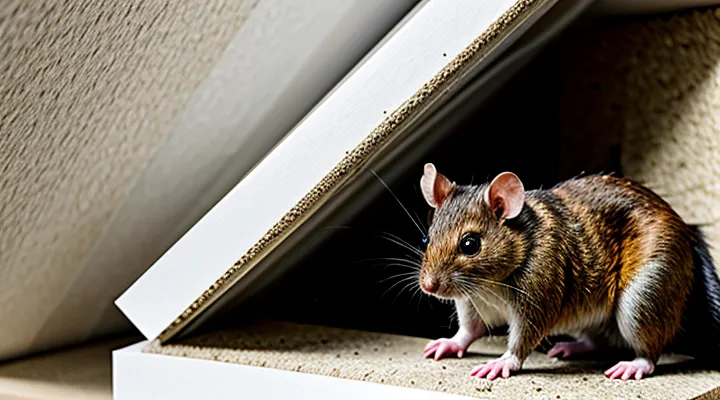
The Problem with Pests and Traditional Insulation
Rodents: A Persistent Threat
Chewing Habits and Nesting
Rodents gnaw on soft, fibrous, or cellulose‑based insulation to sharpen their incisors and create cavities for shelter. Materials such as cellulose, fiberglass with paper backing, and organic batts provide the texture and nutrient content that encourage continuous chewing. Insects, especially termites and carpenter ants, are attracted to cellulose and wood‑derived products, using them both as food and as building material for nests.
Materials that resist gnawing and deter nesting possess one or more of the following characteristics: non‑cellulose composition, high density, low moisture absorption, and chemical additives that are toxic or unpalatable to pests. Selecting insulation that combines these traits reduces the likelihood of damage and infestation.
- Polyurethane foam (closed‑cell) – rigid, low‑density, minimal chewability.
- Mineral wool (rock or slag) – high temperature resistance, abrasive texture, no organic content.
- Aerogel blankets – ultra‑light, non‑organic matrix, resistant to penetration.
- Silicone‑based foams – flexible yet chemically inert, discourages gnawing.
Avoid insulation that contains paper liners, natural fibers, or untreated wood fibers, as these invite both rodent gnawing and insect colonization. Prioritizing non‑organic, dense, or chemically treated options provides a durable barrier against the combined threats of chewing and nesting.
Disease Transmission and Damage
Rodent- and insect‑attracting insulation creates pathways for pathogens and structural compromise. Materials such as cellulose, untreated wood fiber, and certain foam blends provide food sources and nesting sites, encouraging infestations that directly affect human health and building integrity.
Pathogens carried by common pests include:
- Hantavirus – transmitted by rodent urine, droppings, and saliva; inhalation of aerosolized particles in contaminated insulation poses a respiratory risk.
- Salmonella – spread through rodent feces; contact with contaminated insulation fibers can lead to gastrointestinal infection.
- Lyme disease – ticks may colonize insulation gaps; bites transmit Borrelia burgdorferi.
- West Nile virus – mosquitoes breeding in moist insulation layers can transmit the virus to occupants.
Physical damage results from gnawing, burrowing, and nesting activities. Rodents chew insulation to access structural cavities, reducing thermal performance and exposing wiring to fire hazards. Insect colonies, especially termites and carpenter ants, degrade cellulose‑based products, weakening load‑bearing elements and promoting moisture accumulation, which further encourages mold growth.
Selecting insulation that resists infestation mitigates these risks. Effective options share the following attributes:
- Non‑nutritive composition – synthetic polymers (e.g., closed‑cell spray foam, extruded polystyrene) lack digestible material for pests.
- Dense, impermeable structure – limits entry points and discourages nesting.
- Integrated pest‑resistant additives – chemical or physical barriers that deter chewing and colonization.
- Certification for rodent/ insect resistance – compliance with standards such as ASTM C1029 or equivalent testing verifies performance.
- Low moisture absorption – prevents conditions conducive to insect breeding and mold development.
Implementing insulation that meets these criteria eliminates vectors, reduces disease exposure, and preserves structural integrity. The result is a safer, longer‑lasting building envelope.
Insects: Silent Invaders
Termites: Structural Integrity Risks
Termites feed on cellulose, degrading wood, drywall, and structural sheathing. Their activity reduces material strength, creates voids, and can precipitate collapse of load‑bearing elements.
Cellulose‑based and wood‑fiber insulations provide a food source and moisture‑retaining environment that facilitate termite colonization. When such products are installed in walls or ceilings, they create pathways for insects to reach structural components.
Risks to structural integrity include:
- Diminished load‑bearing capacity of beams and joists due to internal tunneling.
- Compromised sheathing and framing members, leading to gaps that allow further pest ingress.
- Accelerated moisture migration, fostering rot in conjunction with termite damage.
Choosing insulation that resists termite infestation mitigates these hazards. Materials such as mineral wool, closed‑cell spray foam, and rigid foam boards lack cellulose content and maintain low moisture levels, reducing the likelihood of termite establishment. Verify that selected products meet pest‑resistance certifications and are installed with proper barriers to prevent entry points.
Ants, Cockroaches, and Other Pests
Ants, cockroaches, and similar pests can compromise building insulation by nesting in fibrous or organic components, creating pathways for moisture, and accelerating material degradation. Their activity introduces fecal matter and secretions that attract additional insects and mold, reducing thermal performance and indoor air quality.
- Ants: Exploit gaps in foam board and cellulose insulation, establishing colonies that tunnel through material, weakening structural integrity.
- Cockroaches: Prefer cellulose and mineral wool that retain moisture; they feed on organic binders, creating holes and releasing allergens.
- Termites and beetles: Attack wood‑based or straw‑based insulation, consuming cellulose fibers and leaving voids that diminish R‑value.
- Other arthropods: Utilize any porous substrate for shelter, especially when insulation is exposed to moisture.
Materials that resist these pests share common characteristics: low organic content, closed‑cell structure, and moisture resistance. Selecting such products eliminates the risk of infestation and maintains insulation efficiency.
- Closed‑cell spray foam: synthetic polymer matrix, non‑porous, inhospitable to insects.
- Rigid polyisocyanurate boards: dense, moisture‑impermeable, no organic binders.
- Extruded polystyrene (XPS): solid cell walls, minimal surface texture, deters nesting.
- Foil‑faced insulation: metal barrier prevents pest entry and reduces moisture migration.
Implementing pest‑resistant insulation requires sealing all penetrations, installing vapor barriers where appropriate, and inspecting installations for gaps. Regular monitoring of building envelopes ensures early detection of any pest activity and preserves the longevity of the insulation system.
Understanding Pest-Resistant Insulation Properties
Material Composition and Density
Inhospitable Textures
Inhospitable textures create a physical barrier that discourages rodents and insects from nesting, chewing, or burrowing through insulation. Rough, abrasive, or densely packed surfaces increase friction and reduce the ability of pests to gain traction, making the material unattractive for habitation.
Typical texture characteristics that deter pests include:
- Granular composites – sharp particles such as silica sand or mineral wool fibers create a gritty surface that irritates mouthparts and paws.
- Dense fibrous mats – tightly bound fibers limit voids, preventing insects from establishing colonies and rodents from creating tunnels.
- Coarse woven fabrics – high‑thread‑count fabrics with uneven weaves present an uneven terrain that hinders movement.
- Embedded hard particles – inclusion of glass beads or ceramic shards produces a hard, unyielding matrix that resists gnawing.
When selecting an insulation product, prioritize those whose surface texture aligns with the above criteria. Verify that manufacturers provide data on particle size distribution, fiber density, and surface hardness. Materials that combine thermal performance with a deliberately rough or compacted exterior deliver both energy efficiency and pest resistance.
Non-Nutritive Components
Non‑nutritive components are the primary factor that deters rodents and insects from damaging insulation. These substances provide no food value, preventing animals from gnawing or nesting within the material.
Typical non‑nutritive additives include:
- Silica‑based fillers – inert, abrasive particles that irritate chewing teeth and deter ingestion.
- Mineral wool binders – formulations based on calcium silicate or alumina, lacking organic content.
- Glass fiber coatings – smooth, non‑digestible surfaces that resist bite marks.
- Ceramic microspheres – lightweight, hard particles that increase brittleness, discouraging chewing.
Materials that incorporate these components maintain thermal performance while eliminating the attraction of edible or digestible binders such as starch, cellulose, or protein‑based resins. The absence of organic binders also reduces the risk of mold growth, which can otherwise attract insects.
When evaluating insulation for pest‑resistant applications, confirm that the product specification lists non‑nutritive fillers as the sole binding agents. Verify compliance with industry standards for rodent‑grade and insect‑proof classifications, which often require laboratory testing of chew resistance and ingestion avoidance. Selecting insulation built on non‑nutritive chemistry ensures structural integrity over the lifespan of the building without providing a food source for unwanted fauna.
Chemical Deterrents and Natural Repellents
Boric Acid and Other Treatments
Boric acid serves as a low‑toxicity insecticide and rodent deterrent when applied to insulation. Its crystalline form can be mixed with dust‑type fillers or incorporated into foam matrices, creating a barrier that disrupts the digestive systems of insects and discourages gnawing by rodents. The substance remains stable under typical building temperatures and does not emit volatile compounds that compromise indoor air quality.
Other treatments compatible with insulation systems include:
- Silicone‑based repellents – create a slippery surface that deters rodent chewing while resisting degradation from moisture.
- Copper‑based mesh – provides a physical barrier that also releases trace copper ions, which are unpalatable to many insects.
- Plant‑derived essential oil emulsions – contain compounds such as peppermint or clove oil that repel insects; formulations are engineered for slow release to avoid rapid evaporation.
- Foam‑integrated nanocapsules – encapsulate biocidal agents, releasing them only when mechanical damage occurs, thereby targeting pests that breach the insulation.
When selecting a protective measure, consider the following criteria:
- Compatibility with the insulation’s thermal performance.
- Resistance to moisture ingress and chemical degradation.
- Compliance with local building codes and health regulations.
- Minimal impact on occupants’ respiratory health.
Boric acid remains a preferred option for its balance of efficacy, cost, and safety, particularly when combined with a secondary physical barrier such as copper mesh. Proper installation—ensuring uniform distribution and sealing of treated zones—maximizes long‑term protection against both rodents and insects.
Essential Oils and Plant-Based Solutions
Essential oils and plant-derived compounds provide a non‑chemical barrier against gnawing rodents and nesting insects, making them viable components of insulation systems that must remain intact over time. Their volatility and strong odor disrupt the sensory cues rodents and insects rely on for locating shelter, reducing the likelihood of damage to structural cavities.
Commonly used essential oils include:
- Peppermint oil – high menthol content irritates rodent nasal passages and deters termites.
- Eucalyptus oil – phenolic compounds repel ants and beetles.
- Tea tree oil – terpinen‑4‑ol exhibits insecticidal activity against carpenter ants.
- Lavender oil – linalool interferes with rodent foraging behavior.
Plant-based materials serve a similar function while offering structural benefits. Cedar shavings, pine bark, and neem wood contain natural resins and tannins that are unpalatable to rodents and act as insect growth regulators. When incorporated as a thin layer behind insulation panels, these fibers create a physical and chemical deterrent without compromising thermal performance.
Selection guidelines:
- Verify that the oil or plant material is compatible with the chosen insulation type to avoid degradation of foam or fiberglass.
- Ensure the concentration of active compounds meets the minimum effective threshold documented in pest‑control studies.
- Apply the repellent uniformly, using spray or impregnation methods that allow controlled release over several months.
- Conduct periodic inspections to confirm sustained efficacy and replace or refresh the treatment before the active ingredients dissipate.
Integrating essential oils and plant‑based solutions into insulation assemblies delivers a biologically based defense, extending material lifespan while limiting reliance on synthetic pesticides.
Identifying Unsuitable Insulation Materials
Common Types Susceptible to Pests
Fiberglass: A Haven for Rodents
Fiberglass insulation consists of fine glass fibers that create a porous, warm‑to‑the‑touch surface. Rodents readily gnaw on this material because the fibers provide a soft, easily chewed substrate that mimics natural nesting material. The insulation also retains heat, offering a comfortable micro‑environment for burrowing animals. Consequently, fiberglass installations frequently become active rodent habitats, leading to damage, reduced thermal performance, and increased health risks from droppings and urine.
When selecting insulation for rodent‑resistant construction, consider the following factors:
- Material hardness: Rigid foams (polyiso, closed‑cell spray foam) resist gnawing due to their dense cellular structure.
- Surface texture: Smooth, non‑fibrous surfaces discourage nesting behavior.
- Thermal stability: Materials that remain cool under load do not attract rodents seeking warmth.
- Sealability: Products that can be fully encapsulated eliminate gaps where rodents could enter.
Choosing a non‑fibrous, hard‑shell insulation eliminates the primary attractant presented by fiberglass, thereby reducing the likelihood of rodent infestation and preserving the intended energy‑efficiency of the building envelope.
Cellulose: Food Source and Nesting Material
Cellulose is a carbohydrate polymer derived from plant fibers, widely employed in building insulation. Its organic composition makes it an attractive food source for rodents such as mice and rats, which can gnaw and consume the material to satisfy nutritional needs. In addition, insects—including termites, beetles, and carpenter ants—are drawn to cellulose for both sustenance and construction of nests. The dual appeal as nourishment and building material creates a pathway for infestation that compromises thermal performance and structural integrity.
Key factors that render cellulose unsuitable for pest‑resistant insulation:
- High digestibility encourages rodent feeding and burrowing.
- Presence of lignocellulosic fibers provides a substrate for insect colonization.
- Moisture absorption promotes microbial growth, further attracting insects.
- Soft texture facilitates easy manipulation and nesting by pests.
When selecting insulation that minimizes rodent and insect activity, prioritize inorganic or chemically treated options that lack nutritional value and resist mechanical degradation. Materials such as mineral wool, closed‑cell foam, or cellulose treated with approved pest‑deterrent additives reduce the likelihood of infestation while maintaining required thermal properties.
Cotton and Natural Fibers: Organic Appeal for Pests
Cotton and other natural fibers are frequently considered for insulation because they are renewable and breathable. Their organic composition, however, creates a food source for rodents and insects. Moisture‑absorbing properties increase the likelihood of mold growth, which further attracts pests seeking shelter and nutrition.
Key characteristics that make these materials unattractive for pest‑resistant insulation include:
- High cellulose content, readily digestible by insects such as termites and beetles.
- Soft texture that facilitates nesting for mice, rats, and squirrels.
- Ability to retain humidity, providing a conducive environment for fungal development and arthropod proliferation.
- Lack of inherent chemical deterrents; without added treatments, the fibers do not repel or kill pests.
When selecting insulation for environments prone to rodent or insect activity, prioritize materials that possess low organic content, moisture resistance, and built‑in pest deterrence. Synthetic foams, mineral wool, and rigid board products meet these criteria more effectively than untreated cotton or similar natural fibers.
Optimal Insulation Choices for Pest Prevention
Mineral Wool (Stone Wool or Rock Wool)
High Density and Inedible
High‑density insulation resists penetration because the compact structure limits the space rodents and insects can exploit. When material density exceeds the threshold at which gnawing produces a usable cavity, pests lose the incentive to attempt damage. The mass per unit volume also increases the acoustic and vibrational feedback that rodents detect, discouraging further activity.
Inedibility further protects insulation. Substances that lack nutritional value, taste, or digestibility are unattractive to rodents and insects seeking food sources. When the composition contains no organic binders, sugars, or proteins, the risk of chewing for sustenance disappears. This property also reduces the likelihood of insects establishing colonies within the material.
Practical options that combine high density and inedibility include:
- Rigid mineral wool boards (e.g., rock wool) with densities above 150 kg/m³.
- Closed‑cell polyurethane foam panels, formulated without plasticizers that attract insects.
- High‑density extruded polystyrene (XPS) sheets, featuring a non‑porous, non‑organic surface.
- Calcium silicate boards, offering both mass and a chemically inert surface.
When evaluating candidates, verify manufacturer specifications for density, moisture resistance, and the absence of organic additives. Confirm compliance with local building codes and fire safety standards before installation.
Fire Resistance and Soundproofing Benefits
Choosing insulation that deters rodents and insects while providing fire resistance and acoustic control requires attention to material composition and performance specifications. Materials such as mineral wool, rigid foam with insect‑inhibiting additives, and cellulose treated with borates deliver the necessary barriers against pests and meet stringent fire safety standards.
Mineral wool achieves Class A fire ratings because its inorganic fibers do not melt or emit toxic fumes when exposed to flame. The material forms a protective char layer that slows heat transfer, extending the time before structural elements reach critical temperatures. Rigid polyurethane foam, when blended with flame‑retardant chemicals, maintains a high ignition resistance and limits flame spread. Borate‑treated cellulose, derived from recycled paper, resists combustion through chemical inhibition and releases minimal smoke.
Acoustic performance derives from density, fibrous structure, and damping properties. Mineral wool’s dense fiber network absorbs sound across a broad frequency range, reducing airborne noise transmission. Rigid foam panels provide mass loading that blocks low‑frequency vibrations, while borate‑treated cellulose adds internal friction that dissipates sound energy. The combined effect improves privacy and comfort in residential and commercial settings.
Key advantages of pest‑resistant, fire‑rated, sound‑absorbing insulation:
- High fire classification (Class A or equivalent)
- Low smoke emission and non‑toxic combustion products
- Effective rodent and insect deterrence through chemical treatment or physical barrier
- Broad‑spectrum sound absorption and transmission loss
- Compatibility with standard building codes and sustainability criteria
Selecting such materials ensures compliance with safety regulations, enhances occupant protection, and contributes to a quieter indoor environment without compromising pest resistance.
Rigid Foam Boards (XPS, EPS, Polyiso)
Dense Structure and Chemical Resistance
A dense, chemically resistant composition forms the core defense against rodent gnawing and insect infestation. The compact molecular arrangement leaves little void for pests to exploit, while the material’s inertness blocks degradation from saliva, secretions, or acidic by‑products.
High density raises the mechanical threshold required for chewing. Rodents cannot easily fracture tightly packed fibers or solid foams, and insects lack the force to breach a solid matrix. Consequently, the insulation remains intact even under prolonged exposure to pest activity.
Chemical resistance prevents interaction with corrosive substances produced by insects, such as formic acid, and deters degradation caused by rodent urine or saliva. Materials that maintain structural integrity in the presence of these agents preserve thermal performance and fire safety ratings.
Suitable options include:
- Closed‑cell polyurethane foam with a minimum density of 2 lb/ft³, featuring a cross‑linked polymer network resistant to acidic exposure.
- Extruded polystyrene (XPS) boards, characterized by a uniform, high‑density cell structure and a surface coating that repels moisture and chemical attack.
- Rigid mineral wool, densified through high‑temperature bonding, offering both mechanical hardness and resistance to enzymatic breakdown.
When evaluating insulation for pest‑free applications, prioritize specifications that list compressive strength, density values, and chemical resistance ratings. Verify that the product meets recognized standards for rodent and insect deterrence, ensuring long‑term durability without compromising thermal efficiency.
Vapor Barrier and Thermal Performance
A vapor barrier prevents moisture from migrating into structural cavities, protecting insulation from water‑induced degradation. When the barrier is integrated with insulation that resists rodent gnawing and insect intrusion, the system maintains its intended thermal resistance over time.
Thermal performance depends on the combined R‑value of the insulation and the integrity of the vapor barrier. A compromised barrier allows condensation, which lowers effective R‑value and creates conditions favorable to pest activity. Materials that retain barrier continuity under mechanical stress preserve heat flow resistance and limit moisture‑driven damage.
Key attributes for selecting a vapor barrier compatible with pest‑resistant insulation:
- Polyethylene film with a minimum thickness of 6 mil; resistant to chewing and puncture.
- Reinforced foil laminates; provide a moisture‑tight seal and present a hard surface that deters rodents.
- Self‑adhesive barrier tapes rated for high tensile strength; ensure seamless joints that insects cannot infiltrate.
- Low‑permeability coatings applied to rigid board insulation; create a continuous barrier without adding separate layers.
Choosing a barrier that meets these criteria sustains thermal efficiency while eliminating pathways for rodents and insects to compromise the envelope.
Spray Foam (Closed-Cell and Open-Cell)
Seals Gaps and Prevents Entry
Insulation that creates a continuous barrier eliminates openings that rodents and insects exploit. Materials such as closed‑cell spray foam expand to fill cracks, joints, and voids, leaving no passage for pests. Rigid board insulation with sealed edges can be installed around framing members, preventing burrowing and gnawing. When applied correctly, these products lock out unwanted entry without compromising thermal performance.
Key characteristics that ensure effective sealing:
- High expansion ratio that reaches tight spaces
- Low permeability to air and moisture
- Adhesion to wood, metal, and concrete surfaces
- Compatibility with pest‑resistant coatings
Proper installation includes:
- Cleaning surfaces to remove debris and dust
- Applying sealant or foam at all junctions, including around pipes and electrical boxes
- Inspecting completed work for residual gaps or uneven coverage
- Conducting a final test by exposing the area to a controlled airflow to verify airtightness
Choosing insulation that both insulates and blocks pest pathways reduces the need for additional barriers, simplifies maintenance, and enhances building integrity.
Air Barrier and Moisture Control
Effective insulation selection must address two primary performance factors: airtightness and moisture regulation. Materials that prevent air infiltration reduce drafts, lower heating and cooling loads, and limit pathways through which rodents and insects can enter building cavities. Simultaneously, moisture‑control strategies protect insulation from degradation caused by water accumulation, which attracts pests and compromises thermal performance.
Key characteristics of an air barrier suitable for pest‑resistant applications include:
- Low permeability (≤ 1 perm) to block airflow while remaining flexible enough for installation around penetrations.
- Seamless integration with framing and sheathing to eliminate gaps that pests could exploit.
- Compatibility with vapor‑retarding layers to manage moisture drift without trapping condensation.
- Resistance to chewing or nesting, achieved through reinforced polymer films or mineral‑based membranes.
Moisture control measures complement the air barrier by directing liquid water away from insulation. Recommended practices involve:
- Installing a continuous vapor‑retarder on the warm side of the assembly, selected for permeability that matches the climate zone.
- Providing drainage planes or weep systems behind exterior cladding to collect and expel infiltrated rain.
- Using capillary‑break materials, such as closed‑cell spray foam, to interrupt water movement through structural members.
When both airtightness and moisture management are executed with materials designed to deter rodents and insects, the insulation system maintains its thermal integrity and extends service life without requiring additional pest‑control interventions.
Installation Best Practices for Pest-Free Insulation
Sealing Gaps and Entry Points
Caulking and Expanding Foams
Caulking and expanding foams are widely used to seal gaps and improve thermal performance in building envelopes. Their chemical composition determines whether they provide a barrier against rodents and insects or become a point of entry for pests.
- Acrylic and silicone caulks form a flexible seal that resists chewing by most rodents when fully cured. However, low‑grade acrylics soften under heat and can be gnawed.
- Polyurethane expanding foams create a rigid, airtight fill that blocks small insects. Standard foams contain organic compounds that attract termites and may degrade when exposed to moisture, allowing insects to tunnel.
- Fire‑rated foams incorporate additives that reduce flammability but do not improve pest resistance.
- Bio‑based foams derived from soy or corn oils are less attractive to insects but may lack the density required to deter rodents.
Selection criteria for pest‑resistant sealants:
- Choose caulks labeled “rodent‑proof” or “hard‑cure” with a minimum Shore A hardness of 70.
- Prefer closed‑cell polyurethane foams with a minimum density of 2 lb/ft³; higher density limits chewing.
- Verify that the product contains insect‑repellent additives such as borates or silica.
- Ensure compatibility with the substrate to prevent delamination, which creates gaps for pests.
- Apply a minimum thickness of 0.1 in. to eliminate voids that insects can exploit.
When installing, fully cure the sealant before exposing it to the environment. Inspect joints annually for signs of gnawing or cracking, and reapply using the same specifications if damage appears. Selecting caulking and expanding foams that meet the above requirements provides a reliable barrier against rodent intrusion and insect infestation while maintaining insulation integrity.
Pest Screens and Barriers
Pest screens and barriers provide a physical deterrent that complements insulation choices by preventing rodents and insects from entering building cavities. These components are typically installed over ventilation openings, utility penetrations, and foundation gaps, creating a sealed envelope that limits pest access without compromising airflow.
Effective screens employ materials such as stainless‑steel mesh with apertures no larger than 1/4 inch, ensuring exclusion of common rodents while allowing adequate ventilation. Insect‑specific barriers use finer mesh, often 1/8 inch or smaller, to block entry of cockroaches, ants, and beetles. Both types are corrosion‑resistant and maintain structural integrity under temperature fluctuations.
Key considerations when selecting pest screens and barriers:
- Mesh size matched to target pest species
- Material durability against moisture and chemical exposure
- Compatibility with existing insulation systems
- Ease of installation and maintenance access
- Compliance with local building codes and health regulations
Integrating these barriers with insulation that resists chewing and nesting reduces the likelihood of damage, extends the service life of thermal envelopes, and minimizes the need for chemical pest control measures. Properly sealed openings create a continuous defense line that supports overall building performance.
Proper Storage and Handling
Protecting Materials During Construction
During the building phase, insulation must be shielded from rodent gnawing and insect intrusion to preserve thermal performance and structural integrity. Selecting pest‑resistant products is only part of the solution; proper handling and temporary protection are equally critical.
Store insulation rolls or batts in sealed, moisture‑proof containers away from exterior walls. Keep pallets elevated on steel joists to prevent ground‑level pests from accessing the material. Immediately cover any unpacked sections with heavy‑duty tarpaulins that feature reinforced seams and secure fasteners.
Before installation, inspect the work area for existing rodent pathways such as gaps around utility penetrations, vent openings, and damaged sheathing. Seal identified openings with stainless‑steel mesh or cement‑based sealants that resist chewing. Apply a thin layer of insect‑deterrent coating to the surface of the insulation if the product specifications allow.
During placement, follow these steps:
- Lay a continuous, fine‑mesh barrier (minimum 1 mm stainless steel) over the insulation surface before closing walls or ceilings.
- Use mechanical fasteners (screws, nails) with anti‑chew washers rather than staples that rodents can easily remove.
- Install a secondary vapor barrier to prevent moisture accumulation, which attracts insects.
- Conduct a final inspection after each stage to verify that all seams are overlapped and sealed.
Maintain a clean site by removing debris, wood shavings, and food residues that could lure pests. Schedule regular site audits to detect early signs of gnawing or nesting, and replace compromised sections promptly. By integrating material protection measures with the choice of pest‑unsuitable insulation, the construction process yields a durable, health‑safe envelope.
Preventing Contamination
Selecting insulation that resists rodent and insect intrusion is a primary step in contamination prevention. Materials such as closed‑cell spray foam, rigid polyisocyanurate panels, and mineral wool with integrated pest‑resistant barriers create a physical shield that blocks entry points and eliminates nesting sites. Proper installation seals gaps around joists, studs, and penetrations, removing pathways that pests exploit.
Key practices for maintaining a contamination‑free envelope include:
- Conducting a pre‑installation inspection to identify and repair existing damage, cracks, or openings.
- Applying pest‑resistant sealants and tapes at seams, edges, and around utilities before insulation placement.
- Using metal or mesh sheathing beneath insulation in high‑risk areas to provide an additional barrier.
- Implementing a regular monitoring schedule that records signs of gnaw marks, droppings, or material degradation.
- Integrating moisture control measures, such as vapor barriers and drainage planes, to deter insects that thrive in damp conditions.
When these actions are combined with the selection of pest‑incompatible insulation, the risk of contaminant introduction through rodent or insect activity drops significantly, preserving structural integrity and indoor air quality.
Maintaining a Pest-Free Environment
Regular Inspections and Monitoring
Identifying Early Signs of Infestation
Early detection of pest activity is essential when evaluating insulation that must resist rodents and insects. Visible indicators include gnaw marks on wiring or framing, shredded fibers protruding from walls, and small piles of droppings near seams. Unusual odors, such as a sweet or musky scent, often accompany active nests, while fresh mud or plant material pushed into cavities signals burrowing behavior.
Physical evidence can be corroborated by indirect signs. Increased noise at night, especially scratching or scurrying sounds, suggests movement within concealed spaces. Temperature fluctuations in insulated zones may indicate material compromise caused by burrow tunnels. Moisture accumulation, resulting from pest urine or damaged vapor barriers, creates conditions that accelerate insulation degradation.
A systematic inspection should address each sign:
- Inspect exposed joints, corners, and utility penetrations for bite marks or fiber loss.
- Examine attic and crawl‑space insulation for clusters of droppings, gnaw holes, or displaced material.
- Use a flashlight and mirror to survey hidden cavities, noting any fresh mud or plant debris.
- Listen for nocturnal activity with a handheld recorder or by placing a quiet sensor near suspect areas.
Prompt identification of these early indicators enables timely replacement with pest‑resistant insulation, preserving structural integrity and energy efficiency.
Professional Pest Control Measures
Professional pest control measures focus on preventing rodent and insect intrusion through systematic exclusion, monitoring, and targeted treatment. Effective exclusion begins with sealing all potential entry points in the building envelope, including gaps around pipes, vents, and wiring. High‑density foam, metal flashing, and properly installed weatherstripping create barriers that resist chewing and burrowing.
Monitoring implements strategically placed traps and inspection stations to detect early activity. Data from these devices guide the timing and location of interventions, reducing unnecessary chemical use. When treatment is required, integrated pest management (IPM) protocols prioritize low‑toxicity options such as bait stations for rodents and insect growth regulators for insects, reserving broad‑spectrum pesticides for confirmed infestations.
A coordinated approach aligns insulation selection with pest control objectives. Materials that lack chew‑resistant properties or contain organic fibers attract pests and compromise structural integrity. Choosing insulation formulated with inert, non‑food substrates and reinforced with metal mesh or coated fibers limits attraction and provides an additional physical barrier.
Key professional actions include:
- Conducting a comprehensive building audit to locate vulnerabilities.
- Installing exclusion devices that meet industry standards for durability.
- Deploying monitoring tools calibrated for local pest species.
- Applying IPM‑based treatments in accordance with regulatory guidelines.
- Verifying that insulation products meet pest‑resistance specifications before installation.
Continuous documentation of inspection results and treatment outcomes ensures compliance and facilitates adjustments to the pest management plan as environmental conditions evolve. This systematic methodology protects both the building envelope and occupant health while maintaining the performance of chosen insulation solutions.
Integrated Pest Management (IPM) Strategies
Holistic Approach to Prevention
A holistic prevention strategy integrates material choice, building envelope design, site management, and ongoing surveillance to eliminate pathways for rodents and insects that compromise insulation performance.
Material selection focuses on properties that deter pests while maintaining thermal efficiency.
- Dense, non‑cellular foams resist gnawing and burrowing.
- Fiberglass or mineral wool treated with pest‑repellent additives discourages nesting.
- Non‑organic barriers such as metal sheeting or rigid polycarbonate panels provide physical exclusion.
- All components must comply with fire safety and indoor‑air‑quality standards.
Envelope construction reinforces material defenses.
- Seal all penetrations, including conduit sleeves and utility openings, with steel wool or metal mesh.
- Install continuous perimeter barriers beneath slabs and around foundation walls.
- Provide vented crawl spaces equipped with fine‑mesh screens to prevent ingress while allowing airflow.
Site management reduces attractants that draw pests toward the building envelope.
- Eliminate standing water, remove debris, and trim vegetation away from the foundation.
- Store firewood and compost at a minimum distance of three meters from the structure.
- Maintain clean gutters and downspouts to avoid moisture accumulation that attracts insects.
Surveillance and maintenance ensure early detection and rapid response.
- Conduct quarterly visual inspections of insulation layers, focusing on signs of gnaw marks or insect frass.
- Deploy passive monitoring stations, such as glue boards or electronic detectors, in vulnerable zones.
- Repair compromised barriers and replace damaged insulation promptly to prevent secondary infestations.
By synchronizing these elements, the prevention program addresses the full spectrum of risk factors, delivering a durable, pest‑resistant insulation solution.
Sustainable Solutions
Sustainable insulation solutions that resist rodent and insect intrusion combine ecological performance with pest‑deterrent characteristics. Materials derived from natural or recycled sources often possess inherent qualities that discourage nesting and chewing, while also reducing carbon footprints.
Mineral wool, produced from basalt or slag, offers high fire resistance and dense fiber structures that rodents cannot easily penetrate. Its non‑organic composition eliminates attraction for insects that feed on cellulose. When sourced from recycled content, mineral wool contributes to waste reduction.
Cellulose insulation, treated with borate compounds, retains the renewable nature of recycled paper while acquiring toxicity to insects and rodents. Borate additives are stable, low‑toxicity to humans, and prevent degradation caused by pest activity.
Sheep’s wool provides a biodegradable option with natural lanolin that repels insects. Properly blended with fire‑retardant treatments, it maintains structural integrity against gnawing rodents.
Cork panels, harvested from renewable cork oak forests, feature a closed‑cell structure that resists moisture and limits insect colonization. Their compressibility and durability make them suitable for walls and ceilings where pest pressure is high.
Recycled denim insulation, composed of post‑consumer cotton fibers, can be infused with natural repellents such as neem oil. The resulting product offers thermal performance comparable to traditional fiberglass while limiting attractiveness to pests.
Key criteria for selecting sustainable, pest‑resistant insulation include:
- High density or closed‑cell architecture that blocks entry points
- Non‑organic composition or treated organic fibers to deter insects
- Use of recycled or renewable feedstock to lower environmental impact
- Compatibility with fire‑safety standards and indoor air quality requirements
By prioritizing these attributes, builders and homeowners can achieve energy efficiency, environmental stewardship, and long‑term protection against rodent and insect damage without compromising sustainability goals.