
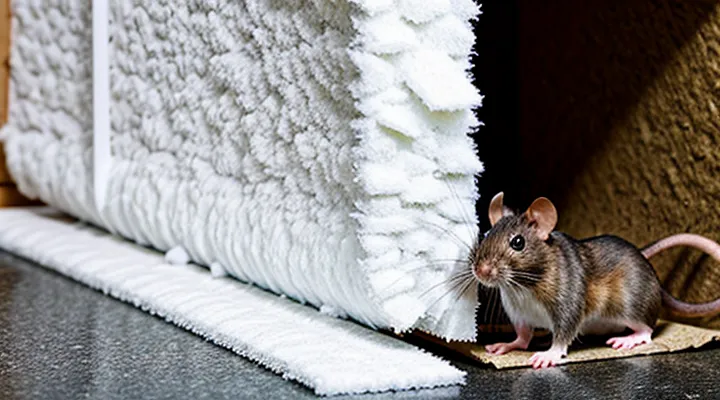
Understanding Pests in Insulation
Why Rodents Are Drawn to Insulation
Shelter and Nesting
Rodents select building cavities that provide warmth, protection from predators, and stable humidity for constructing nests. When insulation creates a comfortable micro‑environment, it can become an attractive shelter, encouraging mice and rats to establish breeding sites within walls and attics.
Materials that limit shelter suitability share three core attributes: low thermal retention at low thickness, smooth or non‑porous surfaces that impede chewing, and resistance to moisture accumulation. These characteristics reduce the appeal of the cavity as a warm, dry refuge and hinder the ability of rodents to create stable nests.
- Closed‑cell spray foam with a high expansion ratio; its rigid, airtight layer eliminates gaps and resists gnawing.
- Rigid mineral wool boards treated with borate compounds; the inorganic composition remains hard and unpalatable.
- Polyethylene‑based reflective foils; smooth surfaces discourage attachment and provide a barrier to heat loss without creating a soft nest substrate.
- Aerogel blankets encased in vapor‑tight membranes; ultra‑light structure offers insulation without providing a material that rodents can manipulate.
Installation should ensure continuous coverage, sealing all seams and penetrations. Overlapping joints, applying sealant at junctions, and installing metal flashing around openings prevent rodents from exploiting minor gaps. Properly applied rodent‑resistant insulation eliminates the micro‑climate that rodents seek for shelter and nesting, thereby reducing the likelihood of infestation.
Food and Water Sources
Food and water availability drives rodent activity around building envelopes. When insulation retains crumbs, spills, or condensation, it creates a localized supply that encourages mice and rats to explore cavities and breach barriers.
Materials that resist rodent intrusion incorporate features that limit nutrient and moisture presence:
- Closed‑cell foams with non‑absorbent surfaces prevent liquid seepage and crumb adherence.
- Fiberglass batts treated with moisture‑repellent additives dry quickly after exposure, eliminating standing water.
- Rigid board insulations composed of dense polymers lack voids where debris can accumulate.
Installation practices further reduce attractants. Seal all seams and joints with rodent‑proof tape, apply vapour barriers that direct condensation away from insulation layers, and remove any food residues before closing walls. Regular inspections should verify that no organic material has infiltrated the cavity, maintaining a hostile environment for pests.
Problems Caused by Rodents in Insulation
Health Risks
Rodent‑resistant insulation can introduce health hazards that persist after installation. Fiberglass and mineral wool contain fine glass fibers; inhalation may irritate the respiratory tract and exacerbate asthma. Some manufacturers add formaldehyde‑based binders to improve rigidity; formaldehyde is a known carcinogen and sensitizer, capable of causing eye, nose, and throat irritation.
Cellulose insulation, often treated with borate compounds to deter pests, poses ingestion risks. Accidental consumption of dust particles can lead to gastrointestinal upset and, in high concentrations, liver or kidney toxicity. Borates may also provoke skin irritation in sensitive individuals.
Foam‑based products, such as spray polyurethane foam, emit volatile organic compounds (VOCs) during curing. VOC exposure can produce headaches, dizziness, and, with prolonged contact, respiratory inflammation. Inadequate ventilation during application increases the likelihood of acute symptoms.
Fire retardants added to many insulation types release toxic gases when burned, including hydrogen cyanide and carbon monoxide. These gases are lethal at high concentrations and can cause neurological damage at lower levels.
Potential for mold growth arises when insulation retains moisture. Mold spores trigger allergic reactions, asthma attacks, and, in chronic cases, hypersensitivity pneumonitis.
Key health risks
- Respiratory irritation from fiberglass or mineral wool fibers
- Chemical exposure to formaldehyde, borates, and VOCs
- Toxic gas release during combustion of fire‑retardant treated insulation
- Allergic and asthmatic reactions to mold proliferation
Mitigation requires proper personal protective equipment during installation, thorough ventilation, moisture control, and selection of low‑emission, non‑toxic insulation formulations.
Structural Damage
Rodent‑resistant insulation reduces the likelihood of structural damage caused by gnawing, nesting, and burrowing. Conventional fibrous or foam products often contain organic binders that attract mice and rats, leading to compromised walls, ceilings, and floors. When rodents infiltrate insulation, they create pathways for moisture, accelerate decay, and undermine load‑bearing elements.
Key damage mechanisms include:
- Chewed wiring and support members – gnawed electrical cables and wooden joists weaken fire safety and load capacity.
- Compromised thermal barriers – holes and tunnels allow heat loss, increasing energy consumption and creating condensation points.
- Moisture accumulation – nesting material blocks vapor barriers, fostering mold growth and rot in surrounding structures.
- Structural displacement – burrowing activity pushes apart framing components, reducing overall rigidity.
Materials formulated with inorganic fibers, mineral wool, or closed‑cell polymers lack the scent and texture that attract rodents. Their hardness deters gnawing, while the absence of organic binders eliminates food sources. Selecting such products prevents the cascade of damage outlined above, preserving building integrity and extending service life.
Characteristics of Rodent-Resistant Insulation
Inhospitable Textures and Materials
Rodent‑resistant insulation relies heavily on surface characteristics that discourage gnawing and nesting. Materials with textures that are uncomfortable to chew or that lack crevices provide a primary defense against mice and rats seeking shelter.
Smooth, low‑friction surfaces reduce the tactile feedback rodents use to assess suitability for burrowing. Abrasive finishes increase wear on incisors, making prolonged chewing impractical. Dense, non‑porous compositions eliminate gaps where droppings or nesting material could accumulate, further decreasing attraction.
- Metal foil or stainless‑steel sheeting: hard, slick, and impossible to gnaw through.
- Rigid polyurethane foam with a glossy outer coating: smooth, closed‑cell structure prevents penetration.
- Fiberglass batts wrapped in a reinforced polymer film: abrasive outer layer resists chewing while maintaining thermal performance.
- Mineral wool treated with ceramic coating: gritty texture damages teeth, and the coating seals fibers.
- Polyethylene or PVC sheathing featuring a serrated embossing: irregular surface deters rodents without compromising flexibility.
Effective implementation requires continuous coverage. Seal all seams with rodent‑proof tape, install mesh barriers at entry points, and verify that insulation interfaces with structural elements without leaving exposed gaps. Consistent application of inhospitable textures creates an environment that rodents find unsuitable for habitation, thereby preserving insulation integrity and building health.
Lack of Nutritional Value
Materials that provide no food source deter rodents from gnawing or nesting. When insulation lacks carbohydrates, proteins, or fats, mice and rats find no nutritional incentive to chew or embed themselves, reducing damage risk.
Key characteristics that ensure an absence of nutritional value include:
- Inorganic composition (e.g., mineral wool, fiberglass, aerogel) that offers no digestible components.
- Synthetic polymers (e.g., closed‑cell polyurethane foam, polystyrene) that are chemically inert and non‑edible.
- Surface treatments that seal fibers, preventing exposure of any organic binders.
Selecting insulation with these properties lowers the likelihood of rodent activity, because the material does not satisfy the animals’ dietary needs. Consequently, buildings that employ such non‑nutritive barriers experience fewer infestations and less associated maintenance.
Odor Neutrality
Odor neutrality is a critical attribute of insulation that discourages rodent activity. Materials that emit no detectable scent prevent mice and rats from using smell as a cue to locate shelter or food sources. Neutral odor also eliminates the risk of attracting insects that could indirectly support rodent populations.
Key benefits of scent‑free insulation include:
- Reduced likelihood of rodent nesting in wall cavities.
- Compatibility with indoor air quality standards, as no volatile organic compounds are released.
- Maintenance of a stable environment for building occupants, avoiding unpleasant odors.
Selection criteria for odor‑neutral insulation focus on composition and manufacturing processes. Fibrous products such as mineral wool, closed‑cell foam, and certain cellulose blends are treated to remove residual chemicals that could emit odors. Verification through laboratory odor panels or standardized smell‑threshold testing confirms compliance before installation.
Types of Rodent-Resistant Insulation Materials
Mineral-Based Options
Mineral Wool (Rock Wool and Slag Wool)
Mineral wool, produced from basalt rock (rock wool) or blast‑ furnace slag (slag wool), consists of fine, interlocked fibers that create a dense, non‑organic matrix. The manufacturing process melts raw material at temperatures above 1,400 °C, then spins the molten mass into fibers that are bound without the addition of edible binders or cellulose.
Rodents find mineral wool unappealing because the fibers are abrasive, lack nutritional value, and do not provide nesting material. The texture deters gnawing, while the high density prevents easy burrowing. Consequently, installations that employ mineral wool are less likely to experience rodent intrusion compared to cellulose‑based or fibrous organic insulations.
Beyond rodent resistance, mineral wool delivers thermal conductivity between 0.032 and 0.045 W/(m·K), reducing heat loss in walls, roofs, and ducts. Its acoustic damping properties stem from the fiber network that absorbs sound waves, improving interior noise control. The material is inherently fire‑resistant, maintaining structural integrity at temperatures exceeding 1,000 °C and limiting flame spread.
Installation requires protective clothing, gloves, and a dust mask to avoid skin irritation and inhalation of fibers. Panels or batts should be cut with a sharp knife and fitted tightly to avoid gaps that could compromise performance. Sealing joints with compatible vapor barriers preserves the insulation’s effectiveness and further discourages rodent entry.
Key characteristics of mineral wool for rodent‑resistant applications:
- Non‑organic, fiber‑based composition
- Abrasive texture that deters gnawing
- High density, preventing burrowing
- Thermal conductivity 0.032–0.045 W/(m·K)
- Acoustic absorption across a broad frequency range
- Fire resistance up to 1,000 °C
- Compatibility with standard framing and sheathing systems
These attributes make mineral wool a reliable choice for insulation projects where rodent activity is a concern while delivering thermal, acoustic, and safety benefits.
Perlite and Vermiculite
Perlite and vermiculite are lightweight inorganic aggregates commonly used in building envelopes for thermal and acoustic insulation. Their mineral composition, low density, and lack of organic nutrients make them unattractive to rodents, reducing the likelihood of nesting or chewing.
Both materials provide high R‑values per inch of thickness. Perlite consists of expanded volcanic glass with a porous structure that traps air, while vermiculite is an expanded mica offering similar porosity and additional fire‑resistance. Neither contains cellulose or other organic binders that rodents typically seek.
Key characteristics relevant to rodent-resistant insulation:
- Non‑organic composition – no food source for mice or rats.
- Rigid particles – difficult for gnawing and shaping into nests.
- Low moisture retention – discourages the damp environments rodents favor.
- Inert chemical nature – no odors that attract pests.
Installation guidelines emphasize sealed joints and proper barrier placement. When perlite or vermiculite is installed within cavity walls, roof decks, or floor underlays, it should be combined with a continuous physical barrier such as metal mesh or heavy‑gauge foil to prevent any potential entry points. Adequate sealing of penetrations for utilities further limits access.
Advantages include:
- Consistent thermal performance across a wide temperature range.
- Resistance to compression, preserving insulation thickness over time.
- Compatibility with spray‑foam or cellulose overlays for hybrid systems.
Limitations involve handling precautions: fine particles become airborne and may irritate respiratory passages, requiring protective equipment during installation. Vermiculite sourced before 1990 may contain trace asbestos; verification of supplier certification is essential.
Overall, perlite and vermiculite deliver effective thermal insulation while inherently deterring rodent activity, making them suitable choices for construction projects that prioritize pest‑free building envelopes.
Synthetic and Recycled Options
Rigid Foam Boards (Polyisocyanurate, Extruded Polystyrene)
Rigid foam boards, including polyisocyanurate (polyiso) and extruded polystyrene (XPS), provide a dense, closed‑cell matrix that deters chewing by mice and rats. The material’s high compressive strength and low permeability limit the ability of rodents to penetrate or create tunnels, making it a reliable barrier in walls, roofs, and foundations.
Key characteristics that contribute to rodent resistance:
- Closed‑cell structure eliminates internal voids where gnawing could begin.
- Surface hardness exceeds the typical bite force of common household rodents.
- Moisture‑resistant formulation prevents degradation that might attract pests.
- Chemical composition lacks organic binders or fibers that rodents find palatable.
Installation practices that enhance effectiveness:
- Apply continuous sheets without gaps; seal joints with compatible tape or foam sealant.
- Overlap boards at seams and fasten them with corrosion‑resistant screws or adhesives.
- Combine rigid foam with a physical barrier such as metal flashing at vulnerable points (e.g., around pipes and vents).
When selected and installed correctly, polyiso and XPS boards serve as a durable, pest‑averse component of insulation systems, reducing the likelihood of rodent intrusion while maintaining thermal performance.
Recycled Denim Insulation
Recycled denim insulation is a dense, cellulose‑based product derived from post‑consumer denim fabrics. The material’s tightly packed fibers create a barrier that rodents find difficult to penetrate, making it a reliable option for structures where mouse and rat avoidance is essential.
Key characteristics include:
- High compressive strength that resists burrowing
- Low moisture absorption, limiting food sources for pests
- Natural fire retardancy achieved through treatment with borates
- Acoustic damping and thermal resistance comparable to conventional fiberglass
Installation follows standard blown‑in or batts methods, with the added advantage that the fibers remain stable under typical building temperatures. The product’s composition eliminates the need for chemical repellents, reducing maintenance demands and potential health concerns for occupants.
Environmental impact is minimized by reusing textile waste, decreasing landfill volume, and lowering the carbon footprint associated with manufacturing new insulation. Compared with mineral wool or foam alternatives, recycled denim offers equivalent energy efficiency while providing a rodent‑deterrent profile without relying on synthetic additives.
Installation Techniques for Pest Prevention
Sealing Gaps and Cracks
Effective rodent‑resistant insulation begins with eliminating entry points. Even the smallest opening—down to a quarter‑inch—provides a pathway for mice and rats to access wall cavities and insulation layers. Sealing these gaps prevents pests from compromising thermal performance and contaminating the material.
Common locations for gaps include:
- Gaps around utility penetrations (pipes, wires, ducts)
- Openings at the top and bottom plates of walls
- Spaces around window and door frames
- Cracks in foundation and sill plates
For each location, apply a sealing method that maintains the integrity of the insulation. Use high‑quality, flexible sealants such as silicone‑based caulk or polyurethane foam that remain intact under temperature fluctuations. Metal flashing or stainless‑steel mesh can reinforce areas prone to chewing, providing a physical barrier that rodents cannot gnaw through.
When installing sealants, follow these steps:
- Clean the surface to remove dust, debris, and loose material.
- Apply sealant evenly, ensuring complete coverage of the gap.
- Allow the product to cure according to the manufacturer’s specifications before covering with insulation.
Selecting sealants with low toxicity and proven durability ensures long‑term protection without compromising indoor air quality. By systematically sealing all gaps and cracks, the insulation system remains effective and unattractive to rodents, extending its service life and preserving building health.
Proper Ventilation
Proper ventilation eliminates moisture accumulation that can soften insulation and create a food source for rodents. Dry, well‑aerated spaces reduce the likelihood that mice and rats will gnaw on or nest within insulating layers.
Adequate airflow maintains stable temperature gradients, preventing condensation on surfaces where insects and debris collect. When humidity stays low, the insulation retains its structural integrity, making it less appealing for burrowing or chewing.
- Install vent openings at regular intervals along walls and ceilings.
- Use adjustable louvers to control airflow without compromising the building envelope.
- Seal all gaps around ducts, pipes, and electrical conduits with rodent‑proof caulk.
- Integrate breathable barrier fabrics that allow moisture to escape while blocking entry.
- Conduct periodic inspections to verify that vents remain unobstructed and that no signs of rodent activity appear.
Implementing these measures ensures that insulation designed to deter rodents performs effectively over the long term.
Integrating Pest Control Measures
Choosing insulation that discourages rodents while applying targeted pest‑control tactics creates a durable barrier against infestation. Materials with high density, low cellulose content, and reinforced fibers provide physical resistance, eliminating the primary attraction for mice and rats.
Effective integration of pest‑control measures includes:
- Installing metal or ceramic mesh around insulation seams to block entry points.
- Applying non‑toxic, rodent‑repellent coatings to the surface of the insulation.
- Sealing all gaps in the building envelope with rodent‑proof caulk or foam.
- Positioning bait stations and monitoring traps at strategic locations near insulation cavities.
- Conducting regular visual inspections to detect gnaw marks or droppings early.
Maintenance protocols reinforce the barrier. Replace damaged insulation promptly, refresh repellent treatments according to manufacturer guidelines, and recalibrate trap placement after seasonal rodent activity shifts. Consistent documentation of inspections and interventions supports rapid response and long‑term effectiveness.
Cost-Effectiveness and Environmental Impact
Long-Term Savings
Choosing insulation that discourages rodents yields measurable financial benefits over the lifespan of a building. The material’s resistance to chewing and nesting eliminates several recurring expenses.
- Reduced structural repairs – Rodents gnaw wiring, framing and ductwork, creating costly damage. A pest‑proof barrier prevents these failures, extending the service life of critical components.
- Lower energy bills – Gaps created by burrowing insects or rodents compromise thermal performance. Materials that stay intact maintain R‑value, decreasing heating and cooling demand.
- Decreased pest‑control outlays – Ongoing extermination contracts and emergency treatments disappear when the insulation itself deters infestation.
- Fewer insurance claims – Claims related to rodent damage often increase premiums. Maintaining a rodent‑resistant envelope can keep insurance costs stable.
- Extended replacement cycle – Conventional insulation degrades faster when exposed to rodent activity, requiring earlier replacement. Durable, non‑attracting products postpone this investment.
Collectively, these factors translate into a lower total cost of ownership. Initial expenditure may be higher, but the avoidance of repetitive repair, energy loss, and pest‑management fees results in net savings that accrue year after year.
Sustainability of Materials
Rodent‑resistant insulation must meet performance criteria while minimizing environmental impact. Sustainable selection focuses on raw‑material origin, energy consumption during production, durability, and end‑of‑life options.
Renewable feedstocks such as cellulose derived from post‑consumer paper, bio‑based foams, and plant‑based fibers replace petroleum‑derived polymers. These resources reduce embodied carbon because cultivation absorbs atmospheric CO₂ and processing requires less fossil energy. Materials sourced from certified sustainable forests provide traceability and prevent deforestation.
Durability contributes directly to sustainability. Longer service life decreases replacement frequency, lowering cumulative resource use and waste generation. Insulation that retains shape and resist moisture maintains effectiveness over decades, reducing the need for additional installations.
End‑of‑life strategies determine the final environmental burden. Options include:
- Mechanical recycling into new insulation panels or other building components.
- Thermal conversion to recover energy without releasing hazardous emissions.
- Composting for biodegradable blends, returning organic matter to soil.
Life‑cycle assessment (LCA) data for each candidate material quantify greenhouse‑gas emissions, water use, and ecological toxicity. Decision‑makers can compare LCA results to prioritize products with the lowest overall impact while still providing resistance to rodent intrusion.
Regulatory certifications such as Cradle‑to‑Cradle, GREENGUARD, and FSC reinforce claims of sustainability. Compliance with these standards guarantees that the material meets rigorous environmental criteria throughout its lifecycle.
In summary, sustainable rodent‑deterring insulation combines renewable raw materials, high durability, and responsible disposal pathways, resulting in reduced ecological footprint without compromising pest‑resistance performance.