
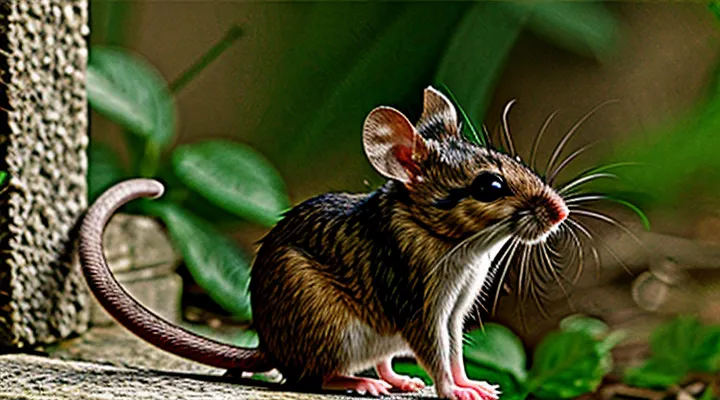
Understanding the Challenge of Identification
Why Distinguish Between Similar Animals?
Distinguishing among rodent species that resemble mice yet possess elongated snouts is necessary for accurate scientific and practical outcomes. Morphological similarity can conceal significant differences in behavior, habitat preference, and disease vector potential; therefore, precise identification prevents erroneous conclusions.
Key reasons for differentiation include:
- Ecological assessment: Species-specific feeding habits and burrowing patterns affect soil composition and plant communities.
- Health surveillance: Certain long‑snouted forms carry pathogens absent in typical mice, influencing zoonotic risk evaluations.
- Conservation planning: Endangered populations may be masked by more common look‑alikes, leading to inadequate protection measures.
- Pest control: Effective management strategies depend on the target’s reproductive rate and susceptibility to control agents.
- Evolutionary research: Clarifying lineage relationships enhances understanding of adaptive traits such as snout elongation.
Misidentifying these animals can distort population estimates, compromise disease monitoring, and waste resources on inappropriate management actions. Accurate taxonomy therefore underpins reliable data collection and informed decision‑making.
In summary, precise separation of morphologically akin rodents supports ecological integrity, public health, biodiversity preservation, and efficient resource allocation.
Key Characteristics of Mice
General Rodent Features
Rodents share a distinctive dental arrangement that distinguishes them from other mammals. All species possess a single pair of continuously growing incisors in each jaw, characterized by a sharp, chisel‑like edge and a hard enamel surface on the front half and softer dentine on the rear. This configuration requires constant gnawing to maintain appropriate tooth length.
Body morphology further unifies the order. Typical rodent dimensions range from a few centimeters in dwarf species to several tens of centimeters in larger forms, yet most exhibit a compact skull, short limbs, and a proportionally long tail. The tail may be naked or sparsely haired, often serving as a balance aid during arboreal or terrestrial locomotion.
Sensory structures provide additional identification cues. Prominent vibrissae extend from the rostrum, supplying tactile feedback essential for navigating confined spaces. Large, laterally positioned eyes contribute to a wide field of vision, while the auditory bullae are generally well developed, enhancing acute hearing.
Reproductive traits also display consistency. Female rodents possess a duplex uterus with two separate uterine horns, allowing simultaneous development of multiple embryos. Litter sizes vary widely but tend toward high numbers, facilitating rapid population growth.
Key features useful for recognizing species resembling mice with elongated snouts include:
- Extended rostral length relative to skull width
- Retention of the universal rodent dental formula (1/1 incisors, no canines, 0/0 premolars, 3/3 molars)
- Presence of a naked or lightly furred tail exceeding body length
- Well‑developed whisker pads and large auditory bullae
- Compact body size, typically under 150 mm head‑and‑body length
These characteristics collectively define the rodent clade and enable precise differentiation of long‑snouted mouse analogues from unrelated mammals.
Specific Mouse Traits
The examination of mouse morphology provides essential criteria for distinguishing species that possess unusually long rostra. Precise measurement of cranial length, nasal bone extension, and overall head proportion establishes a baseline for comparative analysis.
- Cranial length: total skull length exceeding 12 mm typically indicates an elongated snout.
- Nasal bone extension: nasal bones projecting beyond the standard mouse range by at least 2 mm.
- Whisker arrangement: dense vibrissae clusters aligned with the extended rostral margin.
- Ear size and shape: proportionally smaller ears relative to head width, often triangular.
- Tail length: tail-to-body ratio approaching or surpassing 1:1, reflecting adaptation to balance.
- Dental formula: presence of a high‑crowned (hypsodont) incisor with a pronounced curvature.
Each trait contributes to a composite profile used in taxonomic surveys. Cranial and nasal measurements directly quantify snout elongation, while whisker density correlates with tactile compensation for the extended rostrum. Ear morphology reduces drag during forward movement, and tail proportion supports agile navigation. Dental adaptations indicate dietary shifts associated with elongated snouts. Together, these characteristics form a reliable framework for identifying rodent specimens that deviate from typical mouse morphology.
Animals with Long Snouts Often Confused with Mice
Shrews
Defining Features of Shrews
Shrews are small, insectivorous mammals that often resemble rodents but possess distinct anatomical and physiological traits. Their elongated snouts house a highly developed set of sensory organs, enabling precise detection of prey through touch and smell. The snout length typically exceeds that of common house mice, providing a visual cue for differentiation.
Key characteristics of shrews include:
- Mass ranging from 2 to 15 g, comparable to or slightly larger than mouse body weight.
- Dense, velvety fur covering the body, usually brown or gray, lacking the glossy sheen of many rodent species.
- Sharp, pointed teeth without the gnawing incisors typical of rodents; molars are adapted for crushing insects.
- High metabolic rate requiring frequent feeding, often every few hours.
- Presence of a specialized vibrissal system on the snout, delivering tactile information critical for locating invertebrate prey.
- Lack of a true tail prehensile function; the tail is short and covered with fine hair.
Physiologically, shrews possess a reduced olfactory bulb relative to their reliance on mechanoreception, yet their nasal cavities contain a complex array of scent receptors that supplement prey detection. Their auditory system is tuned to high-frequency sounds, facilitating communication through ultrasonic calls.
Ecologically, shrews occupy habitats ranging from leaf litter in temperate forests to alpine meadows, where their elongated snouts provide an advantage in probing soil and leaf layers for hidden insects. Their niche overlaps with that of certain mouse species, yet the combination of dentition, metabolic demands, and sensory adaptations distinguishes them clearly.
Behavioral Differences from Mice
Animals that resemble mice but possess markedly elongated snouts exhibit distinct behavioral patterns. Their foraging strategies prioritize deep soil excavation, allowing access to subterranean insects and tubers unavailable to typical house mice. This contrasts with the surface-level grain and seed consumption common in Mus species.
Social organization differs markedly. Long‑snouted counterparts form smaller, often monogamous units, whereas standard mice display larger, fluid colonies with frequent male competition. Pair bonds in the former persist throughout the breeding season, reducing aggressive encounters.
Activity cycles show a shift toward crepuscular peaks. While conventional mice maintain primarily nocturnal rhythms, these rodents increase foraging during twilight, aligning with prey emergence and lower predation risk at those times.
Territorial behavior expands in spatial scope. Individuals defend extensive tunnel networks that can span several meters, employing scent marking along tunnel entrances. Typical mice defend compact home ranges limited to a few square meters and rely on pheromonal cues confined to nest sites.
Reproductive timing diverges. Long‑snouted species often synchronize breeding with seasonal moisture levels, producing litters after periods of heavy rainfall that ensure abundant food. Common mice reproduce opportunistically throughout the year, driven by temperature rather than precipitation.
Key behavioral distinctions:
- Deep‑soil foraging versus surface grain collection
- Monogamous, small family groups versus large, polygynous colonies
- Crepuscular activity peaks versus strictly nocturnal patterns
- Extensive tunnel defense versus compact nest territory
- Seasonal, moisture‑linked breeding versus temperature‑linked continuous breeding
Voles
Differentiating Voles from Mice
Voles and mice often appear similar to casual observers because both are small, nocturnal rodents with elongated snouts. Precise identification relies on a set of anatomical and ecological markers that separate the two groups.
Key distinguishing features include:
- Body shape: Voles possess a stockier build with a blunter nose, while mice exhibit a more slender profile and a sharply pointed snout.
- Tail length: Vole tails are short, typically less than 20 mm, and covered with sparse hair; mouse tails are long, exceeding body length, and densely furred.
- Ear size: Voles have small, hidden ears that blend into the fur; mice display relatively large, conspicuous ears.
- Dental pattern: Both have continuously growing incisors, but vole molars show a distinct crescent-shaped enamel pattern, whereas mouse molars are more rectangular.
- Habitat preference: Voles favor underground burrows in moist grasslands and agricultural fields, creating extensive tunnel networks; mice prefer surface-level nesting in structures, fields, or human dwellings.
- Behavioral traits: Voles are primarily herbivorous, feeding on roots and tubers, while mice are omnivorous, readily consuming seeds, insects, and human food waste.
These criteria enable reliable separation of voles from mice, supporting accurate classification when assessing rodents with elongated snouts.
Habitat and Diet Distinctions
Animals that resemble mice yet possess markedly elongated snouts occupy a range of ecological niches. Their habitats diverge primarily along moisture gradients, substrate composition, and vegetation structure. Species inhabiting arid steppes and deserts favor loose, sandy soils that facilitate burrowing; they often construct extensive tunnel networks to escape temperature extremes. In contrast, counterparts found in temperate grasslands or forest understories prefer moist, loamy soils rich in organic matter, where leaf litter offers concealment and foraging opportunities. Aquatic margins host a subset that exploits riparian zones, relying on water‑logged soils and abundant emergent vegetation.
Dietary patterns reflect these environmental differences. Desert‑adapted forms consume primarily dry seeds, hardy grasses, and occasional arthropods, extracting moisture from food to offset scarcity. Grassland dwellers supplement seed intake with fresh herbaceous shoots, roots, and a higher proportion of insects during breeding seasons. Forest‑associated species emphasize fungal spores, decaying plant material, and a diverse array of invertebrates, benefiting from the constant supply of detritus. Aquatic edge specialists incorporate aquatic insects, small mollusks, and emerging larvae, taking advantage of the seasonal influx of waterborne prey.
Key distinctions can be summarized:
- Soil type: sand‑dominated (arid) vs. loam‑rich (temperate) vs. saturated (riparian).
- Vegetation cover: sparse shrubs and grasses vs. dense understory and leaf litter vs. emergent reeds.
- Primary food sources: dry seeds and insects vs. fresh shoots, roots, and insects vs. aquatic larvae and mollusks.
- Water dependency: minimal reliance, relying on metabolic water vs. regular access to surface water for foraging.
Understanding these habitat and diet variations sharpens the identification of long‑snouted rodent analogues, enabling accurate classification and ecological assessment.
Elephant Shrews (Macroscelidea)
Unique Anatomical Adaptations
Animals that resemble small rodents yet possess markedly elongated snouts exhibit a series of distinctive anatomical adaptations that facilitate specialized feeding and sensory functions. The most conspicuous adaptation is the extension of the rostrum, which increases the reach of the oral cavity and accommodates a set of incisors and molars arranged for precise gnawing of narrow food items such as seeds, insects, or subterranean plant parts. Skeletal modifications include elongation of the premaxilla and maxilla, reinforced by dense cortical bone to resist bending stresses during burrowing or probing. Muscular architecture adapts accordingly: enlarged masseter and temporalis muscles attach to expanded attachment sites, delivering greater bite force while maintaining rapid opening and closing cycles essential for capturing agile prey.
Sensory structures undergo parallel changes. The nasal cavity expands to house an augmented olfactory epithelium, enhancing detection of volatile compounds associated with hidden food sources. Vibrissae extend along the snout’s length, providing tactile feedback for navigation within confined tunnels. In several taxa, the infraorbital foramen enlarges to permit passage of the infraorbital nerve and vessels, supporting heightened tactile sensitivity of the whisker array.
Blood supply adapts to meet metabolic demands of the extended rostral tissues. Enlarged facial arteries and veins ensure efficient oxygen delivery and waste removal, while a dense capillary network sustains the high metabolic activity of the olfactory epithelium. These convergent adaptations appear in diverse lineages, including certain gerbil species, pocket mice, and marsupial mouse-like mammals, illustrating evolutionary solutions to similar ecological pressures.
Evolutionary Relationship to Other Mammals
Mice‑like mammals with extended snouts belong primarily to the rodent clade, yet several lineages outside Muridae display comparable cranial elongation through convergent evolution. Genetic analyses place these forms within distinct branches of the mammalian tree, revealing both shared ancestry and independent morphological adaptation.
Rodent representatives include:
- Jerboas (Family Dipodidae) – small desert dwellers whose rostra are proportionally longer than those of typical mice, reflecting a shift toward selective foraging.
- Bamboo rats (Family Spalacidae) – subterranean species with pronounced nasal extensions that aid in soil penetration.
- Long‑snouted mice (Genus Acomys) – members of the family Muridae that retain the classic mouse body plan while exhibiting an elongated snout for specialized herbivory.
Non‑rodent mammals with analogous features are:
- Shrews (Order Eulipotyphla, Family Soricidae) – possess elongated muzzles adapted for insect capture, though their lineage diverged from rodents over 70 million years ago.
- Elephant shrews (Order Macroscelidea) – exhibit a slender, elongated snout used for olfactory detection; phylogenetically distant from true rodents but functionally similar.
These groups illustrate two evolutionary patterns:
- Common descent within Rodentia – shared genetic heritage underlies the development of elongated rostra in several rodent families, with modifications driven by ecological niches.
- Convergent morphological evolution – unrelated mammalian orders independently evolved long snouts to exploit comparable feeding strategies, demonstrating functional constraints shaping cranial morphology across diverse lineages.
Other Less Common Look-Alikes
Small Marsupials with Pointed Faces
Small marsupials possessing elongated, tapering snouts represent a distinct ecological niche that parallels the morphology of certain rodent species. Their facial profile, characterized by a narrow rostrum and pronounced incisors, facilitates probing narrow crevices and extracting insects or seeds, mirroring the foraging strategy of long‑snouted mice.
Key taxa include:
- Phascogale tapoatafa (brush-tailed phascogale): diminutive body, pointed muzzle, nocturnal arboreal habits in eastern Australia.
- Sminthopsis crassicaudata (fat-tailed dunnart): compact size, sharply pointed snout, ground-dwelling, inhabits arid regions of southern Australia.
- Dasycercus cristicauda (crest-tailed mulgara): slender skull, elongated rostrum, occupies sandy deserts of central Australia.
- Antechinus stuartii (brown antechinus): small, tapered face, primarily insectivorous, found in temperate forests of southeastern Australia.
Morphological convergence arises from similar dietary pressures; the pointed facial structure reduces resistance when navigating tight substrates, enhancing prey capture efficiency. Dental formulae in these marsupials show enlarged, procumbent incisors adapted for gnawing, comparable to those of murine rodents.
Habitat preferences range from dense understory to open scrub, yet all species share a reliance on microhabitats offering abundant arthropod prey. Reproductive strategies differ, but the common factor is rapid growth and early maturation, enabling populations to exploit transient food sources. Conservation assessments indicate that habitat fragmentation poses the primary threat, emphasizing the need for targeted protection of forest corridors and desert shrublands.
Insectivores Beyond Shrews
Insectivorous mammals that possess elongated snouts resemble small rodents in appearance and foraging behavior. Their rostral extension supports precise tactile and olfactory detection of invertebrate prey, a trait shared across several taxonomic groups beyond the common shrew.
Key morphological criteria include a proportionally long, narrow muzzle; reduced dentition adapted for soft-bodied insects; and a compact body plan. These features facilitate burrowing or surface hunting in moist habitats where arthropod abundance is high.
- Solenodons (Family Solenodontidae) – Caribbean endemics with a pronounced snout, venomous saliva, and a diet of insects and worms.
- Moles and Desmans (Family Talpidae) – Species such as the European mole and the Russian desman exhibit a tubular snout, specialized for subterranean or aquatic insect capture.
- Golden Moles (Family Chrysochloridae) – Southern African burrowers with a sleek, elongated muzzle and reduced eyes, adapted to soil-dwelling invertebrates.
- Tenrecs (Family Tenrecidae) – Malagasy mammals like the lesser hedgehog tenrec display a mouse‑like rostrum and an insect‑focused diet, despite diverse body forms within the family.
- Marsupial Moles (Family Notoryctidae) – Australian fossorial mammals possessing a pointed snout and forelimb modifications for digging, feeding primarily on larvae and ants.
These groups illustrate convergent evolution of a long snout among insectivores, expanding the comparative framework for identifying rodent‑like mammals with specialized feeding structures.
Methods for Accurate Identification
Observing Physical Traits
Snout Length and Shape
Snout length and shape serve as primary morphological criteria for distinguishing rodent-like species that possess unusually extended rostra. Precise measurement techniques include digital calipers for linear dimensions and geometric morphometrics for curvature analysis. Data collection standards require recording total snout length from the tip of the nose to the anterior edge of the incisors, as well as maximal width and dorsal profile angle.
Variations in snout morphology correlate with dietary specialization, sensory adaptation, and phylogenetic lineage. Longer, slender rostra typically indicate a diet rich in soft, subterranean invertebrates, while broader, robust snouts suggest consumption of harder plant material. Shape classifications often fall into three categories:
- Elongated and narrow – streamlined profile, minimal lateral expansion.
- Moderately elongated with slight widening – intermediate curvature, modest dorsoventral depth.
- Broad and short – reduced length, increased cross‑sectional area.
Comparative analysis across taxa reveals convergent evolution of elongated snouts in unrelated families, underscoring the trait’s functional relevance. Accurate documentation of snout metrics enhances taxonomic resolution and supports field identification of species that resemble mice but exhibit pronounced rostral extensions.
Ear Size and Placement
Ear size and placement serve as reliable markers when distinguishing small mammals that resemble mice but possess elongated snouts. Relative ear length typically ranges from 15 % to 30 % of skull length; species with proportionally larger ears often rely on enhanced auditory detection in open habitats, whereas reduced ears correlate with subterranean or dense‑vegetation environments.
Placement varies among taxa. Lateral positioning, with the pinna situated near the mid‑brain region, characterizes most arboreal forms, facilitating sound localization while minimizing obstruction during foraging. Dorsally set ears, closer to the crown, appear in species that burrow or navigate tight crevices, offering protection against debris. The distance between the ear base and the eye margin, measured in millimetres, provides additional discrimination: distances under 2 mm suggest fossorial adaptations, while gaps exceeding 5 mm indicate a more exposed lifestyle.
Key ear characteristics for identification:
- Relative length: 0.15–0.30 × skull length.
- Pinna shape: rounded in open‑habitat species, pointed in burrowers.
- Attachment point: lateral (near the temporalis muscle) versus dorsal (near the occipital region).
- Ear‑eye distance: <2 mm (burrowing), 2–5 mm (generalist), >5 mm (arboreal).
These parameters, measured alongside snout length, enable precise classification of mouse‑like mammals with extended rostra.
Tail Characteristics
Tail morphology provides reliable criteria for distinguishing small mammals that resemble mice yet possess elongated rostra. Researchers compare tail length, fur characteristics, and functional adaptations to separate taxa and to infer ecological niches.
- Length ratio: Tail measured as a proportion of head‑body length; species with proportionally longer tails often exhibit arboreal habits, while shorter tails correlate with terrestrial locomotion.
- Fur density and texture: Dense, silky pelage reduces heat loss in cold environments; coarse, sparse hair may indicate burrowing species.
- Prehensility: Muscular, flexible tails capable of grasping support structures denote climbing ability; absence of prehensile muscles suggests ground‑dwelling behavior.
- Shape and cross‑section: Cylindrical, tapered tails enhance maneuverability; flattened or laterally expanded tails increase surface area for balance or gliding.
- Coloration patterns: Uniformly pigmented tails can serve camouflage in homogeneous habitats; contrasting dorsal‑ventral coloration may aid in predator distraction.
- Skeletal features: Presence of caudal vertebrae with elongated processes indicates increased mobility; reduced vertebral count often reflects a vestigial tail.
- Terminal structures: Presence of a tuft, scale patch, or adhesive pads at the tip provides additional taxonomic signals.
Analyzing these characteristics alongside cranial elongation refines identification of species that share mouse‑like size but differ in tail design, supporting accurate classification and ecological interpretation.
Fur Color and Texture
Fur coloration and texture provide reliable criteria for distinguishing small mammals that resemble rodents with extended snouts. Species sharing this morphology display a limited palette of dorsal and ventral hues, while the quality of their pelage reflects ecological adaptations such as camouflage, thermoregulation, and tactile sensitivity.
- Common dorsal colors: gray‑brown, reddish‑brown, muted olive, sandy beige.
- Ventral shades: lighter gray, creamy white, pale tan.
- Texture variations:
- Soft, dense undercoat for insulation in cooler habitats.
- Coarse, bristly guard hairs for protection against abrasive substrates.
- Mixed pelage combining fine underfur with longer guard hairs to balance warmth and moisture shedding.
Species with long snouts typically exhibit uniform dorsal tones that blend with leaf litter or arid ground, while ventral areas remain pale to reduce heat absorption. The presence of a pronounced undercoat often correlates with nocturnal activity, whereas a predominance of guard hairs suggests a primarily diurnal or burrowing lifestyle. These fur attributes, when evaluated alongside snout morphology, enable precise identification of target animals.
Analyzing Behavioral Patterns
Nocturnal vs. Diurnal Activity
Animals with elongated snouts that resemble mice can be distinguished by the timing of their activity cycles. Nocturnal species typically exhibit heightened sensory adaptations for low‑light environments, such as enlarged auditory bullae and whisker arrays that enhance tactile detection. Their foraging occurs after sunset, reducing competition with diurnal competitors and aligning with the activity of nocturnal insects, which often serve as prey. Morphological traits, such as a slender skull and elongated nasal bones, are frequently coupled with a dark pelage that provides camouflage in dim conditions.
Diurnal counterparts display visual specializations, including larger eyes and retinal adaptations for bright light. Their feeding periods align with daylight, allowing exploitation of seeds, fruits, and arthropods active during the day. These animals often possess lighter coloration that blends with open habitats. The combination of a long rostrum and diurnal habits suggests a niche focused on visual hunting and daytime seed selection.
Key diagnostic points for differentiating nocturnal versus diurnal long‑snouted mouse‑like species:
- Activity window: night vs. day
- Sensory emphasis: auditory/tactile vs. visual
- Fur coloration: dark vs. light
- Predator avoidance strategy: nocturnal concealment vs. diurnal vigilance
- Preferred habitat: dense cover vs. open or edge environments
Evaluating these criteria alongside skull morphology narrows the pool of candidate species, facilitating accurate identification of long‑snouted rodents within their respective temporal niches.
Diet and Foraging Habits
Animals that resemble mice yet possess elongated snouts exhibit distinct dietary preferences and foraging tactics that reflect the morphology of their rostra. The extended snout enhances tactile exploration and allows precise extraction of food items from crevices, influencing both what they consume and how they obtain it.
Typical diet components include:
- Small seeds and grains harvested from the ground surface.
- Invertebrates such as beetles, larvae, and springtails captured within soil or leaf litter.
- Fungal spores and mycelial fragments encountered during burrow excavation.
- Occasional plant material, including tender shoots and buds.
Foraging behavior is characterized by:
- Nocturnal activity patterns that reduce predation risk and exploit cooler temperatures.
- Ground-level searching combined with shallow burrow penetration to locate hidden prey.
- Use of whisker‑mediated tactile sensing to detect subtle movements of insects within substrate.
- Seasonal shifts toward higher seed intake during autumn when insect abundance declines.
Species such as the long‑snouted gerbil (Gerbillus longirostris), the desert pocket mouse (Chaetodipus penicillatus), and certain vole relatives demonstrate these dietary and foraging traits. Their elongated rostra provide a mechanical advantage for probing soil, extracting concealed food, and processing a mixed diet that balances plant and animal matter.
Locomotion and Movement
Locomotion patterns provide essential clues for distinguishing small mammals that resemble mice yet possess noticeably elongated snouts. These species exhibit a range of movement adaptations that reflect their ecological niches and morphological constraints.
Ground‑dwelling forms such as gerbils and desert pocket mice rely on rapid, sinusoidal sprinting. Their hind limbs generate powerful thrusts, while the flexible spine permits high stride frequencies. This gait minimizes energy expenditure on loose substrates and facilitates quick burrow entry.
Arboreal or semi‑arboreal relatives, including certain vole species, employ a combination of quadrupedal climbing and occasional bipedal hopping. Strong forelimb grip and a prehensile tail augment stability on vertical surfaces, while the elongated rostrum assists in precise foraging among narrow branches.
Fossorial specialists, exemplified by blind mole rats, demonstrate head‑first tunneling. Muscular neck and skull muscles drive forward motion, allowing the animal to push soil with its snout. The streamlined body reduces drag within confined tunnels, and reduced limb length limits resistance.
Aquatic or semi‑aquatic analogues, such as the water vole, display a paddle‑like tail and webbed hind feet. Their swimming strokes are synchronized with head movements, enabling efficient propulsion while the long snout aids in detecting submerged prey.
Key locomotor characteristics across these taxa include:
- High stride frequency enabled by flexible lumbar vertebrae.
- Enhanced forelimb dexterity for substrate manipulation.
- Tail adaptations ranging from prehensile to paddle‑shaped forms.
- Head‑driven digging or probing motions in burrowing species.
Understanding these movement strategies refines the identification process for mammals that share mouse‑like size and a pronounced snout, linking form to function across diverse habitats.
Utilizing Habitat Information
Preferred Environments
Animals that resemble mice yet possess elongated snouts occupy specific ecological niches that accommodate their foraging style and physiological needs.
Open, arid landscapes dominate the distribution of many long‑snouted species. Sparse vegetation, loose soil, and abundant seed stores characterize deserts and semi‑deserts where gerbils, kangaroo rats, and pocket mice thrive. These environments provide easy access to underground caches and enable rapid burrowing, a behavior facilitated by the extended rostrum used for probing and extracting seeds.
Temperate grasslands also support long‑snouted rodentiforms. Tall grasses and dense root systems create a network of tunnels and surface pathways. Species such as the long‑snouted vole exploit this structure, feeding on roots and small invertebrates while remaining concealed from predators.
Moist, montane regions host a different set of elongated‑snout mammals. Alpine shrews and certain pocket gophers inhabit cool, humid soils rich in organic matter. The moist substrate aids in digging and maintains the tactile sensitivity of the elongated snout, which they use to locate insects and earthworms.
Key environmental factors influencing habitat preference include:
- Soil texture: loose, sandy, or loamy soils reduce excavation effort.
- Food availability: seed abundance in arid zones; root and invertebrate density in grasslands and montane forests.
- Predator pressure: open habitats favor quick burrowing; dense cover offers concealment.
- Climate stability: temperature extremes dictate seasonal activity and shelter requirements.
Understanding these habitat parameters assists in predicting the distribution of mouse‑like mammals with pronounced rostra across diverse biomes.
Nesting and Burrowing Structures
Nesting and burrowing structures provide reliable clues for distinguishing small mammals that resemble mice but possess elongated snouts. The design, materials, and spatial arrangement of nests reflect adaptations to predator pressure, climate, and foraging behavior, allowing taxonomic inference without direct observation.
Typical nests consist of compact chambers lined with grasses, shredded bark, and soft fibers. Construction often occurs in concealed locations such as under dense vegetation, within rock crevices, or beneath leaf litter. Key attributes include chamber volume, entrance orientation, and the presence of secondary tunnels that connect to feeding sites.
Burrows exhibit a layered architecture: a shallow entry tunnel, a deeper main chamber, and ancillary side passages. Depth ranges from 10 cm in temperate grasslands to over 1 m in arid zones. Structural markers useful for identification are:
- Entrance diameter matching snout width
- Chamber shape (spherical vs. elongated)
- Presence of nesting material at the deepest chamber floor
- Soil displacement pattern indicating excavation technique
Species with long rostra, such as certain voles (Microtus spp.), harvest mice (Micromys minutus), pocket mice (Chaetodipus spp.), and kangaroo rats (Dipodomys spp.), demonstrate distinct burrow signatures. Voles create extensive tunnel networks with multiple foraging exits; harvest mice build shallow, dome‑shaped nests attached to stems; pocket mice favor solitary, deep burrows with narrow entrances; kangaroo rats construct shallow, branching systems reinforced with packed soil.
When evaluating field evidence, prioritize measurements of tunnel diameter, chamber depth, and nesting material composition. Correlate these parameters with known habitat preferences to narrow the species list. Consistent alignment of structural traits with the morphological characteristic of an extended snout strengthens identification accuracy.
Ecological Significance of These Animals
Role in Ecosystems
Species resembling small rodents with elongated snouts—such as certain gerbils, pocket mice, and long‑snouted lemmings—occupy diverse habitats ranging from arid plains to temperate grasslands. Their morphology influences foraging behavior, predator avoidance, and burrowing techniques, which in turn shape ecosystem processes.
These mammals affect ecosystem dynamics through several mechanisms:
- Seed movement: Harvest and transport of seeds facilitate plant colonization and genetic exchange across microhabitats.
- Soil modification: Burrow construction aerates soil, enhances water infiltration, and redistributes organic material.
- Trophic linkage: As prey, they sustain populations of raptors, snakes, and small carnivores; as predators, they regulate insect and arthropod communities.
- Pathogen regulation: Consumption of disease‑bearing insects reduces vector abundance, indirectly influencing disease transmission cycles.
Understanding the functional roles of long‑snouted rodent analogues informs habitat management, biodiversity assessments, and the design of monitoring programs that track ecosystem health through indicator species.
Conservation Status and Threats
Rodent-like mammals that possess markedly elongated snouts face a range of conservation challenges that vary by region and taxonomic group. Their status on the International Union for Conservation of Nature (IUCN) Red List spans from Least Concern to Critically Endangered, reflecting divergent population trends and habitat pressures.
Species such as the African giant pouched rat (Cricetomys gambianus) are classified as Least Concern, yet localized declines have been recorded where agricultural expansion reduces suitable savanna habitats. The long‑snouted mouse (Cricetulus longirostris) of Central Asia holds a Near‑Threatened rating, primarily because of desertification and fragmented steppe ecosystems. The South American tuco‑tuco (Ctenomys spp.), represented by several narrowly distributed taxa, includes several species listed as Vulnerable or Endangered due to habitat loss from intensive cattle grazing and mining activities. The Malagasy long‑snouted shrew (Microgale longirostris), though not a rodent, shares the morphological trait and is categorized as Endangered, with deforestation being the principal driver of its decline.
Key threats affecting these taxa:
- Habitat conversion for agriculture, livestock, and urban development
- Overexploitation for the pet trade or scientific use
- Invasive predators such as feral cats and rats
- Climate‑induced habitat alteration, including desertification and increased frequency of droughts
- Pollution and soil contamination from mining operations
Conservation actions currently implemented include protected‑area designation, habitat restoration projects, and community‑based monitoring programs. For species with limited ranges, targeted breeding programs and strict trade regulations have been introduced to mitigate population loss. Ongoing research focuses on habitat connectivity and genetic diversity to inform adaptive management strategies.