
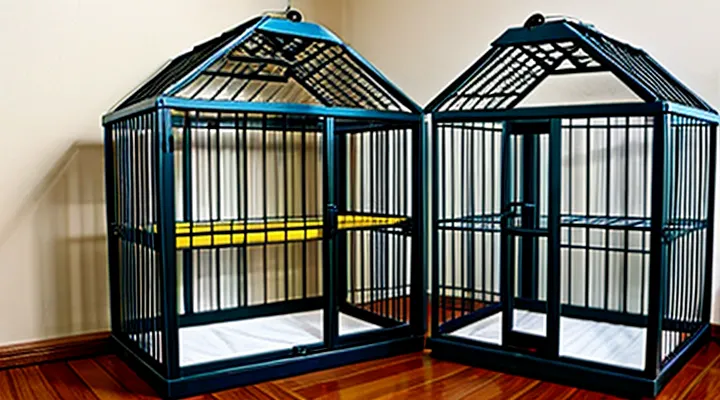
Why an Ideal Cage Matters for Two Rats
Health and Well-being
A well‑designed enclosure for a pair of rats must support physical health, mental stimulation, and disease prevention. Size, material, and maintenance practices directly affect these outcomes.
- Minimum floor area of 1 ft² per animal, with a height of at least 12 in., provides space for movement and climbing.
- Solid, non‑toxic construction material such as stainless steel or coated wood prevents rust, corrosion, and ingestion of harmful particles.
- Substrate should be absorbent, dust‑free, and easy to replace; paper‑based bedding or kiln‑dried wood chips meet these criteria.
- Multiple levels, tunnels, and chew‑safe accessories encourage natural foraging and exploratory behavior.
- Fresh water delivered through a leak‑proof bottle and a balanced diet of high‑quality pellets supplemented with fresh vegetables sustain nutritional health.
- Daily spot cleaning combined with a thorough weekly wash using mild, animal‑safe detergent removes waste, reduces ammonia buildup, and minimizes respiratory risks.
- Adequate ventilation, achieved through mesh panels or vented lids, maintains air quality while preventing drafts.
- Secure, lockable doors eliminate escape risk and protect against predators.
Consistent monitoring of weight, coat condition, and activity levels identifies health issues early. Implementing the above specifications creates an environment where two rats can thrive physically and psychologically.
Behavioral Enrichment
Behavioral enrichment is a critical component of a well‑designed habitat for a pair of rats. Enrichment items stimulate natural foraging, climbing, and chewing behaviors, reducing stress and promoting physical health. Selecting durable, non‑toxic materials ensures long‑term safety and maintains cage hygiene.
Effective enrichment can be categorized into three functional groups:
- Exploratory objects: tunnels, PVC pipes, and cardboard tubes provide hidden passages and encourage investigation.
- Manipulable accessories: wooden blocks, untreated pine chew sticks, and sisal ropes satisfy gnawing instincts and support dental health.
- Sensory enrichments: scented herbs (e.g., rosemary, mint), textured fabrics, and auditory stimuli introduce varied sensory experiences.
Rotation of items every one to two weeks prevents habituation and sustains engagement. Placement should distribute resources across the cage floor and elevated platforms, allowing simultaneous use by both occupants without competition. Regular observation of interaction patterns guides adjustments, ensuring each rat benefits from the full range of enrichment opportunities.
Preventing Conflict
Providing two rats with a shared enclosure demands proactive steps to curb aggression and maintain harmony. Conflict typically arises from competition over space, food, water, nesting sites, and social dominance. Addressing these factors reduces stress, prevents injuries, and supports normal behavior.
Key measures include:
- Sufficient floor area: At least 0.5 sq ft (≈0.05 m²) per animal guarantees personal zones and limits territorial disputes.
- Separate feeding stations: Two identical bowls placed apart prevent food‑related confrontations.
- Dual water dispensers: Independent bottles ensure uninterrupted access and eliminate bottlenecks.
- Multiple nesting boxes: Offering at least two covered shelters allows each rat to claim a private retreat.
- Enrichment variety: A mix of tunnels, chew toys, and climbing structures distributes activity across the cage, lowering competition for any single resource.
- Clear hierarchy observation: Regular monitoring identifies dominant individuals; adjusting resource placement or adding extra items can balance power dynamics.
- Routine cleaning: Weekly removal of waste and replacement of bedding removes scent marks that may trigger territorial behavior.
Implementing these practices creates a balanced environment where both rats coexist peacefully, minimizing the likelihood of fights and promoting overall well‑being.
Key Considerations for Cage Selection
Minimum Size Requirements
Square Footage Guidelines
Providing adequate floor area is a fundamental requirement for a healthy enclosure that houses two rats. Insufficient space leads to restricted movement, heightened stress, and reduced opportunities for natural behaviors.
- Minimum total floor space: 2 sq ft (≈ 0.19 m²). This amount allows each animal to have at least 1 sq ft of unobstructed area.
- Recommended floor space per rat: 1 sq ft (≈ 0.09 m²). Larger dimensions improve welfare and accommodate enrichment items without crowding.
- Minimum cage dimensions: 24 in × 12 in × 12 in (≈ 61 cm × 30 cm × 30 cm). In practice, a size of 30 in × 18 in × 18 in (≈ 76 cm × 46 cm × 46 cm) or greater is preferable.
- Vertical space: at least 12 in (30 cm) of clear height. Additional height enables climbing structures and promotes exercise.
When selecting a cage, confirm that the interior measurements meet or exceed these thresholds. Verify that the floor area remains unobstructed after adding tunnels, wheels, and shelters; the usable space should not drop below the 2 sq ft minimum. Adjust the enclosure size upward if you plan to incorporate extensive enrichment or multiple levels.
Vertical Space Benefits
Vertical space expands the usable area within an enclosure designed for a pair of rats, allowing each animal to occupy distinct zones without crowding. By incorporating platforms, ramps, and climbing structures, the cage accommodates the species’ innate tendency to explore three‑dimensional environments.
- Enhances physical activity: climbing and leaping engage large muscle groups, supporting cardiovascular health.
- Encourages natural behaviors: nesting, foraging, and territorial marking occur on separate levels, mirroring wild habits.
- Increases environmental enrichment: varied heights provide sensory stimulation, reducing boredom and stress.
- Optimizes floor footprint: vertical elements multiply usable space without enlarging the cage’s base, fitting limited housing areas.
- Facilitates social hierarchy: dominant individuals can claim higher perches, while subordinates remain on lower platforms, promoting stable group dynamics.
Effective vertical design includes sturdy, non‑slip surfaces, gradual ramps to prevent injury, and secure attachment points to avoid collapse. Regular inspection of climbing structures ensures safety and longevity, preserving the health and well‑being of both rats.
Bar Spacing for Safety
Bar spacing directly influences the safety of a dual‑rat enclosure. Gaps that are too wide permit escape or entrapment of limbs, while excessively narrow openings increase the risk of claw injuries and impede ventilation. Selecting the appropriate distance between bars ensures that the animals remain contained, can move freely, and are protected from structural hazards.
Recommended spacing for a cage housing two rats:
- Maximum opening: 0.5 cm (approximately 0.2 in). This limit prevents the head or paws from slipping through.
- Minimum opening: 0.2 cm (approximately 0.08 in). This size maintains adequate airflow and reduces the chance of hair or debris becoming trapped.
- Consistent spacing across all sides and the top to avoid weak points that could be exploited.
Materials such as stainless steel or powder‑coated wire provide strength and resist corrosion, which preserves the integrity of the spacing over time. The wire gauge should be sufficient to withstand the combined weight of two adult rats without deformation; a gauge of 18–20 is commonly accepted. All joints and corners must be smooth, eliminating sharp edges that could cause cuts or abrasions.
Regular inspection of the cage is essential. Check for deformation, rust, or loose fittings that could alter the original bar spacing. Replace any compromised sections promptly to maintain a secure environment.
By adhering to precise bar spacing standards, the enclosure offers a durable, injury‑free habitat that supports the health and natural behaviors of a pair of rats.
Material Durability and Cleanliness
Wire Cages
Wire cages provide a practical solution for housing a pair of rats when the enclosure meets specific standards. The design must accommodate the animals’ size, activity level, and health requirements without compromising safety.
The cage frame should consist of stainless‑steel or coated metal to resist corrosion and prevent rust. Bar spacing must not exceed ½ inch (12 mm) to stop escape while allowing easy cleaning. Minimum interior dimensions of 24 × 18 × 18 inches (61 × 46 × 46 cm) ensure sufficient floor space for two adult rats. Height should support multiple levels, as rats naturally explore vertical space.
Key characteristics:
- Bar spacing ≤ ½ inch (12 mm)
- Material: rust‑free steel or coated alloy
- Floor area ≥ 432 sq in (2,800 sq cm)
- Height ≥ 18 in (46 cm) to allow at least two stacked platforms
- Removable tray for waste collection
- Easy‑access doors on opposite sides for handling and cleaning
Supplementary components enhance welfare. A solid bottom prevents foot injuries; a layer of absorbent bedding protects the cage floor. Two or three clear plastic platforms create climbing opportunities and separate sleeping zones. Chew‑safe accessories, such as wooden tunnels and woven hammocks, satisfy gnawing instincts and reduce stress. All accessories should be securely attached to avoid falling.
When these specifications are observed, a wire cage fulfills the primary criteria for a comfortable, hygienic, and secure environment for two rats, offering durability, ventilation, and adaptability for enrichment.
Solid Base Cages
Solid base cages provide a stable platform that prevents sagging and maintains consistent floor height, essential for two‑rat housing. The rigid bottom supports digging behavior without compromising structural integrity, reducing the risk of collapse under the weight of bedding and accessories.
Key characteristics of an effective solid base cage include:
- Material strength: High‑density plastic, acrylic, or stainless steel frames resist deformation and are resistant to chewing.
- Floor thickness: Minimum 0.5 in (12 mm) ensures durability and distributes load evenly.
- Ease of cleaning: Smooth, non‑porous surfaces allow thorough washing and disinfection without residue buildup.
- Ventilation integration: Perforated panels or mesh sections incorporated into the base promote airflow while preserving the solid surface.
- Modular compatibility: Standardized dimensions enable attachment of tunnels, ramps, and enrichment items without destabilizing the base.
Choosing a solid base cage that meets these specifications contributes to a secure, hygienic environment for two rats, supporting natural activity and long‑term health.
Cage Type Options
Multi-level Cages
Multi-level cages provide essential vertical space for a pair of rats, allowing simultaneous exploration, exercise, and nesting. Separate platforms prevent territorial disputes while encouraging social interaction, which improves overall health.
Key design elements:
- Two or more sturdy platforms connected by safe ramps or ladders.
- Solid flooring on each level to reduce foot injuries.
- Wire mesh walls with a minimum 1‑inch spacing to prevent escapes.
- Removable trays for easy cleaning and waste management.
- Secure locking mechanisms to protect against chewing.
When selecting a multi-level system, prioritize materials that resist gnawing, ensure stable construction to avoid tipping, and incorporate easy‑access doors for routine handling. Proper ventilation, adequate lighting, and space for enrichment items such as tunnels and chew toys complete a functional environment for two rats.
Single-level Cages
Single-level cages provide a stable platform for housing a pair of rats, eliminating vertical gaps that can cause injury or escape. A flat floor ensures consistent access to food, water, and enrichment items, simplifying observation and interaction. Rigid construction prevents bowing under the weight of bedding and supplies, maintaining structural integrity over time.
Key specifications for a suitable enclosure include:
- Minimum floor area of 1 ft² (≈0.09 m²) per rat; total space of at least 2 ft² (≈0.18 m²) for two animals.
- Height of 12–15 in (30–38 cm) to accommodate climbing without introducing multiple tiers.
- Non‑porous, chew‑resistant material such as powder‑coated metal or high‑density polyethylene.
- Removable top or side panels for easy cleaning and rapid access to the interior.
- Secure latch mechanism that resists gnawing while allowing effortless opening.
A single-level design simplifies maintenance: all waste and bedding are collected on one plane, enabling thorough vacuuming or washing without disassembly of complex structures. The uniform environment reduces stress by providing predictable spatial cues, supporting natural foraging and social behaviors essential for rat welfare.
Essential Cage Accessories
Bedding and Substrate
Absorbency and Odor Control
Absorbency and odor control are decisive factors in a high‑performance enclosure designed for a pair of rats. Effective moisture management prevents wet bedding, reduces the risk of skin irritation, and limits bacterial growth. Simultaneously, odor suppression maintains a healthy environment for both animals and owners, and supports compliance with indoor air‑quality standards.
Key components that ensure reliable performance:
- Layered absorbent substrate – a base of super‑absorbent polymer or wood‑chip bedding combined with a top layer of fine, low‑dust material captures urine quickly and distributes moisture evenly.
- Sealed waste compartment – a removable tray with a tight‑fitting lid isolates solid waste, preventing spillover and containing odors.
- Ventilation system – strategically placed vents create a gentle airflow that carries volatile compounds away from the cage interior without creating drafts that stress the rodents.
- Activated‑charcoal filter – a replaceable filter positioned in the ventilation pathway adsorbs ammonia, sulfur compounds, and other malodorous gases.
- Easy‑clean design – smooth interior surfaces and detachable components enable rapid removal of soiled material, preserving the absorbent capacity of fresh bedding.
Implementing these elements yields a cage that consistently manages liquid waste, curtails unpleasant smells, and upholds the welfare standards expected of a top‑tier dual‑rat habitat.
Safe Materials
Choosing construction materials that protect the health of two companion rats is essential for a durable, hygienic enclosure. Materials must resist chewing, avoid toxic emissions, and withstand regular cleaning.
- Untreated hardwood such as beech, birch, or maple provides sturdy bars and frames; the wood should be sanded smooth and sealed with a non‑toxic, water‑based finish.
- Stainless steel mesh (grade 304 or higher) offers corrosion resistance and can be used for doors, ventilation panels, and lower cage walls.
- Tempered glass or acrylic panels give clear observation areas; glass is preferred for its chemical inertness, while acrylic must be of high‑impact grade and free from BPA.
- Food‑grade polypropylene or polyethylene containers serve as nesting boxes and water bottle housings; they are dishwasher‑safe and do not leach harmful substances.
- Ceramic or glazed earthenware bowls provide scratch‑proof feeding stations and are easy to sterilize.
Materials to exclude include cedar or pine wood with aromatic oils, untreated metal that can rust, PVC or vinyl components containing phthalates, and painted surfaces with lead‑based pigments. Selecting only the listed safe materials ensures a secure, low‑maintenance habitat for a pair of rats.
Food and Water Dispensers
Chew-proof Options
A cage that houses a pair of rats must resist persistent gnawing; otherwise structural integrity and animal safety are compromised. Selecting chew‑proof components eliminates damage, reduces escape risk, and minimizes the need for frequent repairs.
- High‑density polyethylene (HDPE) panels – solid, non‑porous, and resistant to rodent incisors; easy to sanitize.
- Powder‑coated steel bars – gauge 12 or thicker, with a smooth coating that deters chewing while preventing rust.
- Acrylic sheets – thick (¼ in) acrylic resists bite marks, provides clear visibility, and can be cut to precise dimensions.
- Polycarbonate panels – tougher than acrylic, offers impact resistance and retains clarity over time.
- Woven metal mesh with ¼‑inch openings – constructed from stainless steel, the small aperture size prevents teeth from penetrating while allowing ventilation.
When evaluating these materials, prioritize the following criteria: tensile strength sufficient to withstand continuous gnawing, absence of sharp edges that could injure the animals, and compatibility with standard cleaning agents. Metal options require periodic inspection for coating wear; plastic and acrylic components should be checked for micro‑cracks that may develop under stress.
Implementing a combination of the listed chew‑proof elements creates a durable enclosure that supports the health and security of two rats without sacrificing ease of maintenance.
Placement Considerations
When selecting a location for a dual‑rat enclosure, prioritize stability, environmental control, and accessibility.
- Place the cage on a level surface that can support its weight without wobbling; a sturdy tabletop or a dedicated stand prevents tipping and injury.
- Ensure the area remains within the optimal temperature range of 18‑24 °C (64‑75 °F). Avoid direct drafts from windows, doors, or HVAC vents, as sudden temperature shifts cause stress.
- Provide consistent, indirect lighting. Natural daylight is acceptable if filtered through a sheer curtain; supplemental low‑intensity LED lighting should follow a regular on/off cycle to mimic a day/night rhythm.
- Locate the cage away from loud appliances, televisions, or high‑traffic zones. Excessive noise elevates cortisol levels and disrupts sleep patterns.
- Maintain adequate ventilation while protecting against drafts. Mesh sides or a ventilation panel supply fresh air; avoid open gaps that allow rapid air loss.
- Position the enclosure at a height that allows the owner to observe and interact without bending excessively—generally 3‑4 feet from the floor. This height also reduces the risk of accidental knocks.
- Keep the cage away from household chemicals, cleaning agents, and pet food that could be contaminated. A separate, well‑ventilated corner minimizes accidental exposure.
- Ensure the location permits easy access for routine cleaning, feeding, and health checks. Sufficient clearance around the cage facilitates the removal of bedding and the insertion of cleaning tools.
By adhering to these placement guidelines, the habitat promotes physical health, behavioral wellbeing, and reliable maintenance for a pair of laboratory‑grade rodents.
Hiding Spots and Shelters
Encouraging Natural Behavior
A well‑designed enclosure for a pair of rats must facilitate the expression of innate activities such as climbing, foraging, nesting, and social interaction. Providing a three‑dimensional environment encourages the animals to move naturally, reduces stress, and promotes physical health.
Key elements that support natural behavior include:
- Multiple levels with sturdy ramps or ladders, allowing vertical exploration.
- A variety of textures (wood chips, paper bedding, rope) to stimulate tactile senses.
- Hideaways and nesting chambers constructed from safe, chew‑resistant materials.
- Enrichment objects (tunnels, chew blocks, puzzle feeders) that require problem‑solving.
- Sufficient floor space (minimum 0.5 m² per rat) to prevent overcrowding and enable free movement.
Regular rotation of enrichment items prevents habituation and maintains curiosity. Introducing fresh foraging opportunities, such as scattering small food pieces among bedding, mimics the search for resources in the wild. Providing a balanced diet alongside these activities ensures nutritional needs are met without compromising exploratory behavior.
Cleaning routines should preserve the integrity of enrichment structures while maintaining hygiene. Spot cleaning daily, with a thorough substrate change weekly, maintains a healthy microbiome without disrupting the rats’ established territories.
By integrating these components, the enclosure becomes a dynamic habitat that mirrors the rats’ natural surroundings, fostering robust physical condition and stable social bonds.
Variety of Options
Choosing appropriate housing for a pair of rats involves evaluating a range of cage designs. Each design presents distinct advantages related to space, durability, ventilation, and maintenance.
- Wire enclosures with solid flooring provide ample airflow and easy access for cleaning; dimensions of at least 24 × 12 × 12 inches meet the minimum spatial requirement.
- Acrylic or glass aquariums offer clear visibility and structural rigidity; recommended size is 30 × 20 × 18 inches, with a mesh lid to ensure ventilation.
- Modular plastic habitats allow customization of compartments; total floor area should not fall below 600 sq inches, and inter‑module connections must maintain unobstructed airflow.
- Hybrid systems combine wire tops with plastic bases, delivering the ventilation of wire cages while protecting paws from metal bars; base size of 20 × 15 inches is advisable.
Key criteria for assessment include:
- Floor space: Minimum of 300 sq inches per rat prevents overcrowding and promotes natural exploration.
- Ventilation: Continuous airflow reduces humidity and odor; mesh openings of 1 mm or larger are sufficient.
- Material safety: All components must be free of toxic coatings; stainless steel and food‑grade plastics meet this standard.
- Ease of cleaning: Removable trays and smooth interior surfaces shorten sanitation cycles and limit disease risk.
- Enrichment compatibility: Cage dimensions should accommodate wheels, tunnels, and hideaways without compromising structural integrity.
When selecting a cage, prioritize models that satisfy the minimum floor space and ventilation thresholds while offering straightforward cleaning procedures. Evaluate durability of materials and compatibility with enrichment accessories to ensure a long‑term, health‑supporting environment for the rodents.
Enrichment Toys and Activities
Chew Toys
Chew toys are essential components of a well‑designed enclosure for a pair of rats. They satisfy the animals’ natural gnawing instinct, protect cage structures, and promote dental health.
Materials suitable for chew toys include untreated hardwood, natural fibers, and safe polymers. Hardwoods such as apple, willow, and beech provide durability and a texture that encourages regular wear. Natural fibers like sisal rope and hemp twine offer flexibility and can be twisted into knots for varied chewing surfaces. Food‑grade silicone and non‑toxic acrylic blocks supply long‑lasting alternatives that resist bacterial growth.
When selecting chew toys, consider the following criteria:
- Safety: Free of toxic chemicals, splinters, and small detachable parts.
- Size: Large enough to prevent ingestion but small enough to fit comfortably within the cage.
- Variety: Different textures and shapes to maintain interest and stimulate exploration.
- Cleaning: Materials that can be sterilized in hot water or dishwasher without degradation.
Placement of chew toys influences their effectiveness. Distribute items across multiple levels of the cage to encourage climbing and movement. Attach rope toys to the side bars to create a hanging element, while positioning solid blocks on the floor to serve as stable chew stations.
Regular rotation of toys prevents habituation. Replace worn pieces promptly to avoid sharp edges that could injure the rats. Monitoring wear patterns also provides insight into each animal’s preferences, allowing targeted adjustments to the enrichment plan.
Tunnels and Tubes
A well‑designed enclosure for a pair of rats must include a network of tunnels and tubes that mimics natural burrows and encourages exploratory behavior. These structures create vertical and horizontal pathways, allowing each animal to move independently while still sharing a common space.
Key design factors for tunnels and tubes:
- Material: clear polycarbonate or untreated hardwood; both resist chewing and are easy to clean.
- Diameter: minimum 2 in (5 cm) to accommodate adult rats without restriction.
- Length: sections of 12–18 in (30–45 cm) provide sufficient travel distance while fitting within a standard cage footprint.
- Connection method: snap‑fit joints or stainless‑steel clips prevent accidental separation during play.
- Placement: staggered levels and intersecting routes create a three‑dimensional maze that reduces territorial disputes.
Maintenance considerations include regular inspection for chew damage, removal of debris, and cleaning with mild, non‑toxic disinfectant. All components should be detachable to allow thorough washing without dismantling the entire cage.
Integrating tunnels and tubes with other enrichment items—such as platforms, hideaways, and chew toys—produces a balanced environment that supports physical activity, mental stimulation, and social interaction for both rodents. The resulting habitat aligns with the criteria for an optimal housing solution for two rats.
Wheels and Exercisers
When selecting wheels and exercisers for a dual‑rat habitat, prioritize durability, safety, and space efficiency. A high‑quality wheel should be constructed from solid metal or reinforced plastic, feature a solid running surface, and have a diameter of at least 12 inches to prevent spinal strain. The axle must be securely fixed to the cage frame, eliminating gaps where a rat could become trapped.
Exercise stations should complement the wheel by offering vertical climbing, horizontal running, and tunneling opportunities. Ideal models include:
- Multi‑level platforms with non‑slip surfaces.
- Adjustable climbing ladders or ramps.
- Tubular tunnels that can be rearranged to create varied pathways.
All components must be easy to clean, resistant to gnawing, and free of sharp edges. Regular inspection for wear and prompt replacement of damaged parts preserve the health of both occupants and maintain the integrity of the enclosure.
Ladders and Ramps
A well‑designed enclosure for a pair of rats must include reliable vertical and inclined pathways. Ladders and ramps enable the animals to reach upper platforms, explore multiple levels, and engage in natural climbing behavior without compromising safety.
- Material: solid hardwood, untreated bamboo, or sturdy plastic; must be chew‑resistant and free of toxic finishes.
- Rung or tread spacing: 0.75–1 inch (≈2–2.5 cm) to accommodate small paws while preventing entrapment.
- Angle: ramps should not exceed 30°, ensuring easy ascent; ladders may be steeper but require secure side rails.
- Length: sufficient to span the vertical distance between levels while maintaining the prescribed angle; longer ramps reduce strain.
- Attachment: fixed with stainless‑steel brackets or reinforced clips; connections must be tight to avoid wobble.
- Cleaning: smooth surfaces and removable sections facilitate regular sanitation without damaging the structure.
Selecting ladders and ramps that meet these specifications enhances mobility, promotes exercise, and supports the overall health of the two‑rat habitat. Regular inspection for wear and secure mounting preserves functionality throughout the enclosure’s lifespan.
Cage Placement and Environment
Temperature and Humidity
Maintaining stable temperature and humidity is essential for the health of a pair of pet rats. The enclosure should provide an environment that mirrors the conditions found in a natural burrow, where fluctuations are minimal.
Recommended ranges:
- Ambient temperature: 68 °F to 78 °F (20 °C to 26 °C).
- Relative humidity: 40 % to 60 %.
Temperatures below 65 °F (18 °C) can suppress immune function, while levels above 80 °F (27 °C) increase the risk of heat stress and dehydration. Humidity under 30 % dries nasal passages and skin, whereas humidity above 70 % encourages mold growth in bedding and promotes respiratory infections.
Monitoring strategies:
- Use a digital thermometer with a probe placed near the cage floor to capture ambient temperature.
- Employ a hygrometer calibrated for the expected range; position it away from direct airflow to avoid skewed readings.
- Record measurements twice daily, adjusting heating pads or ventilation fans as needed to remain within target limits.
Control measures:
- Install a low‑wattage ceramic heat emitter or a thermostatically regulated heating pad for cooler periods.
- Provide adequate ventilation through a mesh side panel or a small exhaust fan to prevent humidity buildup.
- Choose absorbent, low‑dust bedding and replace it regularly to keep moisture levels low.
Seasonal adjustments:
- In winter, increase insulation by adding a thin, breathable cover over the cage, but ensure airflow is not blocked.
- In summer, relocate the enclosure away from direct sunlight and consider a small, circulating fan set on low speed.
Adhering to these parameters reduces stress, supports normal metabolic rates, and minimizes the incidence of temperature‑ or humidity‑related ailments.
Noise and Disturbance
Noise levels directly affect the health and behavior of a pair of laboratory‑grade rodents. Continuous exposure to sounds above 60 dB can elevate cortisol, suppress immune function, and increase stereotypic actions such as bar‑biting. Vibrations transmitted through cage racks may exacerbate stress, especially when the enclosure is placed near ventilation fans or high‑traffic corridors.
Key measures to minimize acoustic stress:
- Position cages at least 30 cm away from loud equipment; use solid dividers or acoustic panels between racks.
- Install cage‑level sound‑absorbing liners made of dense foam or compressed wood fiber; replace them regularly to prevent odor buildup.
- Employ low‑noise ventilation systems with flow rates calibrated to 0.5 m s⁻¹, ensuring adequate air exchange without creating turbulence.
- Use rubber or silicone grommets on cage hooks and clamps to dampen mechanical vibrations.
Human disturbance also contributes to anxiety. Frequent handling, abrupt movements, and lighting changes can trigger fight‑or‑flight responses. To reduce such impacts:
- Schedule maintenance and cleaning during consistent daily windows; avoid random entry.
- Limit cage opening to the minimum necessary duration; use quick‑release latches to shorten exposure.
- Dim ambient lighting during handling to mimic twilight conditions, which rats perceive as safe.
Implementing these controls creates a quieter, more stable environment, supporting normal growth, social interaction, and reproductive performance for two cohabiting rats.
Safety from Other Pets
Safety from other household animals is essential for a two‑rat enclosure. Predatory instincts of cats, curiosity of dogs, and aggression of larger rodents can cause injury, stress, or death if the cage is inadequately protected.
- Use metal or heavy‑duty plastic panels with a mesh gauge no larger than ¼ inch to prevent bites and claw penetration.
- Install lockable latches that engage on both sides of the door; avoid spring‑loaded or snap‑close mechanisms that can be opened by a determined pet.
- Ensure the cage rests on a stable, non‑slipping base to prevent tipping if a dog bumps into it.
Placement reduces risk. Position the enclosure on a high shelf or within a closed room that can be sealed when other pets are present. Keep the cage away from windows or vents that might allow a cat to leap onto it. If the home includes multiple animals, consider a secondary barrier such as a portable playpen or a clear acrylic cover that can be secured over the primary cage.
Monitoring complements physical defenses. Use a transparent lid or side panels to observe the rats without opening the cage. Install a small camera if the enclosure is in a room that is frequently accessed by other pets. Regularly inspect latches, hinges, and mesh for wear that could be exploited by a curious dog or cat.
By combining robust construction, secure locking, strategic placement, and continuous observation, the enclosure provides reliable protection against interference from other household companions.
Social Interaction with Humans
Rats housed in a well‑planned enclosure for a pair benefit from regular, positive contact with their caregivers. Human interaction reduces stress, encourages natural curiosity, and supports the development of social skills that translate into healthier group dynamics within the cage.
Key practices for fostering constructive human‑rat relationships:
- Hand‑tame each rat individually for several minutes daily, using gentle, consistent motions.
- Offer fresh vegetables, fruits, or treats directly from the hand to associate the caregiver with rewarding experiences.
- Incorporate interactive toys that can be manipulated together with the rat, such as tunnels or chew blocks, to encourage cooperative play.
- Maintain a predictable routine for feeding, cleaning, and handling to create a stable environment that rats can anticipate.
These actions, when integrated into the daily care schedule of an optimal two‑rat habitat, enhance the animals’ emotional well‑being and reinforce the bond between pets and owners.
Cleaning and Maintenance
Daily Spot Cleaning
Daily spot cleaning preserves health and odor control in a well‑designed enclosure for a pair of rats. Removing waste and soiled material each day prevents bacterial growth, reduces ammonia levels, and keeps the habitat comfortable for both animals.
- Sweep the bedding surface to collect droppings and food crumbs.
- Wipe the corners of the cage, water bottle rims, and food dish edges with a damp cloth.
- Inspect and clean the tunnel or tube openings, removing any buildup that could block airflow.
- Replace any visibly soiled bedding patches; leave the bulk of the substrate untouched to maintain microbial balance.
Consistent execution of these actions eliminates the need for extensive weekly deep cleaning and extends the lifespan of cage components. Use unscented, non‑abrasive cleaning tools to avoid irritating the rats’ sensitive respiratory systems. Store cleaning supplies in a separate, dry area to prevent moisture contamination of the habitat.
Weekly Deep Cleaning
A weekly deep cleaning routine preserves hygiene, prevents disease, and maintains the structural integrity of a two‑rat enclosure.
Begin by removing all accessories, food, water dishes, and bedding. Place the rats in a secure temporary habitat with fresh bedding and adequate ventilation. Discard used bedding and any visibly soiled material.
- Disassemble the cage: separate wire panels, plastic base, and removable components.
- Soak removable parts in warm water mixed with a mild enzymatic cleaner for 10 minutes.
- Scrub the wire mesh with a soft brush, focusing on corners and latch areas where droppings accumulate.
- Rinse all parts thoroughly with clean water to eliminate detergent residues.
- Disinfect the plastic base and any hard surfaces using a 1 % diluted hydrogen peroxide solution; allow a 5‑minute contact time before rinsing.
- Dry each component with a lint‑free cloth or air‑dry on a clean surface.
Reassemble the cage, replace with fresh, absorbent bedding, and reinstall food and water containers. Verify that all latches function securely and that no sharp edges remain exposed. Conduct a brief visual inspection before returning the rats to ensure a safe, sanitary environment.
Safe Cleaning Products
Choosing cleaning agents that protect the health of two companion rats requires attention to chemical composition, residue levels, and material compatibility.
First‑generation detergents, such as unscented liquid dish soap diluted to a 1 % solution, break down food residue without leaving toxic remnants. Rinse thoroughly with warm water to eliminate soap traces before returning the animals to the enclosure.
Second‑generation options include enzymatic cleaners formulated for pet habitats. These products decompose protein‑based stains and neutralize odors while maintaining a neutral pH. Verify that the label states “non‑toxic to rodents” and that the formulation is free of essential oils, citrus extracts, and phenols, which can irritate sensitive respiratory systems.
Third‑generation choices consist of vinegar‑based solutions. Mix one part white vinegar with three parts water; the acidity disinfects surfaces and discourages bacterial growth. Avoid applying undiluted vinegar directly to wire mesh, as prolonged exposure can corrode metal components.
A concise list of recommended product categories:
- Unscented, biodegradable dish soap (1 % dilution)
- Enzymatic rodent‑safe cleaners, pH‑balanced, oil‑free
- Diluted white vinegar (1:3 ratio) for routine disinfection
- Hydrogen peroxide (3 % solution) for spot treatment, applied sparingly and rinsed after five minutes
Cleaning frequency should align with usage patterns: daily removal of droppings and wet food, weekly full‑cage wash with the chosen detergent, and monthly deep sanitation using the enzymatic or hydrogen peroxide method.
Material considerations: wooden platforms require mild soap only, while plastic accessories tolerate vinegar and peroxide. Metal bars tolerate all listed agents when thoroughly rinsed.
By adhering to these guidelines, the enclosure remains hygienic, the rats stay healthy, and the structural integrity of the habitat is preserved.
Regular Accessory Checks
Regular inspection of cage accessories ensures a safe, hygienic environment for a pair of rats. Prompt identification of wear, contamination, or malfunction prevents health problems and preserves enrichment value.
Key accessories requiring routine assessment:
- Food container: check for cracks, residue buildup, and secure lid.
- Water bottle: verify proper seal, clear tubing, and absence of leaks.
- Bedding material: monitor for dampness, clumping, and foreign debris.
- Hideouts and tunnels: examine for frayed edges, chewed openings, and structural integrity.
- Chew toys: assess for splintering, excessive wear, and potential ingestion hazards.
- Exercise wheel: test smooth rotation, stable mounting, and absence of gaps.
Frequency guidelines:
- Daily: visual scan of food, water, and bedding for obvious contamination.
- Every 2‑3 days: clean food dish, replace water bottle spout, and rearrange hideouts.
- Weekly: deep clean bedding, inspect all chew items, and lubricate wheel axle if needed.
- Monthly: replace worn toys, repair or replace damaged hideouts, and evaluate overall cage stability.
Inspection procedure:
- Remove rat access by temporarily covering the cage.
- Disassemble each accessory according to manufacturer instructions.
- Clean with hot water and mild, non‑toxic detergent; rinse thoroughly.
- Dry completely before reassembly.
- Reinstall accessories, confirming secure placement and functional operation.
Consistent adherence to these checks maintains optimal conditions for two rats sharing an enclosure.