
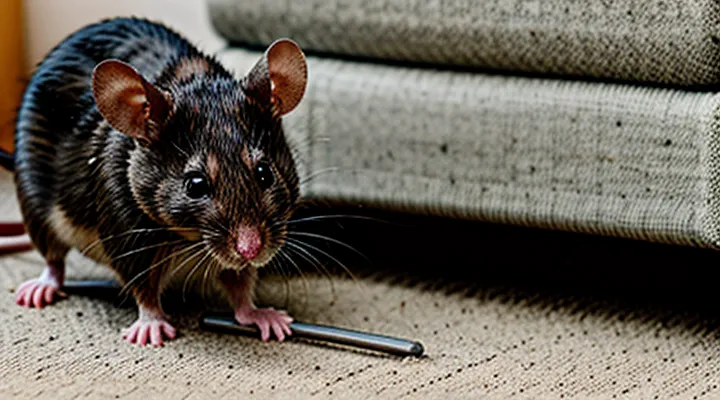
Understanding the Problem: Why Humane Methods?
The Ethical Imperative
The ethical imperative for non‑lethal mouse management rests on the recognition that rodents possess the capacity to experience pain and distress. Any intervention must therefore prioritize the avoidance of unnecessary suffering while achieving the intended outcome of population control.
Moral reasoning draws on three core principles. First, respect for sentient beings obligates practitioners to seek methods that do not inflict injury. Second, the principle of proportionality requires that the level of intervention match the severity of the problem, avoiding excessive measures. Third, accountability demands transparent justification for chosen techniques, ensuring that decisions are subject to scrutiny and revision.
Individuals, property managers, and public agencies share responsibility for implementing humane practices. Their duties include selecting appropriate devices, maintaining them to prevent accidental harm, and monitoring results to confirm effectiveness without lethal consequences.
Practical guidelines:
- Employ live‑catch traps that allow immediate release in suitable habitats.
- Use deterrent devices (ultrasonic emitters, scent barriers) that discourage entry without physical contact.
- Ensure trap placement follows established patterns of rodent activity to maximize capture rates.
- Conduct regular checks of traps to minimize confinement time and stress.
- Document outcomes and adjust strategies based on observed efficacy and animal welfare metrics.
Risks of Lethal Control
Health Risks
Non‑lethal mouse control methods can introduce health concerns that require careful management. Live traps, for example, hold rodents in confined spaces where urine, feces, and saliva accumulate. Contact with these contaminants may spread pathogens such as hantavirus, leptospira, and salmonella. Handling trapped mice without protective gloves increases the risk of skin abrasions and subsequent infection.
Repeated exposure to mouse droppings can also trigger allergic reactions. Dust containing dried feces or urine particles becomes airborne, provoking asthma attacks and nasal irritation in sensitive individuals. Regular cleaning of trap interiors and surrounding areas reduces airborne allergen levels.
Stress placed on captured mice can lead to aggressive behavior. A cornered rodent may bite or scratch, delivering bacteria from its mouth into human skin. Using traps designed with smooth interiors and adequate ventilation minimizes the animal’s agitation and the likelihood of defensive attacks.
Chemical repellents, while avoiding direct killing, may pose inhalation hazards. Essential‑oil based sprays or ultrasonic devices emit substances or frequencies that can irritate the respiratory tract of occupants, especially children and pets. Selecting products with documented safety data sheets and applying them according to manufacturer instructions mitigates these risks.
Finally, improper disposal of captured mice creates sanitation problems. Throwing live rodents into regular trash without containment can result in carcass decomposition, attracting flies and other insects that serve as disease vectors. Securing captured animals in sealed containers before disposal prevents contamination of waste streams.
Key preventive actions
- Wear disposable gloves and a mask when setting, checking, or cleaning traps.
- Clean trap surfaces with a bleach solution (1 % sodium hypochlorite) after each use.
- Store captured mice in sealed plastic bags before disposal.
- Choose repellents with low toxicity ratings and follow ventilation guidelines.
- Monitor indoor air quality after introducing any ultrasonic or chemical device.
Ecological Impact
Humane, non‑lethal mouse management influences ecosystems in several measurable ways. By rejecting toxic rodenticides, the risk of secondary poisoning declines, protecting birds of prey, carnivorous mammals, and scavengers that might ingest contaminated prey. This reduction in unintended mortality supports predator populations that naturally regulate rodent numbers, reinforcing trophic balance.
Physical barriers such as sealed entry points, steel mesh, and snap‑free traps eliminate the need for chemicals. Their deployment does not introduce foreign substances into soil or water, preserving microbial communities and preventing bioaccumulation. Moreover, because these methods target only the intended species, they avoid collateral damage to non‑target wildlife, including beneficial insects and small vertebrates.
Preventive strategies that modify habitat—removing food sources, controlling clutter, and managing vegetation—alter the environment in ways that discourage mouse colonization without disrupting other organisms. Such modifications can increase habitat heterogeneity, which often benefits a broader range of species.
Key ecological outcomes of non‑lethal mouse control:
- Reduced chemical runoff – eliminates pesticide residues from waterways, safeguarding aquatic life.
- Lowered secondary poisoning – protects predators and scavengers that feed on rodents.
- Preserved biodiversity – avoids indiscriminate killing of non‑target species.
- Enhanced natural predation – maintains predator populations that contribute to long‑term rodent regulation.
- Minimal soil disturbance – prevents disruption of soil fauna and nutrient cycles.
Adopting humane, non‑lethal techniques therefore aligns pest management with ecological sustainability, limiting environmental contamination while sustaining natural regulatory mechanisms.
Prevention: The First Line of Defense
Sealing Entry Points
Identifying Gaps and Cracks
Effective non‑lethal rodent control begins with a thorough inspection of the interior and exterior of the building. Locate all potential entry points by examining walls, floors, ceilings, and fixtures. Pay particular attention to areas where utilities penetrate the structure, such as plumbing, electrical conduits, and HVAC ducts.
- Inspect baseboards and trim for gaps wider than a quarter inch.
- Check around doors and windows for misaligned frames or worn weatherstripping.
- Examine foundation walls for cracks, especially those near drainage systems.
- Look behind appliances, cabinets, and pantry shelves for concealed openings.
- Survey attic and crawl spaces for holes around vent pipes and insulation gaps.
Document each finding with measurements and photographs. Prioritize repairs based on size, proximity to food sources, and frequency of mouse activity. Seal gaps using appropriate materials: steel wool combined with caulk for small openings, metal flashing or hardware cloth for larger cracks, and expanding foam for irregular spaces. Replace damaged weatherstripping and install door sweeps to eliminate gaps beneath entry doors.
Regularly repeat the inspection cycle, especially after seasonal changes or construction work, to ensure newly formed openings are addressed promptly. This systematic approach minimizes infiltration without resorting to lethal measures, maintaining a humane environment while protecting property integrity.
Recommended Materials
Effective non‑lethal mouse control relies on specific materials that attract, contain, or deter rodents while respecting animal welfare.
Solid, reusable traps made of stainless steel or heavy‑gauge plastic provide reliable confinement. Their smooth interior prevents injury, and the transparent lid allows visual monitoring without opening the device.
Absorbent bedding such as shredded paper or cotton strips can line trap interiors to increase comfort and reduce stress for captured mice. The material should be free of chemicals or scents that could harm the animal.
Scent‑based repellents derived from natural oils—peppermint, eucalyptus, or citrus—are applied to cotton balls, cloth strips, or silicone pads placed near entry points. These substances create an environment mice find unpleasant without causing toxicity.
Physical barriers constructed from metal mesh (minimum ¼‑inch aperture) or dense polypropylene sheeting block access to walls, cabinets, and crawl spaces. Materials must be durable, corrosion‑resistant, and securely fastened to eliminate gaps.
Electronic deterrent devices use ultrasonic emitters encased in durable ABS plastic. The casing protects the circuitry and prevents accidental contact while delivering frequencies that discourage rodent activity.
When selecting materials, prioritize durability, ease of cleaning, and the absence of toxic additives. Regular inspection and maintenance of traps, barriers, and repellents ensure continued effectiveness and humane outcomes.
Eliminating Food and Water Sources
Proper Food Storage
Secure food storage directly reduces the attraction mice have for a home. When food is sealed in airtight containers, the scent that rodents follow disappears, limiting their motivation to enter living spaces. Plastic or glass jars with rubber gaskets, metal tins with tight lids, and vacuum‑sealed bags provide barriers that rodents cannot breach. Store bulk items—such as grains, cereals, and pet food—in smaller, sealed portions to avoid prolonged exposure.
- Keep countertops clear of crumbs; wipe surfaces after each meal.
- Transfer leftovers to sealed containers within two hours of preparation.
- Place pantry items on shelves rather than on the floor; use shelf liners that are difficult for rodents to chew.
- Rotate stored goods regularly; discard any items that show signs of spoilage or infestation.
- Install child‑proof or tamper‑resistant closures on cabinets that hold food.
Regular inspection complements these measures. Check for torn packaging, condensation inside containers, or any gnaw marks. Replace compromised containers immediately. By eliminating accessible food sources, the environment becomes inhospitable to mice, encouraging them to seek shelter elsewhere without resorting to lethal control methods.
Managing Waste
Effective waste management reduces the attraction of rodents by eliminating food sources and nesting material. Store garbage in sealed containers, remove waste from living areas daily, and dispose of organic debris promptly. These practices create an environment where humane mouse deterrence measures can operate without competition from abundant food.
- Use compost bins with tight-fitting lids; empty them regularly.
- Keep pet food in airtight containers; feed pets only at scheduled times.
- Clean countertops, floors, and appliances after each meal; wipe spills immediately.
- Dispose of cardboard, paper, and packaging in recycling bins that close securely.
Reducing clutter further limits hiding places. Arrange storage areas to allow easy inspection, and discard broken or unused items that could serve as shelter. Implement routine inspections of basements, attics, and crawl spaces; seal gaps with steel wool or caulk to prevent entry.
When waste is managed consistently, the need for lethal control diminishes. Combined with live traps, ultrasonic devices, or natural repellents, a clean, organized space supports humane strategies that protect both property and animal welfare.
Maintaining a Clean Environment
Regular Cleaning Practices
Regular cleaning reduces the attraction of mice by removing food residues, water sources, and nesting materials. Sweeping, vacuuming, and wiping surfaces after meals eliminates crumbs and spills that provide sustenance for rodents. Storing dry goods in sealed containers prevents access to grains and cereals, while promptly disposing of garbage in tightly closed bins eliminates additional food supply.
Effective cleaning routines also target potential shelter. Inspect cupboards, under appliances, and behind furniture for accumulated dust and debris; clear these areas to deny mice preferred hiding spots. Maintain dry floors and walls, as moisture encourages the growth of mold and insects that may support mouse populations.
Key cleaning actions:
- Wipe countertops and tables immediately after use.
- Sweep or vacuum floors daily, focusing on corners and edges.
- Empty trash bins nightly, using lids that seal tightly.
- Store all food in airtight containers made of glass, metal, or heavy‑wall plastic.
- Inspect and clean behind refrigerators, stoves, and cabinets weekly.
Consistent implementation of these practices creates an environment that is inhospitable to mice, supporting non‑lethal control strategies.
Decluttering Spaces
Keeping living areas free of unnecessary items directly supports non‑lethal mouse management. Mice seek shelter, nesting material, and easy access to food; clutter provides all three. Reducing the amount of stored objects eliminates hiding spots and limits the places where crumbs can accumulate, making the environment less attractive to rodents.
Clutter creates microhabitats that protect mice from predators and human disturbance. Open boxes, piles of papers, and stacked clothing conceal entry points, allowing mice to move unnoticed. When surfaces are clear, visual inspection of potential infestations becomes faster, and sealing gaps is more straightforward.
Practical decluttering actions:
- Remove all food containers from countertops; store them in airtight bins.
- Discard or donate items that have not been used in the past year.
- Organize pantry shelves so that each product is visible; place items away from walls to discourage nesting.
- Vacuum floors and upholstery weekly to eliminate crumbs and droppings.
- Keep storage areas well‑lit; install motion‑activated lights to deter nocturnal activity.
After the initial cleanup, schedule regular checks. Inspect under appliances, behind furniture, and inside cabinets for signs of mouse activity. Promptly repair cracks and gaps in walls, floors, and foundations. Consistent maintenance sustains a hostile environment for mice while preserving humane, non‑lethal control methods.
Non-Lethal Removal Strategies
Live Trapping
Choosing the Right Traps
Choosing an appropriate trap is essential for effective, non‑lethal mouse control. The selected device must capture rodents quickly, minimize stress, and allow safe release away from the home.
- Live‑catch traps: Wire cages with a trigger plate, sized for adult mice, provide secure containment and easy release.
- Multi‑catch traps: Stackable designs hold several individuals, useful for infestations, but require frequent checking to prevent overcrowding.
- Glue boards with release chambers: Combine adhesive surfaces with a detachable compartment that lets the mouse exit unharmed; ensure the adhesive is low‑strength to avoid injury.
Key criteria for selection:
- Size compatibility – interior dimensions must accommodate the largest expected mouse without excess space.
- Bait effectiveness – use strong attractants such as peanut butter, sunflower seeds, or dried fruit; replace regularly to maintain scent.
- Trigger sensitivity – a responsive mechanism reduces capture time, decreasing panic.
- Ease of cleaning – smooth surfaces and removable parts simplify sanitation and prevent odor buildup.
- Safety features – insulated edges and lockable doors protect children and pets from accidental contact.
Placement influences success. Position traps along walls, behind appliances, and near known droppings. Align the trigger plate perpendicular to the mouse’s natural travel path. Avoid clutter that could obstruct entry.
After capture, release the mouse at least 100 meters from the residence, preferably in a wooded or grassy area. Wear gloves, open the trap gently, and allow the rodent to exit without handling. Clean the trap with mild detergent, rinse thoroughly, and reset with fresh bait before redeployment.
Baiting Techniques
Effective baiting strategies for humane, non‑lethal mouse control rely on attractants that encourage capture without causing injury. Proper selection of bait, placement, and monitoring maximizes success while respecting animal welfare.
Choose baits that match the species’ dietary preferences. Common options include:
- Small pieces of peanut butter or almond butter, offering strong scent and high fat content.
- Fresh fruits such as apple slices or grapes, providing natural sweetness.
- Grain‑based mixtures containing rolled oats, wheat germ, or cornmeal, appealing to omnivorous habits.
- Commercially formulated rodent attractants that combine protein and carbohydrate sources, designed for consistent palatability.
Placement should consider mouse pathways and shelter areas. Position baited traps along walls, behind appliances, and near known droppings. Maintain a distance of 2–3 feet between multiple traps to prevent competition and ensure each mouse encounters a single device.
Monitor traps daily. Remove captured individuals promptly, release them at least 200 feet from the residence, preferably in a natural habitat with adequate cover. Clean trap surfaces with mild soap and water before resetting, preventing scent transfer that could deter future visits.
Adjust bait composition based on observed preferences. If capture rates decline, rotate flavors or introduce fresh bait to sustain interest. Consistent observation and adaptation preserve the effectiveness of humane baiting methods.
Releasing Trapped Mice
Releasing captured mice is a critical element of non‑lethal rodent control. The process must minimize stress for the animal while preventing its return to the premises.
Choose a release location at least 200 meters from the building, preferably in a wooded or grassy area with natural cover and access to food sources. Verify that the site is free from predators that could immediately harm the mouse.
Wear disposable gloves to avoid contaminating the animal with human scent. Transfer the mouse into a sturdy, ventilated container; keep the container upright and avoid sudden movements that could cause panic.
When the release point is reached, place the container on the ground, open the lid slowly, and allow the mouse to exit on its own. Do not chase or force the animal out, as this increases the risk of injury.
After release, seal the original trap, clean it with a mild disinfectant, and inspect the surrounding environment for entry points. Repair gaps, install door sweeps, and maintain a clutter‑free interior to reduce future incursions.
Optimal Release Locations
When releasing captured mice, choose sites that minimize the chance of re‑entry into the home and support the animal’s survival. Ideal locations share three characteristics: distance from the residence, access to shelter, and availability of food and water.
- At least 500 meters (≈0.3 mile) from the dwelling, preferably beyond the range of any connecting walls, utility lines, or vegetation that could serve as a pathway.
- In a natural habitat such as a wooded area, meadow, or field edge where dense ground cover provides protection from predators.
- Near a water source (stream, pond, or moist soil) and abundant seed‑bearing plants or insects to sustain the mouse until it establishes a new territory.
Urban environments may require alternative options. Release near public parks, community gardens, or vacant lots that meet the same criteria—sufficient distance, cover, and food resources—while respecting local regulations on wildlife relocation.
Before release, verify that the chosen spot is not a protected area where introducing a captured mouse could violate conservation laws. Ensure the animal is handled gently, placed on the ground, and given a moment to recover before it moves away. This approach maximizes the likelihood that the mouse will thrive independently and reduces the risk of it returning to the building.
Considerations for Release
When releasing captured mice, assess the suitability of the release site. Choose an area that offers natural shelter, food sources, and minimal exposure to domestic pets. Verify that local wildlife regulations permit the introduction of wild rodents; some jurisdictions restrict releases to prevent disease spread.
Evaluate the health status of each mouse. Only individuals free of visible illness or parasites should be released to avoid contaminating native populations. If possible, quarantine and treat minor ailments before release.
Select a location at a safe distance—at least several hundred meters—from the original infestation site. This reduces the likelihood that the mouse will return and re-enter the building.
Consider seasonal factors. Warm months provide abundant resources and higher survival rates, while winter conditions may increase mortality. Release during periods of mild weather whenever feasible.
Plan the release method to minimize stress. Transport mice in ventilated containers, handle them briefly, and open the enclosure directly onto the ground rather than tossing from height. Allow the animal time to orient itself before it exits the container.
Document the release coordinates and date. Record keeping supports monitoring of population dynamics and compliance with wildlife management policies.
Repellents
Natural Repellents
Natural repellents provide effective, non‑lethal control of house mice by creating an environment that mice find inhospitable. These substances work through strong odors or sensory irritation, discouraging rodents from entering treated areas.
- Peppermint oil: Apply a few drops on cotton balls and place them near entry points, cupboards, and behind appliances. The menthol scent overwhelms mouse olfactory receptors, prompting avoidance.
- Clove oil: Dilute with water and spray along baseboards and cracks. Eugenol, the active component, acts as a potent irritant.
- Eucalyptus oil: Mix with a carrier oil and apply to the same locations used for peppermint. The camphoraceous aroma deters rodents for several days before re‑application is required.
- Citrus peels: Distribute fresh orange or lemon peels in pantry shelves. Citric compounds repel mice while also discouraging insects.
- Ammonia solution: Combine equal parts ammonia and water in a spray bottle; mist around doors, windows, and potential nesting sites. The sharp chemical odor is unpleasant to rodents but safe for humans when used in well‑ventilated spaces.
- Dryer sheets: Place scented dryer sheets in drawers and closets. The residual fragrance creates a barrier that mice typically avoid.
For sustained effectiveness, replace or refresh repellents every two to three weeks, as volatile compounds dissipate over time. Combine multiple repellents in high‑traffic zones to increase coverage and reduce the likelihood of habituation. Ensure all applications avoid direct contact with food surfaces and comply with manufacturer safety guidelines.
When natural repellents are integrated with proper sanitation—sealing food containers, eliminating water sources, and repairing structural gaps—they form a comprehensive, humane strategy for mouse management without resorting to lethal measures.
Essential Oils
Essential oils provide a practical component of non-lethal mouse deterrence. Their strong aromas disrupt the sensory cues mice rely on for navigation and nesting, prompting relocation away from treated areas.
Commonly employed oils include:
- Peppermint oil – dilute 10 ml in 250 ml water, spray along baseboards, entry points, and near food storage.
- Eucalyptus oil – mix 8 ml with carrier oil, apply to cotton balls placed in corners and behind appliances.
- Lavender oil – combine 5 ml with vinegar, wipe surfaces where mouse activity is observed.
- Citronella oil – add 12 ml to a diffuser operating for 30 minutes each evening in the affected room.
Effectiveness depends on regular reapplication, as volatile compounds evaporate within 24–48 hours. Replace treated materials weekly or after cleaning to maintain a consistent scent barrier.
Integrating essential oils with additional humane tactics—such as sealing entry gaps, removing food sources, and installing live traps—creates a comprehensive strategy that discourages mice without causing harm.
Household Items
Effective mouse control can be achieved with common household objects that repel, capture, or relocate rodents without causing harm. These tools are inexpensive, readily available, and integrate seamlessly into everyday living spaces.
- Reusable snap‑free traps – plastic cages with a spring‑loaded door close when a mouse enters. Release the captured animal outdoors, far from the home, and reset the trap for subsequent use.
- Peppermint oil‑infused cotton balls – place saturated cotton in corners, behind appliances, and along mouse pathways. The strong scent deters rodents while posing no risk to humans or pets.
- Steel wool and caulk – pack steel wool into small entry points, then seal with silicone caulk. The abrasive texture prevents mice from chewing through, closing gaps without chemicals.
- Ultrasonic repeller units – plug‑in devices emit high‑frequency sound waves that are uncomfortable for rodents but inaudible to most people. Position units near known activity zones for continuous deterrence.
- Clothespin‑style containment jars – a jar with a smooth interior and a hinged lid traps a mouse that climbs inside. Once captured, transport the jar outdoors and release the animal.
Additional strategies enhance the effectiveness of these items. Remove food sources by storing perishables in airtight containers, clean crumbs promptly, and keep garbage bins sealed. Regularly inspect the building envelope for cracks, gaps around piping, and openings beneath doors; seal any discovered openings with expanding foam or weatherstripping.
By combining physical barriers, scent deterrents, and humane capture devices, homeowners can manage mouse populations responsibly while preserving the welfare of the animals. The approach relies on prevention, exclusion, and safe relocation rather than lethal measures.
Electronic Repellents
Electronic repellents offer a non‑lethal approach to mouse control by emitting ultrasonic or electromagnetic signals that interfere with rodent sensory systems. The devices are powered by batteries or mains electricity and typically feature adjustable frequencies to target adult mice while minimizing impact on pets and humans.
Key characteristics include:
- Frequency range: 20–65 kHz ultrasonic waves deter mice without audible disturbance.
- Coverage area: Models specify square footage; multiple units may be required for larger spaces.
- Power source: Plug‑in units provide continuous operation; battery‑powered models allow placement in areas without outlets.
- Safety features: Automatic shut‑off when the device is lifted or tilted prevents accidental exposure.
Installation involves positioning the repellent near entry points, nesting sites, or along walls where mice travel. Proper spacing—generally 6–12 feet between units—ensures overlapping fields and reduces blind spots. Regular monitoring of mouse activity helps assess efficacy; a decline in sightings within two weeks indicates successful deterrence.
Limitations to consider:
- Habituation: Prolonged exposure may lead some mice to ignore the signal, necessitating periodic frequency adjustments or device rotation.
- Obstructions: Furniture, curtains, and dense materials can attenuate ultrasonic waves, reducing reach.
- Species specificity: Devices calibrated for mice may be less effective against rats or other pests.
When integrated with exclusion measures—such as sealing cracks and removing food sources—electronic repellents contribute to a humane, kill‑free strategy for managing mouse populations.
Habitat Modification
Removing Attractants
Eliminating mouse problems without lethal methods begins with denying the animals anything that draws them into a building. Food, water, shelter, and nesting material constitute the primary attractants; removing or managing each factor reduces the likelihood of infestation.
- Store all dry goods in sealed, hard‑sided containers; metal or thick plastic with airtight lids prevents rodents from accessing grains, cereals, and pet food.
- Clean countertops, floors, and appliances immediately after meals; discard crumbs and spills before they dry.
- Dispose of garbage in containers equipped with tight‑fitting lids; empty the bins regularly and keep them away from walls.
- If a compost bin is present, use a sealed model or keep it outdoors, away from the house, and maintain a moist but not soggy environment.
Shelter elimination focuses on limiting entry points and reducing clutter that can serve as nesting sites. Seal cracks, gaps, and openings around doors, windows, utility penetrations, and the foundation with steel wool, caulk, or metal flashing. Store firewood, boxes, and seasonal items off the floor and away from exterior walls. Remove piles of debris, overgrown vegetation, and unused materials that create protected spaces near the building envelope.
Water sources attract mice as readily as food. Repair leaking pipes, faucets, and roof gutters promptly. Wipe down sinks and countertops after use to eliminate standing moisture. Ensure that pet water dishes are emptied and cleaned daily, and consider using shallow dishes that reduce spillage.
Sustained success requires routine inspection. Conduct a monthly walkthrough to verify that containers remain sealed, gaps stay closed, and waste disposal practices are followed. Document any signs of mouse activity and address emerging attractants immediately. Consistent environmental management creates conditions in which humane deterrents can operate effectively, ultimately preventing mice from establishing a presence.
Introducing Natural Deterrents
Natural deterrents provide an effective, humane alternative for managing mouse activity in residential and commercial spaces. By altering the environment to become unattractive or uncomfortable for rodents, these methods reduce infestation without resorting to lethal measures.
- Peppermint oil: strong scent disrupts mouse olfactory cues; apply a few drops on cotton balls and place them in corners, behind appliances, and near entry points.
- Ultrasonic emitters: emit high‑frequency sounds inaudible to humans; position units where mice travel, ensuring clear line of sight for optimal coverage.
- Steel wool or copper mesh: seal gaps around pipes, vents, and foundation cracks; the material’s texture prevents rodents from squeezing through.
- Vinegar solution: mix equal parts white vinegar and water; spray around baseboards and door thresholds to create an acidic environment mice avoid.
- Botanical powders (e.g., cayenne, cloves, or dried rosemary): sprinkle thin layers along pathways; the strong aromas act as a repellent.
Successful deployment requires regular maintenance. Replace scented items every two weeks, recharge or relocate ultrasonic devices monthly, and inspect barrier materials for wear. Keep deterrents away from food preparation surfaces and pets; use food‑grade essential oils and ensure ventilation when applying acidic sprays.
Observe activity for at least a week after implementation. A decline in droppings, gnaw marks, or sightings confirms effectiveness; persistent presence suggests additional entry points or the need for stronger concentrations. Adjust placement and combine multiple deterrents to address stubborn populations while maintaining a non‑lethal approach.
Post-Removal Best Practices
Ongoing Monitoring
Ongoing monitoring provides continuous feedback on the effectiveness of non‑lethal mouse deterrence strategies. By tracking activity levels, entry points, and behavioral changes, it allows adjustments before infestations become severe.
Regular inspection schedules—daily visual checks in high‑traffic areas and weekly trap‑camera reviews—capture real‑time data. Sensors such as infrared motion detectors and smart bait stations record visits without harming the animals, transmitting logs to a central dashboard.
Key components of an effective monitoring system:
- Detection devices: motion sensors, ultrasonic monitors, and low‑light cameras placed near potential access points.
- Data aggregation: cloud‑based platforms that compile timestamps, frequency of sightings, and environmental conditions.
- Analysis protocols: threshold alerts that signal increased activity, prompting immediate reinforcement of barriers or relocation of deterrents.
- Reporting routine: concise weekly summaries highlighting trends, successful interventions, and areas requiring additional measures.
Integrating monitoring results with humane exclusion methods—such as sealing gaps, installing one‑way doors, and using scent repellents—optimizes resource allocation. When a rise in activity is detected, targeted sealing of newly identified openings reduces entry risk without resorting to lethal control.
Sustained observation also documents long‑term population shifts, confirming that humane tactics are maintaining low mouse presence. Continuous data collection therefore ensures accountability, supports evidence‑based adjustments, and reinforces the overall goal of humane pest management.
Preventing Re-infestation
Eliminating a mouse problem without resorting to lethal methods ends with a critical phase: ensuring the animals do not return. Successful long‑term control relies on eliminating access points, reducing attractants, and maintaining vigilant monitoring.
- Seal gaps larger than ¼ inch in walls, floors, and foundations with steel wool, copper mesh, or concrete.
- Install door sweeps and weather stripping to block entry beneath doors.
- Repair cracks around utility penetrations, vents, and pipe entries.
- Store food in airtight containers; clean crumbs and spills immediately.
- Keep compost, pet food, and garbage in sealed bins away from the building.
- Reduce clutter that offers nesting material; remove cardboard, fabric piles, and stored paper.
After physical barriers are in place, implement a routine inspection schedule. Examine exterior walls, roof eaves, and basement perimeters weekly for new openings. Use motion‑activated lights or ultrasonic deterrents in high‑risk zones to discourage entry. Record any sightings and adjust sealing measures promptly.
Consistent sanitation and structural maintenance create an environment where mice cannot thrive, preserving the humane approach while preventing future incursions.