
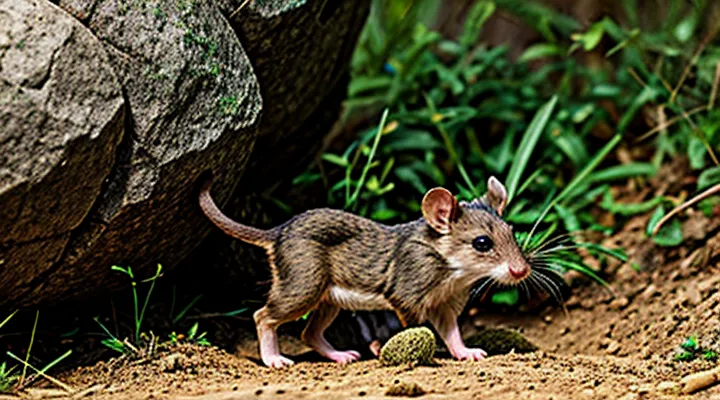
The Maternal Role: Nursing and Care
Initial Nutrition: Colostrum and Milk Production
The Importance of Colostrum
Colostrum provides newborn wild mouse pups with antibodies that protect against bacterial and viral pathogens encountered shortly after birth. The high concentration of immunoglobulin G (IgG) and IgA transfers passive immunity from the dam, reducing mortality during the first critical days.
The nutrient profile of colostrum supplies energy and building blocks needed for rapid growth. Key components include:
- Lactose and lipids for caloric support
- Proteins rich in essential amino acids
- Vitamins A, D, and E that facilitate tissue development
- Minerals such as calcium and phosphorus for skeletal formation
Absorption efficiency peaks within the initial 12 hours; the intestinal epithelium is permeable to macromolecules only during this window. After this period, the gut closes, limiting the transfer of immune factors and nutrients, making timely ingestion vital.
Failure to receive adequate colostrum correlates with increased susceptibility to dehydration, hypoglycemia, and infection. Observational studies of field populations show that litters with complete colostrum intake achieve higher survival rates and reach weaning weight faster than those deprived of it.
Stages of Lactation
Wild mouse mothers begin nursing shortly after birth, delivering a brief, protein‑rich colostrum that supplies immunoglobulins and growth factors essential for neonatal survival. This initial secretion lasts 12–24 hours and contains elevated concentrations of antibodies, lactoferrin, and low‑molecular‑weight nutrients that protect pups against pathogens and support rapid tissue development.
During the second and third days postpartum, the milk composition shifts toward a mature form. Lactose, lipids, and casein increase, providing the primary energy source for the rapidly growing pups. The milk’s caloric density rises from approximately 3 kcal ml⁻¹ in colostrum to 4.5 kcal ml⁻¹ in mature milk, matching the pups’ escalating metabolic demands. At this stage, mothers typically nurse every 2–3 hours, delivering 0.1–0.2 ml per feeding.
In the final week before weaning, the mother gradually reduces milk production while pups begin ingesting solid food such as seeds and insects. Milk volume declines to 0.05 ml per feeding, and nutrient composition adjusts to lower protein and higher carbohydrate ratios, facilitating the transition to an adult diet. By day 14–18, most pups are fully weaned, and maternal lactation ceases.
Key lactation stages:
- Colostrum phase (0–24 h): high immunoglobulins, low volume.
- Mature milk phase (Day 2–10): increased calories, frequent nursing.
- Weaning phase (Day 11–18): reduced milk, introduction of solid food.
Nursing Behavior and Frequency
Positioning During Feeding
Wild mouse offspring depend on precise body placement while receiving milk from the mother, a behavior that maximizes nutrient transfer and reduces exposure to predators.
Newborn pups attach to the mother’s ventral fur, aligning their heads toward the nipples. This orientation secures a stable latch and directs the flow of milk into the oral cavity. The mother’s dorsal muscles contract rhythmically, drawing the pups closer to the mammary glands with each nursing bout.
As pups mature, their positioning shifts. Early-stage young remain tightly clustered, each individual occupying a slot beneath the mother’s belly. After the first week, juveniles begin to alternate between ventral attachment and lateral support, pressing their forepaws against the mother’s flank while keeping the head near a nipple. This transition allows simultaneous access for multiple pups and facilitates faster milk intake.
Environmental factors dictate the feasibility of each position. In shallow burrows with compact soil, ventral clinging dominates because space limits lateral movement. In deeper nests with loose litter, juveniles exploit the additional room to adopt side‑by‑side arrangements, spreading the litter across the mother’s abdomen. Predation pressure favors the ventral posture, as it conceals the pups within the mother’s body mass.
Typical positioning patterns:
- Ventrolateral clinging: head toward nipple, forepaws gripping mother’s belly; used by neonates and early juveniles.
- Lateral support: forepaws on flank, body angled sideways; appears after 7–10 days of age.
- Distributed side‑by‑side: multiple pups aligned along the mother’s length; common in spacious nests.
Accurate positioning during feeding ensures efficient milk delivery, supports rapid growth, and contributes to the survival of wild mouse litters in natural habitats.
Weaning Process
Wild mouse offspring transition from exclusive dependence on maternal milk to solid food within a brief, well‑defined period. The process begins when pups are approximately five days old; at this stage, mothers increase the frequency of nest visits and introduce small quantities of pre‑digested plant material or insect fragments. By day eight, pups exhibit exploratory behavior, sampling food particles delivered by the mother or scavenged from the nest floor. This early exposure stimulates the development of oral motor skills and digestive enzyme activity.
Key milestones of the weaning stage include:
- Day 5‑7: Partial milk reduction; mother deposits semi‑solid food particles.
- Day 8‑10: Pups ingest food independently; milk intake declines sharply.
- Day 11‑14: Full reliance on solid diet; pups achieve nutritional self‑sufficiency.
Environmental conditions influence the timing and success of weaning. Warm, humid habitats accelerate gut maturation, allowing earlier solid intake, whereas colder climates extend the milk‑dependent phase. Predation pressure also affects maternal investment; high risk prompts mothers to shorten the weaning period to reduce nest exposure.
Successful weaning results in rapid growth rates, enhanced thermoregulation, and increased mobility, preparing juveniles for independent foraging and predator avoidance.
Post-Weaning Diet and Foraging Skills
Introduction to Solid Foods
Identifying Edible Items
Wild mouse juveniles obtain nourishment from a limited range of naturally occurring foods that their mothers can recognize through sensory cues. Maternal foraging behavior relies on olfactory detection of volatile compounds, tactile assessment of texture, and visual recognition of familiar shapes. Seasonal shifts alter the availability of these resources, prompting mothers to adjust their selection criteria accordingly.
The primary edible items suitable for mouse pups include:
- Small seeds (e.g., grass, thistle, and herbaceous species) with high carbohydrate content
- Soft-bodied insects such as aphids, caterpillars, and beetle larvae, providing protein and lipids
- Fresh plant shoots and tender foliage rich in vitamins and minerals
- Sporulating fungi and mycelial fragments offering essential amino acids
- Detritus containing microbial biofilms that supplement micronutrients
Mothers prioritize items that are easily digestible, low in defensive chemicals, and abundant within the immediate foraging radius. They test potential foods by briefly sampling the material and observing pup response; acceptance triggers repeated collection.
Nutritional adequacy is monitored through pup growth rates and vocal cues. Consistent intake of the listed items supports rapid development, successful weaning, and eventual independence.
Learning Foraging Techniques
Wild mouse pups acquire foraging skills during the early post‑natal period through a combination of maternal provisioning, tactile stimulation, and independent exploration. Mothers transport partially digested seeds and insects to the nest, allowing pups to sample nutrient‑rich material while still dependent. This exposure introduces basic prey identification and handling patterns.
After the first week, pups begin to leave the nest under maternal supervision. They observe adult movements, mimic bite motions, and practice grasping food items with their forepaws. Repeated attempts refine motor coordination and improve bite force, essential for processing hard‑shelled seeds.
Key mechanisms that shape foraging competence include:
- Observational learning: Pup watches adult foraging routes, memorizes scent cues, and replicates search patterns.
- Trial‑and‑error: Individual attempts with varied food types provide feedback on handling efficiency.
- Social reinforcement: Mothers reward successful captures with additional food deliveries, reinforcing effective techniques.
By the third week, pups display autonomous foraging behavior, selecting appropriate items based on size, texture, and seasonal availability. Success rates increase sharply as neural pathways for spatial memory and prey recognition mature.
The transition from maternal dependence to self‑sustained feeding ensures that wild mouse juveniles develop the adaptive strategies necessary for survival in fluctuating environments.
Parental Guidance in Food Acquisition
Demonstrating Food Sources
Wild mouse pups obtain nutrition primarily through their mother’s milk during the first days of life. The lactation period lasts approximately 10–14 days, during which the dam supplies all essential proteins, fats, and antibodies required for rapid growth.
After the milk phase, pups begin to ingest solid foods that are present in the nest or delivered by the mother. The transition is marked by a gradual increase in consumption of the following natural resources:
- Seed kernels (e.g., millet, wheat, and grass seeds)
- Grains harvested from fallen plant material
- Small arthropods such as beetles, spiders, and larvae
- Fruit fragments and soft berries
- Fungal spores and mycelium growing on decaying matter
- Nuts and hazelnuts when available
The timing of weaning aligns with seasonal abundance; during spring, insect prey dominates, while autumn favors seeds and nuts. Mothers often cache food near the nest, allowing pups to practice foraging while still under maternal protection. Competition among littermates influences individual intake, prompting some pups to specialize in particular items based on size and mobility.
Overall, the diet of wild mouse pups shifts from exclusive maternal provision to a diversified array of naturally occurring foods, ensuring the acquisition of nutrients necessary for survival in fluctuating environments.
Protecting Young During Foraging
Wild mouse mothers transport nourishment to their offspring while minimizing the time pups spend outside the nest. The adult retains the young in a concealed burrow, only exposing them to ambient conditions when the mother returns with food. This practice reduces the likelihood of predation and limits thermal stress.
Foraging trips are timed to coincide with periods of reduced predator activity, such as twilight or after heavy rain, when visual hunters are less effective. Mothers select routes that pass close to dense vegetation or rocky cover, allowing rapid retreat if a threat appears. Scent trails left by the adult serve as a chemical barrier, deterring some predators and facilitating the mother’s quick navigation back to the nest.
Pup behavior reinforces protection. Neonates remain motionless, emitting low‑frequency vocalizations that signal hunger without attracting attention. Their small body mass enables rapid heat loss, so mothers frequently return to provide warm milk, preventing hypothermia without requiring the pups to venture far from safety.
Key protective measures include:
- Nest placement within complex ground cover.
- Foraging schedules aligned with low predator visibility.
- Use of scent marking along travel corridors.
- Limited pup movement and reliance on maternal warmth.
- Rapid return trips to replenish the nest and maintain vigilance.
Environmental Factors Influencing Feeding
Availability of Food Sources
Seasonal Variations
Wild mouse offspring receive nourishment that fluctuates with the year’s climatic cycles. Mothers adjust litter size, nursing frequency, and supplemental food sources according to the resources that become available during each season.
- Spring: Rapid plant growth and insect emergence increase protein intake. Mothers incorporate newly hatched beetles and aphids into the diet, supplementing milk with occasional foraged seeds.
- Summer: Warm temperatures expand foraging ranges. Abundant grasses, berries, and mature insects provide a balanced mix of carbohydrates and lipids, supporting accelerated pup growth.
- Autumn: Declining insect populations shift reliance toward stored seeds and fallen nuts. Mothers reduce nursing intervals, allowing pups to transition to solid food earlier.
- Winter: Scarcity of external food forces mothers to rely almost exclusively on stored body fat for milk production. Pups experience slower weight gain, and survival rates depend on the mother’s ability to conserve energy.
These seasonal adjustments ensure that young rodents receive adequate nutrition despite the inherent variability of natural ecosystems.
Impact of Habitat
Habitat determines the quantity and type of resources available to nursing female mice, which directly shapes the nutritional intake of their offspring. Dense understory provides abundant seeds and insects, while open grasslands offer primarily grasses and occasional arthropods. In arid zones, limited plant matter forces mothers to travel greater distances for sporadic food patches, reducing the frequency of pup provisioning.
Nest location within a habitat influences maternal foraging routes. Burrows situated near vegetation edges allow quick access to seed heads, whereas deep-soil nests require longer excursions to surface foraging sites. Shorter trips increase the amount of milk and solid food transferred to pups during early development stages.
Seasonal shifts modify habitat productivity. Spring growth spikes seed and insect populations, raising the caloric content of food delivered to offspring. Autumn decline forces mothers to prioritize high‑energy items, often resulting in reduced litter size or delayed weaning. Predator density, which varies with habitat complexity, also affects feeding patterns; in areas with high predator activity, mothers limit foraging trips, leading to slower pup growth rates.
Key impacts of habitat on pup nutrition:
- Resource diversity: determines the balance of proteins, fats, and carbohydrates in maternal diet.
- Foraging distance: influences frequency of food delivery to the nest.
- Microclimate stability: affects milk production efficiency.
- Predator pressure: modulates maternal exposure time outside the nest.
Overall, the structural and ecological characteristics of a mouse’s environment exert measurable control over the feeding regime and developmental outcomes of its young.
Predation Risk and Feeding Strategies
Shortened Feeding Times
In wild environments, mother mice provide nourishment to their pups in a series of brief, high‑frequency nursing bouts. Each session lasts only a few minutes, reflecting the limited capacity of the infant’s stomach and the need to minimize exposure to predators.
Key characteristics of these condensed feeding intervals include:
- Rapid milk transfer: Milk is delivered quickly through a highly efficient suckling mechanism, allowing pups to ingest sufficient calories before the mother retreats.
- Frequent cycles: Mothers return to the nest every 30–45 minutes, compensating for the short intake period with regular repetitions.
- Thermal regulation: Short bouts reduce the time pups spend in the nest, limiting heat loss and conserving maternal energy.
The combination of swift ingestion, repeated visits, and predator avoidance shapes the abbreviated feeding schedule observed in free‑living mouse litters.
Concealed Feeding Locations
Wild mouse pups receive nourishment in locations deliberately hidden from predators and competitors. Mothers select sites that blend with the surrounding substrate, ensuring minimal visual or olfactory cues.
Typical concealed feeding sites include:
- Subterranean burrow chambers lined with soft plant material, accessed through narrow tunnels that restrict larger threats.
- Leaf‑litter nests constructed under dense canopy cover, where accumulated detritus masks scent and movement.
- Rock crevices partially filled with moss or soil, offering shelter while maintaining a stable microclimate.
- Root ball cavities formed by natural erosion, providing insulated pockets that retain moisture and warmth.
Selection criteria prioritize structural security, thermal stability, and proximity to foraging routes. Mothers transport prey items—primarily insects, seeds, and small arthropods—to these sites, depositing them in shallow pits or directly onto the nest substrate. The concealment strategy reduces the likelihood of detection, allowing pups to feed uninterrupted until they develop the agility required for independent foraging.
Nutritional Needs for Growth and Development
Essential Nutrients for Pups
Protein Requirements
Wild mouse juveniles depend on high‑quality protein to sustain rapid growth during the first three weeks of life. The mother’s lactation supplies the majority of this protein; milk composition contains approximately 15–20 % crude protein, delivering roughly 1.5 g of protein per kilogram of pup body weight per day. As pups begin to wean, supplemental protein sources become essential.
Key natural protein inputs after the initial lactation period include:
- Insect larvae (e.g., beetle grubs, moth caterpillars) providing 20–25 % protein with essential amino acids.
- Small arthropods such as springtails and mites, offering 12–15 % protein and chitin‑bound nutrients.
- Seed and grain fragments ingested incidentally, contributing 8–10 % protein and additional micronutrients.
The total protein requirement for a developing mouse pup averages 2.5 g kg⁻¹ day⁻¹ during the peak growth phase (days 10–20). Deficiencies manifest as reduced body mass gain, delayed skeletal development, and impaired immune function. Consequently, the availability of protein‑rich prey directly influences survival rates in natural habitats.
Maternal behavior adjusts to meet these demands. Females increase foraging effort and select prey with higher protein content as pups approach weaning. This adaptive strategy ensures a continuous supply of amino acids necessary for muscle synthesis, organ maturation, and enzymatic activity until the juveniles achieve independence.
Mineral and Vitamin Intake
Wild mouse juveniles receive their initial mineral and vitamin supply primarily from maternal milk, which contains high concentrations of calcium, phosphorus, and vitamin D. As the pups wean, they supplement this intake with foraged items such as seeds, grasses, and small arthropods.
-
Calcium – abundant in milk; later obtained from seed coats and insect exoskeletons.
-
Phosphorus – present in milk and insect hemolymph; essential for bone mineralization.
-
Magnesium – supplied by leafy vegetation and soil particles ingested incidentally.
-
Iron – sourced from insect hemoglobin and iron‑rich plant tissues.
-
Zinc – concentrated in invertebrate prey; supports enzymatic activity.
-
Selenium – acquired from plants growing in selenium‑rich soils; contributes to antioxidant defenses.
-
Vitamin A – derived from carotenoid‑rich seeds and insects; critical for visual development.
-
Vitamin D – initially provided by milk; synthesis continues through limited dermal exposure to sunlight.
-
Vitamin E – found in seed oils; protects cell membranes from oxidative damage.
-
Vitamin K – present in grasses and leafy material; involved in blood clotting.
-
B‑complex vitamins – supplied by insects and germinated seeds; facilitate energy metabolism.
-
Vitamin C – limited in the diet; obtained from fresh plant matter when available, supporting immune function.
Gut maturation influences absorption efficiency; calcium and phosphorus uptake increase sharply after the second post‑natal week, while iron and zinc absorption improve as the intestinal mucosa develops. Seasonal fluctuations in plant phenology and insect abundance directly affect the availability of specific micronutrients, causing temporary deficits that are typically compensated by maternal provisioning or opportunistic foraging.
Adequate intake of these minerals and vitamins underpins skeletal growth, neuromuscular coordination, and immune competence, thereby enhancing survival prospects for wild mouse offspring in their natural environment.
Growth Stages and Dietary Changes
Rapid Growth Phase
Wild mouse pups experience a brief but intense period of somatic development that begins immediately after birth and lasts approximately ten to twelve days. During this interval, individuals increase body mass by a factor of three to four, driven by high‑frequency nursing and rapid cell proliferation. Energy expenditure rises sharply, necessitating a sustained supply of nutrients from the mother’s milk.
The mother supplies milk containing elevated concentrations of protein, lactose, and essential fatty acids. Nursing sessions occur every two to three hours, with each bout delivering a volume proportional to the pup’s current weight. Milk composition shifts gradually, providing increasing levels of immunoglobulins and growth‑promoting peptides as the pups approach the end of the rapid growth phase.
Transition to solid food begins around day ten, when pups start gnawing on soft plant material and insects introduced by the mother. This dietary shift coincides with the closure of the intestinal epithelium, enhanced digestive enzyme activity, and the development of foraging behavior. Successful weaning reduces dependence on maternal milk and prepares the young for independent survival.
Key physiological changes during the rapid growth phase:
- Accelerated protein synthesis and muscle fiber formation
- Expansion of adipose tissue to store energy reserves
- Maturation of the gastrointestinal tract for mixed diets
- Up‑regulation of thermogenic mechanisms to maintain body temperature
These adaptations collectively ensure that wild mouse pups achieve the size and metabolic capacity required for the challenges of early independence.
Transition to Adult Diet
Wild mouse pups depend on maternal milk for the first 10–14 days after birth. During this period, the milk supplies high‑energy proteins, lipids, and immunoglobulins essential for rapid growth. As the pups approach the end of the nursing phase, mothers begin to introduce solid foods, prompting physiological adjustments in the digestive system.
The shift to an adult diet involves several coordinated changes:
- Gut enzyme development: Production of amylase and proteases increases, enabling efficient breakdown of carbohydrates and insect protein.
- Dental eruption: Incisors become functional, allowing the pups to gnaw seeds, nuts, and arthropod exoskeletons.
- Foraging behavior: Juveniles start to follow the mother on short foraging trips, learning to locate and capture prey such as beetles, moth larvae, and spider eggs.
- Nutrient composition: The diet transitions from predominantly lipid‑rich milk to a balanced mix of plant matter (seeds, grains) and animal protein, providing essential amino acids, vitamins, and minerals for skeletal maturation.
By the third week, the pups are capable of independent feeding, relying on a varied diet that supports continued growth, thermoregulation, and preparation for seasonal resource fluctuations.