
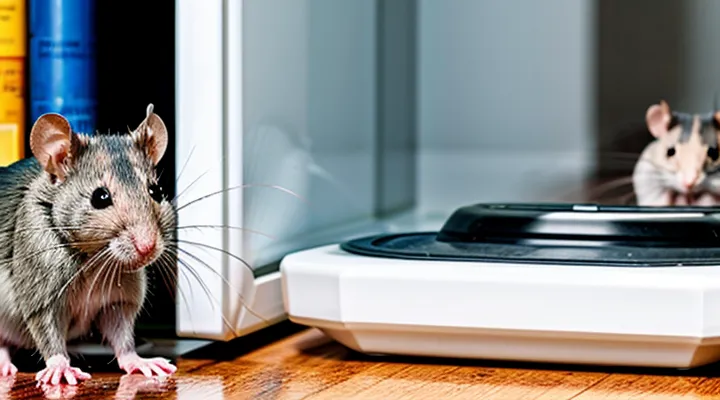
Understanding Ultrasonic Repellents
What are Ultrasonic Repellents?
Frequency and Sound Waves
Ultrasonic devices emit sound at frequencies above the upper limit of human hearing, typically between 20 kHz and 100 kHz. These frequencies fall within the auditory range of mice and rats, whose hearing extends up to roughly 90 kHz. Selecting a frequency close to the upper sensitivity threshold maximizes the likelihood of detection by the target species while remaining inaudible to people.
Frequency determines the wavelength of the emitted wave; higher frequencies produce shorter wavelengths that attenuate more rapidly in air and are less capable of penetrating solid barriers. Consequently, effective repellents rely on direct line‑of‑sight placement to ensure that the acoustic energy reaches the rodent’s immediate environment before dissipating.
Key acoustic parameters influencing performance:
- «frequency»: chosen to match the upper hearing limit of the target rodents
- «intensity»: measured in decibels, must exceed the auditory threshold of the animal but stay below safety limits for humans
- «duty cycle»: proportion of time the emitter is active, affecting perceived continuity of the signal
- «modulation»: variation in frequency or amplitude to prevent habituation
When a rodent perceives a high‑frequency tone, the auditory system registers a persistent, uncomfortable stimulus. The resulting aversive response prompts the animal to vacate the area, achieving the intended deterrent effect without physical contact.
How They are Advertised
Ultrasonic rodent deterrents are presented to consumers as safe, non‑chemical solutions that emit high‑frequency sound beyond human hearing. Advertising copy emphasizes the absence of toxins, the protection of food stores, and the convenience of plug‑in installation. Claims often cite “frequency ranges up to 30 kHz” and “continuous operation 24 hours a day” to suggest comprehensive coverage.
Promotional materials rely on three primary tactics:
- « Scientific verification » – references to laboratory tests, frequency charts, and certifications from regulatory bodies.
- « Customer endorsement » – short testimonials highlighting successful rodent exclusion in kitchens, warehouses, and agricultural settings.
- « Value proposition » – comparisons with traditional traps or poison, stressing lower long‑term cost and reduced maintenance.
Visual elements feature sleek, compact devices positioned near wall outlets, reinforcing the notion of unobtrusive integration into household or commercial environments. Price points are displayed prominently, often accompanied by limited‑time discounts or bundle offers that include multiple units for larger spaces. Distribution channels span online marketplaces, specialty pest‑control retailers, and home‑improvement chains, each employing consistent messaging that aligns with the safety‑first narrative.
The Scientific Basis (or Lack Thereof)
The Theory Behind Ultrasonic Pest Control
Discomfort and Stress for Rodents
Ultrasonic devices emit sound waves at frequencies above 20 kHz, a range inaudible to humans but detectable by the auditory apparatus of mice and rats. The emitted pulses create rapid pressure fluctuations within the inner ear, provoking a sensation of discomfort that prompts avoidance behavior. Continuous exposure leads to heightened arousal of the autonomic nervous system, manifesting as increased heart rate, elevated cortisol levels, and disrupted sleep cycles.
The physiological stress response can be summarized as follows:
- Activation of the sympathetic branch, producing tachycardia and heightened alertness.
- Release of adrenal hormones, resulting in metabolic changes and reduced immune function.
- Interference with normal foraging and nesting activities, causing energy expenditure on escape attempts.
Behavioral observations confirm that rodents subjected to sustained ultrasonic emission display reduced activity in treated zones, increased grooming, and frequent attempts to relocate. The combination of auditory irritation and physiological stress diminishes the suitability of the environment for habitation, thereby encouraging migration away from the protected area.
Proposed Mechanism of Action
Ultrasonic devices aimed at rodents generate sound waves above the human hearing range, typically between 20 kHz and 100 kHz. The proposed mechanism of action relies on the animals’ auditory sensitivity and stress response. When the emitted frequency matches the species‑specific hearing peak, the sound induces a perception of danger. This perception triggers a cascade of physiological reactions:
- Activation of the cochlear hair cells produces a heightened neural signal in the auditory pathway.
- The signal reaches the amygdala, the brain region responsible for fear processing, leading to an acute stress response.
- Elevated corticosterone levels and increased heart rate accompany the stress response, prompting immediate avoidance behavior.
Repeated exposure reinforces the aversive association, resulting in long‑term habitat abandonment. Laboratory observations confirm that mice and rats exposed to continuous ultrasonic pulses display reduced foraging activity and increased relocation to quieter zones. The effect diminishes when the frequency falls outside the optimal hearing range or when habituation occurs, indicating that precise frequency selection and intermittent operation are critical for sustained efficacy.
Research and Studies
Contradictory Findings
Research on ultrasonic devices aimed at deterring rodents presents a spectrum of outcomes. Controlled laboratory experiments frequently report a measurable decline in activity levels of mice and rats when exposure exceeds 30 kHz and intensity reaches 80 dB SPL. Field trials, however, often reveal limited or transient effects, with populations resuming normal foraging within days of device activation.
Key contradictions include:
- Laboratory‑based studies indicate habituation after 48 hours, whereas some field observations document immediate habituation within a few hours.
- Certain investigations demonstrate species‑specific sensitivity, showing significant avoidance in house mice but negligible response in Norway rats; other reports claim the opposite pattern.
- Efficacy appears linked to environmental acoustics: enclosed spaces enhance deterrence, while open barns or warehouses diminish ultrasonic propagation, contradicting findings that suggest uniform performance across settings.
Potential explanations for divergent results involve methodological variance, such as differences in sound frequency range, output power, and measurement of rodent activity. Additionally, background noise, structural acoustics, and population density may modulate the perceived effectiveness of ultrasonic deterrents.
Limitations of Current Research
Current investigations into ultrasonic deterrent devices reveal several methodological constraints that limit the reliability of reported efficacy. Laboratory experiments frequently employ single‑species cohorts under controlled acoustic environments, which differ markedly from heterogeneous residential settings where multiple rodent species coexist and ambient noise levels fluctuate. Consequently, results obtained in sterile conditions cannot be directly extrapolated to real‑world applications.
Field trials often suffer from insufficient sample sizes and short observation periods. Small participant numbers reduce statistical power, while brief monitoring fails to capture long‑term habituation effects. Rodents may initially avoid ultrasonic emissions but gradually acclimate, diminishing the deterrent effect after weeks or months of exposure.
Data collection protocols frequently overlook critical variables such as device placement height, floor material, and proximity to food sources. Inconsistent reporting of these parameters hampers replication and comparative analysis across studies. Moreover, many investigations rely on indirect indicators—e.g., trap counts or visual sightings—rather than continuous monitoring of activity levels, introducing observer bias.
Key gaps identified in the literature include:
- Lack of standardized frequency ranges and intensity levels across devices.
- Inadequate assessment of species‑specific auditory thresholds.
- Minimal consideration of synergistic interactions with other control methods.
- Sparse reporting of environmental noise interference.
Addressing these limitations requires larger, longitudinal field studies employing uniform measurement standards, comprehensive reporting of experimental conditions, and integration of objective acoustic monitoring technologies. Only through such rigorous approaches can the true potential and constraints of ultrasonic rodent repellents be accurately determined.
Practical Considerations and Effectiveness
Factors Affecting Performance
Obstacles and Absorption
Ultrasonic devices intended to deter rodents rely on sound waves that travel through air and interact with surrounding materials. Physical objects such as walls, furniture, and flooring create acoustic barriers that block or reflect the waves, limiting the area reached by the repellent. Gaps between surfaces, especially around doors and windows, allow sound to escape the intended zone, reducing efficacy.
Materials differ in their capacity to absorb ultrasonic energy. Soft fabrics, foam insulation, and carpet fibers convert a portion of the acoustic energy into heat, diminishing the intensity that reaches the target organism. Dense, rigid structures like concrete and metal reflect a larger share of the waves, but may also produce standing‑wave patterns that generate zones of reduced intensity.
Key factors influencing wave attenuation include:
- Frequency: higher frequencies experience greater absorption by air and materials, shortening effective range.
- Air humidity: increased moisture raises acoustic impedance, accelerating energy loss.
- Distance: intensity declines proportionally to the square of the distance from the source, following the inverse‑square law.
Effective deployment requires strategic placement of emitters to minimize obstacles, ensure line‑of‑sight coverage, and select frequencies that balance penetration depth with species‑specific hearing thresholds. Regular assessment of the environment—identifying new furniture, changes in flooring, or alterations in humidity—helps maintain optimal performance of ultrasonic deterrent systems.
Range and Coverage
Ultrasonic devices emit sound waves at frequencies above 20 kHz, creating a hostile acoustic environment for rodents. The effective radius typically spans 3–6 meters, diminishing sharply beyond this zone due to air absorption and surface reflections.
Key determinants of coverage include:
- Output power – higher wattage extends the audible field but increases energy consumption.
- Frequency selection – lower ultrasonic frequencies travel farther, yet may be less irritating to target species.
- Environmental layout – open spaces allow unobstructed propagation; walls, furniture, and insulation absorb and scatter waves, reducing reach.
- Device orientation – directional emitters focus energy forward, covering a narrower arc, while omnidirectional models disperse sound evenly around the unit.
Optimal placement positions the repellent centrally within the target area, elevated to avoid ground‑level attenuation, and away from dense obstacles. Overlapping fields from multiple units can achieve comprehensive protection for larger premises, provided that each unit’s specified range is respected to prevent signal interference.
Monitoring rodent activity after installation confirms whether the established coverage meets expectations, allowing adjustments to device density or positioning as necessary.
Rodent Adaptation and Habituation
Ultrasonic deterrent devices emit high‑frequency sounds that exceed the typical hearing range of humans but fall within the auditory sensitivity of mice and rats. The emitted waves create an uncomfortable acoustic environment, prompting rodents to vacate the treated area.
Rodent adaptation involves physiological and behavioral changes. Auditory receptors can become less responsive to constant frequencies, reducing the perceived intensity of the signal. Additionally, individuals may shift their activity to periods when the device is idle, exploiting temporal gaps in emission.
Habituation develops when exposure is predictable and unaccompanied by additional stressors. Over time, rodents learn that the sound does not correlate with danger, diminishing avoidance behavior. This learning process is reinforced by the lack of negative reinforcement associated with the ultrasonic stimulus.
Key factors influencing adaptation and habituation:
- Frequency variability: static frequencies accelerate desensitization, while sweeping ranges maintain efficacy.
- Emission pattern: continuous output encourages habituation; intermittent cycles disrupt pattern recognition.
- Environmental complexity: cluttered spaces reflect and attenuate sound, allowing rodents to locate quieter zones.
- Species‑specific hearing thresholds: different rodent species respond optimally to distinct frequency bands.
Effective management combines ultrasonic devices with complementary control measures, such as physical barriers and sanitation practices. Rotating frequencies and employing timed cycles prolong deterrent impact, preventing rodents from establishing acoustic tolerance. Continuous monitoring of rodent activity informs adjustments to device settings, ensuring sustained repellent performance.
Alternative and Complementary Pest Control Methods
Trapping
Ultrasonic devices deter rodents by emitting high‑frequency sound waves that cause discomfort and disrupt communication. When repellent units are installed, many property owners combine them with physical capture methods to ensure comprehensive control.
Trapping complements ultrasonic deterrence by removing individuals that have not responded to the sound field. Effective traps share several characteristics:
- Size appropriate for mice or rats; openings must accommodate target species while preventing escape.
- Placement near walls, along travel routes, and close to food sources, where ultrasonic intensity is highest.
- Bait that appeals to rodents but does not interfere with the ultrasonic frequency, such as grain or peanut butter.
- Regular inspection and humane disposal of captured animals to avoid secondary infestations.
Integrating traps with ultrasonic systems requires synchronization. Position traps within the audible range of the repellent, typically 1–3 meters from the emitter, to exploit the heightened alertness caused by the sound. This strategy increases the likelihood that rodents will encounter the trap while attempting to avoid the acoustic discomfort.
Maintenance of both technologies is essential. Replace battery‑powered ultrasonic units according to manufacturer guidelines, and clean trap interiors to remove scent marks that could deter future captures. Consistent application of these practices maximizes reduction of mouse and rat populations while minimizing reliance on chemical poisons.
Baits and Poisons
Baits and poisons constitute a direct approach to reducing mouse and rat populations. They rely on ingestion of toxic substances that disrupt physiological processes, leading to mortality within hours to days.
Common categories of rodent poisons include:
- Anticoagulant compounds that inhibit blood clotting, causing internal hemorrhage.
- Neurotoxic agents that interfere with nerve transmission, resulting in rapid paralysis.
- Metabolic disruptors that impair energy production, leading to gradual decline.
- Single‑dose products formulated for immediate effect, reducing the risk of bait shyness.
Effectiveness depends on palatability, placement density, and resistance management. Rotating active ingredients prevents the development of tolerance, while securing baits in tamper‑proof stations limits access by non‑target wildlife and pets. Regulatory frameworks require labeling of active substances, hazard warnings, and adherence to prescribed application intervals.
When combined with ultrasonic devices, baits serve as a fallback when deterrents fail to achieve complete exclusion. Ultrasonic emitters discourage entry, while strategically positioned baits address individuals that have already infiltrated the environment. This layered strategy maximizes control while minimizing reliance on any single method.
Exclusion Techniques
Exclusion techniques refer to measures that prevent rodents from entering a building or a specific area. The approach relies on eliminating access routes, reducing attractants, and maintaining barriers that deny entry.
Key physical barriers include:
- Sealing all gaps larger than ¼ inch in walls, floors, and foundations with steel wool, caulk, or expanding foam.
- Installing door sweeps and weather stripping on exterior doors.
- Fitting vent covers and chimney caps with fine mesh to block passage.
- Using rodent‑proof trash containers with tight‑locking lids.
Habitat modification reduces the incentive for mice and rats to approach a structure:
- Storing food in sealed containers and cleaning spillages promptly.
- Removing clutter, debris, and overgrown vegetation that offer shelter.
- Relocating compost piles and pet feeding stations away from building perimeters.
Integration with ultrasonic repellents enhances exclusion:
- Positioning emitters at identified entry points ensures direct coverage of vulnerable zones.
- Overlapping sound fields create a continuous deterrent zone, preventing rodents from bypassing isolated devices.
- Combining acoustic deterrence with physical barriers addresses both behavioral avoidance and mechanical intrusion.
Effective exclusion demands ongoing maintenance:
- Conducting quarterly inspections to detect new openings or damage to existing barriers.
- Repairing compromised seals immediately to avoid re‑entry.
- Documenting inspection findings and corrective actions to track long‑term efficacy.
User Experience and Common Misconceptions
What Users Report
User feedback on ultrasonic devices designed to deter rodents presents a mixed picture. Many owners describe an immediate reduction in audible activity, noting that the audible squeaking and scurrying cease within hours of activation. Several reports emphasize a decline in visible droppings and gnaw marks, indicating that the pests avoid the treated area.
Effectiveness observations include:
- «The device stopped mouse sightings after two days of use.»
- «Rats disappeared from the kitchen, but returned after the unit was unplugged.»
- «No audible clicks or buzzing were heard, yet the infestation persisted.»
- «Battery life lasted three weeks, after which the repellent ceased to function.»
Common limitations reported by users involve:
- Inconsistent performance across different building structures; concrete walls appear to block ultrasonic waves more effectively than wooden partitions.
- Lack of coverage beyond a radius of approximately three meters, leading to untreated zones where rodents remain active.
- Diminished efficacy after a few weeks, suggesting possible habituation of the animals to the sound frequency.
- Occasional interference with pet behavior, particularly with small dogs and cats that react to the high‑frequency tones.
Recommendations derived from the collected reports suggest that optimal results are achieved when the device is positioned centrally in the target area, elevated to avoid obstruction, and operated continuously. Users also advise pairing ultrasonic units with complementary measures such as sealing entry points and maintaining strict sanitation to prevent re‑infestation.
Myths vs. Reality
Ultrasonic deterrents are widely advertised as a simple, chemical‑free solution for rodent infestations. Manufacturers often rely on sensational claims to attract consumers, creating a market saturated with misinformation.
Common misconceptions include:
- Devices emit a frequency that permanently disables mouse or rat hearing.
- Continuous operation eliminates all rodent activity regardless of environmental conditions.
- All ultrasonic products are equally effective across different species and ages.
- The presence of a single unit protects an entire building, even through walls and floors.
Scientific evaluations reveal a more nuanced picture. Ultrasonic waves affect rodents only within a limited radius, typically 3–5 meters, and effectiveness diminishes sharply when obstacles block the sound path. Many species quickly habituate to the noise, reducing the deterrent effect after a few days. Frequency ranges marketed for rodents (20–30 kHz) overlap with the upper hearing limits of adult mice and rats, but younger individuals and some pest species detect lower frequencies, rendering the devices less reliable. Controlled studies report modest reductions in activity, not complete eradication, and results vary with housing density, food availability, and complementary sanitation measures. Reliable control strategies combine ultrasonic devices with exclusion techniques, proper waste management, and, when necessary, professional trapping or baiting.
Safety Concerns for Humans and Pets
Ultrasonic rodent deterrents emit high‑frequency sound waves that are inaudible to most adults but can affect small mammals. Exposure limits for humans are defined by occupational safety standards; typical household units operate well below these thresholds, reducing risk of auditory damage. Nevertheless, prolonged use in confined spaces may increase sound pressure levels, potentially causing discomfort for individuals with heightened sensitivity or pre‑existing hearing conditions.
Pets, particularly cats, dogs, and small mammals such as hamsters, may perceive ultrasonic emissions. Some species exhibit stress responses, including agitation, avoidance behavior, or temporary hearing impairment. Exposure to intensities exceeding 80 dB SPL can lead to chronic auditory damage in susceptible animals. Manufacturers often recommend placement of devices away from pet sleeping areas and regular monitoring of animal behavior for signs of distress.
Key safety considerations:
- Verify that the device complies with regulatory limits for ultrasonic output (e.g., ≤ 85 dB SPL at 20 cm).
- Install units at a height or location that minimizes direct line‑of‑sight exposure to humans and pets.
- Conduct periodic checks for changes in animal behavior; discontinue use if signs of anxiety or hearing loss appear.
- Use timers or motion‑activated models to limit continuous operation, thereby reducing cumulative exposure.
- Follow manufacturer instructions regarding maintenance and replacement of faulty units to prevent unintended power spikes.
Adhering to these guidelines ensures effective rodent control while maintaining a safe acoustic environment for occupants and companion animals.