
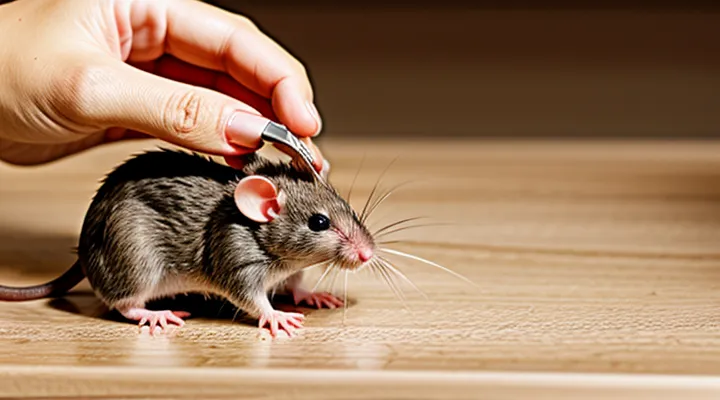
Understanding the Need for Rat Nail Trimming
Why Trim Your Rat's Nails?
Preventing Injuries to Your Rat
Trimming a rat’s nails at home requires careful preparation to avoid cuts, bruises, or stress‑related injuries. Use a pair of sharp, rat‑size nail clippers and work on a stable surface such as a non‑slipping mat.
- Hold the rat gently but firmly, supporting the body with one hand while the other hand steadies the paw.
- Apply a mild, scent‑free calming aid (e.g., a few drops of lavender oil on a cloth) only if the rat is accustomed to it.
- Position the clipper at a 45‑degree angle, targeting the translucent tip before the quick becomes visible.
- Cut only the clear portion; avoid the pink vascular area to prevent bleeding.
Proper restraint reduces the risk of sudden movements. Wrap the rat loosely in a soft towel, leaving the paw exposed, or use a small pet carrier with a breathable lid for added security. Keep the session brief—no longer than a few minutes—to limit stress.
After trimming, inspect each nail for signs of damage:
- Redness or swelling around the cut site.
- Persistent bleeding that does not stop after applying gentle pressure with a sterile cotton ball.
- Limping or reluctance to use the affected limb.
If any of these symptoms appear, seek veterinary assistance promptly. Apply a small amount of veterinary‑approved styptic powder to minor bleeds, and monitor the rat for changes over the next 24 hours.
Consistent, gentle nail maintenance prevents overgrowth, which can lead to foot deformities, infections, or difficulty walking. Regular checks, proper technique, and immediate response to injuries ensure the rat remains healthy and comfortable during home nail care.
Preventing Injuries to You
Trimming a pet rat’s nails can cause accidental cuts, punctures, or exposure to bloodborne pathogens if proper safety measures are ignored. Personal injury is preventable through disciplined preparation, controlled handling, and immediate response to mishaps.
Begin with a clean, well‑lit work area. Disinfect clippers, tweezers, and any surface the animal will touch. Keep a towel, a small bowl of warm water, and a styptic powder or cornstarch within arm’s reach. Wear disposable gloves to protect skin from potential scratches and to maintain hygiene.
Secure the rat without applying excessive force. Wrap the animal gently in a soft cloth, leaving the paws exposed. The wrap should limit sudden movements while allowing quick release if the rat struggles. One hand maintains the wrap; the other hand steadies the limb.
Select clippers designed for small mammals, preferably with a safety guard that limits blade exposure. Hold the tool like a pen, aligning the cutting edge with the clear, translucent part of the nail. Avoid the pink nail bed, which contains blood vessels and nerves.
Cut only the tip of each nail, taking no more than a millimeter at a time. If the nail appears opaque, stop and reassess; the dark portion indicates proximity to the nail bed. Apply pressure with a cotton swab dipped in styptic powder immediately after a cut to stop bleeding.
After all nails are trimmed, release the rat from the wrap, inspect each paw for signs of trauma, and reward the animal with a treat. If bleeding persists beyond a minute, seek veterinary assistance promptly. Maintaining these precautions eliminates most risks to the caretaker while ensuring a safe grooming session.
Maintaining Overall Health and Hygiene
Regular nail maintenance directly influences a rat’s physical condition and cleanliness. Overgrown claws can cause gait abnormalities, skin lesions, and difficulty navigating the cage, which compromises overall well‑being.
Effective nail care requires a sterile environment. Before each session, disinfect clippers with isopropyl alcohol, rinse them with warm water, and dry completely. Clean the rat’s paws with a damp, lint‑free cloth to remove debris, then dry the area thoroughly. Avoid forcing the animal; gentle restraint minimizes stress and reduces the chance of accidental injury.
- Use a pair of pet‑grade nail trimmers designed for small rodents.
- Position the rat on a stable surface, such as a padded tray.
- Locate the translucent nail tip; trim only the sharp tip, leaving the pink “quick” untouched.
- Apply a small amount of styptic powder if bleeding occurs.
After trimming, inspect each paw for cuts or swelling. Return the rat to its habitat only after the paws are dry. Maintain a clean cage by removing soiled bedding weekly and providing fresh nesting material, which supports natural grooming behavior.
Integrate nail care with a comprehensive health routine: balanced diet, regular exercise, and periodic veterinary examinations. Consistent attention to these factors sustains optimal hygiene and prevents secondary issues that arise from neglected claw health.
Identifying Overgrown Nails
Visual Cues
Visual cues are essential for safe nail trimming of pet rats in a home setting. The appearance of the nail tip indicates how much length remains before the vascular tissue, known as the quick, begins. Transparent or lightly colored nails reveal a pinkish core; the quick is visible as a dark line running from the base toward the tip. Dark nails require close inspection under bright light to detect the quick’s outline, which often appears as a faint, lighter band near the end.
- Clear nails: trim until a small, dark spot appears at the edge, leaving a thin, translucent margin.
- Dark nails: cut a few millimeters off, then examine the cut surface; a pale, smooth area signals safe distance from the quick.
- Overgrown nails: a curved shape or frequent clicking on surfaces indicates the quick is exposed; trim gradually, checking after each cut.
Observing the rat’s behavior provides additional clues. A rat that withdraws its foot or shows signs of discomfort after a cut likely had the quick nicked. Immediate application of a styptic powder or cornstarch stops bleeding, but prevention relies on accurate visual assessment before each trim.
Consistent lighting, a magnifying lens, and a steady hand enhance cue detection. Use a small, sharp pair of nail clippers designed for rodents, and position the rat’s paw on a non‑slippery surface to keep the nail visible throughout the procedure. By relying on these visual indicators, owners can maintain healthy nail length without causing injury.
Behavioral Indicators
Recognizing a rat’s behavior is essential before attempting nail maintenance. Observing the animal’s state helps determine whether the procedure can be performed safely and without causing unnecessary distress.
- Loose muscles, a flattened body against the cage floor, and slow, rhythmic breathing indicate relaxation.
- Gentle grooming of the paws or voluntary presentation of the hind limbs suggest willingness to cooperate.
- Lack of sudden movements and steady eye contact with the handler reflect a calm disposition.
Conversely, certain reactions signal that the rat is uncomfortable or fearful:
- Rapid, shallow breaths or audible panting.
- Rigid posture, elevated tail, or attempts to retreat.
- Aggressive lunges, teeth snapping, or vocalizations such as high‑pitched squeaks.
When calm indicators dominate, secure the rat gently but firmly, using a soft towel or a small restraining cup. If any stress signals appear, pause the session, allow the animal to recover, and reassess after a short interval. Repeating the observation‑assessment‑action cycle ensures the nail‑trimming process proceeds with minimal risk to both rat and caregiver.
Preparing for the Trimming Process
Essential Tools and Supplies
Nail Clippers (Appropriate Types)
Choosing the right tool is critical for safe rat nail maintenance. Clippers must fit the tiny curvature of a rodent’s toe and provide precise control without crushing the nail bed.
Suitable options include:
- Small‑animal guillotine clippers – blade length 10‑15 mm, spring‑loaded action, clear stop to prevent over‑cutting.
- Scissor‑type pet clippers – angled jaws, tip width 2‑3 mm, suitable for both front and hind claws.
- Human nail clippers (miniature) – straight blades, tip length under 5 mm, useful for quick trims when other tools are unavailable.
- Rotary or rotary‑disk clippers – low‑speed motor, adjustable guard, ideal for owners who need extra stability.
When selecting a pair, prioritize stainless‑steel blades for durability, a non‑slip grip for steady handling, and a built‑in safety guard to limit cut depth. Verify that the cutter’s opening matches the rat’s nail thickness; a gap that is too large forces excessive force, while a gap that is too small risks crushing the nail.
Before each session, inspect the clippers for sharpness and cleanliness. Dull edges increase the chance of splintering, while residue can introduce infection. Replace or sharpen blades regularly to maintain clean cuts and reduce stress for the animal.
Styptic Powder or Cornstarch
When a rat’s claw is clipped too close to the quick, bleeding can occur within seconds. Immediate hemostasis prevents prolonged blood loss and reduces stress for both animal and handler. Two readily available agents—styptic powder and cornstarch—serve this purpose effectively.
Styptic powder contains astringent minerals such as potassium alum that constrict blood vessels, accelerating clot formation. Apply a small pinch of the powder directly onto the cut end of the nail; the powder adheres to the moist tissue, creating a temporary seal. Within a minute, bleeding typically ceases. The powder is safe for repeated use, does not irritate the skin, and leaves no residue that could be ingested when the rat grooms.
Cornstarch operates through a mechanical absorption mechanism. When pressed onto a bleeding nail, the fine particles soak up blood, forming a clot. The method is simple: dip a clean cotton swab or fingertip into the cornstarch, then press gently against the wound until the flow stops. Cornstarch is non‑toxic, inexpensive, and suitable for owners who prefer a kitchen‑based solution.
Both agents share practical advantages:
- Immediate action; bleeding stops in under two minutes.
- Low cost; a single container of powder or a small box of cornstarch lasts for many grooming sessions.
- Minimal preparation; no mixing or heating required.
- Compatibility with standard rat‑care protocols; neither interferes with subsequent nail‑trimming tools.
When selecting between them, consider availability and personal preference. Styptic powder offers a chemically active clotting aid, while cornstarch provides a purely physical barrier. In either case, keep the chosen material within easy reach during each nail‑trimming session to ensure swift response to accidental quick cuts.
Treats and Rewards
Treats and rewards are essential tools for successful at‑home nail maintenance on pet rats. Positive reinforcement encourages cooperation, shortens handling time, and builds a calm association with the grooming process.
Choose treats that are small, palatable, and low in sugar. Ideal options include:
- Tiny pieces of soft fruit (banana, apple)
- Small bits of cooked chicken or turkey
- Commercial rodent treats designed for quick consumption
Offer a treat immediately after each nail clip. Prompt delivery links the action with the reward, reinforcing the desired behavior. If a rat resists, pause, give a treat, and resume only after the animal appears relaxed.
Gradually increase the number of clips per session while maintaining the reward schedule. Consistent use of treats reduces stress, improves tolerance, and establishes a reliable grooming routine.
Towels or Blankets for Comfort
A soft, absorbent towel or a snug blanket creates a stable surface for a small rodent during nail trimming. The material cushions the animal, reduces sudden movements, and prevents the paws from slipping on a hard surface.
Choose a towel that is 100 % cotton, free of loose threads, and large enough to wrap the rat without excess bulk. A fleece blanket offers additional warmth, which can calm a nervous pet, but verify that the fabric does not shed fibers that could be ingested.
When preparing the trimming area, lay the towel flat on a sturdy table. Place the rat in the center, then gently fold the edges over the body, leaving the paws exposed. This configuration holds the animal in place while allowing clear access to each nail.
Key steps for using the fabric safely:
- Inspect the towel or blanket for tears before each session.
- Wash the item with mild detergent and rinse thoroughly to eliminate residue.
- Dry completely to avoid dampness that could chill the rat.
- Replace the fabric if it shows signs of wear or odor buildup.
After trimming, keep the rat on the same towel for a few minutes. The familiar texture provides reassurance and helps the animal recover from the brief handling stress. Regularly rotating clean towels maintains hygiene and supports consistent, low‑stress grooming sessions.
Creating a Calm Environment
Choosing a Quiet Location
Selecting an appropriate environment is essential for safe nail trimming of a pet rat. A quiet, low‑traffic area reduces the animal’s stress and minimizes sudden movements that could cause injury.
- Choose a room with minimal foot traffic and no loud appliances running.
- Ensure the space is well‑ventilated but free from drafts that could startle the rat.
- Use a stable surface such as a tabletop covered with a soft towel to keep the rat steady.
- Keep necessary tools (clippers, styptic powder, a small brush) within arm’s reach to avoid reaching across the rat.
- Remove any objects that could create noise or vibrations, such as televisions, radios, or vacuum cleaners.
Lighting should be bright enough to see the nail’s delicate tip clearly, yet not harsh enough to create glare. If natural light is insufficient, employ a desk lamp with a soft, focused beam. Maintaining a calm atmosphere and a well‑organized setup increases the likelihood of a precise, stress‑free trimming session.
Minimizing Distractions
When clipping a rat’s nails, maintaining concentration prevents sudden movements that could injure the animal or damage the tools. A calm setting reduces the likelihood of the pet reacting defensively.
Typical interruptions include household sounds, unrelated conversations, bright lighting, and the temptation to check phones or emails. Each of these elements draws attention away from the precise hand‑eye coordination required for safe trimming.
- Silence televisions, radios, and appliances that generate background noise.
- Close doors to limit foot traffic and external chatter.
- Dim overhead lights; use a focused lamp to illuminate the rat’s paws without creating glare.
- Place the rat on a secure, non‑slippery surface to keep it steady and visible.
- Turn off mobile devices or place them out of reach to avoid accidental glances.
Before beginning, verify that all tools are within arm’s length, the work area is clear, and you have a clear mental plan for each step. By eliminating extraneous stimuli, you create a controlled environment that supports steady hands and a relaxed animal, resulting in a quick, painless nail‑trimming session.
Handling Your Rat Safely and Gently
Proper Restraint Techniques
When preparing to trim a rat’s nails in a home setting, securing the animal safely is the first critical step. A calm environment, gentle lighting, and a quiet surface reduce stress and prevent sudden movements that could lead to injury.
Effective restraint methods include:
- Hand‑wrap technique: Place the rat on a soft towel, gently wrap the body with the fabric, leaving only the forepaws exposed. The wrap should be snug enough to limit escape but not compress the torso.
- Palm‑hold method: Position the rat on a flat surface, cover its hindquarters with your palm, and use the thumb and forefinger to steady the front paws. Maintain pressure just enough to keep the limbs steady without causing discomfort.
- Box‑containment approach: Use a shallow, ventilated container with a soft lining. Guide the rat into the box, then tilt it slightly so the paws are accessible from the top. This method limits full-body movement while keeping the animal upright.
After immobilizing the rat, use a pair of small, sharp nail clippers. Trim only the transparent tip, avoiding the pink vascular area (the quick). If bleeding occurs, apply a small amount of styptic powder or cornstarch to stop it promptly.
Release the rat immediately after trimming, allowing it to recover on a warm, soft surface. Consistent practice of these restraint techniques builds trust and makes future grooming sessions faster and safer.
Building Trust and Positive Associations
Building trust before attempting nail trimming prevents stress and reduces the risk of injury. Rats that associate handling with safety are more likely to remain still, allowing precise cuts.
- Approach the cage calmly, offering a treat from the hand.
- Gently stroke the back and whiskers for several minutes each session.
- Introduce the nail clipper by letting the rat sniff and explore it without pressure.
- Practice brief “hold” periods, securing the rat’s paws for only a few seconds before releasing it.
Positive associations develop when the rat links the trimming process with rewarding experiences. Pair each clipper contact with a high‑value treat, such as a small piece of fruit or a favorite seed. Deliver the treat immediately after a successful clip, reinforcing the behavior. Consistency across sessions deepens the connection between the tool and a pleasant outcome.
When the rat shows relaxed posture and willingly presents its paws, proceed with the actual trim. Cut only the transparent portion of the nail, avoiding the pink quick. Immediate praise and a final treat confirm that the entire procedure is safe and beneficial. Repeating this cycle each week maintains trust and ensures smooth nail maintenance at home.
The Trimming Procedure
Locating the Quick
Understanding Rat Nail Anatomy
A clear grasp of rat nail structure is essential for safe at‑home nail trimming. Each nail consists of a hard outer keratin sheath that protects the underlying tissue. Inside the sheath runs the vascularized pink core, commonly called the quick, which contains blood vessels and nerves. The quick extends from the base of the nail toward the tip and stops short of the visible edge.
- Outer keratin sheath: resistant, visible portion of the nail.
- Quick (vascular core): pink, sensitive tissue that bleeds if cut.
- Nail bed: underlying tissue that supports nail growth.
Front paw nails are typically longer and more curved than hind paw nails, which are shorter and flatter. The quick occupies a larger proportion of the hind nail’s length, making precise cuts more critical on the rear feet. Growth patterns differ: front nails grow faster and may develop a pronounced curvature, while hind nails maintain a straighter profile.
When trimming, the goal is to shorten only the exposed keratin sheath, leaving a safe margin above the quick. Identifying the quick’s position—by its pink hue or a translucent window near the nail tip—prevents accidental injury. Understanding these anatomical details enables accurate clipping, reduces stress for the animal, and minimizes the risk of bleeding.
Identifying the Quick in Light and Dark Nails
When clipping a rat’s nails, locating the quick prevents painful bleeding. The quick is the vascular tissue that runs beneath the nail plate; cutting it releases blood and can cause infection.
In light‑colored nails the quick appears as a distinct pink or reddish line running from the base toward the tip. Hold the rat’s paw over a contrasting surface and examine the nail from the side. The pink area is visible through the thin keratin, allowing a clear boundary between safe cutting zone and quick.
In dark‑colored nails the quick is not visible through the nail plate. Use one of the following methods to reveal its position:
- Shine a bright LED light through the nail; the quick reflects slightly less light, creating a faint dark shadow near the base.
- Gently file the tip with a fine nail file; the underlying tissue will show as a softer, less opaque area once a few millimeters are removed.
- Apply a drop of diluted hydrogen peroxide; the quick will turn a faint pinkish hue as the solution contacts vascular tissue.
After identifying the quick, trim only the transparent portion of the nail, leaving at least 1–2 mm of the nail plate intact. Keep a styptic powder or cornstarch ready to stop any accidental bleeding. Regular, careful trimming maintains healthy paws and reduces the risk of overgrown nails.
Step-by-Step Trimming Guide
Holding Your Rat Securely
A secure grip prevents sudden movements that can damage the delicate toenails and reduces the risk of injury to both the animal and the handler.
Prepare a clean, flat surface and gather a pair of small animal nail clippers, a soft towel, and a calming scent if desired. Wash hands thoroughly, then dry them to improve traction. Place the towel on the work area, leaving a small opening for the rat’s head.
- Gently scoop the rat from the side, supporting the torso with the palm of one hand.
- Slide the forepaws under the towel, allowing the animal to rest its back legs on the fabric for stability.
- Use the thumb and index finger of the opposite hand to cradle the head, keeping the mouth closed but not restricting breathing.
- Apply light pressure to the body with the palm, creating a firm yet comfortable enclosure that limits escape without causing strain.
Observe the rat’s posture: a relaxed body, slow breathing, and a steady tail indicate calmness. If the animal struggles, pause, allow a brief rest, and resume only when the stress signs diminish. This method ensures precise nail access while maintaining the rat’s safety throughout the trimming process.
Positioning the Clippers
Position the clippers so the cutting blades align with the visible portion of the nail, leaving a safe distance from the pink quick. Hold the rat gently but securely, supporting the body with one hand while the other hand stabilizes the foot. Use a thumb or fingertip to press the pad, exposing the nail edge.
- Align the blade tip just above the nail tip, parallel to the nail’s length.
- Ensure the cutting edge faces away from the quick, which appears as a dark line near the nail base.
- Keep the clippers closed enough to grasp only the free nail tip, avoiding excess pressure on surrounding tissue.
- Apply a smooth, controlled squeeze to clip the nail; stop before the quick becomes visible.
After the cut, release the foot and inspect the nail for any remaining sharp edges. If needed, repeat the process on the other claws, always maintaining the same blade orientation and distance from the quick.
Making Small, Careful Cuts
Trimming a pet rat’s claws requires precision to avoid injury and ensure comfort. The key is to remove only the thin, transparent portion of the nail, leaving the quick intact.
Begin by securing a well‑lit workspace. Use a pair of rat‑size nail clippers or fine‑pointed scissors, and keep styptic powder or cornstarch within reach for accidental bleeding. Gently restrain the rat by wrapping it in a soft towel, exposing one paw at a time.
Technique for small, careful cuts
- Hold the claw between thumb and forefinger, aligning the clipper blade with the tip.
- Identify the clear edge; this is the portion safe to remove.
- Apply a single, swift snip that removes no more than 1‑2 mm of the nail.
- Release the paw, observe for any bleeding, and repeat on the remaining claws.
After each paw, check the nail for smoothness. If a slight roughness remains, file gently with a fine emery board. Clean the paws with a damp cloth, then reward the rat with a treat to associate the procedure with a positive outcome. Regular weekly trims maintain healthy nail length and prevent overgrowth.
Trimming Each Nail Individually
Rats develop sharp claws that can snag fabrics, damage cages, or cause injury if left unchecked. Trimming each nail separately prevents over‑cutting and reduces stress, because the animal can remain relaxed while only one digit is handled at a time.
Gather a pair of small, pointed nail clippers, a bright light source, a styptic powder or cornstarch, and a treat for positive reinforcement. Secure a soft towel on a stable surface; place the rat on the towel with its back against your forearm. A second person can gently hold the animal’s body to keep it steady.
- Identify the clear or pinkish nail matrix at the tip of each digit.
- Use the light to locate the tiny blood vessel (the “quick”) and avoid it.
- Position the clipper so the cutting edge meets the tip of the nail at a 45‑degree angle.
- Apply a swift, precise snip, removing only the exposed tip.
- Release the digit, reward the rat, then move to the next nail.
After all nails are trimmed, inspect each claw for bleeding. If a quick is accidentally cut, press a small amount of styptic powder or cornstarch onto the site until bleeding stops. Offer an additional treat and allow the rat to settle before returning it to its enclosure.
Dealing with Accidents
When to Use Styptic Powder
When a rat’s nail is clipped, the quick—a vascular tissue that supplies the nail—can be exposed. Bleeding may begin instantly and continue for several seconds. Styptic powder is indicated as soon as visible blood appears, especially if the flow does not stop within 10–15 seconds of gentle pressure.
Apply the powder directly to the bleeding edge:
- Hold the rat gently but securely to prevent movement.
- Press a small amount of powder onto the cut surface.
- Maintain pressure for 20–30 seconds until the blood darkens and the flow ceases.
Use styptic powder in the following situations:
- The nail clip cuts into the quick, producing active bleeding.
- The cut is deeper than the nail’s white tip, suggesting proximity to the quick.
- The rat is small or has thin nails, making the quick harder to locate.
- Repeated trimming over a short period leads to cumulative minor cuts.
Avoid applying powder preemptively; unnecessary use can irritate the skin and delay natural clotting. Keep a small container of powder within reach during each trimming session, and replace it if it becomes damp or contaminated.
After hemostasis, monitor the nail for signs of infection—redness, swelling, or persistent discharge. If any of these appear, consult a veterinarian promptly.
Monitoring for Bleeding
When clipping a pet rodent’s claws, immediate observation for blood loss is essential. The nail’s quick—vascular tissue located near the tip—can be exposed if the cut is too deep. Prompt detection prevents anemia and infection.
After each trim, inspect the cut end. Look for a small pink or red spot; a steady stream indicates a breach of the quick. If bleeding occurs, apply gentle pressure with a sterile gauze pad for 30‑60 seconds. Persistent flow beyond a minute requires a hemostatic agent such as powdered styptic or a dab of cornstarch.
Maintain a clean work area and keep the rat restrained but comfortable. Use a bright light to enhance visibility of the nail tip. Record any bleeding incidents, noting the nail’s position and the amount of tissue removed. This log helps refine technique and reduces future occurrences.
Key actions for effective monitoring:
- Visual check of each nail immediately after cutting.
- Gentle pressure with sterile gauze if blood appears.
- Application of hemostatic material for ongoing bleeding.
- Documentation of incident details for future reference.
By following these steps, owners can ensure safe nail maintenance and avoid complications associated with accidental quick cuts.
Post-Trimming Care and Rewards
Offering Treats and Praise
When a rat tolerates nail clipping, positive reinforcement strengthens cooperation and reduces stress. Immediate rewards create a clear association between the procedure and a pleasant outcome, encouraging the animal to remain calm in future sessions.
- Choose a small, high‑value treat such as a piece of fresh fruit, a seed, or a commercial rodent snack. Offer the treat only after the clip is complete, not during handling, to avoid distraction.
- Deliver praise in a calm, steady voice. Consistent tone signals safety and reinforces the desired behavior.
- Limit each reward to a bite‑size portion. Overfeeding can lead to weight gain and diminish the treat’s motivational impact.
- Schedule brief sessions, ending with a treat and verbal affirmation. Repeating this pattern builds a predictable routine that rats quickly learn.
By pairing a concise, rewarding treat with measured verbal encouragement, owners create a reliable framework for safe and effective nail maintenance at home. This approach minimizes resistance, reduces the likelihood of injury, and promotes a cooperative relationship with the pet.
Checking for Any Remaining Issues
After clipping a rat’s claws, inspect the paws and surrounding fur for signs of injury or incomplete cuts. Look for bleeding, sharp edges, or uneven lengths that could cause the animal discomfort.
- Examine each toe individually; the quick—a pink or dark line inside the nail—should not be exposed. If it is, apply a styptic powder or cornstarch to stop bleeding.
- Run a fingertip along the nail surface. A smooth, even edge indicates a proper trim; any roughness suggests the cut was too short or uneven.
- Check the skin around the nails for redness, swelling, or hair loss, which may signal irritation or infection.
- Observe the rat’s gait. Limping or hesitation when walking signals possible pain from an over‑trimmed nail or a snagged claw.
- Verify that the rat can comfortably groom itself. Difficulty reaching the paws or excessive scratching implies a problem.
If any of these checks reveal issues, address them promptly: trim further only if needed, clean wounds with a mild antiseptic, and monitor the rat for improvement over the next 24‑48 hours. Persistent problems require veterinary consultation.
Maintaining Your Rat's Nails Between Trims
Frequency of Trimming
Factors Influencing Trimming Schedule
Trimming a pet rat’s nails requires a schedule that matches the animal’s physiological and environmental conditions. Several variables determine how often the procedure should be performed.
- Growth rate – Rats with rapid nail growth need more frequent cuts; slower growers can be serviced less often.
- Age – Juvenile rats develop nails quickly, while older individuals often exhibit reduced growth, altering the interval between sessions.
- Health status – Conditions such as obesity, arthritis, or metabolic disorders can slow nail development, whereas hyperthyroidism may accelerate it.
- Activity level – Rats that climb frequently or engage in extensive exercise naturally wear down claws, extending the time between trims.
- Dietary composition – High‑protein or calcium‑rich diets can influence keratin formation, affecting nail length.
- Living environment – Soft bedding and carpeted enclosures cause less abrasion than wire cages or wooden surfaces, leading to longer intervals.
- Seasonal changes – Warmer months often increase activity and growth, while colder periods may reduce both.
- Owner proficiency – Confidence and skill in handling the rat and using trimming tools can shorten the required interval, as less stress promotes quicker recovery.
- Stress tolerance – Rats that react calmly to handling tolerate more regular grooming; highly stressed individuals may need longer gaps to avoid injury.
Balancing these factors yields a personalized trimming timetable that maintains healthy nail length while minimizing discomfort for the animal.
Alternative Methods for Nail Wear
Providing Rough Surfaces
Providing a textured surface is essential when trimming a pet rat’s claws at home. A rough platform encourages the animal to grip securely, reducing the risk of sudden movements that could damage the nail bed or cause injury to the handler.
Select materials that combine durability with a gentle abrasive quality. Suitable options include:
- Unfinished wooden blocks with a fine sandpaper overlay (120‑grit).
- Dense cork sheets cut to a size that fits comfortably in the palm.
- Silicone mats featuring a raised pattern; ensure the texture is not overly aggressive.
Prepare the surface before each session. Clean the chosen material with mild soap and warm water, rinse thoroughly, and allow it to dry completely. Apply a thin layer of non‑toxic adhesive if additional grip is required, such as a food‑grade silicone spray.
During the trimming process, position the rat on the prepared surface with its front paws facing upward. The animal will instinctively grasp the texture, stabilizing the limb and exposing the nail for precise cutting. Maintain a steady hand and use a pair of small, sharp nail clippers designed for rodents. After trimming, inspect each nail for signs of bleeding; apply a small amount of styptic powder if necessary.
After the procedure, return the rough surface to a clean, dry storage area to prevent bacterial growth. Regularly replace sandpaper or silicone mats once they show signs of wear, ensuring consistent grip for future nail‑trimming sessions.
Enrichment Activities
When a rat’s claws are shortened in a domestic setting, the procedure can cause anxiety if the animal lacks distraction. Incorporating enrichment before, during, and after the session reduces stress and improves cooperation.
Before handling, present a novel puzzle feeder for 10–15 minutes. The mental challenge occupies the rat’s attention, allowing muscles to relax. A brief period of gentle play with a safe chew toy further lowers tension and encourages a calm posture.
During the trimming, maintain a stimulating environment without overwhelming the animal. A soft background of low‑frequency music or a familiar scent can mask sudden noises. Position a small tunnel or hideaway nearby so the rat can retreat if needed, reinforcing the sense of control.
After the nails are filed, reward the rat with a foraging activity. Hide a few pieces of treat inside shredded paper or a cardboard maze. This reinforces the positive association with the grooming process and provides physical exercise.
Typical enrichment options that complement home nail care include:
- Puzzle feeders that require manipulation to access food
- Chew sticks made of untreated wood or mineral blocks
- Flexible tunnels or PVC tubes for exploratory movement
- Foraging boxes filled with shredded paper and hidden treats
- Soft climbing platforms with textured surfaces
Consistent use of these activities creates a routine in which nail maintenance becomes a predictable, low‑stress event. The rat learns that grooming sessions are followed by rewarding exploration, leading to smoother handling and healthier claws over time.
Recognizing When Professional Help is Needed
Persistent Difficulty
Trimming a rat’s nails at home often presents recurring obstacles that can discourage owners. These obstacles stem from the animal’s natural behavior, anatomical features, and the owner’s technique.
- Rats retract their claws when relaxed, making nail visibility inconsistent.
- Small nail size limits the margin for error; a slight slip can cause bleeding.
- The rat’s tendency to bite or scramble when restrained increases stress for both parties.
- Lack of proper lighting obscures the quick, the pink tissue within the nail that must be avoided.
Effective mitigation requires systematic preparation and precise execution.
- Condition the rat to accept gentle handling by offering treats during brief, calm sessions.
- Use a bright, focused light source to illuminate the nail and quick clearly.
- Employ a pair of fine, stainless‑steel nail clippers designed for tiny mammals.
- Trim only the distal tip, leaving a small safety buffer from the quick; if bleeding occurs, apply a sterile styptic powder immediately.
- Schedule regular sessions, ideally every two to three weeks, to prevent overgrowth and reduce the animal’s anxiety.
Consistent practice, proper equipment, and a calm environment address the persistent difficulty of nail trimming, ensuring safe and efficient maintenance for the pet.
Unusual Nail Conditions
Pet rats may develop nail problems that differ from routine over‑growth, and these issues can complicate at‑home grooming. Recognizing atypical conditions early prevents pain, infection, and accidental injury during trimming.
- Ingrown nails – the nail tip curls into the surrounding skin, causing swelling and redness. The affected toe often appears stiff and the rat may lick the area repeatedly.
- Fungal infection – discoloration ranging from white patches to yellow‑brown spots, coupled with a soft, crumbly texture. A faint odor may accompany the lesion.
- Hemorrhagic nails – dark, bruised appearance indicates bleeding within the nail plate, usually after a traumatic cut or excessive pressure.
- Cracked or split nails – visible fissures that may extend to the nail bed, creating jagged edges that catch on bedding or cages.
- Nail bed tumors – localized swelling, irregular growth, or ulceration on the toe pads. The nail may become deformed or detach partially.
- Excessive over‑growth – nails that curl around the toe, sometimes forming a hook that can embed into flesh, distinct from normal length increase.
Inspection should occur weekly. Use a bright lamp or magnifier to assess color, shape, and texture. If any abnormality is detected, pause trimming until the condition is addressed. Clean the toe with a mild antiseptic solution, apply a small amount of veterinary‑approved ointment for minor lesions, and monitor for improvement over 48–72 hours.
When a serious issue—such as bleeding, infection, or tumor—is present, contact a veterinarian before proceeding with any clipping. Professional care may involve antibiotics, antifungal medication, or surgical correction. Only after the underlying problem is resolved should regular nail maintenance resume, using a fine‑toothed rat‑specific clipper and steady restraint to avoid further damage.