
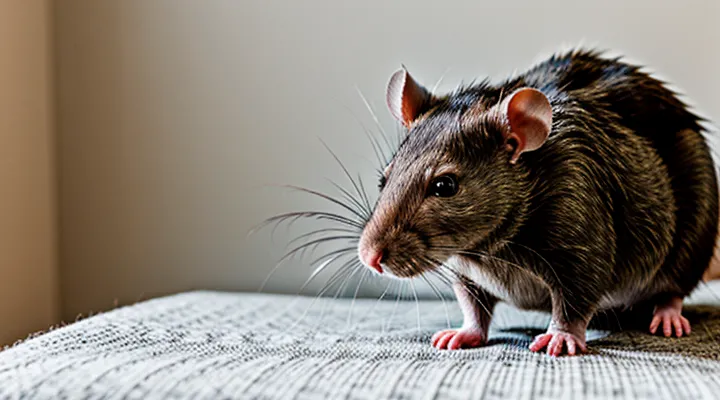
Understanding Rat Rhinitis
What is Rhinitis?
Types of Rhinitis in Rats
Rats develop several distinct forms of nasal inflammation, each requiring specific diagnostic attention.
- Allergic rhinitis – triggered by environmental allergens such as dust mites, pollen, or feed components; characterized by eosinophilic infiltrates and mucosal edema.
- Infectious rhinitis – caused by bacterial agents (e.g., Streptococcus spp., Pasteurella spp.) or viral pathogens; presents with purulent discharge, neutrophilic infiltration, and possible secondary sinus involvement.
- Non‑infectious, irritant‑induced rhinitis – results from exposure to chemical fumes, smoke, or abrasive particles; marked by hyperemia, mild edema, and absence of systemic infection signs.
- Vasomotor rhinitis – autonomic dysregulation leading to transient congestion without identifiable allergen or pathogen; often associated with stress or temperature fluctuations.
- Chronic rhinosinusitis – persistent inflammation extending into the paranasal sinuses; may develop from unresolved acute infections or chronic allergen exposure, featuring mucosal thickening and fibrosis.
Accurate classification guides therapeutic strategies, informs choice of anti‑inflammatory, antimicrobial, or environmental interventions, and improves outcomes in laboratory and pet rat populations.
Common Causes of Rhinitis in Rats
Environmental Factors
Environmental conditions profoundly affect the incidence and severity of rhinitis in laboratory rats. Poor ventilation, high humidity, dust accumulation, and exposure to volatile organic compounds increase nasal irritation and inflammatory responses. Controlling these parameters reduces mucosal edema, limits bacterial colonization, and improves therapeutic outcomes.
Key environmental variables and recommended adjustments:
- Air exchange: Maintain a minimum of 15 air changes per hour; filter incoming air to remove particulates.
- Relative humidity: Keep within 40‑60 %; excess moisture promotes fungal growth, while low humidity dries nasal passages.
- Temperature: Stabilize at 20‑24 °C; abrupt fluctuations exacerbate mucosal congestion.
- Bedding material: Use low‑dust, absorbent substrates such as paper or corncob; replace regularly to prevent mold.
- Cleaning agents: Employ non‑irritant disinfectants; rinse cages thoroughly to eliminate residues.
- Odor control: Install activated‑carbon filters; limit exposure to strong scents from food or cleaning products.
Implementing these measures alongside pharmacological interventions creates a supportive environment that facilitates recovery and minimizes relapse in rats suffering from nasal inflammation.
Pathogenic Factors
Rhinitis in laboratory rats arises from a spectrum of pathogenic agents that must be identified before therapeutic measures can be implemented. Infectious microorganisms, including Mycoplasma pulmonis, Streptococcus pneumoniae, and viral agents such as Sendai virus, directly invade the nasal mucosa, provoke inflammation, and predispose animals to secondary bacterial overgrowth. Non‑infectious triggers encompass airborne allergens (dust mites, pollen, fungal spores), chemical irritants (ammonia, formaldehyde), and physiological stressors that alter mucociliary clearance.
Key pathogenic factors include:
- Bacterial pathogens: M. pulmonis and opportunistic Gram‑negative rods.
- Viral agents: Paramyxoviruses that impair epithelial integrity.
- Allergens: Proteinaceous particles that elicit IgE‑mediated responses.
- Environmental irritants: Elevated ammonia levels, volatile organic compounds.
- Host‑related conditions: Immunosuppression, hormonal fluctuations, and age‑related mucosal atrophy.
Accurate detection of these agents through culture, PCR, serology, and environmental monitoring informs the selection of antimicrobial therapy, allergen avoidance strategies, and environmental control measures essential for effective rhinitis management in rats.
Diagnosing Rhinitis in Rats
Recognizing Symptoms of Rhinitis
Behavioral Changes
Rats suffering from nasal inflammation exhibit distinct alterations in activity patterns, feeding behavior, and social interaction. Reduced locomotion often manifests as fewer entries into the open field and shorter distances traveled during standard activity monitoring. Decreased grooming frequency and prolonged periods of immobility indicate discomfort and potential pain. Appetite suppression appears as lower food intake measured by hopper weight or reduced pellet consumption during scheduled feeding sessions. Olfactory deficits, common in rhinitis, lead to diminished exploration of novel scents and decreased investigation of bedding material. Social withdrawal may be observed as fewer contacts with cage mates and reduced participation in group nesting.
Effective therapeutic protocols aim to restore normal behavior. Administration of antihistamines or intranasal corticosteroids typically results in:
- Increased locomotor activity approaching baseline levels.
- Normalization of grooming bouts per hour.
- Recovery of food consumption to pre‑illness averages.
- Reinstatement of scent‑driven exploration in olfactory tests.
- Resumption of typical social engagement metrics.
Behavioral assessments should be conducted before treatment initiation, during the acute phase, and after therapeutic intervention to quantify recovery. Objective measures, such as automated video tracking, food‑intake logs, and standardized social interaction assays, provide reliable data on the impact of treatment on the rat’s functional status.
Physical Signs
Rats with nasal inflammation exhibit a consistent set of observable manifestations. Recognizing these physical signs enables timely intervention and improves experimental outcomes.
- Clear or purulent nasal discharge, often visible at the nares or on the fur surrounding the snout.
- Repetitive sneezing episodes, sometimes accompanied by audible wheezing.
- Crusting or scabbing of the nasal vestibule, indicating prolonged irritation.
- Swelling of the facial region, particularly around the nasal bridge and periorbital area.
- Ocular discharge that may accompany severe congestion.
- Altered grooming behavior, such as excessive scratching of the snout or face.
- Decreased locomotor activity and reduced interaction with cage mates.
- Audible breathing abnormalities, including stridor or increased respiratory effort.
- Progressive weight loss or failure to gain expected body mass.
Systematic observation should be performed at least twice daily, using a standardized scoring sheet to quantify each sign. Documentation of severity trends supports decisions regarding therapeutic measures and helps differentiate rhinitis from other respiratory conditions.
Veterinary Consultation and Examination
Diagnostic Procedures
Accurate diagnosis precedes effective management of nasal inflammation in rodents. Clinical assessment begins with visual inspection for nasal discharge, sneezing frequency, and facial swelling. Nasal patency can be measured using a calibrated airflow meter or a plethysmograph to quantify obstruction.
- Nasal lavage: flush the nasal cavity with sterile saline, collect fluid for cytology and microbiological culture. Cytology reveals eosinophils, neutrophils, or mast cells, indicating allergic or infectious etiology. Culture isolates bacterial or fungal pathogens for targeted antimicrobial therapy.
- Radiography: obtain lateral and dorsoventral skull radiographs to detect sinus opacification, bony remodeling, or foreign bodies. Low‑dose micro‑CT provides three‑dimensional assessment of mucosal thickening and airway narrowing.
- Endoscopic examination: insert a miniature rigid endoscope through the nares to visualize mucosal lesions, polyps, or obstructive debris. Video documentation supports longitudinal monitoring.
- Histopathology: collect nasal tissue post‑mortem or via biopsy. Fix in 10 % neutral‑buffered formalin, embed in paraffin, and stain with hematoxylin‑eosin and periodic acid‑Schiff. Evaluate epithelial integrity, inflammatory infiltrates, and goblet cell hyperplasia.
- Serological testing: measure specific IgE or IgG antibodies against common allergens (e.g., house dust mite extract) using ELISA kits validated for rodent samples. Elevated titers suggest an allergic component.
- Hematology and serum chemistry: perform complete blood count and assess acute‑phase proteins (C‑reactive protein, serum amyloid A). Leukocytosis or eosinophilia corroborate systemic involvement.
Integration of these procedures yields a comprehensive diagnostic profile, guiding precise therapeutic interventions for nasal inflammation in rats.
Differential Diagnosis
When a rat presents with nasal discharge, swelling, or sneezing, the clinician must distinguish primary rhinitis from other conditions that mimic its signs. Accurate differential diagnosis prevents inappropriate therapy and improves outcomes.
Key alternatives to consider include:
- Bacterial sinusitis – often secondary to opportunistic pathogens such as Streptococcus spp.; purulent discharge and fever are common.
- Viral upper‑respiratory infection – typically caused by Sendai or pneumonia virus; signs may be transient, with mild nasal congestion.
- Fungal rhinitis – Aspergillus spp. can colonize the nasal passages; thick, adherent mucus and crusting are indicative.
- Allergic rhinitis – hypersensitivity to bedding, feed, or environmental allergens; intermittent watery discharge without systemic illness.
- Neoplastic lesions – nasal adenocarcinoma or lymphoma produce progressive obstruction and epistaxis.
- Dental or maxillary abscess – root infection of incisors or molars can extend into the nasal cavity, causing unilateral discharge and facial swelling.
- Foreign body irritation – inhaled bedding fibers or feed particles provoke localized inflammation.
Diagnostic workflow:
- Conduct a thorough physical exam, noting laterality, discharge character, and associated systemic signs.
- Obtain complete blood count and serum chemistry to detect leukocytosis, eosinophilia, or organ involvement.
- Perform nasal lavage for cytology and culture; identify bacterial or fungal agents and assess inflammatory cell types.
- Use radiography or computed tomography to visualize sinus opacification, masses, or bony changes.
- If imaging reveals a mass or persistent lesion, pursue biopsy for histopathology and immunohistochemistry.
- Consider allergen testing or environmental modification when eosinophilia and intermittent symptoms predominate.
By systematically evaluating these possibilities, the practitioner can pinpoint the exact etiology of nasal pathology and apply targeted treatment rather than generic anti‑inflammatory measures.
Treatment Strategies for Rat Rhinitis
Medical Interventions
Antibiotics
Antibiotics are employed when bacterial infection contributes to nasal inflammation in laboratory rats. Selection should prioritize agents with proven efficacy against common respiratory pathogens such as Streptococcus pneumoniae, Staphylococcus aureus, and Pasteurella spp. First‑line choices include enrofloxacin, doxycycline, and amoxicillin‑clavulanate, each offering adequate tissue penetration and a safety profile compatible with rodent studies.
Dosage regimens depend on the chosen drug, animal weight, and severity of infection. Typical guidelines are:
- Enrofloxacin: 10 mg/kg, administered subcutaneously or orally once daily for 5–7 days.
- Doxycycline: 5 mg/kg, given orally or via drinking water, divided into two doses per day for 7–10 days.
- Amoxicillin‑clavulanate: 30 mg/kg, delivered orally twice daily for 7 days.
Administration routes should ensure reliable delivery and minimize stress. Oral gavage provides precise dosing, while incorporation into water or feed is suitable for prolonged treatment, provided consumption is monitored.
Key considerations include:
- Verify susceptibility of isolated pathogens through culture and sensitivity testing before initiating therapy.
- Adjust doses for renal or hepatic impairment, which may alter drug clearance.
- Observe for adverse reactions such as gastrointestinal upset, weight loss, or altered behavior; discontinue or substitute the agent if toxicity emerges.
- Implement antimicrobial stewardship by limiting treatment duration to the minimum effective period and avoiding prophylactic use in the absence of confirmed infection.
Therapeutic response is assessed by monitoring nasal discharge, respiratory rate, and body temperature. Repeat microbiological sampling after the treatment course confirms eradication and informs future antibiotic selection.
Anti-inflammatory Medications
Effective management of nasal inflammation in rats relies on selecting anti‑inflammatory agents that achieve rapid symptom control while minimizing systemic toxicity. Pharmacologic options fall into three categories: corticosteroids, non‑steroidal anti‑inflammatory drugs (NSAIDs), and selective cyclooxygenase‑2 (COX‑2) inhibitors. Each class possesses distinct mechanisms, dosing regimens, and safety profiles that must align with the experimental design and the animal’s physiological status.
- Corticosteroids (e.g., dexamethasone, prednisolone) suppress cytokine production and leukocyte migration. Typical subcutaneous doses range from 0.1 to 0.5 mg kg⁻¹ daily; intranasal administration can reduce systemic exposure, using 0.01–0.05 mg kg⁻¹ per nostril. Monitor for hyperglycemia, immunosuppression, and adrenal suppression, especially with prolonged courses.
- NSAIDs (e.g., meloxicam, carprofen) inhibit cyclo‑oxygenase enzymes, decreasing prostaglandin-mediated edema. Oral meloxicam is administered at 1–2 mg kg⁻¹ once daily; carprofen at 5 mg kg⁻¹ once daily. Observe for gastrointestinal irritation and renal function alterations; co‑administration with gastroprotective agents may be warranted.
- COX‑2 selective inhibitors (e.g., celecoxib) provide anti‑inflammatory effects with reduced gastric toxicity. Oral dosing of celecoxib in rats is 10–20 mg kg⁻¹ twice daily. Evaluate hepatic enzyme levels periodically, as COX‑2 inhibition can influence liver metabolism.
When choosing an agent, consider the onset of action required for the study, the duration of treatment, and potential interactions with other experimental drugs. Verify that the selected formulation is compatible with the rat’s diet and housing conditions to avoid stress‑induced confounding factors. Regular clinical assessment—nasal discharge scoring, respiratory rate measurement, and weight monitoring—should accompany pharmacologic therapy to ensure efficacy and detect adverse reactions promptly.
Antihistamines
Antihistamines block histamine receptors, reducing vascular permeability and mucus secretion that characterize nasal inflammation in rodents. First‑generation agents such as diphenhydramine and chlorpheniramine readily cross the blood‑brain barrier, producing sedation that may interfere with behavioral assays. Second‑generation compounds, including cetirizine and fexofenadine, exhibit limited central penetration, offering clearer interpretation of respiratory outcomes.
Effective dosing requires weight‑based calculations and consideration of species‑specific metabolism. Typical regimens for adult rats (250–300 g) include:
- Diphenhydramine: 10–15 mg kg⁻¹, intraperitoneal injection, once daily.
- Chlorpheniramine: 5 mg kg⁻¹, oral gavage, twice daily.
- Cetirizine: 2–4 mg kg⁻¹, oral administration, once daily.
- Fexofenadine: 5 mg kg⁻¹, oral administration, once daily.
Administration routes should match experimental constraints; intraperitoneal injection provides rapid absorption, whereas oral gavage aligns with chronic treatment protocols. Monitor animals for signs of sedation, reduced food intake, or gastrointestinal upset, adjusting dose or switching to a second‑generation agent when adverse effects compromise data integrity.
Pharmacokinetic variability among strains mandates pilot studies to confirm plasma concentrations that achieve receptor occupancy without toxicity. Combining antihistamines with nasal saline irrigation can enhance mucosal clearance, but avoid concurrent use of corticosteroids unless a specific study design requires it, as additive immunosuppression may obscure primary outcomes.
Decongestants
Decongestants are a primary pharmacological option for alleviating nasal obstruction in rats with rhinitis. They act by constricting the vasculature of the nasal mucosa, thereby reducing edema and facilitating airflow.
Common agents include:
- Phenylephrine (α‑adrenergic agonist) – administered intranasally at 0.1–0.2 mg/kg every 6–8 hours.
- Oxymetazoline (α‑adrenergic agonist) – delivered via nasal spray at 0.05 mg/kg, not exceeding three doses per day.
- Pseudoephedrine (sympathomimetic) – given orally at 1–2 mg/kg once daily; suitable for systemic use when intranasal delivery is impractical.
Selection criteria depend on route of administration, severity of congestion, and the animal’s overall health status. Intranasal delivery provides rapid local effect with minimal systemic exposure, whereas oral agents may be preferred for prolonged treatment periods.
Safety considerations:
- Monitor heart rate and blood pressure; α‑adrenergic agonists can induce tachycardia and hypertension.
- Limit duration of use to 5–7 days to prevent rebound congestion (rhinitis medicamentosa).
- Avoid concurrent use with monoamine oxidase inhibitors, as sympathomimetic activity may be amplified.
Contraindications include pre‑existing cardiovascular disease, hyperthyroidism, and known hypersensitivity to the active ingredient. In such cases, alternative treatments such as intranasal corticosteroids or antihistamines should be employed.
Effective management requires regular assessment of nasal patency, respiratory rate, and behavioral signs of discomfort. Adjust dosage promptly if adverse effects emerge, and discontinue decongestant therapy at the first indication of systemic toxicity.
Supportive Care
Environmental Adjustments
Environmental conditions strongly influence the severity of nasal inflammation in laboratory rats. Maintaining optimal humidity reduces mucosal drying, which can exacerbate rhinitis symptoms. Aim for relative humidity between 45 % and 55 % and monitor with calibrated hygrometers.
Temperature stability prevents stress‑induced immune shifts. Keep ambient temperature at 21 °C ± 2 °C, avoiding rapid fluctuations. Use thermostatically controlled heating and cooling systems to achieve consistent conditions.
Air quality directly affects respiratory health. Implement high‑efficiency particulate air (HEPA) filtration to remove dust, allergens, and microbial spores. Replace filters according to manufacturer recommendations and verify airflow rates regularly.
Ventilation must provide sufficient fresh air exchange without creating drafts. Target 10–15 air changes per hour, measured with anemometers. Ensure that intake air is filtered and that exhaust pathways are sealed to prevent contamination ingress.
Lighting cycles influence circadian regulation of immune responses. Provide a 12 h light/12 h dark schedule with uniform illumination levels (300–350 lux) and avoid sudden changes in light intensity.
Key environmental adjustments:
- Maintain relative humidity at 45 %–55 %.
- Keep temperature at 21 °C ± 2 °C.
- Install and regularly service HEPA filtration.
- Achieve 10–15 air changes per hour with filtered intake.
- Apply a consistent 12 h light/12 h dark photoperiod at 300–350 lux.
Implementing these controls creates a stable environment that minimizes irritants, supports mucosal integrity, and facilitates recovery from rhinitis in rats.
Nutritional Support
Effective nutritional management can alleviate symptoms and support recovery in rats suffering from rhinitis. Diets should be formulated to enhance mucosal immunity, reduce inflammation, and promote overall health.
Key dietary components include:
- Vitamin A – essential for maintaining epithelial integrity; provide through liver, cod liver oil, or fortified feed at 1,500–2,000 IU/kg diet.
- Vitamin C – antioxidant that limits oxidative stress; supplement with ascorbic acid at 250–500 mg/kg feed.
- Vitamin E – protects cell membranes from lipid peroxidation; add α‑tocopherol at 50–100 IU/kg diet.
- Omega‑3 fatty acids – EPA and DHA reduce inflammatory mediators; incorporate fish oil or algal oil to achieve 0.5–1 % of total dietary fat.
- Zinc – supports immune cell function; include zinc sulfate or zinc‑methionine at 30–50 mg/kg diet.
- Probiotics – maintain gut‑associated immunity; provide Lactobacillus spp. at 10⁸–10⁹ CFU/g feed.
Additional measures:
- Ensure constant access to fresh, clean water to prevent dehydration and maintain mucosal hydration.
- Offer high‑quality protein sources (e.g., soy, casein) to sustain tissue repair.
- Avoid excessive sodium and processed additives that may exacerbate edema.
Monitoring body weight, coat condition, and nasal discharge frequency provides feedback on the adequacy of the nutritional plan. Adjust supplement levels based on clinical response and laboratory values to maintain optimal immune function.
Humidification
Humidification mitigates nasal inflammation in laboratory rats by increasing ambient moisture, which softens mucosal secretions and facilitates clearance of irritants.
Effective humidification can be achieved through several practical approaches:
- Commercial humidifiers set to maintain relative humidity between 50 % and 60 %.
- Open water dishes placed within cages, allowing passive evaporation.
- Nebulization devices delivering fine mist for short, controlled periods.
Optimal conditions require continuous monitoring of humidity levels with calibrated hygrometers. Adjustments should be made promptly if readings fall outside the target range, as low humidity exacerbates crust formation while excessive moisture promotes fungal growth.
Duration of treatment typically spans 24–48 hours for acute episodes, extending to several days for chronic cases. Regular inspection of cages for condensation, mold, and equipment function prevents secondary complications.
Over‑humidification may lead to respiratory distress, skin maceration, and bacterial proliferation. Maintaining proper ventilation alongside humidification preserves air quality and supports recovery.
Prevention and Management of Rat Rhinitis
Optimizing Cage Environment
Substrate and Bedding Choices
Choosing an appropriate substrate and bedding is essential for managing nasal inflammation in laboratory rats. Low‑dust materials reduce airway irritation, while high absorbency limits ammonia buildup that can exacerbate rhinitis symptoms.
- Paper‑based bedding (e.g., shredded paper, cellulose pads) provides minimal dust, excellent moisture control, and easy disposal.
- Aspen wood chips offer low aromatic compounds and moderate absorbency; they are suitable when paper products are unavailable.
- Corn cob bedding delivers good absorbency but may contain fine particles; regular replacement mitigates dust exposure.
- Recycled softwood shavings (e.g., pine or cedar) should be avoided because volatile oils increase respiratory irritation and ammonia levels.
Cleaning protocols complement material selection. Daily spot cleaning removes wet spots, and full bedding changes every 5–7 days maintain low ammonia concentrations. Monitoring humidity within the cage (target 40–60 %) prevents excess moisture that promotes bacterial growth.
Supplementary measures include providing a dry, absorbent nest material separate from the primary bedding to reduce direct contact with moist substrates. When evaluating new bedding, conduct a pilot trial with a small group of rats, recording respiratory rates and nasal discharge to confirm that the substrate does not aggravate rhinitis.
Ventilation and Air Quality
Adequate ventilation reduces airborne irritants that exacerbate nasal inflammation in laboratory rats. Continuous exchange of fresh air lowers particulate concentration, humidity fluctuations, and volatile organic compounds that can trigger or worsen rhinitis symptoms.
Key environmental parameters include:
- Air changes per hour (ACH) maintained at 15 – 20 to ensure rapid removal of dust and microbial spores.
- Relative humidity kept between 40 % and 60 % to prevent mucosal drying while avoiding excess moisture that supports mold growth.
- Temperature stabilized at 20 °C – 24 °C to limit thermal stress on the respiratory tract.
- Filtration efficiency of at least HEPA‑13 for incoming air to capture particles larger than 0.3 µm.
Implementation steps:
- Install ductwork with calibrated flow meters to verify ACH.
- Use digital hygrometers and thermostats with alarm thresholds for humidity and temperature deviations.
- Replace filters according to manufacturer schedule or when pressure drop exceeds 10 % of baseline.
- Conduct weekly visual inspections for leaks, condensation, and dust accumulation in cages and racks.
- Log all measurements in a centralized system to enable trend analysis and rapid corrective action.
Consistent monitoring and prompt adjustment of ventilation settings directly support the management of rhinitis in rats, minimizing disease progression and improving overall animal welfare.
Cleaning Protocols
Effective cleaning protocols reduce pathogen burden and support recovery from nasal inflammation in laboratory rats. Contaminated bedding, cages, and feeding equipment serve as reservoirs for bacteria, fungi, and allergens that aggravate rhinitis. Regular, thorough sanitation interrupts this cycle and complements pharmacological interventions.
- Remove animals from the cage and place them in a clean holding area.
- Disassemble cage components (bedding, food dish, water bottle, enrichment items).
- Dispose of used bedding in biohazard waste; replace with sterile, low-dust material.
- Wash metal and plastic parts with warm water and a neutral detergent; rinse thoroughly.
- Disinfect all surfaces with a 0.5 % sodium hypochlorite solution, ensuring a contact time of at least 10 minutes.
- Rinse with sterile water to eliminate residual chemicals; dry with lint‑free cloths.
- Reassemble the cage, add fresh bedding, and return the rats promptly to minimize stress.
Consistency is critical: perform the full cleaning cycle twice weekly for groups with active rhinitis, and once weekly for asymptomatic colonies. Monitor environmental humidity and temperature, keeping relative humidity below 60 % to limit mold growth. Document each cleaning event in the animal care log to maintain traceability and ensure protocol compliance.
Dietary Considerations
Balanced Nutrition
Balanced nutrition directly influences the immune response and mucosal health of laboratory rats suffering from nasal inflammation. Providing a diet that supports epithelial integrity and reduces inflammatory mediators accelerates recovery and minimizes secondary infections.
Key dietary components include:
- High‑quality protein (20–24 % of calories) from sources such as casein or soy isolate to maintain tissue repair.
- Vitamin C (30–50 mg/kg body weight daily) to enhance collagen synthesis and antioxidant capacity.
- Vitamin E (10–15 IU/kg) to protect cell membranes from oxidative damage.
- Omega‑3 fatty acids (eicosapentaenoic acid, docosahexaenoic acid) at 1–2 % of total fat to modulate inflammation.
- Zinc (30–45 mg/kg) for leukocyte function and barrier maintenance.
- Adequate hydration (minimum 70 ml/kg/day) through clean water and moisture‑rich foods.
Implementation guidelines:
- Offer a commercially formulated pelleted diet meeting the above nutrient levels as the primary feed.
- Supplement with fresh, low‑sugar vegetables (e.g., carrots, broccoli) twice daily to increase vitamin and fiber intake.
- Add a measured omega‑3 oil supplement to the feed, ensuring even distribution.
- Provide a vitamin‑C fortified water source or a soluble vitamin‑C supplement to guarantee consistent intake.
- Monitor body weight and food consumption; adjust portions to maintain a stable weight range (250–300 g for adult rats).
- Eliminate potential dietary allergens such as strong‑flavored treats, high‑fat snacks, and excessive fruit sugars.
Regular assessment of nutritional status—through body condition scoring, serum protein levels, and mucosal appearance—allows timely modifications. Consistent delivery of these nutrients supports mucosal healing, reduces symptom severity, and contributes to overall disease management in rats with nasal inflammation.
Supplementation
Supplementation forms a core component of therapeutic protocols for rat rhinitis, providing nutrients and bioactive compounds that support mucosal integrity and immune function. Effective regimens combine targeted agents with standard pharmacological measures to reduce inflammation and promote recovery.
- Vitamin C: 100 mg/kg body weight, oral administration daily; enhances antioxidant capacity and stabilizes endothelial barriers.
- Omega‑3 fatty acids (eicosapentaenoic acid/docosahexaenoic acid): 50 mg/kg, mixed into feed; modulates cytokine production and reduces eosinophilic infiltration.
- Probiotic blend (Lactobacillus reuteri, Bifidobacterium longum): 1 × 10⁸ CFU per rat, delivered via drinking water; restores gut‑lung axis balance and attenuates hypersensitivity.
- N‑acetylcysteine: 75 mg/kg, intraperitoneal injection every 12 h for three days; supplies cysteine for glutathione synthesis and directly scavenges reactive oxygen species.
- Zinc sulfate: 10 mg/kg, oral gavage once daily; contributes to epithelial repair and enzyme function essential for mucosal defense.
Selection of supplements depends on the severity of clinical signs, baseline nutritional status, and concurrent drug therapy. Agents with known anticoagulant effects (e.g., high‑dose fish oil) require dose adjustment when combined with systemic corticosteroids. Renal insufficiency contraindicates high‑dose vitamin C due to risk of oxalate precipitation. Continuous monitoring of weight, nasal discharge volume, and serum biomarkers (C‑reactive protein, glutathione levels) guides dosage modifications.
Empirical studies in rodent models demonstrate that combined supplementation reduces nasal mucosal edema by 30‑45 % and shortens symptom duration by 2‑3 days compared with drug therapy alone. These outcomes support the integration of nutraceuticals into comprehensive management plans for experimental rhinitis in rats.
Regular Health Monitoring
Early Detection
Early detection of nasal inflammation in laboratory rats reduces disease progression and improves therapeutic outcomes. Recognizing subtle changes before overt symptoms appear allows timely intervention and limits secondary complications.
Observable indicators include:
- Slight increase in nasal discharge volume or altered consistency.
- Mild facial scratching or grooming directed at the snout.
- Reduced exploratory behavior in the cage.
- Slight elevation of respiratory rate without distress.
- Minor weight loss or decreased feed intake.
Objective assessments strengthen visual observations. Nasal airflow can be quantified using plethysmography, providing baseline and trend data. Infrared thermography detects localized temperature changes associated with inflammation. High‑resolution video analysis captures subtle alterations in breathing patterns.
Laboratory diagnostics confirm early pathology. Cytological examination of nasal lavage fluid reveals eosinophil or neutrophil infiltration before gross lesions develop. Enzyme‑linked immunosorbent assays (ELISA) measure cytokines such as IL‑6 and TNF‑α, indicating an inflammatory response at the molecular level. Polymerase chain reaction (PCR) screens for common viral or bacterial agents that may precipitate rhinitis.
A systematic monitoring schedule optimizes detection. Baseline measurements should be recorded at study initiation, followed by weekly assessments for the first month and bi‑weekly thereafter. Any deviation from established baselines triggers confirmatory testing and, if necessary, the initiation of therapeutic protocols.
Stress Reduction
Effective management of nasal inflammation in laboratory rats requires minimizing physiological stress, which can exacerbate mucosal edema and impair immune responses. Stress hormones such as corticosterone alter vascular permeability and increase secretory activity, directly influencing the severity of rhinitis symptoms.
Implementing stress‑reduction protocols improves therapeutic outcomes:
- Provide nesting material and chewable objects to satisfy natural behaviors.
- Maintain consistent light‑dark cycles (12 h / 12 h) and avoid abrupt illumination changes.
- Group house compatible individuals; isolate only when medical intervention demands.
- Limit handling to brief, gentle restraint; habituate rats to personnel and equipment before experimental procedures.
- Reduce ambient noise by shielding cages from equipment sounds and using sound‑absorbing enclosures.
- Ensure stable room temperature (22 ± 2 °C) and humidity (45–55 %).
- Offer a balanced diet enriched with omega‑3 fatty acids, which modulate inflammatory pathways.
Monitoring behavioral indicators—such as grooming frequency, exploration patterns, and vocalization—provides real‑time assessment of stress levels. Adjusting environmental parameters based on these observations sustains a low‑stress state, thereby supporting the resolution of rhinitis in the rodent model.