
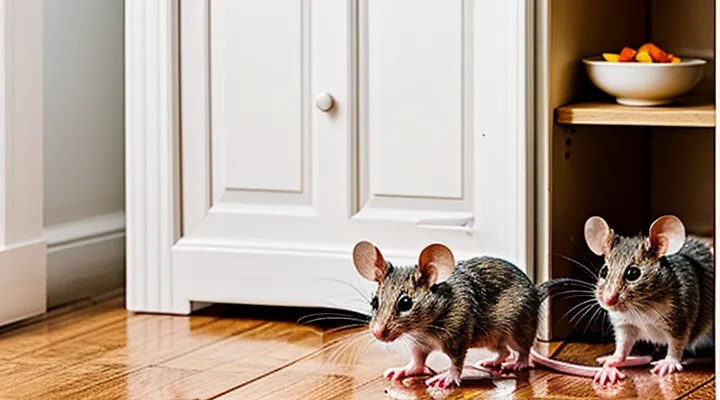
Initial Steps After Discovery
Ensuring Safety and Hygiene
Personal Protective Equipment
When a rodent problem is being addressed, protective gear shields the occupant from disease agents, sharp objects, and chemicals used in cleaning.
- Disposable gloves: prevent skin contact with urine, feces, and disinfectants.
- N95 or higher‑efficiency respirator: filters dust, droppings, and aerosolized pathogens.
- Protective eyewear or goggles: blocks splashes from cleaning solutions and debris.
- Long‑sleeved shirt and trousers or coveralls: create a barrier against contamination; choose materials that can be laundered or discarded after use.
- Closed‑toe, slip‑resistant shoes: reduce risk of puncture wounds and provide stable footing on uneven surfaces.
Wear each item before entering the affected area, secure a tight seal on the respirator, and replace gloves and masks if they become torn or soiled. After the cleanup, remove PPE in the reverse order of dressing, discard single‑use items in sealed bags, and wash reusable gear according to manufacturer instructions. Proper handling of protective equipment minimizes health hazards and supports effective eradication of the infestation.
Ventilation
After a mouse infestation, the ventilation system can retain contaminants such as droppings, urine, and nesting material. These residues may spread pathogens and unpleasant odors throughout the home, making thorough cleaning of the airflow network essential.
Begin by removing visible debris from vents, grilles, and registers. Use disposable gloves and a HEPA‑rated vacuum to extract dust and droppings from the interior of each opening. Follow with a spray of a disinfectant approved for indoor air systems; allow the solution to dwell for the manufacturer‑specified time before wiping with a clean, damp cloth.
Inspect ductwork for damage or blockages caused by gnawing. Seal any holes with appropriate metal or foil‑based tape to prevent further rodent entry. Replace or clean air filters; a new high‑efficiency filter removes residual particles and improves overall air quality.
For comprehensive decontamination, consider a professional duct cleaning service that employs rotary brush tools and high‑volume vacuum units. Request verification that the service follows industry standards for rodent‑related contamination.
Maintain a schedule of regular ventilation maintenance:
- Clean vents and registers monthly.
- Change air filters every 60‑90 days, or sooner if visible soiling occurs.
- Conduct a visual inspection of duct insulation and seals quarterly.
- Perform a full duct cleaning annually or after any future pest intrusion.
Implementing these measures restores safe airflow, reduces health risks, and supports a healthier indoor environment after the rodent problem has been resolved.
Eradicating Remaining Pests
Trapping and Removal
Effective mouse control begins with a well‑planned trapping strategy. Choose traps that match the infestation level and household environment. Snap traps provide rapid kill; live‑catch traps allow relocation; electronic traps deliver quick, humane results. For each type, select a model with a reliable trigger mechanism and a sturdy base to prevent accidental release.
Placement determines success. Position traps along walls, behind appliances, and near known entry points. Mice travel close to surfaces, so align traps perpendicular to the wall, with the bait side facing the expected travel route. Distribute at least one trap per 10‑square‑foot area of activity. Avoid placing traps in open areas where pets or children could interfere.
Bait selection influences capture rates. Use high‑protein foods such as peanut butter, cheese, or dried fruit. Apply a pea‑size amount to the trigger area; excess bait can cause premature triggering. Rotate bait types after a week to prevent habituation.
Monitor traps daily. Remove captured rodents promptly, wearing disposable gloves. For snap traps, dispose of carcasses in sealed plastic bags and place them in an outdoor trash receptacle. For live‑catch traps, release animals at least two miles from the residence, following local wildlife regulations. Clean and reset traps each morning to maintain pressure on the population.
After removal, address residual contamination. Disinfect trap surfaces with a diluted bleach solution (1 part bleach to 9 parts water). Wash hands thoroughly after handling. Seal all gaps larger than ¼ inch with steel wool, caulk, or metal mesh to block re‑entry. Replace damaged food containers and store pantry items in airtight bins.
Maintain vigilance. Continue trapping for two weeks after the last sighting, then reduce to a single monitoring trap per room for an additional month. Regular inspection of potential entry points and prompt repair will prevent recurrence.
Sealing Entry Points
Identifying Common Entry Points
Mice gain access through openings as small as a quarter‑inch, so locating these gaps is essential for effective remediation. Conduct a systematic inspection of the building envelope, focusing on areas where structural elements meet or where utilities penetrate walls.
- Gaps around doors and windows, especially poorly sealed frames or worn weatherstripping.
- Openings surrounding pipes, cables, and vents; flexible sleeves or metal collars often leave gaps.
- Cracks in foundation walls, crawl‑space walls, and basement floors; mortar joints and brickwork may be compromised.
- Holes in exterior siding, soffits, and eaves; damaged or missing flashing creates direct pathways.
- Unsealed attic access points, including roof vents, chimney flues, and insulation gaps.
Seal identified openings with steel wool, copper mesh, or appropriate caulking, then reinforce with hardware cloth or cement. After closure, verify integrity by conducting a visual re‑check and, if possible, a smoke test to confirm no air movement through repaired sites. This thorough sealing eliminates primary entry routes, preventing re‑infestation and supporting long‑term control measures.
Materials for Sealing
Effective sealing stops mice from re‑entering a property after an infestation. Choose materials that combine durability, flexibility, and resistance to gnawing.
- Steel wool (grade #4 or finer) inserts into gaps; rodents cannot chew through it. Secure with a tight‑fit screw or nail before covering.
- Expanding polyurethane foam sealant fills irregular openings. Select a low‑expansion formula to avoid excess pressure on surrounding structures.
- Cement‑based mortar or concrete patch provides a hard, permanent barrier for larger cracks in foundations or walls. Apply with a trowel and cure according to manufacturer instructions.
- Silicone or acrylic caulk works on small seams around windows, doors, and utility penetrations. Use a silicone with a minimum 30‑day UV rating for exterior applications.
- Metal flashing or sheet metal patches reinforce high‑traffic areas such as vent openings and utility holes. Cut to size, screw in place, and seal edges with caulk.
When applying these products, clean each void of debris, dust, and nesting material. Ensure the surface is dry; moisture compromises adhesion and may attract new pests. After sealing, inspect for remaining entry points weekly for at least a month, repairing any failures immediately. This systematic approach eliminates access routes and supports long‑term rodent exclusion.
Cleaning and Disinfection
Removing Contaminated Materials
Droppings and Urine
Mouse droppings and urine represent the most immediate health hazards after a rodent intrusion. They contain pathogens such as Hantavirus, Salmonella, and Leptospira, and their proteins can trigger allergic reactions. Direct contact or inhalation of dried particles can lead to respiratory issues and gastrointestinal illness.
Droppings appear as small, dark, rice‑shaped pellets, typically found along walls, behind appliances, in cabinets, and near nesting sites. Urine stains are invisible; however, a wet, oily sheen or a faint ammonia odor often indicates its presence. Both contaminants may be dispersed by airflow, settling on surfaces far from the original source.
Removal protocol
- Ventilate the area for at least 30 minutes; keep occupants, especially children and pets, out of the room.
- Wear disposable gloves, N‑95 respirator, and eye protection.
- Moisten droppings and urine‑soaked materials with a solution of 1 part bleach to 10 parts water; let stand for 5 minutes to inactivate pathogens.
- Gently sweep moist droppings into a sealable plastic bag; avoid dry sweeping or vacuuming, which can aerosolize particles.
- Dispose of the bag in a double‑sealed container and place it in an outdoor trash receptacle.
- Clean the affected surface with the same bleach solution, then rinse with clean water.
- Allow the surface to air‑dry completely before re‑occupying the space.
After removal, discard any porous items (e.g., insulation, cardboard) that absorbed urine, as they retain contamination despite surface cleaning. For non‑porous surfaces, a final wipe with a hospital‑grade disinfectant ensures decontamination.
Prevent future accumulation by sealing entry points, maintaining food in airtight containers, and conducting regular visual inspections of hidden areas. Promptly addressing new droppings or urine spots limits exposure and simplifies subsequent remediation.
Nesting Materials
Mice collect soft items such as shredded paper, fabric scraps, insulation, and dried plant material to build nests. These materials are usually found in concealed areas: behind appliances, inside wall cavities, under furniture, and within stored boxes. Identifying the presence of nesting material helps confirm ongoing activity and guides targeted removal.
To eliminate nesting material:
- Wear disposable gloves and a mask to prevent exposure to urine‑borne pathogens.
- Gather all visible debris with a sealed plastic bag; dispose of the bag in an outdoor trash container.
- Vacuum crevices and corners with a HEPA‑rated attachment; empty the vacuum directly into a sealed bag.
- Remove insulation or insulation fragments that show signs of chewing; replace with fresh, rodent‑resistant insulation if necessary.
- Wash fabric items in hot water (≥60 °C) before returning them to storage.
After removal, treat the affected area with a rodent‑approved disinfectant. Apply the disinfectant to surfaces where nesting material was present, allowing the recommended contact time before wiping clean. Seal any gaps larger than ¼ inch with steel wool, copper mesh, or caulk to deny mice access to new nesting sites.
Regular inspection of potential nesting zones—attic, basement, pantry shelves—prevents re‑accumulation. Schedule quarterly checks, especially after seasonal changes, and maintain a clutter‑free environment to limit available materials for future nest construction.
Disinfecting Surfaces
Recommended Cleaning Agents
After a rodent intrusion, thorough sanitation eliminates health hazards and discourages re‑entry. Choose agents that break down urine, feces, and grease while delivering lasting antimicrobial protection.
- Enzyme‑based cleaners – hydrolyze protein residues, neutralize odors, and are safe for most surfaces. Apply directly to contaminated areas, let react for 10‑15 minutes, then rinse.
- Bleach solution (5 % sodium hypochlorite diluted 1:10) – powerful disinfectant for hard, non‑porous surfaces such as countertops, floors, and cabinets. Contact time of at least 5 minutes ensures pathogen kill.
- Quaternary ammonium compounds – effective against bacteria and viruses, suitable for walls, baseboards, and upholstery. Follow manufacturer dilution guidelines; avoid use on food‑contact surfaces.
- Alcohol‑based wipes (≥70 % isopropyl or ethyl alcohol) – rapid surface sanitization for electronics, handles, and switches. No rinsing required; allow to dry completely.
- Hydrogen peroxide (3 % solution) – oxidizing agent that decomposes into water and oxygen, leaving no residue. Ideal for glass, stainless steel, and bathroom fixtures; apply, wait 1‑2 minutes, then wipe.
- Degreasing detergents (alkaline, phosphate‑free) – remove oily build‑up from kitchen appliances and vent hoods. Use warm water, scrub, and rinse thoroughly.
Complete the cleaning cycle by vacuuming with a HEPA‑rated unit, then disposing of the vacuum bag or canister contents in a sealed bag. Ensure adequate ventilation while using chemical agents, and wear gloves and eye protection to prevent skin or eye irritation. Regular application of these products maintains a sanitary environment and reduces the likelihood of future mouse activity.
Cleaning Protocols for Different Surfaces
After a rodent problem, thorough sanitation prevents disease and discourages re‑entry. Follow surface‑specific protocols to eliminate urine, feces, and scent trails.
-
Hard flooring (hardwood, tile, laminate): Sweep or vacuum to remove debris. Mop with a solution of hot water and a degreasing detergent; for hardwood, use a pH‑neutral cleaner to protect the finish. Rinse with clean water, then dry completely to avoid moisture damage.
-
Carpet and rugs: Vacuum slowly, pressing the nozzle to lift particles. Apply an enzymatic cleaner directly to contaminated spots, allowing the product to break down organic matter for the time indicated on the label. Blot excess liquid, then steam‑clean the entire area or hire a professional service for deep sanitation.
-
Countertops (wood, laminate, stainless steel): Wipe with a microfiber cloth dampened in a mixture of warm water and mild soap. For wood, follow with a food‑grade mineral oil to restore protection. Stainless steel surfaces benefit from a diluted bleach solution (1 : 10) after the initial wipe, then rinse and polish to prevent corrosion.
-
Walls and baseboards (paint, drywall): Spot‑clean visible stains using a sponge soaked in warm, soapy water. For larger contamination, spray an enzymatic cleaner, let it sit per manufacturer instructions, then wipe with a clean cloth. Avoid over‑saturation to prevent paint peeling or drywall weakening.
-
Cabinet interiors and shelves: Empty contents, discard any compromised items. Scrub interiors with a solution of warm water and dish soap, followed by a rinse with a cloth dampened in clean water. Dry thoroughly before restocking.
-
Appliances (microwave, refrigerator, oven): Remove detachable parts, wash in hot, soapy water. Wipe interior surfaces with an enzymatic cleaner, then rinse with a damp cloth. For stainless steel exteriors, use a non‑abrasive cleaner and polish to a streak‑free finish.
-
Upholstered furniture and cushions: Vacuum all seams and crevices. Apply an enzymatic spray to any stains, allowing sufficient dwell time. If the fabric permits, steam‑clean using a low‑temperature setting; otherwise, consult the manufacturer’s cleaning guidelines.
-
Pet bedding and toys: Discard heavily soiled items. Wash washable items in hot water (≥ 60 °C) with detergent, then tumble dry on high heat. Non‑washable items should be sealed in a plastic bag for at least 48 hours to allow any residual pathogens to die off.
Complete the process by ventilating the house for several hours, using HEPA‑rated air purifiers if available. Regular inspections and prompt cleaning of any fresh droppings maintain a safe, odor‑free environment.
Preventing Future Infestations
Storing Food Properly
Proper food storage is a decisive factor in eliminating and preventing further rodent activity within a residence. Once a mouse problem has been addressed, unsecured food sources become the most attractive avenue for re‑infestation. Eliminating that attraction requires strict control over how food is kept.
Store all dry goods—cereals, grains, nuts, pet food—in containers that lock airtight. Choose products made of heavy‑wall plastic or tempered glass with a screw‑on or latch seal. Verify that each container’s lid fits tightly before filling it. Keep containers on shelves rather than on the floor; elevation reduces the chance that rodents can gnaw through supporting surfaces.
Maintain a clean pantry environment. Remove all packaging that shows signs of damage or contamination. Discard any food that has been exposed to droppings, urine, or gnaw marks. Wipe interior surfaces with a disinfectant solution after each cleaning cycle to eliminate residual odors that may draw mice.
Key practices for secure food storage
- Use containers rated “rodent‑proof” or “airtight.”
- Label containers with the purchase date; rotate stock to use older items first.
- Keep the pantry door closed; install a self‑closing mechanism if necessary.
- Store bulk items in smaller, sealed portions to limit exposure if a container is breached.
- Inspect seals regularly; replace containers showing wear or cracks.
By applying these measures, a household removes the primary food incentive for mice, supporting long‑term eradication and safeguarding health.
Maintaining a Clean Environment
A thorough cleaning regimen is essential after eliminating a rodent problem. Begin by removing all visible droppings, urine stains, and nesting material. Use disposable gloves and a mask, place debris in sealed bags, and discard in an outdoor trash container.
- Wet‑wipe countertops, cabinets, and appliance exteriors with a detergent solution, then apply an EPA‑registered disinfectant.
- Vacuum carpets, rugs, and upholstery with a HEPA‑filter vacuum; immediately empty the canister into a sealed bag.
- Launder bedding, curtains, and removable fabric covers at the highest safe temperature.
- Store food in airtight containers; clean pantry shelves before restocking.
- Empty and clean garbage cans, line them with new bags, and keep lids tightly closed.
- Inspect and clean behind appliances, under sinks, and in crawl spaces where moisture may accumulate.
Maintain the cleaned state by instituting daily habits: wipe surfaces after use, sweep floors regularly, and promptly address spills. Reduce clutter that can harbor debris and provide hiding places. Establish a schedule for deep cleaning every two weeks, focusing on high‑traffic zones and areas prone to moisture. Consistent sanitation deprives rodents of food and shelter, preventing re‑infestation and protecting health.
Regular Inspections
Exterior Home Inspection
After a mouse problem, the first line of defense is a thorough examination of the building’s exterior. Identify every potential entry point, assess the condition of surrounding structures, and eliminate conditions that encourage rodents to return.
Inspect the foundation for cracks, gaps around utility penetrations, and loose mortar. Seal openings with steel wool, caulk, or concrete repair mortar, prioritizing those larger than ¼ inch. Examine siding, trim, and soffits for damage that could expose interior spaces; replace or repair compromised sections promptly.
Check all doors and windows. Verify that weatherstripping is intact and that thresholds sit flush against the ground. Install door sweeps on exterior doors and ensure window screens are free of tears.
Survey the roofline and eaves. Look for missing or damaged shingles, broken flashing, and gaps in vent covers. Repair or replace deficient materials, and install rodent‑proof vent screens where needed.
Assess the surrounding landscape. Trim vegetation away from the house, keeping shrubs at least two feet from walls. Remove debris, firewood, and compost piles that sit directly against the foundation. Store outdoor garbage in sealed containers and maintain a clean perimeter.
Create a checklist to verify completion:
- Foundation cracks sealed
- Siding and trim repaired
- Weatherstripping and door sweeps installed
- Window screens intact
- Roof, flashing, and vents secured
- Vegetation cleared from contact zone
- External waste containers sealed
Completing these steps reduces the likelihood of re‑infestation and supports long‑term structural integrity. Regular seasonal re‑inspections reinforce the protective barrier and ensure any new vulnerabilities are addressed promptly.
Interior Home Inspection
After a mouse presence is eliminated, a systematic interior inspection determines the extent of damage and guides recovery actions. Begin by securing personal protection—gloves, mask, eye protection—to prevent exposure to pathogens.
- Examine walls, baseboards, and ceilings for gnaw marks, nesting material, and droppings. Record locations for targeted cleaning.
- Inspect insulation in attics and crawl spaces. Replace any sections that show chew damage or urine staining, as compromised insulation reduces energy efficiency and may harbor bacteria.
- Test electrical wiring and conduit for bite marks. Exposed wires require immediate replacement to avoid fire hazards.
- Open cabinets, pantry shelves, and drawers. Remove food debris, discard contaminated items, and clean surfaces with a detergent‑based solution followed by a disinfectant approved for household use.
- Check plumbing fixtures, especially under sinks and behind appliances. Look for moisture accumulation and droppings that indicate concealed activity. Repair leaks to eliminate water sources that attract rodents.
- Survey HVAC ducts and vents. Clean interior surfaces and replace filters to prevent spread of contaminants through the ventilation system.
After visual assessment, conduct a moisture meter scan on hidden areas such as behind drywall and under flooring. Elevated readings suggest hidden nests or water damage resulting from rodent activity.
Document all findings in a structured report: location, type of damage, recommended remediation, and estimated cost. Use this record to prioritize repairs, ensuring structural integrity, health safety, and prevention of future incursions.
Finally, seal identified entry points with steel wool, caulk, or metal flashing. Reinforce door sweeps and install door seals to block re‑entry. A thorough interior inspection combined with decisive repairs restores habitability and reduces the likelihood of recurrence.