
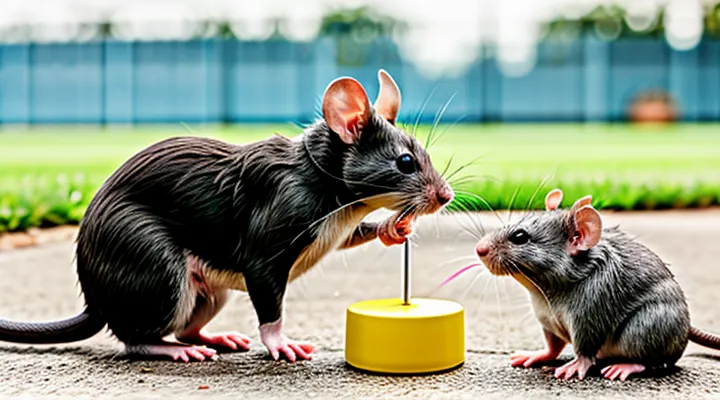
Understanding Rat Behavior and Psychology
Rat Intelligence and Learning Abilities
Cognitive Capabilities of Rats
Rats demonstrate advanced learning abilities that directly influence the effectiveness of conditioning protocols. They form associations between stimuli and outcomes after only a few repetitions, enabling rapid acquisition of target behaviors. Memory retention extends beyond short intervals; experiments show that rats recall spatial cues for several days, supporting the use of consistent environmental markers during training sessions.
Problem‑solving skills appear in maze navigation and obstacle removal tasks. Rats manipulate objects, adjust strategies when initial attempts fail, and exhibit flexibility when reward locations change. This adaptability permits the introduction of progressive difficulty levels without loss of motivation, provided reward value remains high.
Sensory perception contributes to discrimination tasks. Auditory, olfactory, and tactile cues are processed with fine resolution, allowing trainers to employ multimodal signals to reinforce desired actions. Rats can differentiate subtle variations in tone frequency, scent concentration, and surface texture, which can be leveraged to create distinct command cues.
Key cognitive traits relevant to training:
- Rapid associative learning
- Long‑term spatial memory
- Flexible problem solving
- High sensory discrimination
- Social learning through observation of conspecifics
These capabilities justify the application of operant conditioning, shaping, and clicker‑based methods. Consistency in cue presentation, appropriate reinforcement schedules, and incremental challenge levels align with the innate cognitive profile of rats, resulting in reliable behavior modification.
Social Structures and Communication
Rats live in structured groups where dominance hierarchies and affiliative bonds shape daily interactions. Recognizing these patterns enables trainers to predict responses, reduce stress, and increase compliance during conditioning sessions.
Key communication channels include:
- Ultrasonic vocalizations that convey distress, excitement, or social invitation.
- Scent marks deposited on bedding or objects, signaling territory and individual identity.
- Body postures such as raised fur, tail positioning, and grooming gestures that indicate dominance or submission.
Training protocols that incorporate social dynamics yield consistent results. Pair a subordinate with a stable dominant individual; the subordinate often mirrors the dominant’s learned behaviors, accelerating acquisition. In group settings, assign tasks to the highest-ranking rat first; observers tend to imitate successful attempts, spreading the learned response through the colony.
Practical application steps:
- Conduct a brief hierarchy assessment by observing feeding order and aggressive encounters.
- Select a dominant rat to serve as the primary model for the target behavior.
- Introduce the subordinate(s) after the model demonstrates the behavior reliably.
- Reinforce successful imitation with food rewards or tactile praise, maintaining the same stimulus pattern used for the model.
- Monitor scent-marking activity; increased marking on training apparatus indicates heightened engagement and can be used as a progress metric.
By aligning conditioning techniques with established rat social structures and communication pathways, trainers achieve rapid, durable behavior modification while preserving group cohesion.
Building Trust and Rapport
Handling and Acclimatization
Handling a rat correctly reduces stress and creates a reliable foundation for any training regime. Begin each session by allowing the animal to become familiar with the trainer’s scent and voice. Approach slowly, keep movements deliberate, and avoid sudden gestures that could trigger a flight response.
- Extend a clean hand palm‑up, let the rat sniff, then gently cup the body.
- Support the hindquarters with the opposite hand while maintaining a light grip on the torso.
- Keep the hold brief during initial encounters; increase duration as the rat shows calm behavior.
- Release the animal onto a stable surface before it attempts to climb or escape.
Acclimatization extends beyond physical handling. It prepares the rat for the variety of stimuli encountered during training exercises. Introduce new objects, textures, and sounds one at a time, allowing the animal to explore without coercion. Maintain a consistent routine of feeding, cleaning, and interaction to reinforce the sense of safety.
- Place a novel item in the cage for a few minutes each day, observe reactions, and remove if signs of intense fear appear.
- Play low‑volume recordings of common household noises, gradually raising volume over several sessions.
- Conduct short, supervised outings to a neutral enclosure, returning promptly if stress indicators emerge.
Successful handling and acclimatization result in a rat that approaches the trainer willingly, tolerates routine disruptions, and engages more readily in complex conditioning tasks.
Recognizing Rat Body Language
Rats communicate primarily through posture, tail, ears, whiskers, and vocalizations. A relaxed body with a slightly arched back and a loosely curled tail signals comfort and readiness to engage. Conversely, a rigid spine, raised fur, and a tightly wrapped tail indicate fear or aggression.
Ear orientation provides immediate feedback. Ears flattened against the head usually accompany defensive behavior, while ears angled forward suggest curiosity or attentiveness. Whisker position follows the same pattern: whiskers drawn back denote tension; whiskers extended forward show exploration.
Vocal cues are distinct. Soft, high‑pitched squeaks often accompany social bonding or mild excitement, whereas loud, rapid chattering can precede a fight or signal distress. Grooming behavior also conveys state: frequent self‑grooming may reflect anxiety, while brief, purposeful cleaning after interaction indicates trust.
Practical interpretation checklist:
- Posture: relaxed vs. tense
- Tail: loose curl vs. tight coil
- Ears: forward vs. flattened
- Whiskers: extended vs. retracted
- Vocalizations: soft squeak vs. harsh chatter
- Grooming: brief vs. excessive
Observing these signals consistently enables accurate assessment of a rat’s emotional condition, forming the basis for effective training adjustments.
Essential Training Principles
Positive Reinforcement
The Power of Treats and Rewards
Treats serve as the primary driver of motivation during rat training. The brain’s reward circuitry responds to palatable foods by releasing dopamine, which reinforces the behavior that preceded the reward. Consistent pairing of a specific action with a treat creates a strong association, allowing the animal to repeat the action voluntarily.
Effective use of rewards follows a clear sequence:
- Identify a high‑value food item (e.g., sunflower seeds, small pieces of banana, or commercial rodent treats).
- Present the treat immediately after the desired behavior to ensure temporal proximity.
- Gradually reduce the frequency of treats while maintaining occasional reinforcement to prevent extinction.
- Introduce a secondary cue (clicker or verbal marker) to signal that a treat is forthcoming, enabling the transition from food‑based to cue‑based reinforcement.
Overreliance on treats can diminish intrinsic motivation. To mitigate this risk, alternate food rewards with praise, gentle petting, or brief play sessions. Monitoring the rat’s weight and adjusting portion sizes prevents obesity while preserving the efficacy of the reward system.
Clicker Training Fundamentals
Clicker training provides a reliable framework for shaping rat behavior through precise, repeatable reinforcement. The method relies on a small handheld device that emits a consistent sound when pressed, signalling the animal that a reward is forthcoming. Rats quickly associate the click with a positive outcome, allowing trainers to mark exact moments of desired actions.
Key components of clicker training include:
- Device selection: Choose a clicker that produces a clear, sharp sound without background noise interference.
- Reward choice: Use high‑value treats such as small pieces of fruit, nuts, or specialized rodent pellets; ensure the reward is immediately consumable.
- Timing: Press the clicker the instant the rat performs the target behavior; delay reduces the association strength.
- Repetition: Conduct short sessions (5–10 minutes) multiple times daily to reinforce the link between click and reward.
- Gradual shaping: Begin with simple actions (e.g., approaching the hand) and incrementally increase complexity (e.g., navigating obstacles, pressing levers).
The training cycle follows a four‑step pattern: present a cue, observe the rat’s response, deliver the click at the precise moment of correct behavior, and follow with a treat. Over successive trials, the cue alone becomes sufficient to elicit the action, eliminating the need for the clicker. Consistency across sessions and environments strengthens the learned response and reduces the likelihood of extinction.
Effective clicker training integrates these principles with a structured schedule, monitors progress, and adjusts reward size to maintain motivation. By adhering to precise timing and systematic shaping, trainers can develop a wide range of functional behaviors in rats, from basic tricks to complex task sequences.
Consistency and Patience
Establishing a Training Routine
Establishing a consistent training routine maximizes a rat’s learning speed and retention. Rats respond best to predictable schedules that align with their natural activity periods, typically during the early evening.
- Choose a fixed time slot each day; limit sessions to 10‑15 minutes to prevent fatigue.
- Prepare the same environment: same cage, lighting level, and training tools.
- Begin each session with a brief warm‑up, such as a gentle handling exercise, to focus the animal.
Structure each session around a single target behavior. Follow a clear sequence: cue presentation, immediate reinforcement, and brief pause. Repeating this pattern reinforces the association between cue and reward.
Track performance by recording the number of successful attempts per session. Adjust difficulty only after the rat achieves at least an 80 % success rate for two consecutive days. Gradual progression prevents frustration and maintains motivation.
Maintain the schedule for a minimum of three weeks before introducing new commands. Consistency across days and weeks builds the neural pathways that support reliable execution of trained tasks.
Short and Frequent Sessions
Short, regular training periods keep a rat’s attention focused and reduce stress. Each session should last 5–10 minutes, allowing the animal to engage fully without fatigue. Conduct sessions multiple times per day, spacing them by several hours to reinforce learning while preventing burnout.
Key benefits of this approach include:
- Rapid acquisition of target behaviors because the rat receives frequent feedback.
- Stronger memory retention; spaced repetitions consolidate neural pathways.
- Increased willingness to participate, as the rat associates training with brief, positive experiences.
Implementation tips:
- Choose a consistent time window for each session to establish routine.
- Begin each period with a clear cue (e.g., a click or verbal marker) to signal the start.
- End on a successful action, rewarding the rat immediately with a treat or gentle petting.
- Record progress after each session to adjust difficulty and maintain appropriate pacing.
By adhering to brief, repeated intervals, trainers maximize efficiency and foster a cooperative attitude in the rat.
Avoiding Punishment
The Detrimental Effects of Aversive Methods
Aversive techniques—such as electric shocks, loud noises, or physical restraint—trigger acute stress responses in rats. Elevated cortisol and adrenaline levels follow each exposure, compromising immune function and increasing susceptibility to disease. Chronic activation of the hypothalamic‑pituitary‑adrenal axis can lead to weight loss, hypertension, and reduced lifespan.
Stress‑induced hormonal changes impair learning processes. Rats subjected to punishment display slower acquisition of target behaviors, higher error rates, and reduced retention during subsequent trials. The same stimuli can produce fear generalization, causing avoidance of neutral cues and interfering with precise task performance.
Data collected from animals trained with negative reinforcement often contain hidden variability. Unpredictable emotional states generate inconsistent response patterns, weakening statistical power and inflating the number of subjects required for reliable conclusions.
Ethical considerations impose additional constraints. Institutional review boards increasingly reject protocols that rely on pain or intimidation, favoring humane alternatives. Compliance with welfare standards safeguards both the subjects and the credibility of the research program.
Key detrimental outcomes
- Heightened physiological stress markers (cortisol, adrenaline)
- Compromised immune function and organ health
- Slower learning curves and poorer memory retention
- Increased behavioral variability, reducing data reliability
- Violation of animal welfare regulations, limiting experimental approval
Adopting positive reinforcement eliminates these risks, promoting faster learning, stable performance, and adherence to ethical standards.
Redirecting Undesirable Behaviors
Rats often repeat actions that are inconvenient for owners, such as chewing wires or climbing out of cages. Redirecting these behaviors prevents damage, protects the animal, and reinforces desired habits.
Effective redirection techniques include:
- Substituting a chew‑safe material (e.g., untreated wood blocks) for hazardous items.
- Placing a climbing structure near the escape point to channel the urge to explore upward.
- Introducing a foraging puzzle when the rat shows excessive nibbling on bedding.
- Using a brief vocal cue followed by a treat to signal the correct activity.
- Removing the trigger (e.g., covering exposed cords) while providing an alternative outlet.
Consistency in applying these steps conditions the rat to associate the original stimulus with a more appropriate response, thereby reducing unwanted actions without punishment.
Popular Rat Training Methods
Target Training
Using a Target Stick
A target stick provides a precise point for a rat to focus on, enabling consistent shaping of desired behaviors. The stick, typically a thin dowel with a small, brightly colored marker, is held by the trainer and presented at a comfortable distance. The rat learns to touch or follow the marker to receive a reward, establishing a clear association between the cue and the outcome.
Training proceeds through incremental steps:
- Introduce the stick while the rat is in a calm state; reward any glance toward the marker.
- Encourage brief contact by moving the stick toward the rat’s nose; reward immediate touch.
- Increase duration of contact, requiring the rat to hold the stick for a few seconds before delivering the reward.
- Add distance, prompting the rat to approach the stick from various angles; reward successful approaches.
- Incorporate directional cues, such as moving the stick left or right, to develop spatial awareness and agility.
Consistent timing of rewards reinforces the behavior, while occasional variable reinforcement maintains motivation. Sessions should last no longer than ten minutes to prevent fatigue, and the stick must remain clean to avoid scent contamination that could distract the animal.
Proper handling of the target stick reduces stress for both trainer and rat, accelerates learning curves, and facilitates the transfer of the conditioned response to more complex tasks such as maze navigation or obstacle negotiation.
Shaping Complex Behaviors
Training rats to perform intricate tasks relies on systematic shaping, a process that gradually reinforces successive approximations of the target behavior. The trainer introduces a simple component, rewards the rat when it executes that component, then incrementally modifies the criterion to include additional elements. Successive refinements continue until the complete sequence is performed reliably.
Key elements of effective shaping include:
- Clear criteria: Define each incremental step with observable, measurable actions.
- Immediate reinforcement: Deliver food pellets or tactile cues within seconds of the desired response to strengthen the association.
- Consistent timing: Maintain uniform intervals between trials to prevent variability in motivation.
- Gradual reduction of prompts: Replace overt cues with subtle signals as the rat’s performance stabilizes.
Complex behaviors such as navigating mazes while pressing levers in a specific order benefit from a combination of discrete trial training and continuous reinforcement schedules. Begin with a single lever press, then add a directional cue, followed by a timed interval before the next press. Each addition should be introduced only after the rat demonstrates at least an 80 % success rate on the preceding step.
When shaping multi‑modal actions, integrate sensory modalities—visual markers, auditory tones, and tactile vibrations—to create distinct discriminative stimuli. Pair each stimulus with the corresponding motor response, and gradually phase out auxiliary cues to ensure the rat relies on the primary signal.
Monitoring progress requires objective data collection. Record the number of correct responses per session, latency to initiate each step, and the frequency of errors. Analyze trends to adjust the shaping schedule, accelerating progression when performance is stable or reverting to earlier steps when regressions occur.
By applying precise criteria, timely reinforcement, and systematic escalation of task complexity, trainers can reliably develop sophisticated behavioral repertoires in rats, extending the capabilities of rodent models in research and practical applications.
Litter Training
Selecting the Right Litter Box
Choosing an appropriate litter box directly influences a rat’s willingness to use it, which in turn affects the success of any training program. The box must accommodate the animal’s size, promote hygiene, and encourage consistent use without causing stress.
- Size: interior dimensions at least 6 × 4 inches for a single rat; larger for multiple occupants.
- Material: durable, non‑porous plastic or stainless steel; avoid wood that can absorb urine.
- Bedding: low‑dust, absorbent substrate such as paper pellets or aspen shavings; eliminate scented or aromatic materials.
- Placement: quiet corner away from food and water stations; ensure easy access from the cage’s main area.
- Cleaning: removable tray or lid for quick emptying; design that permits daily spot cleaning and weekly deep sanitation.
A well‑chosen litter box reduces accidents, supports odor control, and reinforces positive reinforcement techniques used in rat training. Proper selection eliminates the need for corrective measures and streamlines the overall training workflow.
Encouraging Litter Box Use
Rats readily accept a designated litter area when the environment aligns with their instinct to keep living spaces clean. Providing a suitable substrate, limiting access to the box, and reinforcing appropriate use create a reliable habit that reduces mess and simplifies cage maintenance.
The typical setup includes a shallow, stable tray filled with paper-based or wood-chip bedding. Position the tray in a corner where the rat naturally spends time, and keep the rest of the cage free of alternative waste sites. Consistent placement encourages the animal to associate the tray with elimination.
- Place the tray on a solid surface; avoid wobbling or slippery bases.
- Fill the tray with 1–2 cm of absorbent bedding; replace when soiled.
- Introduce the rat to the tray after feeding or play sessions, when the urge to eliminate is strongest.
- Observe the rat’s behavior; if it approaches the tray without eliminating, gently guide it to the center and wait.
- Reward immediate use with a brief treat or gentle verbal praise; do not reward accidental misses.
- Clean the tray daily, removing clumps and refreshing bedding to maintain odor control.
- Gradually expand the rat’s roaming area while keeping the tray accessible, reinforcing the habit through repetition.
Following these steps establishes consistent litter box use, supporting hygienic conditions and reinforcing positive training outcomes.
Leash and Harness Training
Introducing the Harness Gradually
Introduce the harness in short, positive intervals. Begin by laying the harness on the cage floor and allowing the rat to investigate it without any pressure. Offer a favorite treat nearby so the animal associates the object with a reward.
When the rat shows curiosity—sniffing, nudging, or climbing onto the harness—gently lift one strap over its back for a few seconds, then remove it. Immediately reward with a treat and a brief petting session. Repeat this step, extending the time the harness remains on the rat by a few seconds each trial.
Progress to securing both straps for a moment longer, always monitoring the rat’s behavior for signs of stress (e.g., rapid breathing, attempts to escape). If tension appears, pause the session, remove the harness, and resume after a short rest.
Finalize the introduction by keeping the harness on for several minutes, followed by a short walk in a safe, enclosed area. Continue rewarding throughout the activity to reinforce a calm response.
Key points for successful acclimation:
- Start with exposure only; no restraint.
- Keep each session brief (1–3 minutes) at the beginning.
- Increase duration gradually, never exceeding the rat’s comfort threshold.
- Use high‑value treats as immediate reinforcement.
- Observe behavior continuously; stop if stress indicators emerge.
Supervised Exploration
Supervised exploration is a core component of effective rat training. The trainer directs the animal’s curiosity while maintaining control, allowing the rat to encounter new stimuli under guidance. The approach combines predictable cues with gradual exposure to novel environments, reinforcing desired responses and discouraging fear‑based reactions.
Key elements of supervised exploration:
- Cue association: Present a distinct signal (e.g., a click or a verbal command) before introducing a new object or area. Pair the cue with a reward to create a clear link between the signal and the forthcoming exploration.
- Incremental complexity: Begin with simple, low‑risk items such as a smooth tunnel or a small platform. Progress to more intricate setups—maze sections, textured surfaces, or moving obstacles—once the rat reliably follows the cue.
- Safety monitoring: Keep the rat within sight and within reach of a hand‑held barrier or a transparent enclosure. Intervene immediately if signs of stress appear, then reset the session after a brief pause.
- Reward timing: Deliver food or a preferred treat immediately after the rat successfully negotiates the new element, reinforcing the behavior and encouraging repeat attempts.
Implementation steps:
- Establish a consistent cue‑reward pair in a familiar setting.
- Introduce the first novel element while the cue is active; reward completion.
- Observe the rat’s reaction; if hesitation occurs, repeat the cue‑reward cycle before advancing.
- Add a second element, maintaining the same cue and reward structure.
- Continue the sequence, increasing difficulty only after the rat demonstrates reliable performance at each stage.
By systematically pairing guidance cues with controlled exposure, the trainer shapes the rat’s willingness to explore while preserving safety and reinforcing learning. This method integrates curiosity with disciplined instruction, yielding reliable, adaptable behavior suitable for advanced training objectives.
Trick Training
Teaching «Come» and «Stay»
Training a rat to respond to verbal cues requires consistent conditioning, clear signals, and brief sessions that match the animal’s attention span. Begin each lesson in a quiet area free of distractions; the rat should be mildly hungry to increase motivation for food rewards.
Teaching “Come”
- Hold a treat in the hand and call the rat by name or a distinct sound.
- When the rat approaches, deliver the treat immediately and repeat the cue.
- Gradually increase the distance between you and the rat, maintaining the same cue and reward timing.
- Introduce brief pauses before the cue to reinforce anticipation; reduce treat frequency once the response becomes reliable.
Teaching “Stay”
- Place the rat on a flat surface, give the cue “Stay,” and hold a hand palm‑out as a visual barrier.
- After a one‑second hold, reward the rat with a treat while keeping the hand in place.
- Extend the hold time in two‑second increments, rewarding only if the rat does not move.
- Add a small step back after each successful hold, then return to the original position before rewarding.
- Phase out the hand barrier once the rat consistently remains stationary for the longest interval used.
Practice both cues daily, limiting each session to five minutes per cue. Consistency in timing, tone, and reward size builds reliable obedience and prevents confusion.
Beyond Basic Commands: Spin, Jump, and Fetch
Training rats to perform spin, jump, and fetch expands their repertoire beyond simple commands and strengthens the bond between animal and handler. Success relies on consistent cues, appropriate rewards, and a distraction‑free setting.
Begin each session in a familiar enclosure, limit the duration to five minutes, and use a high‑value treat such as a small piece of fruit or a protein pellet. Establish a clear clicker or verbal marker to signal correct behavior, then proceed to the individual tricks.
Spin
- Hold a treat just out of reach, moving it in a circular path around the rat’s head.
- When the rat follows the treat, click and reward.
- Gradually reduce the treat’s visibility, using only the hand motion as the cue.
- Pair a short verbal cue (“spin”) with the hand motion once the motion alone elicits the turn.
Jump
- Place a low platform (2–3 cm high) at the far side of the enclosure.
- Position a treat on the platform and encourage the rat to reach for it.
- Click and reward the moment the rat’s front paws leave the ground.
- Increase platform height incrementally, maintaining the same cue (“jump”).
Fetch
- Introduce a lightweight object (e.g., a small ball or wooden stick) and allow the rat to explore it.
- Toss the object a short distance, then immediately present a treat when the rat approaches it.
- Click and reward the act of picking up the object.
- Guide the rat back toward the handler; click and reward the return.
- Add the verbal cue “fetch” once the rat consistently retrieves the item on command.
Reinforce each trick with intermittent rewards after the behavior becomes reliable; occasional random reinforcement prevents extinction. If a rat stalls, reduce the difficulty, verify that the treat remains motivating, and ensure the cue is distinct from those used for other commands. Consistent practice, clear signals, and appropriate incentives yield proficient performance of spin, jump, and fetch.
Troubleshooting and Advanced Tips
Addressing Common Training Challenges
Overcoming Shyness or Fear
Training a rat to interact confidently requires systematic desensitization and positive reinforcement. Begin by establishing a secure, low‑stress environment; a cage with familiar bedding and hiding places reduces baseline anxiety. Introduce the handler gradually, allowing the rat to observe from a distance before any direct contact.
- Habituation sessions: Conduct short, daily sessions where the handler remains still near the cage. Keep interactions brief (2–3 minutes) and increase duration only when the rat shows relaxed posture.
- Target training: Use a small stick or silicone tip as a target. Reward the rat with a favored treat each time it touches the target with its nose. This builds a reliable cue for movement and redirects attention away from fear cues.
- Gentle handling: Once the rat approaches the target consistently, gently scoop it onto the palm while offering a treat. Maintain a calm voice and avoid sudden movements. Release the rat after a few seconds, then repeat, extending the handling time incrementally.
- Noise conditioning: Introduce low‑volume sounds (e.g., a soft click) paired with immediate rewards. Gradually raise the volume over several days, ensuring the rat associates the noise with a positive outcome rather than a threat.
- Social exposure: If multiple rats are available, allow controlled visual contact through a clear barrier. Reward calm observation to encourage social tolerance, which can mitigate solitary fear responses.
Monitor physiological indicators—piloerection, rapid breathing, or prolonged freezing—to gauge stress levels. Adjust session length or intensity when signs of heightened fear appear. Consistent application of these techniques typically yields a rat that approaches the handler voluntarily, exhibits reduced startle responses, and engages readily in more complex training tasks.
Managing Distractions
Distractions interrupt the learning process and reduce the reliability of conditioned responses in rats. A controlled environment eliminates unpredictable stimuli that compete with the target behavior.
- Remove extraneous noises by conducting sessions in a quiet room; use sound‑absorbing materials if necessary.
- Limit visual clutter: keep the training area free of moving objects, bright lights, and other animals.
- Schedule sessions when the rat is naturally calm, such as after a brief rest period, to lower spontaneous exploratory activity.
- Use a consistent cue (e.g., a specific click or hand signal) that the rat can associate exclusively with the training task, preventing cross‑association with unrelated events.
- Employ short, focused training bouts (5–10 minutes) followed by brief rests; prolonged exposure increases the chance of wandering attention.
Consistency in routine reinforces the association between the cue and the desired action. Maintaining the same time of day, location, and handling technique ensures that the rat learns to ignore incidental stimuli and respond reliably to the trainer’s signals. Regularly reviewing the environment for new sources of distraction sustains progress and prevents regression.
Advanced Training Techniques
Agility Training for Rats
Agility training enhances a rat’s speed, coordination, and problem‑solving abilities. The activity relies on a compact obstacle course that encourages quick decision‑making and precise movements.
Typical components of a rat agility circuit include:
- Small tunnels or PVC pipes for crawling
- Low platforms or wooden blocks spaced 2–4 inches apart
- Miniature ladders with rungs spaced ½ inch to 1 inch
- Balance beams no wider than ½ inch
- Treat dispensers or clicker targets for motivation
Training sessions should last 5–10 minutes, three times per day, to maintain focus without causing fatigue. Begin with a single obstacle, allowing the rat to explore and locate the reward. Once the animal reliably traverses the element, introduce a second obstacle and gradually increase the course length. Consistent repetition builds muscle memory and confidence.
Safety considerations:
- Ensure all materials are non‑toxic and free of sharp edges.
- Keep the course at ground level to prevent falls from height.
- Inspect the area for loose parts before each session.
Progress monitoring can be achieved by recording the time taken to complete the course and noting any hesitations. A reduction in completion time of 10–15 seconds per week indicates measurable improvement. If a rat stalls on a specific obstacle, reduce its difficulty or adjust the spacing until the animal succeeds, then reintroduce the original challenge.
Agility training also serves as enrichment, reducing stereotypic behaviors and promoting mental health. By following a structured, incremental approach, owners can develop a responsive, agile companion capable of navigating complex environments.
Problem-Solving Games
Problem‑solving games engage a rat’s natural curiosity and encourage adaptive behavior, making them a practical component of any rat‑training program. These games present a clear objective, such as retrieving a hidden treat, and require the animal to manipulate objects, navigate obstacles, or solve simple puzzles to succeed.
Effective implementation follows a structured sequence:
- Choose a game that matches the rat’s current skill level; start with simple tasks (e.g., a treat under a single cup) before progressing to multi‑step challenges.
- Introduce the game in a low‑distraction environment to ensure focus.
- Demonstrate the desired outcome once, then allow the rat to explore the setup independently.
- Record the time taken and the strategies employed; repeat the trial until the rat consistently reaches the solution.
- Incrementally increase complexity by adding barriers, varying the location of the reward, or requiring the use of two different actions in succession.
Consistent use of these games sharpens cognitive flexibility, improves memory retention, and reinforces the association between problem solving and positive reinforcement. Over time, rats develop faster decision‑making processes and display greater willingness to engage with novel training tasks.
Integrating problem‑solving games with other conditioning methods, such as clicker training or target‑training, creates a comprehensive curriculum that maximizes learning efficiency while maintaining the animal’s motivation and welfare.
Maintaining Training Progress
Regular Practice and Reinforcement
Regular practice establishes the behavioral pattern that a rat will follow when presented with a cue. Short, focused sessions—typically five to ten minutes—prevent fatigue and keep motivation high. Conduct each session at the same time of day to align with the animal’s natural activity cycle, which improves consistency in response timing.
Reinforcement should accompany every correct response to strengthen the association. Effective methods include:
- Immediate delivery of a preferred food item or a small pellet.
- Brief tactile reward, such as a gentle stroke, when food is not appropriate.
- Audible clicker signal paired with the primary reward to mark the exact moment of correct behavior.
- Gradual reduction of reward frequency (variable‑ratio schedule) after the behavior is stable, ensuring persistence without over‑feeding.
Consistent timing, brief sessions, and immediate, varied reinforcement together create a reliable training framework for rats.
Introducing New Challenges
Introducing fresh challenges is a core component of effective rat training. Each new task forces the animal to apply previously learned cues in unfamiliar settings, strengthening neural pathways and preventing behavioral stagnation.
When selecting a challenge, prioritize three criteria: difficulty must exceed current proficiency, the task should differ in sensory modality or spatial layout, and the objective must align with the desired behavior. Gradual escalation preserves confidence while encouraging problem‑solving.
Practical examples include:
- A maze with altered turn sequences and variable lighting.
- An obstacle course featuring tunnels, bridges, and rotating platforms.
- A puzzle box that releases a treat only after a specific lever combination is pressed.
- A scent discrimination test where the rat must identify a target odor among distractors.
- A timed retrieval task that requires the animal to fetch an object within a set interval.
Implementation steps:
- Record baseline performance on a familiar task.
- Introduce the new challenge at a modest difficulty level.
- Observe response latency, error rate, and stress indicators.
- Adjust parameters upward only after consistent success is demonstrated.
- Reinforce correct attempts with immediate, high‑value rewards.
Consistent exposure to novel obstacles improves adaptability, reduces repetitive behaviors, and deepens the trainer‑rat relationship. Structured progression ensures that each challenge contributes to overall training objectives without overwhelming the animal.