
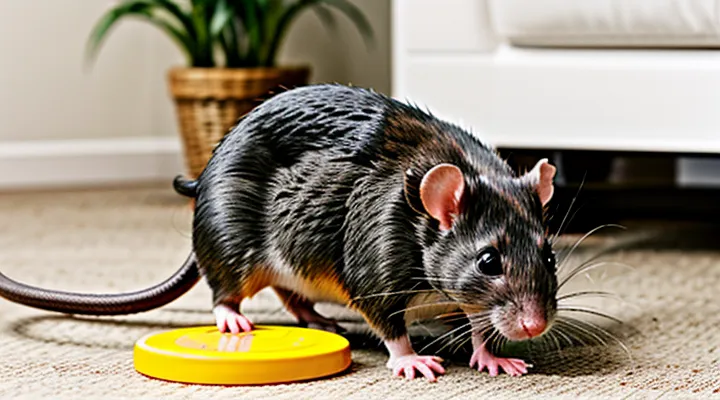
Understanding Rat Behavior and Training Principles
Why Rats Make Great Trainees
Rats possess cognitive abilities comparable to those of many larger mammals, enabling rapid acquisition of complex tasks such as object retrieval. Their natural curiosity drives engagement with training protocols, while a strong olfactory system allows precise identification of target items.
- High learning speed: Rats form associations after few repetitions, reducing training duration.
- Motivation hierarchy: Food rewards and social reinforcement produce consistent performance.
- Physical agility: Compact size and dexterous paws facilitate handling of small objects in confined spaces.
- Sensory acuity: Acute smell and whisker feedback support accurate location of hidden items.
- Low upkeep: Minimal space and dietary requirements lower operational costs for training programs.
- Adaptability: Rats adjust to varied environments, from laboratory settings to field applications, without loss of task proficiency.
Empirical observations confirm that these traits translate into reliable retrieval behavior, making rats optimal candidates for training regimes focused on item recovery.
Basic Principles of Positive Reinforcement
Clicker Training Fundamentals
Clicker training provides a precise, repeatable signal that marks the exact moment a desired action occurs. The sound replaces ambiguous verbal cues, allowing the rat to associate the marker with a reward instantly.
The basic cycle consists of three steps: present the target behavior, deliver the click at the moment of success, and follow with a food reinforcement. Repeating this cycle builds a strong connection between the click and the reward, encouraging the animal to repeat the behavior.
Key elements of effective clicker work include:
- Timing: The click must occur within a fraction of a second after the rat performs the correct action. Delayed clicks break the association.
- Consistency: Use the same clicker sound throughout all training sessions. Switching devices or tones creates confusion.
- Reward selection: Choose a high‑value treat that the rat readily accepts. Small, easily consumable pieces keep the session flowing.
- Session length: Limit each training bout to 5–10 minutes to maintain focus and prevent fatigue.
- Shaping: Start with a simple target, such as touching a cue stick, then gradually increase the criteria until the rat retrieves the designated object.
When the rat reliably retrieves an item, begin to fade the clicker. Replace the click with a verbal marker or a silent cue while maintaining the reward schedule. This transition preserves the learned behavior while reducing dependence on the device.
Common issues and remedies:
- Missed clicks: Adjust hand position to ensure the clicker is audible and within reach of the rat’s attention.
- Extinction: If rewards stop unexpectedly, the behavior may decline. Reinstate treats at a reduced frequency to reestablish the pattern.
- Generalization: Practice retrieval in varied locations and with different objects to ensure the rat applies the skill beyond the initial training environment.
Mastering clicker fundamentals establishes a reliable communication channel, enabling the rat to acquire and execute retrieval tasks with minimal hesitation.
Reward Systems and High-Value Treats
Effective retrieval training hinges on a clear, consistent reward system. Rats quickly associate a specific outcome with a behavior; the stronger the association, the faster the skill develops.
Select treats that surpass ordinary chow in palatability. Options include:
- Small pieces of roasted peanut or almond, fresh or lightly toasted.
- Tiny cubes of cheese (cheddar, mozzarella) with high fat content.
- Commercial rodent treats formulated with added protein and flavor enhancers.
- Bits of fruit such as banana or apple, limited to avoid sugar spikes.
Pair each successful fetch with one of these high‑value items immediately after the rat returns the object. Immediate delivery—within one to two seconds—prevents confusion and reinforces the link between action and reward.
Structure sessions around a progressive reinforcement schedule:
- Continuous reinforcement – deliver a treat for every correct retrieval during initial learning phases.
- Fixed‑ratio reinforcement – after the rat reliably fetches, provide a treat after a set number of successful attempts (e.g., every third retrieve).
- Variable‑ratio reinforcement – introduce occasional random rewards to maintain motivation and reduce predictability.
Monitor intake to keep treats a small fraction of daily caloric needs; excess calories can impair performance. Rotate treat types every few sessions to prevent habituation and preserve high incentive value.
Record each trial’s outcome, noting which treat yielded the strongest response. Data-driven adjustments ensure the reward system remains optimal throughout the training program.
Preparing for Training
Essential Training Supplies
Choosing the Right Retrieval Objects
When training a rat to retrieve objects, the selection of items determines the speed of learning and the reliability of performance. Choose objects that match the animal’s natural handling abilities and sensory preferences.
- Size: 2–4 cm in length, fitting comfortably in the rat’s mouth without causing strain.
- Shape: Simple geometry (cylinders, cubes) encourages consistent grip; avoid irregular or spiky forms.
- Material: Non‑toxic, lightweight plastics or wood; metal can be too heavy, while soft fabrics may be easily torn.
- Texture: Slightly rough surface improves tactile feedback; smooth finishes reduce slip but may be harder to locate by touch.
- Scent: Neutral odor prevents distraction; if scent training is required, apply a mild, non‑irritating fragrance uniformly.
- Durability: Able to withstand repeated chewing and pulling without breaking; replace worn items promptly to maintain consistency.
Safety considerations are paramount. Verify that no sharp edges or loose parts remain after shaping the object. Conduct a brief inspection before each session to eliminate potential hazards.
Consistency reinforces the retrieval behavior. Use the same set of objects throughout a training phase, then introduce variations only after the rat demonstrates reliable performance with the baseline items. This systematic approach accelerates skill acquisition and minimizes confusion.
Setting Up a Conducive Training Environment
A suitable training area must be secure, predictable, and free of distractions. Enclose the space with sturdy barriers to prevent escape, and ensure that all gaps are sealed. The floor should be non‑slippery yet comfortable for the animal; a low‑pile carpet or textured mat provides traction without causing irritation. Consistent illumination reduces stress—use steady, indirect lighting rather than harsh fluorescents. Maintain a quiet environment by silencing appliances and limiting human traffic during sessions.
Control sensory inputs that could interfere with learning. Keep odors neutral; avoid strong scents from cleaning agents, food, or perfumes. Provide a single, clearly defined retrieval zone marked by a distinct object or mat, so the rat can associate the task with a specific location. Store all training tools—treats, retrieval items, and clickers—within arm’s reach to minimize interruptions.
Key elements for setting up the environment
- Enclosure: Secure panels, tight-fitting doors, and escape‑proof mesh.
- Flooring: Low‑pile carpet or textured mat, cleaned regularly.
- Lighting: Soft, consistent illumination; avoid flicker.
- Noise reduction: Sound‑absorbing materials, limited foot traffic.
- Scent management: Neutral cleaning solutions, no strong fragrances.
- Retrieval zone: Clearly marked area with a consistent cue.
- Tool placement: Treats, objects, and clicker positioned for quick access.
Regularly inspect the area for wear, loose panels, or new sources of distraction. Adjust the setup as the rat’s proficiency grows, ensuring the environment remains a stable platform for progressive skill development.
The Training Process: Step-by-Step
Phase 1: Object Familiarization
Introducing the Target Object
When beginning a retrieval program, the first step is to present the rat with a clearly defined target object. Choose an item that is safe, lightweight, and easily distinguishable by shape, color, or texture. Common selections include small plastic blocks, wooden cubes, or laminated cards. The object should be free of sharp edges and toxic materials to prevent injury or contamination.
Before training sessions, familiarize the rat with the object’s appearance and scent. Place the item in the cage for several minutes, allowing the animal to sniff and explore it without prompting any action. This exposure builds a mental association between the object and the training environment.
During the initial introduction, follow a consistent routine:
- Position the target object at a fixed location visible to the rat.
- Use a distinct cue (e.g., a clicker or verbal marker) to signal the start of the trial.
- Allow the rat to approach the object voluntarily; do not force contact.
- Reward immediately after the rat touches or picks up the object with a high‑value food treat.
- Record the latency from cue to contact to monitor progress.
After several repetitions, vary the object’s placement to prevent location bias while maintaining its distinguishing features. Consistency in object characteristics combined with systematic exposure establishes a reliable foundation for subsequent retrieval training.
Encouraging Interaction with the Object
Begin by selecting an object that matches the rat’s size and sensory preferences. An item that is easy to grasp, light enough to carry, and carries a neutral scent reduces hesitation and promotes initial contact.
Use positive reinforcement to link the object with a rewarding outcome. Present the object alongside a small food reward; the rat learns that touching or picking up the item precedes a treat. Repeat this pairing until the rat reaches for the object without prompting.
Employ scent cues to strengthen the association. Apply a tiny amount of a familiar food aroma to the object’s surface. The odor guides the rat’s attention, encouraging exploration and manipulation.
Shape the retrieval behavior through incremental steps:
- Touch – reward any contact with the object.
- Grab – reward when the rat secures the object with its forepaws.
- Lift – reward when the rat lifts the object off the surface.
- Carry – reward when the rat transports the object to a designated location.
Each stage should be practiced until the rat performs it reliably before advancing to the next.
Gradually increase the distance between the object’s starting point and the target zone. Start with a few centimeters, then extend the path as the rat’s confidence grows. Maintain consistent timing of rewards to preserve motivation.
Finally, vary the object’s appearance and texture while keeping the reward schedule unchanged. This prevents the rat from fixating on a single item and reinforces the broader skill of retrieving diverse objects.
Phase 2: Shaping the «Take» Command
Luring and Rewarding Touching
Luring a rat to make contact with a target object and reinforcing the behavior with a reward are fundamental steps in developing reliable retrieval performance. The process begins by presenting an appealing stimulus—typically a small food morsel or a scented item—near the object to be retrieved. The rat follows the stimulus, contacts the object, and receives an immediate reward, creating a clear association between touching and positive outcome.
Key actions for effective luring and rewarding:
- Position the lure within a few centimeters of the target to encourage the rat to reach out.
- Use a consistent reward (e.g., a piece of seed or a flavored pellet) delivered the instant the rat’s paws or nose make contact.
- Maintain a short interval between touch and reward to strengthen the connection.
- Gradually increase the distance between lure and object, reducing reliance on the lure while preserving the touch‑reward link.
- Introduce slight variations in object shape or texture to generalize the behavior.
Repeated cycles of lure‑induced contact followed by immediate reinforcement condition the rat to seek out and manipulate objects, laying the groundwork for more complex retrieval tasks.
Verbal Cues and Hand Signals
Training a rat to bring objects requires clear, consistent communication. Verbal cues serve as the primary auditory trigger that signals the start of a retrieval sequence. Choose short, distinct words such as “fetch,” “bring,” or “drop.” Use the same word for each specific action; variability confuses the animal. Deliver the cue in a calm, steady tone, and issue it just before the rat is expected to act. Pair the cue with an immediate reward when the desired response occurs, reinforcing the association between sound and behavior.
Hand signals complement spoken commands by providing a visual reference that the rat can follow even when noise levels rise. Design gestures that are simple and easily distinguishable—for example, an open palm to indicate “take” and a downward motion to signal “release.” Keep the signal within the rat’s line of sight and maintain the same posture each time. Synchronize the visual cue with the verbal command, presenting both simultaneously during training sessions to create a multimodal link.
Integrating auditory and visual cues creates a robust command system. Begin each trial with the verbal cue, immediately followed by the corresponding hand signal. Reward the rat promptly after it retrieves and delivers the item to reinforce the combined cue. If the rat hesitates, isolate the problematic cue, repeat it in isolation, and re‑introduce the paired signals once the individual response stabilizes. Consistent timing, clear signals, and immediate reinforcement produce reliable retrieval behavior in rats.
Phase 3: Developing the «Carry» Behavior
Short Distances and Immediate Rewards
Training a rat to fetch objects works best when the target is placed only a few centimeters away from the animal’s starting point. The limited range minimizes the chance of distraction and allows the rat to form a clear association between the cue and the required action.
Immediate reinforcement consolidates that association. Delivering a food pellet or a preferred treat the moment the rat grasps the item ensures the behavior is linked directly to the reward, strengthening the learning curve.
Practical steps:
- Position the object 5–10 cm from the rat’s nose.
- Present the cue (e.g., a click, hand signal, or tone).
- As soon as the rat contacts the object, give a small, high‑value reward.
- Return the rat to the start point and repeat after a brief pause.
Gradually increase the distance by 2–3 cm per session only after the rat consistently retrieves the item and receives the reward without hesitation. Maintaining the rapid reward‑delivery cycle prevents extinction and accelerates skill acquisition.
Increasing Duration and Distance
Increasing the time a rat works on a retrieval task and the distance it must travel requires systematic progression. Begin each session with a brief, successful fetch at a short range. Record the exact time the rat holds the item and the distance covered. Use these data points to set incremental goals.
- Extend the interval between the cue and the release by 5‑10 seconds each session, ensuring the rat still returns the item before the timeout expires.
- Add 0.5‑1 meter to the travel path after the rat consistently meets the previous distance target.
- Introduce mild distractions (e.g., a low‑level noise) only after the rat completes the extended distance without hesitation.
- Alternate between indoor and outdoor arenas to generalize performance across environments.
Monitor success rates daily. When the rat achieves at least an 80 % success rate on a given duration and distance, increase both parameters simultaneously by the smallest increments. Maintain a consistent schedule, limit each training block to 15‑20 minutes, and provide a high‑value reward immediately after a correct retrieval. This structured escalation builds stamina, confidence, and spatial awareness, allowing the rat to handle longer and farther fetches reliably.
Phase 4: Teaching the «Bring» and «Drop» Commands
Guiding Towards the Drop-Off Point
When teaching a rat to bring objects back, the final stage—directing the animal to the drop‑off point—requires a consistent, unambiguous cue. Select a location that remains unchanged throughout training sessions; a corner of the cage, a specific platform, or a marked tile works best. Attach a scent marker (e.g., a dab of vanilla or a piece of cotton with a familiar odor) to the target area to create a reliable olfactory reference. Pair the scent with a visual marker such as a colored tape strip, ensuring the rat can see it from various angles. Reinforce each successful arrival with an immediate reward (food pellet or clicker click) to strengthen the association between the cue and the desired behavior.
Key steps for guiding the rat to the drop‑off point:
- Place the scent and visual markers on the chosen spot before each session.
- Release the rat with the item a short distance away, allowing it to locate the cue independently.
- When the rat reaches the marker, deliver a prompt reward and a brief verbal cue (e.g., “here”).
- Gradually increase the distance between the item’s starting point and the drop‑off location to build confidence.
- Record the rat’s response time and accuracy; adjust marker intensity if performance declines.
Consistent cues, immediate reinforcement, and incremental distance extensions create a reliable pattern that enables the rat to reliably deliver items to the designated spot.
Reinforcing Object Release
Training rats to retrieve objects requires a clear protocol for encouraging the release of the item once it has been carried to the target location. The release behavior can be shaped through a combination of timing, reward selection, and cue consistency.
- Present the rat with a small, easily grasped object (e.g., a wooden block or plastic bead).
- Allow the rat to pick up the object and transport it to the designated spot.
- As soon as the rat drops the object, deliver an immediate, high‑value food reward (such as a piece of sunflower seed).
- Pair the drop with a distinct auditory cue (click or tone) to mark the successful release.
- Repeat the sequence, gradually increasing the distance between the pick‑up and drop zones while maintaining the same reward‑cue pattern.
Consistent delivery of the reward at the moment of release creates a strong association between the act of letting go and a positive outcome. Over successive sessions, the rat learns that releasing the object triggers the reward, reducing the likelihood of clinging or transporting the item to a non‑target area. Adjusting the size of the reward and the clarity of the cue can fine‑tune the behavior, ensuring reliable object release in more complex retrieval tasks.
Phase 5: Generalization and Advanced Retrieval
Retrieving Different Objects
Training a rat to retrieve items requires systematic exposure to a variety of objects, consistent reinforcement, and clear cue association. Begin with lightweight, easily grasped items such as wooden blocks or plastic beads. Present the object on a flat surface, encourage the rat to pick it up with its forepaws, and immediately reward with a preferred treat. Once the rat reliably transports the first object to a designated spot, introduce a second item that differs in shape, texture, or size—e.g., a smooth glass marble or a crinkled paper tube. Repeat the pick‑up and delivery sequence, maintaining the same verbal cue and reward timing to reinforce the behavior across object types.
Progression to more complex items follows the same pattern: increase weight, add irregular contours, or incorporate fragile components that require gentle handling. Monitor the rat’s grip and adjust the reward schedule if hesitation or dropping occurs. Consistency in cue delivery and prompt reinforcement minimizes confusion and solidifies the retrieval skill set.
Key considerations for diverse objects:
- Material: wood, plastic, metal, fabric—each demands a distinct grip.
- Size: small (≤1 cm) to medium (≤3 cm) dimensions; larger items may need two‑handed handling.
- Weight: light (≤5 g) to moderate (≤20 g); adjust reward intensity for effort.
- Shape: smooth, angular, hollow; shape influences approach angle and paw placement.
Retrieving from Varying Locations
Training rats to retrieve objects demands consistent exposure to diverse placement scenarios. Begin with a single, easily visible location and reinforce successful retrieval with a high‑value food reward. Once the rat reliably fetches the item, introduce a second spot that varies in height or angle relative to the starting point. Maintain the same reinforcement pattern to prevent confusion between cues.
Gradual expansion of the search area follows a predictable sequence:
- Add three to five new positions per training session, alternating between familiar and novel sites.
- Randomize the order of locations within each session to discourage pattern learning.
- Increase the distance from the rat’s launch point by 10‑15 cm after the animal demonstrates a 90 % success rate at the current maximum range.
Environmental cues support generalization. Use distinct visual markers (e.g., colored mats) or auditory signals (soft clicks) to differentiate zones. Rotate markers between sessions so the rat learns to rely on the object’s presence rather than fixed background features. When the rat consistently retrieves items across multiple cues, reduce the magnitude of the markers, encouraging reliance on spatial memory.
Finalize training by testing in an unfamiliar enclosure that contains the same range of locations but lacks any previously used markers. Deliver a reward only after successful retrieval, then return to the standard environment for a brief reinforcement. This alternating schedule consolidates the ability to locate and retrieve items from any position the rat may encounter.
Troubleshooting and Common Challenges
Addressing Lack of Motivation
Rats that cease to pursue retrieval tasks often show reduced interest in the reward or fatigue from repetitive trials. Identifying the underlying cause—whether it is insufficient reinforcement, monotony, or physiological stress—allows the trainer to intervene before the animal disengages completely.
Assessment should focus on measurable indicators: latency to approach the target, frequency of successful fetches, and changes in grooming or exploratory behavior. Recording these variables across several sessions creates a baseline against which any decline becomes apparent, enabling timely corrective action.
Effective strategies to restore drive include:
- Adjust reward value: substitute the standard food pellet with a higher‑calorie treat or a novel flavor for a limited period, then revert to the usual reward to prevent habituation.
- Vary task parameters: change the object’s color, size, or location to introduce novelty while maintaining the core retrieval pattern.
- Implement intermittent reinforcement: reward the rat on a variable‑ratio schedule (e.g., after 2, 4, then 1 successful fetches) to increase persistence.
- Shorten session length: limit each training block to 5–7 minutes, allowing more frequent rests and reducing fatigue.
- Monitor health: check for signs of illness, dehydration, or weight loss; address any medical issues before resuming training.
Applying these measures systematically restores motivation, ensuring consistent performance in the retrieval program.
Dealing with Distractions
When a rat learns to fetch objects, unexpected sounds, movements, or scents can interrupt progress. Identify the most common sources of distraction in the training environment and eliminate or control them before each session.
- Reduce ambient noise: close windows, turn off televisions, silence phones.
- Limit visual clutter: keep the work area free of moving objects, toys, or other animals.
- Control odors: clean the floor, avoid strong fragrances, and store food away from the training zone.
- Schedule sessions at consistent times: rats adapt to routine, making spontaneous interruptions less likely.
If a distraction occurs during a trial, pause the exercise, wait for the rat to refocus, then resume. Reinforce the pause with a brief cue such as a soft click or a hand signal, followed by a reward when the rat returns attention to the target object.
Gradual exposure builds resilience. Introduce low‑level distractions one at a time, pairing each with a clear cue and a reward for successful retrieval despite the interference. Increase intensity only after the rat reliably completes the task under the previous level.
Document each session’s conditions, noting which distractions were present and the rat’s response. Use this data to adjust the training plan, targeting persistent vulnerabilities with additional practice or environmental modifications. Consistent documentation ensures measurable improvement and prevents regression.
Overcoming Object Refusal
Training a rat to fetch objects often stalls when the animal refuses to pick up the target item. This behavior, known as object refusal, can be resolved through systematic desensitization, reinforcement adjustment, and environmental control.
First, identify the specific trigger for refusal. Common causes include unfamiliar texture, unpleasant odor, or prior negative experience with the object. Present the item in a neutral setting, allowing the rat to sniff and explore without expectation of retrieval. Use a low‑intensity scent or a smooth surface to reduce aversion.
Second, pair the object with a highly valued reward. Place a small piece of preferred food directly on the item, then gradually move the food toward the rat’s mouth while the rat holds the object. Decrease the food’s prominence over successive sessions, ensuring the rat continues to grasp the item for the reward rather than for the food itself.
Third, apply shaping techniques. Reward incremental actions: touching the object, grasping it with the forepaws, lifting it slightly, and finally transporting it to a designated location. Deliver reinforcement immediately after each step to strengthen the association.
Fourth, maintain consistency in object presentation. Use the same size, shape, and material for several training days before introducing variations. When the rat reliably retrieves the familiar object, introduce a new one with minimal differences, repeating the desensitization and shaping process.
Fifth, monitor stress indicators. Elevated grooming, freezing, or vocalizations suggest anxiety, which can reinforce refusal. Reduce session length, provide quiet surroundings, and allow recovery periods between attempts.
Practical checklist:
- Assess object characteristics (texture, scent, shape).
- Introduce object without retrieval expectation; allow free investigation.
- Attach preferred food to object; gradually fade food support.
- Shape behavior stepwise; reward each micro‑action.
- Keep object parameters constant for initial mastery.
- Introduce variations only after consistent performance.
- Observe and mitigate stress signals; adjust session duration accordingly.
By systematically reducing aversive cues, reinforcing desired contact, and shaping progressive actions, a rat can overcome object refusal and become a reliable retriever.
Managing Nipping or Chewing During Retrieval
Rats often bite or gnaw at objects while fetching, which can damage the item and disrupt the learning process. Controlling this behavior requires clear expectations, consistent reinforcement, and appropriate equipment.
- Begin each session with a “soft‑mouth” cue. Pair the cue with a gentle touch on the rat’s muzzle, then reward the rat for releasing the object without pressure.
- Use items made of durable, non‑chewable materials (plastic beads, silicone toys) for early practice. Replace them with the intended retrieval objects only after the rat reliably holds them gently.
- Apply a brief, harmless deterrent such as a bitter‑tasting spray on the surface of the target item. The rat learns that excessive bite pressure produces an unpleasant taste, while a light grip yields a reward.
Observe the rat’s grip continuously. If the animal begins to clamp down, interrupt the attempt with a calm “no” command and immediately present a low‑pressure alternative. Reinforce the correct behavior with a high‑value treat within two seconds of the gentle release.
Equip the training area with chew‑proof barriers and keep spare retrieval objects on hand. Rotating objects prevents the rat from developing a habit of targeting a single item for chewing. Consistent application of these measures reduces nipping, preserves equipment, and accelerates the rat’s proficiency in retrieving tasks.
Maintaining and Advancing Skills
Regular Practice Sessions
Regular practice sessions are essential for shaping a rat’s ability to locate and bring back objects. Consistent timing, clear cues, and incremental difficulty maintain motivation and reinforce the retrieval behavior.
- Schedule short sessions (5–10 minutes) two to three times daily to prevent fatigue and keep attention high.
- Begin each session with a distinct signal, such as a click or verbal cue, to mark the start of training.
- Use a single, familiar item for the first few trials; reward the rat immediately after it delivers the item to the designated spot.
- Gradually increase distance between the starting point and the target location, ensuring the rat successfully retrieves the object before extending the range.
- Introduce variations in object shape, size, or texture only after the rat reliably fetches the original item at the maximum distance.
- End each session with a brief “cool‑down” period, allowing the rat to rest before returning to its cage.
Progress monitoring should include logging the number of successful retrievals, latency to fetch, and any errors observed. Adjust session length or difficulty based on these metrics to sustain steady improvement without overwhelming the animal.
Introducing New Challenges
Introducing fresh obstacles keeps a retrieval‑trained rat engaged and promotes skill refinement. After the animal reliably fetches a basic target, assess its confidence by observing latency, accuracy, and willingness to approach the object. When these indicators reach a stable baseline, proceed to the next difficulty tier.
- Change object shape or texture while maintaining size to test discrimination ability.
- Relocate the item to a higher platform or a concealed compartment, requiring the rat to navigate additional steps.
- Add a timed element, such as a brief interval between cue and release, to encourage rapid decision‑making.
- Incorporate mild sensory distractions (e.g., background noise) to evaluate focus under non‑ideal conditions.
Each new challenge should be introduced incrementally. Begin with a single modification, allow several successful trials, then combine elements for compounded difficulty. Record performance metrics for every stage; a decline beyond a predefined threshold signals the need to revert to the previous level or provide extra reinforcement. Consistent positive feedback, delivered immediately after a correct retrieval, preserves motivation throughout the escalation process.
Keeping Training Fun and Engaging
Keeping training sessions lively prevents boredom and sustains a rat’s motivation to fetch objects. Short, frequent periods of work followed by immediate rewards preserve enthusiasm and reduce stress.
Varied reinforcement strengthens the association between the cue and the desired behavior. Alternate treat types, introduce new textures for the items, and use praise selectively to keep the reward system unpredictable yet effective.
- Rotate objects every 3‑5 sessions to avoid habituation.
- Incorporate short play breaks where the rat explores a novel tunnel or chew toy before resuming the task.
- Use a “game” cue, such as a light tap, to signal the start of a retrieval round, then switch to a silent cue after several successful trials.
- Adjust difficulty incrementally: begin with large, brightly colored items, then progress to smaller, duller pieces as competence grows.
Observe the rat’s body language; signs of disengagement—reduced sniffing, lingering at the start point, or excessive grooming—indicate the need for a change in pace or stimulus. Increasing the challenge too quickly can lead to frustration, while excessive repetition erodes interest.
Consistent application of these strategies creates an engaging environment where the rat associates retrieval practice with enjoyment, ultimately improving performance and reliability.