
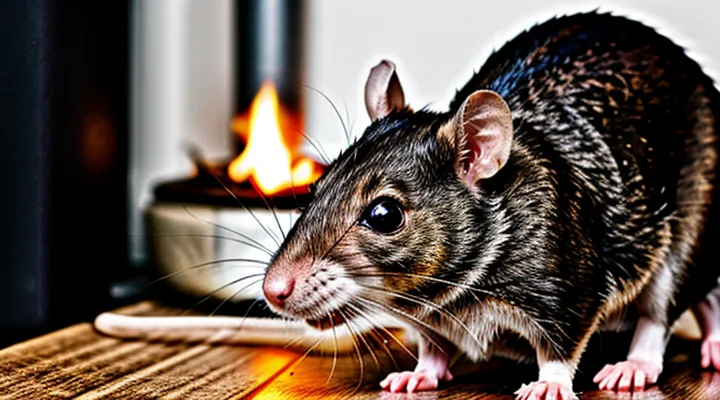
Understanding Rat Thermoregulation
Normal Body Temperature and Habitat
Normal body temperature for rats generally ranges from 36.5 °C to 38 °C. Values above this interval indicate that the animal is experiencing hyperthermia.
Typical habitats provide conditions that help maintain this thermal balance:
- Subterranean burrows with stable, cool microclimates.
- Attic spaces where insulation retains heat but ventilation limits extreme temperatures.
- Urban sewers and drainage systems that remain near ambient ground temperature.
- Barns and storage areas where straw or feed material offers modest insulation.
When environmental temperature rises above the rat’s normal range, physiological responses become evident. Observable indicators of overheating include:
- Accelerated respiration.
- Reduced activity and apparent lethargy.
- Open-mouth panting or audible wheezing.
- Wetness of the fur due to excessive sweating through foot pads.
Monitoring ambient conditions relative to the established temperature range allows accurate assessment of whether a rat is experiencing elevated body heat.
How Rats Dissipate Heat
Rats maintain body temperature through several physiological and behavioral mechanisms that become evident when ambient conditions rise.
Vasodilation of skin vessels, especially around the ears and tail, increases blood flow to peripheral tissues, allowing excess heat to transfer to the environment. Enhanced blood flow also facilitates convective cooling when the animal is in contact with cooler surfaces.
Panting provides evaporative cooling; rapid shallow breaths increase moisture loss from the respiratory tract, lowering core temperature without the need for sweating, which rodents lack.
Behavioral adjustments include seeking shaded areas, retreating to cooler burrows, and reducing activity levels during the hottest periods of the day. Positioning the body against cool objects—such as metal cages or ceramic tiles—maximizes conductive heat loss.
Tail licking and grooming spread saliva over the fur, promoting evaporative cooling as the fluid evaporates from the coat.
These strategies collectively enable rats to dissipate heat efficiently, and observable signs such as flushed ears, rapid breathing, and reduced movement often indicate that the animal is experiencing elevated temperatures.
Recognizing Signs of Overheating
Behavioral Indicators
Increased Activity or Restlessness
Rats that are experiencing elevated body temperature often become noticeably more active. The behavior shift is not random play; it reflects a physiological response to heat stress.
Typical manifestations include:
- Continuous running on the wheel or treadmill, even when food is unavailable.
- Frequent climbing of cage bars or structures, accompanied by rapid descents.
- Repetitive pacing along the perimeter of the enclosure.
- Excessive grooming that interrupts normal rest cycles.
These actions arise because heat impairs normal metabolic balance, prompting the animal to seek airflow and dissipate warmth through movement. The pattern differs from regular exploration by its persistence and intensity, often lasting until ambient temperature declines.
Observation of sustained hyperactivity, especially when paired with panting or drooling, provides a reliable indicator that the rodent is overheated. Immediate measures—lowering ambient temperature, providing fresh water, and ensuring ventilation—help restore thermal equilibrium. Continuous monitoring of activity levels thus serves as a practical method for assessing heat-related distress in laboratory or pet rats.
Lethargy and Weakness
Lethargy and weakness are primary indicators that a rat may be experiencing elevated body temperature. When a rodent cannot maintain normal activity levels, it often conserves energy by reducing movement. This response frequently accompanies heat stress and should prompt immediate observation.
Key manifestations include:
- Reduced willingness to explore or climb, even in familiar environments.
- Diminished response to stimuli such as food or handling.
- Slower gait or difficulty maintaining balance.
- Extended periods of rest with minimal twitching or grooming.
These symptoms differ from normal sleep patterns by their persistence and lack of periodic activity. If lethargy and weakness appear alongside other signs—such as rapid breathing, open-mouth panting, or flushed ears—the likelihood of overheating increases. Prompt cooling measures, including lowering ambient temperature and providing fresh water, can mitigate the risk of heat‑related complications. Continuous monitoring is essential to ensure the rat returns to typical vigor and coordination.
Seeking Cooler Spots
Rats regulate body temperature by moving to environments with lower ambient heat. When the surrounding temperature rises beyond the animal’s comfort range, the instinctive response is to locate a cooler microhabitat to prevent hyperthermia.
Observable indicators that a rat is actively searching for a cooler area include frequent pauses in movement, deliberate turning toward shaded corners, and repeated attempts to climb onto elevated surfaces that are farther from heat sources. The animal may also exhibit reduced grooming and slower respiration as it conserves energy while seeking relief.
Common locations that provide effective cooling are:
- The underside of furniture, where airflow is limited and surfaces remain cooler.
- Tiles or stone flooring, which retain less heat than fabric-covered areas.
- The interior of a cardboard box placed in a well‑ventilated corner, offering insulation from direct sunlight.
- Shelves positioned near open windows or fans, allowing continuous air circulation.
To support thermoregulation, ensure that the enclosure includes multiple shaded zones, maintain a stable ambient temperature below the rat’s upper comfort threshold, and provide access to fresh water at all times. Regular monitoring of the animal’s behavior will reveal whether the cooling options are sufficient or require adjustment.
Loss of Appetite or Thirst
A rat that is overheating often shows a marked decline in food intake. When body temperature rises, metabolic processes shift, reducing the drive to eat. This reduction can appear sudden, with the animal ignoring familiar feeding schedules or refusing preferred foods. Persistent refusal to eat signals that the rat may be struggling to regulate its heat load.
Similarly, excessive heat diminishes the urge to drink. A rat normally consumes water several times a day; a noticeable drop in water consumption indicates that thermoregulatory mechanisms are compromised. Dehydration can develop quickly, exacerbating the risk of heat‑related illness.
Key observations:
- Skipped meals or prolonged periods without eating.
- Decreased frequency of water bottle visits.
- Visible signs of lethargy accompanying reduced intake.
Monitoring these behaviors provides a reliable indicator that a rat is experiencing elevated body temperature and requires immediate environmental cooling measures.
Physical Manifestations
Excessive Grooming or Licking
Excessive grooming or licking often signals that a rat is experiencing elevated body temperature. In normal conditions rodents groom briefly to maintain coat condition; prolonged, frantic grooming indicates discomfort.
When ambient temperature rises, rats increase peripheral blood flow to dissipate heat. The resulting sensation of warmth triggers a behavioral response: frequent licking of fur, paws, and tail. This behavior helps evaporate moisture and lower skin temperature, similar to panting in other mammals.
Key observations include:
- Grooming sessions lasting longer than a few seconds, repeated at short intervals.
- Licking of the ventral surface, hind limbs, and tail with visible saliva accumulation.
- Restlessness combined with rapid, shallow breathing.
If these signs appear, immediate actions should reduce environmental heat: lower cage temperature, improve ventilation, provide fresh water, and consider a cool, damp cloth for brief relief. Monitoring continues until grooming frequency returns to baseline, indicating thermal equilibrium.
Reddening of Ears and Paws
Reddening of a rat’s ears and paws serves as a reliable external indicator of elevated body temperature. Blood vessels in these peripheral areas expand to dissipate heat, causing a noticeable pink or reddish hue that contrasts with the animal’s normal coloration.
Key observations include:
- Ears appear flushed, with skin visible through the thin fur layer showing a uniform red tone.
- Paw pads shift from a pale pink to a deeper, almost crimson shade.
- The color change is consistent across both front and hind paws, indicating systemic warming rather than localized irritation.
When these signs accompany other heat‑related symptoms—such as rapid breathing, panting, or reduced activity—they confirm that the rat is experiencing a temperature increase that may require environmental adjustment or veterinary assessment. Prompt identification allows caretakers to modify ambient conditions, provide cooling resources, and prevent heat‑stress complications.
Rapid or Labored Breathing
Rapid or labored breathing signals that a rat’s core temperature has risen above normal limits. Elevated respiration rate appears as shallow, quick breaths; labored breathing manifests as deeper, forceful inhalations often accompanied by audible wheezing or open‑mouth ventilation. Both patterns indicate the animal’s attempt to dissipate excess heat through increased evaporative loss.
To evaluate breathing efficiency, follow these steps:
- Observe the chest wall for frequent, low‑amplitude movements.
- Count breaths for a full minute; normal adult rats breathe 30‑45 times per minute.
- Compare the count to the normal range; values exceeding 60 breaths per minute suggest hyperthermia.
- Listen for audible strain or wheeze, which accompanies labored effort.
- Note mouth positioning; an open mouth during respiration is atypical for rodents and points to heat stress.
Consistent detection of rapid or labored breathing enables timely intervention, preventing progression to heat‑related organ dysfunction.
Drooling or Salivation
Drooling or excessive salivation serves as a reliable indicator of elevated body temperature in rats. When a rat’s thermoregulatory system is overwhelmed, autonomic nerves stimulate salivary glands, resulting in noticeable moisture around the mouth and on the fur.
Key observations:
- Visible wetness on the whisker pads, muzzle, or forepaws.
- Continuous dribble of clear or slightly frothy saliva.
- Increased licking behavior as the animal attempts to manage oral moisture.
Physiological basis: Heat stress raises core temperature, activating sympathetic pathways that enhance salivary secretion. The response aids evaporative cooling but also signals that the animal is struggling to maintain homeostasis.
Practical assessment: Monitor the animal in a well‑ventilated environment. If drooling persists for more than a few minutes, combine this sign with other symptoms—such as rapid breathing, reddened ears, or lethargy—to confirm overheating and initiate cooling measures promptly.
Unresponsiveness
Unresponsiveness indicates a rat’s failure to react to normal environmental stimuli. When body temperature rises beyond the animal’s capacity to regulate heat, neural and muscular functions deteriorate, resulting in diminished reflexes and a passive posture.
Typical manifestations include:
- Absence of movement when the cage is disturbed;
- Lack of response to gentle tactile or auditory prompts;
- Flattened ears and a still, extended tail;
- Slow or absent breathing sounds.
These signs arise because excessive heat impairs the central nervous system, reducing the animal’s ability to process sensory input and initiate motor responses. The condition often precedes more severe heat‑related disorders such as heat stroke, making early detection crucial.
If unresponsiveness is observed, immediate cooling measures are required: transfer the rat to a shaded area, apply a damp, cool cloth to the torso, and provide fresh water. Continuous monitoring should follow until the animal regains normal reactivity. Failure to address unresponsiveness promptly may result in irreversible damage or fatality.
Causes of Overheating in Rats
Environmental Factors
High Ambient Temperatures
High ambient temperatures raise a rat’s core temperature, producing observable physiological and behavioral changes. Elevated skin temperature, rapid respiration, and increased heart rate indicate thermal stress. When environmental heat exceeds the animal’s thermoregulatory capacity, these responses become pronounced.
Typical indicators of a rat experiencing high ambient heat include:
- Accelerated breathing, often shallow and audible.
- Warm, moist fur, especially around the ears and tail.
- Restlessness or frequent repositioning to seek cooler surfaces.
- Reduced activity level, with a tendency to remain in shaded or ventilated areas.
- Excessive licking of paws or fur, a response to discomfort.
Monitoring these signs enables prompt identification of thermal overload, allowing intervention such as providing cooler shelter, increasing ventilation, or adjusting ambient temperature to maintain animal welfare.
Poor Ventilation
Poor ventilation creates stagnant air, allowing heat to accumulate in confined spaces. Without a constant exchange of cooler external air, ambient temperature rises, and the metabolic heat produced by a rat cannot dissipate efficiently. The result is an elevated body temperature that may go unnoticed until distress appears.
Typical indicators of overheating caused by inadequate airflow include:
- Rapid, shallow breathing;
- Bright red or flushed ears and tail;
- Lethargic behavior or reduced activity;
- Excessive panting or audible wheezing;
- Wet fur that remains damp despite a cool environment, suggesting the animal attempts to evaporate heat.
Mitigating the risk requires enhancing air movement and temperature regulation:
- Install vents or small fans to promote continuous circulation;
- Ensure cage or enclosure walls have breathable sections, avoiding solid barriers;
- Position the habitat away from direct sunlight and heat sources;
- Monitor ambient temperature with a reliable thermometer, maintaining levels below the species‑specific comfort range;
- Conduct regular cleaning to prevent dust buildup, which impedes airflow.
By addressing airflow deficiencies, the likelihood of a rat experiencing dangerous heat levels diminishes, supporting overall health and well‑being.
Direct Sunlight Exposure
Direct sunlight delivers intense radiant energy that can raise a rat’s body temperature rapidly. When a rodent spends prolonged periods under unfiltered sun, core temperature may exceed normal limits, leading to observable physiological changes.
Visible indicators of overheating include:
- Reddened ear pinnae and tail skin, reflecting vasodilation.
- Rapid, shallow breathing as the animal attempts to dissipate heat.
- Lethargic posture, often with limbs tucked close to the body.
- Excessive panting or audible sighing sounds.
Behavioral cues also signal distress: the rat may seek shaded areas, repeatedly groom fur to spread saliva, or display agitation by darting erratically. In extreme cases, loss of coordination and tremors precede collapse.
Preventive measures focus on limiting exposure. Provide shaded shelters, rotate outdoor enclosures to avoid constant sun, and monitor ambient temperature with a reliable thermometer. If signs of overheating appear, relocate the rat to a cool, ventilated environment, offer fresh water, and apply a damp cloth to the ears and tail to accelerate heat loss. Immediate veterinary consultation is advisable if symptoms persist.
Cage Setup Considerations
Inadequate Water Supply
Inadequate water intake directly influences a rodent’s ability to regulate body temperature. When a rat cannot replace fluid losses, internal heat‑dissipation mechanisms become compromised, making dehydration a reliable indicator of elevated body temperature.
Signs that water shortage may be masking overheating include:
- Dry, sticky fur that lacks normal sheen.
- Sunken eyes and reduced tear production.
- Lethargic behavior combined with rapid, shallow breathing.
- Elevated heart rate detectable by a pulse at the femoral artery.
- Dark, concentrated urine observed in the cage bedding.
Prompt correction involves providing fresh water at room temperature, monitoring consumption hourly, and ensuring the water source remains accessible and uncontaminated. If intake remains low despite availability, consider environmental cooling measures such as reduced ambient temperature, increased ventilation, and shaded resting areas. Continuous observation of the listed physiological signs will confirm whether the rat’s thermal state improves following hydration restoration.
Lack of Shade or Hiding Spots
Rats regulate body temperature by seeking cooler environments. When a habitat lacks shade or adequate hiding places, the animal cannot escape direct heat, leading to rapid physiological responses.
Visible signs linked to insufficient shelter include:
- Accelerated breathing or audible panting
- Reduced activity, lingering in the cage’s coolest corner
- Increased water consumption, often accompanied by frequent licking of the water bottle
- Displacement of bedding, as the rat attempts to create a makeshift cooler surface
Prolonged exposure without shade elevates core temperature, which may manifest as a dry nose, reddened ears, or a mild tremor. These symptoms appear quicker than in environments that provide adequate concealment.
Mitigation measures focus on environmental modification:
- Install solid‑backed cages or attach a dark, breathable cover to block direct sunlight
- Place ceramic tiles, frozen water bottles, or refrigerated pads in low‑traffic areas
- Provide dense nesting material and enclosed tunnels to simulate natural retreats
- Monitor ambient temperature, ensuring it stays within the species‑appropriate range (approximately 18‑24 °C)
Implementing these adjustments reduces heat stress risk and offers clear behavioral cues for assessing a rat’s thermal state.
Overcrowding
Overcrowding creates a high‑density environment where limited space forces multiple rats to share the same area for extended periods. This condition elevates ambient temperature, increases humidity, and induces chronic stress, all of which interfere with the animal’s natural thermoregulation mechanisms.
When space is insufficient, rats expend more energy on competition and social hierarchy maintenance, which can raise core temperature independent of infection. Consequently, typical fever indicators—such as reduced activity, altered grooming, and subtle changes in ear or tail temperature—may be concealed by the baseline heat generated by the crowded group.
Accurate assessment under these circumstances requires controlled observation and measurement:
- Isolate a single individual for a minimum of 15 minutes in a neutral, temperature‑stable enclosure.
- Record rectal temperature with a calibrated digital thermometer; compare the reading to the species‑specific normal range (approximately 37.5–38.5 °C).
- Observe respiratory rate; a consistent increase beyond 150 breaths per minute suggests febrile response.
- Note changes in behavior: decreased exploration, prolonged rest, or loss of appetite, especially when these patterns differ from the group baseline.
- Verify environmental conditions: ensure ambient temperature remains within 20–22 °C and humidity below 60 % to prevent external heat from skewing results.
Implementing these steps isolates physiological data from the confounding effects of crowding, allowing reliable determination of whether a rat’s temperature is elevated due to illness rather than environmental stress.
Other Contributing Factors
Obesity
Obesity in laboratory rats alters thermoregulatory efficiency, making temperature assessment more challenging. Excess adipose tissue insulates the body, reducing heat loss and potentially masking signs of elevated core temperature. Consequently, a rat with high body fat may maintain a relatively stable surface temperature despite internal hyperthermia.
Key indicators that distinguish genuine heat from obesity‑related insulation include:
- Rapid breathing rate exceeding baseline values for the animal’s size.
- Elevated heart rate measured by non‑invasive pulse monitoring.
- Skin coloration shifting toward a darker hue, observable on the ventral abdomen.
- Behavioral agitation, such as increased grooming or attempts to escape confinement.
When evaluating a rat suspected of being hot, clinicians should adjust temperature thresholds to account for the insulating effect of adiposity. Rectal or implanted telemetry probes provide accurate core temperature readings, minimizing reliance on surface assessments that obesity can obscure. Regular monitoring of weight trends assists in interpreting thermoregulatory data, ensuring that obesity‑induced thermal masking does not lead to misdiagnosis.
Underlying Health Conditions
Rats with underlying health conditions often exhibit a higher surface temperature that can be mistaken for simple overheating. Infections, metabolic disorders, and inflammatory diseases raise core body heat, producing a warm or hot feel when the animal is handled.
Common conditions that elevate temperature include:
- Bacterial or viral infections such as respiratory or gastrointestinal illnesses.
- Metabolic syndromes, for example diabetes mellitus, which disrupt normal thermoregulation.
- Inflammatory diseases like arthritis or abscess formation, generating localized heat.
- Neoplastic growths that increase metabolic activity and cause systemic fever.
- Hormonal imbalances, notably hyperthyroidism, leading to accelerated metabolism and heat production.
Physical signs accompanying a raised temperature often involve:
- Rapid breathing (tachypnea) reflecting increased metabolic demand.
- Lethargy or reduced activity, indicating systemic stress.
- Loss of appetite, a typical response to illness.
- Visible swelling or redness at infection sites, marking localized inflammation.
Distinguishing fever from environmental heat requires observation of behavioral changes and assessment of the rat’s overall health status. Persistent warmth combined with the symptoms listed above warrants veterinary evaluation to identify and treat the underlying condition.
Stress
Stress is a primary indicator when evaluating whether a rat is experiencing excessive heat. Elevated body temperature triggers a cascade of physiological responses that manifest as observable stress signals. Recognizing these signals enables rapid assessment and timely intervention.
Key stress‑related markers of heat exposure include:
- Increased respiration rate, often accompanied by audible panting.
- Rapid, shallow heartbeats detectable through gentle palpation of the femoral artery.
- Darkened, glossy fur resulting from vasodilation and sweat gland activity.
- Restlessness or frantic movement, contrasted with the usual calm behavior of a healthy rat.
- Reduced appetite and decreased water consumption, reflecting metabolic disruption.
Hormonal changes also accompany thermal stress. Corticosterone levels rise sharply, suppressing immune function and altering behavior. Blood glucose may spike as the organism mobilizes energy reserves to cope with heat load.
Effective management requires monitoring these stress indicators continuously. If multiple signs appear simultaneously, immediate cooling measures—such as providing a chilled water source, adjusting ambient temperature, or applying a cool, damp cloth to the ventral surface—should be implemented. Regular observation of stress patterns not only confirms overheating but also prevents secondary complications, including dehydration and organ failure.
Immediate Actions for an Overheated Rat
Moving to a Cooler Environment
When a rodent exhibits rapid respiration, flushed ears, or reduced activity, the likelihood of overheating increases. Relocating the animal to a cooler zone provides a practical test: temperature‑related symptoms typically diminish in a lower‑temperature setting, confirming that heat stress was the cause.
- Identify a space with ambient temperature 5‑10 °C below the current enclosure temperature.
- Transfer the rat using a secure carrier to avoid injury.
- Allow a minimum adjustment period of 15 minutes, monitoring respiration rate and skin color.
- Record any reduction in panting or behavioral lethargy; improvement indicates heat was a factor.
- Return the rat to its primary habitat only after confirming stable vital signs.
Persistent symptoms after exposure to a cooler environment suggest alternative health issues and warrant veterinary evaluation. Continuous observation of temperature‑related indicators remains essential for accurate assessment.
Providing Hydration
When a rat shows signs of elevated body temperature, adequate hydration becomes a critical factor in preventing heat‑related complications. Dehydration accelerates temperature rise, impairs thermoregulation, and can lead to rapid decline. Immediate assessment of water consumption provides a reliable indicator of the animal’s physiological state.
Key observations for hydration status include:
- Reduced water intake over the past several hours.
- Dry or sticky oral mucosa.
- Sunken eyes and diminished skin elasticity.
- Weight loss exceeding normal fluctuations.
If any of these signs appear, implement the following measures:
- Offer fresh, cool water in a shallow dish to encourage drinking.
- Provide water‑rich foods such as cucumber slices or watermelon cubes.
- Ensure the water source is free of contaminants and positioned away from direct heat.
- Monitor intake every 15 minutes for the first hour, then at regular intervals.
- Record volume consumed and compare with baseline daily intake.
Consistent access to clean, cool water stabilizes internal temperature and supports the rat’s natural cooling mechanisms. Adjust ambient conditions—reduce enclosure temperature, increase ventilation, and avoid direct sunlight—to complement hydration efforts. Regularly reviewing water consumption patterns enables early detection of overheating and facilitates timely intervention.
Cooling Methods
Damp Cloth Application
Applying a slightly damp cloth to a rat’s skin provides a rapid, non‑invasive indicator of elevated body temperature. Moisture absorbs heat from the animal’s surface; the rate of evaporation correlates with how hot the animal feels.
When the cloth feels warm after a brief press, the rat is likely experiencing hyperthermia. If the cloth remains cool or only mildly warm, the animal’s temperature is within normal limits.
- Prepare a clean cloth, dampen with room‑temperature water, excess liquid squeezed out.
- Gently press the cloth against the rat’s flank or back for 2–3 seconds.
- Observe the cloth’s temperature immediately after removal.
- Compare the sensation to a known reference point (e.g., the handler’s palm).
- Record the observation and, if warmth persists, initiate cooling measures.
Persistent warmth suggests the need for immediate environmental cooling, hydration, and veterinary assessment. Avoid prolonged pressure, as stress may affect the reading. Regular use of this method supports early detection of overheating in laboratory or pet rodents.
Cool Air Circulation
Rats maintain body temperature through panting, reduced activity, and seeking cooler zones. Persistent rapid breathing, reddened ears, and lethargy often indicate heat stress.
Effective air movement lowers ambient temperature and accelerates heat removal from the animal’s fur and skin. Cool air circulation creates a temperature gradient that encourages convective heat loss, preventing the buildup of localized hot spots.
Practical measures for establishing adequate airflow:
- Position a low‑speed fan at a distance that delivers gentle breezes without causing drafts.
- Install vent grilles or mesh panels to allow continuous exchange of indoor and outdoor air.
- Use a thermostat‑controlled exhaust system to maintain a stable room temperature below the species‑specific comfort threshold.
- Arrange cage racks so that air flows across, not beneath, each enclosure.
Regular monitoring includes checking thermometer readings at multiple points within the enclosure, observing the rat’s behavior for signs of discomfort, and adjusting fan speed or vent opening as needed. Maintaining consistent, moderate airflow reduces the risk of overheating while preserving a comfortable environment for the animal.
Shallow Cool Water Bath
A shallow cool water bath provides a rapid, non‑invasive means of confirming elevated body temperature in a rodent. Immersing the animal’s hindquarters in water kept between 10 °C and 15 °C induces vasodilation, which accelerates heat loss and reveals physiological responses.
When the rat is overheated, the bath elicits the following observable signs:
- Rapid, shallow breathing after removal from the water
- Persistent trembling of the whiskers and tail
- Skin that remains pink rather than turning pale within 30 seconds
If these reactions are absent, the animal’s temperature is likely within normal limits.
To implement the technique safely:
- Fill a shallow tray with enough water to cover the hind limbs without submerging the torso.
- Verify water temperature with a calibrated thermometer; adjust as needed to stay within the target range.
- Gently place the rat in the water for no longer than 20 seconds.
- Remove the animal, dry the fur with a soft towel, and observe the listed indicators.
The method minimizes stress because the exposure time is brief and the cool environment prevents further heat accumulation. Regular use in laboratory or veterinary settings enhances early detection of hyperthermia, allowing prompt intervention before severe complications develop.
Preventing Heat Stress in Rats
Optimal Cage Placement
Optimal cage placement is crucial for accurately assessing a rat’s elevated body temperature. Position the enclosure away from direct sunlight, heaters, and drafts to prevent external heat from influencing readings. Maintain a stable ambient temperature by locating the cage in a room with controlled climate, typically between 20 °C and 24 °C, allowing the animal’s own thermoregulation to be observed.
Key considerations for cage arrangement:
- Distance of at least 60 cm from windows or radiators to avoid radiant heat.
- Placement on a solid, non‑conductive surface to eliminate heat transfer from the floor.
- Alignment with the room’s airflow, ensuring gentle circulation without creating cold spots.
- Accessibility for temperature‑monitoring devices, such as infrared thermometers or implanted sensors, without obstructing the animal’s movement.
Consistent cage positioning enables reliable detection of feverish conditions, supporting timely veterinary intervention.
Maintaining Proper Ventilation
Proper ventilation is essential when evaluating a rodent’s thermal condition. Adequate airflow removes excess heat, stabilizes ambient temperature, and prevents the buildup of humidity that can mask physiological cues.
Key aspects of effective ventilation include:
- Continuous exchange of indoor and outdoor air to maintain a temperature gradient within the enclosure.
- Placement of vents at opposite walls to promote cross‑drafts and avoid stagnant zones.
- Use of adjustable grilles that allow fine‑tuning of airflow rates according to seasonal variations.
- Monitoring of ambient temperature with calibrated sensors positioned away from direct drafts to obtain accurate readings of the animal’s environment.
When airflow is insufficient, a rat may exhibit elevated body temperature without external signs, leading to misinterpretation of its condition. Conversely, excessive drafts can cause stress and lower core temperature, obscuring true thermal status. Maintaining a balanced ventilation system therefore supports reliable observation of heat‑related behaviors such as rapid breathing, flushed ears, or reduced activity.
Regular inspection of ventilation components—filters, fans, and ductwork—ensures they function without obstruction. Cleaning schedules should remove dust and debris that diminish air movement. Replacing worn seals prevents leaks that compromise temperature control.
In summary, a well‑designed ventilation strategy creates a stable thermal environment, enabling precise determination of whether a rat is experiencing overheating.
Ensuring Constant Water Access
Ensuring that a rat has uninterrupted access to fresh water is a fundamental measure for monitoring its thermal condition. Dehydration accelerates temperature rise, making water availability a direct indicator of whether the animal is experiencing heat stress.
- Provide a water bottle with a leak‑proof spout; check the seal daily.
- Position the bottle at a height that allows the rat to drink without strain.
- Replace the water at least once every 24 hours to prevent stagnation.
- Keep the water source away from direct sunlight and heat‑producing equipment.
Observe the water bottle for reduced intake; a sudden decline often precedes signs of overheating. Maintain a secondary water dish as a backup in case the primary bottle fails. Regularly clean all water containers with mild, non‑toxic detergent to eliminate bacterial growth that could discourage drinking.
A temperature‑controlled environment combined with constant water access creates reliable conditions for detecting abnormal heat levels in the rat.
Providing Cooling Accessories
Ceramic Tiles or Stones
Ceramic tiles and natural stones serve as reliable thermal conductors for assessing the body temperature of a rodent. When a rat is placed on a cool, smooth tile, heat transfer occurs rapidly; the surface temperature rises proportionally to the animal’s internal heat. The observer can gauge overheating by feeling the tile’s underside or by using an infrared thermometer aimed at the tile surface.
Key indicators when using tiles or stones:
- Tile surface becomes noticeably warm within seconds of contact.
- Stone retains heat longer, allowing observation of temperature decay after removal of the rat.
- Absence of moisture on the surface suggests heat rather than perspiration as the source.
Practical considerations:
- Choose tiles with low thermal mass (e.g., glazed ceramic) for quick response.
- Select stones with high density (e.g., basalt) for prolonged thermal retention.
- Ensure the material is clean to prevent false readings caused by residue.
- Calibrate the thermometer against a known temperature reference before each use.
Frozen Water Bottles
Frozen water bottles provide a reliable, low‑tech means of assessing whether a rat’s body temperature is elevated. The bottle’s solid core retains a temperature well below ambient conditions, creating a stable cold surface that reacts predictably when pressed against mammalian skin.
When a cold bottle contacts a rat, heat transfer occurs at the point of contact. A rat with a normal core temperature (approximately 37 °C) will cause rapid melting of the ice, producing a noticeable wet patch and a perceptible rise in surface temperature. Conversely, a rat whose temperature is already high will cause slower melting, leaving more ice intact and a cooler surface for a longer period.
Procedure
- Freeze a standard 500 ml water bottle until the water is solid.
- Remove the bottle from the freezer and allow a brief 1‑minute equilibration at room temperature to eliminate surface frost.
- Gently press the bottle against the rat’s dorsal region for no longer than 5 seconds.
- Observe the degree of ice melt and any condensation forming on the bottle’s surface.
Interpretation
- Minimal melt, dry surface: suggests elevated body temperature, indicating the animal may be hot.
- Significant melt, wet surface: indicates normal or lower body temperature, suggesting the rat is not hot.
Using frozen water bottles eliminates the need for specialized thermometers, offers immediate feedback, and can be applied in field or laboratory settings with minimal preparation.
Small Fans
Small fans provide a reliable method for managing a rodent’s body temperature when signs of overheating appear. Direct airflow lowers surface heat, allowing observation of physiological changes such as reduced panting, steadier heart rate, and normalized fur texture.
When selecting an appropriate fan, consider the following criteria:
- Size: portable units with a blade diameter of 5–10 cm fit comfortably in cages or enclosures.
- Speed settings: at least two levels enable gentle breezes for mild heat and stronger airflow for acute temperature spikes.
- Noise level: decibel rating below 30 dB minimizes stress and prevents auditory disturbance.
- Power source: battery‑operated models ensure continuous operation during power outages; rechargeable options reduce long‑term costs.
Proper placement maximizes effectiveness. Position the fan at a 45‑degree angle to the cage wall, directing air across the animal’s dorsal surface without creating drafts that could chill the extremities. Maintain a distance of 10–15 cm to avoid direct impact on the eyes and whiskers.
Routine monitoring complements fan usage. Record body temperature before and after activation; a drop of 1–2 °C indicates successful heat mitigation. If temperature remains elevated, increase airflow or combine fan use with supplemental hydration.
Small fans, when integrated into a comprehensive thermal‑management protocol, deliver immediate relief and assist caretakers in distinguishing normal activity from heat‑induced distress.
Diet and Enrichment for Heat Management
Dietary strategies play a critical role in regulating body temperature for pet rats. Hydration must be maintained with fresh water available at all times; dehydration accelerates overheating. Incorporating foods with high water content, such as cucumber slices, watermelon rind, and leafy greens, supplies additional moisture. Protein sources should be moderate; excessive protein generates metabolic heat, so balanced portions of lean meats, boiled eggs, or commercial rat mixes are preferable. Fat intake should remain low, as fat oxidation produces significant heat. Adding small amounts of chilled fruits—apple, pear, or berries—provides cooling relief without upsetting digestive balance.
Enrichment items contribute to temperature control by encouraging natural thermoregulatory behavior. Provide:
- Multiple shaded hideouts constructed from breathable materials, allowing rats to retreat from warm zones.
- Cool surfaces such as ceramic tiles or chilled marble slabs placed in the cage, offering a safe area for heat dissipation.
- Elevated platforms with airflow, enabling rats to distance themselves from stagnant warm air.
- Interactive toys that promote movement during cooler periods of the day, reducing activity when ambient temperature rises.
Monitoring intake and behavior reveals signs of thermal stress. Decreased food consumption, excessive panting, or seeking cooler locations indicate insufficient heat management. Adjust diet composition and enrich the environment promptly to maintain optimal body temperature.