
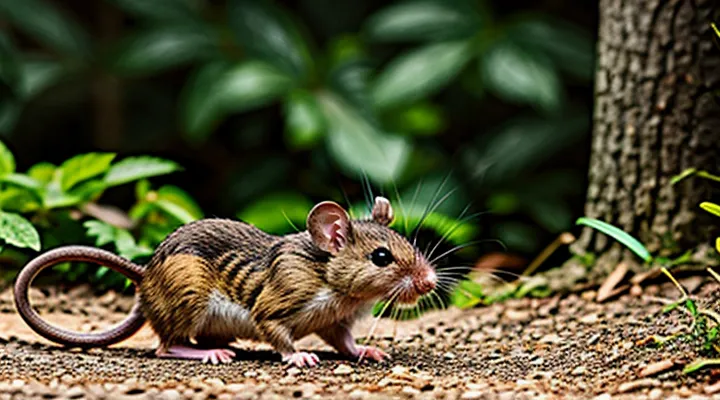
Understanding Wild Mice Behavior
Identifying Mouse Species
Common Traits of Wild Mice
Wild mice are small rodents typically measuring 6–10 cm in body length, with tails of comparable size. Their compact build enables rapid movement through narrow openings and dense vegetation.
- Nocturnal activity; peak foraging occurs during night hours.
- High reproductive capacity; females can produce several litters per year, each containing 4–8 offspring.
- Acute sensory systems; whiskers detect tactile cues, olfactory receptors locate food, and ears perceive low‑frequency sounds.
- Social organization; individuals form loose colonies, sharing nesting sites while maintaining defined territories.
- Omnivorous diet; consumption includes seeds, insects, fungi, and occasional carrion, allowing adaptation to varied habitats.
- Flight response; pronounced wariness of humans and predators, resulting in swift escape behaviors when threatened.
Physiologically, wild mice possess a rapid metabolism that supports their energetic lifestyle and frequent breeding cycles. Their dentition, characterized by continuously growing incisors, necessitates constant gnawing to prevent overgrowth.
Behaviorally, these rodents exhibit exploratory tendencies, testing new objects and routes within their environment. This curiosity, coupled with strong territorial instincts, influences interaction patterns and resource allocation within a colony.
Differences from Pet Mice
Wild mice differ markedly from domesticated laboratory or pet strains, affecting every step of the taming process. Their innate wariness makes them quick to retreat from unfamiliar hands, whereas pet mice readily accept gentle contact. Dietary preferences diverge: wild individuals require a varied foraging diet rich in seeds, insects, and occasional plant material, while pet mice thrive on standardized pellets and occasional treats. Health considerations also separate the groups; wild mice often carry parasites, zoonotic pathogens, and exhibit higher stress‑induced mortality, demanding strict quarantine and veterinary screening before any handling. Social structures contrast sharply: pet mice are typically bred in stable, low‑density colonies, fostering predictable hierarchies, while wild mice operate in fluid, territorial networks that can provoke aggression when confined. Environmental needs are distinct: pet mice live in controlled cages with consistent temperature, humidity, and bedding, whereas wild mice are adapted to variable microclimates, requiring enrichment that mimics natural shelter and escape routes. Finally, reproductive cycles differ; pet mice have been selected for rapid, frequent breeding, whereas wild mice breed seasonally, influencing the timing of taming attempts.
Key practical implications:
- Expect prolonged acclimation periods; avoid forced handling.
- Provide a diet that mirrors natural foraging, supplementing with appropriate protein sources.
- Implement a quarantine protocol of at least two weeks, including fecal examinations.
- Design enclosures with multiple hiding places, variable substrate, and limited exposure to bright light.
- Monitor social interactions closely; separate individuals showing dominant aggression.
- Schedule taming activities during the species’ natural breeding season to reduce hormonal stress.
Why Taming Can Be Challenging
Natural Instincts and Fear
Wild mice rely on innate survival mechanisms that trigger immediate flight when they perceive threat. Their sensory systems detect movement, sound, and scent, prompting a cascade of physiological responses: elevated heart rate, release of adrenaline, and heightened alertness. These reactions protect the animal but also create obstacles for anyone attempting to gain its trust.
Understanding the mouse’s instinctual drive to avoid predators allows the handler to reduce perceived danger. Gradual exposure to human presence, combined with consistent, low‑intensity stimuli, desensitizes the animal without overwhelming its nervous system. The key is to maintain a predictable environment, limiting sudden noises or rapid motions that could reactivate the fear circuitry.
Practical steps:
- Keep interactions brief (30‑60 seconds) during the first week, extending duration only when the mouse shows calm behavior such as grooming or quiet exploration.
- Use a soft, cloth‑covered hand to mask the scent of humans; the texture also mimics natural substrates, making contact less intimidating.
- Offer a small, familiar food item (e.g., a seed or piece of fruit) directly from the hand, allowing the mouse to associate the handler with nourishment rather than danger.
- Place the mouse’s enclosure on a stable surface to eliminate vibrations; reinforce the lid to prevent accidental openings that could startle the animal.
- Introduce a consistent routine: same time of day, same handling location, and identical cues (e.g., a gentle rustle of a piece of paper) before each session.
By aligning handling techniques with the mouse’s innate defensive patterns, the handler gradually shifts the animal’s response from avoidance to cautious acceptance, laying the foundation for successful domestication.
Potential Health Risks
When attempting to domesticate a wild mouse, several health hazards merit attention. Zoonotic infections, including hantavirus, leptospirosis, and salmonellosis, can transfer from the animal to humans through saliva, urine, or feces. Allergic reactions may arise from rodent dander, leading to respiratory irritation or dermatitis. Bites and scratches introduce bacterial pathogens such as Staphylococcus aureus or Streptococcus species, potentially causing localized infections or systemic illness. Stress induced by handling can suppress the mouse’s immune function, increasing the likelihood of disease emergence that may affect caregivers.
Practical measures to mitigate these risks include:
- Wearing disposable nitrile gloves and a face mask during initial capture and handling.
- Washing hands thoroughly with antimicrobial soap after each contact, even when gloves are used.
- Isolating the mouse in a clean, ventilated enclosure for at least 48 hours before prolonged interaction, allowing observation for signs of illness.
- Consulting a veterinarian experienced with exotic rodents for a health assessment, parasite screening, and vaccination recommendations where applicable.
- Maintaining regular cage sanitation: replace bedding weekly, disinfect surfaces with a dilute bleach solution, and avoid using scented cleaning agents that may exacerbate allergies.
- Monitoring personal health for fever, respiratory symptoms, or skin lesions; seek medical evaluation promptly if such signs develop.
Adhering to these protocols reduces the probability of disease transmission and supports a safer environment for both the animal and its handler.
Preparing for the Taming Process
Creating a Safe Environment
Setting Up a Habitation Space
A secure, well‑ventilated enclosure forms the foundation for any effort to domesticate a feral mouse. Choose a plastic or glass cage with a minimum size of 30 × 20 × 20 cm; larger dimensions reduce stress and allow natural movement. Ensure all seams are sealed to prevent escape and install a lockable latch that the animal cannot manipulate.
Bedding must be absorbent, dust‑free, and non‑toxic. Paper‑based or aspen shavings provide warmth while minimizing respiratory irritation. Replace the substrate weekly, and clean the floor with a mild, unscented disinfectant before adding fresh material.
Hideouts are essential for a mouse that perceives the environment as threatening. Provide at least two separate shelters made from untreated wood or ceramic hide cubes. Position one near the food source and another in a corner opposite the cage entrance to encourage exploration without exposing the animal to constant observation.
Nutrition and hydration require dedicated stations. A stainless‑steel water bottle with a sipper prevents spillage; a small, shallow dish of high‑protein rodent pellets supplies balanced calories. Replace food daily and monitor consumption to detect early signs of illness.
Enrichment items stimulate natural behaviors and reduce anxiety. Include a chewable wooden block, a climbing tube, and a rolling wheel with a solid surface to avoid foot injuries. Rotate toys every few days to maintain interest.
Ventilation should be continuous but not drafty. Install a fine mesh on the cage top to allow airflow while keeping the mouse safe. Keep the enclosure away from direct sunlight, heating vents, and loud appliances to maintain a stable temperature of 20‑24 °C.
Regular maintenance schedule:
- Daily: check water level, replace uneaten food, inspect for damage.
- Every 2–3 days: clean hideouts, spot‑clean bedding.
- Weekly: fully replace bedding, disinfect cage interior, rotate enrichment items.
Adhering to these specifications creates a stable habitat that supports the transition from wild to tame, facilitating consistent handling and training.
Essential Supplies for Your Mouse
A suitable environment begins with a secure enclosure. Choose a cage made of wire or plastic with a lockable door and a mesh top for ventilation. The interior should contain a layer of absorbent bedding, such as paper pulp or aspen shavings, to control odor and provide a comfortable surface for the animal’s feet.
Provide a hideout that mimics a natural burrow. Small wooden houses, ceramic tunnels, or rolled cardboard sections give the mouse a place to retreat, reducing stress during the acclimation period. A water bottle with a stainless‑steel spout delivers fresh water without contamination; replace the bottle weekly and sterilize it with mild soap and hot water.
Nutrition requires a balanced pellet mix formulated for small rodents, supplemented with fresh vegetables (e.g., carrots, broccoli) and occasional protein sources like boiled egg or mealworms. Offer a chew block or wooden gnawing toy to satisfy the mouse’s instinctual need to wear down continuously growing incisors.
Handling tools include thin, latex‑free gloves to protect both handler and mouse from bites and scratches. A soft brush assists in grooming and removal of debris from the fur. Keep a small first‑aid kit—antiseptic solution, cotton swabs, and a spare cage liner—for quick response to minor injuries.
Maintain cleanliness with a dedicated cleaning spray (non‑toxic, fragrance‑free) and disposable cleaning pads. Schedule a thorough cage cleaning every two weeks, replacing all bedding and disinfecting surfaces. Monitor the mouse’s health daily by checking weight, activity level, and coat condition; record observations in a simple log.
Key supplies
- Lockable cage with mesh top
- Absorbent bedding (paper pulp or aspen)
- Hideout (wooden house, tunnel, or cardboard)
- Water bottle with stainless‑steel spout
- Balanced pellet diet + fresh vegetables
- Chew block or wooden gnawing toy
- Latex‑free handling gloves
- Soft grooming brush
- Basic first‑aid kit
- Non‑toxic cleaning spray and disposable pads
These items form the foundation for a stable, low‑stress setting that facilitates the transition from wild behavior to comfortable, manageable companionship.
Establishing Trust and Patience
Understanding Mouse Communication
Understanding mouse communication is essential for anyone attempting to tame a feral rodent. Mice convey information through distinct channels that indicate stress, curiosity, aggression, and willingness to cooperate.
- Vocalizations: High‑frequency squeaks signal alarm or discomfort; soft chirps often accompany exploratory behavior.
- Body posture: An arched back, flattened ears, and a tucked tail denote fear; upright ears, relaxed whiskers, and a gently moving tail suggest confidence.
- Scent cues: Urine marks and glandular secretions define territory and social hierarchy; a mouse that repeatedly sniffs a specific area is assessing dominance.
Recognizing these signals enables targeted interaction. Observe the animal for at least five minutes before initiating contact, noting any of the listed cues. When the mouse displays relaxed posture and emits soft chirps, approach slowly, extending a hand to allow scent exchange. If alarm vocalizations or defensive posture appear, pause, reduce movement, and provide a safe hiding spot to lower stress. Consistent, non‑threatening responses reinforce trust and gradually shift the mouse’s behavior toward domestication.
The Importance of Consistency
Consistency governs the success of any mouse‑training program. Repeating the same cues, timing, and rewards each session conditions the animal to recognize patterns, which accelerates learning and lowers anxiety. When a mouse encounters unpredictable signals, it hesitates, prolonging the taming process and increasing the risk of regression.
A stable schedule reinforces desired behavior. Establish a fixed daily window for interaction, use identical handling techniques, and deliver the same type of treat for each correct response. This predictability creates a mental map that the mouse can navigate without confusion.
Key practices that rely on uniformity:
- Choose a specific hand signal or verbal cue; apply it every time before offering food.
- Conduct sessions at the same time of day, preferably when the mouse is naturally active.
- Maintain a constant environment—quiet room, same lighting, unchanged cage layout.
- Record each encounter; note variations and adjust only after several consistent trials confirm a pattern.
Deviating from these parameters resets the learning curve. Even minor alterations, such as changing the treat flavor or shifting the session start time, can reset the mouse’s expectation, forcing it to relearn associations. Over time, the cumulative effect of small inconsistencies erodes progress and may cause the animal to withdraw from interaction.
Therefore, a disciplined approach—identical cues, regular timing, and unvarying rewards—forms the backbone of effective mouse taming. By adhering strictly to these constants, trainers minimize stress, expedite habituation, and secure reliable outcomes.
Step-by-Step Taming Techniques
Initial Contact and Acclimation
Gradual Introduction to Your Presence
Begin by placing the mouse’s enclosure near your regular activity zone. Allow the animal to observe you from a safe distance for several minutes each day. This exposure reduces the perception of threat and builds familiarity.
Introduce a neutral object—such as a small wooden block or a piece of cardboard—into the cage. Position the object so that the mouse can approach it without feeling cornered. Over successive sessions, move the object closer to the cage wall that faces you, encouraging the mouse to explore the area where you are most visible.
Use a consistent, low‑volume voice when speaking near the enclosure. Speak for brief intervals (10‑15 seconds) and then pause. The pause prevents the mouse from associating your presence with continuous noise, which can increase stress.
Gradual exposure can be structured as follows:
- Day 1‑3: Place the cage 1 meter away; remain silent, observe from a stationary position.
- Day 4‑7: Reduce distance to 50 cm; introduce soft verbal comments while keeping motion minimal.
- Day 8‑10: Move the cage to 20 cm from your standing spot; place a treat on the near wall and withdraw your hand after a few seconds.
- Day 11 onward: Offer the treat from your fingertips, allowing the mouse to approach voluntarily before accepting the food.
Throughout the process, monitor the mouse’s behavior. Signs of relaxation—such as grooming, calm movement, or slow breathing—indicate readiness for the next stage. Signs of agitation—rapid darting, freezing, or vocalization—require a return to the previous distance and a slower progression.
Consistent timing, minimal disturbance, and clear, predictable patterns are essential for establishing trust without overwhelming the animal.
Using Food as a Positive Reinforcement
Food rewards provide the most reliable means of shaping a wild mouse’s behavior. The animal’s natural foraging instincts make it highly responsive to edible incentives, allowing trainers to establish a clear connection between a specific action and a desirable outcome.
Select foods that are both appealing and safe. Small seeds, unsalted nuts, and dried insects meet nutritional needs without encouraging obesity. Avoid sugary or heavily processed items, as they can create dependency and reduce motivation for natural tasks.
To condition a mouse using food, follow these steps:
- Present the chosen treat only when the mouse exhibits the target behavior (e.g., approaching a hand, entering a trap, or staying still).
- Deliver the reward immediately after the behavior, ensuring the time gap is less than one second.
- Repeat the pairing consistently across multiple sessions, gradually reducing the frequency of treats while maintaining the behavior.
- Record each successful trial to monitor progress and adjust the difficulty of tasks as the mouse becomes more confident.
Maintain the effectiveness of food reinforcement by limiting the quantity per session to 1–2% of the mouse’s body weight. Schedule feeding intervals at the same time each day to create a predictable routine. Gradually replace treats with verbal cues or gentle touches to transition the mouse from extrinsic to intrinsic motivation, ensuring long‑term compliance without reliance on constant feeding.
Hand-Taming Methods
Encouraging Hand Feeding
Hand feeding creates a reliable association between the mouse and the caregiver. The mouse learns that the human hand provides a safe source of nutrition, which reduces fear and encourages approach behavior.
Begin by selecting a high‑quality, nutritionally balanced seed or pellet that the mouse readily accepts. Offer a small portion on a clean fingertip, keeping the hand steady and motionless for a few seconds. If the mouse hesitates, remain still; sudden movements increase stress. Once the mouse takes the food, withdraw the hand slowly to avoid startling it.
Key practices for successful hand feeding:
- Use the same type of food for every session to build predictability.
- Limit each feeding to 3–5 minutes; prolonged exposure can cause the mouse to become defensive.
- Conduct sessions at the same time each day, preferably during the mouse’s active period (early evening).
- Maintain a quiet environment; background noise interferes with the animal’s focus on the hand.
- Clean the feeding area after each session to prevent contamination and to keep the mouse’s sense of safety intact.
Gradual increase in contact time, combined with consistent food delivery, strengthens trust. Over several weeks the mouse will approach the hand voluntarily, allowing more extensive handling and facilitating further training steps.
Gentle Handling Techniques
Gentle handling is the cornerstone of successful mouse taming. Approach the animal slowly, keeping movements fluid and avoiding sudden gestures that can trigger a flight response. Maintain a calm posture; a relaxed hand conveys safety to the mouse.
When picking up a mouse, use a cupped hand to support the body’s underside, allowing the forepaws to rest naturally on the palm. Avoid gripping the tail, as this causes stress and may lead to injury. Hold the mouse close to the body to limit its ability to escape, then release it gently onto a stable surface.
Effective handling routines include:
- Daily short sessions – 2–3 minutes per day, gradually extending duration as the mouse shows reduced signs of fear.
- Consistent hand placement – always use the same hand orientation to create a predictable experience.
- Soft vocal reassurance – a low, steady tone can further calm the animal without being distracting.
- Controlled environment – perform handling in a quiet area, free from sudden noises or movements.
Observing the mouse’s behavior provides immediate feedback. Signs of relaxation—such as a lowered body posture, reduced frantic whisker movement, and slow breathing—indicate that the gentle techniques are effective. Adjust pressure, timing, or proximity accordingly to maintain progress toward domestication.
Addressing Behavioral Issues
Dealing with Biting and Fear Responses
When a wild mouse exhibits biting or panic, the handler must intervene with clear, consistent actions that reduce threat perception and teach alternative behavior.
First, assess the source of aggression. Biting often follows a perceived attack, while fear responses manifest as rapid escape attempts, freezing, or vocalizations. Identifying triggers—such as sudden movements, loud noises, or unfamiliar objects—allows the handler to modify the environment before attempting contact.
Practical steps for managing bites:
- Wear thick, puncture‑resistant gloves to protect hands while maintaining tactile feedback.
- Approach the mouse from the side or rear, avoiding direct eye contact that can be interpreted as confrontational.
- Offer a small, soft food item (e.g., a seed or piece of fruit) on a fingertip; the mouse will focus on the reward rather than the hand.
- If a bite occurs, pause for at least 30 seconds before re‑engaging. This pause signals that aggressive actions do not yield additional attention.
- Apply a mild, non‑irritating deterrent (e.g., a dab of bitter‑tasting agent) to the fingertip after a bite to create an aversive association with the behavior.
Techniques to alleviate fear responses:
- Reduce ambient noise and vibrations; place the enclosure on a stable surface and keep lighting dim but steady.
- Provide a secure hideaway (e.g., a half‑log or PVC tube) where the mouse can retreat without feeling exposed.
- Conduct short, frequent handling sessions—no longer than two minutes—gradually increasing duration as the mouse shows reduced stress signals.
- Use a gentle, rhythmic motion when moving the mouse, mimicking natural foraging patterns to foster a sense of safety.
- Introduce a calming scent, such as a few drops of lavender diluted in water, applied to the enclosure’s outer surface; scent cues can lower corticosterone levels in rodents.
Monitoring progress is essential. Record each interaction, noting the presence of bites, escape attempts, and body language (e.g., ear position, tail posture). A decreasing frequency of aggressive or fearful actions over successive sessions indicates successful conditioning. If aggression persists beyond several weeks, consider consulting a veterinarian to rule out pain or illness that may be driving the behavior.
When to Seek Professional Help
When a mouse exhibits persistent aggression, repeated escape attempts, or severe injury to humans or other animals, professional intervention becomes necessary. Domestic environments that cannot safely contain the rodent, or where the mouse displays signs of disease such as abnormal discharge, lethargy, or respiratory distress, also warrant expert assistance. Legal obligations, including local wildlife protection statutes that restrict handling of certain species, require contacting authorized personnel. Finally, if attempts to condition the mouse using standard humane techniques fail after several weeks, a qualified animal behaviorist or veterinarian should be consulted.
Key indicators for seeking professional help:
- Aggressive bites or scratches that pose a health risk.
- Recurrent escape from traps, cages, or enclosures.
- Visible illness: sores, nasal discharge, abnormal breathing.
- Inability to secure the animal without endangering occupants.
- Legal restrictions on capture or relocation of the species.
Post-Taming Care
Maintaining a Healthy Environment
Diet and Nutrition for Tamed Mice
A well‑balanced diet is essential for converting a wild mouse into a healthy, tame companion. Nutrient requirements mirror those of laboratory strains but must accommodate the animal’s increased activity and stress adaptation.
Protein should constitute 15–20 % of the dry matter intake. Sources such as boiled egg white, cooked lean chicken, and high‑quality rodent pellets provide the necessary amino acids for muscle maintenance and immune function. Fat content ought to remain below 5 % to prevent obesity; small amounts of sunflower or safflower oil can supply essential fatty acids without excess calories.
Carbohydrates supply energy for exploration and play. Include whole‑grain cereals (e.g., rolled oats, millet) and limited amounts of fresh fruit (apple, pear) or vegetable matter (carrot, broccoli). Fiber, supplied by hay or shredded wheat, promotes gastrointestinal motility and dental wear.
Vitamins and minerals must be present in adequate quantities. A fortified pellet mix typically covers vitamins A, D, E, and B‑complex, as well as calcium, phosphorus, and trace elements. Supplementation with a calcium‑phosphorus ratio of approximately 2:1 is advisable when the diet relies heavily on fresh produce.
Water access is non‑negotiable. Provide a clean, sipper‑type bottle refreshed daily to prevent bacterial growth and ensure constant availability.
Practical feeding schedule
- Morning: 1 g of high‑protein pellet, supplemented with a teaspoon of cooked lean meat.
- Midday: Small portion of fresh vegetable (≈0.5 g) and a few seeds.
- Evening: 1 g of pellet plus a tiny piece of fruit (≈0.2 g).
- Throughout the day: Unlimited fresh water; monitor for spills or contamination.
Foods to avoid
- Processed snacks (chips, candy) – high salt and sugar.
- Dairy products – mice lack lactase, leading to digestive upset.
- Raw beans or unripe tomatoes – contain toxic alkaloids.
- Citrus peels – excessive acidity can irritate the gastrointestinal tract.
Regular observation of body condition, coat quality, and fecal consistency will reveal nutritional adequacy. Adjust portions or ingredient ratios promptly if weight loss, hair loss, or diarrhea emerges. Consistency in feeding times and composition reinforces tameness while supporting optimal health.
Enrichment and Stimulation
Providing a mouse with varied, species‑appropriate enrichment reduces stress, encourages natural behaviors, and creates an environment conducive to taming. Enrichment items should be safe, durable, and easy to clean. Rotate objects regularly to maintain novelty and prevent habituation.
Key components of an effective enrichment program:
- Physical structures: tunnels, climbing ropes, and multi‑level platforms enable exploration and exercise.
- Foraging challenges: hide small food portions in cardboard tubes, paper rolls, or treat‑dispensing toys to stimulate problem‑solving.
- Sensory stimuli: introduce safe scents (e.g., lavender or cedar) and textured materials (e.g., shredded paper, sisal) to engage the mouse’s olfactory and tactile senses.
- Social interaction: brief, gentle handling sessions and supervised exposure to other mice, when appropriate, foster trust and reduce fear.
Scheduling matters. Offer enrichment items for 2–3 hours each morning and repeat in the late afternoon. Observe the mouse’s response; discard damaged or ignored objects, and replace them with alternatives that match observed preferences.
Monitoring progress involves recording interaction frequency, latency to approach new items, and changes in vocalization or grooming patterns. Consistent positive engagement indicates reduced anxiety and increased receptivity to taming efforts.
Long-Term Interaction
Continued Socialization
Continued socialization is essential after the mouse has accepted initial handling. Regular, predictable interaction reinforces trust and reduces fear responses.
Maintain a daily routine of short, calm sessions. Each session should last no more than five minutes, allowing the mouse to approach, sniff, and gently explore the hand. Avoid sudden movements; maintain a steady posture and keep the palm flat.
Gradually expand the scope of contact:
- Introduce a soft brush or fingertip for light stroking once the mouse tolerates palm contact.
- Offer small treats from the hand to associate the presence of a human with positive outcomes.
- Place the mouse in a safe, enclosed area where it can explore a handheld tunnel or tube, encouraging movement through confined spaces under supervision.
Monitor behavior closely. Signs of relaxation—such as grooming, quiet vocalizations, or steady breathing—indicate progress. Conversely, repeated attempts to escape, aggressive bites, or frantic scurrying suggest the need to reduce session length or revert to earlier, less intrusive interactions.
Document each encounter, noting duration, the mouse’s response, and any adjustments made. Consistent records help identify patterns and tailor future sessions to the individual’s comfort level.
Finally, integrate socialization into the mouse’s overall environment. Provide enrichment items that require gentle handling, such as wooden chew blocks or small puzzles, to reinforce positive human contact throughout the day. This sustained approach consolidates the bond and supports long‑term tameness.
Recognizing Signs of Stress
When trying to domesticate a wild mouse, recognizing stress early prevents aggression, health decline, and training setbacks. Stress manifests through observable behaviors and physiological cues that differ from a relaxed state.
- Hunched or curled body posture
- Rapid, shallow breathing
- Excessive grooming or self‑biting
- Vocalizations such as high‑pitched squeaks or prolonged chirping
- Withdrawal into corners, refusal to explore
- Aggressive lunges or sudden attempts to bite
- Dull or ruffled fur, indicating poor grooming
Monitor the mouse several times daily, noting changes in activity patterns, feeding frequency, and interaction with enrichment items. Record observations in a simple log to identify trends. If multiple stress indicators appear simultaneously, reduce environmental disturbances, provide additional hiding spaces, and ensure consistent handling routines. Adjust temperature, lighting, and cage size to meet the species’ comfort requirements. Immediate response to these signs supports a smoother transition from wild to tame.